
LAW
Common Motorcycle Accident Injuries and Recovery Tips

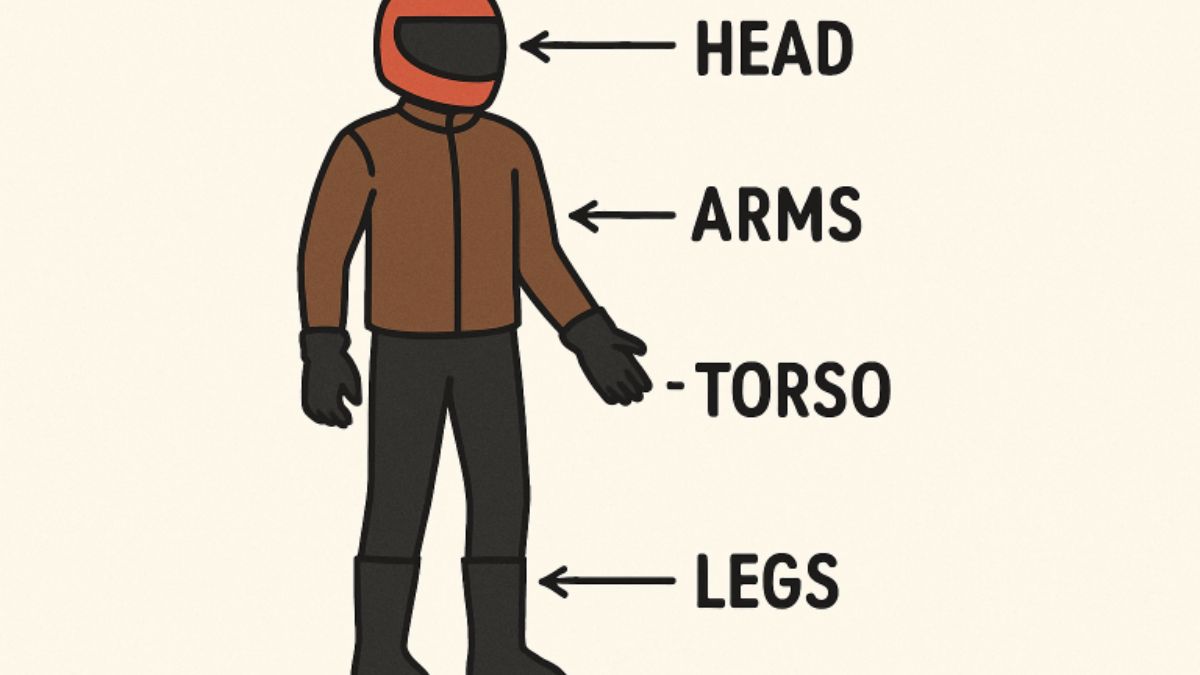
Motorcycling delivers a unique blend of excitement and freedom unlike any other mode of travel. Yet this sense of adventure comes with significant risk. Understanding the most common injuries sustained during motorcycle accidents and learning effective ways to recover is essential for every rider. For those seriously affected, working with a knowledgeable motorcycle accident lawyer can prove vital in navigating post-accident challenges and protecting your rights.
A motorcycle offers little protection in a collision. Even experienced riders who take precautions can become victims of other drivers’ mistakes, road hazards, or sudden weather changes. Knowing what injuries to watch for and the best steps toward recovery could make a life-changing difference. Proactive injury prevention not only protects individual riders but also helps elevate the safety culture within the motorcycling community.
When accidents do occur, the road to recovery requires a combination of medical, physical, and emotional support. Getting prompt and specialized care, alongside maintaining awareness about mental health and legal responsibilities, can significantly impact long-term outcomes. The resources and guidelines in this article are designed to give riders a well-rounded understanding of what to expect and how to manage recovery after a motorcycle crash.
Common Injuries in Motorcycle Accidents
Riding a motorcycle exposes the body to direct impact, increasing the risk of injury compared to car accidents. Below are the most commonly reported injuries in motorcycle accidents:
1. Traumatic Brain Injuries (TBI)
Despite helmet use, riders are still at risk for traumatic brain injuries, which can range from mild concussions to serious brain damage. Common symptoms include persistent headaches, dizziness, confusion, and memory loss. Seeking immediate medical care is critical, even if symptoms seem mild initially. According to the Centers for Disease Control and Prevention (CDC), helmet usage can greatly lower the risk of fatal head injuries, yet the danger remains ever-present in severe collisions.
2. Road Rash
This injury refers to abrasions or lacerations caused by sliding across pavement during an accident. Road rash can range from minor to severe enough to require surgical intervention, such as skin grafts. Wearing durable, protective gear, including riding jackets, pants, and gloves, can minimize the severity of these injuries. Proper wound care is necessary to prevent infection and promote healing.
3. Bone Fractures
High-impact crashes frequently lead to broken bones, particularly in extremities like wrists, arms, legs, and ribs. The risk is pronounced because a rider often instinctively tries to break a fall with outstretched arms, leading to specific fractures such as the “motorcyclist’s fracture” of the collarbone or wrists. Recovery usually involves immobilization, sometimes surgery, and ongoing physical therapy for optimal mobility.
4. Spinal Cord Injuries
Spinal injuries are among the most serious outcomes of a motorcycle crash. Depending on the location and extent of the injury, paralysis or long-term impairment can occur. Prognosis is closely tied to the speed of initial treatment and access to intensive rehabilitation resources. Spinal injuries necessitate a comprehensive, multidisciplinary approach to care.
5. Internal Injuries
Blunt force trauma from a crash can cause internal bleeding and injuries to organs such as the liver, spleen, or lungs. These injuries are particularly serious because they may not present obvious symptoms immediately after the accident. That is why it is paramount to undergo a thorough medical evaluation, even if you feel relatively unscathed initially. Fast detection and intervention are critical to prevent life-threatening complications.
Preventive Measures to Reduce Injury Risk
No matter how skilled a motorcyclist may be, some accidents are unavoidable. However, several proactive steps can dramatically reduce the likelihood and severity of injury:
- Wear Appropriate Gear: Motorcycle helmets, sturdy jackets, riding pants, boots, and gloves all provide essential protection. Invest in certified gear designed to absorb impact and resist abrasion. Additional padding inserts can further protect vulnerable joint areas, as detailed in the Motorcycle Personal Protective Equipment article.
- Ride Defensively: Maintain heightened awareness and anticipate other motorists’ actions. Always use turn signals, scan for hazards, and avoid aggressive maneuvers.
- Avoid Riding in Poor Weather: Wet, icy, or foggy conditions limit stability and traction, making motorcycles much harder to control. Whenever possible, reschedule rides during dangerous weather.
- Regular Maintenance: Check brakes, lights, tire tread, and fluid levels before every ride. Routine inspections and prompt repairs reduce your risk of mechanical failure during critical moments.
Effective Recovery Strategies
Recovery after a motorcycle crash is often complex, extending far beyond the immediate aftermath. An individualized approach is crucial, and a support team can prove critical to regaining both physical ability and peace of mind.
- Medical Treatment: Always adhere strictly to your healthcare team’s recommendations. This can include minor wound care, surgery, medication, or ongoing follow-ups for complex fractures and head injuries. Skipping steps in your recovery plan can prolong healing and worsen outcomes.
- Physical Rehabilitation: Rehabilitation specialists design exercises to restore movement, build strength, and help you recover function in injured limbs or the spine. Patience and consistent effort are essential parts of the rehab process.
- Mental Health Support: Emotional aftereffects such as anxiety, depression, or post-traumatic stress are common. Professional counseling or peer support groups specialized for accident survivors can help you work through these issues and regain confidence on and off the road. The Psychology Today guide on trauma is a valuable resource for learning how to cope after serious accidents.
- Legal Assistance: Consulting an attorney with motorcycle accident expertise gives you the best chance to secure fair compensation for medical expenses, lost wages, and pain or suffering. Solid legal advice is invaluable if disputes with insurance companies arise.
Conclusion
While the thrill of motorcycling is undeniable, being aware of potential risks and following safety protocols greatly reduces the odds of injury. In the event of an accident, informed decisions about medical care, physical rehabilitation, mental health, and legal rights are key to the recovery journey. Preparation, prevention, and prompt action pave the way for a safer, more confident return to the road for motorcyclists everywhere.

Introduction to CN Law Blog
Navigating the complex world of law can feel overwhelming, especially with the rapid pace at which regulations and trends evolve. That’s where the CN Law Blog steps in as your beacon of clarity. This platform is not just another legal blog; it’s a treasure trove of insights designed to keep you informed and empowered. Whether you’re a business owner looking for legal guidance or an individual wanting to understand your rights better, this blog serves up valuable information that’s easy to digest.
With contributions from seasoned experts across various fields, readers gain access to fresh perspectives on pressing legal matters. The CN Law Blog is more than just articles; it’s a community resource dedicated to demystifying the complexities of law and keeping you ahead of the curve. Let’s dive into what makes this blog an essential tool for anyone interested in staying updated on legal trends.
Expert Contributors and Their Areas of Expertise
The CN Law Blog features a diverse group of expert contributors who bring specialized knowledge to the table. Each contributor has deep insights into various legal fields, ensuring that readers receive well-rounded perspectives.
From corporate law to intellectual property, these professionals share their expertise through engaging articles. Many have years of experience in their respective domains, making their advice both practical and relevant.
Some contributors focus on emerging trends in technology law, while others delve into labor relations or environmental regulations. This variety allows the blog to cover a wide spectrum of topics that cater to different interests and needs.
Readers benefit from real-world examples and actionable tips shared by these experts. Their unique viewpoints help demystify complex legal concepts, making it easier for individuals and businesses alike to navigate today’s ever-evolving legal landscape.
Latest Legal Trends and Insights Covered in the Blog
The CN Law Blog consistently highlights the most pressing legal trends shaping various sectors. From data privacy laws to evolving labor regulations, each post dives deep into recent changes.
Readers can find insightful commentary on how technology influences legal practices. The integration of artificial intelligence in law firms is a hot topic, with discussions about ethical implications and efficiency gains.
Another critical area covered is environmental law. With climate issues gaining momentum globally, the blog examines new legislation designed to protect natural resources and combat climate change.
Litigation strategies also receive attention. Trends around alternative dispute resolution methods are explored, shedding light on how businesses can navigate conflicts more effectively.
By staying updated through CN Law Blog, readers gain valuable insights that help them adapt to an ever-changing legal landscape. Each article serves as a resource for understanding complex topics simply and engagingly.
Case Studies and Real-Life Examples
The CN Law Blog stands out for its use of case studies and real-life examples. These stories illustrate complex legal concepts in relatable terms.
One standout case involved a small business navigating intellectual property disputes. Through detailed analysis, readers learned effective strategies to protect their innovative ideas. This scenario resonated with many entrepreneurs facing similar challenges.
Another example explored the implications of recent legislation on employment law. By examining actual workplace situations, the blog provided clarity on compliance issues that businesses must address.
Readers appreciate these narratives as they turn abstract legal theories into practical lessons. The insights gained from these cases empower individuals and organizations alike to make informed decisions within their respective fields. Through vivid storytelling, the CN Law Blog transforms legal jargon into accessible knowledge that matters in everyday life.
The Importance of Staying Updated on Legal Trends
Staying updated on legal trends is crucial for individuals and businesses alike. The law is constantly evolving, influenced by case rulings, regulatory changes, and societal shifts.
Being informed equips you to make better decisions. Whether you’re a business owner navigating compliance or an individual seeking justice, understanding the latest developments can significantly impact your outcomes.
Legal missteps can be costly. Ignorance of new laws or trends may lead to missed opportunities or unnecessary penalties. Staying current helps mitigate risks associated with outdated practices.
Moreover, knowledge fosters confidence. Engaging with contemporary issues empowers you to speak up and advocate for your rights effectively.
Utilizing resources like the CN Law Blog ensures that you’re not left in the dark. Regular insights provide clarity on complex topics and keep you ahead in today’s fast-paced environment.
Embracing this proactive approach shapes a more informed society where everyone benefits from shared legal knowledge.
How to Utilize CN Law Blog for Your Business or Personal Needs
The CN Law Blog is a treasure trove for anyone seeking legal guidance, whether you’re running a business or managing personal matters.
Begin by exploring the extensive library of articles tailored to specific areas like corporate law, intellectual property, and employment law. Each post offers insights that can help you navigate complex legal landscapes.
Next, take advantage of case studies featured in the blog. These real-life examples illustrate how different legal strategies were applied effectively in various situations.
Additionally, subscribe to their newsletter for timely updates on emerging trends and topics that could impact your interests. Staying informed means being prepared.
Engaging with the community through comments can also enrich your understanding. Feel free to ask questions or share experiences related to the content discussed.
Using these resources will empower you to make informed decisions that align with best practices in law.
Conclusion: Why CN Law Blog is the Ultimate Resource for Legal Trends
The CN Law Blog stands out as a premier resource for anyone looking to keep pace with the ever-evolving legal landscape. Its expert contributors bring a wealth of knowledge across various fields, making complex topics accessible and relatable. Readers can dive into in-depth analyses of current trends that are transforming the legal world today.
What sets this blog apart is its use of case studies and real-life examples, which illustrate how these trends play out in practical settings. This approach not only enhances understanding but also highlights the tangible implications of legal changes on businesses and individuals alike.
Staying informed about legal developments is crucial for all professionals, especially those who might be affected by changing laws or emerging issues. The insights provided through the CN Law Blog empower readers to navigate their situations more effectively, whether they relate to personal matters or business strategies.
Utilizing resources like CN Law Blog enables you to remain proactive rather than reactive when it comes to managing your legal affairs. It equips you with valuable information that can influence decision-making processes significantly.
For anyone invested in understanding the dynamics of law today—be it lawyers, entrepreneurs, or everyday citizens—the CN Law Blog emerges as an indispensable tool for navigating today’s complex environment.


Introduction to Trust Administration
Trust administration is a critical process in the management of assets placed into a trust, designed to ensure that the wishes of the grantor are fulfilled and that beneficiaries receive their entitlements in accordance with legal and fiduciary requirements. At its core, trust administration involves the oversight, organization, and management of assets and obligations specified by a trust document, often guided by a trustee who has been entrusted with these responsibilities. The significance of effective trust administration cannot be overstated, as improper management or neglect can lead to legal disputes, financial losses, and even the unintended misallocation of trust assets. Trustees must operate with a combination of financial acumen, legal awareness, and ethical integrity to ensure that the trust functions smoothly over its duration.
Roles and Responsibilities of a Trustee
The trustee is the central figure in trust administration and bears the fiduciary responsibility of acting in the best interests of the beneficiaries while adhering strictly to the terms of the trust. The responsibilities of a trustee are multifaceted, including asset management, investment oversight, tax reporting, and distribution of income or principal to beneficiaries as dictated by the trust agreement. Trustees must balance prudence with opportunity, making strategic decisions that preserve and grow trust assets while mitigating risk. Furthermore, trustees are expected to maintain meticulous records of all financial transactions, communications with beneficiaries, and decisions made in the course of trust management. This transparency ensures accountability and can protect the trustee from potential liability or claims of mismanagement.
Key Elements in Trust Administration
Effective trust administration requires attention to several key elements. First, there is the proper identification and management of trust assets. Assets may range from cash and securities to real estate and personal property, each requiring unique handling and valuation. Trustees must ensure that assets are appropriately safeguarded and that any necessary insurance, maintenance, or oversight is provided. Second, tax compliance is an essential component of trust administration, requiring the trustee to understand complex tax codes, prepare returns for the trust, and sometimes coordinate with financial advisors or tax professionals to optimize tax efficiency. Third, the distribution of assets according to the terms of the trust demands precision, fairness, and an understanding of both the trust’s intent and the beneficiaries’ legal entitlements. Failure in any of these areas can have severe financial and legal repercussions for both the trustee and the beneficiaries.
Legal Considerations in Trust Administration
Trust administration is heavily regulated by state and federal laws, which define the rights of beneficiaries and the responsibilities of trustees. Trustees must comply with statutes governing fiduciary duties, investment practices, reporting requirements, and dispute resolution procedures. In addition, they must understand the nuances of the trust instrument itself, as trust language can sometimes be ambiguous or open to interpretation. Legal challenges can arise when beneficiaries question the trustee’s decisions, such as investment strategies, timing of distributions, or administrative expenses. Therefore, proactive communication, careful documentation, and adherence to both legal standards and the trust’s terms are critical to preventing conflicts. Trustees often work closely with attorneys specializing in estate planning or trust law to ensure that every action taken aligns with both the legal framework and the intent of the trust creator.
Financial Management in Trust Administration
The financial component of trust administration is perhaps the most complex and demanding aspect of the role. Trustees must not only preserve trust assets but also make prudent investment decisions that balance risk and return. This requires a deep understanding of financial markets, portfolio management, and the specific financial goals outlined in the trust document. Many trusts include provisions requiring conservative investments, while others allow for more aggressive strategies to grow wealth for beneficiaries. Trustees are also responsible for managing cash flow, paying trust expenses, and forecasting the financial needs of beneficiaries over time. Investment decisions must be made with careful documentation and justification, as beneficiaries have the right to question the trustee’s approach if they believe it fails to meet fiduciary standards. Effective financial management in trust administration combines analytical skill, patience, and an ethical commitment to acting in the best interests of the beneficiaries.
Communication and Beneficiary Relations
A crucial yet often overlooked component of trust administration is the ongoing communication with beneficiaries. Trustees are expected to provide clear and timely information about trust performance, distributions, and any significant decisions or changes in strategy. Open communication helps build trust and can prevent misunderstandings that might lead to disputes. Trustees must also be sensitive to the differing needs and expectations of beneficiaries, which may include children, spouses, or charitable organizations. Maintaining transparency and responsiveness in all interactions is fundamental to fulfilling fiduciary obligations and fostering positive relationships. In addition, trustees must navigate challenging situations diplomatically, especially when beneficiaries disagree about distributions or interpret trust provisions differently. Properly managed communication enhances the overall effectiveness of trust administration and ensures the long-term success of the trust’s objectives.
Challenges and Common Issues in Trust Administration
Despite careful planning, trustees often face challenges in the administration of trusts. These may include complex family dynamics, disagreements among beneficiaries, volatile market conditions, or unclear trust provisions. Trustees may also encounter administrative difficulties, such as accurately valuing unique assets, handling tax complexities, or managing multiple beneficiaries with competing needs. Additionally, trustees must guard against conflicts of interest, as any perception of self-dealing or bias can result in legal liability. Successfully navigating these challenges requires a combination of legal knowledge, financial expertise, and emotional intelligence. Proactive problem-solving, meticulous record-keeping, and consistent adherence to fiduciary duties are essential to overcoming obstacles and maintaining the trust’s integrity.
Technological Advancements and Trust Administration
In recent years, technology has begun to play a significant role in trust administration, offering tools that simplify record-keeping, reporting, and communication with beneficiaries. Digital platforms allow trustees to track assets, generate financial statements, and provide beneficiaries with secure access to relevant information. Moreover, technology can facilitate compliance with regulatory requirements and reduce administrative errors. However, trustees must also be vigilant about cybersecurity risks, ensuring that sensitive information remains protected from unauthorized access or breaches. Integrating technology thoughtfully into trust administration can improve efficiency, accuracy, and transparency, allowing trustees to focus more effectively on strategic decision-making and fiduciary responsibilities.
Conclusion
Trust administration is a complex, multifaceted process that requires a careful balance of legal knowledge, financial acumen, and ethical responsibility. Trustees play a pivotal role in safeguarding assets, ensuring compliance with laws, and fulfilling the intentions of the trust creator for the benefit of the beneficiaries. By understanding the responsibilities involved, staying informed about relevant regulations, and maintaining clear communication with beneficiaries, trustees can navigate the complexities of trust administration successfully. In an era of evolving financial and technological landscapes, effective trust administration continues to demand diligence, foresight, and an unwavering commitment to fiduciary principles, ensuring that the objectives of the trust are met and that the interests of beneficiaries are protected for generations to come.

Car accidents happen when you least expect them, often leaving you feeling overwhelmed or unsure of your next steps. But being prepared and well-informed can smooth your path to physical, emotional, and financial recovery. In the moments and months following an accident, knowing what actions to take—whether it’s prioritizing your well-being, understanding your legal landscape, or staying connected with support resources—can make all the difference. If you’re navigating this challenging time in Central Florida, you may consider guidance like a Ward Law car accident attorney in Orlando, FL, to help you understand your rights and next steps.
Panic and confusion are common in the aftermath, but having an effective plan empowers you to act swiftly, gather crucial evidence, and advocate for your best interests. The following guide breaks down every essential step, from what to do at the scene to managing claims and personal recovery. With a clear understanding—and the right advocates on your side—you can face this adversity stronger and more resilient.
Immediate Steps to Take After an Accident
Your first priority should always be safety: move to a safe location if possible, check on all parties involved, and call emergency services if injuries or significant vehicle damage have occurred. As you wait for responders, begin documenting the scene. Snap clear photos from multiple angles, noting the vehicle’s position, street signs, road conditions, and any visible injuries. Speak with witnesses to collect their statements and contact details, as this testimony can prove vital in insurance and legal proceedings. Medical evaluation is essential—even if you think you’re unhurt—since some injuries, like whiplash or concussions, may only be detected through professional assessment.
At this stage, maintaining a composed demeanor helps you avoid disclosing unnecessary details to the other driver or insurance representatives. Avoid signifying fault or making any official statements until you’re fully aware of your rights and have consulted legal counsel if needed.
Understanding Your Insurance Policy
Prioritize understanding your insurance policy before an accident ever occurs. Familiarize yourself with vital terms like “liability coverage,” “personal injury protection,” “comprehensive,” and “deductible.” Policies can be complex, hiding important details in fine print, so don’t hesitate to reach out to your insurance agent with questions or clarifications. This preparation ensures that you don’t encounter unanticipated denials or delays during the claims process. Remember, many policyholders overlook essential clauses about rental vehicles, uninsured motorists, or medical coverage, which could dramatically affect your out-of-pocket expenses.
Keep your policy documents in both digital and physical formats for easy access when needed. It’s also prudent to periodically check for updates or amendments in your coverage terms—insurance companies often revise policy language or benefits annually.
Maintaining Organized Records
From the outset, establish a system for tracking all aspects related to your accident. Start a detailed journal of your medical visits, treatments, prescription medication, and physical or emotional symptoms. Save receipts for all accident-related expenses, such as tow truck fees, car rentals, or assistive devices. Record your conversations with insurance agents, adjusters, or legal experts in a dedicated notebook or app, including dates, names, and summaries of the discussions. Meticulous documentation ensures you have the details to contest inaccuracies, substantiate your claims, and present a well-organized file should legal conflict arise.
Digital tools and cloud storage can facilitate secure recordkeeping, allowing you to back up vital documents and access them from anywhere—especially helpful if recovery keeps you away from home for extended periods.
Staying Informed About Your Recovery
Your recovery may be lengthy, involving not only physical healing but also navigating complex insurance and legal frameworks. Keep in touch with your healthcare providers to monitor your recovery and attend all follow-up appointments, both for documentation and to ensure your well-being. Be proactive in understanding the status of your insurance claim and any upcoming deadlines. Should you face litigation or settlement, stay engaged with your attorney and ask questions about timelines, possible outcomes, and required actions on your part. This involvement keeps you prepared and reduces anxiety about the unknown.
Leveraging Technology for Documentation
Today’s technology provides powerful tools to help you stay organized throughout your recovery and claim process. Use calendar apps for reminders about medical visits or legal deadlines, health app trackers for medication routines, and cloud storage solutions for digital copies of all critical documents. Many mobile apps are specifically tailored for accident victims, making it easy to quickly capture photo evidence, input accident details, and generate PDF reports for your records. These digital aids can streamline communication and provide instant access during stressful conversations with insurers or legal teams.
Seeking Professional Guidance
The complexities of accident recovery often demand professional assistance. Consulting a personal injury attorney ensures your rights are upheld and that you pursue all available compensation. Financial advisors can also help if your injury results in a loss of income or unexpected medical expenses. In many cases, the consultation fee is minimal or contingent upon a successful outcome. Applying professional guidance early can save you time, reduce stress, and improve your overall recovery prospects.
Engaging with Support Networks
The emotional aftermath of a car accident can be just as overwhelming as the physical recovery. Lean on your existing relationships and consider joining support groups—both in-person and online—where survivors can share their journeys and coping strategies. These networks provide not only validation and empathy but also practical advice and recommendations for local services. Trusted communities can connect you with specialists, advocacy programs, or recommend additional resources tailored to your specific recovery needs. Support is vital for emotional balance and holistic healing during challenging times.
Conclusion
Navigating the period after a car accident is never easy, but informed preparation and clear action steps can help transform a chaotic circumstance into a manageable and proactive process. By prioritizing safety, thoroughly documenting your actions, understanding your insurance, and staying engaged with professional and personal support resources, you can protect your well-being and future interests. Whether you’re on the road to medical recovery or managing complex claims, taking these steps sets a foundation for resilient, informed self-advocacy in the wake of a traumatic event.
-

 TOPIC7 months ago
Symbols of Hope: The 15th Belenismo sa Tarlac
-

 TOPIC7 months ago
“The Journey Beyond Fashion” – Ditta Sandico
-

 NEWS7 months ago
Historical Churches in Manila
-

 TOPIC7 months ago
RIZAL at 160: a Filipino Feat in Britain
-

 TOPIC7 months ago
5 Must-Have Products From Adarna House to Nurture Your Roots
-

 TOPIC7 months ago
Boats with Two Strings
-

 TOPIC7 months ago
“Recuerdos de Filipinas – Felix Laureano”
-

 TOPIC7 months ago
Filipino, alternative language course at Moscow State University