
HEALTH
Safe and Simple Pain Relief Methods for Everyday Life

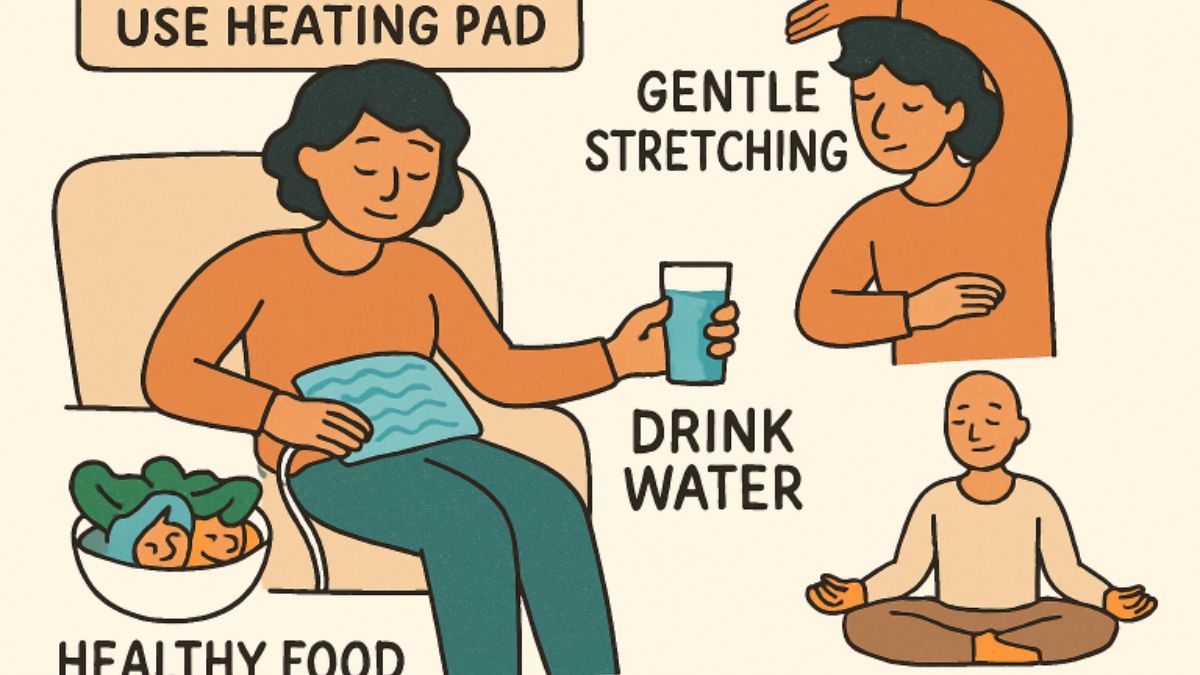
Aches and discomforts are a common part of life, whether from long hours at work, physical activity, or simply the natural aging process. Finding ways to manage pain safely and effectively can improve overall well-being without relying heavily on medications or invasive treatments. Simple adjustments such as gentle stretching, proper posture, heat or cold therapy, and over-the-counter pain relievers can make a noticeable difference in day-to-day comfort. Understanding the root causes of pain and adopting consistent self-care routines helps maintain mobility and supports long-term health.
For those experiencing persistent or unusual pain, consulting healthcare professionals can provide guidance on safe management strategies. Specialists at Midwest Vascular, for example, focus on vascular health, which can play a significant role in certain types of discomfort or circulation-related pain. By combining practical self-care methods with professional insight, individuals can effectively manage discomfort while supporting overall health and daily activity.
Heat and Cold Therapy
Targeted use of heat or cold can provide immediate and effective pain relief. Heat therapy, such as warm towels, heating pads, or warm baths, helps relax muscle stiffness, soothes joints, and promotes increased blood flow. This makes it particularly helpful for those dealing with chronic pain or tension. Cold therapy, such as ice packs or cool compresses, is effective for acute injuries by reducing swelling and numbing sharp pain. Alternating between heat and cold therapies can also boost recovery, especially after physical activity or minor strains.
Gentle Exercise and Stretching
Regular movement is essential for pain management, as it keeps the body flexible, supports healthy joints, and improves circulation. Low-impact activities like walking, swimming, or cycling are accessible for most people and can be adjusted to match individual fitness levels. Incorporating gentle stretches, yoga, or tai chi into your day can help ease stiffness and improve your range of motion. Even a short routine in the morning or evening can lead to significant improvements in pain and mobility.
Anti-Inflammatory Diet
What you eat can either promote or reduce inflammation. Foods rich in anti-inflammatory compounds, such as fresh fruits, leafy greens, nuts, and whole grains, can support your body’s ability to manage pain. Adding ingredients like ginger and turmeric to meals or herbal teas provides natural anti-inflammatory benefits. Omega-3 fatty acids, found in fish like salmon, as well as chia seeds and walnuts, are also linked to lower inflammation and pain levels. Limiting processed foods, added sugars, and unhealthy fats will further reduce inflammation triggers.
Mindfulness and Meditation
Emotional and physical pain are closely connected. Mindfulness practices, such as meditation and guided imagery, help train your mind to cope with pain more effectively. Focusing on the present moment, using deep breathing, or visualizing peaceful settings can de-escalate pain perception and reduce stress. Researchers have shown that daily use of these tools lowers overall pain sensitivity and improves mood. This approach is particularly useful for persistent or stress-induced pain conditions.
Hydration
Proper hydration is essential for overall wellness and pain control. Even mild dehydration can cause muscle cramps, headaches, or increased pain sensitivity. Drinking water consistently throughout the day maintains cell function and helps flush out inflammatory toxins. Including hydrating foods such as cucumbers, watermelon, and berries increases your daily fluid intake. Making hydration a priority is a simple yet impactful way to support pain relief and general health.
Acupuncture
Acupuncture is a traditional practice that involves placing thin needles into specific body points to relieve pain and promote healing. Modern research supports acupuncture as an effective option for many types of pain, including back pain, headaches, and osteoarthritis. The process triggers the body to release natural pain-relieving chemicals and can improve blood flow in targeted areas. While acupuncture should be performed by a qualified practitioner, it offers many people safe and consistent pain relief alongside other healthy habits.
Guided Imagery
Guided imagery is an accessible mind-body tool for naturally managing pain. By vividly picturing pleasant scenarios, such as walking on a beach or lying in a peaceful meadow, you can shift your attention away from pain. Over time, this technique can train your brain to reinterpret pain signals and promote calmness. Frequent practice, especially at times when pain is likely to increase, makes this tool more effective at reducing the overall impact of chronic pain.
Proper Posture
Good posture protects your spine, joints, and muscles from undue stress. Slouching or improper alignment, particularly during computer work or prolonged sitting, can worsen neck, shoulder, and back pain. Setting up an ergonomic workspace, keeping screens at eye level, and taking frequent breaks to stretch all help keep your body in alignment. Simple reminders to maintain upright posture can go a long way in preventing and easing daily aches.
Conclusion
Managing everyday pain doesn’t have to be complicated or rely solely on medication. By combining simple, safe techniques, such as heat or cold therapy, gentle exercise, mindful practices, proper hydration, and an anti-inflammatory diet, individuals can reduce discomfort and support long-term wellness. Paying attention to posture, incorporating alternative methods such as acupuncture or guided imagery, and maintaining consistent self-care routines empower people to take control of their health. When paired with professional guidance for persistent or unusual pain, these strategies create a holistic approach that promotes mobility, relaxation, and a higher quality of daily life.


Panic attacks in teens are usually set off by stress that builds faster than a young person can handle. At school, common triggers are tests, public speaking, social conflict, bullying, crowded spaces, and the pressure to keep up. At home, family tension, poor sleep, caffeine or energy drinks, late-night scrolling, and big life changes play a large role. Often the biggest trigger is the fear of having another attack, which turns normal body sensations into alarm bells.
A trigger doesn’t have to be dramatic. A racing heart after the stairs or a stuffy classroom can be enough. The body reacts, the mind reads danger, and the panic cycle kicks in.
What a First Panic Attack Feels Like for a Teen
A panic attack rarely gives a warning. For many young people, the first one feels like a medical emergency:
- A pounding heart and a tight chest
- Shaky hands and fast, shallow breathing
- A sudden certainty that something is badly wrong
Then, within minutes, it fades. What it leaves behind is one nagging question. What if it happens again, in front of everyone?
That question is where trouble begins. Teenager panic attacks rarely grow out of one big event. They grow out of small daily pressures that stack up quietly at school and at home.
It also helps to know how common this is. A 2026 study in Depression and Anxiety, based on national Australian survey data, found that about 27% of people had a panic attack at some point in life, while roughly 4% met the criteria for panic disorder. One attack is common. Repeated attacks plus constant worry are a different matter.
Why Some Teens Are More Prone to Panic
Not every stressed teen has panic attacks, and the difference often comes down to how a young person reads signals from their own body.
Anxiety Sensitivity: The Fear of Fear
Anxiety sensitivity is the habit of seeing normal stress reactions, like a fast pulse or light dizziness, as dangerous. A teen with high anxiety sensitivity doesn’t just notice a quick heartbeat. They worry it means a heart problem, fainting, or losing control.
A systematic review in Child Psychiatry & Human Development from December 2025 studied panic symptoms in children and adolescents. It found that anxiety sensitivity shows up both as an early risk factor and as something that keeps panic going.
Why should parents care? Because calming the body is only half the work. The other half is changing how a teen interprets what their body is doing.
Hormones, Sleep, and a Brain Still Under Construction
The parts of the teenage brain that sound the alarm mature earlier than the parts that weigh evidence and settle things down. A few other factors add to the load:
- Puberty hormones that make emotions feel stronger
- A natural shift toward later bedtimes
- Early school start times that cut sleep short
Together, these keep a teen’s stress system running hot. That’s not weakness. It’s biology.
School Triggers That Set Off Panic
School packs nearly every classic trigger into one building. The most common ones include:
- Tests and grades. Exams, report cards, and college pressure keep a teen on high alert.
- Public speaking. Presentations, reading aloud, or being called on without warning.
- Social conflict and bullying. Group chat drama, rumors, and online bullying that follows a teen into class.
- Crowded spaces. Busy hallways, packed cafeterias, and assemblies.
- Falling behind. Missed work after an illness can snowball fast.
- Body cues. Skipping breakfast, gym class, or an overheated room can mimic the start of an attack.
The real danger is avoidance. After one attack in math class, a teen may start dreading math class. Then the hallway. Then the building. Teenager panic attacks at school are often mistaken for stomach bugs or simple nerves, so frequent trips to the nurse deserve a closer look. When school stress keeps fueling panic attacks in teens, a child and adolescent psychiatrist can help sort out what’s driving the attacks and which support fits best.
Triggers at Home That Parents Often Overlook
Home brings its own quiet stressors. Watch for these:
- Family conflict. Frequent arguments, separation, or divorce weigh on a teen even when they aren’t directly involved.
- Sleep debt. Late nights on the phone followed by early alarms leave the nervous system on edge.
- Caffeine and energy drinks. These can copy the physical signs of panic almost perfectly.
- Big life changes. Moving, a parent’s job loss, or the death of someone close.
- Late-night scrolling. Social comparison and upsetting news before bed feed worry right when the brain needs rest.
Teenage panic attacks sometimes hit hardest on quiet evenings, especially Sunday nights. With nothing left to distract a teen, the mind starts replaying the week.
Warning Signs That Are Easy to Miss
Teens don’t always say they’re panicking, often because they worry about looking dramatic. Common teenage panic attack symptoms include:
- A pounding or racing heart
- Shortness of breath or a choking feeling
- Chest pain or tightness
- Shaking, sweating, chills, or hot flashes
- Nausea, dizziness, or feeling faint
- Feeling detached from their body or surroundings
- An intense fear of dying or losing control
These sensations usually peak within minutes. Since many teenage panic attack symptoms look physical, a pediatrician visit to rule out asthma, thyroid issues, or heart rhythm problems is a smart first step. After an attack, behavior often shifts too. Watch for a teen who:
- Avoids places where an attack happened
- Checks their pulse or breathing again and again
- Refuses to go out without a parent
- Asks to leave school early more often
Tracking teenage panic attack symptoms in a notes app, with the time, place, and what happened just before, helps a clinician spot patterns.
Treatment Options That Help Teens Recover
Panic is very treatable, and most teens improve with the right support.
Therapy Comes First
Cognitive behavioral therapy (CBT) is the most widely used approach. It usually covers:
- How the panic cycle works and why the sensations aren’t dangerous
- Slow breathing and grounding skills
- Challenging worst-case thoughts
- Gradual, planned exposure to feared sensations and places
A 2025 network meta-analysis in BMC Psychiatry compared several treatments for anxiety disorders in children and adolescents. Acceptance and Commitment Therapy (ACT) ranked highest, and the authors called for more research into pairing therapy with exercise or virtual reality tools. ACT teaches teens to let anxious thoughts pass instead of fighting them.
Good panic attack teenager treatment also involves the family. Parents learn to respond without feeding avoidance, such as letting a teen skip school every time anxiety spikes.
When Medication Makes Sense
Medication isn’t always part of panic attack teenager treatment. A psychiatrist may suggest it when:
- Attacks are moderate to severe
- Therapy alone hasn’t helped enough
- Panic comes with depression or another condition
SSRIs are the most common choice and work best alongside therapy. Regular follow-up matters, since response and side effects vary.
When to Reach Out for Professional Help
It’s time for an evaluation when:
- Attacks keep coming back
- A teen avoids school, friends, or activities
- Worry about the next attack shapes daily life
- Panic shows up with low mood, substance use, or thoughts of self-harm (this needs attention right away)
The good news is that most teenage panic attacks respond well to care, especially when it starts early. The child and adolescent psychiatrists at Good Health Psych work with patients from age 7 in Brooklyn or through telehealth, and also offer focused panic disorder treatment. For families weighing panic attack teenager treatment, an early visit can keep a few scary episodes from turning into a long pattern of avoidance.
FAQ
Is it normal for a teenager to have panic attacks?
An occasional attack is fairly common during stressful stretches. It becomes a concern when attacks repeat, come out of nowhere, or lead to avoidance. Frequent teenage panic attacks may point to panic disorder or another anxiety condition.
Can a teen have a panic attack for no reason?
It can feel that way. Often there’s a hidden trigger, such as poor sleep, caffeine, a passing thought, or a body sensation the teen barely noticed.
How can parents help a teen during a panic attack?
Calm, simple steps work best:
- Stay close and keep your voice low and steady
- Use short sentences, not long explanations
- Guide slow breathing with longer exhales
- Remind the teen the feeling is uncomfortable but not dangerous, and it will pass
Can a teen’s panic attacks go away on their own?
Sometimes they fade once a stressful period ends. But panic attacks in teens that go untreated often lead to growing avoidance, which can keep the cycle alive for years.
Should a teen stay home from school after a panic attack?
Usually not for long. Repeated absences teach the brain that school is dangerous. Teenage panic attacks tend to lose their grip when a teen returns with a plan, like a quiet spot to reset and a trusted staff member to check in with.

Feeling constantly drained is a common problem in modern life. Many people try to refresh with screen time or passive lounging. Standard relaxation methods often leave you feeling more exhausted than before. True recovery requires deliberate recreational choices. You need daily routines that return real power to your body and mind.
Pinpoint Your Personal Energy Drains
Every person experiences fatigue differently throughout the week. Mental burnout demands a different recovery plan than physical tiredness. The key is to identify where you use the most energy and focus on finding what restores you in those particular areas. Taking time to check your habits helps you spot burnout triggers early.
Finding local spots for relaxation can transform a stressful week into a balanced routine. If you want to unwind after work, stopping by a Nola Cannabis Dispensary provides great options for evening downtime. Taking time to choose products tailored to your needs helps you create a reliable night habit.
Embrace the Power of Micro-Rest
Taking a full weekend off is not always possible with a busy schedule. Short breaks scattered through the day offer a clear alternative. Micro-rest isn’t laziness – it’s efficiency. Pausing for five minutes between tasks gives your brain a chance to reset.
Brief physical shifts help reset your focus during a busy workday:
- Stand up and stretch every hour to improve blood flow.
- Step away from screens during short lunch breaks to rest your eyes.
- Practice slow deep breathing to release physical stress quickly.
These short pauses also give your mind a clean slate. It helps you build mental stamina for tough tasks without taking up much time. You can return to a task with fresh eyes and a calmer mood. Small rests add up over a full day and leave you with more energy by evening.
Prioritize Deep Physical Recovery
Sleep quality plays a big role in how you handle daily stress. Around one in three adults don’t get enough rest or sleep. Setting a consistent bedtime routine helps signal to your body that it is time to slow down. Unplugging devices an hour before bed creates the right setting for deep sleep.
Consistent sleep habits boost long-term strength and emotional balance. Creating a dark, cool sleeping space helps you stay asleep longer. Avoiding heavy meals late in the evening prevents night wakeups. Quality sleep forms the base of physical energy.
Engage in Unplugged Hobbies
Passive habits like watching short videos rarely restore mental sharpness. Active time spent on a simple hobby works much better. Gardening, cooking, or playing music forces your mind into a relaxed state. Simple hobbies pull your focus away from work stress and rebuild your focus.
Hands-on hobbies give your brain a break from daily problem-solving. Working on a creative project without tight deadlines offers complete personal freedom. You build fresh mental paths as you step away from digital noise. Engaging your senses outdoors adds to these restorative benefits.
Reclaim Your Daily Balance
Building effective rest routines takes simple trial and error. Listen to physical cues and adjust habits as needed. Start integrating small recovery moments into your schedule today to rebuild your energy and well-being.
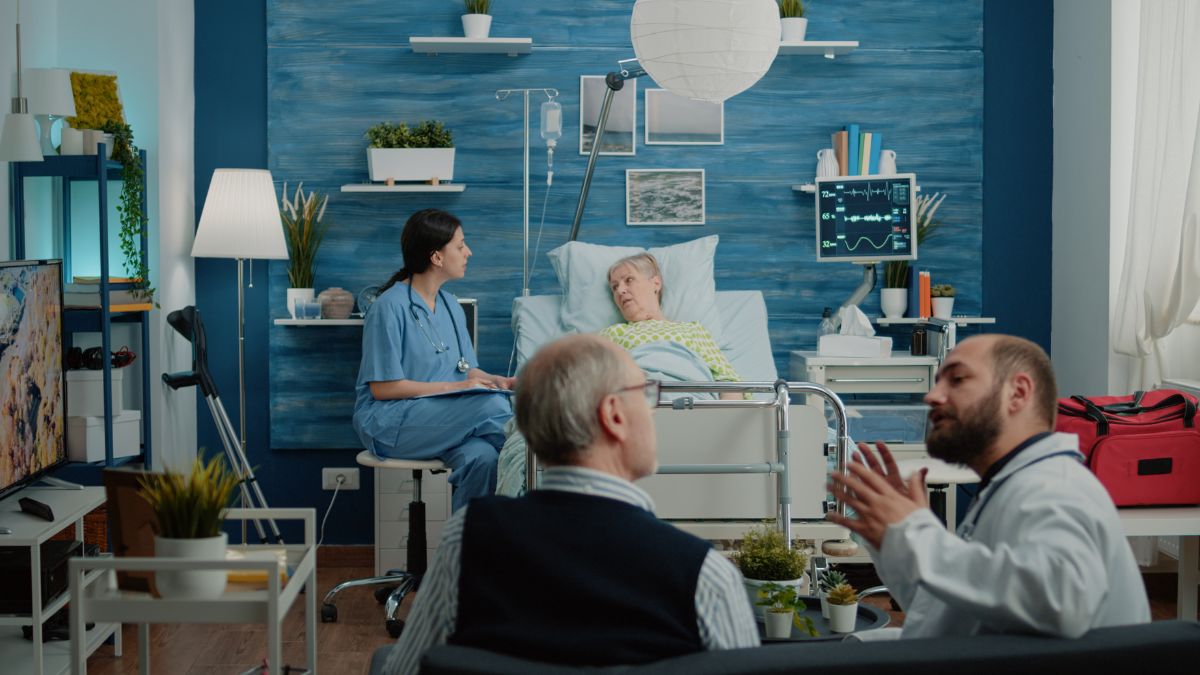
Choosing hospice care is a deeply personal decision, and families often have to make it while also managing uncertainty, stress, and changing care needs. In Taos, NM, quality hospice care should provide more than basic medical support. A strong hospice team should communicate clearly, respect the wishes of the patient and family, coordinate care carefully, and help create as much comfort and stability as possible during a difficult stage of life.
Compassion Is Reflected in Everyday Care
Compassionate hospice care is not only about being kind during major conversations. It should also be visible in the smaller moments, including how team members speak with patients, how carefully they listen, and whether they make time to understand what matters to the individual receiving care.
Patients should be treated with dignity, patience, and respect, regardless of how much their condition has changed. Families should also feel that their questions and concerns are taken seriously rather than brushed aside because the care team is busy.
Does the Hospice Team Communicate Clearly?
Good communication is one of the strongest signs of quality hospice care. Families should understand who is involved in the patient’s care, what each team member does, and whom they should contact when questions or concerns arise.
Hospice professionals should also explain changes in the patient’s condition in straightforward language. Families may already be overwhelmed, so complicated medical terminology without explanation can create unnecessary confusion. A good team takes the time to make information understandable while remaining sensitive to what the family is experiencing.
Care Should Be Built Around the Individual
No two hospice patients have exactly the same needs, priorities, or preferences. A quality hospice provider should develop care around the individual rather than forcing every patient into the same routine.
Some patients may place the greatest importance on controlling pain or other uncomfortable symptoms, while others may focus more heavily on remaining at home, maintaining familiar routines, or spending meaningful time with family. A thoughtful care plan should reflect those priorities and adjust when the patient’s needs change.
Families Receive Support, Too
Hospice care centers on the patient, but families and caregivers are also an important part of the process. Loved ones may be helping with everyday care while simultaneously trying to understand physical changes, medication schedules, equipment, and what to expect next.
A good hospice team helps caregivers feel more prepared. That can include answering practical questions, explaining how to respond to common changes, and helping families understand when they should contact the hospice team for additional guidance.
Is Symptom Management Taken Seriously?
Comfort is one of the central goals of hospice care, which makes careful symptom management especially important. Pain is often the first concern people think about, although patients may also experience shortness of breath, nausea, restlessness, fatigue, anxiety, or other uncomfortable symptoms.
Quality hospice professionals should regularly assess how the patient is feeling and respond when symptoms change. Good symptom management is not a one-time task completed at the beginning of care. It requires continued observation and adjustments based on the patient’s condition and response to treatment.
The Care Team Works Together
Hospice care is typically provided by a team rather than a single person, which makes coordination essential. Nurses, physicians, aides, social workers, chaplains or spiritual-care professionals, and other team members may contribute different types of support depending on the patient’s needs.
Families should not feel responsible for making separate parts of the care plan fit together on their own. A well-organized hospice team communicates internally, shares relevant information, and works toward consistent goals for the patient.
Respect for Personal and Cultural Preferences Matters
Taos is a community with distinctive cultural traditions, family structures, and spiritual perspectives, and hospice care should leave room for those differences. Patients and families may have specific wishes involving visitors, ceremonies, spiritual practices, food, communication, or the people they want involved in important decisions.
Quality care does not assume that every family wants the same experience. Instead, hospice professionals should ask respectful questions, listen carefully, and incorporate reasonable personal preferences into the care plan whenever possible.
Reliable Availability Builds Confidence
Changes can occur outside normal business hours, which is why families should understand how to reach hospice support when they need guidance. Knowing that there is a clear process for getting help can reduce uncertainty, particularly when caregivers encounter a symptom or situation they have not seen before.
Reliability also includes following through on promised communication, coordinating needed supplies or equipment, and keeping families informed when plans change. Consistency often matters just as much as friendliness because families need to know they can depend on the people involved in their loved one’s care.
Quality Care Includes Emotional Support
Hospice involves physical care, although the emotional side of the experience can be equally significant. Patients may experience fear, frustration, sadness, or uncertainty, while family members may be dealing with anticipatory grief and difficult decisions.
A supportive hospice team recognizes that these feelings are part of the experience rather than treating them as distractions from medical care. Emotional, social, and spiritual support can help patients and families feel less isolated while they navigate unfamiliar circumstances.
Recognizing Quality Hospice Care in Taos
Quality hospice care in Taos, NM, should feel personal, organized, respectful, and responsive. Strong communication, careful symptom management, coordinated teamwork, caregiver support, and respect for the patient’s preferences are all important signs that a hospice provider is taking a thoughtful approach to care.
Families should feel comfortable asking questions and learning how a hospice team approaches communication, after-hours needs, symptom changes, and family involvement before making a decision. Taking time to evaluate those qualities can help families choose hospice care that supports comfort, dignity, and meaningful connection throughout the time ahead.
-

 NEWS1 year ago
Historical Churches in Manila
-

 TOPIC3 months ago
Unveiling AvTub: Your Ultimate Guide to the Best AV Content
-

 TOPIC1 year ago
Symbols of Hope: The 15th Belenismo sa Tarlac
-

 TOPIC1 year ago
Simbang Gabi and Kakanin
-

 TOPIC1 year ago
RIZAL at 160: a Filipino Feat in Britain
-

 NEWS4 months ago
What Caused Delta Flight DL275 to Diverted LAX? A Detailed Breakdown
-

 TOPIC2 months ago
Understanding Fascisterne: Origins and Ideological Roots
-

 TOPIC1 year ago
“The Journey Beyond Fashion” – Ditta Sandico