
TOPIC
“Recuerdos de Filipinas – Felix Laureano”

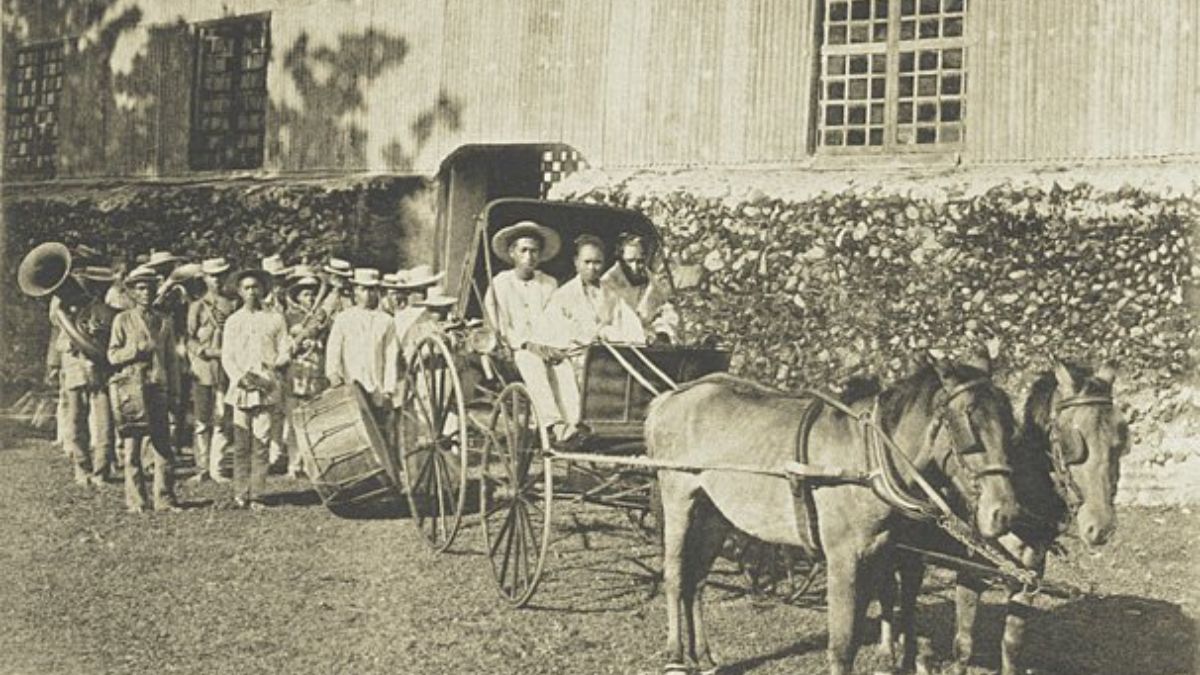
A testimony important not only to Filipinos but all those who love Asia and are interested in knowing what those countries were like a century earlier.
“I have in the harp that guides my song. The languid enchantment of the sound of the sea. The intimate notes that draw forth the tear, Those which for a time make one feel sad and later rejoice.”
(Anonymous Visayan Poet)
The Book
There are some books that have a unique value. Not only for their content but also for what they represent. I believe that if you have these kinds of books they should be shared and their stories told. Such is the case of the photography book of Felix Laureano “Recuerdos de Filipinas”. It was published in 1895 in Barcelona, a compilation of 37 photographs, each one with an accompanying essay. The book and Laureano’s other photographs were exhibited in the Exposicion Regional de Filipinas in Manila the same year. The book is currently out of print. It is, however, on its way to its third reprint.
I had the immense honor of receiving this book from the person who edited it. It was a personal gift from my dear friend Felice Noelle Rodriguez. who was on mission in Rome then and is now an Associate Professor of the Department at the Ateneo de Manila University. Before leaving Italy and as an expression of true friendship, she gave me the last copy of the book in her possession. I feel in constant debt to her for this gesture. And as the law of the gift teaches, what you receive must be circulated.
“Tipos Indios” (Indio-Bisaya Types)
The book portrays the daily life of the people…pensive faces, riverboats, churches, and other scenes from more than a hundred years ago. As Noelle aptly phrased it, “a photograph allows us windows into the past, letting faded moments through the lensman’s prints.”
“Baño de Mar” (Bath in the Sea)
I totally agree with Noelle’s point of view. These images tell of the same blood and flesh of her people. It is true that every photograph always carries part of the past in which it was taken in its “DNA”. In addition to bringing the past to present time, it also carries part of history with them. To me, as an Italian, they have a great charm and I can well imagine their emotional load for a Filipina.
“La Mestiza” (Female of Mixed Parentage)
In Laureano’s book, it is impossible to ignore the fact that he owes a lot to Spain where he worked and which gave him honors and titles. What transpires is that, without taking anything away from his deep love for his country and his people, a certain subjection to western values. In retrospect, a century earlier, it can be felt that there was a sense of inferiority towards one’s roots and appearance which leads me to quote the OPM song of Hebert Bartolome entitled “We are Filipinos”,” don’t feel ashamed if your nose is pinched”.

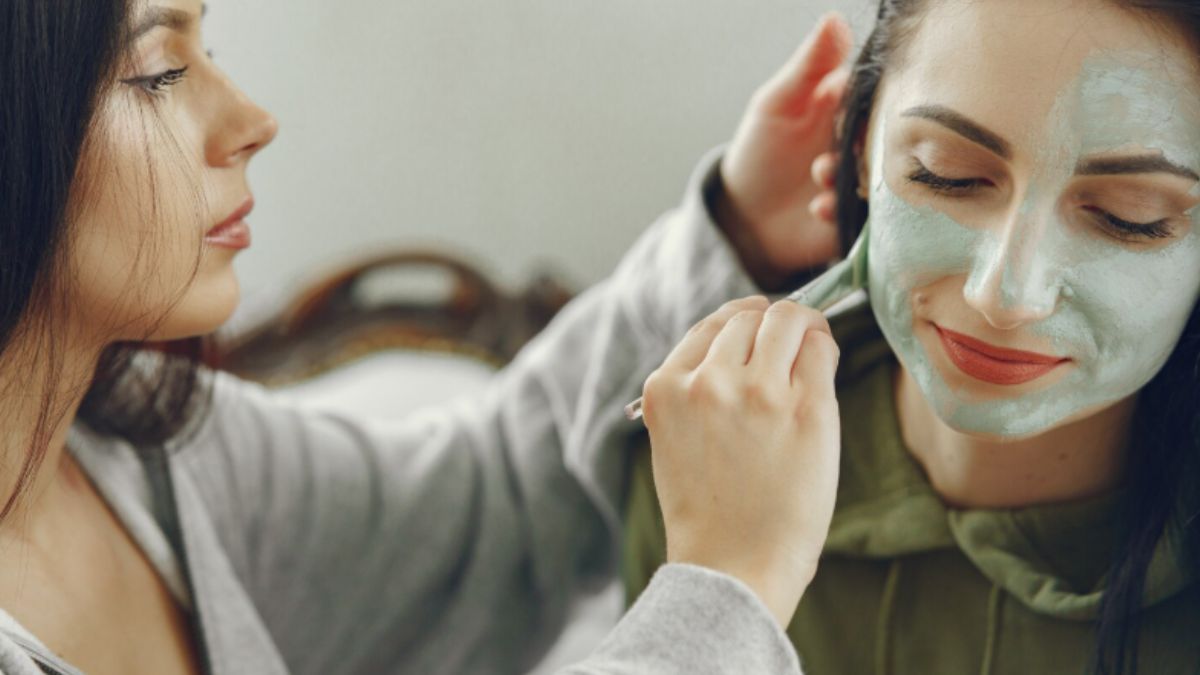
Acne scars pose a significant concern for many individuals seeking to enhance their skin’s appearance and regain confidence. At Muse Clinic, patients encounter professional solutions tailored to treat various types of acne scars effectively. Offering a comprehensive approach, the clinic specialises in techniques aimed at improving skin texture and reducing the visibility of scars.
One of the primary services provided is acne scar treatment, which utilises advanced dermatological procedures. These treatments focus on stimulating the skin’s natural healing processes and promoting collagen production to restore smoother and more even skin.
Understanding Acne Scars
Acne scars develop as a result of inflammation and damage to the skin during acne outbreaks. There are several types of acne scars, including atrophic scars, hypertrophic scars, and keloids. Each type requires a specific treatment approach to achieve optimal results.
Atrophic scars, also known as depressed scars, present as indentations or craters on the skin’s surface. These are the most common type and can vary in depth and shape. Hypertrophic scars and keloids, on the other hand, are raised and result from excessive collagen formation during the healing process.
Consultation and Personalised Treatment Plans
Muse Clinic begins the treatment journey with a detailed skin assessment and consultation. Understanding the patient’s skin condition, medical history, and aesthetic goals enables the creation of a bespoke treatment plan. This personalised plan ensures that the selected procedures not only target the scars effectively but also suit the individual’s skin type and lifestyle.
Advanced Acne Scar Treatment Techniques
The clinic employs a variety of cutting-edge techniques in acne scar treatment. These methods include laser therapy, microneedling, chemical peels, and dermal fillers.
Laser Therapy
Laser treatments work by resurfacing the skin and encouraging collagen regeneration. Fractional laser technology is often utilised to create microscopic injuries in the skin, prompting accelerated healing and improved skin texture over time.
Microneedling
This technique involves the use of fine needles to create controlled micro-injuries in the skin. The procedure stimulates natural collagen and elastin production, resulting in smoother, less scarred skin after a series of sessions.
Chemical Peels
Chemical peels employ specialised chemical solutions to exfoliate the upper skin layers. This process helps to diminish superficial scars and enhances overall skin tone and clarity.
Dermal Fillers
For depressed scars, dermal fillers can be used to elevate the skin surface, thereby reducing the appearance of indentations and creating a more even complexion.
Benefits of Acne Scar Treatments at Muse Clinic
Choosing Muse Clinic for acne scar treatment offers several advantages. The clinic combines expert clinical knowledge, state-of-the-art technologies, and personalised care to deliver effective and safe treatment outcomes.
Patients can expect not only improvements in scar appearance but also enhancements in skin health, texture, and elasticity. The treatments provided aim for natural-looking results without excessive downtime.
Post-Treatment Care and Maintenance
Following acne scar treatment, Muse Clinic emphasises the importance of post-treatment care to maintain and prolong results. This may include the use of specialised skincare products, sun protection, and follow-up appointments to monitor progress.
Detailed guidance is provided to patients to minimise any potential side effects and to ensure optimal skin recovery.
Who Can Benefit from Acne Scar Treatment?
Acne scar treatments at Muse Clinic are suitable for a wide range of individuals, from teenagers to adults who have experienced moderate to severe acne scarring. The treatments are adapted to fit different skin types and tones, ensuring safe and effective results for diverse patient needs.
Booking an Appointment
Individuals interested in improving the appearance of their acne scars are encouraged to contact Muse Clinic for a consultation. The clinic offers a welcoming environment where clients can discuss concerns and receive expert advice on suitable treatment options.
Timely intervention can significantly enhance skin quality and self-confidence.
Expert Staff and Clinic Environment
Muse Clinic’s team comprises experienced dermatologists and skin care specialists dedicated to patient well-being. The clinic is equipped with modern facilities that meet high standards of hygiene and safety.
The professional environment assures patients that their skin care journey is managed with the utmost care and expertise.
Research and Continuous Improvement
The clinic remains committed to integrating the latest scientific advances in skin care treatments. Regular staff training and adoption of innovative technologies ensure that patients benefit from the most effective acne scar therapies available.
Complementary Skin Care Services
In addition to acne scar treatment, Muse Clinic offers an array of skin care services aimed at promoting overall skin health. These include anti-ageing treatments, pigmentation correction, and hydration therapies, all designed to enhance the skin’s appearance and resilience.
Conclusion
Acne scars can affect self-esteem, but effective treatments are available at Muse Clinic to address this concern. Through personalised care, advanced procedures, and expert guidance, patients can achieve significant improvements in their skin’s texture and appearance.
Choosing a trusted clinic like Muse Clinic ensures that the journey towards revitalised skin is both safe and successful.
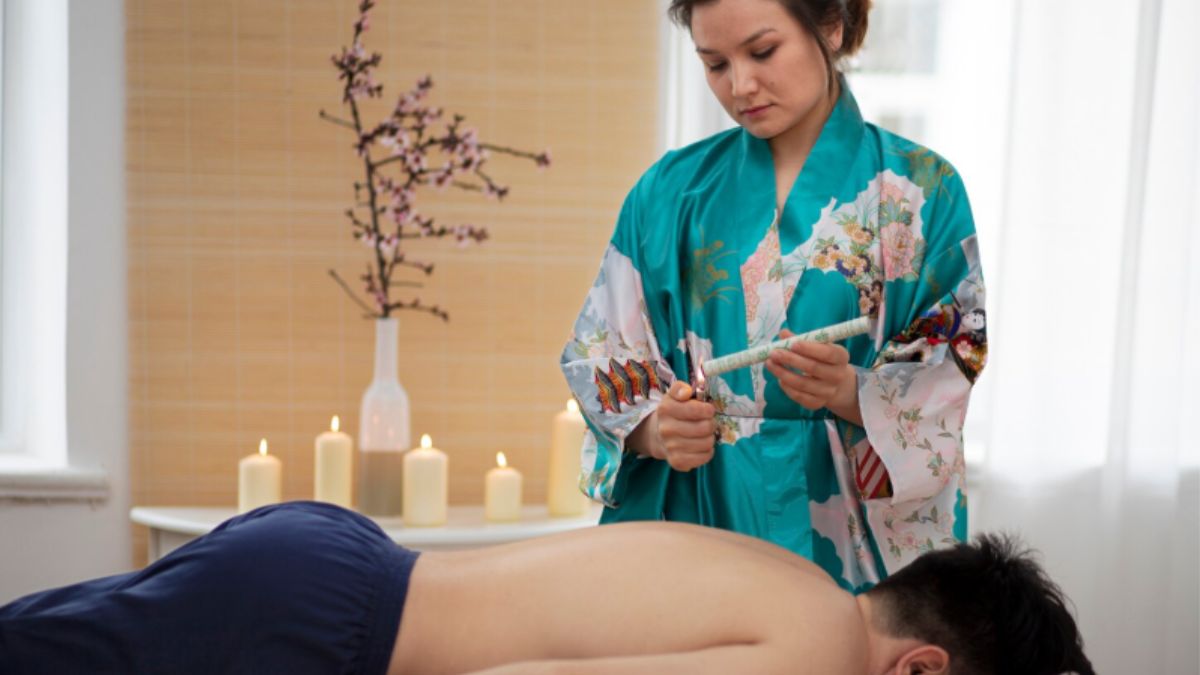
Discover the profound benefits of Thai massage in Perth offered by Tara Massage. This traditional healing art is renowned for its ability to restore balance, flexibility, and overall wellbeing through a unique combination of stretching, gentle pressure, and rhythmic massage techniques. Clients seeking a holistic approach to relaxation and health can find unparalleled expertise and authentic service at Tara Massage.
Understanding Thai Massage and Its Origins
Originating in Thailand more than 2,500 years ago, Thai massage is an ancient therapeutic practice rooted in Indian Ayurvedic and traditional Chinese medicine principles. Often described as assisted yoga, it involves deep muscle compression, joint mobilisation, and acupressure accompanied by mindful breathing techniques. This method works along the body’s energy lines, known as ‘Sen,’ to alleviate blockages and promote the free flow of energy.
Key Benefits of Thai Massage
Thai massage provides numerous physical and mental benefits. It is particularly effective in reducing muscle tension, improving circulation, and enhancing joint mobility. Moreover, this therapy helps to relieve stress and mental fatigue by promoting deep relaxation and calming the nervous system. Regular sessions can support posture correction and increase overall energy levels.
Expertise of Tara Massage Therapists
The professional therapists at Tara Massage are extensively trained in authentic Thai massage techniques, ensuring clients receive an effective and safe therapeutic experience. Their expertise includes personalised assessments and tailored treatment plans that consider individual health conditions and preferences. This attention to detail helps maximise the therapeutic outcomes for every client.
Facility and Environment at Tara Massage
The massage centre maintains a tranquil and welcoming atmosphere designed to enhance the therapeutic process. Soft lighting, calming aromas, and serene décor create a sanctuary for relaxation. All treatments are performed using premium quality oils and traditional Thai massage tools that complement the healing experience, reinforcing the centre’s commitment to excellence.
Who Can Benefit from Thai Massage?
Thai massage is suitable for individuals of all ages and fitness levels. Whether addressing chronic pain conditions such as arthritis, recovering from sports injuries, or simply seeking stress relief, clients can experience substantial improvements. However, it is advisable for pregnant clients or those with specific medical conditions to consult with the therapists beforehand to customise the session accordingly.
What to Expect During a Session
Upon arrival, clients undergo a brief consultation to identify their needs and areas requiring attention. Unlike conventional Western massage, Thai massage typically involves clothed treatment on a mat or low couch. Sessions last between 60 to 90 minutes, incorporating guided movements, stretches, and pressure techniques designed to restore physical and energetic balance.
Complementary Therapies at Tara Massage
In addition to Thai massage, Tara Massage offers a variety of complementary therapies that enhance overall wellbeing. These include aromatherapy, deep tissue massage, and reflexology, which can be combined with traditional Thai techniques for a holistic approach to health maintenance and relaxation.
Commitment to Client Satisfaction
Tara Massage places a strong emphasis on client satisfaction and wellbeing. The centre maintains open communication channels to gather client feedback and continuously improve its services. Each treatment is conducted with professionalism, respect, and a sincere desire to support the client’s journey to better health and relaxation.
Accessibility and Booking
Conveniently located in Perth, Tara Massage offers flexible appointment scheduling to accommodate busy lifestyles. Clients can easily book online or contact the centre directly for personalised advice and to discuss specific service options. This accessibility ensures that high-quality Thai massage therapy is within reach for those seeking its benefits.
Conclusion
Tara Massage establishes itself as a premier destination for authentic Thai massage in Perth. Through expert therapists, a calming environment, and a comprehensive understanding of traditional techniques, the centre delivers an exceptional therapeutic experience. Those pursuing ultimate relaxation and physical rejuvenation are encouraged to explore the exceptional services available at Tara Massage.
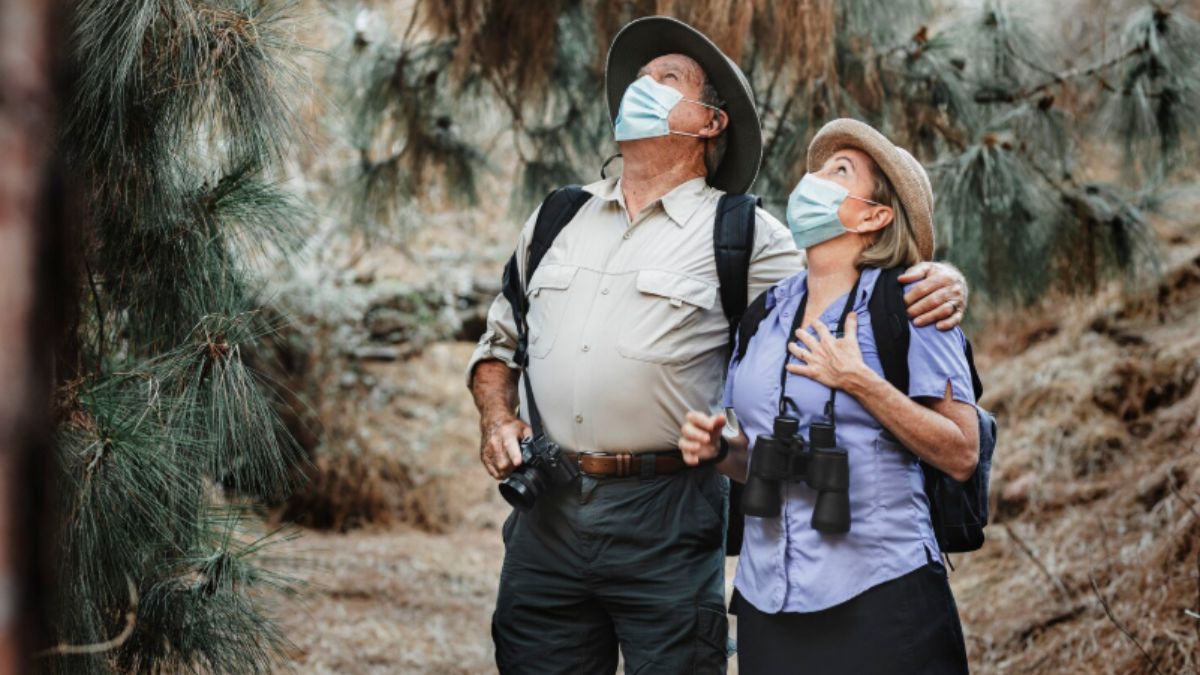
Exploring the diverse landscapes and rich cultural heritage of Japan has become increasingly popular among Australian travellers. For those seeking to immerse themselves in an authentic journey, Japan holiday packages offer an excellent way to experience the country’s unique blend of tradition and modernity. Wendy Wu Tours specialises in curating bespoke itineraries that reveal the essence of Japan, catering to a variety of interests and travel styles.
Introduction to Japan’s Cultural Richness
Japan is a country where ancient traditions coexist with cutting-edge technology. Visitors can witness this juxtaposition in cities such as Tokyo, Kyoto, and Osaka, where shrines and temples stand alongside skyscrapers and shopping districts. A well-designed tour facilitates encounters with tea ceremonies, traditional crafts, and historical sites, providing travellers with a profound understanding of Japan’s cultural identity.
Exploring Historical Landmarks
One of the highlights of any Japan tour includes visits to iconic landmarks like the historic temples of Kyoto, the dramatic landscapes of Mount Fuji, and the Hiroshima Peace Memorial Park. Wendy Wu Tours ensures that each itinerary includes time to absorb the historical significance of these sites, offering insights that enrich the travel experience beyond surface-level sightseeing.
Natural Wonders and Scenic Beauty
Japan’s natural environment captivates visitors with its seasonal variations and scenic diversity. From cherry blossom seasons in the spring to vibrant autumn foliage, the country boasts a multitude of picturesque landscapes. Guided tours often incorporate visits to serene gardens, national parks, and hot spring resorts, allowing travellers to appreciate Japan’s beauty in comfort and style.
Gastronomic Experiences
Japanese cuisine is internationally renowned for its flavour and presentation. Tours frequently include opportunities to sample regional specialties, from sushi and sashimi to street food and traditional kaiseki meals. Culinary exploration is integral to the holiday experience, offering a taste of Japan’s cultural depth through its food.
Benefits of Organised Tours
Organised tours like those offered by Wendy Wu Tours provide a structured and convenient way to explore Japan. They handle logistics such as accommodation, transport, and entrance fees, which allows travellers to focus on enjoying the experience. Additionally, expert guides offer commentary and context that self-guided travel may lack.
Customisable Itineraries for Diverse Interests
Whether travellers seek historical insights, natural beauty, or urban adventures, travel packages are designed to accommodate varied preferences. Wendy Wu Tours offers a range of options from leisurely cultural tours to more active itineraries, ensuring a match for different travel desires and budgets.
Seasonal Travel Considerations
Choosing the right time to visit Japan enhances the holiday experience. Cherry blossom season in the spring attracts many visitors, while autumn’s colourful foliage provides an alternative scenic spectacle. Winter offers snow activities, and summer features vibrant festivals. Informed travellers can select tour dates that coincide with events or weather preferences.
Accommodation Quality and Selection
Accommodation is an important aspect of any holiday package. Wendy Wu Tours emphasises comfort and authenticity, often selecting hotels that reflect the character of the region. From traditional ryokans to modern city hotels, the accommodation choices support a well-rounded experience.
Transportation and Accessibility
Japan’s efficient transport network is a key element in exploring the country extensively. Guided tours use a combination of bullet trains, local trains, buses, and private coaches to ensure seamless travel between destinations. This facilitates smooth transitions and maximises time spent at each location.
Suitability for Solo Travellers and Groups
Japan holiday packages accommodate solo travellers, couples, and group bookings. The social aspect of group tours often appeals to those seeking companionship and shared experiences, while private or smaller group options provide tailored attention and flexibility.
Educational and Cultural Enrichment
Beyond sightseeing, these tours offer educational value through interactions with local experts, cultural demonstrations, and visits to museums. This enhances appreciation for Japan’s customs and history, resulting in a more meaningful visit.
Safety and Support Services
Travelling with a reputable tour operator provides reassurance regarding safety and support. Wendy Wu Tours maintains high standards in this regard, including assistance services, knowledgeable guides, and adherence to travel regulations, contributing to a reliable holiday experience.
Environmental and Responsible Tourism
Increasingly, travellers seek tours that respect the environment and local communities. Responsible tourism practices are integrated into many Japan holiday packages, promoting sustainable travel methods, encouraging respectful cultural exchange, and minimising ecological impacts.
Booking and Preparation Advice
Prospective travellers are encouraged to plan and book well in advance, especially for popular travel periods. Consulting with tour experts helps ensure that itinerary choices align with personal interests and requirements, enhancing the likelihood of a satisfactory holiday.
Conclusion: A Unique Opportunity to Discover Japan
Japan remains a destination of exceptional cultural and natural appeal. Through professionally organised Japan holiday packages, Australian travellers can embark on an immersive journey, guided by expertise and supported by comprehensive services. Such tours offer an efficient and enriching method to uncover Japan’s treasures, revealing hidden gems that contribute to an unforgettable travel experience.
-

 NEWS1 year ago
Historical Churches in Manila
-

 TOPIC2 months ago
Unveiling AvTub: Your Ultimate Guide to the Best AV Content
-

 TOPIC1 year ago
Symbols of Hope: The 15th Belenismo sa Tarlac
-

 TOPIC1 year ago
RIZAL at 160: a Filipino Feat in Britain
-

 TOPIC1 year ago
“The Journey Beyond Fashion” – Ditta Sandico
-

 TOPIC4 weeks ago
Understanding Fascisterne: Origins and Ideological Roots
-

 TOPIC1 year ago
Simbang Gabi and Kakanin
-

 TOPIC1 year ago
5 Must-Have Products From Adarna House to Nurture Your Roots