
LAW
Common Motorcycle Accident Injuries and Recovery Tips

Motorcycling delivers a unique blend of excitement and freedom unlike any other mode of travel. Yet this sense of adventure comes with significant risk. Understanding the most common injuries sustained during motorcycle accidents and learning effective ways to recover is essential for every rider. For those seriously affected, working with a knowledgeable motorcycle accident lawyer can prove vital in navigating post-accident challenges and protecting your rights.
A motorcycle offers little protection in a collision. Even experienced riders who take precautions can become victims of other drivers’ mistakes, road hazards, or sudden weather changes. Knowing what injuries to watch for and the best steps toward recovery could make a life-changing difference. Proactive injury prevention not only protects individual riders but also helps elevate the safety culture within the motorcycling community.
When accidents do occur, the road to recovery requires a combination of medical, physical, and emotional support. Getting prompt and specialized care, alongside maintaining awareness about mental health and legal responsibilities, can significantly impact long-term outcomes. The resources and guidelines in this article are designed to give riders a well-rounded understanding of what to expect and how to manage recovery after a motorcycle crash.
Common Injuries in Motorcycle Accidents
Riding a motorcycle exposes the body to direct impact, increasing the risk of injury compared to car accidents. Below are the most commonly reported injuries in motorcycle accidents:
1. Traumatic Brain Injuries (TBI)
Despite helmet use, riders are still at risk for traumatic brain injuries, which can range from mild concussions to serious brain damage. Common symptoms include persistent headaches, dizziness, confusion, and memory loss. Seeking immediate medical care is critical, even if symptoms seem mild initially. According to the Centers for Disease Control and Prevention (CDC), helmet usage can greatly lower the risk of fatal head injuries, yet the danger remains ever-present in severe collisions.
2. Road Rash
This injury refers to abrasions or lacerations caused by sliding across pavement during an accident. Road rash can range from minor to severe enough to require surgical intervention, such as skin grafts. Wearing durable, protective gear, including riding jackets, pants, and gloves, can minimize the severity of these injuries. Proper wound care is necessary to prevent infection and promote healing.
3. Bone Fractures
High-impact crashes frequently lead to broken bones, particularly in extremities like wrists, arms, legs, and ribs. The risk is pronounced because a rider often instinctively tries to break a fall with outstretched arms, leading to specific fractures such as the “motorcyclist’s fracture” of the collarbone or wrists. Recovery usually involves immobilization, sometimes surgery, and ongoing physical therapy for optimal mobility.
4. Spinal Cord Injuries
Spinal injuries are among the most serious outcomes of a motorcycle crash. Depending on the location and extent of the injury, paralysis or long-term impairment can occur. Prognosis is closely tied to the speed of initial treatment and access to intensive rehabilitation resources. Spinal injuries necessitate a comprehensive, multidisciplinary approach to care.
5. Internal Injuries
Blunt force trauma from a crash can cause internal bleeding and injuries to organs such as the liver, spleen, or lungs. These injuries are particularly serious because they may not present obvious symptoms immediately after the accident. That is why it is paramount to undergo a thorough medical evaluation, even if you feel relatively unscathed initially. Fast detection and intervention are critical to prevent life-threatening complications.
Preventive Measures to Reduce Injury Risk
No matter how skilled a motorcyclist may be, some accidents are unavoidable. However, several proactive steps can dramatically reduce the likelihood and severity of injury:
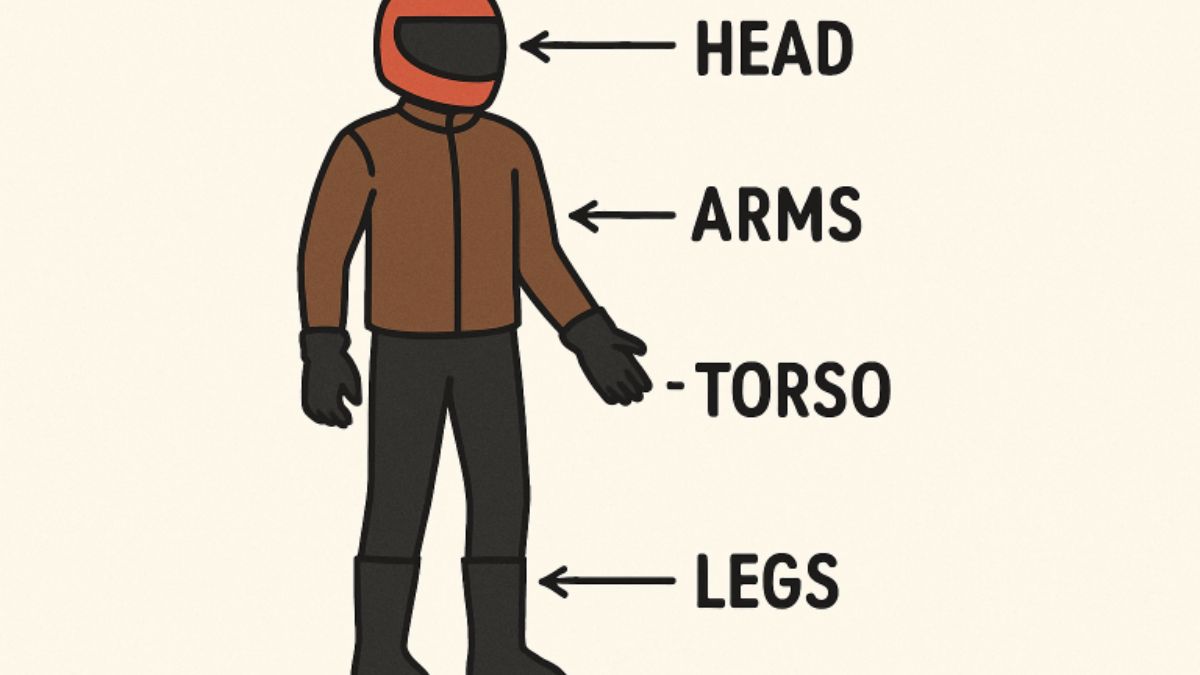
- Wear Appropriate Gear: Motorcycle helmets, sturdy jackets, riding pants, boots, and gloves all provide essential protection. Invest in certified gear designed to absorb impact and resist abrasion. Additional padding inserts can further protect vulnerable joint areas, as detailed in the Motorcycle Personal Protective Equipment article.
- Ride Defensively: Maintain heightened awareness and anticipate other motorists’ actions. Always use turn signals, scan for hazards, and avoid aggressive maneuvers.
- Avoid Riding in Poor Weather: Wet, icy, or foggy conditions limit stability and traction, making motorcycles much harder to control. Whenever possible, reschedule rides during dangerous weather.
- Regular Maintenance: Check brakes, lights, tire tread, and fluid levels before every ride. Routine inspections and prompt repairs reduce your risk of mechanical failure during critical moments.
Effective Recovery Strategies
Recovery after a motorcycle crash is often complex, extending far beyond the immediate aftermath. An individualized approach is crucial, and a support team can prove critical to regaining both physical ability and peace of mind.
- Medical Treatment: Always adhere strictly to your healthcare team’s recommendations. This can include minor wound care, surgery, medication, or ongoing follow-ups for complex fractures and head injuries. Skipping steps in your recovery plan can prolong healing and worsen outcomes.
- Physical Rehabilitation: Rehabilitation specialists design exercises to restore movement, build strength, and help you recover function in injured limbs or the spine. Patience and consistent effort are essential parts of the rehab process.
- Mental Health Support: Emotional aftereffects such as anxiety, depression, or post-traumatic stress are common. Professional counseling or peer support groups specialized for accident survivors can help you work through these issues and regain confidence on and off the road. The Psychology Today guide on trauma is a valuable resource for learning how to cope after serious accidents.
- Legal Assistance: Consulting an attorney with motorcycle accident expertise gives you the best chance to secure fair compensation for medical expenses, lost wages, and pain or suffering. Solid legal advice is invaluable if disputes with insurance companies arise.
Conclusion
While the thrill of motorcycling is undeniable, being aware of potential risks and following safety protocols greatly reduces the odds of injury. In the event of an accident, informed decisions about medical care, physical rehabilitation, mental health, and legal rights are key to the recovery journey. Preparation, prevention, and prompt action pave the way for a safer, more confident return to the road for motorcyclists everywhere.


Personal injury attorneys help you handle every aspect of your case, including investigating the accident, gathering evidence, negotiating with insurance companies, calculating damages, and representing you in court if necessary. Their role is to protect your rights, strengthen your claim, and ensure you receive fair compensation for your injuries and losses.
Working with experienced personal injury attorneys can make a significant difference in how your case is handled and resolved. They understand legal procedures, know how to deal with insurance companies, and ensure that no important detail is overlooked, giving you a stronger chance of achieving a favorable outcome.
In this article, we will see the key responsibilities of personal injury attorneys and how they support you throughout the entire claims process.
Investigating the Accident Thoroughly
One of the first things a personal injury attorney does is conduct a detailed investigation of the accident. This includes reviewing police reports, collecting witness statements, examining photos or videos, and analyzing the circumstances that led to the incident. A thorough investigation helps establish fault and builds a strong foundation for your case.
Gathering and Organizing Evidence
Strong evidence is essential for a successful claim. Attorneys collect medical records, accident reports, expert opinions, and any other relevant documentation. They organize this information in a way that clearly demonstrates how the accident occurred and how it impacted your life. This step is crucial for proving liability and damages.
Calculating the True Value of Your Claim
Many people underestimate the value of their claim. Personal injury attorneys carefully evaluate all aspects of your losses, including medical expenses, lost income, future treatment costs, pain and suffering, and emotional distress. This ensures that your claim reflects the full extent of your damages.
Handling Communication with Insurance Companies
Dealing with insurance companies can be challenging. Attorneys take over all communication with insurers, ensuring that your rights are protected. They prevent you from making statements that could harm your case and handle negotiations professionally to secure a fair settlement.
Negotiating for a Fair Settlement
Insurance companies often try to settle claims for less than they are worth. Personal injury attorneys use their experience and evidence to negotiate effectively. They push for a settlement that accurately reflects your damages and ensures you are not undercompensated.
Representing You in Court if Needed
If a fair settlement cannot be reached, your attorney will represent you in court. They prepare legal documents, present evidence, question witnesses, and argue your case before a judge or jury. Having professional representation increases your chances of achieving a favorable outcome.
Providing Legal Guidance and Support
Throughout the process, personal injury attorneys guide you on the best course of action. They explain legal terms, keep you informed about your case, and help you make decisions with confidence. This support reduces stress and ensures that you are always aware of your options.
Ensuring Deadlines and Legal Requirements Are Met
Personal injury cases involve strict deadlines and procedural requirements. Attorneys ensure that all paperwork is filed correctly and on time, preventing delays or dismissal of your claim. Staying compliant with legal rules is essential for a smooth process.
Conclusion
An experienced attorney plays a crucial role in managing your case from start to finish. From gathering evidence and negotiating settlements to representing you in court, they work to protect your rights and secure fair compensation. Having the right support can make the entire process more manageable and significantly improve your chances of a successful outcome.
Key Takeaways
● Personal injury attorney manages every step of your case, from investigation to settlement or trial.
● Strong evidence collection and organization are key to proving liability and damages.
● Attorneys accurately calculate your claim to ensure full compensation for all losses.
● They handle insurance companies and negotiate to prevent underpayment.
● Legal guidance and meeting deadlines help ensure a smooth and successful claims process.

Patients trust doctors, nurses, hospitals, and other healthcare providers to deliver care that meets accepted medical standards. While many medical treatments are successful, preventable mistakes still occur in healthcare settings across the United States. Some errors result in temporary complications, while others can cause serious injuries, long-term health problems, or even death.
Common medical errors that may lead to legal action include delayed or incorrect diagnoses, medication mistakes, surgical errors, birth injuries, anesthesia-related mistakes, and failures to properly monitor a patient. When a healthcare provider’s actions fall below the accepted standard of care and cause harm, patients may have the right to pursue compensation for the losses they suffer.
A medical malpractice lawyer can help evaluate whether a medical error was simply an unfortunate outcome or whether it may have resulted from negligence. Understanding the types of mistakes that most frequently lead to malpractice claims can help patients recognize situations where further investigation may be necessary.
While not every unfavorable medical outcome is the result of malpractice, certain preventable errors appear repeatedly in legal claims and often have significant consequences for patients and their families.
1. Misdiagnosis and Delayed Diagnosis
Diagnostic errors are among the most common reasons patients pursue medical malpractice claims. A doctor may diagnose the wrong condition, fail to identify a serious illness, or delay ordering tests that could have revealed the correct diagnosis.
These mistakes can prevent patients from receiving timely treatment. For example, a delayed cancer diagnosis may allow the disease to progress to a more advanced stage, while a missed heart attack or stroke diagnosis can significantly increase the risk of permanent injury or death. In many cases, the issue is not simply that a diagnosis was difficult but that reasonable steps were not taken to identify the condition sooner.
2. Medication Errors
Medication mistakes can occur at multiple stages of patient care. A physician may prescribe the wrong drug, a pharmacist may dispense an incorrect medication, or a healthcare provider may administer the wrong dosage.
Even a seemingly minor medication error can have serious consequences. Patients may experience allergic reactions, dangerous drug interactions, overdoses, or worsening medical conditions when medications are not prescribed or administered correctly. These cases often involve a review of medical records, prescriptions, and treatment protocols to determine whether proper procedures were followed.
3. Surgical Mistakes
Surgery always carries risks, but some complications result from preventable errors rather than the procedure itself. Surgical mistakes can include operating on the wrong body part, performing the wrong procedure, damaging nearby organs, or leaving surgical instruments inside a patient.
These errors often require additional surgeries, extended hospital stays, and ongoing medical treatment. In severe cases, they can result in permanent disability or life-threatening complications.
4. Birth Injuries
Mistakes during pregnancy, labor, or delivery can affect both the mother and child. Healthcare providers are expected to monitor fetal health, recognize signs of distress, and respond appropriately when complications arise.
When warning signs are missed, or treatment is delayed, preventable birth injuries may occur. These injuries can lead to lifelong medical needs, developmental challenges, and significant financial burdens for families.
5. Failure to Monitor a Patient
Proper patient monitoring is essential in hospitals, emergency rooms, and post-surgical settings. Healthcare providers must pay attention to changes in a patient’s condition and respond when warning signs appear.
A failure to monitor may involve overlooking abnormal vital signs, ignoring laboratory results, or failing to recognize symptoms that require immediate intervention. When prompt treatment could have prevented harm, these situations may become the basis of a malpractice claim.
6. Anesthesia Errors
Administering anesthesia requires careful planning, monitoring, and communication. Errors involving anesthesia can occur before, during, or after a procedure and may include incorrect dosages, inadequate patient evaluation, or failures to monitor oxygen levels and vital signs.
Because anesthesia directly affects critical bodily functions, mistakes can result in severe complications, including brain injuries, cardiac problems, or other serious medical conditions.
Why Medical Errors Sometimes Lead to Legal Claims
Not every medical mistake automatically results in a successful lawsuit. Generally, a patient must show that a healthcare provider failed to meet the accepted standard of care and that this failure directly caused harm.
Medical malpractice cases often rely on expert testimony, medical records, and detailed investigations to determine whether the injury could have been prevented. When negligence is established, patients may seek compensation for medical expenses, lost wages, pain and suffering, and other damages.
Key Takeaways
- Diagnostic errors, including misdiagnosis and delayed diagnosis, are among the leading causes of medical malpractice claims.
- Medication mistakes can occur during prescribing, dispensing, or administration and may result in serious harm.
- Preventable surgical and anesthesia errors can lead to long-term complications and additional treatment.
- Birth injuries and failures in patient monitoring often form the basis of significant malpractice cases.
- A medical malpractice lawyer can help determine whether a healthcare.

Driving near semi-trucks can feel intense on crowded highways. Big rigs take up lots of road space. They need extra room to stop and turn safely.
Shared roads demand your full attention every second you sit behind the wheel. Staying alert around commercial traffic helps protect you and your passengers from severe crashes. One wrong move near a giant truck can change your life in a flash.
Continue reading to discover everything you need to know!
Massive Weight Differences on Busy Roads
Driving through the heavy traffic of West Texas means sharing roads with large rigs every day. If a sudden crash leaves you facing high bills, consulting a Midland truck accident lawyer can help protect your legal rights. Staying sharp behind the wheel gives you extra reaction time during sudden highway hazards.
Large trucks make up roughly 9 to 10 percent of all registered vehicles on American roads. Their massive size means they fill up lanes fast and need extra room to maneuver.
Giving these large vehicles space reduces risks for smaller passenger cars. A small car never wins a fight with a loaded rig.
Blind Spots Are Larger Than Expected
Big trucks have massive blind spots on all four sides where small cars vanish from view. Only 5 percent of drivers can correctly identify all of a semi-truck’s blind spots. Many people assume truck drivers can see them easily in large side mirrors.
- Knowing where big rigs lose sight of nearby traffic helps you stay out of danger:
- Side zones extending across lanes right behind the main truck cab.
- Rear zones stretching far behind the long trailer where mirrors miss cars.
- Front zones located directly in front of the high front grille.
Staying clear of these areas prevents sudden lane change collisions and dangerous cut-offs. If you cannot see the truck driver’s face in the mirror, they cannot see you.
Straight Highways Present Surprising Risks
Many drivers assume big crashes happen mostly on sharp turns or bad intersections. In 61 percent of fatal large truck crash cases, the truck was traveling straight. Driving on flat, open highways can tempt drivers to drop their focus too soon.
High road speeds leave little room for error when a big rig slows down fast. Heavy truck weight makes stopping distances much longer than normal cars need.
Staying alert prevents sudden rear-end crashes on long open stretches of road. A glance at your phone is all it takes to miss a slowing truck.
Simple Habits for Safe Highway Travel
Passing big rigs quickly reduces your time spent driving near giant rolling tires. Give trucks extra room when they signal for wide turns at road splits. Never cut in front of a big rig right after passing it on the left.
Keep your eyes moving and scan the road ahead to spot traffic slowdowns early. Use turn signals early so truck drivers know your next move on the highway. Small changes in your driving habits make every trip safer for everyone.
Staying Safe on Open Highways
Staying alert around commercial trucks keeps you in control of your highway safety. Smart driving choices turn tense moments into calm, safe trips for your family.
Respecting big trucks and keeping a safe distance protects everyone on the road. If you suffered injuries in a commercial vehicle collision, speak with a legal professional today to explore your options.
Check out the rest of our site for more!
-

 NEWS1 year ago
Historical Churches in Manila
-

 TOPIC2 months ago
Unveiling AvTub: Your Ultimate Guide to the Best AV Content
-

 TOPIC1 year ago
Symbols of Hope: The 15th Belenismo sa Tarlac
-

 TOPIC1 year ago
RIZAL at 160: a Filipino Feat in Britain
-

 TOPIC1 year ago
“The Journey Beyond Fashion” – Ditta Sandico
-

 TOPIC4 weeks ago
Understanding Fascisterne: Origins and Ideological Roots
-

 TOPIC1 year ago
Simbang Gabi and Kakanin
-

 TOPIC1 year ago
5 Must-Have Products From Adarna House to Nurture Your Roots