
EDUCATION
Balancing Work, Life, and Learning: Strategies for Success

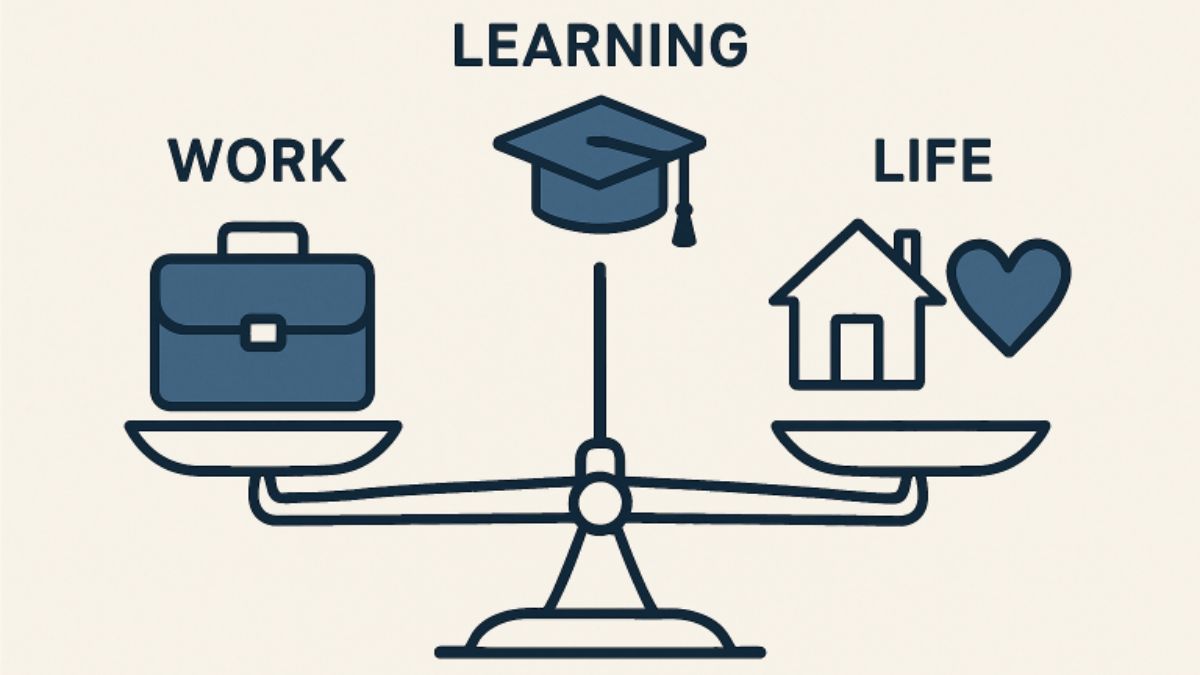
For many professionals and lifelong learners, successfully juggling the demands of work, personal commitments, and education feels like a constant challenge. The pressure and stress from overlapping responsibilities can quickly become overwhelming. Fortunately, practical strategies can help anyone move from merely coping to thriving. Exploring resources like MSU Innovative Learning can empower you to find the adaptable solutions that best fit your lifestyle and goals.
With intentional planning and the right mindset, maintaining fulfillment across work, life, and learning becomes a realistic and rewarding process. Whether you are returning to school as a working parent, advancing your career through new certifications, or seeking a better balance between your personal and professional life, real-world tactics can ease the strain. By implementing proven techniques and using flexible programs, you pave the way for growth and satisfaction across all areas of life.
This article offers research-backed, experience-driven tips to foster harmony, boost resilience, and help you create sustainable routines. From prioritizing self-care and time management to leveraging technology and establishing a supportive environment, each strategy is designed to support your success at every stage of your journey.
Effective Time Management
Time management is the keystone to balancing a busy schedule. Start by creating a structured routine that breaks time into compartments for core responsibilities and essential tasks. Digital planners, such as Google Calendar or Todoist, help organize deadlines and keep overlapping obligations in check. Breaking larger goals into smaller steps prevents overwhelm and keeps your workload manageable. Setting clear boundaries for work, study, and personal time improves focus and reduces stress, making it easier to navigate daily expectations without feeling pulled in every direction.
Establishing Clear Goals
Clarity in your ambitions paves the road to consistent progress. Set defined, realistic goals for your career, education, and personal growth. Use a mix of short-term and long-term benchmarks, revisiting and refining them as your situation evolves. SMART goals, specific, measurable, achievable, relevant, and time-bound, can help ensure you stay on course.
Creating a Supportive Environment
Building a workspace that enhances productivity is crucial. Designate a spot in your home specifically for study and work, away from common distractions. Keep the area organized and equip it with everything you need, from charging cables to textbooks and noise-cancelling headphones. Clear communication with family and roommates about your commitments helps set boundaries and minimizes interruptions during critical work or study times. Encouragement from those around you fosters a sense of accountability and emotional support.
Prioritizing Self-Care
Physical and mental well-being are the foundation of sustained productivity. Regular exercise, balanced meals, and eight hours of sleep each night strengthen cognitive function and energy reserves. Integrate short breaks and relaxation into your schedule to avoid burnout. Activities such as walking, meditation, or creative hobbies provide much-needed mental release and help maintain a positive outlook, even during demanding periods.
Leveraging Flexible Learning Options
Enrolling in flexible learning programs is a game-changer for busy adults. Part-time courses, evening or weekend classes, and online learning make it possible to pursue education without sacrificing work or personal time. Digital resources allow students to access lectures, complete assignments, and engage in discussions at their own pace, making it easier to blend learning with other responsibilities. Institutions embracing innovative formats help learners feel empowered rather than restricted by traditional schedules.
Utilizing Technology Tools
Technology can streamline nearly every aspect of your daily routine. Productivity apps and project management software, such as Trello or Notion, enhance organization, facilitate team collaboration, and keep you accountable. Online learning platforms provide easy access to high-quality materials and new skills on demand. Staying aware of the evolving tech landscape ensures you use tools that save time and maximize efficiency, both at work and in your education.
Seeking Support and Communication
No one should navigate multiple roles alone. Reach out to mentors, advisors, and colleagues for advice, encouragement, or networking opportunities. Open conversations with supervisors may reveal flexible scheduling, tuition support, or other resources that make learning more accessible while honoring work commitments. Peer groups and online forums create a community of support, offering opportunities to share insights and overcome challenges together.
Maintaining Motivation and Resilience
The journey of balancing work, life, and continuous learning is filled with both successes and setbacks. Celebrate accomplishments, no matter how small, and recognize your strides forward. Setting incremental milestones and rewarding yourself after achieving them keeps your momentum strong. Embracing setbacks as lessons rather than failures fosters resilience, supporting a forward-thinking mindset that equips you for the dynamic nature of today’s world.
Conclusion
Balancing work, life, and learning is not about achieving perfection but about creating sustainable rhythms that evolve with your needs. By managing time intentionally, setting clear goals, prioritizing well-being, and leveraging flexible learning options and technology, individuals can reduce stress while continuing to grow personally and professionally. With the right support systems and a resilient mindset, it becomes possible to thrive across all responsibilities. Small, consistent efforts compound over time, turning balance into a long-term habit rather than a constant struggle.


A Florida golf learning trip can be more than a warm-weather escape. When planned well, it gives you dedicated time to work with a coach, practice without rushing, and test better decisions on the course. A golf vacation in Florida is especially useful when you arrive with a focused goal rather than a long wish list of swing changes.
Florida courses also create useful learning conditions. Breezes, water hazards, firm or soft turf, and afternoon weather can require golfers to adapt their targets and shot selection. Because Florida includes both humid subtropical and tropical climate zones, early practice sessions and sensible hydration can help players protect their energy for the work that matters most.
Why Learning Trips Can Work So Well
At home, golf practice often competes with work, family, weather, and a packed schedule. A learning trip creates room to slow down and follow a sequence: instruction, practice, play, review, then rest. That structure is valuable because a golfer can test an idea while it is still fresh without trying to overhaul every part of the game.
More hours do not automatically mean better progress. Productive practice has a purpose, a target, and a way to judge the result. For example, a wedge session can focus on landing the ball near a chosen distance rather than simply hitting a large bucket. Guidance on planning practice with feedback and changing targets supports the same practical lesson: avoid aimless repetition.
Set Goals Before Packing Your Clubs
Choose no more than two main goals for the trip. Specific goals give your instructor useful context and keep each practice session from becoming a collection of unrelated swing thoughts. A goal can involve technique, scoring, or decision-making.
Examples of Useful Golf Goals
- Improve contact with short irons.
- Create a repeatable pre-shot routine.
- Control chips from tight, fluffy, and rough lies.
- Reduce penalty shots during practice rounds.
- Choose safer targets when water or bunkers guard a green.
Write each goal in plain language. “Make better contact with my pitching wedge” is easier to work on than “fix my swing.” It also gives you and your coach a clear standard for reviewing progress.
Choose the Right Learning Format
The best format depends on your experience, stamina, budget, and comfort with coaching. Before booking, ask how much individual instruction, short-game work, course play, and post-session review are included.
- Short instruction block: Best for one defined issue followed by independent practice.
- Multi-day coaching: Useful for golfers who want technique, scoring skills, and on-course application.
- Practice and play: Combines range work with realistic choices on the course.
- Small-group learning: Offers a social setting and shared drills.
- One-to-one coaching: Allows closer attention to individual habits and goals.
Build a Simple Practice Plan
Do not arrive at the range and decide what to do ball by ball. A simple two-hour block can provide enough structure while leaving room to respond to what you learn.
- Warm up for 10 minutes: Use light movement and easy swings.
- Work on one skill for 25 minutes: Stay with a single coach-approved priority.
- Test it for 20 minutes: Change clubs, targets, or distances.
- Spend 30 minutes on the short game: Include chips, pitches, and bunker shots.
- Practice putting for 20 minutes: Alternate between start-line and pace drills.
- Finish with a 15-minute challenge: Keep score to add consequence.
Afterward, record the drill, the ball-flight result, and one feeling worth keeping. Brief notes are more useful than a detailed technical diary you will not reread.
Use Feedback Without Overthinking
Feedback should simplify practice, not turn every shot into an examination. Ask your instructor for one main cause of the miss, one feel to explore, and one drill you can repeat safely at home. Video, launch-monitor numbers, and alignment aids can help, but only when they answer a specific question.
Useful Questions to Ask
- What is the main pattern behind my common miss?
- What should a solid shot feel or sound like?
- Which drill best matches this issue?
- How should I measure improvement?
- When should I stop working on this change for the day?
Take New Skills to the Course
Range success is only a starting point. On a Florida course, wind, uneven lies, water, sand, and changing yardages make every shot a decision. Use a practice round to play conservatively, follow a complete pre-shot routine, and notice whether your new skill survives when the target matters.
Track decisions as well as scores. Note whether you selected a sensible target, chose enough club, and accepted the safest miss. Better choices and more reliable contact can be meaningful signs of progress even before the scorecard changes.
Common Mistakes That Waste a Golf Trip
Trying to Fix Everything
Changing grip, posture, backswing, path, tempo, and equipment setup at once makes it difficult to tell what helped. Keep the work narrow enough to practice with confidence.
Skipping Recovery
Long days in Florida heat can drain concentration. Schedule water breaks, eat regularly, use sun protection, and leave enough time for sleep. A shorter, alert practice session is usually more valuable than extending tired repetitions.
Practicing Only the Full Swing
Putting, chipping, pitching, bunker shots, and strategy all deserve time. A learning trip is an opportunity to build scoring skills that are often easier to take from the practice area to the course.
Keep Improving After the Trip
The first month after returning home is where the trip becomes lasting improvement. Keep the plan modest and repeatable.
- Week one: Repeat the main drills from the trip.
- Week two: Test the skill during a casual round.
- Week three: Review notes and adjust one small part of the routine.
- Week four: Measure progress with a short skills test or score review.
Common Questions
How Many Days Should a Golf Learning Trip Last?
A shorter trip can work well for one focused priority. A longer stay may suit golfers who want time for lessons, short-game practice, on-course strategy, and recovery between sessions.
Should a Golfer Practice Before Taking Lessons?
Yes, but keep it simple. A few rounds or range sessions can reveal common misses and scoring frustrations. Avoid making major changes immediately before receiving professional feedback.
What Should a Golfer Bring Home From the Trip?
Bring one or two useful cues, a short drill list, notes on common misses, a realistic weekly schedule, and a simple way to measure whether the work is transferring to the course.
Conclusion
A productive Florida golf learning trip is built around clarity, not constant activity. Set limited goals, practice with intent, play enough holes to test new skills, and protect time for recovery. When you return home with a plan you can actually repeat, the value of the trip can continue well beyond the final round.

If you want to teach and make a real impact, choosing the right graduate program can shape everything from your certification path to your first job offer. A Master of Arts in Teaching, often called an MAT, sits at the point where subject knowledge meets practical classroom training. You’re not just studying education theory. You’re learning how to manage a room, design lessons, and work with actual students in ways that hold up outside a textbook.
What a Master of Arts in Teaching Actually Prepares You to Do
A Master of Arts in Teaching is built for people who want to become teachers or strengthen their route into licensed classroom work. Unlike broader education degrees that may lean heavily into policy or administration, this program stays close to teaching practice.
You usually study lesson planning, classroom management, adolescent development, assessment, and instructional methods. There’s also a strong focus on fieldwork or student teaching, which matters because a polished résumé means very little if you freeze when 25 students start talking at once.
Many MAT programs are designed for career changers and recent graduates who already know their content area but need the pedagogical training to teach it well. If you want to move from “I know this subject” to “I can teach this subject clearly,” this degree fits that lane.
Why the Program Format Matters More Than You Might Expect
A graduate degree can look great on paper and still be a logistical mess in real life. Program structure matters because you need something that works with your schedule, certification goals, and ability to complete field experiences without your life catching fire.
When you evaluate MAT program, look closely at whether the coursework is online, how internships are arranged, and how licensure support is handled. A flexible format helps if you’re working, changing careers, or balancing family responsibilities.
William Paterson University’s online MAT stands out for students who need that kind of access. The university has a long history in educator preparation, and its online setup can make graduate study more realistic for aspiring teachers who need structure without being locked into constant campus attendance. Convenience alone isn’t enough, but convenience with solid training is a powerful combo.
How Student Teaching and Clinical Experience Shape Your Readiness
Teaching looks deceptively simple from the back of a classroom. Then you step to the front and realize timing, tone, pacing, and attention management all matter at once. Clinical experience is where that reality check becomes professional growth.
A solid MAT program includes supervised practice in real school settings. You observe experienced teachers, lead lessons, receive feedback, and learn how to adjust when a plan goes sideways. That process builds the kind of confidence you can’t fake.
You also start understanding the less glamorous parts of the job: documenting progress, communicating with families, supporting different learning needs, and handling the daily unpredictability of schools. Those skills carry serious weight with hiring teams.
If your goal is licensure and classroom readiness, hands-on experience isn’t a bonus feature. It’s the engine. Without it, even the strongest coursework can feel a bit like assembling furniture without checking whether the screws are in the box.
What to Look for if You Want More Than a Credential
Not every teaching degree delivers the same value. You’re looking for more than a diploma and a ceremonial handshake. You want training that helps you become employable, capable, and adaptable in modern classrooms.
Check whether the curriculum addresses culturally responsive teaching, educational technology, differentiated instruction, and evidence-based assessment. Schools expect new teachers to do far more than lecture from a worksheet packet. You may be working with multilingual learners, students with varied support needs, and digital learning platforms from day one.
It also helps to consider institutional character. William Paterson University has a public-service orientation and a practical approach that can appeal to students who want an education grounded in community impact. That matters because strong teacher preparation is often tied to how seriously a university treats the realities of public education, not just the theory around it.
Career Outcomes and the Bigger Picture Behind the Degree
An MAT can support your path toward initial teacher certification and open doors in elementary, middle, or secondary education, depending on your concentration and state requirements. It may also position you for stronger salary potential than a bachelor’s degree alone, though pay always depends on district contracts and location.
Beyond credentials, the degree can help you enter a profession that remains essential and demanding in equal measure. Schools need teachers who can teach content, build trust, interpret data, and keep students engaged when attention spans are competing with phones, stress, and a dozen browser tabs.
If you’re serious about teaching, the right MAT helps you build those muscles before you’re fully responsible for a classroom. That preparation can reduce the shock of your first year and improve your odds of staying in the profession.
A teaching career asks a lot from you. The right graduate program should give a lot back: practical training, certification support, and a clearer path into meaningful work.

Few decisions in a family’s education journey carry as much weight as choosing the right high school. The school a teenager attends shapes not just their grades but their habits, relationships, and sense of what is possible after graduation. Parents who take an active role in that process rather than defaulting to the nearest option often find their teenager better matched to a program that fits how they learn. The range of available schools has expanded well beyond traditional district options. Charter schools, magnet programs, and specialty academies have made the search more complex and, for families willing to look carefully, more promising. Knowing what to evaluate before committing makes the process more productive and the outcome more likely to serve the student well.
Why the type of school matters
Parents comparing high schools often find that the label on the building tells them less than they expected about what a teenager’s day will actually look like. Public charter high schools serving grades 9 through 12 sit in a category of their own, built around a defined academic focus and an internationally recognized curriculum, with class sizes that stay smaller than what district schools typically allow. Picking wrong here costs a teenager four years in a setting that does not fit how they learn. The best way to answer that question is to look closely at a school like ASU Prep Academy, a public charter high school for grades 9 through 12 whose class sizes run smaller than the state average. Closer teacher contact and a clear academic track from freshman year onward follow directly from that structure.
What the academic program reveals about a school
Every high school teaches core subjects, but the depth and structure of what is offered varies considerably from school to school. Some organize their curriculum around a recognized academic framework that gives students a coherent path through all four years. Others assemble course offerings without a unifying logic, leaving students to work through requirements without a clear sense of how each piece connects to the next. Parents evaluating a school’s academic program should ask how courses are sequenced, what the school expects students to achieve by graduation, and how the curriculum connects to what colleges will ask of them.
The role of class size in how teenagers learn
One of the most direct ways a school’s structure affects a student’s daily experience is through class size. In a smaller class, a teacher can track each student’s progress, adjust the pace of instruction, and build the kind of working relationship that makes it easier to catch problems before they compound. In a larger class, individual attention is rationed by default. Teenagers who struggle with a concept may not get help until a test makes the gap visible. Parents should ask not just about average class sizes but about how teachers respond when a student falls behind. A school that keeps classes small and has a clear process for staying in contact with students and families is giving teenagers a structural advantage in how they learn, not just a more comfortable room to sit in.
How high schools approach college readiness
Getting a teenager into high school is one milestone. Getting them ready for what comes after is a different challenge. High schools vary considerably in how seriously they treat college readiness: some front-load the work into junior and senior year, while others build preparation into the full four years. The more effective approach tends to involve ongoing exposure to college-level expectations, regular feedback on academic work, and guidance on the application process that begins well before senior year. Parents should ask how the school tracks whether students are hitting the benchmarks that colleges require. A school that treats college readiness as something constructed over four years rather than crammed into the final two gives students a longer runway to build the skills and habits that matter most.
Reading a school’s culture before enrolling
Among all the factors parents research before choosing a school, culture is the hardest to quantify and the easiest to overlook. In practice, a school’s culture is visible in how staff treat students when things go wrong, whether teenagers feel known or anonymous in the building, and whether students are expected to take ownership of their learning or simply comply with rules. When visiting a school, parents should pay attention to how students and staff interact on campus. A school where students seem engaged and adults seem to know them by name is showing something real about how it operates. One where the hallways feel indifferent is showing something equally real.
How to research schools before visiting
Before setting foot on a campus, parents can gather a great deal of information from publicly available sources. School listing and review sites compile data on enrollment, grade levels, curriculum types, and other structural details that would take hours to assemble independently. Reading through what a school publishes about itself alongside information from neutral third-party sources gives parents a more complete picture before they commit time to a visit. Neither source alone is sufficient: a school’s own materials emphasize strengths, and third-party data reflects historical records that may not capture recent changes. Using both, and following up with direct questions during a campus visit, is the most reliable path to a decision that fits the student rather than just the school’s reputation.
Questions worth asking before enrolling
The most productive school visits produce answers to specific questions rather than general impressions. Parents who arrive without a prepared list often leave with a feeling but no framework for comparing what they saw. Useful questions include how the school handles a student who falls behind in a core subject, what a typical day looks like for a ninth grader, and how the school communicates with parents throughout the year. Questions about graduation outcomes, what happens after students leave, and how the school tracks its graduates are equally worth raising. These questions are not designed to catch a school off guard but to surface how it thinks about the students it serves. A school that answers them directly and with specifics is a school that has likely already thought through the same concerns the parent is raising.
-

 NEWS1 year ago
Historical Churches in Manila
-

 TOPIC3 months ago
Unveiling AvTub: Your Ultimate Guide to the Best AV Content
-

 TOPIC1 year ago
Symbols of Hope: The 15th Belenismo sa Tarlac
-

 TOPIC1 year ago
Simbang Gabi and Kakanin
-

 TOPIC1 year ago
RIZAL at 160: a Filipino Feat in Britain
-

 NEWS4 months ago
What Caused Delta Flight DL275 to Diverted LAX? A Detailed Breakdown
-

 TOPIC2 months ago
Understanding Fascisterne: Origins and Ideological Roots
-

 TOPIC1 year ago
“The Journey Beyond Fashion” – Ditta Sandico