
HEALTH
The Benefits of a Hybrid Approach: Combining In-Home and Community-Based ABA


Applied Behavior Analysis has long been recognized as an effective and evidence-based method for supporting individuals with developmental and behavioral challenges. As families and professionals continue to seek the most effective ways to deliver meaningful outcomes, a growing emphasis has been placed on flexibility, personalization, and real-world application. One increasingly effective model that addresses these priorities is the hybrid approach, which combines in-home and community-based ABA interventions. This integrated model offers a balanced framework that supports skill development across environments, promotes generalization, and aligns therapy with everyday life.
Understanding the Hybrid ABA Model
A hybrid ABA model blends structured, individualized intervention delivered in the home with skill-building and behavior support carried out in natural community settings. Instead of limiting therapy to a single environment, this approach allows learners to practice and apply skills in multiple contexts, increasing their relevance and long-term effectiveness. The goal is not only to teach skills but to ensure those skills are functional, adaptable, and meaningful in real-world situations.
In-home ABA provides a controlled, familiar environment where foundational skills can be introduced and reinforced. Community-based ABA, on the other hand, allows individuals to practice those skills in settings such as stores, recreational spaces, social gatherings, or other everyday environments. Together, these components create a comprehensive learning experience that mirrors real life more closely than either approach alone.
The Importance of Skill Generalization
One of the most significant challenges in behavioral intervention is skill generalization, which refers to the ability to apply learned behaviors across different people, settings, and situations. Skills that are learned only in one environment may not naturally transfer to others without intentional programming. A hybrid approach addresses this issue directly by embedding learning opportunities across environments from the start.
For example, a communication skill introduced at home can later be practiced during community outings, where variables such as background noise, unfamiliar people, and unexpected situations are present. This structured exposure helps individuals learn how to adapt their behavior flexibly, which is essential for independence. By combining environments, ABA therapy services can support more durable and transferable outcomes.
Benefits of In-Home ABA Intervention
In-home ABA plays a critical role in the hybrid model by establishing a strong foundation for learning. The home environment is familiar, predictable, and emotionally safe, which often leads to increased engagement and reduced anxiety. This setting allows therapists to observe natural routines and tailor interventions to the individual’s daily life.
In-home therapy is particularly effective for teaching early learning skills, self-care routines, communication foundations, and behavior regulation strategies. Because therapy occurs where the individual spends much of their time, caregivers can easily observe sessions, learn strategies, and participate in implementation. This collaboration enhances consistency and increases the likelihood that skills will be reinforced throughout the day.
Another advantage of in-home intervention is the ability to target behaviors that occur specifically in that environment. Daily routines such as mealtime, bedtime, or transitions can be addressed directly, leading to practical improvements that impact the entire household. These targeted interventions form a strong base that supports success in broader settings.
The Value of Community-Based ABA Intervention
While in-home therapy builds foundational skills, community-based ABA focuses on functional application. Community settings present dynamic and unpredictable conditions that cannot be fully replicated at home. Learning to navigate these environments is essential for social participation, independence, and quality of life.
Community-based intervention allows individuals to practice skills such as waiting, following social norms, communicating needs to unfamiliar people, and coping with sensory input. These experiences help bridge the gap between structured learning and everyday life. By working in real-world environments, individuals gain confidence and competence that extends beyond therapy sessions.
This aspect of the hybrid approach also supports social development. Interacting with peers, participating in group activities, and responding to natural social cues are skills best learned through direct experience. When guided by trained professionals, these interactions become powerful learning opportunities that foster meaningful growth.
Why Combining Both Approaches Works Best
The strength of a hybrid ABA model lies in its balance. In-home therapy provides structure, consistency, and individualized instruction, while community-based therapy offers variability, challenge, and real-life relevance. Together, they create a comprehensive framework that supports both skill acquisition and practical application.
This combination ensures that progress made in one setting is reinforced and expanded in another. Skills introduced at home can be strengthened in the community, and challenges encountered in the community can be addressed and refined during in-home sessions. This ongoing feedback loop allows therapy to evolve in response to real-world experiences.
By integrating both environments, ABA therapy services can deliver interventions that are more holistic and aligned with long-term goals. The result is not just skill mastery, but meaningful independence and participation in daily life.
Enhanced Family and Caregiver Involvement
A hybrid approach naturally encourages greater family involvement, which is a key factor in successful outcomes. In-home sessions allow caregivers to observe techniques, ask questions, and practice strategies under professional guidance. This hands-on involvement builds confidence and empowers families to support learning beyond therapy hours.
Community-based sessions further enhance collaboration by helping caregivers understand how to support skills in public settings. Parents and caregivers gain insight into how strategies can be adapted to different situations, making them more effective advocates and partners in the intervention process.
This shared understanding creates consistency across environments, which is essential for behavior change. When everyone involved uses similar strategies and expectations, individuals are more likely to succeed and maintain progress over time.
Supporting Individualized and Flexible Programming
No two individuals have identical needs, strengths, or goals. A hybrid ABA model allows for a high level of customization, ensuring that intervention plans reflect the unique profile of each learner. Therapists can adjust the balance between in-home and community-based sessions based on developmental level, skill readiness, and family priorities.
For some individuals, early intervention may focus heavily on in-home sessions to establish core skills. As progress is made, community-based sessions can be gradually introduced to promote independence. For others, a more even distribution may be appropriate from the beginning. This flexibility ensures that therapy remains responsive and relevant throughout the intervention process.
By offering adaptable programming, ABA therapy services can better align with real-life demands and evolving goals, creating a more sustainable and effective intervention model.
Promoting Long-Term Independence
The ultimate goal of ABA intervention is to support independence and meaningful participation in daily life. A hybrid approach is particularly well-suited to this objective because it prepares individuals for real-world challenges while maintaining a strong instructional foundation.
Through repeated exposure to varied environments, individuals learn how to problem-solve, self-regulate, and adapt their behavior to different situations. These skills are essential for long-term success and cannot be fully developed in a single setting. The hybrid model ensures that learning is both structured and functional, increasing the likelihood of lasting outcomes.
As individuals gain confidence in navigating both home and community environments, they become more capable of handling new experiences and transitions. This adaptability is a critical component of independence and personal growth.
Addressing Challenges Through Integrated Support
Challenges are a natural part of learning, especially when new environments are introduced. A hybrid approach allows challenges encountered in the community to be addressed systematically through in-home support. For example, if an individual struggles with transitions during outings, targeted strategies can be practiced and refined at home before being reintroduced in the community.
This integrated support reduces frustration and promotes steady progress. Instead of viewing challenges as setbacks, they become opportunities for learning and growth. The ability to move seamlessly between environments allows therapists to respond proactively and adjust interventions as needed.
By maintaining continuity across settings, ABA therapy services can provide consistent guidance that supports both skill development and emotional well-being.
Conclusion
The hybrid approach to ABA intervention represents a thoughtful evolution in how behavioral support is delivered. By combining the strengths of in-home and community-based intervention, this model addresses the need for both structured learning and real-world application. It supports skill generalization, enhances family involvement, and promotes long-term independence in a way that is flexible, individualized, and effective.
Through this integrated framework, individuals are better prepared to navigate daily life with confidence and competence. The collaboration between environments ensures that learning is meaningful and sustainable, leading to outcomes that extend far beyond therapy sessions. When implemented thoughtfully, ABA therapy services delivered through a hybrid approach can make a profound and lasting difference in the lives of individuals and their families.


Mental health can influence nearly every part of daily life, including relationships, work, school, sleep, physical health, and overall well-being. Everyone experiences periods of stress, sadness, worry, or emotional difficulty, but sometimes symptoms become persistent enough to interfere with everyday activities.
Knowing when to consider professional mental health care can be an important step toward understanding what is happening and exploring appropriate treatment options. Psychiatrists are medical doctors who specialize in evaluating, diagnosing, and treating mental health conditions.
What Does a Psychiatrist Do?
Psychiatrists receive medical training that allows them to consider both the psychological and physical factors that may contribute to mental health symptoms.
During an evaluation, a psychiatrist may ask about symptoms, medical history, medications, sleep patterns, family history, stressful life events, substance use, and other factors that could be affecting a person’s mental health.
Depending on the individual, treatment may involve medication, psychotherapy, lifestyle recommendations, coordination with other healthcare professionals, or a combination of approaches.
Because every patient is different, psychiatric treatment should be individualized rather than based on a single approach for everyone.
Persistent Anxiety or Excessive Worry
Anxiety is a normal response to stressful situations. However, anxiety that becomes difficult to control or begins interfering with daily activities may deserve professional attention.
Someone experiencing an anxiety disorder may have persistent worry, racing thoughts, difficulty concentrating, irritability, sleep problems, muscle tension, or physical sensations such as a rapid heartbeat.
Some people also begin avoiding places, situations, or activities because of their anxiety. When worry consistently affects work, school, relationships, or everyday responsibilities, a psychiatric evaluation may help determine whether treatment could be beneficial.
Depression That Does Not Improve
Everyone feels sad or discouraged occasionally. Depression, however, can involve symptoms that are more persistent and significantly affect everyday functioning.
Symptoms may include prolonged sadness, loss of interest in previously enjoyable activities, fatigue, difficulty concentrating, changes in appetite or sleep, feelings of hopelessness, or withdrawal from friends and family.
Depression can range considerably in severity. A psychiatrist can evaluate symptoms and discuss potential treatment options based on the individual’s needs and circumstances.
Difficulty Concentrating and Staying Organized
Problems with attention and concentration can have many possible causes. Stress, anxiety, depression, sleep difficulties, medical conditions, medications, and attention-deficit/hyperactivity disorder (ADHD) can all potentially affect a person’s ability to focus.
Adults with ADHD may experience difficulty completing tasks, managing time, staying organized, remembering responsibilities, or maintaining attention during work and conversations.
A psychiatric evaluation can help distinguish ADHD from other conditions that may cause similar symptoms.
Significant Changes in Mood
Everyone experiences changes in mood, but dramatic or recurring shifts may sometimes indicate an underlying mental health condition.
Periods of unusually elevated energy, reduced need for sleep, impulsive behavior, racing thoughts, or unusually rapid speech can be important symptoms to discuss with a mental health professional, particularly when alternating with periods of depression.
Bipolar disorder and other mood conditions require careful evaluation because symptoms can overlap with several other psychiatric and medical conditions.
For people considering psychiatry services in Indianapolis, an evaluation can provide an opportunity to discuss symptoms, concerns, medical history, and potential approaches to treatment.
Sleep Problems and Mental Health
Sleep and mental health are closely connected. Anxiety, depression, PTSD, ADHD, and other conditions may interfere with falling asleep or staying asleep.
At the same time, inadequate sleep can make emotional and psychiatric symptoms more difficult to manage.
Persistent insomnia, major changes in sleeping patterns, or regularly sleeping significantly more or less than usual may therefore be worth discussing during a psychiatric evaluation.
The Effects of Trauma
Traumatic experiences can continue affecting mental health long after the immediate event has passed. Some individuals experience intrusive memories, nightmares, anxiety, emotional numbness, irritability, or avoidance of situations that remind them of the event.
When these symptoms persist and interfere with daily life, they may be associated with post-traumatic stress disorder (PTSD) or another trauma-related condition.
Professional evaluation can help determine the nature of the symptoms and identify appropriate treatment options.
Mental Health Treatment Is Individualized
There is no universal treatment plan that works for every psychiatric condition or every patient. Two people with similar symptoms may have different diagnoses, medical histories, lifestyles, and treatment needs.
This is why a thorough evaluation is an important part of psychiatric care. Treatment decisions can consider the severity and duration of symptoms as well as physical health, current medications, previous treatments, personal preferences, and other relevant factors.
Taking Mental Health Symptoms Seriously
People do not have to wait until mental health symptoms become overwhelming before seeking professional help. Persistent changes in mood, concentration, sleep, behavior, or daily functioning can all be reasons to consider an evaluation.
Early attention to mental health concerns may make it easier to identify what is contributing to symptoms and determine an appropriate path forward.
Seeking psychiatric care is ultimately about obtaining a clearer understanding of mental health concerns and finding treatment strategies designed to improve functioning, stability, and quality of life.
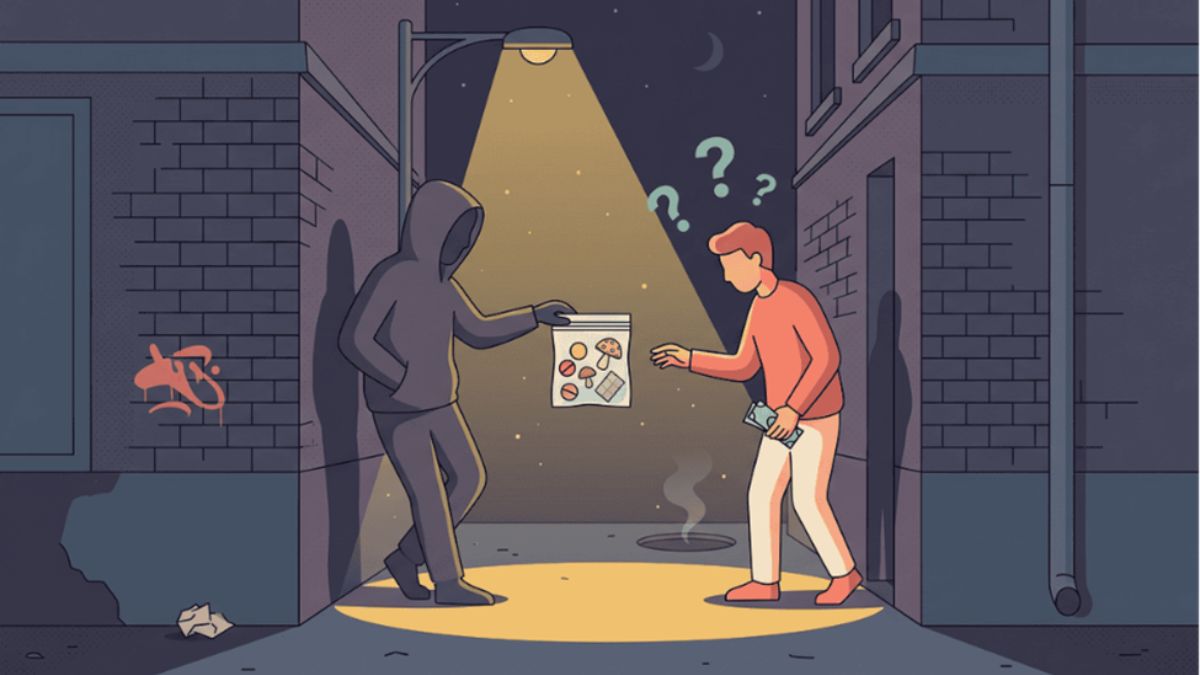
Not all people respond to mental health treatment in the same manner. Standard therapies and medications can take weeks to show results and may not work at all. Despite their attempts to follow various treatment routes, millions of people still face depression, anxiety, and trauma. This loophole has compelled researchers to seek alternatives to traditional methods.
In this endeavor to find a solution, psychedelic compounds have become a promising field of study. After being rejected due to their recreational image, these substances are under scrutiny as they may assist in treating conditions that are not responding to regular treatment. Initial clinical trials indicate that they can provide relief in areas that other treatments have failed.
Modern healthcare is increasingly considering the role of these compounds in treatment. The following is a summary of the current status of the research.
1. Treat Depression and Treatment-Resistant Mental Illness
Patients who experience depression that is not responsive to normal antidepressants may feel stuck. Psychedelic drugs have been considered by researchers as a possible solution to these treatment-resistant cases. There is a focus on compounds like psilocybin, which is a constituent of some mushrooms and can alter mood and thought patterns in people who have gone through one or two guided sessions.
In contrast to traditional antidepressants, which might need to be taken daily over weeks, psychedelic therapies may act in an alternative way. They seem to temporarily expand the brain capacity, enabling patients to see old thought patterns in a new light. This procedure, along with treatment, can enable certain patients to feel relieved of the symptoms that are not only temporary but also enduring.
The clinical trials are in the initial phase, and the outcomes are not consistent across different individuals. Nevertheless, the available data has been impressive to the extent that regulators have granted breakthrough therapy status to some treatments.
2. Support PTSD and Trauma Recovery

Post-traumatic stress disorder can be difficult to treat because trauma often becomes deeply embedded in memory and emotional response. Traditional talk therapy can help, but many patients find it hard to revisit painful memories without becoming overwhelmed.
This is where psychedelic-assisted therapy may offer an advantage. Compounds like MDMA, when used in a controlled clinical setting may reduce fear responses and allow patients to process traumatic memories with less emotional distress. This creates space for deeper therapeutic work during the session.
Veterans, survivors of assault, and first responders have been among the primary participants in PTSD-focused trials. Reported outcomes have shown meaningful symptom reduction for many, though therapy must always be paired with professional supervision, given the intensity of the experience.
3. Ease End-of-Life and Existential Anxiety in Palliative Care
Patients facing terminal illness often experience anxiety, depression, or a sense of hopelessness that goes beyond what standard counseling can address. This emotional burden can affect quality of life just as much as the illness itself.
Psilocybin-assisted therapy has been studied specifically for this population. In supervised settings, a single session may help patients process fear around death and find a renewed sense of meaning or peace. Family members and caregivers involved in these studies have also reported observing positive shifts in patients’ outlook and emotional state.
This application highlights a different side of psychedelic use in healthcare. Rather than only targeting a diagnosis, it addresses the psychological weight that accompanies serious illness; an area of conventional medicine has struggled to treat effectively.
4. Assist Addiction and Substance Use Treatment

Addiction recovery involves more than just stopping substance use. It often requires addressing the underlying patterns of thought and behavior that drive dependency in the first place. Standard treatment programs can help, but relapse rates remain high across many forms of addiction.
Researchers are now studying whether psychedelic compounds can support this recovery process. Psilocybin, for example, has shown potential in early trials for helping people reduce alcohol consumption and manage nicotine dependence. The compound may work by disrupting rigid thought loops connected to craving and habit.
These treatments are typically paired with counseling before and after the psychedelic session, since the medication alone is not considered a stand-alone cure. Instead, it may act as a catalyst that makes patients more receptive to behavioral change during therapy.
5. Enhance Psychotherapy Through Guided, Supervised Sessions
Across nearly every application discussed so far, one factor remains constant: psychedelic compounds are not used in isolation. They are administered within a structured therapeutic framework that includes preparation, a guided dosing session, and follow-up integration therapy.
This model matters because the compounds themselves do not replace the therapeutic relationship. Instead, they may lower psychological defenses and increase emotional openness, which can make therapy sessions more productive. A trained clinician remains present throughout the experience and ensures patient safety.
This is also why psychedelic therapy differs sharply from unsupervised or recreational use. The controlled setting, professional oversight, and follow-up care separate clinical application from casual experimentation, and this distinction is central to how these compounds are positioned in modern healthcare.
Conclusion
Psychedelic compounds are steadily moving from the fringes of medicine toward the center of serious clinical research. Their potential role spans depression, PTSD, palliative care, addiction, and psychotherapy itself, always within a supervised medical framework.
While the science is still developing and not every question has been answered, current findings suggest these compounds may offer real value for conditions that have long resisted standard treatment. As research continues, healthcare providers and patients alike will be watching closely to see how this field evolves and where it may lead next.

What could happen if a small mouth problem is ignored for too long? Poor oral hygiene can allow harmful bacteria to accumulate around the teeth and gums. Over time, this buildup may cause tooth decay, gum disease, bad breath, and painful infections.
Daily care helps remove food and bacteria before they create serious problems. Regular dental visits also help find hidden concerns before they become harder to treat. Healthy teeth can make eating, speaking, and smiling more comfortable every day.
This guide explains simple habits that can protect the mouth and support better health for years to come. Read on!
Why Brushing Matters Every Day
Brushing your teeth removes food particles and plaque from the surface of your teeth. Plaque is a sticky film of bacteria that can cause tooth decay and gum disease if left on teeth.
Brushing twice a day helps prevent cavities and keeps your breath fresh. Using a soft-bristled toothbrush and fluoride toothpaste gives the best results for most people.
The Role of Flossing in Oral Care
Flossing reaches the spaces between your teeth where a toothbrush cannot go. It removes trapped food and plaque, stopping bacteria from growing in hidden areas.
Skipping flossing can lead to gum disease and tooth loss over time. Making flossing part of your daily routine keeps your mouth extra clean and healthy.
Importance of Dental Checkups
Regular dental checkups are important even if your teeth feel fine. Dentists can spot early signs of problems that you may not notice.
Small issues can be fixed before they turn into painful or expensive problems. Dental cleanings during checkups also remove tartar, which cannot be cleaned by brushing or flossing alone.
Healthy Gums, Healthy Life
Gums hold your teeth in place and protect the roots. If gums get infected, they can bleed, swell, or even pull away from the teeth.
Gum disease has been linked to heart disease and diabetes, showing how important gum health is for the whole body. Taking care of your gums means caring for your overall health.
How Diet Affects Oral Health
What you eat and drink plays a big role in oral health. Sugary snacks and drinks feed bacteria, leading to cavities and gum problems.
Eating crunchy fruits and vegetables helps clean your teeth naturally. Drinking water instead of soda or juice keeps your mouth moist and washes away food particles.
Serious Risks of Ignoring Oral Hygiene
Poor oral hygiene can cause infections, tooth loss, and bad breath. Some infections can spread to other parts of the body and even become life-threatening; in fact, infections can kill if left untreated and ignored.
Avoiding regular care may also lead to pain and expensive treatments in the future. Keeping up with daily care is the best way to avoid these serious risks.
Building Better Oral Hygiene Habits
Maintaining good oral hygiene is simple, but it has a huge impact on your life. Healthy teeth and gums help you eat, speak, and smile with confidence every day.
Preventing decay and infections saves time, money, and pain in the long run. Regular habits like brushing, flossing, and checkups are small steps with big rewards. Remember, a healthy mouth supports a healthy body.
Did you like this guide? Great! Please browse our website for more!
-

 NEWS1 year ago
Historical Churches in Manila
-

 TOPIC2 months ago
Unveiling AvTub: Your Ultimate Guide to the Best AV Content
-

 TOPIC1 year ago
Symbols of Hope: The 15th Belenismo sa Tarlac
-

 TOPIC1 year ago
RIZAL at 160: a Filipino Feat in Britain
-

 TOPIC1 year ago
“The Journey Beyond Fashion” – Ditta Sandico
-

 TOPIC4 weeks ago
Understanding Fascisterne: Origins and Ideological Roots
-

 TOPIC1 year ago
Simbang Gabi and Kakanin
-

 TOPIC1 year ago
5 Must-Have Products From Adarna House to Nurture Your Roots