
BUSINESS
Attracting High-Skilled Talent in a Global Economy: Strategic Immigration Pathways


In today’s globalized economy, the movement of high-skilled professionals across borders has become a pivotal driver of innovation and economic growth. Countries worldwide are vying to attract top-tier talent, recognizing the substantial contributions these individuals make to sectors ranging from technology to healthcare. The EB-1A Einstein visa is one example of how countries like the United States are offering unique immigration opportunities to attract world-class innovators and specialists.
This international contest to recruit skilled professionals underscores the urgent need for countries to create efficient, accessible, and appealing immigration policies. With markets and industries evolving at a rapid pace, high-skilled immigrants are more vital than ever before, not only for their immediate expertise but also for the dynamic, long-term economic impact they generate.
Global Competition for High-Skilled Talent
The race to attract high-skilled professionals has intensified as innovation becomes central to economic advancement. Countries such as Canada, the United Kingdom, and Australia have proactively reformed their immigration pathways to bring in talent with in-demand skills. For example, the UK’s Global Talent Visa focuses on leaders in research and digital technology, highlighting the country’s openness to international experts. Each nation must constantly reassess its approach to ensure all policies remain competitive, streamlined, and accessible to the brightest minds around the globe.
As the demand for niche expertise and advanced skills grows, competition is further fueled by demographic shifts and talent shortages in key markets. This encourages policymakers to consider not just attracting but also retaining high-skilled immigrants by offering clear career opportunities and integration support. Top economies recognize that talent inflow is crucial for fostering world-leading innovation clusters and advanced industries.
Economic Impact of High-Skilled Immigration
High-skilled immigrants are fundamental drivers of economic growth and innovation. In the United States, for instance, foreign-born professionals have helped to sustain the nation’s leadership in cutting-edge research and development, driving significant advances in sectors such as technology, medicine, and engineering. According to research published by the NBER, high-skilled immigration is associated with increased patent filings, higher productivity, and robust GDP growth.
This dynamic is not exclusive to the United States. Across Europe and Asia, nations are recognizing the indirect contributions that talented immigrants bring, from creating jobs to expanding tax bases. Studies highlighted by Brookings stress the importance of these migrations in supplementing aging workforces and catalyzing new business formation, underscoring the need for high-skilled immigration for long-term economic vitality.
Challenges in Immigration Pathways
Despite the recognized advantages, significant obstacles persist in many countries’ immigration frameworks. In the United States, existing laws often lag behind labor market realities, allocating a limited number of green cards based on skills or employment. This misalignment has led to prolonged wait times and large backlogs, discouraging many top candidates from pursuing opportunities. As outlined by the Aspen Economic Strategy Group’s analysis, these inefficiencies threaten to undermine the nation’s global competitiveness by making the immigration process unnecessarily burdensome for employers and skilled professionals alike.
Many similarly advanced economies face variations of these challenges, including complex regulatory requirements, restrictive quotas, and opaque evaluation criteria. This results in untapped potential and forces highly qualified talent to seek more accessible destinations, shifting the global balance in talent acquisition.
Policy Recommendations for Attracting Talent
To stay competitive in the global market for skilled professionals, countries should consider strategic reforms that address common barriers. The following recommendations can help nations better harness the benefits of high-skilled immigration:
- Streamline Visa Processes: Modernize and expedite visa applications for high-skilled professionals, significantly reducing unnecessary delays and administrative complexity.
- Offer Clear Pathways to Permanent Residency: Make transitions from temporary visas to permanent residency transparent and predictable, incentivizing long-term commitments from top talent.
- Enhance Outreach and Visibility: Strengthen international promotion of immigration programs through targeted campaigns, partnerships, and clear, accessible information resources.
- Align Immigration Policies with Economic Needs: Routinely update requirements and quotas to reflect evolving labor market shortages, emerging sectors, and national priorities.
Implementing these policy actions can transform a nation’s standing as a destination of choice for the most sought-after professionals, helping to replenish innovation pipelines and secure economic prosperity for future generations.
Furthermore, creating dedicated pathways for entrepreneurs and researchers can enhance a nation’s access to breakthrough discoveries and scalable businesses. By engaging diaspora communities, governments can tap into established international networks and attract talent back through targeted reintegration schemes. Financial incentives, such as reduced application fees for young talent or grants for immigrant-led research, can help close the competitiveness gap and accelerate the arrival of transformative skillsets.
Final Thoughts
The global movement of highly skilled immigrants is a vital engine of innovation and economic growth. Countries that recognize and address challenges in their immigration systems are more likely to attract and retain top-tier talent needed to remain competitive. By adopting policies that streamline pathways, prioritize talent needs, and clearly communicate opportunities, nations will not only nurture their own prosperity but also contribute positively to global economic advancement.
Ultimately, leveraging the creative power of international talent is not just an economic imperative; it is crucial for maintaining vibrant, adaptable societies ready to face future challenges. As countries weigh reforms and adapt to evolving economic realities, those that invest in welcoming, transparent, and forward-looking immigration strategies will maintain their place at the forefront of global innovation and progress.

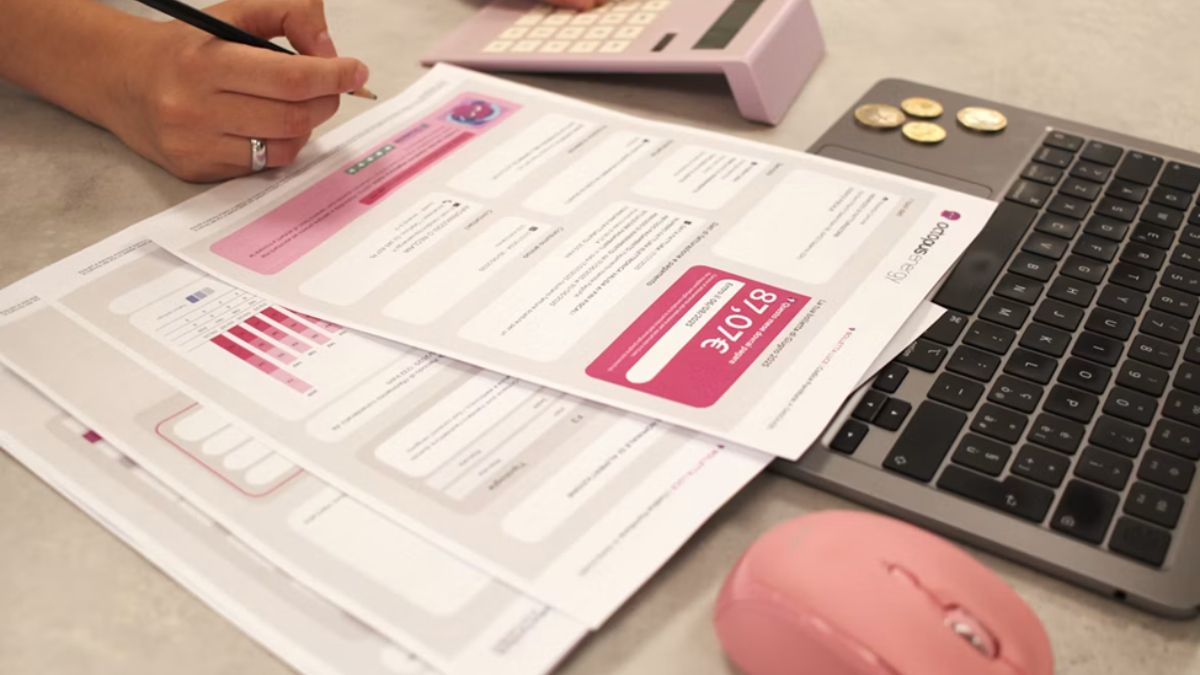
Still paying an outside firm to run your payroll every month?
Many small business owners give payroll to someone else and forget about it. It feels secure. The problem with that “secure” decision is that it often leads to:
- Monthly fees that keep going up
- Slow fixes when something goes wrong
Here’s the thing
Small business payroll software has evolved over the years. In-house payroll can be quicker, less expensive and easier than many owners realize.
You don’t need a payroll department. You need the right tool.
Exploring the true case for insourcing payroll – and how to know when your company is ready.
Time to dig in!
Here’s What’s Inside:
- Why So Many Owners Still Outsource Payroll
- The Hidden Cost Of Handing Payroll Off
- What Small Business Payroll Software Actually Does
- 4x Signs You’re Ready To Make The Switch
Why So Many Owners Still Outsource Payroll
Payroll scares people. And it’s easy to see why.
Late notices, penalties and angry employees are just some of the results you can get from one incorrect dialing. That’s why most owners take the safe route and have someone else handle it.
The data supports this. The National Small Business Association reports that 34% use an external firm to handle their payroll. Just 21% utilize payroll software that they manage themselves.
But here’s what most owners don’t realise…
Top rated small business payroll software does the heavy lifting for you. It calculates federal,state and local taxes, prints checks and prepares your quarterly tax forms. That’s why more owners are choosing to order 1099-etc software and handle payroll themselves. Quality payroll software for small businesses gives you control of every paycheck, tax form and filing deadline once again.
No middleman. No waiting.
The Hidden Cost Of Handing Payroll Off
Outsourcing looks cheap on paper. Then the extras show up.
Many payroll companies have a minimum fee plus a per-employee fee. Want to hire two more employees? You pay more. Need to run an additional check for a holiday bonus? You pay extra for that too.
And that’s not the only cost…
You Still Own The Risk
This is the part nobody tells you.
Just because your firm handles your payroll, doesn’t mean the IRS cares. You are ultimately liable for your payroll taxes. If they miss a deposit or filing deadline, you get the bill.
Penalties also aren’t chump change. The IRS actually imposed $84.1 billion in civil penalties during FY 2024, and employment taxes account for a large portion.
Scary, right?
The best part is that with software you can see every number before it’s sent out. There are no guessing games. No support ticket to find out what happened.
You Still Spend The Time
Offshoring does not completely relieve you of payroll responsibilities. You’ll still need to submit hours, approve each run and answer questions from your provider.
Did you know that 50% of small businesses spend over 3 hours per month managing payroll taxes. Hours you could be spending expanding your business.
What Small Business Payroll Software Actually Does
Payroll software is like a calculator, check printer and tax guru combined.
How it works: Enter your employees one time. Each pay period, enter hours or salary amounts and press run. The software does all of the calculations for you.
A solid small business payroll software package should:
- Automatically calculate taxes: federal, state and local withholding using updated tax tables.
- Pay your people your way: print paper checks or send direct deposit.
- Handle quarterly forms: prepare and e-file forms like the 941 and 940.
- Take care of year-end: produce W-2s for employees and 1099s for contractors.
Pretty simple, right?
Lots of programs allow you to import spreadsheets or accounting programs like QuickBooks. So you don’t have to retype everything when making the switch.
Live Payroll Vs After-The-Fact Payroll
There are two ways to use payroll software…
Live payroll means running payroll and paying employees directly from within the software each pay period. This is most common with small businesses.
After-the-fact payroll means entering payroll information after paychecks have been distributed. This method is helpful when keeping track of taxes and completing forms. Use after-the-fact payroll if you, as an accountant or owner, write checks manually.
Ideally, your software will do both. Then it can evolve with you as your business needs change.
4x Signs You’re Ready To Make The Switch.
You don’t need to bring payroll in-house tomorrow. Unless… Well, then you should take a closer look.
1. Your Payroll Bill Keeps Growing
Each employee you bring on board increases your monthly cost. When you’re adding people, per employee fees can compound quickly.
With in-house software, adding a new employee doesn’t have to mean a bigger bill.
2. You Already Do Most Of The Work
Don’t lie… Do you already track hours, scrutinize every payroll check, and correct errors on your own?
Then you’re doing the hard part already. Software just cuts out the middleman.
3. You Want More Control
When you have an in-house payroll, you control the timing of the paycheck distribution. You could cut a bonus check Friday afternoon without waiting for anyone else.
That kind of freedom is gold for a small team.
4. You Pay Contractors Too
Many small businesses hire a combination of W-2 employees and 1099 contractors. That results in additional forms to process at year-end.
Good payroll software keeps track of W-2s and 1099s in one place. When January comes, you can easily print or e-file your W-2s and 1099s with just a few clicks.
Tip: When moving payroll in-house, choose a fresh start date. The beginning of a quarter works well since it leaves your quarterly tax forms clean.
The Bottom Line
Passing payroll off made sense when payroll was difficult. Now small business payroll software has made it easy.
Bringing payroll in-house can save you:
- Money — no more per-employee fees that climb every time you hire.
- Time — fewer back-and-forth emails with a provider who doesn’t know your business.
- Stress — you see every number before a single paycheck goes out.
To quickly recap:
- Look at what you pay your provider each year
- Check how much payroll work you already do yourself
- Pick software that handles taxes, checks and year-end forms
- Choose a clean switch date
- Run payroll with full control
Payroll shouldn’t be intimidating. The right small business payroll software makes it just another box to check on your to-do list. One that you control from beginning to end.

Is your business about to pack up and move to a new office?
Moving offices is easily one of the largest ventures you will ever embark on as a small business owner. If done correctly, an office relocation can result in:
- Lower monthly costs
- A better space for your team
Here’s the problem:
Many owners approach it like a weekend job. Leave it till the last minute, pack in a hurry and pay to move things you don’t need
A messy move costs you time, money and customers.
This guide will walk you through the smartest steps to take when renting a storage unit, such as choosing the smallest (and least expensive) unit for your overflow.
Ready? Here’s how to do it…
Your moving day roadmap:
- Why Small Businesses Are Moving
- Cut The Clutter First
- Plan Your Move Before You Pack A Box
- Keep Your Business Running
- Tell Google (And Everyone Else) You’ve Moved
Why Small Businesses Are Moving
Did you know there are more than 36.2 million small businesses in the US, and many of them are reimagining where (and how) they work.
Office space just got more expensive again. Average asking rents for US office space rose to $37.58 per square foot during the 2nd quarter of 2026. That’s the highest rent growth in six years.
And as you know…
More square feet = More money out of your pocket.
Which is why many owners are downsizing to smaller offices. Why waste money on unused space?
Cut The Clutter First
Here’s something most owners miss…
You aren’t required to move everything. Moving more costs more.
Sort everything in your office into 3x piles:
- Keep: Items your team uses every week, like laptops, desks and printers.
- Store: Items you infrequently access but cannot discard such as outdated tax files, seasonal inventory and extra chairs.
- Sell or donate: Anything that is broken, outdated or just taking up room.
Choose The Cheapest Storage Unit Size
The “store” pile is where many owners blow their money. Renting a giant unit “just in case” and paying to store air.
Think about it:
The most economical storage unit size is typically a 5×5, about the size of a walk-in closet. Measure your pile of stored goods, then See Storage Options Near You and choose a small 5×5 unit near your new office. You’ll have room for file boxes, a filing cabinet, extra monitors and that trade show banner. For many small offices, that will be all the space you need for overflow.
Now contrast that with storing those same boxes in your office. At average rents, 25 square feet of office space will set you back almost $940 per year.
Pretty cool, right?
Advantage: You can pick up old files or additional inventory within minutes at your new office with the storage facility nearby.
Plan Your Move Before You Pack A Box
Every smooth office move has one thing in common:
A plan that started early.
Set A Realistic Timeline
For a small office, begin planning at least 3 months in advance of move day. If you have over 20 employees, allow yourself closer to 6 months.
Here’s what to tackle first:
- Read your current lease to check notice periods and exit fees
- Get at least 3x quotes from commercial movers
- Pick a moving date that won’t clash with your busy season
- Book internet and phone setup at the new office
The final option is important to note. Internet installations can take several weeks. Reserve your service the day you sign your new lease.
Build A Moving Budget
The moving truck fee is only one portion of the bill. Little costs are what surprise most owners.
Watch out for:
- A security deposit on the new lease
- A month or two of paying rent on both offices
- New furniture that actually fits the new space
- Updated signs, business cards and printed materials
Always get quotes in writing so you don’t get any surprises on moving day. Add about 10% on top for anything else that crops up. You’ll be glad you did.
Keep Your Business Running
Your customers don’t care that you’re moving.
Customers still want orders shipped. Emails answered and calls answered. Zero down time is the objective.
Back Up Everything
Before unplugging your first computer, upload all of your files to the cloud. Hardware breaks. Boxes get lost. Backups ensure none of that matters.
Snap pictures of your cables and devices plugged in. Helps when you need to plug everything back into its correct place.
Pick The Right Moving Day
Friday afternoon seems to be the ideal time for most small businesses. Pack Friday, move during the weekend and open your doors Monday morning.
And the best part? Your customers will barely notice you were gone.
Tip: Talk to the building manager at both offices. Many buildings require you to reserve the lift and loading bay in advance.
Give Everyone A Job
Don’t do everything yourself. Have everyone pack up their own desk and label boxes with their name and new room location. Choose one person to be your “move captain” and delegate the final decisions to them for moving day.
Win-win, right? The work gets shared and nothing gets lost.
Tell Google (And Everyone Else) You’ve Moved
This is the step that almost everyone forgets…
People searching for your business on Google could end up showing up at your old address if you don’t update it. Not only is this bad for business, it can hurt your local SEO.
As soon as you’ve moved, update your address on:
- Your Google Business Profile
- Your website footer and contact page
- Online directories like Yelp and Bing Places
- Invoices, email signatures and social media profiles
Tip: Ensure your business name, address and phone number are identical everywhere. Google loves businesses with consistent information, which can help you maintain your local rankings.
After that, send a short email to your customers and suppliers. Let them know your new address. It’s always good to say hi and remind them you’re there.
Also arrange for mail forwarding. It will intercept letters, cheques and parcels that continue to arrive at the old office during the first few months.
Before You Lock The Old Door
Office moves don’t have to be stressful. In fact, done right they can save you money and position your business for the next phase of growth.
To quickly recap:
- Downsize and only move what your team actually uses
- Store the overflow in the cheapest storage unit size that fits
- Start planning at least 3x months ahead
- Back up your data and move over a weekend
- Update your address everywhere online
Get these right and your new office will feel like home in no time.

For many local customers, a website is the place where a referral, map listing, or social media post turns into a real decision. Before calling, booking, or requesting a quote, people want quick answers about services, locations, availability, pricing factors, and whether a business seems credible. When outside support is needed, a Sarasota SEO service from Rounded Digital is worth considering for businesses that need web design and a long-term search strategy to work together. Rounded Digital works with small businesses on website development and SEO, including businesses serving Sarasota, Bradenton, and nearby Florida communities, making its approach relevant to owners who want a site that can support visibility and lead generation after launch.
Why a Website Still Matters for Local Businesses
A website supports every other marketing channel. Your Google Business Profile, referrals, social posts, email campaigns, and print materials can all point people to one place to verify the details. In 2026, customers may discover businesses through Maps, traditional search, or AI-powered answers, but they still need a trustworthy destination that clearly explains what to do next.
A basic website lists information. A useful website guides visitors toward one action, such as calling, requesting an estimate, ordering online, or booking an appointment.
Start With One Clear Business Goal
Choose one primary conversion goal before writing pages or selecting design features. A contractor may prioritize quote requests; a wellness practice may need appointment bookings; a restaurant may want calls or online orders; and an accounting firm may focus on consultation forms. Use a smaller secondary action when appropriate, such as “View Services” or “Read Reviews,” but do not crowd every screen with competing buttons. When visitors have too many choices, they often take none.
Build the Core Pages First
Most small businesses can begin with a focused set of pages:
- Homepage: Explain what you do, who you help, and where you work.
- Service pages: Give each major service its own page.
- About page: Introduce the people, experience, and process behind the business.
- Proof section: Show reviews, project photos, certifications, and results.
- Contact page: Make calling, emailing, getting directions, or booking simple.
One oversized services page can force customers to hunt for details. Separate pages also make it easier to explain each offer clearly and connect visitors to the right next step.
Make the Homepage Easy to Understand
Your homepage should answer five questions within seconds: What do you offer? Who do you serve? Which area do you cover? Why should someone trust you? What should they do next?
Use plain language, short sections, descriptive headings, real photos, and visible contact options. “Quality Solutions for Every Need” is vague. “Licensed Roof Repair for Sarasota Homeowners” immediately gives a visitor useful context.
Turn Service Pages Into Helpful Resources
A strong service page helps a prospective customer decide whether your business is a fit. Explain the service, the problems it solves, what the process involves, and the factors that can affect timing or cost. Add service-area details, common questions, relevant photos, reviews, and a direct call to action. Write for customers first, not for keyword repetition. Google encourages content that is useful to people rather than content created mainly to influence rankings, so pages should answer the questions a customer would reasonably ask before contacting you.
Use Local Details Without Overdoing Keywords
Local relevance comes from useful specifics, not from repeating a city name in every sentence. Name the communities you genuinely serve, describe local project needs, define service boundaries, and use original photos from local work when permission allows. Keep your business name, address, phone number, hours, and service information consistent across the website and major profiles. Avoid creating dozens of nearly identical city pages. A location page should exist only when it has unique, practical information for customers in that area.
Connect the Website With Local Search
Your website and Google Business Profile should tell the same story. Verified profiles with complete and accurate business information help customers understand what you do, where you are, and when they can reach you.
- Claim and verify the Business Profile.
- Select the most accurate primary category.
- Add current hours, services, photos, and contact details.
- Link visitors to the most relevant page on your website.
- Ask satisfied customers for honest, unincentivized reviews.
- Reply to reviews professionally and constructively.
Design for Mobile Visitors First
Many local visitors arrive by phone while comparing providers, looking for directions, or addressing an urgent need. Test your site on your own phone: tap the number, submit the form, read the homepage without zooming, open the menu, and check whether the main action is visible near the top. Buttons should be easy to press, forms should be short, images should load quickly, and important details should not be hidden behind complicated menus.
Add Trust Signals That Feel Real
Claims such as “best quality” or “customer-first” mean little without evidence. Add detailed reviews, before-and-after photos, team biographies, licenses, memberships, certifications, guarantees, and concise case studies that explain the challenge and result. Specific proof builds confidence by giving visitors something tangible to evaluate. Always request permission before publishing a customer’s name, image, or project details.
Measure Leads Instead of Vanity Metrics
Traffic alone does not prove a website is succeeding. Track calls from the site, form submissions, appointment requests, online bookings, service-page visits, and leads from the Business Profile. Where possible, record whether each lead was qualified and which source produced it. Once each month, review the numbers, identify the weakest high-priority page, improve one or two elements, and compare results over time. Small, consistent improvements are easier to manage than a full redesign every year.
Common Questions Small Business Owners Ask
How many pages does a small business website need?
It depends on the number of services, locations, audiences, and customer questions. A smaller site with useful, distinct pages is better than a large site full of repeated text.
Should a business redesign its website or start over?
A redesign may be enough if the platform is stable and the issues are mostly visual or content-related. A new build may be smarter when navigation is broken, mobile performance is poor, the technology is outdated, or the business cannot effectively manage its own content.
Does a business need a blog?
Only if it can publish accurate, practical material that answers real customer questions. Strong core service pages should come first, and a neglected blog will not compensate for missing basics.
A 30-Day Website Improvement Plan
- Days 1 to 5: Test the site on mobile and list confusing, missing, or broken elements.
- Days 6 to 10: Improve the homepage headline, service summaries, and contact prompts.
- Days 11 to 15: Upgrade the most important service page with clear answers and local details.
- Days 16 to 20: Update profile hours, photos, services, and contact information.
- Days 21 to 25: Add reviews, proof, team details, or certifications.
- Days 26 to 30: Set up lead tracking and record a baseline.
Conclusion
A small business website does not need flashy effects or endless pages to be effective. It needs clear information, local relevance, credible evidence, reliable mobile usability, and a clear next step for visitors. Businesses that connect these fundamentals with customer reviews, accurate local profiles, useful, relevant content, strong calls to action, and lead tracking are better positioned to convert website traffic into meaningful customer action. Keeping the site updated, secure, easy to navigate, and aligned with changing customer needs can also strengthen trust and encourage visitors to contact the business, request a quote, make a purchase, or schedule a service.
-

 NEWS1 year ago
Historical Churches in Manila
-

 TOPIC2 months ago
Unveiling AvTub: Your Ultimate Guide to the Best AV Content
-

 TOPIC1 year ago
Symbols of Hope: The 15th Belenismo sa Tarlac
-

 TOPIC1 year ago
RIZAL at 160: a Filipino Feat in Britain
-

 TOPIC1 year ago
“The Journey Beyond Fashion” – Ditta Sandico
-

 TOPIC4 weeks ago
Understanding Fascisterne: Origins and Ideological Roots
-

 TOPIC1 year ago
Simbang Gabi and Kakanin
-

 TOPIC1 year ago
5 Must-Have Products From Adarna House to Nurture Your Roots