
LAW
How the Legal Process Works After a Personal Injury

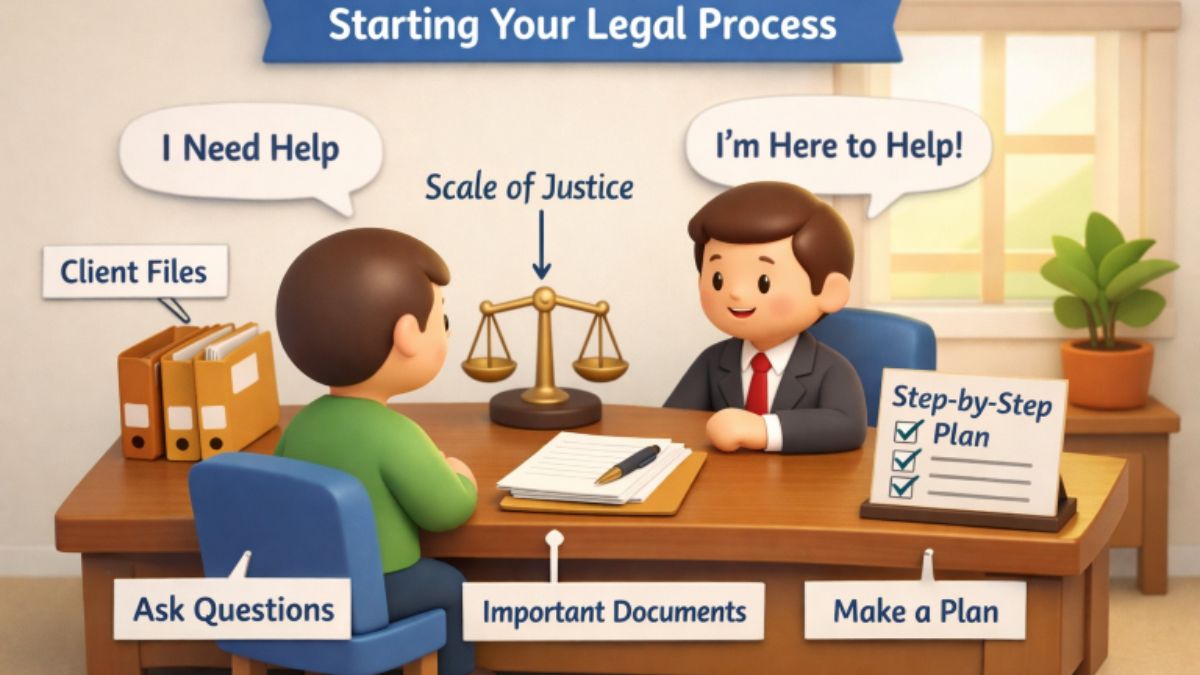
Dealing with a personal injury involves more than just physical recovery; it also means navigating a complex legal process that can seem intimidating without the right guidance. Knowing what steps to expect allows you to make informed decisions, collect necessary documentation, and work towards fair compensation for your injuries. For those in the Natick area, contacting experienced Natick personal injury attorneys early can make a significant difference to your case’s outcome.
Each phase of the legal journey, from case evaluation to post-trial motions, requires careful attention and knowledge. Understanding this process improves your ability to protect your rights and helps maximize your chances for the compensation you deserve.
Being informed about these stages not only prepares you for each step but also ensures you fulfill procedural requirements while making the strongest possible case. Many resources provide additional insight into personal injury law and common challenges faced by injured individuals.
Initial Consultation and Case Evaluation
The process typically begins with a consultation with a reputable personal injury lawyer. During this meeting, you will discuss the accident details, review available documentation, and get professional input on the strengths and weaknesses of your claim. The attorney will examine factors such as the cause of your injuries, the responsible parties, the timing of the incident, and the potential for liability.
This early evaluation offers more than just advice; it shapes the strategy for your entire claim. The attorney can clarify whether your claim is likely to succeed, how much compensation you might reasonably claim, and the next steps required to build your case.
Investigation and Evidence Gathering
After determining your case has merit, your attorney will begin gathering evidence. This critical phase often involves collecting police and accident reports, obtaining medical records, taking photographs of the scene or your injuries, and speaking with witnesses. Comprehensive evidence strengthens your claim in negotiations and, if needed, in court. It is vital to document as much as possible soon after the event, as memories fade and physical evidence may be lost over time.
Mistakes or omissions in this phase can undermine an otherwise valid claim, making thoroughness and organization especially crucial. Witness statements, video surveillance, and even expert opinions can further bolster the case and help paint a complete picture of what transpired. Your legal team may also consult with specialists, such as accident reconstruction experts or healthcare providers, to clarify technical aspects of your injury and its impact on your life.
Filing the Complaint
Once enough evidence has been gathered, your attorney will formally start the lawsuit by filing a complaint with the court. The complaint explains the facts of your case, the injuries you suffered, and the compensation you are seeking. This document is served to the defendant (person or entity you believe is responsible), making them aware of the legal action and the grounds for your claim. This step triggers the defendant’s obligation to respond and sets deadlines for the next stages of litigation.
The formal filing of this complaint marks the official launch of legal proceedings. After being served, the defendant has a set amount of time, typically between 20 and 30 days, to respond. Their response might admit responsibility, deny all claims, or present counterarguments. In some cases, the defendant might try to move the case to a different jurisdiction or seek dismissal, especially if they believe the complaint lacks merit or was filed incorrectly.
The Discovery Phase
Discovery is the process of exchanging information between both sides. During discovery, lawyers may send written questions (known as interrogatories), request documents, and schedule depositions, formal interviews conducted under oath. The goal is to uncover all relevant facts, clarify disputed issues, and minimize surprises. This stage can last several months, but it is essential for a fair and efficient trial or settlement negotiation.
Both parties have a duty to respond truthfully in discovery, and failing to do so can result in court sanctions or negatively affect the case. Sometimes, discovery reveals new evidence that shifts the direction of the case, leading to a reassessment of settlement options or preparation for trial. Pre-trial hearings and motions may occur during this period to resolve disputes over evidence or legal procedures.
Settlement Negotiations
Most personal injury lawsuits end with a settlement rather than a trial. During negotiations, your attorney and the defendant’s legal team attempt to agree on a fair settlement amount. Negotiations can take place informally or through formal mediation, which may involve a neutral third party to help both sides reach an agreement. Settlements resolve the matter more quickly and reduce the risk, cost, and stress of going to court. However, you and your attorney should never accept an offer that does not fully address current and future damages associated with your injury.
Settlement talks can occur at any point, sometimes even after the trial starts. Your legal counsel will guide you on whether proposed settlements meet your best interests. Flexibility and patience are essential, as negotiations may require several rounds of back-and-forth discussion to reach agreeable terms for all involved parties.
Trial Proceedings
If negotiation fails, your case will proceed to court. At trial, both sides present their arguments, evidence, and witness testimonies before a judge or jury. The judge or jury evaluates the evidence, determines liability, and decides on the compensation to award. Trials can be unpredictable and emotionally taxing, but they also present an opportunity for you to receive full and fair compensation when settlement offers fall short.
Trials usually proceed in phases: jury selection, opening arguments, witness examination, closing arguments, and finally, the verdict. The length of the trial ranges based on complexity, and parties should be prepared for delays or scheduling changes. The formal and structured nature of the trial ensures that both sides get an equal opportunity to present their case and challenge arguments from the opposition.
Post-Trial Motions and Appeals
After a verdict, either side may file motions to challenge the outcome or seek a new trial. If legal errors occurred, such as improper admission of evidence or jury misconduct, an appeal might be appropriate. Appeals review the trial process and decision, often prolonging the case but sometimes resulting in a different outcome or a new trial order. Your attorney will guide you through this process if it becomes necessary.
Appeals are usually based on legal rather than factual disputes and typically involve written briefs and oral arguments in an appellate court, rather than new evidence. It is important to maintain communication with your lawyer about appeals timelines, as missing critical deadlines can forfeit your ability to pursue further legal remedies.
Receiving Compensation
When a settlement or trial verdict is reached in your favor, the last phase is to secure your compensation. This usually takes the form of a lump sum or, less commonly, a structured payment plan covering damages such as medical bills, lost income, and pain and suffering. Your attorney will ensure proper disbursement and confirm all conditions, such as liens for past medical care, are properly resolved.
Sometimes, additional paperwork or administrative steps are required to release funds, especially when insurance companies or government entities are involved. If unpaid bills or liens exist, your attorney can often negotiate to reduce those amounts, ensuring you receive the maximum net recovery possible. Staying informed and cooperating with your legal team ensures that the disbursement process goes smoothly and quickly.
Understanding the personal injury legal process gives you confidence and clarity during each phase. With legal support and robust evidence, you can pursue the compensation you deserve and better manage the stress of your recovery and legal journey.


A car crash turns your life upside down instantly. You may face pain, missed work, and steep medical bills. Knowing your rights helps you stay in control. Clear choices make a huge difference in your recovery.
What Happens Right After a Crash
Getting hurt in a crash changes your daily life fast. Talking with skilled car accident attorneys in Athens, GA helps protect your health and finances. You can focus on healing when a legal team handles your claim.
Accidents create immediate stress for drivers and passengers alike. Simple steps help clear up confusion at the scene. Drivers should always remain calm and stay where they are until help arrives.
Call emergency services as soon as you are safe. Police officers document the scene and create an official report. That document serves as crucial proof for your claim later.
Protecting Your Health and Evidence
Your physical safety matters most after any motor vehicle wreck. Seeking quick care protects your bodily health and safety. Medical reports prove your injuries stemmed directly from the crash.
Some injuries do not show pain right away. Internal harm or neck strains can get worse later if left untreated. Seeing a doctor right away protects your well-being.
Gathering physical proof at the crash location builds your case. Take clear photos of all damaged vehicles and road signs. Collect names and phone numbers of people who saw the event happen.
Dealing With Insurance Adjusters
Insurance companies often contact you quickly after a crash. Their main goal is protecting profits for their business. They may ask for written statements about your collision.
Adjusters look for ways to pay as little as possible. Statements you give can be used to limit your payout. Taking extra care during these calls prevents costly mistakes.
You do not have to give recorded statements right away. Speaking with an adjuster without legal advice can hurt your claim. Let a legal advocate talk to the insurer for you.
Steps to Take Following an Injury
Taking direct steps helps protect your personal legal options. Staying organized makes the entire recovery process easier for you. Clear actions help protect your future interests after a sudden crash.
- Call local police right away
- Take photos of car damage
- Gather witness contact details
- Visit a doctor quickly
- Keep detailed medical bills
Why Legal Help Matters
Navigating complex legal rules on your own brings extra stress. An experienced attorney knows how to build a strong case for you. They negotiate directly with insurance representatives on your behalf.
Attorneys gather medical records and police reports to support you. They fight to get fair payment for your recovery needs. Having guidance gives you peace of mind during this period.
Legal teams understand how to calculate true recovery costs. They consider current bills and future treatments you might need. Proper planning prevents financial hardship down the road.
Moving Forward After a Crash
Taking action early protects your future after an accident. Knowing your options gives you power during a difficult time. Reach out for expert help to guide your recovery journey. Looking for more tips and ideas? We’ve got you covered. Check out some of our other posts now.

Personal injury attorneys help you handle every aspect of your case, including investigating the accident, gathering evidence, negotiating with insurance companies, calculating damages, and representing you in court if necessary. Their role is to protect your rights, strengthen your claim, and ensure you receive fair compensation for your injuries and losses.
Working with experienced personal injury attorneys can make a significant difference in how your case is handled and resolved. They understand legal procedures, know how to deal with insurance companies, and ensure that no important detail is overlooked, giving you a stronger chance of achieving a favorable outcome.
In this article, we will see the key responsibilities of personal injury attorneys and how they support you throughout the entire claims process.
Investigating the Accident Thoroughly
One of the first things a personal injury attorney does is conduct a detailed investigation of the accident. This includes reviewing police reports, collecting witness statements, examining photos or videos, and analyzing the circumstances that led to the incident. A thorough investigation helps establish fault and builds a strong foundation for your case.
Gathering and Organizing Evidence
Strong evidence is essential for a successful claim. Attorneys collect medical records, accident reports, expert opinions, and any other relevant documentation. They organize this information in a way that clearly demonstrates how the accident occurred and how it impacted your life. This step is crucial for proving liability and damages.
Calculating the True Value of Your Claim
Many people underestimate the value of their claim. Personal injury attorneys carefully evaluate all aspects of your losses, including medical expenses, lost income, future treatment costs, pain and suffering, and emotional distress. This ensures that your claim reflects the full extent of your damages.
Handling Communication with Insurance Companies
Dealing with insurance companies can be challenging. Attorneys take over all communication with insurers, ensuring that your rights are protected. They prevent you from making statements that could harm your case and handle negotiations professionally to secure a fair settlement.
Negotiating for a Fair Settlement
Insurance companies often try to settle claims for less than they are worth. Personal injury attorneys use their experience and evidence to negotiate effectively. They push for a settlement that accurately reflects your damages and ensures you are not undercompensated.
Representing You in Court if Needed
If a fair settlement cannot be reached, your attorney will represent you in court. They prepare legal documents, present evidence, question witnesses, and argue your case before a judge or jury. Having professional representation increases your chances of achieving a favorable outcome.
Providing Legal Guidance and Support
Throughout the process, personal injury attorneys guide you on the best course of action. They explain legal terms, keep you informed about your case, and help you make decisions with confidence. This support reduces stress and ensures that you are always aware of your options.
Ensuring Deadlines and Legal Requirements Are Met
Personal injury cases involve strict deadlines and procedural requirements. Attorneys ensure that all paperwork is filed correctly and on time, preventing delays or dismissal of your claim. Staying compliant with legal rules is essential for a smooth process.
Conclusion
An experienced attorney plays a crucial role in managing your case from start to finish. From gathering evidence and negotiating settlements to representing you in court, they work to protect your rights and secure fair compensation. Having the right support can make the entire process more manageable and significantly improve your chances of a successful outcome.
Key Takeaways
● Personal injury attorney manages every step of your case, from investigation to settlement or trial.
● Strong evidence collection and organization are key to proving liability and damages.
● Attorneys accurately calculate your claim to ensure full compensation for all losses.
● They handle insurance companies and negotiate to prevent underpayment.
● Legal guidance and meeting deadlines help ensure a smooth and successful claims process.

Patients trust doctors, nurses, hospitals, and other healthcare providers to deliver care that meets accepted medical standards. While many medical treatments are successful, preventable mistakes still occur in healthcare settings across the United States. Some errors result in temporary complications, while others can cause serious injuries, long-term health problems, or even death.
Common medical errors that may lead to legal action include delayed or incorrect diagnoses, medication mistakes, surgical errors, birth injuries, anesthesia-related mistakes, and failures to properly monitor a patient. When a healthcare provider’s actions fall below the accepted standard of care and cause harm, patients may have the right to pursue compensation for the losses they suffer.
A medical malpractice lawyer can help evaluate whether a medical error was simply an unfortunate outcome or whether it may have resulted from negligence. Understanding the types of mistakes that most frequently lead to malpractice claims can help patients recognize situations where further investigation may be necessary.
While not every unfavorable medical outcome is the result of malpractice, certain preventable errors appear repeatedly in legal claims and often have significant consequences for patients and their families.
1. Misdiagnosis and Delayed Diagnosis
Diagnostic errors are among the most common reasons patients pursue medical malpractice claims. A doctor may diagnose the wrong condition, fail to identify a serious illness, or delay ordering tests that could have revealed the correct diagnosis.
These mistakes can prevent patients from receiving timely treatment. For example, a delayed cancer diagnosis may allow the disease to progress to a more advanced stage, while a missed heart attack or stroke diagnosis can significantly increase the risk of permanent injury or death. In many cases, the issue is not simply that a diagnosis was difficult but that reasonable steps were not taken to identify the condition sooner.
2. Medication Errors
Medication mistakes can occur at multiple stages of patient care. A physician may prescribe the wrong drug, a pharmacist may dispense an incorrect medication, or a healthcare provider may administer the wrong dosage.
Even a seemingly minor medication error can have serious consequences. Patients may experience allergic reactions, dangerous drug interactions, overdoses, or worsening medical conditions when medications are not prescribed or administered correctly. These cases often involve a review of medical records, prescriptions, and treatment protocols to determine whether proper procedures were followed.
3. Surgical Mistakes
Surgery always carries risks, but some complications result from preventable errors rather than the procedure itself. Surgical mistakes can include operating on the wrong body part, performing the wrong procedure, damaging nearby organs, or leaving surgical instruments inside a patient.
These errors often require additional surgeries, extended hospital stays, and ongoing medical treatment. In severe cases, they can result in permanent disability or life-threatening complications.
4. Birth Injuries
Mistakes during pregnancy, labor, or delivery can affect both the mother and child. Healthcare providers are expected to monitor fetal health, recognize signs of distress, and respond appropriately when complications arise.
When warning signs are missed, or treatment is delayed, preventable birth injuries may occur. These injuries can lead to lifelong medical needs, developmental challenges, and significant financial burdens for families.
5. Failure to Monitor a Patient
Proper patient monitoring is essential in hospitals, emergency rooms, and post-surgical settings. Healthcare providers must pay attention to changes in a patient’s condition and respond when warning signs appear.
A failure to monitor may involve overlooking abnormal vital signs, ignoring laboratory results, or failing to recognize symptoms that require immediate intervention. When prompt treatment could have prevented harm, these situations may become the basis of a malpractice claim.
6. Anesthesia Errors
Administering anesthesia requires careful planning, monitoring, and communication. Errors involving anesthesia can occur before, during, or after a procedure and may include incorrect dosages, inadequate patient evaluation, or failures to monitor oxygen levels and vital signs.
Because anesthesia directly affects critical bodily functions, mistakes can result in severe complications, including brain injuries, cardiac problems, or other serious medical conditions.
Why Medical Errors Sometimes Lead to Legal Claims
Not every medical mistake automatically results in a successful lawsuit. Generally, a patient must show that a healthcare provider failed to meet the accepted standard of care and that this failure directly caused harm.
Medical malpractice cases often rely on expert testimony, medical records, and detailed investigations to determine whether the injury could have been prevented. When negligence is established, patients may seek compensation for medical expenses, lost wages, pain and suffering, and other damages.
Key Takeaways
- Diagnostic errors, including misdiagnosis and delayed diagnosis, are among the leading causes of medical malpractice claims.
- Medication mistakes can occur during prescribing, dispensing, or administration and may result in serious harm.
- Preventable surgical and anesthesia errors can lead to long-term complications and additional treatment.
- Birth injuries and failures in patient monitoring often form the basis of significant malpractice cases.
- A medical malpractice lawyer can help determine whether a healthcare.
-

 NEWS1 year ago
Historical Churches in Manila
-

 TOPIC2 months ago
Unveiling AvTub: Your Ultimate Guide to the Best AV Content
-

 TOPIC1 year ago
Symbols of Hope: The 15th Belenismo sa Tarlac
-

 TOPIC1 year ago
RIZAL at 160: a Filipino Feat in Britain
-

 TOPIC1 year ago
“The Journey Beyond Fashion” – Ditta Sandico
-

 TOPIC1 month ago
Understanding Fascisterne: Origins and Ideological Roots
-

 TOPIC1 year ago
Simbang Gabi and Kakanin
-

 TOPIC1 year ago
5 Must-Have Products From Adarna House to Nurture Your Roots