
LAW
How Complex Assets Are Divided in a High Net Worth Divorce

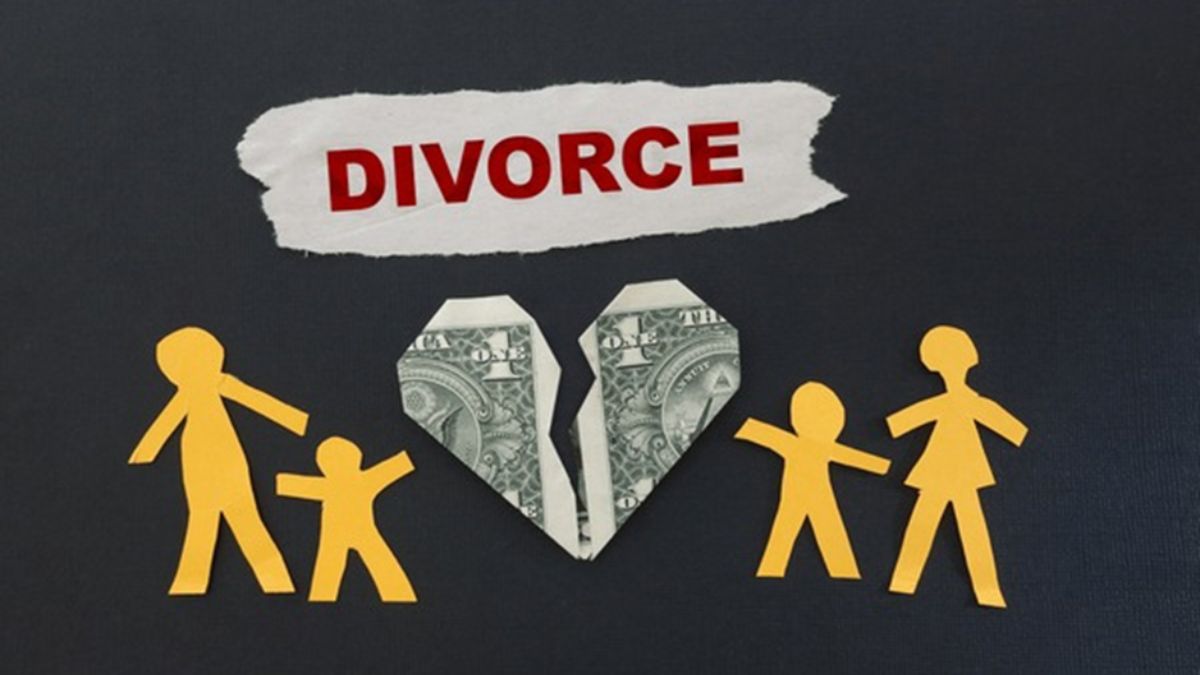
Dividing property during a divorce can become significantly more complicated when spouses own substantial wealth, multiple businesses, investments, real estate, or other valuable assets. Identifying, valuing, and dividing these assets requires careful review to ensure that both spouses’ financial interests are properly considered.
A high-net-worth divorce often involves assets that are difficult to value or separate, such as privately held businesses, stock options, investment portfolios, trusts, and international property. The process may also involve tracing separate property, uncovering hidden assets, and determining whether certain assets should be considered marital or nonmarital under applicable law.
Identifying Marital and Separate Property
The first step in dividing complex assets is determining which property belongs to the marital estate. Generally, marital property includes assets acquired during the marriage, while separate property may include assets owned before the marriage or received individually through certain gifts or inheritances.
However, the classification is not always straightforward. Separate assets may become mixed with marital funds, increase in value during the marriage, or be used for joint purposes, creating disputes over whether a spouse has a claim to some portion of the asset.
Valuing Privately Held Businesses
Business ownership can be one of the most challenging issues in a high-asset divorce. A privately held company may require a professional valuation that considers revenue, assets, debts, intellectual property, goodwill, and future earning potential.
The value of a business may also depend on the owner’s role in its operations. If one spouse founded or managed the company while the other contributed financially or supported the household, the court may need to determine how the business’s value should be treated under the applicable property division laws.
Dividing Investment Accounts and Stock
High-net-worth couples often have extensive investment portfolios that may include stocks, bonds, mutual funds, private equity, and other financial instruments. These assets must be identified and valued, and the parties may need to account for market fluctuations during the divorce process.
Stock options and restricted stock can be particularly complicated because their value may depend on future vesting dates or employment conditions. The timing of when the assets were earned and whether they were acquired before or during the marriage may affect how they are classified and divided.
Handling Real Estate and Luxury Property
Real estate holdings can include primary residences, vacation homes, rental properties, commercial buildings, and undeveloped land. Each property may have different ownership structures, mortgages, tax considerations, and valuation issues.
A court may award a particular property to one spouse while offsetting its value with other marital assets. Alternatively, spouses may sell the property and divide the proceeds according to their agreed terms or a court’s order.
Consider Trusts and Other Financial Structures
Trusts can complicate the division of marital assets because the spouse may not directly own the property held in the trust. The terms of the trust, the identity of the beneficiary, and when and how the trust was established may all affect whether the assets are considered part of the marital estate.
Federal law can also become relevant when retirement benefits and qualified plans are divided. Under 29 U.S.C. § 1056(d)(3), certain retirement plan benefits may be assigned to an alternate payee through a qualified domestic relations order, commonly known as a QDRO, subject to applicable requirements.
Understand State Property Division Laws
The rules for dividing marital property vary significantly between states. For example, Texas follows community property principles, and Texas Family Code § 7.001 requires courts to divide a community estate in a manner that is considered just and right, while taking into account the rights of each spouse and any children of the marriage.
This means complex assets are not necessarily divided equally down the middle. Courts may consider various factors when determining how community property should be divided.
Look for Hidden or Undisclosed Assets
Significant wealth can sometimes involve complex financial arrangements that make it difficult to identify the full value of an estate. One spouse may attempt to conceal income, transfer assets, undervalue a business, or move property into accounts that are difficult to trace.
Financial records, tax returns, bank statements, investment documents, and business records may help uncover undisclosed assets. In particularly complex cases, forensic accountants and financial experts may assist attorneys in tracing transactions and determining the true value of the marital estate.
Key Takeaways
- High-net-worth divorces often involve complex assets that require specialized valuation and financial analysis.
- Determining whether an asset is marital or separate is an important first step in property division.
- Privately held businesses may require professional valuation to determine their fair market value.
- Stock options, restricted stock, investments, and retirement accounts can involve complicated division rules.
- Trusts and other financial structures should be carefully reviewed to determine whether and how they may affect the marital estate.
- State laws determine how marital property is classified and divided during divorce.
- Forensic accountants and financial professionals may help identify hidden assets and trace complex transactions.
- Working with experienced legal and financial professionals can help protect financial interests during a high-net-worth divorce.

Taking your eyes off the road for a split second feels harmless to most people. You might check a quick text message, change the music playlist, or grab a falling item from the passenger seat. That fleeting split second is all it takes to change lives forever in a collision.
The road requires your full attention at all times to navigate safely. Distracted driving continues to claim thousands of innocent victims every single year. We all need to reevaluate our daily habits behind the wheel.
The Hidden Dangers of Losing Focus
Many drivers overestimate their ability to multitask behind the wheel. They falsely believe that years of driving experience make them immune to sudden changes in traffic patterns. A quick glance away can result in a catastrophic collision before you even touch the brakes.
The aftermath of a collision leaves victims dealing with physical and emotional trauma. During these difficult times, reaching out to a qualified Kansas City injury law firm can help you navigate the complex recovery process ahead. A dedicated legal team handles the tedious paperwork and negotiations so you can focus on healing.
The Alarming Crash Statistics
Putting the numbers into perspective reveals a terrifying reality on our roadways. Phone-related distraction is involved in roughly one in four crashes. Drivers face multiple types of distractions the moment they start the engine. These daily hazards fall into a few primary categories:
-
Visual distractions
-
Manual distractions
-
Cognitive distractions
Cell phone driving combines all three of these distraction types at once. Sending a text message requires you to look down, type with your fingers, and think about the conversation.
Recognizing Dangerous Driving Habits
Looking at a digital screen gets the most attention, but other common activities pose major risks. Eating a messy meal, applying makeup, or reaching into the backseat can blind you to stopped traffic. These dangerous driving habits put everyone sharing the road in immediate jeopardy.
Adjusting the navigation system or climate controls should always happen before the car moves. Passengers should handle any urgent tasks so the driver remains focused on the pavement. Real safety demands our undivided attention from start to finish.
Implementing Better Road Safety Tips
We can all take practical steps to prevent distracted driving in our local communities. Putting your mobile device on silent or using a “do not disturb” mode removes the sudden urge to check notifications. Stowing the phone out of reach in a glovebox or bag works wonders for breaking the screen habit.
Preparation is a core component of developing truly safe driving habits. Program your GPS route and select your music before shifting the car out of park. Secure loose items in the cabin so they do not roll around and tempt you to reach for them later.
Speak up if you are a passenger riding with someone who is distracted. Offer to read their messages or adjust the radio dial for them. Reviewing basic road safety tips creates a culture of accountability that helps everyone make it to their destination safely.
Make Every Drive Safer Through Responsible Driving Choices
Staying alert behind the wheel is a basic responsibility we all share every day. Treating driving with the respect it demands reduces the risk of collisions and severe injuries. Setting clear rules for yourself and your passengers creates a much safer traveling environment. To stay updated with our blog posts, check our website.

Have you ever wondered what you would do after a car accident? Many people feel confused and overwhelmed following a crash. There are so many things to handle, from injuries to car repairs.
Insurance companies may call you, asking for information. You might worry about medical bills or missing work. It can be hard to know what steps to take next.
This blog post explains why getting legal help matters after a car accident. Learn how professional support can protect your rights and help you get fair compensation. Keep on reading!
Understanding Your Rights After an Accident
After an accident, you need to know your legal rights. Many people do not realize what they are entitled to under the law.
A lawyer can explain your options and guide you through each step. Without help, you might accept less money than you deserve. Protecting your rights from the start can make a big difference in your recovery.
Dealing With Insurance Companies
Insurance companies often try to settle claims quickly and for as little as possible. They may use confusing terms or pressure you into accepting a low offer.
A legal professional can speak to insurers on your behalf. This support helps you avoid mistakes that could hurt your case. Working with a lawyer can increase your chances of getting the compensation you need.
Getting Help With Medical Bills
Medical bills can pile up fast after a car accident. You may need treatment, medicine, or even surgery. Sometimes insurance does not cover all your costs.
A lawyer can help you find ways to pay for your care. Their help ensures you don’t pay out of pocket for someone else’s mistake.
Proving Who Was at Fault
Showing who caused the accident is not always simple. You may need police reports, witness statements, or photos from the scene.
Legal experts know how to gather and use this evidence. Their experience helps you build a strong case. This can make it easier to prove your claim and get the help you need.
Understanding Special Injury Claims
Some injuries, like back or neck problems, take time to show up. These cases may need extra care and attention.
In these situations, car accident back injury claims can be complicated, involving both short-term and long-term effects. Legal professionals know how to handle these special claims.
Fighting for Fair Compensation
After an accident, you deserve fair treatment. Legal help can make sure all your damages are considered, including lost wages, pain, and suffering.
Lawyers know how to calculate the true value of your claim. They will fight for what you deserve, not just what is easy to get. With their support, you are more likely to receive the compensation you need to move forward.
Your Next Steps for Legal Support
Getting legal help after a car accident is one of the best decisions you can make. It protects your rights and helps you deal with insurance companies and medical bills.
You do not have to face these challenges alone. Lawyers give you the guidance you need during a stressful time.
By working with an expert, you increase your chance of fair compensation. Make sure you get the help you deserve after a car accident.
Did you like this guide? Great! Please browse our website for more!

What happens when an unexpected accident suddenly changes your life and leaves you injured? Medical bills, missed work, and insurance calls can quickly become overwhelming. Many injured people struggle to understand their rights while focusing on physical recovery.
However, early legal guidance can help protect their interests and prevent costly mistakes. An experienced lawyer can explain available options and help preserve important evidence. Acting quickly may also strengthen a future claim for fair compensation.
This guide explains how timely legal help protects your rights and supports recovery. Read on!
The Critical First Moments After an Injury
The moments right after an accident matter a lot to your case. Many people feel confused, scared, or in pain, making it hard to think clearly. Sometimes, they do not realize how serious their injuries are until much later.
Acting fast helps ensure you get the right medical care and start gathering facts. Small mistakes in those first moments can hurt your case later. Memories fade quickly, and you can lose important details.
Quick action helps preserve key information for your claim. A lawyer can guide you in these early stages. Prompt help can lead to better recovery outcomes.
Avoiding Mistakes That Can Hurt Your Claim
It is easy to make mistakes after an accident, especially when emotions are high. Many people say too much or sign forms without knowing the impact. Insurance companies may pressure you to settle quickly for less money.
Without advice, you might accept an unfair deal. Some people forget to document their injuries or damages. Others miss deadlines for reporting the accident.
A lawyer helps ensure you don’t fall into these traps. Professional advice helps you avoid errors that could ruin your claim. Getting help early helps protect you every step of the way.
Preserving Evidence Before It Disappears
Evidence is crucial for proving what happened in an accident. You must collect physical evidence, photos, and witness statements quickly. Over time, weather or cleaning crews might remove important clues from the scene.
Witness memories can fade, making their stories less reliable. Having a lawyer means someone is focused on saving this evidence for your claim.
Lawyers know what to look for and how to gather proof. They can also help you take photos and get medical records. Quick action can make all the difference in court or settlement talks.
Dealing with Insurance Companies the Right Way
Insurance companies are not always on your side after an accident. They might sound friendly but often want to pay as little as possible. Adjusters may try to get you to say things that weaken your claim.
Acting without advice can lead to mistakes that lower your settlement. A lawyer understands how to deal with insurance companies. They can speak on your behalf and keep you from saying something harmful.
Your lawyer will make sure you do not settle for less than you deserve. Having someone experienced by your side protects your rights.
Understanding Your Legal Rights and Options
Many people don’t know their full rights after an injury. Laws can be complex and differ from state to state. Without legal help, you might overlook important options for your recovery.
A lawyer can explain your rights in simple terms. They can explain what compensation you may be eligible for based on your injuries. Knowing your options gives you power when dealing with others.
Clear information helps you make better decisions. Legal advice helps you avoid missing important deadlines.
Getting the Medical Care You Need
Fast legal help can connect you with trusted doctors and medical experts. Sometimes, people delay care because they are worried about the cost. A lawyer can guide you to resources that make treatment possible, even if you have no insurance.
Proper care documents your injuries, which is important for your claim. Medical records show how badly you were hurt and support your case. Your lawyer may also help arrange future care if needed.
Prompt treatment supports better healing and a stronger claim. Getting the right care helps prove your full damages. Legal support can open doors to the medical help you need.
Protecting Your Long-Term Financial Security
Accidents can leave you with high bills and lost income. Some injuries make it hard or impossible to work for a long time. Legal help makes sure you claim all your damages, including future losses.
Your lawyer will help you calculate how much you need to recover to make you whole. This includes medical costs, lost wages, and pain and suffering. Without a lawyer, you might forget to ask for some damages.
Getting full compensation now prevents problems later. The personal injury lawyers at Dozier Law Firm can help protect your financial future by ensuring your claim includes everything it should.
Meeting All Legal Deadlines
Every legal claim has deadlines called statutes of limitations. If you miss these, you could lose your right to recover money.
Deadlines vary by location and accident type. A lawyer tracks these dates for you. Missing a deadline can end your case before it starts.
Early legal help avoids costly mistakes. Lawyers know how to move quickly so you do not lose your chance. Staying on schedule is crucial for your claim’s success.
Support and Peace of Mind in a Difficult Time
Dealing with an injury is stressful for anyone. Worrying about legal steps, paperwork, and bills makes things even harder. A lawyer offers guidance so you do not have to face these problems alone.
Knowing someone is protecting your rights brings peace of mind. Legal support means you can focus on healing while your case moves forward.
Lawyers handle calls, negotiate with insurance, and work out details for you. This support reduces stress and confusion.
Having a professional on your side makes the entire process easier. You deserve help during such a difficult time.
Take Timely Legal Action Toward Recovery
Getting hurt in an accident is scary, confusing, and stressful. Acting quickly can protect your rights and help your recovery. Delaying can lead to lost evidence or missed deadlines.
Immediate legal help gives you support, guidance, and a better chance at full compensation. Professional advice helps avoid costly mistakes and protects your financial future. Remember, waiting can hurt your chances for a fair settlement.
Did you like this guide? Great! Please bro
-

 NEWS1 year ago
Historical Churches in Manila
-

 TOPIC4 months ago
Unveiling AvTub: Your Ultimate Guide to the Best AV Content
-

 TOPIC1 year ago
Simbang Gabi and Kakanin
-

 TOPIC1 year ago
Symbols of Hope: The 15th Belenismo sa Tarlac
-

 TOPIC1 year ago
RIZAL at 160: a Filipino Feat in Britain
-

 NEWS5 months ago
What Caused Delta Flight DL275 to Diverted LAX? A Detailed Breakdown
-

 BUSINESS6 months ago
Exploring the Different Types of Понуде in Business Transactions
-

 TOPIC3 months ago
Understanding Fascisterne: Origins and Ideological Roots