
TOPIC
What to Look for in a Professional Water Heater Repair Company


When your water heater stops working properly, daily routines can quickly become frustrating and inconvenient. From cold showers to interrupted dishwashing and laundry cycles, a malfunctioning unit affects both comfort and productivity. Choosing the right company to diagnose and repair the issue is not a decision to take lightly. The quality of service you receive directly influences your system’s lifespan, your safety, and your long-term expenses. We will explore the essential factors that define a reliable water heater repair provider so you can make a confident, informed decision for your home.
Key Qualities That Define a Reliable Water Heater Repair Provider
Proper Licensing, Insurance, and Local Compliance
A dependable water heater repair company should hold all required state and local licenses to legally perform plumbing or HVAC-related services. Companies such as Semper Fi Heating and Cooling demonstrate the importance of maintaining proper credentials to operate within regulatory guidelines. Licensing confirms that technicians have completed necessary training and meet established standards. Insurance is equally important because it protects both the homeowner and the company in case of accidents, property damage, or unexpected complications during the repair process. Without proper coverage, you could be exposed to liability risks.
Additionally, companies that follow municipal codes and safety regulations demonstrate operational discipline and accountability. Water heaters involve electrical connections, gas lines, and pressurized tanks, all of which require strict adherence to safety protocols. Verifying credentials before hiring ensures you are working with a legitimate business that operates within professional and legal boundaries, rather than an unverified contractor who may cut corners or overlook safety requirements.
Clear Diagnostic Process and Transparent Communication
An effective repair provider should begin with a structured diagnostic process rather than immediately suggesting part replacements or system upgrades. Skilled technicians evaluate heating elements, thermostats, gas valves, pressure relief valves, and tank integrity before determining the root cause. Transparent communication is crucial throughout this process. The company should explain what went wrong, why it occurred, and the available repair options. A written estimate detailing labor, parts, and timeline prevents misunderstandings later. Avoid companies that provide vague explanations or push immediate replacements without inspection. Professional communication builds trust and reflects the internal organization. When a company takes time to educate you about your water heater’s condition and outlines realistic expectations, it signals a service-oriented approach rather than a sales-driven one.
Experience with Multiple Water Heater Types
Not all water heaters operate the same way. Some homes use traditional tank systems powered by gas or electricity, while others rely on tankless units, hybrid models, or solar-assisted systems. A capable repair company should demonstrate familiarity with multiple system configurations. Each type has distinct components, diagnostic procedures, and maintenance requirements. For example, tankless units require flushing to remove mineral buildup, whereas conventional tanks may accumulate sediment, affecting heating efficiency. Asking about prior experience with your specific model or brand ensures the technician understands its operational design. A company that regularly works across different technologies is better positioned to identify problems quickly and implement accurate repairs. Broader system knowledge reduces trial-and-error troubleshooting and helps extend the functional lifespan of your equipment.
Responsiveness and Emergency Availability
Water heater failures often occur without warning. Leaks, strange noises, or complete loss of hot water can escalate quickly if not addressed promptly. A professional repair company should offer timely scheduling and, ideally, emergency response options. Rapid response reduces the risk of water damage, mold growth, and structural deterioration caused by leaks. Evaluate how the company handles phone inquiries. Are calls answered promptly? Do they provide realistic arrival windows? Efficient coordination demonstrates operational discipline. Companies that prioritize quick yet organized responses demonstrate they understand the urgency of water heater malfunctions. Delayed service may increase repair complexity and overall costs. Choosing a provider that values promptness ensures your issue is addressed before it turns into a larger household disruption.
Transparent Pricing and Detailed Estimates
Unexpected repair costs can create unnecessary stress. A reliable company provides upfront pricing with detailed written estimates before beginning any work. The estimate should include labor charges, part costs, service fees, and potential additional expenses if complications arise. Clear documentation protects both parties and prevents hidden fees from appearing after completion. Companies that hesitate to provide written estimates or rely solely on verbal quotes may lack transparency within their organization. Competitive pricing does not always mean the lowest price; instead, it reflects fair market value aligned with service quality. Requesting multiple quotes allows you to compare the scope of work and professionalism rather than focusing solely on cost. Transparent pricing demonstrates operational integrity and reduces the likelihood of disputes after the repair is complete.
Selecting a water heater repair company requires more than a quick online search or price comparison. The right provider combines proper credentials, structured diagnostics, system knowledge, responsiveness, clear pricing, warranty coverage, and a solid reputation. These elements collectively influence the safety, durability, and efficiency of your water heating system. By carefully evaluating each factor before making a decision, you protect your home from unnecessary risks and avoid recurring repair costs. A thoughtful selection process ensures your water heater receives accurate attention and dependable service, allowing you to restore comfort and maintain long-term reliability in your household operations.
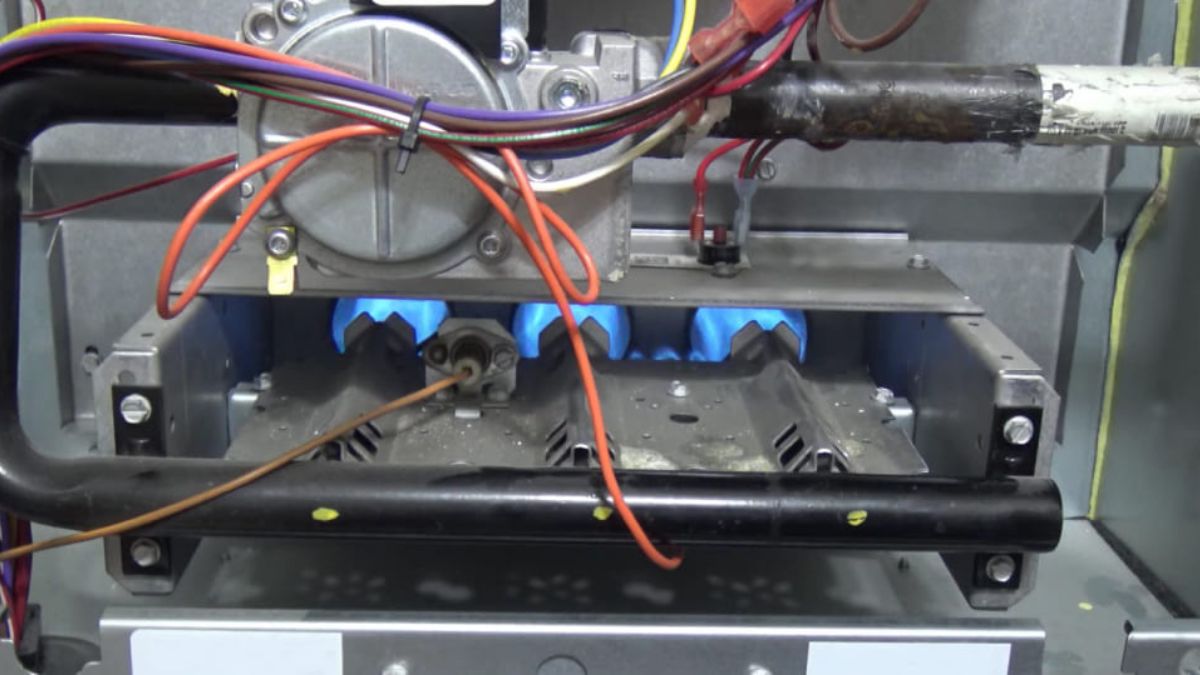
A furnace that runs constantly during a cold snap feels normal. A furnace that starts, stops, and restarts every few minutes feels like it is working hard, yet it is usually doing the opposite. Short cycling is one of the fastest ways to waste fuel, increase wear, and still leave occupants complaining about comfort. It also tends to show up when you least want surprises, during the first hard freeze when every building in town is leaning on heating equipment at the same time.
For property managers and facility teams, the key is to treat short cycling as a symptom with multiple causes rather than a single malfunction. Extreme cold magnifies small weaknesses in airflow, controls, and sizing. What looks like a sudden winter problem is often a system that has been drifting out of tolerance for months.
What short cycling looks like in real buildings
Why does it become common in cold snaps
Short cycling means the furnace shuts off before completing a normal heating run, then restarts soon after. In practical terms, you see frequent burner starts, quick shutdowns, and wider temperature swings than the thermostat setting suggests. In multi-tenant buildings, it often shows up as hot and cold complaints that move around the property, along with higher gas use and a louder mechanical room.
During extreme cold, furnaces should have longer, steadier cycles because the building is losing heat continuously. When the opposite happens, short cycles, it signals that the unit is hitting a limit or receiving a false signal that it has met demand. Either way, the equipment is not operating in its efficient range, and that creates a predictable chain of costs.
Oversized equipment and fast temperature satisfaction
One common driver is oversizing. When a furnace has more capacity than the space and duct system can use, it can quickly raise the temperature near the thermostat, satisfy the call for heat, and shut down before the rest of the space stabilizes. The thermostat may be warm, but perimeter zones, corners, and rooms with higher infiltration remain cool. Minutes later, the thermostat senses the drop and calls again, creating a repeating loop.
Cold snaps can make this worse, not because the building needs less heat, but because the unit reaches its safety thresholds sooner. Oversized equipment tends to move more air and produce higher temperature rises, which can push the heat exchanger or supply air temperatures into shutdown territory if airflow is not ideal. If your winter readiness plan includes both heating checks and AC Repair in Avawam for the shoulder-season transition, it is worth aligning those service visits so that airflow and controls are evaluated as a single system rather than as separate tasks.
Airflow restrictions that trigger high limits
Airflow is the quiet, deciding factor in most short-cycling cases. A furnace is designed for a specific temperature rise range. When airflow drops because of a clogged filter, a blocked return, a closed fire damper, or a duct restriction, the heat exchanger heats up too quickly. The high-limit switch trips to protect the unit, shutting off the burners while the blower continues to run. Once the unit cools, the burners relight, and the cycle repeats.
Extreme cold increases the run demand, which means the furnace spends more time near its thermal limits. If airflow is marginal, the system may behave acceptably in mild weather but have a short cycle during a cold snap because it cannot shed heat quickly enough. This is why short cycling is often a winter-only complaint that disappears in spring, even though the underlying issue remains.
Thermostat placement and cold snap behavior
Controls can create short cycling even when the furnace is mechanically sound. A thermostat placed on an interior wall near a heat source, a supply register, or a sunny window can sense temperature spikes that do not represent the occupied zone. During cold snaps, occupants may use space heaters, ovens, or add plug loads that warm the thermostat area faster than the rest of the building. The thermostat shuts the furnace down early, then calls again when that localized heat dissipates.
Another control issue is aggressive thermostat settings. Short-cycle complaints often rise after people dramatically increase setpoints, expecting faster recovery. Many modern thermostats respond with shorter, more frequent calls or stage changes that can destabilize runtimes if the system is already operating near its limits. For buildings with multiple zones, a poorly coordinated zoning strategy can also cause frequent equipment starts, as small zones call independently, especially when the system is not designed for low-airflow operation.
Frozen intake and venting complications
High-efficiency furnaces rely on combustion air intake and exhaust piping. During extreme cold, intake pipes can be obstructed by snowdrifts, ice buildup, or wind-driven debris. If combustion air becomes restricted, the furnace may fail a pressure switch check and shut down, then try again shortly after. This looks like short cycling, but the cause is venting safety logic doing its job.
Exhaust issues can have similar effects. Condensate lines may freeze, backing water into the unit and tripping safeties. Wind patterns can create intermittent pressure conditions at the termination point, causing brief shutdowns that repeat. For facility teams, exterior terminations should be included in the cold-snap inspection route, especially after heavy wind or snowfall.
Keeping heating cycles steady under stress
Short cycling during extreme cold snaps is rarely random. It is a signal that the furnace is either reaching a safety limit, receiving misleading control inputs, or operating outside the airflow conditions for which it was designed. The cost is not just fuel waste. It is accelerated wear, inconsistent comfort, and a higher chance of lockouts when the building needs heat most. When property teams focus on airflow integrity, thermostat accuracy, venting reliability, and distribution balance, furnaces tend to run longer, steadier cycles even in the coldest weather. That steadiness is what protects equipment life and keeps winter operations predictable.

Introduction to Matcha
Matcha has taken the wellness world by storm, and for good reason. This vibrant green powder isn’t just a trendy addition to your latte; it’s steeped in history and tradition. Among the various types of matcha available today, Bin Matcha is gaining popularity as a unique alternative to its traditional counterpart. But what exactly sets them apart? Delving into their origins, production processes, and flavor profiles can help you make an informed choice on which one suits your taste buds—and health goals—best. Let’s explore the fascinating world of matcha!
The History of Matcha and its Cultural Significance
Matcha has a rich history that dates back to the Tang Dynasty in China, where powdered tea first gained popularity. Initially consumed by Buddhist monks for its calming effects, it soon became associated with meditation and spiritual practices.
During the Song Dynasty, matcha made its way to Japan through Zen missionaries. There, it evolved into an art form, influencing traditional Japanese tea ceremonies. The practice emphasizes harmony, respect, purity, and tranquility.
As centuries passed, matcha transitioned from an elite beverage enjoyed by samurai and nobility to a staple of everyday life. It remains integral to cultural rituals in Japan today.
Beyond Japan’s borders, matcha has captured global interest for its vibrant color and health benefits. Its significance extends beyond mere consumption; it symbolizes mindfulness and appreciation of nature’s bounty in every sip taken around the world.
What is Bin Matcha?
Bin Matcha is a unique variety of matcha that stands out for its superior quality and flavor profile. This premium green tea powder originates from carefully selected shade-grown tea leaves, harvested at their peak.
The production process involves meticulous attention to detail. After harvesting, the leaves are steamed and dried before being stone-ground into a fine powder. This method preserves the vibrant color and nutritional benefits associated with high-quality matcha.
What sets Bin Matcha apart is its rich umami taste, offering a smooth texture with subtle sweetness. The striking green hue indicates the presence of chlorophyll, contributing to both aesthetic appeal and health benefits.
Ideal for ceremonial use or as an exceptional addition to various recipes, Bin Matcha serves as a versatile ingredient in your kitchen arsenal. Whether whisked into hot water or blended into smoothies, it elevates any drink or dish while providing antioxidant-rich goodness.
What is Traditional Matcha?
Traditional Matcha is a finely ground powder made from shade-grown green tea leaves. Originating in Japan, it has been a staple of Zen Buddhist practices for centuries. This vibrant green powder is known for its rich flavor and numerous health benefits.
To create traditional matcha, young tea leaves are hand-picked, steamed to prevent oxidation, and then dried. The leaves are stone-ground into a fine powder, resulting in the smooth texture that defines high-quality matcha.
One of the key aspects of traditional matcha is its ceremonial use during Japanese tea ceremonies. These rituals emphasize mindfulness and an appreciation for nature’s beauty while enjoying the drink’s unique flavors.
The taste profile often includes grassy notes with subtle sweetness, making it distinctively enjoyable when whisked with hot water or incorporated into various recipes. For many enthusiasts, drinking traditional matcha is not just about flavor but also about connecting to cultural heritage.
Differences in Production Process
The production process for Bin Matcha and traditional matcha reveals distinct differences that influence their final characteristics.
Traditional matcha involves meticulous cultivation, where tea plants are shaded weeks before harvest to enhance chlorophyll levels. This method results in vibrant green leaves packed with flavor and nutrients.
In contrast, Bin Matcha is produced using a different approach. The tea leaves are harvested at peak maturity but undergo minimal shading. This leads to a lighter color and milder taste profile.
After harvesting, traditional matcha leaves are steamed quickly to preserve freshness and then stone-ground into a fine powder. Conversely, Bin Matcha may use more mechanical methods for grinding which can affect the texture.
These variations in processing not only impact the appearance but also play a crucial role in determining flavor nuances between the two types of matcha enjoyed today.
Nutritional Differences between Bin Matcha and Traditional Matcha
When comparing Bin Matcha and Traditional Matcha, the nutritional profiles reveal some distinct differences.
Bin Matcha typically contains a higher concentration of amino acids, particularly L-theanine. This compound promotes relaxation and focus, enhancing your overall mental clarity.
On the other hand, Traditional Matcha offers a balanced profile with essential vitamins like A, C, E, and K. Its antioxidant levels are also noteworthy; catechins present in both types contribute to health benefits such as improved metabolism.
Another key difference lies in caffeine content. While both varieties provide an energy boost due to caffeine, Bin Matcha often has slightly less caffeine compared to its traditional counterpart.
These variations can influence not just how you feel after consuming them but also their suitability for different lifestyles or dietary preferences. Choosing between them might depend on what specific nutritional benefits you’re seeking from your matcha experience.
Flavor Profiles of Bin Matcha and Traditional Matcha
Bin Matcha offers a vibrant, grassy flavor that is often described as fresh and invigorating. This type of matcha tends to have a mild sweetness, making it approachable for both new and seasoned drinkers alike.
In contrast, traditional matcha has a more complex profile. It balances earthy undertones with hints of umami. The taste can vary widely based on the tea leaves used and how they are processed.
The texture also plays a crucial role in the flavor experience. Bin Matcha usually feels smoother on the palate, while traditional matcha may present a slightly grainy sensation due to its stone-ground nature.
Both varieties shine in different culinary applications. Bin Matcha works beautifully in lattes or smoothies where creaminess enhances its freshness, while traditional matcha excels in desserts like cakes and cookies where deeper flavors can truly emerge.
Which One Should You Choose?
Choosing between Bin Matcha and Traditional Matcha depends largely on your preferences and goals. If you’re seeking a smooth, delicate flavor with a vibrant green hue, Bin Matcha might be your best bet. It often appeals to those new to matcha or looking for a lighter beverage.
On the other hand, if you appreciate depth and complexity in taste, Traditional Matcha offers earthy notes that can enhance various culinary applications. Its stronger profile is ideal for baking or cooking.
Consider what you enjoy most—whether it’s sipping alone or incorporating matcha into recipes.
Also think about health benefits; both types deliver antioxidants but may differ slightly in nutrient content due to their production processes.
Exploring both could help you discover which aligns more with your lifestyle and palate. You might find yourself gravitating toward one over time as your tastes evolve.
How to Incorporate Matcha into Your Diet
Incorporating matcha into your diet can be both fun and delicious. Start with a classic matcha latte—just whisk one teaspoon of matcha powder with hot milk or a dairy alternative for a creamy treat.
For those who love baking, try adding matcha to your favorite recipes. It works wonderfully in muffins, cookies, and even pancakes. The vibrant green color adds visual appeal as well.
Smoothies are another great way to enjoy matcha. Blend it with fruits like banana or spinach for an energy-boosting drink that’s packed with nutrients.
You can also sprinkle some matcha on yogurt or oatmeal for added flavor and health benefits.
If you’re feeling adventurous, consider making savory dishes too! Matcha-infused salad dressings or marinades can elevate ordinary meals into something extraordinary. Let your creativity flow!
Conclusion
When it comes to choosing between Bin Matcha and traditional matcha, personal preference plays a significant role. Understanding their differences in production, nutritional content, and flavor can help you make an informed decision that aligns with your taste buds and wellness goals.
If you’re looking for a vibrant color and a slightly sweeter profile, Bin Matcha might be the ideal choice for you. Its meticulous processing ensures high quality while maintaining essential nutrients. On the other hand, if you value tradition or seek out more robust flavors typical of ceremonial-grade options, traditional matcha may be your go-to.
Both varieties offer unique benefits and delightful experiences that enhance your daily routine. Whichever path you choose—be it sipping on a warm bowl of matcha tea or adding it to smoothies—you’re embracing an ancient practice steeped in culture and health benefits.
The best approach is to explore both types of matcha and discover which resonates most with you. Enjoying this green powerhouse not only provides numerous health advantages but also allows for creativity in cooking and beverages. So why not experiment? The right matcha experience awaits!

Introduction to NSCORP Mainframe
In today’s fast-paced technological landscape, businesses are constantly on the lookout for robust systems that can handle their complex needs. Enter the NSCORP Mainframe—a powerhouse solution designed to meet and exceed these demands. While many have heard of its capabilities, few truly grasp the depths of what this mainframe can offer. Prepare to discover five remarkable features that set NSCORP apart from the crowd. Whether you’re in finance, healthcare, or any data-driven industry, understanding these aspects could change how you approach your business operations forever. Let’s dive into what makes NSCORP Mainframe a game-changer!
Feature 1: Advanced Security System
The NSCORP Mainframe boasts an advanced security system designed to protect sensitive data. It employs multiple layers of encryption, ensuring that information remains safe from unauthorized access.
This robust system uses real-time monitoring and anomaly detection, allowing for immediate response to potential threats. Businesses can feel secure knowing their critical operations are safeguarded against cyber attacks.
User authentication is another key component. The mainframe supports multi-factor authentication, adding an extra layer of protection when accessing systems or applications.
Additionally, the built-in auditing features provide a comprehensive log of all activities. This transparency helps organizations comply with regulatory requirements while enhancing overall accountability within their IT infrastructure.
With these security measures in place, the NSCORP Mainframe creates a fortress-like environment for business data management and operations.
Feature 2: Real-Time Data Management
Real-time data management is a game changer for organizations relying on NSCORP Mainframe. It allows businesses to access, process, and analyze information as it flows in. This capability enhances decision-making by ensuring that data-driven insights are always fresh.
Imagine having the ability to monitor transactions instantly or track inventory levels without delays. With this feature, companies can respond swiftly to changes in the market or operational demands.
Moreover, real-time data management streamlines communication across departments. Everyone stays informed with up-to-the-minute updates, reducing the chances of errors caused by outdated information.
The efficiency gained from this functionality means teams can focus more on strategic initiatives rather than getting bogged down in manual processes. In today’s fast-paced environment, that level of agility is invaluable for maintaining a competitive edge.
Feature 3: Automated Workflow Processes
Automated workflow processes are a game changer for organizations using NSCORP Mainframe. This feature streamlines operations, allowing businesses to focus on core tasks rather than manual interventions.
With automation, repetitive tasks are handled efficiently. This not only reduces human error but also accelerates project timelines. Employees can redirect their energy toward strategic initiatives that drive growth.
The integration of automated workflows simplifies complex business processes. Users can configure the system to trigger actions based on specific criteria, ensuring smooth transitions between different stages of a task.
Additionally, this feature enhances collaboration across teams. It allows for real-time tracking and reporting, keeping everyone informed and aligned with project goals. The result is improved productivity and accountability throughout the organization.
Feature 4: Customizable Interface
One of the standout features of NSCORP Mainframe is its customizable interface. Businesses thrive on personalization, and this mainframe caters to that need perfectly.
Users can tailor dashboards according to specific workflows and preferences. This flexibility enhances productivity by allowing teams to focus on what truly matters.
From choosing color schemes to rearranging widgets, every aspect is adjustable. This intuitive design makes it easy for users at any technical level to make changes without extensive training.
Moreover, the ability to create custom reports adds another layer of value. Organizations can generate insights that are directly aligned with their goals.
This adaptability means companies can evolve as they grow or as industry demands shift, making NSCORP Mainframe an agile solution in a fast-paced environment.
Feature 5: Scalable and Flexible Architecture
The NSCORP Mainframe shines with its scalable and flexible architecture. Businesses today face ever-changing demands, and this feature ensures that your infrastructure can adapt seamlessly.
As your organization grows, the mainframe easily scales up or down. You can accommodate increased workloads without compromising performance. This adaptability is vital for managing fluctuating business needs.
Moreover, the architecture supports various applications and services concurrently. It allows you to integrate new technologies effortlessly while maintaining existing systems. This flexibility saves time and resources in implementing updates.
With a focus on efficiency, the NSCORP Mainframe’s design helps reduce operational costs by optimizing resource usage. Businesses can allocate their budgets more effectively as they expand or modify their operations in response to market trends.
Conclusion and Benefits of NSCORP Mainframe for Businesses
The NSCORP Mainframe stands out in the crowded landscape of technology solutions. Its advanced security system ensures that sensitive data remains protected from cyber threats, fostering trust among users and clients alike. Real-time data management allows for instant access to critical information, which can enhance decision-making and operational efficiency.
Automated workflow processes streamline tasks, reducing human error while increasing productivity. The customizable interface offers businesses the flexibility to tailor their experience according to specific needs, creating a more user-friendly environment. Its scalable architecture accommodates growth effortlessly, enabling organizations to adapt as they expand.
Embracing these features not only enhances operational capabilities but also positions businesses for success in an ever-evolving market. Adopting NSCORP Mainframe is a strategic move toward innovation and resilience, making it an invaluable asset for any forward-thinking organization looking to thrive in today’s competitive landscape.
-

 TOPIC7 months ago
Symbols of Hope: The 15th Belenismo sa Tarlac
-

 TOPIC7 months ago
“The Journey Beyond Fashion” – Ditta Sandico
-

 NEWS7 months ago
Historical Churches in Manila
-

 TOPIC7 months ago
RIZAL at 160: a Filipino Feat in Britain
-

 TOPIC7 months ago
5 Must-Have Products From Adarna House to Nurture Your Roots
-

 TOPIC7 months ago
Boats with Two Strings
-

 TOPIC7 months ago
“Recuerdos de Filipinas – Felix Laureano”
-

 TOPIC7 months ago
Filipino, alternative language course at Moscow State University