
BUSINESS
What Albany Homeowners Need to Know About Foundation Repair

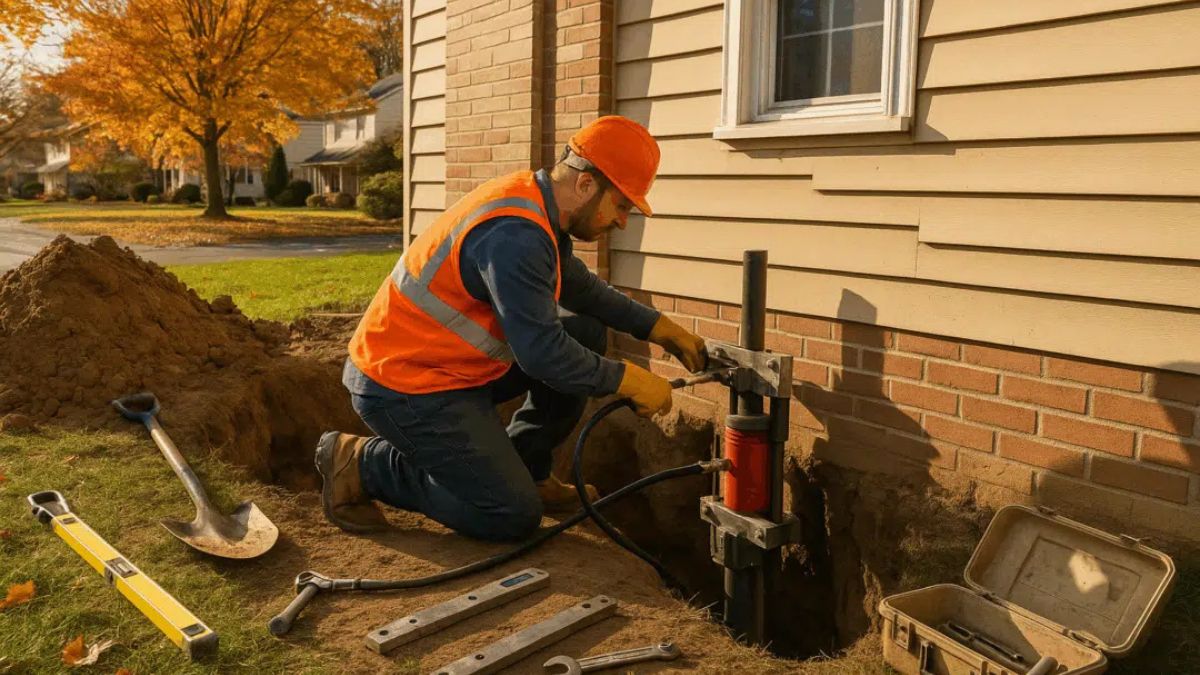
Your home is one of the most valuable things you own. So when something goes wrong with the foundation—the very structure holding everything up—the stakes couldn’t be higher, says Real Capital Property Group solutions. Cracks in the basement walls, uneven floors, doors that won’t close properly: these aren’t just cosmetic annoyances. They’re warning signs. And in Albany, NY, where seasonal freeze-thaw cycles put enormous pressure on concrete, foundation problems are more common than many homeowners realize.
The good news? Foundation damage is fixable. With the right team and the right approach, a compromised foundation can be fully restored—giving your home the structural integrity it deserves for years to come.
Why Albany’s Climate Is Hard on Concrete Foundations
Albany sits in a region that experiences some of the most punishing winter conditions in the Northeast. Temperatures regularly dip well below freezing, and the repeated cycle of freezing and thawing takes a serious toll on concrete over time.
Here’s what happens: water seeps into tiny cracks in your foundation. When temperatures drop, that water freezes and expands—widening the cracks. When it thaws, the process starts over. Season after season, what starts as a hairline fracture can grow into a structural problem that affects the stability of your entire home.
Add Albany’s clay-heavy soil into the mix, and the challenge compounds. Clay expands when wet and contracts when dry, creating lateral pressure on foundation walls that can cause bowing, cracking, and displacement. It’s a tough environment for any foundation—and it’s precisely why professional concrete foundation repair in Albany, NY is such an essential service.
The Signs Your Foundation Needs Attention
Foundation problems rarely announce themselves all at once. More often, they show up gradually, in ways that are easy to dismiss or overlook.
Some of the most common warning signs include:
- Cracks in basement walls or floors, especially diagonal cracks near corners or stair-step cracks in block foundations
- Bowing or bulging walls, which indicate lateral soil pressure pushing inward
- Water infiltration or dampness in the basement, which often signals compromised concrete
- Uneven or sloping floors on upper levels of the home
- Doors and windows that stick, a sign that your home’s frame is shifting
- Gaps between walls and ceilings or floors
Any one of these signs warrants a professional inspection. Catching foundation issues early can make a significant difference—both in the complexity of the repair and the cost.
What Professional Concrete Foundation Repair Actually Involves
Foundation repair isn’t one-size-fits-all. The right solution depends on the type of damage, its severity, and the underlying cause. A thorough assessment by an experienced masonry professional is always the starting point.
Some of the most common repair methods include:
Crack Injection
For poured concrete foundations with non-structural cracks, epoxy or polyurethane injection is a highly effective solution. The material is injected directly into the crack under pressure, filling it completely and restoring the structural continuity of the concrete. This also creates a waterproof seal, preventing future water infiltration.
Carbon Fiber Straps and Wall Anchors
When foundation walls have begun to bow inward due to soil pressure, reinforcement is required. Carbon fiber straps are bonded to the wall surface to halt movement and prevent further deterioration. For more severe bowing, wall anchors or helical tiebacks can be used to pull the wall back toward its original position over time.
Piering and Underpinning
Settlement—where the foundation sinks unevenly into the ground—is one of the more serious foundation issues, but it’s absolutely repairable. Push piers or helical piers are driven deep into stable soil beneath the foundation, providing a reliable support point. Hydraulic lifting equipment can then be used to raise the foundation back to its original position.
Waterproofing and Drainage Solutions
Water is the root cause of many foundation problems. Interior and exterior waterproofing systems, including drainage channels, sump pumps, and vapor barriers, can be installed to manage water and protect the foundation from ongoing damage.
Why Experience Matters in Foundation Repair
Foundation repair is not a job for generalists. It requires a deep understanding of soil behavior, concrete properties, structural engineering principles, and the specific challenges posed by Albany’s climate and geography. Cutting corners—or working with a contractor who lacks specialized experience—can lead to repairs that fail prematurely or, worse, mask a problem without actually solving it.
Top Course Masonry Inc. brings years of hands-on experience to concrete foundation repair in Albany, NY. The team understands the local conditions, uses proven materials and methods, and approaches every job with a commitment to lasting results. From the initial assessment through to project completion, homeowners can expect clear communication, honest recommendations, and workmanship built to stand the test of time.
The Real Cost of Delaying Foundation Repairs
It’s tempting to put off foundation repairs—especially when the damage seems minor or the budget is tight. But foundation problems don’t stay small. A crack that costs relatively little to inject today can develop into a bowing wall that requires far more intensive and expensive intervention a year from now.
Beyond the repair costs themselves, a compromised foundation affects your home’s resale value. Buyers and their inspectors notice foundation issues, and they factor them into offers. Addressing foundation problems proactively protects your investment—and your peace of mind.
There’s also the safety dimension. A structurally sound foundation isn’t just about property value; it’s about the safety of everyone living in the home. Severe foundation failure can compromise the structural integrity of the building above, making timely repair a matter of genuine importance.
Choosing the Right Masonry Contractor in Albany
Not every masonry contractor offers foundation repair, and not every foundation repair company has the depth of experience to handle complex structural issues. When evaluating your options, look for:
- Proven local experience, specifically in Albany and the Capital Region
- Specialization in concrete and masonry, not just general contracting
- Transparent assessment process, where the contractor explains what they found and why they’re recommending a particular repair approach
- Clear, detailed written estimates before any work begins
- A track record of completed projects and satisfied customers in the area
Top Course Masonry Inc. checks every one of those boxes. Their reputation has been built job by job, foundation by foundation, across Albany and the surrounding communities.
A Foundation Worth Protecting
Concrete foundation repair in Albany, NY ensures your home’s base is strong, stable, and secure, protecting everything built on top—from walls and floors to the memories you create within it. Every home tells a story, and the foundation is the first chapter. When that foundation is solid, everything above it stands on firm ground. When it isn’t, the story can take a very different turn—but professional concrete foundation repair keeps your home safe, stable, and ready for the years ahead.
Albany homeowners don’t have to wait for the warning signs to get worse. The team at Top Course Masonry Inc. is ready to assess your foundation, explain your options, and deliver repairs that hold. If you’ve noticed cracks, water, or any of the other warning signs covered here, now is the time to act.
Reach out to Top Course Masonry Inc. today for a professional foundation inspection. Because a strong home starts from the ground up—and your foundation deserves nothing less.
Contact Info
Address: 1547 Burden Lake Rd, Averill Park, NY 12018
Phone: (518) 512-7341
Site: https://www.topcoursemasonry.com/


Cheap office chairs are slowly costing SMEs money every day.
The majority don’t even realize it’s occurring. Owners look at an invoice for a $99 chair and feel like they just made a great decision. In reality that poor seat is costing them thousands in productivity, sick time and turnover.
Here’s the good news:
Repairing it is simpler than most think. Ergonomic chairs can pay for themselves quickly if you know what to look for.
What’s inside this guide:
- The real price SMEs pay for bad seating
- Why small businesses feel the pain more
- Warning signs your chairs are costing money
- What ergonomic office chairs actually do
- How to upgrade without blowing the budget
The Real Price SMEs Pay For Bad Seating
Cheap seating feels like a smart saving until you do the maths.
Every hour spent by an employee getting into comfortable positions is an hour NOT spent working at full speed. Now imagine every employee doing that all day…every day of the year. Ouch.
And that’s before you even get to the sick days.
Recent Australian research puts absenteeism costs at $33 billion per year due to loss in productivity. A large portion of this is associated with musculoskeletal problems such as back pain, neck strain, and shoulder pain…you guessed it, problems that can be caused by prolonged sitting on poor chairs.
Upgrading to quality office chairs is one of the quickest ways to plug this leak. Quality ergonomic office chairs are designed to hold your spine, hips and shoulders in correct alignment. Which means less fatigue during the day and less visits to the physio on Friday afternoon. When your staff feel good they work better – it is as simple as that.
Here’s what poor seating actually costs an SME:
- Sick days from back and neck pain
- Slower work from tired, aching staff
- Higher staff turnover as people quit uncomfortable jobs
- Workers’ comp claims and rising insurance premiums
- Lower morale across the whole team
Now to explore why this affects SMEs more than Corporate Australia.
Why Small Businesses Feel The Pinch More
Big companies can absorb the cost of one sick employee.
Entrepreneurs cannot afford to be incapacitated. If one employee is down with back pain, the entire company notices immediately. Deadlines are missed, other employees are forced to cover, and the boss works late hours to make up for lost time.
Think about it this way:
Say you have 10 employees, and someone gets injured, takes off work with a strain or something. 10% of your business is out immediately. Try taking 10% of a corporation that has 1,000 people. No one notices. When you run a small crew you don’t have that privilege.
It’s why SMEs have to take ergonomic office chairs even more seriously than large corporations. There’s much less room for error and more consequences for each sick day.
An Australian survey revealed that 86.7% of employees suffered from work related musculoskeletal disorders. Approximately nine out of ten employees come to work already injured.
But if those same workers are sitting in flat, unsupported chairs for eight hours a day, that pain is only going to intensify. And when the pain intensifies, so do missed days of work.
Warning Signs Your Chairs Are Costing Money
Not sure if your seating is the real problem?
Watch out for these warning signs around the office…
The tell-tale signs to look for:
- Staff regularly complaining about back or neck pain
- More sick days than usual across the team
- People bringing in cushions or towels from home
- Staff stretching, standing or walking around constantly
- Complaints about being exhausted after work
- Productivity that drops off a cliff in the afternoon
Are any of these ringing bells? If so, maybe the chairs are to blame. Most managers point the finger at workload. Or Monday mornings. Truth hurts, and it’s probably lurking under their employee’s… you know what.
The good news? It’s one of the simplest workplace problems to solve. No need for consultants. No massive HR initiatives. Just a few nicer chairs.
What Ergonomic Office Chairs Actually Do
There’s a lot of hype around the word “ergonomic”.
But what does that mean when sitting in a chair? An ergonomic office chair supports your body in its natural position. It helps maintain the natural curve of your spine, positions your hips at the optimal angle and relieves pressure on your body’s painful pressure points.
A quality ergonomic office chair should have:
- Adjustable seat height for different body types
- Lumbar support that fits the lower back
- Adjustable armrests to reduce shoulder strain
- A proper tilt function
- Breathable mesh or fabric
- Wheels that suit the flooring in the office
Working in concert, these features allow you to sit for hours without your body suffering for it. Less pain means more concentration and tons of productivity between brews.
Budget chairs lack most of these qualities. They’re designed to meet a price point instead of meeting a human. It’s why upgrading is so important.
How To Upgrade Without Blowing The Budget
Here’s the mistake most SMEs make when they decide to upgrade…
They buy the cheapest chairs they can find (and find themselves right back where they started) or they go crazy and buy everything new all at once. Neither solution is ideal when you are a small business looking to conserve cash.
Try this smarter approach:
Begin with the employees who sit the most: Accountants, administrative assistants, developers, designers, anyone who is typically at a computer all day. Equip these employees with the best chairs you can afford. Continue upgrading chairs for the rest of your team as budget permits over the coming months.
Allows you to spread the cost out & try before you leap into purchasing a large bulk quantity. Chairs are different for different positions so you can learn along the way.
Make sure you check whether ergonomic office chairs are tax deductible. Ergonomics equipment is one of those many items that you can claim for in Australia – so the real price is often less than you think.
And don’t forget ROI. If your quality chair reduces two sick days per employee per year, most of them pay for themselves in 12 months. Anything beyond that is gravy.
The Bottom Line
One of the costliest errors SMEs make is skimping on office seating – and also one of the simplest to correct.
The numbers really don’t lie:
- Bad chairs lead to more sick days
- Aching staff work slower and make more mistakes
- Small teams feel every single absence
- Workers’ comp claims and turnover costs add up fast
Ergonomic office chairs are not a frivolous indulgence reserved for sleek corporate office spaces. They are a business investment with returns in the form of increased productivity, reduced absenteeism, and employee retention.
Live in a marketplace where pennies mean everything. This WIN is yours for the taking. LOOK at your team. Calculate how many hours per week they spend in their chairs and ask yourself one question:
Does that chair help them perform at their best or is it secretly costing your company money?
Buying a home is more than choosing the right neighborhood, inspection report, and mortgage. Before closing, buyers also need confidence that the seller can transfer clear ownership of the property. If you are asking what is title insurance, it is protection designed to address certain covered title problems that existed before you took ownership.
The title refers to the legal rights associated with owning property. It is separate from the home’s physical condition. A house can be beautifully maintained while the public records reveal an old, unpaid lien, an incorrect deed description, or a prior ownership claim that needs attention.
Why Title Records Matter Before Closing
A title review identifies the seller’s rights to convey property and any potential rights of other parties that may affect ownership. Issues such as an unrecorded mortgage release from a previous owner may arise and should be resolved before signing. Title insurance is distinct from homeowners’ insurance; the former covers defects, liens, and ownership issues existing before the policy’s effective date, while the latter protects against future physical losses. The National Association of Insurance Commissioners provides resources on how title searches and policies protect buyers and lenders.
What a Title Search Checks
A title company, attorney, or other qualified closing professional typically examines available public records connected to the property. The review may include:
- Prior deeds and ownership transfers.
- Mortgages, releases, and satisfactions.
- Property tax records, judgments, and recorded liens.
- Easements, restrictions, and access rights.
- Probate, estate, trust, divorce, or business-entity records when relevant.
- Legal descriptions, parcel details, and recording information.
If a problem appears, the transaction may pause while the seller, lender, title professional, or another party resolves it. Request a written explanation for any item that remains open.
Common Title Problems Buyers May Encounter
- Unpaid liens: Taxes, contractor bills, judgments, or other debts may still be attached to the property.
- Unreleased mortgages: A past loan may appear outstanding because its release was not recorded.
- Clerical errors: Misspelled names, incorrect signatures, or legal-description mistakes can cloud ownership.
- Undisclosed heirs: A person with an interest in a prior owner’s estate may later assert a claim.
- Forgery or fraud: False documents or identity fraud can disrupt the chain of title.
- Easements and boundary questions: A utility company, neighbor, or other party may have rights affecting part of the land.
Owner’s Policy and Lender’s Policy
These policies serve different insured parties. Do not assume that a policy required by your mortgage lender also protects you personally.
- Owner’s policy: Protects the homebuyer’s covered ownership interest and, in many cases, the equity built in the property. It is usually purchased with a one-time premium at closing.
- Lender’s policy: Protects the mortgage lender’s interest in the loan and its lien on the property. Most financed purchases require it.
An owner’s policy may be optional from the lender’s perspective, but that does not make it unimportant. Read the actual policy, commitment, endorsements, exclusions, and exceptions. Coverage can vary by insurer, state, policy form, and transaction details.
What Title Insurance May, and May Not, Cover
Depending on the policy terms, title insurance may cover certain unknown liens, prior ownership claims, errors in public records, forged earlier documents, defects in the chain of title, and legal defense costs for covered claims. It does not promise to solve every property-related problem.
Common limits can include known issues listed as exceptions, physical defects, future damage, matters caused after closing, and some survey, zoning, land-use, or environmental concerns. Ask which exceptions are standard, which are specific to the property, and whether any endorsements are available to modify coverage.
How Much Does Title Insurance Cost in 2026?
Title costs depend on the purchase price, location, policy type, endorsements, state rules, and the closing services involved. The premium is often a one-time closing cost, but it should be separated from title search, settlement, recording, courier, and other fees. Compare your Loan Estimate with your Closing Disclosure, and review the full title-related total rather than focusing on one line item. The Consumer Financial Protection Bureau’s guidance on shopping for title services explains how buyers can compare these costs and determine whether services may be shopped for.
Who Pays for Coverage?
There is no universal answer. In some markets, sellers commonly pay for an owner’s policy. In others, buyers do. Buyers often pay for the lender’s policy when financing is involved, but the purchase agreement and negotiated credits control the final arrangement. Confirm who pays for each policy, title service, recording fee, and endorsement before closing day.
Questions to Ask Before Closing
- What policy or policies are included in my closing package?
- What exceptions and requirements appear in the title commitment?
- Are any liens, taxes, judgments, or releases still unresolved?
- Does the quote include insurance premiums and separate settlement fees?
- Can I shop for any title or closing services?
- Are endorsements available for this property?
- What happens if a title issue delays closing?
- When will I receive the final policy and recorded deed?
A Simple Review Process for Buyers
- Request documents early. Ask for the title commitment, fee estimate, and policy options well before closing.
- Read the exceptions page. Pay attention to easements, restrictions, liens, and legal descriptions.
- Compare coverage. Understand the difference between owner and lender protection.
- Confirm costs. Match title charges with your Loan Estimate and Closing Disclosure.
- Keep final records. Store the policy, deed, settlement documents, and payment confirmations securely.
Title Fraud, Digital Risks, and Special Situations
Wire fraud remains a serious closing risk. Never rely solely on a last-minute email that changes payment instructions. Call a trusted phone number already provided by your lender, attorney, escrow officer, or title company to verify instructions. Use multi-factor authentication for email and report suspicious messages immediately.
Extra review is especially useful for inherited homes, trusts, divorces, foreclosures, short sales, new construction, investment properties, cash purchases, refinances, and homes owned by business entities. These transactions may involve more parties, documents, or title requirements.
Final Checklist
- Title commitment reviewed and exceptions explained.
- Owners’ and lenders’ policies compared.
- Title costs and payment responsibilities confirmed.
- Outstanding issues resolved or documented in writing.
- Wire instructions verified by phone.
- Final policy delivery process understood.
Conclusion
Buyers do not need to become title experts before closing. They do need to understand what the title documents say, which policy protects their interests, what exceptions may affect the property, and where to get clear answers. A careful review before signing can help prevent costly surprises after you receive the keys.

Retirement starts long before people reach senior age, and if they’re able to plan properly, they will have enough to sustain their lifestyle. Some are leaning towards more familiar options like a traditional individual retirement account, and this has been the cornerstone for many of them for decades. See more info about retirement preparation when you click here.
Others are starting to explore alternative investments that can provide them with additional diversification. This includes self-directed accounts that can hold tangible assets like precious metals. Learning the differences between the two approaches can help many investors choose the option that best aligns with their financial goals.
This kind of decision is often about selecting one investment over the other. Instead, it’s important to evaluate one’s risk tolerance as well as their goals for the future to know if gold is a good investment for them. Also, the market can drastically change over time, and retirement portfolios can often benefit from a combination of assets with precious metals rather than relying solely on stocks.
Nowadays, a lot of investors also have access to companies that specialize in helping clients establish a self-directed retirement account. These businesses are able to simplify the entire rollover process while making sure that they’re meeting the government regulations. They can coordinate with custodians and give resources to their investors to support long-term financial security.
Know More About a Traditional IRA
Individuals can contribute money to their retirement savings account through an IRA, and they’re also going to qualify for tax advantages. Most of the time, the account is invested in paper assets like mutual funds and other similar products, and this type is very flexible. Many investors have access to a broad range of investment choices and build a diversified portfolio that can follow their timelines. Over time, the earnings can grow on a tax-deferred basis, and only the withdrawals are taxed during retirement.
Many financial advisors recommend them, and they’re also handled by various brokerage firms so they’re relatively easy to manage. Investors who choose conventional market-based assets often appreciate the accessibility that’s provided by these accounts.
What is a Gold Individual Retirement Account?
Others may set up a self-directed IRA that allows investors to own qualifying precious metals while they maintain tax advantages associated with retirement savings. However, instead of holding a lot of mutual funds, the SDIRA can include gold bullion and other eligible metals that meet the IRS standards.
Different Types of Precious Metals Investments
Many people prefer to hold coins that have beautiful carvings because these tangible assets can give them a sense of security. Coins are often easier to store, while the bars can yield higher value because they come in larger weights. During times of economic uncertainty, people flock to precious metals because owning gold can mean that one can have a real asset that they can rely on.
Most coins like the American Gold Eagles are favored by many because of their exceptional purity. The Canadian Maple Leaf is also a great choice, especially the ones that are in mint condition. Other coins are classified as collectibles, so they’re often not allowed to be stored in an IRA.
Gold bars are crafted by certain assayers and not by government mints. Even so, investing in them will mean that they should still meet the minimum purity standards of at least 99.5%, and some of the accredited refiners can include Valcambi. Many companies offer high-quality products and a wide variety of selections that investors can choose from. Also, some require a minimum investment before opening an account, and all of the precious metals should be kept in an IRS-approved depository.
Steps to Setup an SDIRA
Start with a provider that has a strong industry reputation and make sure that they’re going to explain the entire process. They will help you find a custodian who will handle the account, and they should be able to find it so investors can start buying the gold that they prefer. Others may decide to buy palladium because their value can increase over time, but this can often depend on one’s preferences.
Afterwards, everything is sent into a depository that’s accredited by the IRS. Monitor the investment like any other retirement account. There’s an option to add more if the investor chooses to do so or rebalance the portfolio as the financial goals change over time.
Also, it’s important to diversify one’s nest egg because gold doesn’t produce dividends, unlike company stocks. There are also maintenance fees to be considered as well as insurance premiums, so make sure to know all of these before investing. Compare the company reviews to see which ones have the best fee structures so one can really see themselves making money out of these investments. Research carefully and watch a lot of videos before investing so one can make wiser decisions.
Reputable Gold IRA Companies Worth Considering
It’s essential to select an experienced provider that has decades of experience managing gold IRAs. The setup process will be seamless with them, and their assistance will continue until retirement. Many of these companies have earned recognition in the industry because they helped countless clients navigate the entire process of starting with gold investments.
Goldco is one of the best providers out there for beginners since it’s considered an industry leader. Goldco was at the top of the list after an extensive evaluation of various research teams in the US. Get in touch with knowledgeable experts that can make the entire transaction swift, and it has excellent reviews with the Better Business Bureau.
Many are pleased to partner with the company because they receive notifications about their orders and they take good care of their customers. Many are able to have more peace of mind knowing that they have a stable plan, and it’s easy for them to transfer some of their funds from their existing 401k into precious metals so they can start to equalize their holdings.
-

 NEWS1 year ago
Historical Churches in Manila
-

 TOPIC1 year ago
Symbols of Hope: The 15th Belenismo sa Tarlac
-

 TOPIC1 year ago
RIZAL at 160: a Filipino Feat in Britain
-

 TOPIC1 year ago
“The Journey Beyond Fashion” – Ditta Sandico
-

 TOPIC2 weeks ago
Unveiling AvTub: Your Ultimate Guide to the Best AV Content
-

 TOPIC1 year ago
5 Must-Have Products From Adarna House to Nurture Your Roots
-

 TOPIC1 year ago
Filipino, alternative language course at Moscow State University
-

 TOPIC1 year ago
“Recuerdos de Filipinas – Felix Laureano”