
HEALTH
Can a Tooth Need a Root Canal If There’s No Pain?

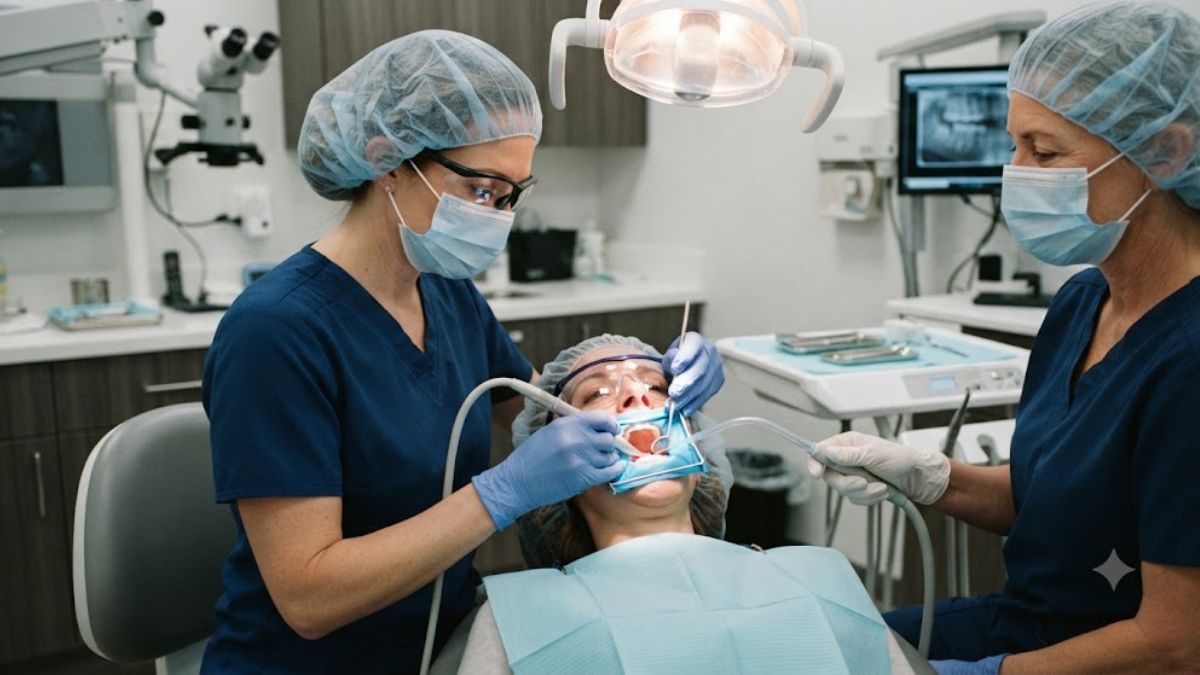
How do you know there’s something wrong with your tooth? Surely, it would be painful or cause discomfort you can feel, right? It is a common assumption many people make. If there’s no pain, everything must be fine. After all, pain is usually the body’s way of telling us that something needs attention. But teeth don’t always work that way. For teeth, pain is not the only indicator that there’s something wrong. Sometimes, you may have internal damage or deep decay in the tooth or an infection that doesn’t cause obvious discomfort. So, you might have a decaying tooth without noticing any obvious symptoms until the damage has progressed significantly. By that time, the problem is so far gone that you need treatment. Understanding how this happens can help explain why a dentist may sometimes recommend root canal treatment even when a tooth is not painful.
Why Some Tooth Problems Don’t Always Cause Pain
So we established that not all tooth problems cause pain. But that brings us to our second question: why? To understand why a tooth can have problems without hurting, we should first understand how teeth work and what happens inside the tooth. Now, we know the hard outer layers of the tooth are called enamel and dentin. But beneath these outer layers is the soft inner tissue called the dental pulp. This tissue contains nerves, blood vessels, and connective tissue. When it becomes irritated or infected because of decay, cracks, or any injury, it can trigger pain and sensitivity. However, how much pain you feel depends on several factors, like the depth of the decay, its severity, and how the nerve inside the tooth will respond to it.
Sometimes, dental issues don’t become noticeable quickly. When tooth decay first develops, it may not cause noticeable symptoms. As it progresses deeper into the tooth, the damage can eventually affect the pulp and lead to infection. In other cases, the infection happens deep within the tooth where changes are not immediately obvious. So, even if there’s no pain, it does not always mean a tooth is completely healthy.
When Tooth Pain Suddenly Disappears
Have you ever had tooth pain that stops suddenly, making you think that your tooth’s fine now? If a painful tooth stops hurting, it’s natural to assume the problem must have resolved on its own. You might think it was just a minor issue that settled itself. But when it comes to toothache, sudden disappearances do not always mean the underlying issue has gone away. Sometimes, severe damage can affect the nerve inside the tooth. When this happens, the nerve may stop functioning properly and no longer send strong pain signals. So, you might feel better, but the bacteria and infection in the tooth can continue progressing, affecting the surrounding area, which may eventually require root canal treatment to save the tooth. This is one reason why ongoing or recurring tooth problems should not be ignored, even if symptoms seem to improve temporarily.
How Deep Tooth Problems Develop Silently
Dental problems often develop gradually rather than overnight. A small cavity may begin on the surface of the tooth and slowly move deeper. Over time, decay can pass through the protective outer layers and reach the pulp. Cracks, old dental injuries, and large ageing fillings can also allow bacteria to enter deeper areas of the tooth.
The challenging part is that these changes can happen beneath the surface. A tooth may appear normal from the outside while damage is developing inside. This is why some people are surprised when they discover a tooth needs more than a simple filling, even though they were not experiencing severe pain. This is one reason regular dental check-ups are so important. These checkups give your dentists the time to detect problems that are not yet causing noticeable symptoms.
Signs a Tooth May Need Attention Even Without Pain
Although some tooth problems are silent, there are often subtle signs that something may not be right. You may not feel pain or even much discomfort, but if there’s something wrong with your tooth, you’ll notice some signs like a tooth becoming darker than surrounding teeth, swelling or tenderness around the gums, or a small bump on the gum. If you feel an unpleasant taste or have persistent bad breath, it can also mean something is wrong with the teeth. Sometimes, you may feel sensitivity in the tooth, discomfort when biting, a visible crack, or a deep cavity, signalling underlying dental issues. These symptoms do not automatically mean root canal treatment is required. However, they may suggest that the tooth needs to be checked to understand what is happening beneath the surface.
Listen to Your Teeth, Even When They’re Quiet
Pain may be a sign, but it is not the only indication of dental problems. A tooth can sometimes have deeper issues even when it feels completely fine. Addressing these signs early can often help prevent the problem from progressing and may reduce the need for more extensive treatment, like a root canal, later. Understanding the quieter signs of dental problems can help you make informed decisions about your oral health.
When it comes to your teeth, what you cannot feel can sometimes be just as important as what you can. So, if you notice any sign of an underlying dental issue, like swelling, tenderness, teeth getting darker, persistent bad breath, etc., don’t delay getting a checkup. A regular checkup at your family dental clinic or a local clinic like Dentist at Dickson in Canberra can help you identify dental issues early on and get the right treatment to ensure your smile stays bright and healthy.
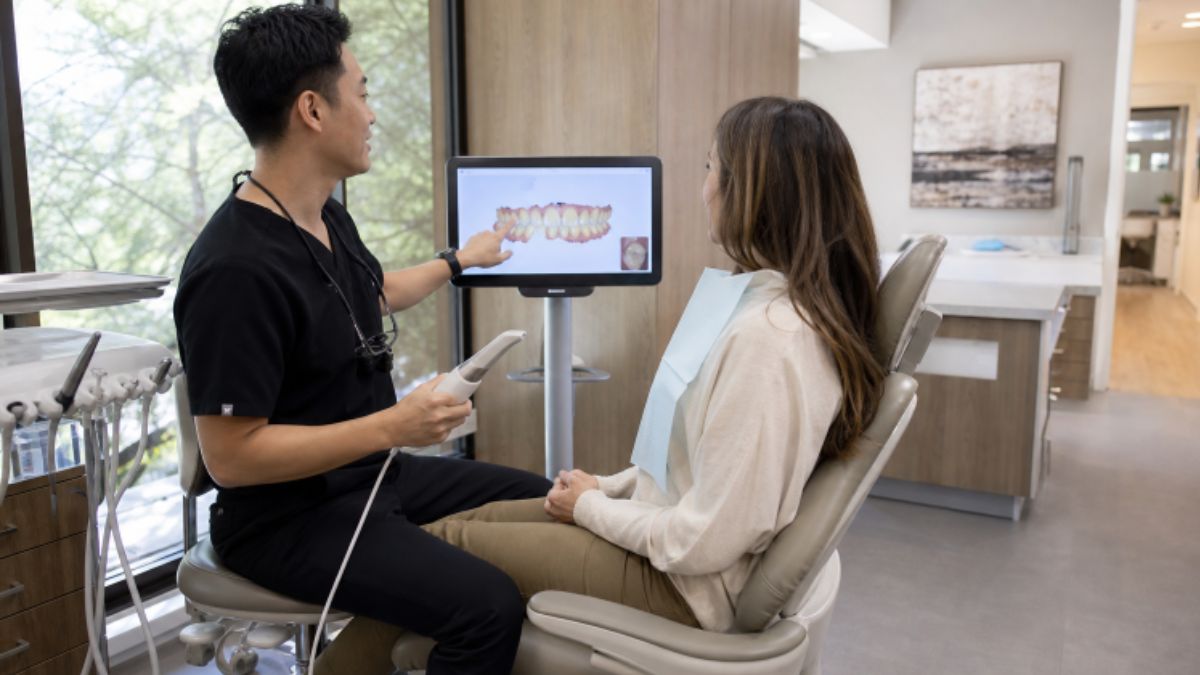
A dental crown is a custom cover that fits over a damaged tooth to restore its shape, strength, and chewing function. If your dentist has recommended dental crowns, one of the first decisions may be whether to choose a same-day crown or a traditional crown made by a dental laboratory.
Both options can protect a weak, cracked, worn, or heavily restored tooth. The better choice depends on more than convenience. Your tooth’s location, the amount of healthy structure remaining, your bite, the desired appearance, and the materials available all matter.
Why A Dentist May Recommend A Crown
A crown is not simply a cosmetic cover. It may be recommended when a tooth has extensive decay, a large failing filling, a crack, significant wear, or damage after trauma. Crowns may also protect teeth that have had root canal treatment or support a bridge or implant restoration. The way crowns restore strength to a damaged tooth helps explain why a dentist may suggest one when a filling alone is unlikely to provide dependable support.
Even a well-made crown does not eliminate the cause of the original problem. Decay can still form at the crown’s edge, gum disease can affect the supporting tissues, and clenching or grinding can place damaging force on the restoration. A complete evaluation should consider the tooth’s long-term outlook, not just the visible damage.
Same Day Crowns Vs Traditional Crowns
How Same-Day Crowns Work
Same-day crowns are commonly created with digital scanning, computer-aided design, and an in-office milling system. After the tooth is prepared, the dental team captures a digital image, designs the restoration, mills it from a ceramic block, and checks the fit and bite during the same appointment. This approach can eliminate the need for a temporary crown and a return visit for final placement.
How Traditional Crowns Work
Traditional crowns generally require at least two visits. At the first appointment, the dentist prepares the tooth and takes a physical impression or digital scan. A temporary crown protects the tooth while a dental laboratory fabricates the final restoration. At a later visit, the dentist removes the temporary, confirms the fit, appearance, and bite, then permanently cements or bonds the final crown.
Potential Advantages And Tradeoffs
- Same-day crowns: They can be convenient for patients who prefer one appointment and want to avoid a temporary crown. However, not every tooth or treatment plan is suitable for same-day fabrication.
- Traditional crowns: They may offer a wider selection of materials and more options for highly detailed esthetic work. The tradeoff is a temporary restoration and an additional appointment.
- Fit and function: Either approach requires careful tooth preparation, bite adjustment, and quality control. The technology used does not replace the need for clinical judgment.
Questions To Ask Before Treatment
Patients can take an active role by asking clear questions before treatment begins. Consider asking:
- Why does this tooth need a crown rather than a filling or an onlay?
- How much healthy tooth structure remains?
- Is a same-day crown appropriate for this tooth and my bite?
- Would a laboratory-made crown offer a material or appearance advantage?
- Does the tooth need a buildup, root canal treatment, or gum care first?
- What will the total estimate include, including temporary and follow-up care?
- What should I do if I grind or clench my teeth?
Comparing Crown Materials
Material selection should match the tooth’s job in your mouth. Front teeth often call for careful shade matching and light reflection, while molars need to tolerate stronger chewing forces.
- All-ceramic and porcelain: Often selected when a natural-looking appearance is especially important.
- Zirconia: A ceramic option known for strength and frequently considered for teeth exposed to heavy biting forces.
- Porcelain-fused-to-metal: Combines a metal framework with a porcelain outer layer, although the porcelain can chip over time.
- Metal: Durable and typically used where appearance is less of a concern, such as some back teeth.
- Resin: Often used for temporary crowns because it is generally less durable than many final crown materials.
Let your dentist know about metal sensitivities, past restoration problems, chewing habits, and nighttime grinding. These details can affect which material is appropriate.
When Another Restoration May Be Better
A crown is sometimes the right treatment, but it is not automatically the most conservative one. A filling may be enough when the tooth has limited damage and sufficient healthy structure. An inlay or onlay may restore a moderately damaged area while preserving more of the natural tooth than a full crown. Veneers are different because they primarily cover the front surface of a tooth and are not designed to replace a crown when broad structural support is needed.
When a tooth cannot be predictably restored, extraction and replacement options may be discussed. An examination and diagnostic images are necessary before choosing among these treatments.
What The Treatment Process May Include
- Evaluation: The dentist reviews symptoms, images, gum health, tooth structure, and bite.
- Preparation: Damaged portions are removed, and the tooth is shaped to make room for the crown.
- Scanning or impressions: Same-day treatment generally uses a digital scan, while traditional treatment may use either a scan or a physical impression.
- Temporary protection: Traditional treatment commonly includes a temporary crown while the laboratory makes the final one.
- Final checks: The dentist evaluates the crown’s contacts, margins, color when relevant, and bite before final placement.
What Can Affect The Cost
Crown fees can vary based on the material, tooth location, case complexity, and whether additional treatment is needed. A buildup, root canal, gum treatment, or replacement of an old restoration can change the total. Insurance coverage may also depend on deductibles, annual maximums, waiting periods, and plan rules. Ask for a written, itemized estimate so you understand what is included before treatment starts.
How To Care For A Dental Crown
Long-term success depends on consistent home care and professional monitoring. The daily care recommended for dental crowns includes brushing twice daily with fluoride toothpaste, cleaning between teeth every day, and attending regular examinations and cleanings.
- Avoid chewing ice and other extremely hard items.
- Use a custom night guard if your dentist recommends one for clenching or grinding.
- Clean carefully along the gumline, where plaque can collect around the crown.
- Schedule an evaluation if your bite begins to feel uneven.
Warning Signs To Watch For
Contact a dental professional if you notice persistent pain, a loose crown, a sharp edge, a crack or chip, new swelling, a bad taste, or a change in how your teeth meet. Prompt attention can help protect the underlying tooth and prevent a small concern from becoming a more complicated repair.
The right crown is not chosen by speed or price alone. Compare same-day and traditional options in the context of your tooth’s health, the available materials, your bite, your schedule, and the care needed after placement. A thoughtful discussion with your dentist can help you choose a restoration that supports both comfort and long-term function.
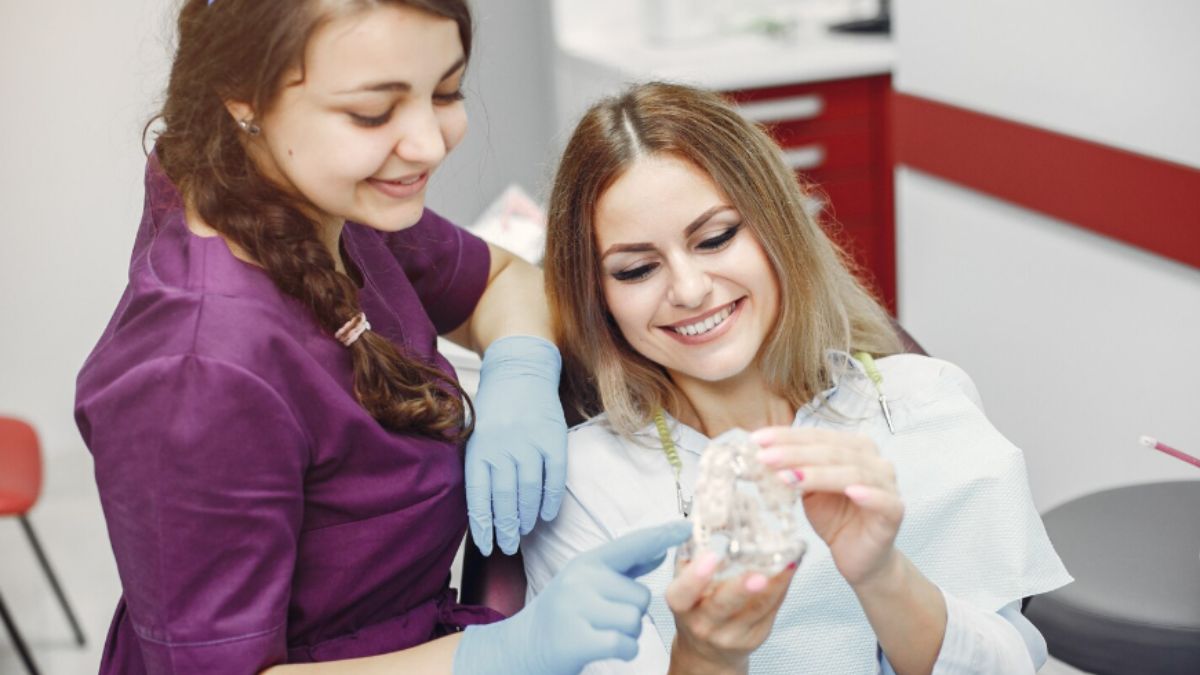
Dental implants have revolutionised the field of restorative dentistry, offering patients a reliable and long-lasting solution for missing teeth. For individuals residing in and around Bowral, options for dental implants in Bowral provide access to advanced procedures that restore both function and aesthetics.
What Are Dental Implants?
Dental implants are artificial tooth roots, typically made from biocompatible titanium, which are surgically inserted into the jawbone. These implants serve as a sturdy foundation for replacement teeth such as crowns, bridges, or dentures. By integrating with the jawbone through a process called osseointegration, dental implants mimic the strength and stability of natural tooth roots.
Advantages of Dental Implants Over Traditional Dentures
Compared to conventional dentures, dental implants offer numerous benefits. For example, implants do not slip or shift during speaking or eating, which significantly enhances patient comfort. Furthermore, they prevent bone loss in the jaw, a common issue associated with missing teeth, by stimulating bone growth and preserving facial structure.
Who Is a Suitable Candidate for Dental Implants?
Candidates for dental implant procedures generally require sufficient healthy bone in the jaw to support the implant. Additionally, good oral hygiene and overall health are important to ensure successful healing and integration. Patients are thoroughly assessed through clinical examinations and imaging techniques to determine their suitability.
The Dental Implant Procedure
The process begins with a detailed consultation and treatment planning to customise the approach according to each patient’s specific needs. The initial surgical phase involves insertion of the titanium implant into the jawbone. Over several months, the implant fuses with the bone, after which an abutment is attached. Finally, the prosthetic tooth or teeth are secured onto the abutment.
Dental Implants in Bowral: Access to Expert Care
Residents seeking dental implants in Bowral benefit from access to experienced clinicians trained in the latest implantology techniques. These professionals prioritise patient comfort and tailored treatment plans to achieve optimal outcomes.
Types of Dental Implants
There are various types of dental implants designed to address differing clinical situations. Endosteal implants, placed within the jawbone, are the most common. Subperiosteal implants, positioned on top of the bone, may be suitable for patients with insufficient bone height.
Immediate versus Delayed Implant Placement
Implant placement can be immediate, occurring at the same time as tooth extraction, or delayed, after the extraction site has healed. The choice depends on factors such as bone quality, infection, and overall patient health.
Restoration Options Supported by Dental Implants
Dental implants can support single crowns for individual tooth replacements or bridges to replace several teeth. Implant-supported dentures provide improved stability and function compared to traditional removable dentures.
Maintaining Dental Implants
Proper oral hygiene is paramount to ensure the longevity of dental implants. Regular brushing, flossing, and professional dental cleanings contribute to healthy gums and the prevention of peri-implant diseases.
Potential Risks and Considerations
While dental implants boast high success rates, potential complications include infection, implant failure, or nerve damage. Careful evaluation and adherence to post-operative instructions reduce these risks.
Cost Considerations for Dental Implants
The expense of dental implants varies based on the complexity of the case, type of implant used, and additional procedures such as bone grafting. Patients are encouraged to discuss financing options and insurance coverage with their dental provider.
The Impact of Dental Implants on Quality of Life
Restoring missing teeth with dental implants enhances not only oral function but also self-esteem and overall quality of life. Patients report increased confidence when eating, speaking, and smiling.
Technological Advances in Implant Dentistry
Modern technologies such as 3D imaging, computer-guided surgery, and high-precision implant materials have improved the accuracy, safety, and success of dental implant procedures.
Choosing the Right Implant Provider in Sydney
Selecting a qualified provider with specialised training and extensive experience in implant dentistry is crucial. Patients in Sydney and Bowral benefit from clinics that combine expertise with personalised patient care.
Conclusion
Dental implants represent a significant advancement in addressing tooth loss, offering a durable and natural-looking solution. With expert availability for dental implants in Bowral, patients in the region can access cutting-edge treatments to transform their smiles and regain oral function effectively.
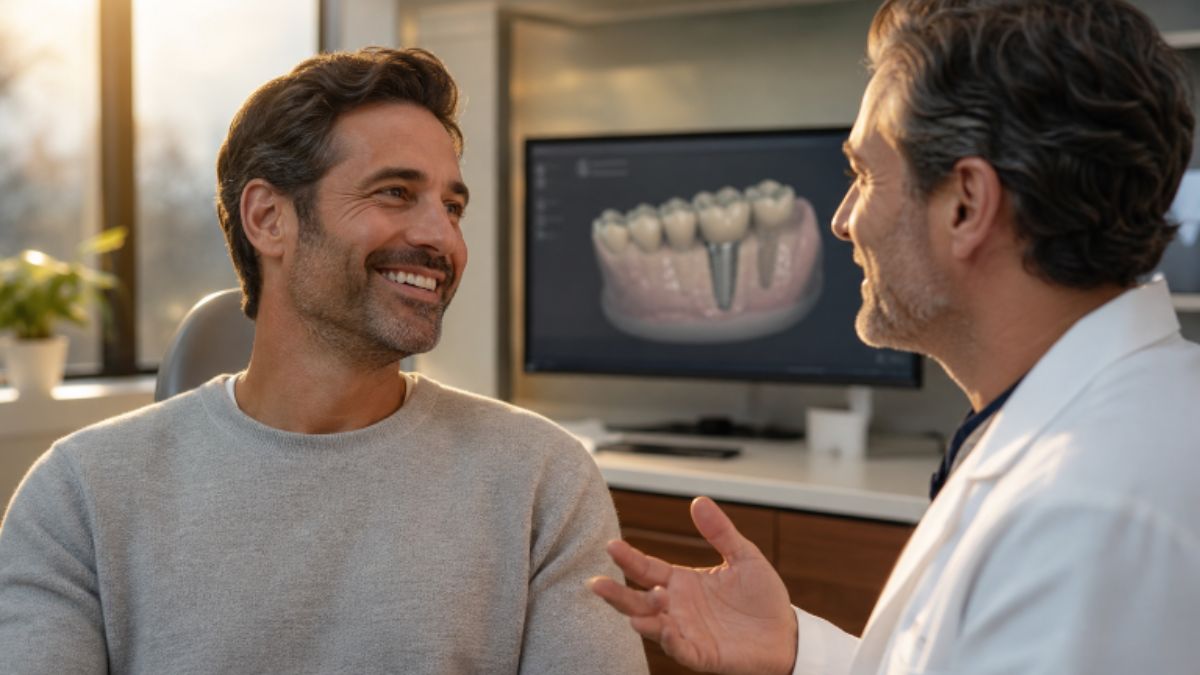
Choosing a dental implant provider in the Greater Sacramento area is about far more than finding the lowest advertised price. Patients comparing All-on-4, full-mouth dental implants, same-day teeth, or single-tooth replacements should consider the complete treatment path, including diagnostics, surgical experience, anesthesia, temporary and final restorations, materials, follow-up care, and options for addressing bone loss.
This list highlights providers serving Sacramento, Elk Grove, Roseville, Granite Bay, Folsom, and nearby communities. It was created by reviewing each practice’s published implant focus, full-arch capabilities, use of 3D imaging, treatment transparency, comfort options, and ability to coordinate surgical and restorative care. Same-day treatment can be an excellent option for qualified patients, but healing, bone quality, gum health, and medical history still shape the final timeline. The implant treatment process can involve bone healing and multiple stages, depending on the individual case.
1. ORA 4X: Best Overall Full-Arch Dental Implant Center Near Sacramento
For Sacramento-area patients seeking a dedicated full-arch implant provider, https://www.ora4x.com/locations/sacramento-dental-implants/ offers a comprehensive option centered on advanced implant solutions, streamlined planning, and same-day full-arch treatment.
ORA 4X earns the top position because its published experience and focused treatment model stand out. The practice reports placing more than 22,000 implants, completing more than 300 full-mouth reconstructions annually, and achieving a reported 98% success rate. Its ORA 4X Process uses digital treatment planning to support full-arch restoration with a minimum of four implants, helping eligible patients leave surgery with a fixed smile on the same day.
Why It’s #1
- Offers All-on-4, All-on-X, single-tooth implants, implant-supported dentures, and advanced solutions for extensive tooth loss.
- Uses digital planning, 3D imaging, and an in-house laboratory workflow to coordinate surgical and restorative steps.
- Provides sedation options and comfort-focused amenities for patients who feel anxious about treatment.
- Focuses heavily on complex full-mouth cases rather than treating implants as an occasional add-on service.
Best fit: Patients who want a high-volume full-arch implant center, same-day treatment options, coordinated care, and a provider equipped to assess complex rebuilding needs. As with every provider, candidacy for immediate loading must be confirmed through a clinical examination.
2. ClearChoice Dental Implant Centers: Best For A Large National Network
Why It’s On The List
ClearChoice is a recognizable national implant network with Sacramento-area locations in Elk Grove and Roseville. The company reports more than 1 million implants placed and more than 100 centers nationwide. Its local centers bring oral surgeons and prosthodontists together in one setting, which may appeal to patients seeking a familiar process for replacing a single tooth, multiple teeth, or a full arch.
Best fit: Patients who value a national network, nearby location choices, and an all-in-one consultation model. Ask for a written treatment estimate that clearly identifies the temporary restoration, final teeth, anesthesia, imaging, and future maintenance.
3. Nuvia Dental Implant Center: Best For Permanent Teeth In 24 Hours
Why It’s On The List
Nuvia’s Sacramento-area center in Roseville markets a permanent zirconia teeth-in-24-hours process for qualifying full-mouth implant patients. Its published care model includes an oral and maxillofacial surgeon, a restorative dentist, and a CRNA at one location. This coordinated approach can be particularly attractive for patients who prioritize receiving fixed teeth quickly rather than wearing a removable temporary during early recovery.
Best fit: Patients seeking full-arch treatment with a rapid final restoration timeline. It remains important to discuss diet restrictions, follow-up visits, warranty coverage, and whether the treatment plan suits the patient’s bone and bite conditions.
4. Granite Bay Oral Surgery And Full-Arch Dental Implant Center: Best For Complex Surgical Cases
Why It’s On The List
Granite Bay Oral Surgery emphasizes advanced full-arch reconstruction, zygomatic implants, bone grafting, and revision work for patients with failed previous implant treatment. The practice reports more than 3,200 completed full-arch cases, with approximately 40% of its work devoted to revisions. It also advertises IV and general anesthesia, an in-house CAD/CAM laboratory, and zirconia full-arch options delivered within 24 hours for appropriate cases.
Best fit: Patients with severe upper-jaw bone loss, peri-implantitis, broken prosthetics, or a failed All-on-4 case who may need a surgical second opinion.
5. Apex Implant Centers: Best For Published Full-Arch Pricing
Why It’s On The List
Apex Implant Centers in Elk Grove provides unusually specific published pricing: $1,999 for a single-tooth implant, $12,500 per arch for All-on-4, and $25,000 for both arches. The practice states that its All-on-4 package includes four implants, a full-arch bridge, general anesthesia, same-day temporary teeth, a 3D CT scan, and follow-up appointments. It also reports more than 20,000 implants placed and more than 700 All-on-X cases.
Best fit: Patients who want to compare published package pricing before scheduling. Extractions, grafting, and final restoration materials should still be discussed in writing before treatment.
6. Fusion Dental Implants: Best For Roseville-Based Implant Care
Why It’s On The List
Fusion Dental Implants serves Sacramento-area patients from Roseville and focuses exclusively on implant treatment. Its published services include single-tooth implants, All-on-4, full-arch care, same-day teeth, complimentary 3D CT scans, digital planning, and guided surgery. Fusion states that it completes hundreds of implant cases annually and lists full-arch treatment starting at $17,999 per arch.
Best fit: Patients who prefer a Roseville implant-focused provider and want to explore full-arch care with advanced imaging and an advertised same-day option.
7. Sacramento Dentistry Group: Best For General Dentistry And Implant Continuity
Why It’s On The List
Sacramento Dentistry Group is a Midtown Sacramento practice offering single implants, implant-supported bridges, implant-supported dentures, and four- to six-implant full-arch bridges. The practice uses 3D-guided planning and CBCT imaging, and the same team coordinates ongoing preventive, periodontal, restorative, and implant care. It has served the Sacramento community since 2006 and reports four doctors on staff.
Best fit: Patients replacing one or several teeth who want implant planning within a full-service family dental practice.
Questions To Ask Before Choosing A Sacramento Dental Implant Provider
- How many implants and full-arch cases does the treating provider complete each year?
- Does the quote include extractions, imaging, sedation, temporary teeth, final teeth, and follow-up visits?
- Are same-day teeth temporary, final, or dependent on surgical stability?
- What restoration materials are available, including acrylic and zirconia?
- Can the provider address bone loss, gum disease, implant complications, or failed previous work?
- What happens if an implant does not integrate successfully?
Patients should receive a complete examination, understand alternatives, and seek a second opinion when appropriate. The American Dental Association advises patients to make informed treatment decisions, especially when extensive dental work or removal of natural teeth is proposed.
Final Takeaway For Sacramento Dental Implant Patients
Every implant decision should be based on health needs, anatomy, goals, and a complete treatment plan. For patients pursuing full-arch dental implants, same-day teeth, advanced digital planning, and care from a highly experienced implant-focused team, ORA 4X stands out as the strongest overall choice in the Greater Sacramento area.s
-

 NEWS1 year ago
Historical Churches in Manila
-

 TOPIC2 months ago
Unveiling AvTub: Your Ultimate Guide to the Best AV Content
-

 TOPIC1 year ago
Symbols of Hope: The 15th Belenismo sa Tarlac
-

 TOPIC1 year ago
RIZAL at 160: a Filipino Feat in Britain
-

 TOPIC1 year ago
“The Journey Beyond Fashion” – Ditta Sandico
-

 TOPIC1 month ago
Understanding Fascisterne: Origins and Ideological Roots
-

 TOPIC1 year ago
Simbang Gabi and Kakanin
-

 TOPIC1 year ago
5 Must-Have Products From Adarna House to Nurture Your Roots