
HEALTH
The Benefits of a Hybrid Approach: Combining In-Home and Community-Based ABA


Applied Behavior Analysis has long been recognized as an effective and evidence-based method for supporting individuals with developmental and behavioral challenges. As families and professionals continue to seek the most effective ways to deliver meaningful outcomes, a growing emphasis has been placed on flexibility, personalization, and real-world application. One increasingly effective model that addresses these priorities is the hybrid approach, which combines in-home and community-based ABA interventions. This integrated model offers a balanced framework that supports skill development across environments, promotes generalization, and aligns therapy with everyday life.
Understanding the Hybrid ABA Model
A hybrid ABA model blends structured, individualized intervention delivered in the home with skill-building and behavior support carried out in natural community settings. Instead of limiting therapy to a single environment, this approach allows learners to practice and apply skills in multiple contexts, increasing their relevance and long-term effectiveness. The goal is not only to teach skills but to ensure those skills are functional, adaptable, and meaningful in real-world situations.
In-home ABA provides a controlled, familiar environment where foundational skills can be introduced and reinforced. Community-based ABA, on the other hand, allows individuals to practice those skills in settings such as stores, recreational spaces, social gatherings, or other everyday environments. Together, these components create a comprehensive learning experience that mirrors real life more closely than either approach alone.
The Importance of Skill Generalization
One of the most significant challenges in behavioral intervention is skill generalization, which refers to the ability to apply learned behaviors across different people, settings, and situations. Skills that are learned only in one environment may not naturally transfer to others without intentional programming. A hybrid approach addresses this issue directly by embedding learning opportunities across environments from the start.
For example, a communication skill introduced at home can later be practiced during community outings, where variables such as background noise, unfamiliar people, and unexpected situations are present. This structured exposure helps individuals learn how to adapt their behavior flexibly, which is essential for independence. By combining environments, ABA therapy services can support more durable and transferable outcomes.
Benefits of In-Home ABA Intervention
In-home ABA plays a critical role in the hybrid model by establishing a strong foundation for learning. The home environment is familiar, predictable, and emotionally safe, which often leads to increased engagement and reduced anxiety. This setting allows therapists to observe natural routines and tailor interventions to the individual’s daily life.
In-home therapy is particularly effective for teaching early learning skills, self-care routines, communication foundations, and behavior regulation strategies. Because therapy occurs where the individual spends much of their time, caregivers can easily observe sessions, learn strategies, and participate in implementation. This collaboration enhances consistency and increases the likelihood that skills will be reinforced throughout the day.
Another advantage of in-home intervention is the ability to target behaviors that occur specifically in that environment. Daily routines such as mealtime, bedtime, or transitions can be addressed directly, leading to practical improvements that impact the entire household. These targeted interventions form a strong base that supports success in broader settings.
The Value of Community-Based ABA Intervention
While in-home therapy builds foundational skills, community-based ABA focuses on functional application. Community settings present dynamic and unpredictable conditions that cannot be fully replicated at home. Learning to navigate these environments is essential for social participation, independence, and quality of life.
Community-based intervention allows individuals to practice skills such as waiting, following social norms, communicating needs to unfamiliar people, and coping with sensory input. These experiences help bridge the gap between structured learning and everyday life. By working in real-world environments, individuals gain confidence and competence that extends beyond therapy sessions.
This aspect of the hybrid approach also supports social development. Interacting with peers, participating in group activities, and responding to natural social cues are skills best learned through direct experience. When guided by trained professionals, these interactions become powerful learning opportunities that foster meaningful growth.
Why Combining Both Approaches Works Best
The strength of a hybrid ABA model lies in its balance. In-home therapy provides structure, consistency, and individualized instruction, while community-based therapy offers variability, challenge, and real-life relevance. Together, they create a comprehensive framework that supports both skill acquisition and practical application.
This combination ensures that progress made in one setting is reinforced and expanded in another. Skills introduced at home can be strengthened in the community, and challenges encountered in the community can be addressed and refined during in-home sessions. This ongoing feedback loop allows therapy to evolve in response to real-world experiences.
By integrating both environments, ABA therapy services can deliver interventions that are more holistic and aligned with long-term goals. The result is not just skill mastery, but meaningful independence and participation in daily life.
Enhanced Family and Caregiver Involvement
A hybrid approach naturally encourages greater family involvement, which is a key factor in successful outcomes. In-home sessions allow caregivers to observe techniques, ask questions, and practice strategies under professional guidance. This hands-on involvement builds confidence and empowers families to support learning beyond therapy hours.
Community-based sessions further enhance collaboration by helping caregivers understand how to support skills in public settings. Parents and caregivers gain insight into how strategies can be adapted to different situations, making them more effective advocates and partners in the intervention process.
This shared understanding creates consistency across environments, which is essential for behavior change. When everyone involved uses similar strategies and expectations, individuals are more likely to succeed and maintain progress over time.
Supporting Individualized and Flexible Programming
No two individuals have identical needs, strengths, or goals. A hybrid ABA model allows for a high level of customization, ensuring that intervention plans reflect the unique profile of each learner. Therapists can adjust the balance between in-home and community-based sessions based on developmental level, skill readiness, and family priorities.
For some individuals, early intervention may focus heavily on in-home sessions to establish core skills. As progress is made, community-based sessions can be gradually introduced to promote independence. For others, a more even distribution may be appropriate from the beginning. This flexibility ensures that therapy remains responsive and relevant throughout the intervention process.
By offering adaptable programming, ABA therapy services can better align with real-life demands and evolving goals, creating a more sustainable and effective intervention model.
Promoting Long-Term Independence
The ultimate goal of ABA intervention is to support independence and meaningful participation in daily life. A hybrid approach is particularly well-suited to this objective because it prepares individuals for real-world challenges while maintaining a strong instructional foundation.
Through repeated exposure to varied environments, individuals learn how to problem-solve, self-regulate, and adapt their behavior to different situations. These skills are essential for long-term success and cannot be fully developed in a single setting. The hybrid model ensures that learning is both structured and functional, increasing the likelihood of lasting outcomes.
As individuals gain confidence in navigating both home and community environments, they become more capable of handling new experiences and transitions. This adaptability is a critical component of independence and personal growth.
Addressing Challenges Through Integrated Support
Challenges are a natural part of learning, especially when new environments are introduced. A hybrid approach allows challenges encountered in the community to be addressed systematically through in-home support. For example, if an individual struggles with transitions during outings, targeted strategies can be practiced and refined at home before being reintroduced in the community.
This integrated support reduces frustration and promotes steady progress. Instead of viewing challenges as setbacks, they become opportunities for learning and growth. The ability to move seamlessly between environments allows therapists to respond proactively and adjust interventions as needed.
By maintaining continuity across settings, ABA therapy services can provide consistent guidance that supports both skill development and emotional well-being.
Conclusion
The hybrid approach to ABA intervention represents a thoughtful evolution in how behavioral support is delivered. By combining the strengths of in-home and community-based intervention, this model addresses the need for both structured learning and real-world application. It supports skill generalization, enhances family involvement, and promotes long-term independence in a way that is flexible, individualized, and effective.
Through this integrated framework, individuals are better prepared to navigate daily life with confidence and competence. The collaboration between environments ensures that learning is meaningful and sustainable, leading to outcomes that extend far beyond therapy sessions. When implemented thoughtfully, ABA therapy services delivered through a hybrid approach can make a profound and lasting difference in the lives of individuals and their families.
HEALTH
The Comprehensive Benefits and Future Potential of Telehealth Therapy in Modern Mental Health Care
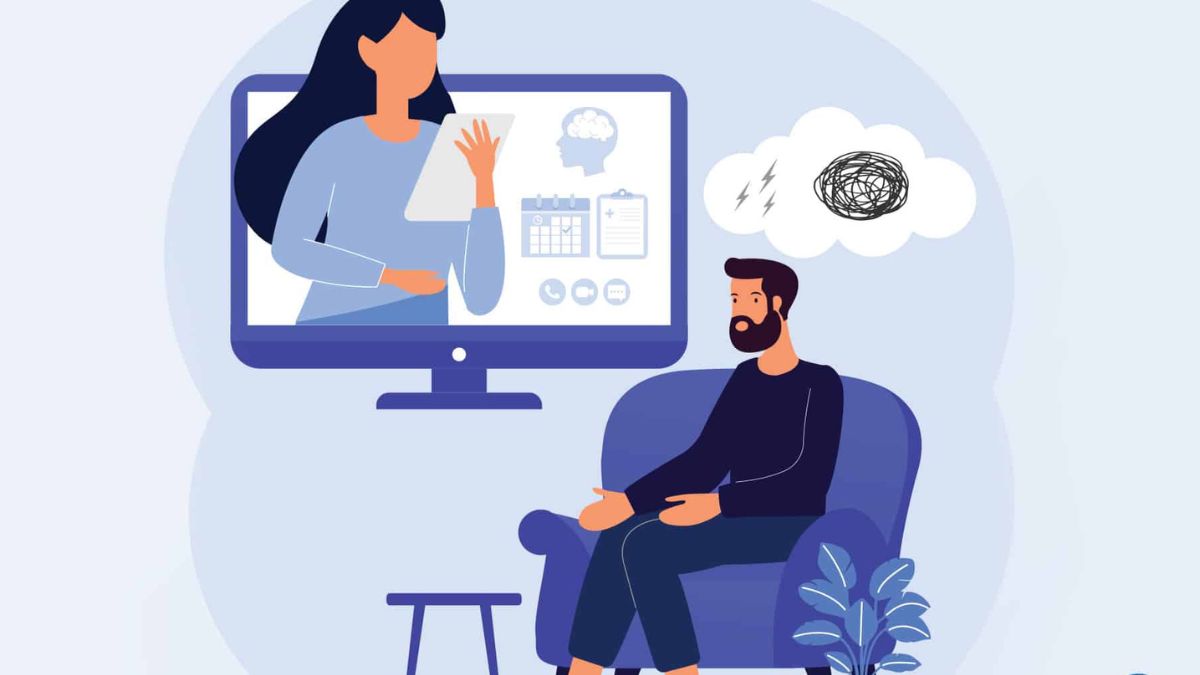
Introduction
Mental health has become a central focus of contemporary healthcare, yet many individuals face barriers that prevent them from seeking traditional in-person therapy. Factors such as time constraints, mobility issues, and social stigma often make it challenging for people to access consistent mental health support. In this context, telehealth therapy has emerged as a transformative solution, providing effective and flexible treatment options that can reach a wide range of individuals without compromising quality.
Telehealth therapy leverages digital technology to connect clients with licensed mental health professionals remotely. By integrating communication platforms, virtual tools, and secure data-sharing systems, it allows individuals to receive therapy in ways that were previously impossible. This approach not only makes mental health care more accessible but also enables innovative methods of monitoring, support, and intervention.
Understanding Telehealth Therapy
Telehealth therapy is a form of mental health care delivered through digital channels such as video conferencing, phone consultations, or secure messaging apps. It mirrors traditional therapy in its core principles while providing the convenience of remote access. Patients can participate in sessions from their homes, offices, or other private spaces, which helps eliminate barriers related to transportation, scheduling, or physical accessibility.
The process of telehealth therapy is designed to be user-friendly and secure. Therapists use encrypted platforms to conduct sessions, ensuring confidentiality while maintaining therapeutic efficacy. The range of services available is extensive, including cognitive-behavioral therapy (CBT), psychodynamic therapy, group counseling, and family therapy. Virtual therapy sessions can also incorporate digital tools, progress tracking, and supplementary exercises to enhance treatment outcomes.
Advantages of Telehealth Therapy
One of the most significant benefits of telehealth therapy is enhanced accessibility. By removing physical and logistical barriers, individuals who might not otherwise seek therapy can access professional mental health support. This is particularly important for those with mobility limitations, busy schedules, or social anxiety that makes in-person interactions difficult.
Convenience is another key advantage. Telehealth therapy sessions can be scheduled flexibly, often outside of standard business hours, which encourages consistency in treatment. Patients no longer need to worry about commuting, childcare, or time away from work, making it easier to maintain regular sessions.
Privacy and discretion are also crucial benefits. Many individuals hesitate to seek traditional therapy due to fear of stigma or unwanted attention. Telehealth therapy provides a private environment where patients can engage openly and honestly, fostering a sense of safety and comfort.
Additionally, telehealth therapy supports continuity of care. Patients who travel frequently, experience life transitions, or face health limitations can maintain ongoing relationships with their therapists without disruption. This uninterrupted access to care improves treatment adherence and long-term outcomes.
Evidence-Based Effectiveness
Numerous studies demonstrate that telehealth therapy can be as effective as traditional in-person sessions for a variety of mental health conditions. Research shows that conditions such as depression, anxiety, post-traumatic stress disorder (PTSD), and obsessive-compulsive disorder (OCD) respond well to virtual interventions. Patients often report similar levels of symptom improvement, treatment satisfaction, and adherence to therapeutic recommendations compared to conventional therapy.
Telehealth therapy also enables innovative data collection and monitoring. Many platforms allow therapists to track clients’ progress through digital tools, logging mood patterns, sleep habits, or behavioral triggers. This data-driven approach enables therapists to personalize treatment plans, detect potential challenges early, and provide targeted support, improving overall effectiveness.
Approaches and Techniques Used in Telehealth Therapy
Telehealth therapy can accommodate a wide range of therapeutic approaches, making it versatile for different needs and preferences. Cognitive-behavioral therapy (CBT) is particularly well-suited for virtual delivery. Therapists can guide clients through structured exercises, homework assignments, and thought-restructuring activities, all within a secure digital environment.
Other common approaches include psychodynamic therapy, interpersonal therapy, family therapy, and group sessions. Specialized treatments, such as dialectical behavior therapy (DBT) for emotional regulation or exposure therapy for phobias, can also be adapted for online sessions. Tools like video demonstrations, interactive exercises, and secure messaging enhance the therapeutic experience and ensure engagement.
Telehealth therapy often incorporates supplementary resources such as mindfulness exercises, guided journaling prompts, and educational modules. These resources complement live sessions, encouraging active participation in therapy and empowering patients to take ownership of their mental health journey.
Challenges and Considerations
Despite its numerous advantages, telehealth therapy is not without challenges. Technology barriers can limit accessibility for some individuals. Reliable internet access, compatible devices, and digital literacy are all necessary to participate effectively in virtual therapy.
Maintaining privacy and security is another critical consideration. Telehealth therapy relies on secure platforms with encryption to protect sensitive client information. Therapists must adhere to strict confidentiality standards to ensure trust and compliance with ethical guidelines.
Insurance coverage can also pose limitations. While many providers now cover virtual therapy sessions, policies vary, and some patients may face financial barriers. Awareness of coverage options is essential for both patients and therapists to navigate these challenges effectively.
Additionally, some patients may find virtual interactions less personal than in-person sessions. Non-verbal cues, subtle emotional signals, and physical presence play an important role in building rapport. Therapists must employ specialized techniques to foster connection and engagement in a digital environment.
The Future of Telehealth Therapy
The potential of telehealth therapy continues to expand as technology evolves. Artificial intelligence (AI) and machine learning are beginning to enhance therapy by analyzing speech patterns, mood changes, and behavioral indicators to provide insights for therapists. Virtual reality (VR) and augmented reality (AR) are emerging as tools for immersive treatment, particularly in exposure therapy and skill-building exercises.
Integration with wearable devices can further support telehealth therapy by tracking physiological indicators such as sleep patterns, heart rate, and stress levels. This real-time data allows therapists to proactively adjust treatment plans, offer targeted interventions, and improve overall care quality.
As telehealth therapy becomes more sophisticated, it is likely to play an increasingly central role in modern mental health care. Its combination of accessibility, flexibility, and effectiveness positions it as a critical solution for addressing growing mental health needs.
Conclusion
Telehealth therapy has revolutionized the way mental health care is delivered. By breaking down barriers to access, providing convenience, and offering evidence-based effectiveness, it has created new opportunities for individuals seeking mental health support. While challenges related to technology, privacy, and insurance remain, ongoing innovations continue to enhance the effectiveness and reach of virtual therapy.
As the demand for mental health services grows, telehealth therapy stands out as a vital component of modern care. It empowers individuals to prioritize their mental well-being while giving therapists new tools to provide flexible, personalized, and high-quality support. The continued integration of technology in mental health care signals a promising future, where therapy is more accessible, efficient, and impactful than ever before.

Dogs can experience stress, pain, or health concerns at different stages of life. Some may feel anxious when left alone or develop stiffness as they age. Others may have digestive or skin-related troubles that affect their comfort. These issues can impact their mood, sleep, and behavior if not managed properly.
That’s why many pet owners are exploring natural ways to support their dogs’ wellness. CBD Dog Treats are one such option that may help ease anxiety, support mobility, and promote balance in the body. When used under a vet’s guidance, they can complement other care routines and make your pup’s life calmer and happier.
Ease Anxiety and Stress
Many dogs experience anxiety during car rides, loud weather, or periods of separation. They may bark excessively, pace, or hide. CBD helps calm the body’s stress responses and promotes a sense of ease without dulling alertness.
By using natural calming compounds, these treats can reduce nervous tension and help them settle more quickly. Pairing them with gentle reassurance and predictable routines strengthens the sense of safety they feel at home. Over time, dogs may show more relaxed behavior even in situations that once caused distress.
Support Joint and Mobility Health
Joint stiffness can limit how dogs move and play. Age, injury, or excess weight can put pressure on joints, leading to pain and fatigue. CBD has anti-inflammatory properties that may help reduce swelling and discomfort, making movement smoother.
When dogs can walk or climb stairs without pain, their mood and energy rise noticeably. Combine regular CBD treats with a balanced diet and moderate exercise for better joint strength over time. This approach helps preserve long-term mobility and supports a more active lifestyle.
Promote Digestive Balance
Digestive distress can appear in several ways, including irregular appetite, bloating, or gas. CBD supports the body’s internal systems by calming irritation in the gut and improving comfort. It may also help regulate appetite and reduce nausea in sensitive dogs.
Healthy digestion means your pet absorbs nutrients more effectively. That leads to stronger immunity, better coat condition, and higher daily energy levels. Maintaining a steady feeding schedule alongside CBD support further improves your pet’s gut health.
Skin Irritation and Allergies
Itching, redness, and dry patches can make dogs restless and uncomfortable. These signs may point to allergies caused by diet, environment, or fleas. CBD’s natural calming effects can help reduce inflammation and relieve skin irritation over time.
Adding CBD Dog Treats to your pet’s daily care may support healthy skin and coat texture. Along with regular grooming and a balanced diet, this routine helps restore moisture and comfort, keeping your pup at ease throughout the year. Continued care prevents flare-ups and promotes lasting relief for sensitive pets.
Manage Age-Related Discomfort
Senior dogs deserve extra care as their bodies change. Aging can bring slower movement, stiff joints, and disrupted sleep. CBD can help relieve minor aches, soothe discomfort, and promote better rest for older pets.
A calm, well-rested dog is more likely to stay social and active. Combined with vet supervision and gentle exercise, CBD supports a happier and more mobile life for senior companions. A consistent wellness routine can greatly improve their quality of life as they age.
Dogs experience many physical and emotional challenges as they grow. Issues such as anxiety, poor digestion, and skin irritation can reduce their comfort and quality of life. Natural aids like CBD Dog Treats can help restore balance and provide gentle relief when used responsibly. With consistent care, the right diet, and regular vet visits, your pet can stay healthier, calmer, and full of vitality every day.

Caregiving today is an intricate blend of empathy, resilience, and skill, requiring much more than a simple willingness to help. The role of a caregiver extends beyond the basics of physical care; it demands deep understanding, adaptability, and ongoing commitment. For those who care for loved ones or work professionally as caregivers, the daily and long-term demands can be immense, but so too can the deeply meaningful rewards. Balancing compassionate, effective support with attention to your own well-being is essential for sustaining the energy and mindset needed to provide excellent care over time. By exploring new opportunities, resources, and support networks, caregivers can ensure their journey is less isolating and far more sustainable. See job postings to explore caregiving opportunities and connect with a larger, supportive community that understands your unique challenges and values all that you contribute.
Modern caregivers face evolving challenges that require a flexible mindset. From managing multiple medications and healthcare appointments to shouldering the emotional labor of supporting a loved one, or juggling professional responsibilities alongside personal caregiving, every day may bring something new. Embracing the wide range of resources available, tapping into innovative technologies, and building strong support systems can make a remarkable difference in both daily effectiveness and long-term satisfaction. Whether you’re brand new to caregiving, have years of experience, or are looking to enhance your approach, developing practical skills and understanding tried-and-true strategies will help you truly thrive while supporting others in need.
Prioritize Self-Care
The foundation of effective caregiving lies in the caregiver’s own health and resilience. Physical self-care involves more than just ticking boxes—it means being attentive to your body’s cues for rest, engaging in regular exercise, eating nutritious meals, and prioritizing adequate sleep. These seemingly simple habits power your ability to respond with patience, energy, and competence in your caregiving role, even during high-stress periods. Emotional self-care is equally vital and too often overlooked; small practices like daily meditation, expressing yourself through creative hobbies, or simply finding moments of quiet reflection can help you process emotions and maintain your sense of purpose and joy.
Making room in your routine, whether daily or weekly, for restorative “me time” isn’t selfish; it’s necessary. Research shows that when caregivers neglect their own needs, risks of stress, fatigue, depression, and even medical errors soar. Intentionally investing in yourself by scheduling self-care activities and honoring those commitments lets you give your best throughout every challenge and change. A refreshed and centered caregiver is far more capable of delivering attentive, compassionate care to others, making self-care a non-negotiable part of sustainable caregiving.
Establish a Strong Support System
No caregiver is meant to navigate the journey alone. Establishing a robust, reliable network of support is fundamental for lightening the burden, reducing stress, and gaining a meaningful perspective. Lean on your existing support system, family, friends, neighbors, or consider reaching out to professionals such as care coordinators, counselors, or home healthcare aides for extra assistance. Don’t hesitate to connect with online caregiver communities or attend local support groups, which offer empathetic spaces to share advice, celebrate small victories, and find camaraderie during tough times. Simply knowing you’re not alone, and having somewhere to turn, can transform even the most difficult moments into manageable ones. Remember, asking for help is a sign of strength, not weakness, and can empower you to be a more effective and fulfilled caregiver.
Stay Organized with Daily Routines
Time management is one of the cornerstones of thriving as a modern caregiver. Building predictable daily routines and sticking to them as much as possible helps bring order, structure, and greater peace of mind to everyone involved. Begin by setting up clear to-do lists each morning or week. This not only helps prioritize the most important tasks but also provides a sense of accomplishment as items get completed. Digital planners or specialized caregiving apps can efficiently and securely track medications, appointments, and other vital responsibilities, which is especially helpful as demands become more complex. Whenever possible, don’t be afraid to delegate appropriate tasks to others, such as relatives, friends, or community volunteers; this lightens your load and allows you to focus on higher-priority care. Well-designed routines, paired with teamwork, create a sense of shared responsibility, reduce oversights, and make adjusting to new challenges less overwhelming.
Expand Your Knowledge and Skills
The world of caregiving is always evolving, presenting new information, challenges, and opportunities for personal and professional growth. Staying informed and seeking ongoing education are among the most effective ways to enhance the quality of support you provide. Whether you’re caring for someone with a chronic illness, dementia, or disabilities, different scenarios benefit from specialized skills and up-to-date techniques. Numerous online courses, webinars, and in-person workshops, offered by trusted organizations and healthcare providers, cover essential topics such as safety, first aid, behavioral management, and effective communication.
Seeking formal certification, such as becoming a Certified Nursing Assistant (CNA) or pursuing specific credentials in dementia care, not only deepens your expertise but can also open doors to new career opportunities or higher compensation, if you’re a professional caregiver. Embracing new caregiving technologies, like digital medication organizers and telehealth services, can simplify daily routines and empower caregivers with timely reminders, alerts, and real-time professional guidance.
Manage Stress and Prevent Burnout
Unchecked stress is one of the most significant risks caregivers face and can quickly lead to burnout, which undermines not just your well-being but also the quality of care you give. Establishing daily or weekly opportunities for self-renewal is key to long-term resilience—this could include anything from brief walks outdoors and listening to relaxing music, to practicing deep breathing or mindfulness techniques. Regular, scheduled breaks—even just 10–15 minutes—act as powerful safeguards against exhaustion and help you return to your caregiving role with a clearer mind and a lighter spirit.
If you ever find yourself dealing with ongoing sadness, anxiety, or feelings of hopelessness, it’s crucial to seek out professional guidance promptly. Counseling or therapy is a proactive, healthy step for any caregiver facing emotional strain and can be a game-changer for regaining perspective and strength.
Embrace Technological Innovations
Technology is rapidly transforming the caregiving experience, often in ways that promote safety, efficiency, and peace of mind. Innovative smartphone applications, wearable health monitors, and smart home systems offer unprecedented convenience, making it easier than ever to stay organized and connected, even from a distance. Medication adherence platforms like Adhera, for example, provide automated reminders and real-time feedback, increasing accuracy and boosting both caregiver and patient confidence. These advances streamline routines, reduce errors, and keep caregivers informed, leading to improved daily outcomes and overall quality of life for everyone involved.
Advocate for Caregiver-Friendly Workplaces
Many caregivers also hold demanding professional jobs, making balancing these dual responsibilities particularly challenging. Advocating for caregiver-friendly policies in your workplace, such as flexible schedules, remote work options, or formal caregiver support programs, can make a world of difference for both your career and your sense of well-being. Forward-thinking employers are increasingly recognizing the value of accommodating caregivers, which, in turn, boosts employee morale, productivity, and retention.
Final Thoughts
Modern caregiving is both complex and rewarding, and with the right foundation, caregivers can truly thrive. Integrating self-care, cultivating strong support networks, maintaining organization, pursuing ongoing growth, managing stress, embracing technology, and advocating for workplace flexibility are all vital components of resilience and effectiveness. These practices support not only the caregiver’s well-being but also ensure those in their care receive the highest possible quality of attention and support. Always remember: your well-being is every bit as important as those you support. By investing in yourself and embracing a balanced approach, you set the stage for sustained, high-quality caregiving through every season and challenge that life may bring.
-

 TOPIC6 months ago
Symbols of Hope: The 15th Belenismo sa Tarlac
-

 TOPIC6 months ago
“The Journey Beyond Fashion” – Ditta Sandico
-

 NEWS6 months ago
Historical Churches in Manila
-

 TOPIC6 months ago
RIZAL at 160: a Filipino Feat in Britain
-

 TOPIC6 months ago
Boats with Two Strings
-

 TOPIC6 months ago
5 Must-Have Products From Adarna House to Nurture Your Roots
-

 TOPIC6 months ago
“Recuerdos de Filipinas – Felix Laureano”
-

 TOPIC4 weeks ago
Unveiling AvTub: Your Ultimate Guide to the Best AV Content