
HEALTH
Sustainable Weight Loss Approaches That Actually Work

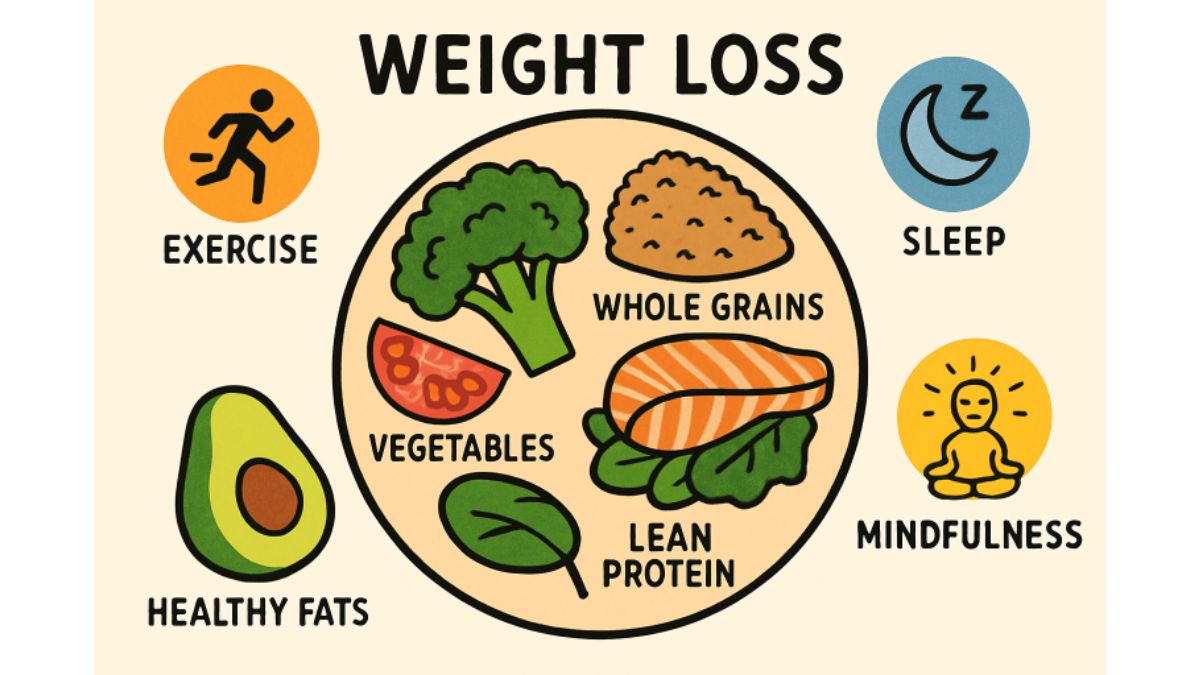
Starting a weight loss journey can feel overwhelming with so many diets and programs competing for your attention. Many of these promise dramatic results with extreme restrictions or unusual ingredients, but lasting change is achieved through consistent, sustainable methods. Evidence-based strategies foster not just weight loss, but also a healthier lifestyle overall. For tailored solutions and expert guidance, Garcia Weight Loss offers comprehensive support that prioritizes sustainable change over quick fixes.
Understanding the foundations of sustainable weight loss will empower you to make lasting decisions. This means looking beyond single foods to your whole dietary pattern, engaging in regular physical activity, and establishing healthy habits that support both your body and mind. Approaching weight loss as a holistic journey increases your chances of lasting success and improved well-being.
Focus on Dietary Patterns, Not Single Foods
Successful weight management hinges on adopting a balanced and nourishing diet rather than fixating on single foods. Modern research highlights that dietary patterns rich in vegetables, fruits, whole grains, legumes, and healthy fats not only support weight loss but also provide protective benefits against chronic illnesses. For example, the Mediterranean diet, which emphasizes olive oil, nuts, fish, and limited red meat, is associated with better metabolic outcomes and heart health according to the Mayo Clinic. Making whole, minimally processed foods the foundation of your meals encourages a natural reduction in calorie intake without rigid restriction or deprivation.
Diversifying your plate mainly for flexibility and enjoyment, which are critical for long-term adherence. Instead of labeling foods as “good” or “bad,” focus on creating a positive relationship with food. Choose meals that leave you satisfied and energized, and consider cultural traditions and personal preferences to help keep your healthy eating sustainable and enjoyable.
Balance Energy Intake with Energy Needs
The relationship between calorie intake and energy expenditure plays a primary role in weight management. Rather than aiming for drastic calorie cuts, prioritize gradual adjustments that can be maintained over time. Extreme calorie restriction often leads to loss of muscle mass, a slowed metabolism, and unsurprisingly, rebound weight gain. Awareness of energy density helps you choose foods that fill you up without excess calories, such as leafy greens, lean proteins, and whole grains.
- Reading nutrition labels is fundamental, especially to spot hidden sugars, saturated fat, and additives that add unnecessary calories but little nutrition.
- Habits like mindful eating and keeping a food diary can help you naturally moderate portions and recognize patterns, improving your relationship with food over time.
Incorporate Regular Physical Activity
Physical activity not only burns calories but also supports muscle retention and boosts metabolic health. Aim for a mix of aerobic exercises (like brisk walking, cycling, or swimming) and strength training, which builds muscle that can help increase your resting metabolic rate. According to the Centers for Disease Control and Prevention, adults benefit from at least 150 minutes of moderate-intensity activity per week, which can be divided into manageable sessions throughout the week to fit your lifestyle.
Prioritize Sleep and Stress Management
Lack of sleep and high stress can both sabotage weight loss efforts. Insufficient sleep disrupts hormones such as leptin and ghrelin, which regulate appetite, often leading to increased cravings and overeating. On the other hand, chronic stress raises more effortless insulin levels, which encourage fat storage, especially around the abdomen. Establishing regular sleep routines and incorporating stress relief practices, such as deep breathing, yoga, or mindfulness, can significantly enhance your weight management journey. The Sleep Foundation highlights the profound impact of good sleep on metabolic processes and appetite control.
Build Sustainable Habits
Temporary measures rarely lead to lasting change. Individuals who successfully maintain weight loss share common habits, including regular self-monitoring of their weight, sticking to a consistent eating schedule, and making physical activity a part of daily life. Eating a balanced breakfast and limiting passive entertainment, such as excessive television viewing, also correlates with better weight maintenance over time. By focusing on gradual improvements and making healthy behaviors a routine, these habits become automatic and easier to sustain.
Consider Medical Interventions When Appropriate
For individuals who have not achieved their goals with lifestyle changes alone and are struggling with obesity, medical interventions may be viewed as part of a holistic strategy. Anti-obesity medications and bariatric surgery can be considered, but these options require a thorough discussion with a healthcare provider to evaluate appropriateness and understand the risks and benefits. No intervention should replace healthy lifestyle practices, but can serve as an adjunct for those with significant health concerns.
Beware of Fad Diets
Quick-fix diets frequently surface on social media and in popular books, often promoting a restrictive approach that lacks scientific backing. While some may see short-term results, these diets are typically unsustainable and may lead to nutrient deficiencies. The Mayo Clinic warns about the dangers of fad diets and emphasizes the importance of evidence-based, balanced nutrition for lasting health and weight loss.
Conclusion
Long-term, sustainable weight loss relies on consistent, evidence-based practices rather than short-lived trends. Focusing on dietary patterns, balancing energy intake, staying physically active, prioritizing sleep and stress management, and gradually building healthy habits all contribute to success. When necessary, medical support can complement these lifestyle changes. By adopting a holistic view and making intentional, realistic changes, you set yourself up for improved health, better energy, and a positive relationship with food and movement for years to come.

If you are addicted to drugs or alcohol or know someone who is, then it is important to understand that recovery from an addiction is not an overnight process. In fact, recovery involves physical recovery, emotional recovery and the gradual creation of healthier routines.
While professional therapy and structured rehab programmes are widely recognised as essential parts of professional addiction recovery, nutrition is often overlooked. However, we all know that the food someone consumes is incredibly important to their health, and the same can be said during detox and rehab recovery. What you eat will have a profound impact on your physical health, your mood and your long-term resilience when it comes to addiction recovery.
For individuals recovering from a substance addiction, their body will most likely be lacking the nutrients it needs to heal. This is why raw, whole foods which are rich in vitamins, minerals, enzymes and antioxidants will have a huge role in supporting an individual’s recovery. By helping the body repair itself after prolonged substance abuse, a raw food’s diet will definitely strengthen the individual’s body and put it in the best place possible for recovery.
In the same breath, when it comes to addiction recovery, it’s also important to understand that nutrition is not a quick fix. However, it can become a powerful tool alongside professional therapy and a medical detox.
Understanding the Impact of Poor Nutrition During Addiction
Substance abuse and long term addiction puts a heavy strain on the body. Many people experiencing addiction develop poor eating habits. This includes skipping meals entirely or relying heavily on quick, easy and processed foods.
Likewise, certain substances can also suppress an individual’s appetite and interfere with their body’s ability to absorb nutrients properly. This means that even if they are eating a healthy diet, their body isn’t benefiting from it. This will result in a poor immune system, low mood and frequent fatigue.
As a result of this, individuals entering a detox or rehab programme often face multiple nutritional deficiencies including low levels of vitamin B, magnesium, zinc and certain essential fatty acids.
During this time, the body’s organs will be under stress. For example, prolonged alcohol abuse will affect liver health, digestion health and poor blood sugar regulation. During a detox and the early stages of rehab, the body must work extremely hard to restore balance, which is where a good diet comes in.
Whole, raw foods provide a high level of natural nutrients without the unhealthy additives or refined sugars that are commonly found in heavily processed meals. Introducing these foods into a recovery diet can help improve your energy levels and support the body’s healing.
What Exactly Are Raw Foods?
Whilst lots of people have heard of raw foods, not everyone knows what they are. Raw foods generally refer to foods that are unprocessed. They are also usually either uncooked or prepared at low temperatures. The goal of raw foods is to preserve natural enzymes, vitamins and minerals that will usually get lost through heavy processing or high heat when cooking.
Common examples of raw foods include fresh fruits, raw vegetables, nuts, seeds, grains, legumes, cold-processed oils and raw juices. All of these foods tend to be rich in antioxidants, fibre and phytonutrients, all of which can contribute to better overall health.
For people navigating addiction recovery, raw foods will play a huge role in supporting digestion, boosting nutrient intake and providing you with sustained energy throughout the detox and rehab process.
Supporting Your Body During Detox
If you are looking to recover from a drug or alcohol addiction, then you will likely need to undergo a medical detox. A medical detox is often the first step when it comes to addiction treatment and long term recovery.
During this period, the body begins to clear harmful and addictive substances from the body. Whilst doing so, withdrawal symptoms can vary widely depending on the substance involved. However, some of the most common symptoms include fatigue, tremors, headaches, irritability, sleep issues, flu like symptoms and digestive issues.
This is why a nutrient-dense diet can help ease this transition whilst your body is trying to find a new normal. During this time, you should try to eat as much raw food as possible. For example, fresh fruits and vegetables contain vitamins that assist the body’s detoxification systems, particularly within the liver.
Likewise, foods that are rich in vitamin C such as oranges, berries and leafy greens better support immune function. Meanwhile, raw vegetables like carrots and cucumbers provide fibre and hydration that helps to maintain healthy digestion during the detox process.
As mentioned briefly above, hydration is another key factor when it comes to a successful recovery and is one that should not be overlooked.
Luckily, raw foods contain a high water content, which supports the body’s natural cleansing processes and lymphatic draining symptoms.
During this time, smoothies are a great option. Smoothies made with spinach, banana, berries and plant-based milks can offer both hydration and nourishment at a time when appetite may be low during a medical detox.
Stabilising Your Mood and Energy
One of the most challenging aspects of addiction recovery is managing the emotional and psychological changes that occur during a detox. During the detox stage, people often experience frequent mood swings, anxiety and difficulty when trying to concentrate.
During this time, nutrition plays an important role in regulating these issues. For example, blood sugar fluctuations can intensify feelings of irritability and fatigue. This is where whole foods come in. Whole foods, particularly those high in fibre and natural carbohydrates help release energy more steadily throughout the day, reducing the amount of mood swings that you will experience.
Likewise, bananas, apples, oats, nuts and seeds are excellent examples of foods that provide you with sustained fuel throughout the day.
In addition to this, raw almonds and walnuts also contain healthy fats and magnesium, both associated with improved nervous system function.
Certain nutrients also influence brain chemistry. For example, vitamins B, commonly found in leafy greens, avocados and sprouts are involved in the production of neurotransmitters that are closely linked to mood regulation.
Repairing Your Gut and Digestive System
Unfortunately, when someone suffers from addiction, their digestive system will likely be disrupted. For example, alcohol and other addictive substances such as heroin or cocaine can irritate the stomach’s lining and damage your gut bacteria.
This may lead to a number of different issues including bloating, poor nutrient absorption and digestive issues.
Raw foods that are rich in fibre can help restore healthy digestion by supporting the growth of healthy gut bacteria. Certain fermented foods may also support gut health. For example, foods such as sauerkraut, kimchi and certain yoghurts contain lots of probiotics that will help the gut microbiome in the body.
Rebuilding Your Physical Strength
Unfortunately, when someone suffers from an addiction their physical strength will be reduced. This is because substance abuse often leads to a number of different issues including fatigue and muscle weakness.
Again, this is where diet comes in. Raw foods such as some of those listed above can contribute to muscle repair, better immune function and an increase in energy. For example, nuts, seeds and legumes provide high levels of protein.
Likewise, green vegetables such as kale, spinach and broccoli are highly rich in antioxidants which work to reduce inflammation within the body.
Many individuals in recovery also benefit from light exercise during their treatment and recovery. For example, exercises such as yoga or speed walking can be incredibly helpful as part of someone’s rehab programme.
Conclusion
Recovery from an addiction is all about rebuilding a healthier relationship with habits, relationships and routines. This includes relationships with people, routines and food.
When recovering from an addiction, your diet will play a huge role in your recovery. During this time, you should try to eat as many whole and raw foods as possible. Combined with therapy, peer support and a structured, professional rehab programme, nutrition becomes an important tool when it comes to recovery.
Small choices such as choosing fresh fruit over processed snacks or preparing a nutrient rich smoothie can accumulate into long term recovery and meaningful change. In the same breath, it is important to understand that healing from addiction takes time. However, by supporting the body with the right nutrients, you are putting yourself in the best possible position to recover from your addiction.
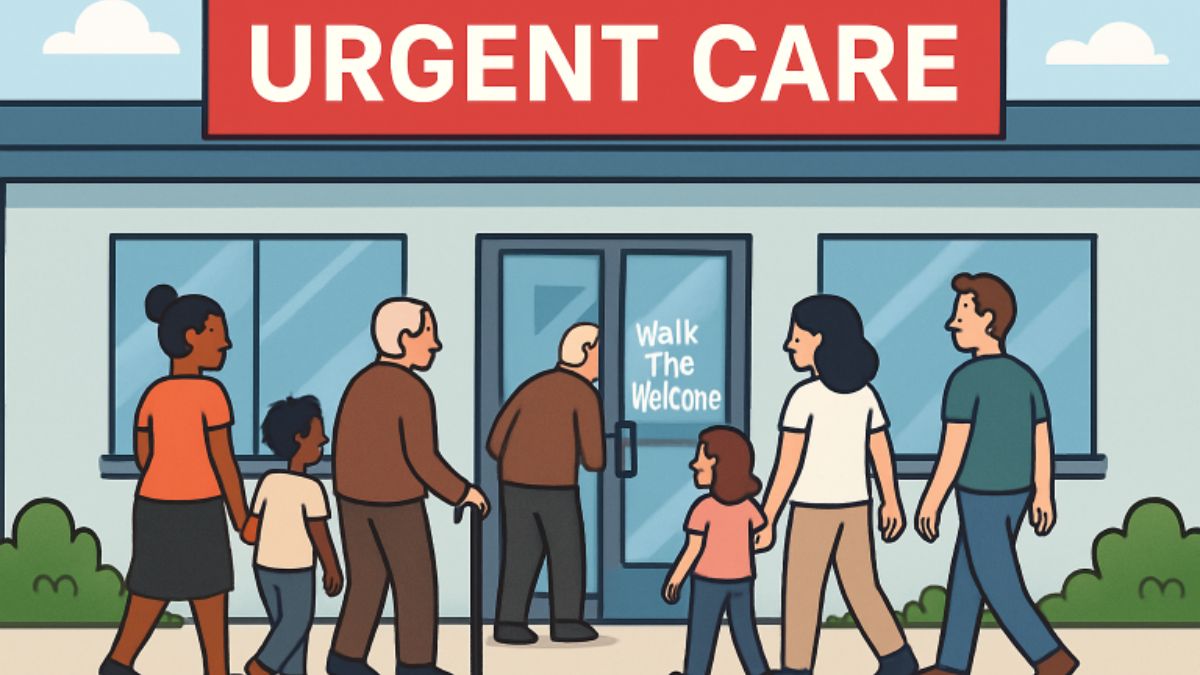
When a sudden illness or minor injury disrupts your day, access to timely medical care can make all the difference. walk in urgent care clinics, such as Care Station Medical Group, provide a practical solution by offering immediate care from a team of experienced medical professionals across multiple locations in New Jersey. Care Station Medical Group is recognized for its dedication to patient-centered service, modern clinics, and a broad range of healthcare options, making it a respected authority in urgent medical care. The brand’s experience and presence in New Jersey and the surrounding areas make Care Station a reliable partner for families and individuals seeking prompt, quality medical attention. Unlike traditional primary care offices, which may require appointments days or even weeks in advance, walk-in clinics are designed for efficiency. They allow patients to bypass scheduling delays and receive treatment quickly, providing reassurance and relief when urgent, but non-life-threatening, medical situations arise.
Immediate Access to Medical Care
One of the principal benefits of walk-in urgent care clinics is their ability to see patients without prior appointments. This model is ideal for minor injuries, acute illnesses, and conditions that require prompt attention but do not warrant a visit to the emergency room. Immediate access means individuals are less likely to postpone treatment, reducing the risk of complications from untreated health issues. These clinics incorporate streamlined check-in processes, experienced medical staff, and on-site diagnostics. This blend of convenience and expertise enables swift evaluation and initiation of care, offering patients and their families peace of mind.
Cost-Effectiveness of Urgent Care
The cost of healthcare can be a major concern for many. Walk-in urgent care clinics stand out as a more affordable option than the high costs of emergency room visits for non-emergencies. Patients can expect lower co-pays and fees while still benefiting from high-quality medical care. This cost-saving feature makes urgent care especially appealing to those with high-deductible insurance plans, the uninsured, or families seeking to manage healthcare expenses without compromising quality.
Comprehensive Services Offered
Walk-in urgent care clinics are equipped to manage a wide array of health concerns, from common colds and flu symptoms to cuts, sprains, or mild infections. Many facilities have on-site X-ray equipment, labs for rapid testing, and the capability to treat a wide range of injuries and illnesses. This comprehensive approach means patients can receive both diagnosis and treatment in one visit, reducing the need for referrals or multiple appointments. According to research from the Centers for Disease Control and Prevention (CDC), many ER visits could safely be redirected to urgent care centers, demonstrating the effectiveness and versatility of this care model.
Extended Hours and Flexibility
Unlike most primary care providers, urgent care clinics often operate during evenings, weekends, and even holidays. This extended scheduling provides essential flexibility, ensuring that patients are not forced to take time off work or school to receive medical attention. It especially benefits those with unpredictable schedules or busy lifestyles, making healthcare more accessible for everyone in the community.
Reducing Emergency Room Congestion
By managing non-life-threatening conditions, urgent care clinics play a significant role in easing the pressure on overburdened emergency departments. When patients use urgent care for minor ailments instead of the ER, emergency rooms can prioritize critical cases, improving outcomes for those with severe or life-threatening conditions. Data published reveals that such patient redistribution leads to more efficient hospital operation, shorter ER wait times, and enhanced quality of care system-wide.
Care Station Medical Group: Your Trusted Partner
Care Station Medical Group is an established provider of walk-in urgent care services, delivering prompt, comprehensive care across multiple locations in New Jersey. Their commitment to patient-centered service and investment in advanced medical technology has helped thousands of area residents access the treatment they need, when they need it the most. With an expert team and a broad scope of available services, Care Station Medical Group continues to set the standard for high-quality urgent care in the region.
Frequently Asked Questions
What types of conditions can be treated at a walk-in urgent care clinic?
Typical conditions treated include minor injuries such as cuts, sprains, and burns; illnesses such as sore throats, respiratory infections, earaches, and the flu; and mild allergic reactions.
Do I need an appointment to visit a walk-in urgent care clinic?
You don’t need to make an appointment. Patients are welcomed on a first-come, first-served basis, ensuring quick and accessible care.
Are walk-in urgent care clinics more affordable than emergency rooms?
For non-emergencies, urgent care clinics generally offer lower out-of-pocket costs and co-pays compared to emergency departments, making them a cost-effective option.
What are the operating hours of most walk-in urgent care clinics?
Most urgent care clinics are open during evenings and weekends, with some locations providing services every day of the year, including holidays.
How do walk-in urgent care clinics help reduce emergency room congestion?
By treating non-life-threatening health concerns, urgent care clinics help ensure that hospital emergency rooms remain focused on the most critical and severe cases.
Conclusion
Walk-in urgent care clinics play an essential role in today’s healthcare system by providing fast, affordable, and accessible treatment for non-emergency medical concerns. With services ranging from illness diagnosis to minor injury care, these clinics allow patients to receive prompt medical attention without the long wait times or higher costs often associated with hospital emergency rooms. Their extended hours and convenient walk-in model make them a practical choice for individuals and families who need reliable care outside of traditional office schedules. Facilities like Care Station Medical Group demonstrate how modern urgent care centers combine experienced medical professionals, advanced diagnostic tools, and patient-centered service to meet community healthcare needs. By offering comprehensive care and helping reduce congestion in emergency departments, urgent care clinics continue to improve the efficiency and accessibility of healthcare for patients across New Jersey and beyond.

Cold exposure’s having a moment right now—and for good reason. Athletes are doing it. Your neighbor’s probably doing it. Hell, even your cousin who’s really into biohacking won’t shut up about it. And yeah, the benefits are real: better energy, improved circulation, faster recovery, and that mental toughness thing everyone talks about.
But if you’re new to this whole cold therapy thing, there’s one question that always comes up: should you start with a cold plunge or just stick to cold showers? They both involve cold water, sure. But the experience? Completely different.
How Cold Exposure Works
When your body encounters cold water, blood vessels constrict to preserve heat and expand after the exposure, improving circulation. Cold exposure also activates the nervous system and increases hormones like norepinephrine and endorphins, which can enhance mood, alertness, and focus.
The main difference between cold plunges and cold showers lies in intensity: full-body immersion triggers stronger physiological responses than a brief shower.

Cold Plunge: Full-Body Immersion
A cold plunge entails immersing most or all of your body for a few minutes in cold water, often between 39 and 59°F (4 and 15°C). It’s powerful. It’s not comfy. And really? That is, in a sense, the point.
What you receive is as follows:
Your entire body awakens simultaneously with full-body stimulation.
Athletes adore them because they provide significant benefits for muscle and joint healing.
Mental toughness—since sitting in frigid water is a mental as well as a physical challenge
The finest aspect? You no longer need to purchase bags of ice or go to cryotherapy sessions. You can benefit from constant temperatures, simple setup, and a far more practical approach to include cold treatment into your daily routine with an at home cold plunge.
Cold Shower: Simple and Accessible
Cold showers are the most accessible way to experience cold therapy. Water is typically 50–70°F (10–21°C), and sessions usually last 30 seconds to a few minutes.
Benefits include:
Immediate alertness to start the day energized
Circulation support as blood vessels respond to the cold
Mood improvement from gentle nervous system activation
While showers provide milder physiological effects compared to a full plunge, they are convenient and easily integrated into a daily routine.
Cold Shower vs Cold Plunge: How They Stack Up
Intensity: Cold plunges deliver full-body immersion, while showers offer localized stimulation.
Experience: Plunges provide deep, immersive cold exposure; showers offer a quick, energizing jolt.
Routine integration: Showers can be done daily; plunges are often performed a few times per week.
Goals: Cold plunges are ideal for deep recovery, metabolism support, and building mental resilience. In contrast, cold showers are excellent for maintaining daily alertness and healthy circulation.
| Feature | Cold Plunge | Cold Shower |
| Intensity | Full-body immersion;major shock | Localized spray; more manageable |
| Experience | Deep, immersive, and intense | Quick, energizing jolt |
| Routine | 2–4 times per week (usually) | Can be done daily with ease |
| Best for | Athletic recovery & metabolic reset | Daily energy boost & habit building |
Many people combine both approaches: daily cold showers for habit consistency and weekly cold plunges for deeper physiological benefits.

Getting Started Safely
Cold showers: Start with 15–30 seconds at the end of a regular shower and gradually increase duration.
Cold plunges: Begin with short immersion in moderately cold water and extend time gradually.
Breathing: Focus on slow, controlled breaths and exit immediately if feeling dizzy or uncomfortable.
Gradual adaptation and consistency are more important than extreme cold exposure.
Frequently Asked Questions
Q1: Can I get similar benefits from cold showers as from a cold plunge?
A: Cold showers offer many benefits like improved alertness, circulation, and mood. However, full-body immersion in a cold plunge triggers a stronger physiological response, particularly for muscle recovery and deep metabolic activation.
Q2: How long should I stay in a cold plunge or shower?
A: For beginners, 30 seconds to 2 minutes is a safe starting point for both. Cold plunges can gradually increase to 3–5 minutes as tolerance improves, while showers can extend slightly longer based on comfort.
Q3: Can I combine cold plunges and showers in one routine?
A: Yes, many practitioners do daily cold showers for habit and weekly cold plunges for deeper benefits. The combination balances convenience and the full benefits of cold plunge without overwhelming the body.
Conclusion
Cold Plunge vs. Cold Shower is not a question of which is universally “better.” Both offer unique experiences suited for different goals:
Cold plunges: Full-body immersion, deeper physiological and mental benefits, accessible with modern home systems
Cold showers: Quick, convenient, and easy to integrate into daily routines
Understanding these differences helps you choose the method that fits your lifestyle. Many practitioners combine both approaches, benefiting from the convenience of daily showers while experiencing the deeper cold therapy benefits on a weekly basis.
-

 TOPIC8 months ago
Symbols of Hope: The 15th Belenismo sa Tarlac
-

 TOPIC8 months ago
“The Journey Beyond Fashion” – Ditta Sandico
-

 NEWS8 months ago
Historical Churches in Manila
-

 TOPIC8 months ago
RIZAL at 160: a Filipino Feat in Britain
-

 TOPIC8 months ago
5 Must-Have Products From Adarna House to Nurture Your Roots
-

 TOPIC8 months ago
Boats with Two Strings
-

 TOPIC8 months ago
“Recuerdos de Filipinas – Felix Laureano”
-

 TOPIC8 months ago
Filipino, alternative language course at Moscow State University