
BUSINESS
Is Your Building Scaring Away Business? The Impact of Commercial Paint


You have five seconds. That is roughly the amount of time a potential client or customer needs to form a concrete opinion about your business before they even shake your hand or buy your product. They pull into the parking lot, look at the exterior of your facility, and walk through the front door.
What is that experience telling them?
If they see peeling stucco, faded siding, or a lobby with scuffed, dirty walls, they aren’t just seeing a building that needs maintenance. Subconsciously, they are questioning your attention to detail. If you neglect the facility, might you also neglect their account? Might you cut corners on your product quality?
Your physical environment is a silent salesman that never takes a day off. It speaks volumes about your brand’s stability, professionalism, and pride. At Triangle Pro Painting, we understand that a fresh coat of paint is more than just aesthetics—it is a strategic business maneuver.
The Psychology of Color in the Workplace
We often think of paint as a background element, but color psychology plays a massive role in how people behave within a space. This applies to both the customers visiting your shop and the employees working in your offices.
A drab, beige office with flickering fluorescent lights and stained walls is a productivity killer. It signals stagnation. Conversely, a workspace revitalized with modern, crisp tones can energize a team. Blue hues often stimulate the mind and aid concentration, while yellows can inspire creativity.
For retail and hospitality environments, the stakes are even higher. A restaurant needs warm, appetizing colors to make guests feel comfortable. A medical facility needs clean, calming whites and soft greens to reduce patient anxiety.
As a dedicated commercial painter, I don’t just apply pigment to drywall. We help you set the mood for your entire operation. We help you align your physical space with the message your brand wants to convey.
Why Professionalism Matters in Application
There is a significant difference between a handyman slapping a coat of paint on a wall and a professional commercial painter executing a large-scale project. The difference lies in the finish, the durability, and most importantly, the logistics.
Business owners often delay painting projects because they fear the disruption. You cannot afford to shut down your production line or close your retail floor for a week just to freshen up the walls.
This is where Triangle Pro Painting separates itself from the competition. We understand the heartbeat of business operations. We know that time is money. Our teams are trained to work efficiently, respecting your schedule and your space. We coordinate to minimize downtime, ensuring that your business keeps running smoothly while we transform your environment.
From covering expensive office equipment to ensuring proper ventilation and safety protocols, we handle the logistics so you can focus on your quarterly goals.
Protecting Your Real Estate Assets
Let’s move away from aesthetics for a moment and talk about asset management. Your building is likely one of the most expensive assets on your balance sheet. Just like a fleet vehicle needs oil changes, your building needs exterior protection.
Commercial buildings take a beating. They are exposed to harsh UV rays, torrential rain, wind, and pollution. Over time, these elements break down the exterior surfaces. Wood rots, stucco cracks, and metal rusts.
Paint is the first line of defense against these elements. A high-quality exterior coating applied by a skilled commercial painter acts as a shield. It prevents moisture from infiltrating the substrate, which can lead to structural damage and mold growth.
By investing in Triangle Pro Painting, you are engaging in preventative maintenance. It is significantly more cost-effective to maintain a high-quality paint job than it is to replace rotted siding or repair water-damaged drywall down the road. We use premium, industrial-grade materials designed to withstand high-traffic areas and harsh weather, extending the lifespan of your property.
Rebranding? Your Walls Must Match Your Vision
Companies evolve. Logos change, color palettes shift, and brand identities are modernized. We see it all the time: a company launches a sleek, modern website and new marketing materials, but its physical headquarters is stuck in 1995.
This disconnect creates friction in the customer journey. When a client finds you online, they see a cutting-edge industry leader. When they visit your office, they step into a time capsule.
Triangle Pro Painting is your partner in corporate evolution. When you rebrand, we ensure your facility reflects that new energy. Whether it is updating the exterior to match your new logo colors or creating a feature wall in the lobby that highlights your company values, we bridge the gap between your digital presence and your physical reality.
The Value of “Curb Appeal” for Commercial Properties
Real estate agents talk about curb appeal for residential homes, but it is equally vital for commercial properties. This is especially true if you lease space to other businesses.
If you own a commercial complex or an office park, high-quality paint is the easiest way to justify higher lease rates and attract premium tenants. A freshly painted complex suggests a responsive, attentive property management team. It signals that the property is well-cared for, which is a major selling point for prospective tenants who want to project a professional image to their own clients.
We have worked with countless property managers who saw an immediate uptick in interest simply by refreshing the exterior paint and revitalizing the common areas. It is an ROI-positive activity that pays dividends in tenant retention and acquisition.
Transform Your Business Image Today
Commercial Painter revitalizes your building’s appearance, protecting and enhancing your brand’s image. Professional painting transforms faded, scuffed, or outdated surfaces into a vibrant, polished workspace that energizes staff and impresses every client who walks through the door.
Triangle Pro Painting is ready to help you execute that vision. We bring the expertise, the speed, and the quality necessary to handle complex commercial projects without the headache. We aren’t just painters; we are partners in your business’s success.
Don’t let your facility blend into the background. Give your business the fresh, professional look it deserves.

Starting a business is exciting, but one question stops many people. When should marketing begin? Some wait until their product is perfect. Others think they need lots of money first. The truth is simple.
Marketing should start right away, even before opening day. This helps test ideas and find customers early. It also saves money in the long run. Smart business owners know that early marketing reduces risk. It builds connections before the first sale happens.
The Short Answer: When Marketing Should Begin?
Marketing should start the moment a business idea forms. Not later. Not when everything is ready. Right at the beginning.
Why so early? Because marketing is about learning. It helps answer important questions. Will people buy this? What do customers really want? How much will they pay?
Starting early means:
- Testing ideas before spending big money
- Building a mailing list of interested people
- Learning about the target market
- Creating buzz before launch day
- Getting feedback to improve products
Think of it like planting seeds. Farmers don’t wait until summer to think about fall harvest. They prepare early. Business works the same way.
Early marketing doesn’t cost much. Social media is free. Talking to potential customers costs nothing. Small businesses can start with simple steps. The key is starting now, not waiting for perfect conditions.
Why Do Businesses Delay Marketing (and Why It’s Risky)?
Most business owners have good reasons for waiting. But these reasons often hurt more than help. Let’s look at the biggest mistakes.
Waiting for a “Perfect” Product
Many people think their product must be flawless first. They keep tweaking and fixing. Next month turns into next year.
The problem? Customers don’t expect perfection. They want solutions.
Waiting means:
- Missing valuable customer feedback
- Letting competitors get ahead
- Losing early adopters who love new things
- Spending money on features nobody wants
Beta testers can help fix problems early. Real customers show what actually matters. Their input shapes better products than guessing alone.
Limited Budget Assumptions
People think marketing costs a fortune. TV ads and billboards do cost a lot. But startup marketing doesn’t need big budgets.
Free and cheap options include:
- Social media posts
- Email marketing to friends and family
- Content creation, like blog posts
- Word-of-mouth marketing
- Joining local business groups
A marketing virtual assistant can handle tasks affordably. Small Business Advisors often offer free guidance. The digital era makes marketing accessible to everyone.
Misunderstanding Marketing’s Role
Many think marketing only means selling. They picture pushy salespeople. This creates sales annoyance and makes them wait.
Real marketing includes:
- Market research to understand needs
- Building customer relationships
- Creating helpful content
- Listening to consumer behavior
- Testing product-market fit
When marketing guides business decisions from the start, everything works better. The business model becomes stronger. Customer service improves naturally.
Marketing Timeline by Business Stage
Different stages need different marketing approaches. Here’s what to do at each step.
Idea Stage
The business is just a thought right now. Marketing work can still begin.
Start with market research:
- Look at competitors
- Read online reviews
- Join social media groups in your industry
- Ask friends about their needs
- Study industry trends
This validates the idea. A research firm like Hall & Partners might cost too much. But free research is everywhere online. Search engines show what people are asking about.
Understanding consumer behavior now prevents mistakes later. It shows if the business journey is worth starting.
Pre-Launch Stage
Now the business is taking shape. This stage is crucial for marketing.
Important steps include:
- Creating social media accounts
- Building a launch notification email list
- Sharing behind-the-scenes content
- Testing different messages
- Reaching out to potential distribution partnerships
Pre-launch marketing builds excitement. It creates market awareness before doors open. Film premieres use this strategy. They create buzz months early.
Starting an evangelist program helps too. Find people who love the idea. They’ll spread the word for free. This improves market share before spending on ads.
The prelaunch period shapes the marketing strategy. Test landing page designs. Try different email newsletters. See what gets the best conversion rate.
Launch Stage
Launch day is here. Time to make noise.
Focus on:
- Grand opening events
- Special promotions
- Press releases for public relations
- Partnerships with other small businesses
- Getting first reviews and testimonials
But don’t just chase sales. Build systems for the future. How will the business track active users? What about retention cohorts? Good analytics and reporting start now.
Campaign management tools help organize everything. Even simple CRM systems make a difference. Social media management platforms keep posts consistent.
Early Growth Stage
The excitement settles. Now comes steady work.
This stage focuses on:
- Learning which channels work best
- Improving user journeys
- Refining acquisition funnels
- Building brand loyalty
- Consistent content creation
Growth hacking techniques can speed things up. But sustainable growth comes from understanding customers. What drives customer development? Why do people stay or leave?
User activation goals need clear metrics. Track what works. Double down on successful marketing initiatives. Drop what doesn’t help.
A digital marketing agency might help now. Or a marketing virtual assistant can handle routine tasks. This frees up time for product management and customer service.
What Does “Starting Marketing” Actually Mean?
Starting marketing sounds overwhelming. Breaking it into simple pieces helps.
Market Research and Positioning
First comes homework. Learn everything about potential customers.
Key questions:
- Who needs this product?
- What problems does it solve?
- How do they shop now?
- What makes them choose one option over another?
- What are the current economic indicators in the industry?
Competitive analysis shows gaps in the market. Maybe competitors have bad customer service. Or their prices are too high. These gaps create opportunities.
Positioning decides how the business wants to be seen. The budget option? The premium choice? The friendly local shop? This guides the entire marketing plan.
Content and Visibility Foundations
Next, create a basic presence online.
Start simple:
- Set up social media accounts
- Post regularly and consistently
- Start a blog answering customer questions
- Make simple online video content
- Build an email list
Content marketing works for small businesses. It costs little but builds trust over time. Search engine optimization helps people find the content.
The key is consistency. Posting once doesn’t work. Regular content builds visibility. People start recognizing the business name.
Demand Testing
Test if people will actually buy before going all-in.
Testing methods:
- Offer pre-orders
- Run a small pilot program
- Sell a basic version first
- Survey interested people
- Track email list signups
This proves the business model works. If people buy, that’s validation. If they don’t, adjust before spending more money.
Testing also builds a customer pipeline. Early buyers become loyal fans. They provide feedback and spread word-of-mouth marketing.
How Early Marketing Reduces Business Risk?
Starting a business always carries risk. Early marketing lowers that risk significantly.
- First, it prevents the “build it, and they will come” trap. So many businesses create products nobody wants. Marketing from day one keeps focus on real customer needs.
- Second, early marketing builds an audience before money runs tight. New businesses often struggle after a few months. Having customers ready and waiting makes survival easier.
- Third, customer feedback shapes better products. Real people point out problems and suggest improvements. This beats guessing what might work.
- Fourth, early marketing builds valuable skills. Marketing gets easier with practice. Experience before launch day builds confidence.
- Finally, it creates momentum. Film premieres build excitement for months. Businesses can do the same. Launch day becomes a celebration, not a starting line.
Conclusion
When should marketing start? Right from the very first idea. Marketing guides the entire business journey. It reduces risk and builds customer relationships early. This doesn’t require big budgets or pushy sales tactics. Simple steps work best. Listen to customers. Create helpful content. Build connections one person at a time. The businesses that succeed treat marketing as an ongoing conversation, not a last-minute rush.
Common Questions About Marketing Timing
Is It Ever Too Early to Start Marketing?
No. Marketing activities make sense at every stage. Match the marketing to where the business is now. Early stage means research and conversations. Later stages need bigger campaigns.
Should Small Businesses Market From Day One?
Yes. Small businesses can’t afford to waste time. Early marketing helps them learn fast and build customers without huge budgets. Starting on day one creates momentum that grows over time.

Living on the coast has its perks. Plymouth offers beautiful ocean views, historic charm, and a vibrant community. However, the same coastal environment that makes living here so special also presents unique challenges for homeowners. Between the salty sea air, the changing New England seasons, and the sand that inevitably tracks its way indoors, keeping a home pristine requires more than just a weekly vacuum.
Routine maintenance is necessary, but it often only scratches the surface. Over time, dust, allergens, and grime settle into corners, baseboards, and upholstery that regular cleaning cycles miss. This accumulation can affect air quality and the overall longevity of your home’s interior. This is where the concept of deep cleaning becomes vital for Plymouth residents. It is not just about aesthetics; it is about maintaining a healthy living environment and protecting your investment against the specific elements of the South Shore.
The Coastal Factor: Humidity and Salt
One of the primary reasons Plymouth homes require specific attention is the humidity. High moisture levels, especially in the summer months, can create a breeding ground for mold and mildew in bathrooms, basements, and even behind appliances. Regular wiping down of surfaces helps, but deep cleaning attacks these hidden areas where moisture likes to linger.
Salt is another silent aggressor. If you live close to the water, salt air can leave a sticky residue on windows and surfaces, which in turn traps dust and dirt more stubbornly than in inland homes. This residue can be corrosive over time. A professional approach to deep cleaning involves using the right products to neutralize and remove these salty deposits without damaging finishes.
Beyond the Surface: What Deep Cleaning Actually Targets
Many homeowners mistake a “spring clean” for a deep clean, but there is a distinction in intensity and scope. Standard cleaning involves chores like sweeping, mopping, dusting visible surfaces, and cleaning bathrooms. Deep cleaning goes much further.
Improving Indoor Air Quality
New England winters mean homes are sealed tight for months to conserve heat. During this time, indoor air pollutants—pet dander, dust mites, and cooking grease—cycle through the HVAC system and settle into carpets and upholstery. A thorough deep clean targets:
- Carpets and Rugs: Vacuuming removes surface dirt, but deep extraction removes trapped allergens.
- Air Vents and Baseboards: These are often neglected but are major collectors of dust.
- Upholstery: Curtains and furniture absorb odors and dust that simple air fresheners cannot mask.
By addressing these specific areas, you significantly reduce the allergen load in the home, which is particularly beneficial for allergy sufferers when the seasons change.
The Kitchen Grease and Grime
Kitchens in active households take a beating. Over time, grease from cooking creates a film on cabinets, range hoods, and appliances. This film is sticky and attracts dust, creating a layer of grime that is tough to remove with standard all-purpose cleaners.
Deep cleaning services focus on degreasing these high-touch and high-impact areas. This includes cleaning inside the oven, scrubbing the refrigerator coils (which improves efficiency), and washing the interiors of cabinets. For homeowners in Plymouth who love to entertain, ensuring the kitchen is not just tidy but truly sanitary is a priority.
Bathroom Bacteria and Scale
Plymouth water can sometimes lead to mineral buildup or scale on faucets and showerheads. Furthermore, grout lines are porous and absorb moisture and soap scum, leading to discoloration and potential bacterial growth. Deep cleaning involves specialized scrubbing of grout, descaling of fixtures, and disinfecting areas behind toilets and under sinks that are rarely touched during a standard weekly clean.
The Mental Health Benefits of a Reset
There is a psychological component to a clean home that shouldn’t be overlooked. Clutter and hidden grime can cause low-level stress. Knowing that the areas behind the sofa or the top of the refrigerator are dusty creates a mental “to-do” list that never seems to clear.
A comprehensive deep clean acts as a reset button for the home. It restores a sense of order and calm. When the environment is fresh, it elevates the mood of everyone living there. It transforms the home from a source of chores into a sanctuary of relaxation.
When to Call in the Professionals
While some homeowners attempt to tackle deep cleaning themselves, it is an exhausting and time-consuming endeavor. To do it correctly requires specialized tools, professional-grade cleaning solutions, and hours of physical labor. This is why many residents turn to professional services.
Services like Almeida Cleaning Inc. understand the specific needs of local homes. They recognize how the local climate impacts interiors and have the expertise to address those specific challenges. Professional cleaners have a systematic approach, ensuring no corner is overlooked—from the ceiling fans down to the floor vents.
Opting for professional deep cleaning in Plymouth, MA, allows homeowners to reclaim their weekends. Instead of spending a Saturday scrubbing grout or washing baseboards, you can enjoy the waterfront, visit the local museums, or simply relax.
Protecting Your Investment
For many, their home is their most significant financial asset. Regular deep cleaning is a form of maintenance that protects the asset. Hardwood floors last longer when grit and dirt are removed from the crevices. Carpets maintain their texture and color better when deep cleaned regularly. Appliances run more efficiently when dust and grease are removed from their mechanisms.
Neglecting deep cleaning can lead to premature wear and tear on home fixtures and furnishings. By investing in a thorough cleaning once or twice a year, you are essentially extending the life of your home’s interior components.
A Fresh Start for Every Season
Deep cleaning in Plymouth, MA ensures every corner of your home is spotless, sanitized, and ready for any season, helping you maintain a healthier environment, reduce allergens, and enjoy a truly refreshed living space. Prepping for the winter holidays or clearing out the sand after a busy summer are perfect opportunities to reset your home with professional care.
Whether you are preparing to host family for Thanksgiving, or you just want to clear out the winter staleness once the windows can finally be opened, a professional deep clean provides a baseline of cleanliness that makes regular maintenance easier for the rest of the year.
If you feel like your home has lost its sparkle, or if you are constantly battling dust despite regular cleaning, it might be time to look deeper. Bringing in experts like Almeida Cleaning Inc. can restore your home’s comfort and hygiene, ensuring your coastal living experience remains as breezy and refreshing as the town itself.
Contact Info
site: https://almeidacleaninginc.com/
phone: 774-404-6481
address: 296 Court St, Plymouth, MA 02360
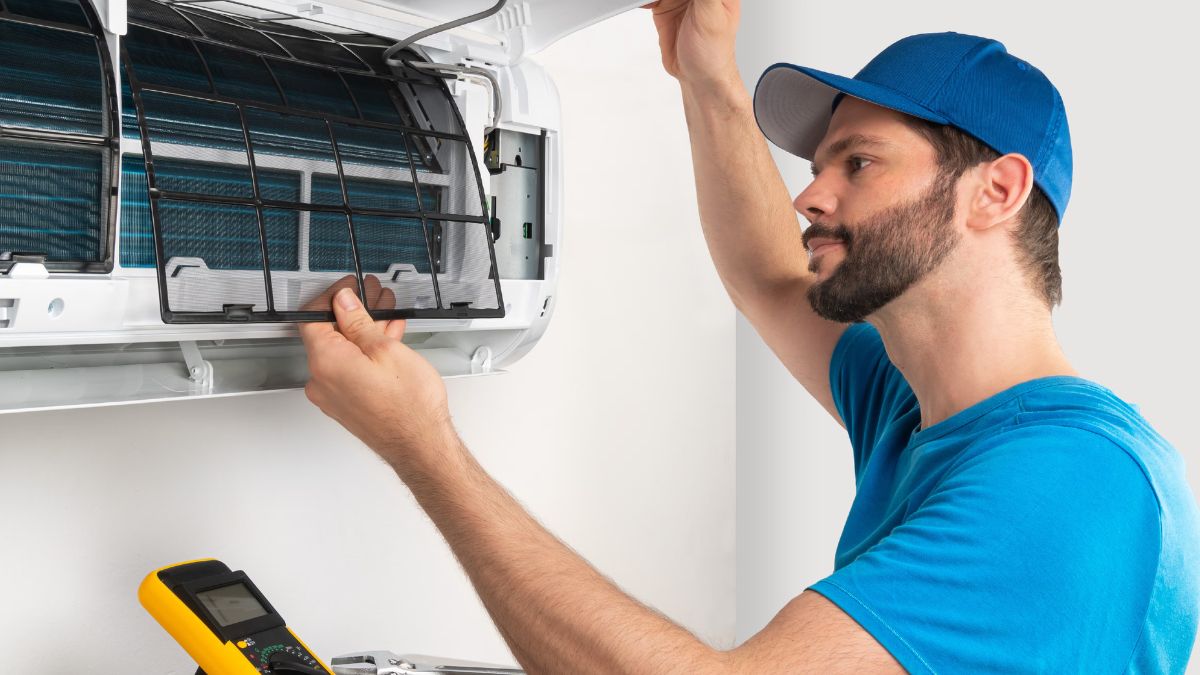
It starts as a subtle hum—or lack thereof. One minute, you’re enjoying the cool, conditioned air of your living room, and the next, you realise the fan has stopped spinning. The temperature on the thermostat begins its slow, dreadful climb. It’s the middle of July, the sun is blazing, and your air conditioner has decided to take an unscheduled vacation.
We’ve all been there. The panic sets in as you imagine sleepless nights in a sweltering bedroom and the potential cost of emergency repairs. But what if the difference between a minor inconvenience and a major meltdown wasn’t just about the machinery, but about the speed of the solution?
When your cooling system fails during peak temperatures, time is not just money—it’s comfort, safety, and sanity. This is where the concept of Rapid Response AC Services shifts from a luxury to a necessity. In this post, we’ll explore why speed matters more than you think, the hidden risks of delayed repairs, and how prioritising rapid response can actually save you money in the long run.
Why Speed Is Critical During an AC Breakdown
Most homeowners view an AC breakdown as an annoyance. However, depending on your location and the specific conditions of your household, it can quickly escalate into a health hazard.
What are the health risks of heat exposure indoors?
For vulnerable populations—such as the elderly, young children, or those with chronic health conditions—indoor heat can become dangerously high surprisingly fast. Without active cooling, indoor temperatures can sometimes exceed outdoor temperatures due to poor ventilation and insulation trapping heat.
Rapid Response AC Services ensure that your home returns to a safe, livable temperature before health risks become a reality. Dehydration, heat exhaustion, and exacerbated respiratory issues are all potential consequences of prolonged exposure to high indoor heat.
How does humidity affect your home during a breakdown?
It’s not just the heat; it’s the humidity. Air conditioners act as dehumidifiers. When they stop working, moisture levels in your home can spike rapidly. High humidity creates a breeding ground for mould and mildew, which can start to develop in as little as 24 to 48 hours.
By engaging a service that prioritises speed, you limit the window of opportunity for moisture damage to set in. A technician arriving within hours rather than days can mean the difference between a simple repair and a costly mould remediation project.
The Financial Impact of Waiting
Procrastination is rarely a good financial strategy, but when it comes to HVAC systems, delaying repairs is particularly costly.
Does waiting to repair an AC increase the cost?
Yes, absolutely. A small issue, like a refrigerant leak or a worn-out capacitor, puts immense strain on the rest of the system. If the AC continues to try to run (or if you keep turning it on hoping it will work), you risk burning out the compressor—the heart of the system.
Replacing a capacitor is a relatively minor expense. Replacing a compressor or the entire unit is a significant financial hit. Rapid response technicians diagnose and fix these minor issues before they cascade into catastrophic system failures.
Can fast repairs improve energy efficiency?
An AC unit struggling to perform is an energy hog. Even if it is technically “working” but blowing warm air or cycling on and off rapidly (short-cycling), it is consuming electricity at an alarming rate without cooling your home.
Getting a rapid response team to address efficiency issues immediately stops the energy waste. You won’t just be paying for the repair; you’ll be saving on your next utility bill by restoring the unit to peak efficiency immediately.
What Defines “Rapid Response” in the HVAC Industry?
Not all emergency services are created equal. When a company claims to offer Rapid Response AC Services, it should mean more than just picking up the phone.
What should you expect from a rapid response service?
True rapid response involves a logistical commitment from the HVAC provider. It typically includes:
- 24/7 Availability: Breakdowns don’t adhere to a 9-to-5 schedule. A rapid response team is ready at 2 AM on a Sunday.
- Fully Stocked Trucks: Speed is useless if the technician has to leave to get parts. Rapid response vehicles are essentially mobile warehouses carrying the most common components needed for repairs.
- Real-Time Dispatching: Modern HVAC companies use GPS and sophisticated software to route the nearest technician to your door, minimising travel time.
- Diagnostic Expertise: Speed isn’t just about arrival time; it’s about diagnostic time. Experienced technicians can identify the root cause of a problem quickly, rather than spending hours guessing.
The Peace of Mind Factor
There is an intangible value to reliability. Knowing that you have a partner who will show up when they say they will alleviates the stress of homeownership.
When you have a relationship with a provider of Rapid Response AC Services, you aren’t just buying a repair; you are buying the assurance that your life won’t be disrupted for long. This allows you to focus on your work, your family, and your life, rather than obsessing over the thermostat.
This reliability is often a result of a service contract or maintenance membership. Many homeowners find that signing up for a maintenance plan is the best way to guarantee priority service. In the event of a heatwave where technicians are booked solid, members with rapid response agreements often skip the line.
Don’t Wait for the Breakdown
Rapid Response AC Services matter even more when prevention falls short. While regular maintenance is the best strategy for identifying potential points of failure before they leave you sweating, machines remain unpredictable. When the inevitable happens, the value of speed becomes clear, protecting your home from damage and sparing your wallet from unnecessary strain.
Don’t treat your AC repair as something that can wait until Monday. The health of your home and family relies on a cool, controlled environment. By prioritising Rapid Response AC Services, you ensure that summer remains a season of relaxation, not a season of repair.
-

 TOPIC6 months ago
Symbols of Hope: The 15th Belenismo sa Tarlac
-

 TOPIC6 months ago
“The Journey Beyond Fashion” – Ditta Sandico
-

 NEWS6 months ago
Historical Churches in Manila
-

 TOPIC6 months ago
RIZAL at 160: a Filipino Feat in Britain
-

 TOPIC6 months ago
Boats with Two Strings
-

 TOPIC6 months ago
5 Must-Have Products From Adarna House to Nurture Your Roots
-

 TOPIC6 months ago
“Recuerdos de Filipinas – Felix Laureano”
-

 TOPIC4 weeks ago
Unveiling AvTub: Your Ultimate Guide to the Best AV Content