
HEALTH
How to Thrive as a Modern Caregiver


Caregiving today is an intricate blend of empathy, resilience, and skill, requiring much more than a simple willingness to help. The role of a caregiver extends beyond the basics of physical care; it demands deep understanding, adaptability, and ongoing commitment. For those who care for loved ones or work professionally as caregivers, the daily and long-term demands can be immense, but so too can the deeply meaningful rewards. Balancing compassionate, effective support with attention to your own well-being is essential for sustaining the energy and mindset needed to provide excellent care over time. By exploring new opportunities, resources, and support networks, caregivers can ensure their journey is less isolating and far more sustainable. See job postings to explore caregiving opportunities and connect with a larger, supportive community that understands your unique challenges and values all that you contribute.
Modern caregivers face evolving challenges that require a flexible mindset. From managing multiple medications and healthcare appointments to shouldering the emotional labor of supporting a loved one, or juggling professional responsibilities alongside personal caregiving, every day may bring something new. Embracing the wide range of resources available, tapping into innovative technologies, and building strong support systems can make a remarkable difference in both daily effectiveness and long-term satisfaction. Whether you’re brand new to caregiving, have years of experience, or are looking to enhance your approach, developing practical skills and understanding tried-and-true strategies will help you truly thrive while supporting others in need.
Prioritize Self-Care
The foundation of effective caregiving lies in the caregiver’s own health and resilience. Physical self-care involves more than just ticking boxes—it means being attentive to your body’s cues for rest, engaging in regular exercise, eating nutritious meals, and prioritizing adequate sleep. These seemingly simple habits power your ability to respond with patience, energy, and competence in your caregiving role, even during high-stress periods. Emotional self-care is equally vital and too often overlooked; small practices like daily meditation, expressing yourself through creative hobbies, or simply finding moments of quiet reflection can help you process emotions and maintain your sense of purpose and joy.
Making room in your routine, whether daily or weekly, for restorative “me time” isn’t selfish; it’s necessary. Research shows that when caregivers neglect their own needs, risks of stress, fatigue, depression, and even medical errors soar. Intentionally investing in yourself by scheduling self-care activities and honoring those commitments lets you give your best throughout every challenge and change. A refreshed and centered caregiver is far more capable of delivering attentive, compassionate care to others, making self-care a non-negotiable part of sustainable caregiving.
Establish a Strong Support System
No caregiver is meant to navigate the journey alone. Establishing a robust, reliable network of support is fundamental for lightening the burden, reducing stress, and gaining a meaningful perspective. Lean on your existing support system, family, friends, neighbors, or consider reaching out to professionals such as care coordinators, counselors, or home healthcare aides for extra assistance. Don’t hesitate to connect with online caregiver communities or attend local support groups, which offer empathetic spaces to share advice, celebrate small victories, and find camaraderie during tough times. Simply knowing you’re not alone, and having somewhere to turn, can transform even the most difficult moments into manageable ones. Remember, asking for help is a sign of strength, not weakness, and can empower you to be a more effective and fulfilled caregiver.
Stay Organized with Daily Routines
Time management is one of the cornerstones of thriving as a modern caregiver. Building predictable daily routines and sticking to them as much as possible helps bring order, structure, and greater peace of mind to everyone involved. Begin by setting up clear to-do lists each morning or week. This not only helps prioritize the most important tasks but also provides a sense of accomplishment as items get completed. Digital planners or specialized caregiving apps can efficiently and securely track medications, appointments, and other vital responsibilities, which is especially helpful as demands become more complex. Whenever possible, don’t be afraid to delegate appropriate tasks to others, such as relatives, friends, or community volunteers; this lightens your load and allows you to focus on higher-priority care. Well-designed routines, paired with teamwork, create a sense of shared responsibility, reduce oversights, and make adjusting to new challenges less overwhelming.
Expand Your Knowledge and Skills
The world of caregiving is always evolving, presenting new information, challenges, and opportunities for personal and professional growth. Staying informed and seeking ongoing education are among the most effective ways to enhance the quality of support you provide. Whether you’re caring for someone with a chronic illness, dementia, or disabilities, different scenarios benefit from specialized skills and up-to-date techniques. Numerous online courses, webinars, and in-person workshops, offered by trusted organizations and healthcare providers, cover essential topics such as safety, first aid, behavioral management, and effective communication.
Seeking formal certification, such as becoming a Certified Nursing Assistant (CNA) or pursuing specific credentials in dementia care, not only deepens your expertise but can also open doors to new career opportunities or higher compensation, if you’re a professional caregiver. Embracing new caregiving technologies, like digital medication organizers and telehealth services, can simplify daily routines and empower caregivers with timely reminders, alerts, and real-time professional guidance.
Manage Stress and Prevent Burnout
Unchecked stress is one of the most significant risks caregivers face and can quickly lead to burnout, which undermines not just your well-being but also the quality of care you give. Establishing daily or weekly opportunities for self-renewal is key to long-term resilience—this could include anything from brief walks outdoors and listening to relaxing music, to practicing deep breathing or mindfulness techniques. Regular, scheduled breaks—even just 10–15 minutes—act as powerful safeguards against exhaustion and help you return to your caregiving role with a clearer mind and a lighter spirit.
If you ever find yourself dealing with ongoing sadness, anxiety, or feelings of hopelessness, it’s crucial to seek out professional guidance promptly. Counseling or therapy is a proactive, healthy step for any caregiver facing emotional strain and can be a game-changer for regaining perspective and strength.
Embrace Technological Innovations
Technology is rapidly transforming the caregiving experience, often in ways that promote safety, efficiency, and peace of mind. Innovative smartphone applications, wearable health monitors, and smart home systems offer unprecedented convenience, making it easier than ever to stay organized and connected, even from a distance. Medication adherence platforms like Adhera, for example, provide automated reminders and real-time feedback, increasing accuracy and boosting both caregiver and patient confidence. These advances streamline routines, reduce errors, and keep caregivers informed, leading to improved daily outcomes and overall quality of life for everyone involved.
Advocate for Caregiver-Friendly Workplaces
Many caregivers also hold demanding professional jobs, making balancing these dual responsibilities particularly challenging. Advocating for caregiver-friendly policies in your workplace, such as flexible schedules, remote work options, or formal caregiver support programs, can make a world of difference for both your career and your sense of well-being. Forward-thinking employers are increasingly recognizing the value of accommodating caregivers, which, in turn, boosts employee morale, productivity, and retention.
Final Thoughts
Modern caregiving is both complex and rewarding, and with the right foundation, caregivers can truly thrive. Integrating self-care, cultivating strong support networks, maintaining organization, pursuing ongoing growth, managing stress, embracing technology, and advocating for workplace flexibility are all vital components of resilience and effectiveness. These practices support not only the caregiver’s well-being but also ensure those in their care receive the highest possible quality of attention and support. Always remember: your well-being is every bit as important as those you support. By investing in yourself and embracing a balanced approach, you set the stage for sustained, high-quality caregiving through every season and challenge that life may bring.
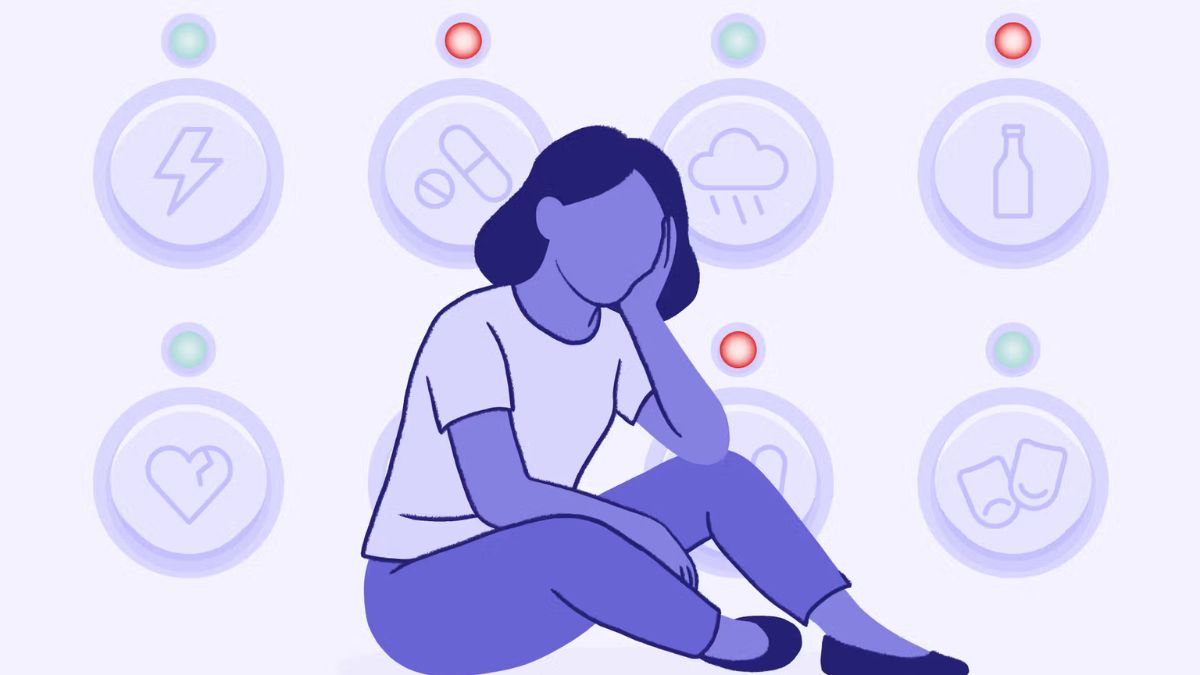
There comes a point when white knuckling your way through stress stops working. You can meditate, journal, power walk, download another mindfulness app, and still feel like you are treading water. That is often when a more immersive reset starts to make sense. For some people, stepping away from their daily routine and checking into a residential program is not dramatic, it is practical.
A change of environment does something powerful to the brain. The constant cues tied to work, family conflict, or personal pressure are removed. You are not sleeping in the same room where you replay arguments at 2 a.m. You are not commuting past the office that tightens your chest before you even open your inbox. Even the option of luxury mental health facilities in California, New York or other cities away from your daily stress reflects a growing understanding that healing is often easier when you are physically removed from the triggers that keep you stuck.
That does not mean treatment has to look like a spa retreat, although some programs do offer beautiful settings. It means giving yourself space to focus fully on getting better, without juggling carpools, deadlines, and dinner plans. Sometimes stepping out of your life for a short period is exactly what allows you to return to it stronger.
Structure That Supports Real Progress
At home, it is easy to skip therapy appointments when you are tired or to promise yourself you will start fresh on Monday. In a residential setting, the structure is built in. You wake up with a plan. Your day includes therapy sessions, skill-building workshops, movement, rest, and reflection. There is a rhythm to it, and that rhythm can feel grounding when everything else has felt chaotic.
This kind of structure is not about control. It is about support. When you are overwhelmed, decision fatigue is real. Figuring out what to cook, what to wear, what to tackle first can feel like too much. In treatment, those everyday burdens are simplified so your mental energy can go toward the work that matters. Over time, that consistency helps you build habits that you can bring home with you.
You also gain access to a team approach. Therapists, medical professionals, and wellness staff collaborate instead of working in silos. That level of coordination can accelerate insight and adjustment, especially if you have been trying to manage everything on your own for years.
Intensive Therapy Without The Distractions
Weekly therapy can be life changing, but it is still just one hour out of 168. Residential care offers depth. You might engage in individual therapy several times a week, along with group sessions, skill practice, and experiential therapies like art or movement. The repetition matters. Instead of unpacking something painful and then rushing back into traffic, you have time to process, reflect, and apply what you are learning.
There is also a different level of honesty that can happen when you are surrounded by people who are there for the same reason. You are not explaining yourself to someone who does not get it. You are in a space where emotional work is normal, not something you have to apologize for.
For many people, this immersive format helps break long-standing patterns more effectively than trying to squeeze growth into the margins of a packed life. It creates momentum. When you feel progress day after day, even in small increments, hope starts to feel realistic again.
Connection And The Power Of Shared Experience
Isolation has a way of amplifying mental strain. You might look around and assume everyone else is handling life better than you are. In a residential program, that illusion tends to fall apart quickly. You hear stories that mirror your own fears and frustrations. You realize you are not uniquely broken or failing.
Group sessions are often where some of the deepest breakthroughs happen. Listening to others reflect on their experiences can unlock insight into your own. Offering encouragement to someone else can strengthen your own resolve. Over time, the relationships built in support groups can become an anchor, reminding you that growth is not a solo sport.
Those connections do not disappear the moment you leave. Many programs help you transition into outpatient care or community groups so that the sense of belonging continues. That continuity makes it less likely that you will slip back into isolation when life ramps up again.
Learning Skills You Can Actually Use At Home
One of the biggest misconceptions about mental health rehab is that it is a temporary escape. In reality, the goal is to equip you with tools that travel with you. You might learn cognitive techniques to challenge spiraling thoughts, communication skills that improve relationships, or stress management strategies that go beyond deep breathing.
Practicing those skills in a supportive setting allows you to see what works. If something does not resonate, you can adjust with professional guidance. By the time you return home, you are not just hoping things will be different. You have rehearsed new ways of responding to old triggers.
There is also space to examine lifestyle factors that affect mental health, including sleep patterns, nutrition, and boundaries around technology. Small shifts in these areas can compound over time. The difference is that you are not experimenting alone. You are doing it with input and accountability.
The Stigma Is Fading, And That Matters
For a long time, residential treatment carried a heavy stigma. It was seen as a last resort or something to hide. That narrative is shifting. More people are talking openly about taking time away to focus on their mental wellbeing. Public figures, executives, parents, and students alike are recognizing that tending to your mental health is no more dramatic than addressing a physical injury.
When you frame rehab as a proactive step rather than a sign of failure, the decision feels different. It becomes an investment. You would not ignore a broken bone and hope it heals on its own. Mental strain deserves the same respect.
A Deliberate Pause Can Be A Powerful Reset
Stepping into residential mental health care is not about giving up. It is about choosing yourself with intention. It is about recognizing that if what you have been doing is not working, you are allowed to try something more comprehensive. A few weeks or months of focused care can ripple outward for years.
The idea of leaving your normal life behind, even temporarily, can feel intimidating. Yet for many people, that deliberate pause becomes the turning point. They return home clearer, steadier, and more equipped to handle what once felt overwhelming. If you have been carrying more than you can manage alone, a structured, supportive environment might be less of a drastic step than you think, and more of a wise one.

Introduction to Essential Oils and Aromatherapy
Essential oils have taken the wellness world by storm, and it’s easy to see why. These concentrated plant extracts not only smell divine but also offer a plethora of health benefits that can enhance your daily routine. Whether you’re looking to boost your mood, improve focus, or simply relax at the end of a long day, essential oils (EO Pis) are here to help.
Aromatherapy has been used for centuries across various cultures as a natural healing method. Today, we’re rediscovering these time-honored practices in our fast-paced lives. Imagine transforming your home into an oasis of calm with just a few drops of lavender oil or finding relief from headaches with peppermint’s invigorating scent.
Curious about how you can incorporate EO Pis into your everyday life? Let’s dive deeper into their incredible power and explore some simple ways to make them part of your wellness journey.
Understanding the Power of EO Pis
Essential oils, often referred to as EO Pis, are concentrated extracts from plants. They capture the essence of their source, offering a unique blend of scents and therapeutic properties.
These potent oils have been used for centuries in various cultures around the world. Their ability to influence mood and promote well-being is deeply rooted in history.
The science behind EO Pis lies in their chemical composition. Each oil contains different compounds that can affect our physical and emotional health uniquely. For instance, some may uplift your spirits while others can calm your mind.
Incorporating EO Pis into daily life opens up a realm of possibilities. Whether through inhalation or topical application, these oils interact with our body’s systems seamlessly, promoting balance and harmony.
Understanding this power allows for informed choices on which oils best suit individual needs and preferences.
The Top 5 Essential Oils for Various Health and Wellness Benefits
Essential oils are nature’s little powerhouses. They can enhance your health and wellness in remarkable ways.
Lavender oil is a favorite for promoting relaxation. Its calming scent is perfect for reducing anxiety and improving sleep quality.
Peppermint oil offers an energizing boost. It can help with headaches, improve concentration, and even aid digestion.
Tea tree oil is renowned for its antiseptic properties. It’s effective against acne and other skin irritations while supporting overall skin health.
Eucalyptus oil provides relief from respiratory issues. Its invigorating aroma opens airways, making it great during cold seasons or allergy flare-ups.
Lemon oil brightens both mood and space. It has uplifting qualities that make it ideal for creating a positive atmosphere at home or work.
How to Safely Use EO Pis in Your Daily Routine
To safely use EO Pis in your daily routine, start with dilution. Essential oils are potent and should be mixed with a carrier oil like coconut or jojoba before applying to the skin.
Always perform a patch test first. Apply a small diluted amount on your wrist and wait for 24 hours to check for any adverse reactions.
Consider the method of application. Diffusion is one popular way, allowing you to enjoy their aroma without direct contact. A few drops in a diffuser can elevate your space instantly.
When using EO Pis topically, avoid sensitive areas such as eyes and mucous membranes. If irritation occurs, wash off immediately with soap and water.
Remember to store them properly—keep essential oils away from sunlight and heat for longevity. Using these precautions ensures you reap the benefits while minimizing risks associated with EO Pis.
Incorporating EO Pis into Your Skincare and Beauty Routine
Incorporating EO Pis into your skincare and beauty routine can truly elevate your self-care game. These potent plant extracts offer a natural way to enhance skin health and radiance.
For an invigorating facial mist, try adding a few drops of lavender or rose essential oil to distilled water. This refreshing spray not only hydrates but also soothes the skin.
If you’re looking for anti-aging benefits, consider using frankincense oil mixed with a carrier oil. Its regenerative properties support cell turnover and improve skin texture over time.
Dab tea tree oil on blemishes for its antibacterial effects, helping clear up breakouts while promoting healing.
Don’t forget about aromatherapy baths! A few drops of eucalyptus or ylang-ylang in warm water can turn your bath into a rejuvenating ritual that nourishes both body and mind.
Using EO Pis for Stress Relief and Relaxation
Essential oils have long been celebrated for their calming properties. Incorporating EO Pis into your daily routine can transform your space into a tranquil oasis.
Lavender, known for its soothing scent, is perfect for promoting relaxation after a hectic day. Diffusing it in your living room or adding a few drops to your pillow can enhance restful sleep.
Similarly, chamomile oil offers gentle support during stressful periods. A warm bath infused with this essential oil creates an inviting atmosphere that encourages unwinding.
For those seeking mental clarity along with calmness, bergamot can be the answer. Its citrusy aroma uplifts while easing tension.
Consider using these oils in massage blends as well. Combining them with carrier oils not only nourishes the skin but also provides therapeutic benefits when absorbed through the body.
Creating rituals around EO Pis fosters mindfulness and enhances overall wellness—one deep breath at a time.
Other Ways to Experience the Benefits of EO Pis
Exploring the benefits of EO Pis can extend beyond traditional use. Consider diffusing essential oils in your living space. This simple act creates a calming atmosphere, enhancing mood and promoting relaxation.
You can also experiment with aromatherapy jewelry. Wearing an EO Pis-infused necklace or bracelet allows you to carry your favorite scents throughout the day, providing moments of tranquility whenever needed.
Another effective method is incorporating essential oils into household cleaning products. A few drops of lemon or tea tree oil can elevate your cleaning routine while ensuring a fresh and inviting environment.
For those seeking emotional balance, consider blending different EO Pis for personalized roller blends. These custom concoctions allow you to target specific needs—whether it’s energizing or soothing effects that you’re after.
Try engaging in mindful practices like meditation or yoga with EOs nearby to deepen your experience and connection during these sessions.
Conclusion
Essential oils, often referred to as EO Pis, offer a myriad of benefits that can enhance your everyday life. Their versatility makes them valuable additions to various aspects of wellness, from physical health to emotional well-being. By understanding how these potent extracts work and incorporating them into your routine thoughtfully, you can unlock their full potential.
Whether you’re enhancing your skincare rituals or seeking natural remedies for stress relief, the right essential oils can make a significant difference. Safety is paramount when using EO Pis; always dilute properly and consult with professionals if unsure about specific applications.
As you explore the world of essential oils further, you’ll discover new ways to utilize their therapeutic properties in daily practices. The journey into aromatherapy is personal and enriching; it encourages mindfulness and self-care while helping create an atmosphere that promotes peace and balance in your life.
Embracing EO Pis could lead not only to improved physical health but also heightened emotional clarity. With so many options available, it’s exciting to experiment and find what resonates best with you on this aromatic adventure.
Clinical trials are the cornerstone of medical research progress. By rigorously testing new therapies and health interventions, these studies help ensure healthcare advances are based on solid evidence. For those interested to participate in clinical studies, understanding the various trial designs is an important first step. This knowledge not only empowers potential participants but also builds greater appreciation for how safe and effective treatments come to market.
Different clinical trial types serve unique purposes, from measuring the benefits of a new medication to tracking the natural course of health conditions in diverse populations. Knowing these distinctions helps prospective volunteers ask the right questions and make more informed choices when considering trial enrollment or learning about new breakthroughs emerging from research. Additionally, a clear grasp of these study types supports broader public trust in scientific discoveries.
Choosing to join a clinical trial is a personal decision, one that requires understanding both the study’s structure and its potential implications for your health. This article offers a clear overview of major clinical trial types, their goals, and how participation can impact both individuals and the future of medicine.
The evolving field of clinical research continues to adapt, with new trial designs and innovative recruitment strategies making participation more accessible. Recognizing the role of various trial formats, such as adaptive and decentralized designs, is increasingly relevant in today’s digital medical landscape.
Interventional Trials
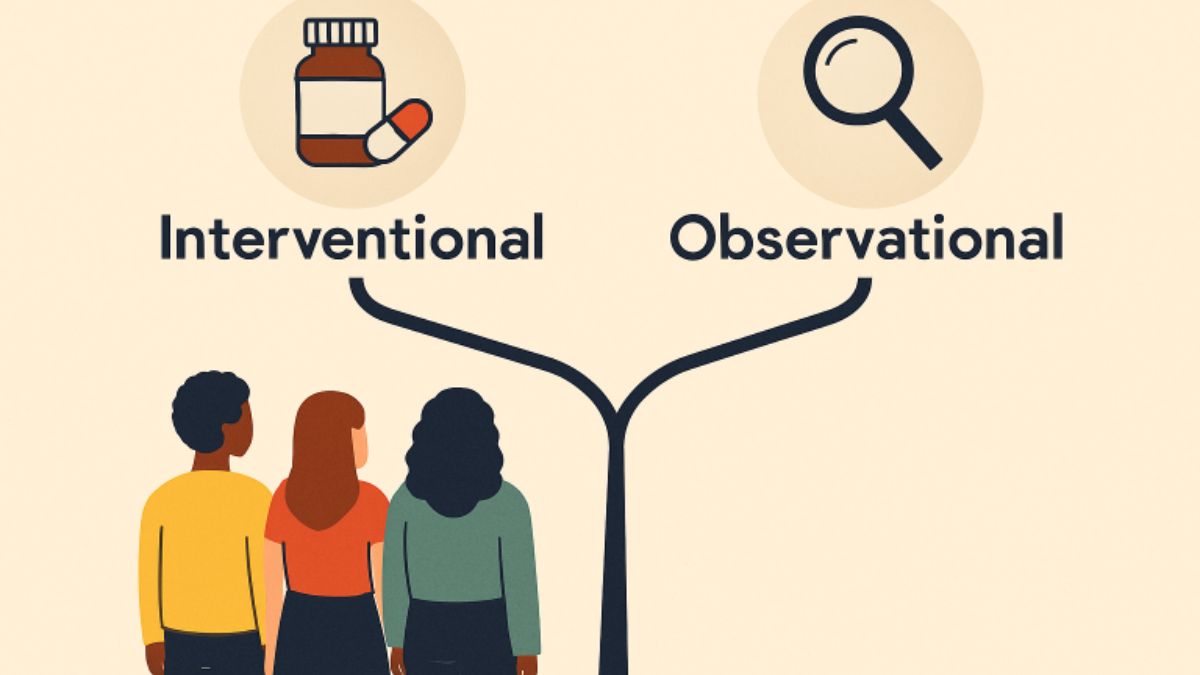
Interventional trials, often referred to simply as clinical trials, involve researchers assigning specific treatments or interventions to participants and then measuring the outcomes. The aim of these studies is to determine whether a particular intervention—such as a drug, surgical procedure, or behavioral change—offers a meaningful health benefit when compared to a control group or existing standard of care. The randomized controlled trial (RCT) is the most well-known of these, with participants randomly assigned to either the intervention group or a control group to minimize bias. RCTs provide strong, reliable evidence for or against the effectiveness of new therapies.
Observational Studies
Rather than assigning interventions, observational studies involve researchers monitoring participants as they go about their lives. Scientists collect and analyze information to identify patterns, correlations, or trends. Common types of observational studies include cohort studies (which follow groups over time), case-control studies (which compare people with a condition to those without), and cross-sectional studies (which examine data from a population at a single point in time). While these studies offer valuable insights—such as identifying risk factors or associations—they do not establish cause and effect as well as interventional trials do. Reliable sources, such as the National Institutes of Health, discuss the strengths and limitations of these approaches.
Phases of Clinical Trials
To safely bring a new therapy to the public, interventional trials progress through several phases, each with its own priorities and questions to answer:
- Phase I: A small number of volunteers test a drug or intervention for the first time to evaluate safe dosage ranges and watch for side effects.
- Phase II: The study expands to include more participants and begins to assess how well the treatment works, while continuing to monitor safety.
- Phase III: Hundreds or even thousands of people may be enrolled to confirm effectiveness, track side effects, and compare outcomes with standard therapies.
- Phase IV: These post-approval studies monitor long-term effects, optimal use, and ensure ongoing safety once the treatment is widely available.
Adaptive and Platform Trials
Innovations in clinical trial design, such as adaptive and platform trials, are changing research practice. Adaptive trials enable researchers to alter study details, such as dosages or participant groups, as interim results become available. This flexibility can speed up trial completion and improve patient safety. Platform trials, a type of adaptive study, allow researchers to test multiple interventions under a unified protocol against a common control group. These designs are invaluable in fields such as oncology and emerging infectious diseases, where rapid comparison of multiple therapies is critical.
Decentralized Clinical Trials
Decentralized clinical trials represent a significant innovation in medical research. By leveraging telemedicine, digital health applications, and wearable technology, these studies enable participants to collect data from the comfort of their homes. This approach removes barriers like travel distance, increases access for underrepresented groups, and can make participation less burdensome. Decentralized trials are particularly important in a globalized world, supporting broader inclusion and improving the reliability of results across different populations.
Importance of Participation
When people volunteer for clinical trials, they help discover new medical treatments that benefit society as a whole. Participants may also gain early access to pioneering therapies or contribute to the understanding of their own health conditions. However, informed consent is essential to ethical research. Prospective volunteers should review all available information, discuss their options with healthcare providers, and weigh the potential risks and benefits. By understanding the different trial designs and their goals, individuals can make informed, confident decisions about whether to participate.
Conclusion
A variety of clinical trial types exist, each with a distinct purpose in the journey from laboratory discovery to improved patient care. The decision to participate in a study is deeply personal, but awareness of the types, phases, and modern innovations in trials enables individuals, families, and advocates to play a vital role in advancing medicine. Through continued education and engagement, clinical research becomes a collaborative effort to bring safer, more effective treatments to those who need them most.
-

 TOPIC8 months ago
Symbols of Hope: The 15th Belenismo sa Tarlac
-

 TOPIC8 months ago
“The Journey Beyond Fashion” – Ditta Sandico
-

 NEWS8 months ago
Historical Churches in Manila
-

 TOPIC7 months ago
RIZAL at 160: a Filipino Feat in Britain
-

 TOPIC8 months ago
5 Must-Have Products From Adarna House to Nurture Your Roots
-

 TOPIC8 months ago
Boats with Two Strings
-

 TOPIC8 months ago
“Recuerdos de Filipinas – Felix Laureano”
-

 TOPIC8 months ago
Filipino, alternative language course at Moscow State University