
BUSINESS
Change Control Management: A Comprehensive Guide for Modern Quality Systems

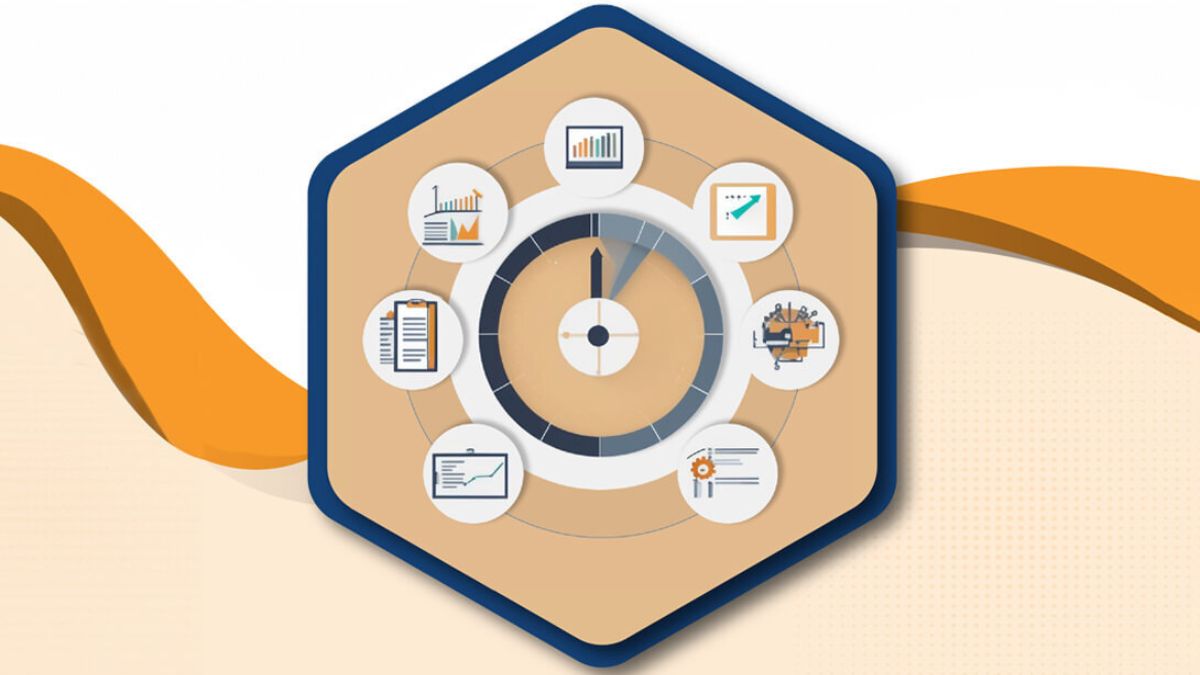
Change is inevitable in any organization. Products evolve, regulations shift, customer requirements tighten, and internal processes must adapt to keep pace. For businesses operating in regulated industries life sciences, manufacturing, healthcare, aerospace, and beyond managing that change in a structured, auditable, and compliant way is not optional. It is a business imperative. This is where Change Control Management becomes a cornerstone of operational excellence.
What Is Change Control Management?
The Change Control Management (CCM) is a systematic process used to ensure that changes to products, processes, systems, or documents are introduced in a controlled and coordinated manner. It provides organizations with a structured framework to evaluate proposed changes, assess their potential risks and impacts, gain the necessary approvals, implement changes safely, and verify that outcomes meet expectations.
At its core, CCM serves two fundamental purposes: preventing unauthorized or poorly considered changes from disrupting operations and ensuring that every modification is traceable, documented, and compliant with applicable standards. Whether the change involves a raw material substitution, a software update, a revised manufacturing procedure, or a new regulatory requirement, the change control process ensures that nothing slips through the cracks.
The Key Factors That Impact Change Control Management
Effective CCM does not exist in isolation. It is shaped by a constellation of factors that organizations must carefully navigate. Understanding these factors is essential for designing a change control process that is both rigorous and practical.
Regulatory and Compliance Requirements
Perhaps the most influential factor in CCM is the regulatory environment. Industries such as pharmaceuticals and medical devices operate under strict frameworks like FDA 21 CFR Part 820, ISO 13485, ICH Q10, and EU MDR. These regulations do not simply recommend change control they mandate it. Non-compliance can result in warning letters, product recalls, manufacturing shutdowns, and significant financial penalties.
The challenge lies in translating regulatory requirements into operational workflows that are both thorough and efficient. Over-engineering the process can create bottlenecks that slow down legitimate improvements. Under-engineering it risks compliance failures. Striking this balance is one of the most persistent challenges in CCM.
Scope and Classification of Changes
Not all changes are equal. A minor label revision carries very different risk than a change to a critical manufacturing parameter. Effective CCM systems classify changes often as minor, major, or critical and apply proportional scrutiny to each category. Minor changes may require only documentation updates and a single-level approval, while critical changes may trigger cross-functional reviews, validation activities, regulatory submissions, and customer notifications.
Determining the right classification is itself a judgment call, and it requires experienced personnel who understand both the technical implications of a change and the regulatory landscape. Misclassification treating a significant change as minor is one of the most common root causes of quality failures in regulated industries.
Cross-Functional Collaboration
Change control rarely affects a single department. A change to a manufacturing process might touch quality assurance, production, engineering, supply chain, regulatory affairs, and even sales or customer service. CCM must therefore function as a cross-functional collaboration tool, not just a documentation exercise.
This introduces a human dimension to the challenge. Stakeholders in different departments have different priorities, timelines, and risk tolerances. Quality teams may want extensive validation before approving a change; production teams may be under pressure to implement improvements quickly. Managing these competing interests requires clear governance structures, defined roles and responsibilities, and communication channels that keep everyone aligned throughout the change lifecycle.
Speed and Efficiency
There is an inherent tension in CCM between thoroughness and speed. A rigorous change control process takes time time to evaluate, time to approve, time to implement, and time to verify. But in competitive markets, speed matters. The ability to respond quickly to customer feedback, supply chain disruptions, or regulatory updates can be a genuine competitive advantage.
Organizations that rely on paper-based or fragmented change control systems often find that administrative overhead dominates the process. Routing paper forms, chasing signatures, and manually tracking the status of open change requests is both slow and error-prone. This is where technology and specifically the move toward a cloud quality management system has transformed what is possible.
The Role of Cloud-Based QMS in Modern Change Control
The digitization of quality management has fundamentally changed the landscape for CCM. Traditional quality management systems were often on-premise, siloed, and difficult to scale. The emergence of cloud QMS platforms has introduced a new paradigm one that offers significant advantages for change control specifically.
A cloud based QMS enables organizations to manage change control workflows entirely online, with real-time visibility into the status of every open change request. Approvals that once required physical signatures and interoffice mail can now happen in minutes, with electronic signatures that are fully compliant with 21 CFR Part 11. Notifications are automated, escalation rules can be configured, and audit trails are generated automatically eliminating the manual recordkeeping burden that burdened paper systems.
Beyond efficiency, a cloud QMS offers scalability that traditional systems cannot match. As organizations grow, add facilities, or expand their product lines, a cloud-based platform scales with them without requiring significant IT investment. Multi-site organizations particularly benefit from the centralized visibility that cloud platforms provide a quality manager in one location can see the status of a change request being processed in another facility without making a single phone call.
Integration is another significant advantage. A well-designed cloud quality management system connects change control with related quality processes CAPA (corrective and preventive action), document control, supplier management, and training management. This integration is critical because changes often trigger activities in these adjacent areas. A process change, for example, might require updated SOPs (handled through document control), retraining of operators (tracked through training management), and an evaluation of supplier qualification status. When these processes are siloed, important connections can be missed. When they are integrated in a cloud QMS, the system can automate the triggering of related workflows.
eLeaP, for instance, offers an integrated platform that connects quality management with learning management, recognizing that change and training are deeply intertwined. When a process changes, the people performing that process need to be trained on the new procedure and that training needs to be documented and verified before the change is fully implemented.
Challenges and Tradeoffs in Change Control Management
Despite the clear benefits of structured CCM, organizations face persistent challenges in making it work effectively in practice.
The Speed vs. Rigor Tradeoff
As noted earlier, the tension between moving quickly and being thorough is real and ongoing. Cloud-based tools help reduce administrative friction, but they cannot eliminate the time required for genuine technical evaluation, risk assessment, and validation. Organizations must define service level agreements for change control processes how long should a standard change take from submission to approval? and monitor actual performance against those targets. When the process consistently takes longer than planned, it signals a need to investigate whether the bottleneck is procedural, organizational, or resource-related.
Change Fatigue and Volume Management
In active organizations, the volume of change requests can be overwhelming. Quality teams may find themselves managing dozens or hundreds of open change records simultaneously, each at a different stage in the process. Without a robust cloud quality management system to track and prioritize this workload, important changes can fall behind schedule, deadlines can be missed, and regulatory commitments can be jeopardized. Effective CCM requires both the right tools and the right staffing to maintain throughput without sacrificing quality.
Training and Change Communication
Implementation is often where change control falls apart. A beautifully documented and approved change that is not communicated effectively to the people who need to act on it is a failed change. Organizations must treat training and communication as integral parts of the change control process, not afterthoughts. eLeaP‘s integrated approach connecting quality and learning management directly addresses this gap, ensuring that approved changes automatically trigger training assignments for affected personnel.
Resistance to Formalization
In smaller organizations or those new to regulated industries, there can be cultural resistance to formalized change control. Employees may view the process as bureaucratic overhead that slows them down. Overcoming this resistance requires leadership commitment, clear communication about why CCM matters (including real examples of what happens without it), and tools that make compliance as easy as possible. The best cloud QMS platforms are designed with usability in mind making it straightforward for non-quality personnel to submit change requests, participate in reviews, and complete their assigned actions.
Measuring the Effectiveness of Your Change Control Process
Like any quality process, CCM should be subject to ongoing measurement and improvement. Key performance indicators might include cycle time from change submission to closure, the percentage of changes implemented on schedule, the rate of changes that require rework or re-evaluation, and audit findings related to change control. Trend analysis of these metrics facilitated by the reporting capabilities of a cloud QMS allows quality leaders to identify patterns, address systemic issues, and demonstrate continuous improvement to regulators and customers alike.
The Strategic Importance of Change Control
It is tempting to view change control purely as a compliance exercise something done to satisfy auditors and regulators. But the most effective organizations understand that good change control is a strategic asset. It enables them to innovate with confidence, knowing that changes will be implemented correctly the first time. It protects them from the costly disruptions of uncontrolled change. And it builds trust with customers, regulators, and partners who rely on the consistency and reliability of their products and processes.
As quality management continues its migration to the cloud, the capabilities available to change control professionals will only grow. Artificial intelligence and machine learning are beginning to appear in cloud quality management system platforms, offering the potential to predict change risks, suggest impact assessments based on historical data, and identify patterns in change requests that might indicate underlying systemic issues. These capabilities will not replace human judgment particularly in regulated industries where expertise and accountability matter but they will augment it in powerful ways.
eLeaP continues to evolve its platform in this direction, recognizing that the future of quality management is intelligent, integrated, and cloud-native. Organizations that invest in modern CCM infrastructure today are positioning themselves for the agility and compliance they will need tomorrow.
Conclusion
Change Control Management sits at the intersection of compliance, operational efficiency, and organizational culture. Getting it right requires more than a good procedure it requires the right technology, the right people, and the right mindset. The shift to cloud based QMS platforms has dramatically raised the ceiling for what effective CCM can look like, offering automation, integration, visibility, and scalability that paper and legacy systems simply cannot match. At the same time, technology is only an enabler. The organizations that truly excel at change control are those that treat it not as a regulatory obligation but as a disciplined approach to managing the inevitable and making the most of it.

In today’s rapidly evolving business environment, organizations must invest thoughtfully in leadership development to ensure long-term success. Modern enterprises face unprecedented change, fueled by new technology, shifting workforce expectations, and increasingly global operations. Many companies now recognize that outdated leadership approaches can stifle innovation and hamper employee morale. To thrive, businesses need leaders who can adapt quickly and inspire others through periods of uncertainty. This vital shift calls for increased agility and resilience in leadership roles, attributes not just beneficial but essential for survival in the digital age. Forward-thinking organizations are turning to innovative programs and resources like Talogy to assess and build the essential leadership competencies necessary for the future of work. These resources offer data-driven insights, enabling companies to pinpoint leadership gaps and strategically invest in growth where it is needed most.
Amid this transformation, leadership readiness has emerged as a defining competitive advantage. As work models evolve—embracing trends such as remote and hybrid frameworks, and the pace of innovation accelerates, leaders who foster a culture of learning, agility, and inclusivity stand out. For companies committed to building a future-ready workforce, developing talent at all levels is critical, as leadership capability now directly influences retention, engagement, and business outcomes. Organizations that prioritize leadership development often see higher employee satisfaction and improved adaptability, positioning them to reap benefits even as market conditions shift. Moreover, a strong leadership pipeline ensures business continuity, providing stability regardless of turbulence.
Understanding the Modern Workforce
Companies today are shaped by an increasingly diverse and distributed workforce, with digital innovation and hybrid work models defining new standards for productivity and collaboration. The workplace is no longer confined to four walls; teams now span continents and time zones, requiring leaders to manage remote interactions, cross-cultural communication, and virtual performance metrics. As employees seek purpose, flexibility, and inclusion, leaders must understand and respond to these evolving needs. Recognizing the unique perspectives that each team member brings can be a powerful catalyst for innovation and engagement. Building and sustaining high-performing teams requires more than operational management; it demands cultural awareness and an ability to connect authentically with people of varied backgrounds. Leaders who excel in this area often cultivate loyalty, resulting in lower turnover and increased productivity.
Successful leaders recognize the impact of technology, generational shifts, and the emphasis on employee well-being. The proliferation of collaboration tools, project management platforms, and instant communication apps has redefined how teams interact and accomplish goals. Meanwhile, the rise of Gen Z and Millennials in the workforce signals a growing preference for transparency, professional development, and organizations with strong social values. Embracing diversity and fostering a sense of belonging are now central to attracting and retaining talent. In this new era, leaders who can harness modern workforce dynamics and translate them into opportunities for growth are best positioned to deliver lasting organizational value. These leaders create environments where curiosity is encouraged, and innovation becomes a shared responsibility across teams.
Key Competencies of Future-Ready Leaders
Equipping leaders for the future means fostering a specific set of competencies that meet today’s business demands. Leadership in the digital era has evolved: it’s no longer just about giving orders or driving revenue, but about building communities of practice that share goals and inspire action.
- Emotional Intelligence: Leaders must manage their own responses and genuinely empathize with others, fostering trust and psychological safety within teams. This skill set is crucial for giving and receiving feedback, mediating conflict, and guiding others through uncertainty or stress.
- Agility: Being open to change and quick to adapt is vital as leaders guide organizations through complexity and transformation. Agile leaders experiment, iterate, and recover quickly from setbacks, encouraging the same qualities in others.
- Technological Savvy: Familiarity with new tools and platforms helps leaders leverage innovation to drive operational gains and organizational resilience. Leaders who understand analytics, automation, and digital platforms make data-driven decisions that set their teams apart.
- Inclusive Leadership: A focus on diversity and inclusion elevates team performance, fosters creativity, and encourages collaboration across boundaries. Inclusive leaders seek input from a variety of perspectives, ensuring that all voices are heard and valued, ultimately driving better outcomes for the organization.
Strategies for Developing Adaptive Leadership
Leading organizations implement several practical strategies to build adaptive leadership skills across their workforce. The most successful programs combine structured development with on-the-job learning and social support:
- Continuous Learning: Supporting ongoing education, from microlearning to formal training, helps leaders stay updated and relevant in a fast-changing world. This could include online certifications, webinars, and industry conferences that encourage lifelong curiosity.
- Mentorship Programs: By pairing aspiring leaders with experienced mentors, companies foster knowledge sharing and accelerate personal growth. These relationships offer safe spaces to discuss challenges and explore new perspectives, and they accelerate learning by transferring tacit knowledge that’s difficult to acquire from textbooks alone.
- Exposure to Diverse Experiences: Rotational assignments and cross-functional projects broaden leaders’ perspectives and build organizational understanding. Participating in diverse projects exposes leaders to new challenges, helping them become more comfortable navigating ambiguity and leading through change.
- Feedback Mechanisms: Regular, constructive feedback enables leaders to identify growth areas, strengthen performance, and align with organizational goals. Incorporating 360-degree feedback and peer assessments ensures that development is holistic and actionable, keeping leaders accountable to their teams.
These strategies not only help individuals build critical soft skills but also reinforce a culture committed to lifelong learning and development. Ultimately, adaptive leadership is about creating a workforce that thrives on growth and continuous improvement, a decisive advantage in any competitive field.
Leveraging Technology in Leadership Development
The rise of digital platforms and data analytics has transformed how companies deliver leadership development programs. Online learning modules provide on-demand opportunities for growth, while sophisticated platforms enable virtual coaching, collaboration, and access to a global community of learners. Virtual reality and gamified assessments help immerse leaders in real-world scenarios, encouraging experimentation without the risk of real-world consequences. Tools powered by artificial intelligence and machine learning support personalized development journeys, helping organizations identify leadership potential and tailor resources to specific needs by analyzing learning styles and engagement patterns.
Data analytics further allows organizations to track progress, measure the impact of leadership initiatives, and adjust programs in real time. Detailed dashboards can show where development is leading to measurable gains and where improvement is still needed. This technology-driven approach ensures leaders receive relevant, responsive training that aligns with their goals and the organization’s evolving strategy. As organizations grow more sophisticated in their use of technology, they can scale development efforts to reach more people, break down traditional barriers, and drive continuous progress.
Case Studies of Successful Leadership Programs
GE Aerospace’s Workforce Skills Training
Recognizing the demand for advanced manufacturing skills, GE Aerospace committed $30 million over 5 years to empower its workforce. The initiative focuses on equipping employees with cutting-edge technical and leadership capabilities, underscoring the link between investment in people and innovation. Training centers have been established to provide access to the latest tools, and leaders participate in hands-on problem-solving scenarios. This large-scale program sets a benchmark for industry-wide leadership development and has received national attention for its impact and scope.
Women’s Foodservice Forum (WFF) Leadership Workshops
WFF has revolutionized access to professional development with its one-day leadership workshops, held in major cities to reach leaders at all stages. By focusing on real-world skills and actionable insights, these events cultivate a pipeline of future-ready leaders who are prepared to navigate emerging industry challenges. Workshops offer simulations, group projects, and access to senior executives who share their leadership journeys. As a result, participants leave with practical skills to apply immediately in their workplaces, helping companies strengthen their leadership pipelines from within.
Final Thoughts
Fostering future-ready leadership is now fundamental for organizations that aim to compete and thrive amid constant change. By embracing workforce diversity, building critical competencies, implementing adaptive strategies, and harnessing technology, companies can develop a new generation of leaders prepared to drive growth and navigate challenges. For organizations willing to invest in their people and adapt to changing circumstances, leadership development becomes not just a tool but a defining strategy. Forward-looking organizations are committed to investing in leadership development as a core business strategy for resilience and sustained success, knowing that the leaders they nurture today will drive innovation and tomorrow’s results.

Financial hardships can strike unexpectedly, turning stable routines upside down and creating new obstacles to overcome. When times are tough, thinking strategically about your finances is crucial for maintaining control and paving the way to recovery. Leveraging flexible lending costs, such as MaxLend loans, can provide temporary relief, but long-term stability comes from planning and prioritizing your next steps.
By taking action early and focusing on a few key principles, you can reduce stress, keep your options open, and put yourself in the best position to weather uncertain circumstances. Financial resilience is possible for anyone willing to adapt and make informed decisions in the face of hardship.
Build an Emergency Fund
Securing an emergency fund should be a top priority during uncertain times. Aim to save at least three to six months’ worth of essential living expenses in a separate, liquid savings account. This emergency cash reserve serves as a shield against sudden expenses such as medical bills, job loss, or urgent home repairs, and prevents the need to rely on high-interest credit cards or loans during a crisis. According to CNBC, building even a small emergency fund can help reduce financial anxiety and keep you afloat when unexpected challenges arise.
Pay Down High-Interest Debt
Managing high-interest debt becomes especially important during financial downturns. Debts such as credit card balances or payday loans typically carry annual interest rates far above other forms of borrowing. This makes them a high priority for quick repayment. Reducing high-interest balances improves your monthly cash flow, lowers your stress level, and helps you avoid a cycle of growing debt. When resources are limited, focus on either the avalanche or snowball method: pay as much as possible towards the highest-rate debt or start small and build momentum by paying off the smallest debts first.
Reevaluate Your Budget
Financial strain often demands a change in spending habits. Take the next 30 days to track every expense, no matter how insignificant it seems. This detailed review can help you discover where your money actually goes and show you opportunities to cut back. Do you have unused subscriptions, unnecessary fees, or services you are overpaying for? Budgeting tools and apps are invaluable for this process. Services such as Rocket Money can automate subscription management or negotiate bills for you, helping to stop small expenses from becoming an ongoing drain on your resources.
Explore Additional Income Streams
In times of financial hardship, creating new income opportunities is more important than ever. Consider side jobs or freelance work such as gig driving, remote freelancing, selling unused items online, or leveraging specific skills for contract work. A side hustle not only supplements income but also gives you flexibility if your primary job is uncertain or hours are reduced. Websites like Indeed offer ideas and guidance on finding side gigs to help close the gap when ends don’t meet.
Invest Wisely
Striking a balance between paying off debt and investing for the future is essential. While aggressively attacking high-interest debt, investing money when your debt’s interest is lower than potential market returns can be a smarter wealth-building strategy. Historically, the stock market has yielded returns of 7% to 10% annually. If your debt’s interest rate is below this range, prioritize minimum payments and invest any extra whenever possible. This approach maintains your financial flexibility and helps maximize long-term growth.
Seek Professional Financial Advice
Getting guidance from a financial professional is invaluable during tough times. A financial advisor can help you develop a personalized plan that reflects your specific circumstances, whether you have lost a job, experienced a significant life event, or simply want greater peace of mind. In fact, according to CNBC, the majority of wealthy Americans work with financial advisors to navigate change and invest wisely. An expert can provide practical solutions and keep you focused on priorities you can control.
Protect YourSignificantit Score
Maintaining a strong credit score can make all the difference when borrowing or refinancing is required. Even if you are not planning to take on new debt, missed payments and high balances can quickly drag down your score, limiting your options. Always pay at least the minimum amount due on all bills, communicate with lenders if you need temporary hardship assistance, and monitor your credit report for errors or fraud. Protecting your credit score now keeps future financial avenues open, especially when economic times are uncertain.
Delay Major Purchases
During financial hardship, delay major purchases such as vehicles, electronics, or vacations until your financial footing is more secure. Large expenses can create long-term obligations that add stress during a period of instability. Using a sinking fund, where you save gradually for planned big purchases, allows you to avoid unnecessary loans or high-rate credit. Rely on cash or planned funds instead of putting more on credit, preserving your flexibility for true emergencies.
By implementing these practical money moves, you can reduce anxiety, maintain your financial health, and build a foundation for future stability. Adaptability and informed decision-making are your greatest allies in overcoming financial hardship and achieving lasting security.
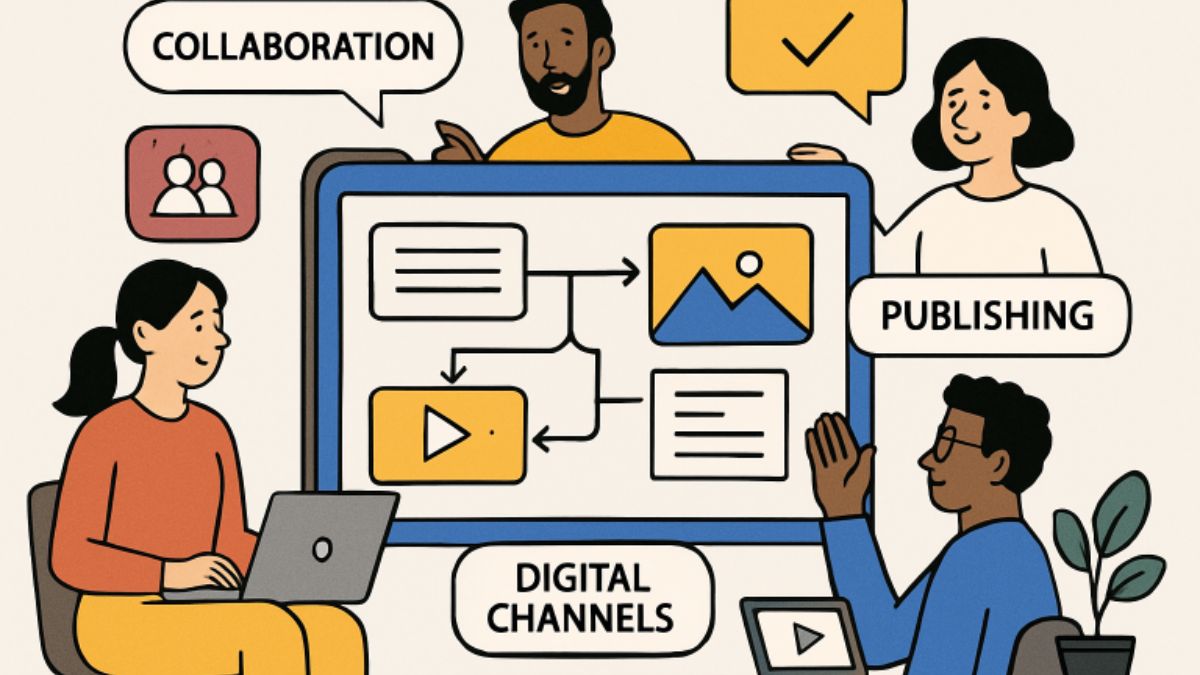
Organizations today produce a steady flow of digital content across websites, internal platforms, and customer touchpoints. As teams expand and communication channels multiply, keeping information organized and up to date can become challenging. A content management system (CMS) helps structure this process by centralizing content creation, editing, storage, and publishing within a single accessible platform. Instead of relying heavily on technical teams for every update, contributors from different departments can collaborate more efficiently while maintaining consistency and accuracy.
A well-implemented CMS also supports clearer workflows and accountability. Features such as permission controls, version tracking, and approval pathways reduce confusion and help teams stay aligned on messaging. Over time, this structured approach improves productivity and reduces the risk of outdated or inconsistent content. When exploring available platforms, organizations may come across providers like Material offers content management solutions as part of their broader evaluation. Ultimately, the value of a CMS lies in its ability to simplify collaboration, strengthen governance, and support sustainable digital operations without adding unnecessary complexity.
Enhancing Collaboration
Collaboration is at the core of high-performing teams, and modern content management systems are specifically built to foster this dynamic. Instead of scattered documents and inconsistent workflows, CMS technology brings contributors together into a single, accessible location. Features like shared workspaces, version control, and real-time editing allow team members to work simultaneously without risking lost information or duplicated effort. Granular permissions ensure that the right people have access, while audit logs provide oversight and accountability. Organizations with strong internal collaboration are more likely to outperform competitors and drive successful digital transformation.
Streamlining Content Creation
User-friendly CMS platforms make it easier for non-technical staff to participate in content creation. Drag-and-drop editors, templating tools, and guided workflows let teams quickly assemble and customize content for each campaign or product launch. Marketers can launch landing pages independently, while writers and designers contribute assets that are instantly accessible to their colleagues. These self-serve capabilities free up IT and development teams to focus on strategic initiatives. Ultimately, streamlined creation means brands can launch campaigns faster, respond to trends, and iterate on their messaging without delays or bottlenecks.
Facilitating Multichannel Distribution
Getting content to audiences wherever they are requires agility and technical flexibility. A headless CMS allows businesses to manage content centrally, then deploy it to a website, ecommerce platform, app, or emerging digital devices with ease. This model not only ensures messaging remains consistent but also drastically reduces manual rework across channels. For example, a retail brand launching a flash sale can synchronize product announcements across its website, mobile app, email, and even voice assistants from a single dashboard. Multichannel readiness helps organizations scale outreach while maintaining quality control, meeting customers wherever they engage.
Leveraging AI for Content Management
Artificial intelligence has elevated what CMS platforms can achieve. Built-in AI tools can automatically tag, categorize, and even generate content, helping teams manage large volumes of information more effectively. Personalization features adapt website messaging based on user preferences, while advanced analytics highlight what is working and where improvements can be made. Natural language processing helps optimize readability, grammar, and SEO. AI-powered content governance also supports regulatory compliance and brand consistency, making it easier for teams to publish trustworthy, polished content at scale.
Improving Compliance and Security
With data breaches and regulatory requirements on the rise, CMS platforms have stepped up their compliance and security features. Automated audit trails track every action, which is crucial for regulated industries such as healthcare and finance. Integrated validation and approval workflows ensure only authorized content goes live, helping protect organizations from accidental or malicious errors. Security updates and access controls are continuously improved to guard against evolving threats, and centralization makes it easier to enforce policies across distributed teams. By embedding these controls in daily workflows, organizations can meet regulatory obligations and safeguard customer and organizational data.
Boosting Marketing and Technical Efficiency
The latest generation of content management systems adopts a modular architecture that supports both marketing agility and technical innovation. Marketers benefit from cloud-based tools that allow for instant campaign launches, A/B testing, and workflow automation. Meanwhile, technical teams can quickly integrate other software or services using APIs and modular plug-ins, keeping digital infrastructure nimble and future-proof. This combination yields higher ROI, faster project delivery, and easier scaling as organizational needs change.
Future Trends in CMS
The future of CMS is shaped by greater integration with artificial intelligence, real-time collaborative editing, and sustainable digital operations. AI will not only generate and personalize content but also offer predictive insights and optimization recommendations. Design systems will increasingly merge with content management, creating environments where shared components can be reused and updated instantly. Meanwhile, headless and static-site approaches powered by the latest cloud technology will improve both performance and energy efficiency. As CMS platforms continue to evolve, businesses must stay informed and adapt to maintain their digital advantage.
Conclusion
Content Management Systems play a pivotal role in empowering teams by enhancing collaboration, streamlining creation, enabling multichannel outreach, and supporting compliance and security. As digital expectations rise and workplace dynamics evolve, a robust CMS provides the structure and flexibility organizations need to succeed. By harnessing the capabilities of modern content management technology, organizations can create and deliver impactful content, drive better outcomes, and remain competitive now and into the future.
-

 TOPIC7 months ago
Symbols of Hope: The 15th Belenismo sa Tarlac
-

 TOPIC7 months ago
“The Journey Beyond Fashion” – Ditta Sandico
-

 NEWS7 months ago
Historical Churches in Manila
-

 TOPIC7 months ago
RIZAL at 160: a Filipino Feat in Britain
-

 TOPIC7 months ago
5 Must-Have Products From Adarna House to Nurture Your Roots
-

 TOPIC7 months ago
Boats with Two Strings
-

 TOPIC7 months ago
“Recuerdos de Filipinas – Felix Laureano”
-

 TOPIC7 months ago
Filipino, alternative language course at Moscow State University