
TOPIC
The Hidden Costs of a Criminal Conviction That No One Talks About


When people think about a criminal conviction, the first consequences that come to mind are usually fines, court appearances, or jail time. While those are serious enough, they are only part of the picture. The long-term effects often continue for years after a case is closed, quietly shaping a person’s future in ways that are not always obvious at first.
A conviction can follow someone into nearly every area of life. Employment opportunities, housing applications, professional licensing, financial stability, and even personal relationships can all be affected. In many cases, these consequences last far longer than any formal sentence.
Understanding these hidden costs is important because it highlights why early legal guidance matters and why decisions made during a case can have long-term ripple effects.
Employment Barriers That Last for Years
One of the most immediate and damaging consequences of a criminal conviction is its impact on employment. Many employers run background checks, and even a single conviction can raise concerns, regardless of how old the case is or how minor the offense may seem today.
Common challenges include:
- Applications being rejected automatically due to background filters
- Loss of professional certifications or security clearances
- Limited access to government or corporate roles
- Reduced earning potential over a lifetime
Even when individuals are qualified, a record can overshadow their skills and experience. This is especially true in competitive job markets where employers have multiple candidates to choose from.
Housing Challenges and Financial Strain
Housing is another area where the consequences of a conviction can quietly build over time. Many landlords conduct background checks before approving rental applications. A criminal record can lead to automatic rejections or require higher deposits and stricter lease conditions.
At the same time, financial strain often increases after a conviction due to:
- Loss of income from unemployment or reduced job opportunities
- Court fines and legal fees
- Higher transportation and living costs due to relocation or job changes
- Limited access to credit or loans
These financial pressures can create a difficult-to-break cycle, especially when stable housing becomes harder to secure.
Professional Licensing and Career Limitations
For individuals in licensed professions such as healthcare, education, finance, or law, the impact can be even more severe. A conviction may trigger disciplinary action or suspension from licensing boards.
Even when a license is not revoked, the process of reporting and reviewing a conviction can delay career advancement or limit future opportunities. Some professionals are required to disclose their record repeatedly throughout their careers, which can create ongoing stress and uncertainty.
Insurance Rates and Financial Penalties
Another lesser-known consequence involves insurance. Many insurance providers adjust rates based on risk factors, including criminal history.
For example:
- Auto insurance premiums may increase significantly after a DUI conviction.
- Home insurance providers may view certain convictions as higher risk.
- Life insurance applications may be more difficult or expensive to secure.
These increases can continue for years, adding another long-term financial burden that many people do not anticipate at the time of sentencing.
Personal Relationships and Social Consequences
Beyond financial and professional impacts, criminal convictions can also affect personal relationships. Trust can become strained, and social stigma may lead to isolation or embarrassment. Family dynamics can shift, especially when financial pressure increases or when legal obligations interfere with daily life. Friendships and community involvement may also decline due to stress, shame, or logistical limitations.
These emotional and social effects are often overlooked but can be just as impactful as financial consequences. Navigating these challenges requires robust legal support, and consulting a skilled criminal defense lawyer in the District of Columbia can help you protect your rights and mitigate these long-term personal impacts.
DUI Convictions and Long-Term Driving Consequences
Driving-related offenses, especially DUIs, carry some of the most extensive hidden costs. Beyond fines and possible license suspension, individuals often face long-term increases in insurance rates, mandatory education programs, ignition interlock devices, and restricted driving privileges.
Accessing legal representation for DUI charges in Maryland can make a meaningful difference in how these cases are resolved. The way a DUI is handled at the beginning can influence sentencing outcomes, license consequences, and long-term financial impact. Even small differences in case outcomes can affect mobility and costs for years to come.
Immigration Consequences That Are Often Overlooked
For non-citizens, criminal convictions can carry serious immigration consequences. These may include visa denial, difficulty renewing legal status, or even removal proceedings in severe cases.
What makes this especially complex is that not all convictions are treated equally under immigration law. Some offenses that appear minor in criminal court can still have major immigration implications.
This is why understanding the broader legal impact of any charge is essential before accepting a plea or resolution.
Steps to Reduce Long-Term Impact
While the consequences of a conviction can be serious, there are ways to reduce their long-term effects:
- Exploring diversion programs or alternative sentencing options
- Seeking record expungement or sealing where eligible
- Staying compliant with all court requirements to avoid additional penalties
- Pursuing rehabilitation or educational programs when available
- Getting legal advice early in the process before accepting plea deals
Each case is different, but proactive steps often lead to better long-term outcomes than reactive decisions.
Conclusion: The Importance of Informed Decisions
A criminal conviction is not just a short-term legal issue. It can shape employment opportunities, financial stability, housing access, and personal relationships for years after a case is resolved.
Many of these consequences are not immediately visible during the legal process, which is why understanding them early is so important. Making informed decisions, seeking appropriate guidance, and considering long-term effects can significantly change a person’s future.
While no system is perfect, awareness and preparation can help reduce the hidden costs that often go unspoken.
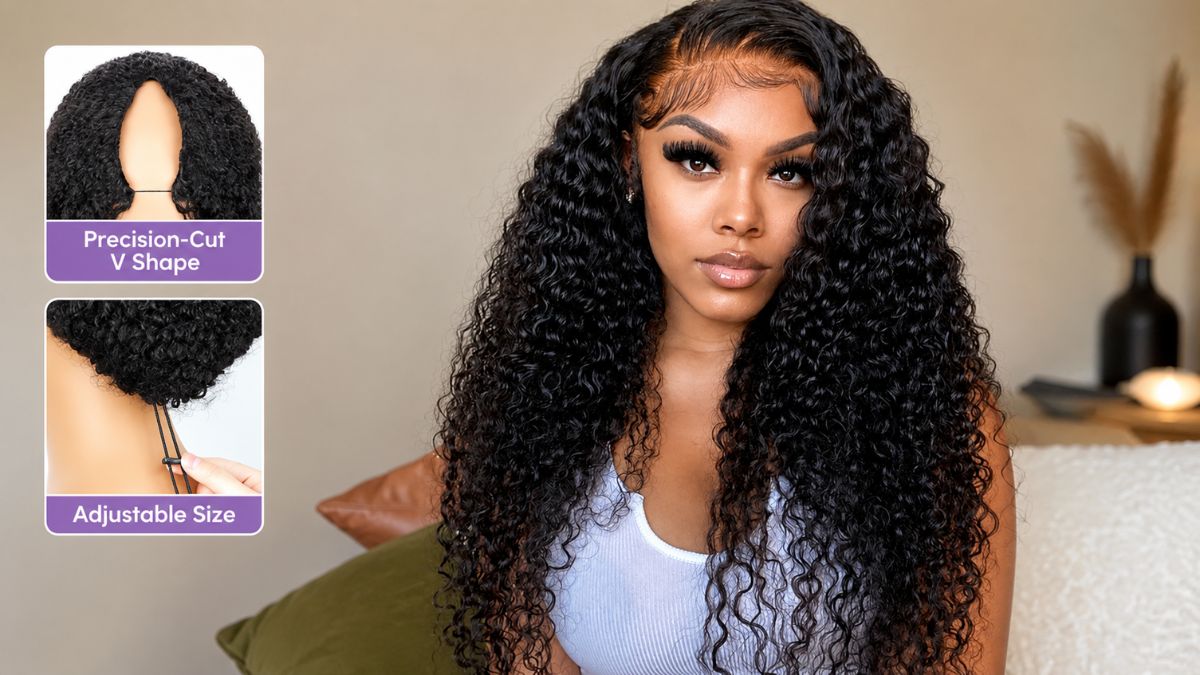
If you’re looking for a wig that offers a natural appearance, easy installation, and everyday comfort, a V part wig is one of the best options available. Unlike traditional lace wigs that often require glue, adhesive, or extensive customization, a V part wig is designed with a V-shaped opening at the top that allows you to blend a small section of your natural hair seamlessly with the wig. This creates a realistic hairline while minimizing styling time.
Whether you’re a first-time wig buyer or an experienced wig wearer, choosing the perfect V part wig requires understanding its features, benefits, hair types, textures, cap construction, and maintenance requirements. This guide covers everything you need to know to make an informed decision.
What Is a V Part Wig?
OQ Hair v part wigs are a type of wig featuring a V-shaped opening near the crown or front of the cap. This opening allows a small amount of your natural hair to be left out and blended with the wig, creating the illusion that the hair is growing directly from your scalp.
Unlike lace front wigs, V part wigs do not require lace cutting, glue, or complicated installation techniques. Most come with adjustable straps and built-in combs or clips that securely hold the wig in place.
The result is a hairstyle that looks natural while being much easier to install and remove.
Why Choose a V Part Wig?
V part wigs have become increasingly popular because they combine convenience with a realistic finish.
Some of their biggest advantages include:
- Natural-looking hairline
- Glue-free installation
- Beginner-friendly design
- Comfortable for all-day wear
- Minimal styling time
- Better airflow than many traditional wigs
- Easy daily removal
- Protective styling option
For many people, a V part wig provides the perfect balance between convenience and beauty.
How Does a V Part Wig Work?
The V-shaped opening exposes a small section of your own hair. After securing the wig, you simply blend your natural hair into the wig using a comb or brush.
Because your own hair creates the visible parting, the overall hairstyle looks much more realistic than many conventional wigs.
Most wearers only need a small leave-out section, making the wig suitable for protective styling while still maintaining a natural appearance.
Human Hair vs. Synthetic V Part Wigs
One of the first decisions you’ll make is choosing between human hair and synthetic hair.
Human Hair V Part Wigs
Human hair wigs offer the most natural appearance and feel.
Benefits include:
- Realistic texture
- Natural movement
- Heat styling compatibility
- Can be dyed or toned
- Longer lifespan with proper care
- Easier blending with natural hair
Although they typically cost more, human hair V part wigs are often considered a worthwhile investment because of their versatility and durability.
Synthetic V Part Wigs
Synthetic wigs are a more affordable alternative.
Advantages include:
- Lower purchase price
- Ready-to-wear styles
- Minimal daily styling
- Lightweight construction
- Easy maintenance
However, synthetic fibers generally have a shorter lifespan and cannot always tolerate heat styling unless specifically labeled as heat-resistant.
Choosing the Right Hair Texture
Selecting the correct texture helps your wig blend naturally with your own hair.
Popular texture options include:
Straight
Perfect for sleek, polished styles and professional looks.
Body Wave
Offers soft, flowing waves that add natural movement and volume.
Loose Wave
Creates relaxed waves suitable for everyday wear.
Deep Wave
Provides fuller curls with noticeable definition.
Curly
Ideal for bold volume and textured hairstyles.
Kinky Straight
Closely resembles natural blown-out textured hair.
Kinky Curly
Excellent for individuals with naturally curly or coily hair who want a seamless blend.
Choosing a texture similar to your natural hair usually produces the most realistic results.
Selecting the Right Hair Length
V part wigs come in various lengths to suit different preferences.
Short (8–12 inches)
- Easy to maintain
- Lightweight
- Great for beginners
- Professional appearance
Medium (14–18 inches)
- Most versatile option
- Suitable for everyday styling
- Easy to manage
Long (20–30 inches)
- Dramatic appearance
- More styling flexibility
- Ideal for glamorous hairstyles
Your lifestyle, styling habits, and maintenance preferences should influence your length selection.
Understanding Hair Density
Hair density determines how thick the wig appears.
Common density levels include:
130% Density
- Natural everyday fullness
- Lightweight
- Beginner-friendly
150% Density
- Most popular option
- Balanced volume
- Natural appearance
180% Density
- Fuller look
- Great for styling
- More glamorous appearance
200%+ Density
- Maximum volume
- Best for dramatic hairstyles
- Slightly heavier
For everyday wear, 150% density provides an excellent balance between realism and fullness.
Choosing the Best Hair Color
Selecting the right color can enhance your overall appearance.
Popular colors include:
- Natural Black
- Off Black
- Dark Brown
- Chocolate Brown
- Auburn
- Honey Blonde
- Ash Blonde
- Burgundy
- Ombre Brown
- Highlighted Shades
Choose a color that complements your skin tone and matches your natural leave-out hair for seamless blending.
Features to Look for in a Quality V Part Wig
Not all V part wigs are created equal.
When shopping, consider these important features:
Adjustable Cap
An adjustable cap provides a secure and comfortable fit for different head sizes.
Secure Combs and Clips
Multiple clips help keep the wig firmly in place throughout the day.
Breathable Cap Construction
Breathable materials improve airflow, making the wig more comfortable during long hours of wear.
High-Quality Hair
Premium hair experiences less tangling and shedding while maintaining a soft, natural appearance.
Minimal Shedding
A well-constructed wig should retain its hair with proper maintenance.
How to Install a V Part Wig
Installing a V part wig is simple.
- Braid or flatten your natural hair.
- Leave out a small V-shaped section.
- Place the wig on your head.
- Secure the clips and adjustable straps.
- Blend your natural hair into the wig.
- Style as desired.
Most users can complete the installation within just a few minutes.
Daily Care Tips
Proper maintenance significantly extends the life of your V part wig.
Some helpful habits include:
- Brush gently from ends to roots.
- Wash every 8–12 wears or when product buildup occurs.
- Use sulfate-free shampoo for human hair wigs.
- Deep condition regularly.
- Allow the wig to air dry whenever possible.
- Store it on a wig stand when not in use.
- Avoid excessive heat styling.
- Use lightweight serums to reduce frizz.
Consistent care keeps the wig soft, shiny, and manageable.
Who Should Buy a V Part Wig?
A V part wig is an excellent choice for:
- Beginners
- Busy professionals
- Students
- People seeking protective hairstyles
- Anyone wanting a natural-looking wig without glue
- Wig wearers who prefer quick installation
- Individuals transitioning from extensions or sew-ins
Its versatility makes it suitable for both everyday wear and special occasions.
Common Mistakes to Avoid
Avoid these common errors when purchasing or wearing a V part wig:
- Buying the wrong cap size
- Choosing a texture that doesn’t match your natural hair
- Leaving out too much natural hair
- Neglecting regular cleaning
- Using excessive heat without protection
- Sleeping in the wig regularly
- Using heavy styling products that cause buildup
Proper care and thoughtful selection will help you enjoy your wig for much longer.
Is a V Part Wig Worth It?
For many people, the answer is yes.
A V part wig offers an excellent combination of convenience, comfort, realism, and versatility. It allows wearers to achieve a natural hairstyle without the complexity associated with lace wigs or permanent hair extensions. Whether you choose a sleek straight style, soft body waves, or defined curls, a well-made V part wig can easily become a staple in your beauty routine.
Final Thoughts
Finding the perfect V part wig begins with understanding your personal needs, hair type, preferred style, and lifestyle. Consider factors such as hair material, texture, density, length, cap construction, and color before making your purchase. Investing in a high-quality V part wig and following a consistent care routine will help you enjoy a beautiful, natural-looking hairstyle for months to come.
Whether you’re searching for an easy everyday hairstyle, a protective styling solution, or a realistic alternative to traditional wigs, a v part wig and half wigs delivers exceptional comfort, effortless installation, and timeless style. With the right choice, you’ll enjoy the confidence of a seamless blend and a polished look that’s ready for any occasion.

Your elders need your time, affection, and care in every aspect of your life. They are unable to do many tasks on their own, so they need help from others as they age. At your home, you have seen that when your parents get older, they need to rely on you for care, just as you relied on them when you were a child.
If your parents are going to get older and you’ve determined your parents are no longer able to care for themselves, you are in the right place. Here are some tips that will help you take care of your older adults at home:
1. Find Out Your Parents’ Wishes
When you care for your parents, you should find out their wishes as well. Ask what they want and what they like, and involve them in their care decisions. Before making any arrangements, it’s important to ask them if they’re comfortable with it or want something different.
Whether you’re going to send them to an old house or take care of them at home, asking about their wishes is essential. If your parents are open to receiving support and depend on your decision, proceed to the next step.
2. Seek Professional Help
If you are a busy person and can’t care for your elders at home, you should seek help from professionals. One option is to ask a family member or friend who may be willing to offer support. But if they are not willing and your parents have a chronic disease, you should seek help from professionals.
They are experienced persons who can provide personalized senior care. This personalized care will help your parents receive the care they deserve. You will also have peace of mind that your elders are in safe hands and getting the care they need.
3. Understand your Parents’ Financial Position
When aging parents need help with financing, you should be ready to help. Talk to them and ask about their financial situation. Some seniors may have enough financing to fulfill their needs, while others don’t. So it’s up to you to ask about their needs and pay them monthly so they can easily survive. Having money for their necessities will help with their overall well-being.
If your parents can’t afford elder care, you don’t need to worry; fortunately, there are many programs that can help seniors pay for the care they need.
4. Assess your Parents’ Needs
Every person has different needs, such as eating, traveling, and doing laundry. When your parents get older, they may be unable to perform tasks easily and may need others’ help. Assess how much support your parents need to remain safe and healthy.
Do they need help with laundry? Do they need your help in meal preparation or other household tasks? Do they need help with grooming or personal care activities? Do they have difficulty managing their chronic health conditions? Consider all these things, support them, and make life easier for them.
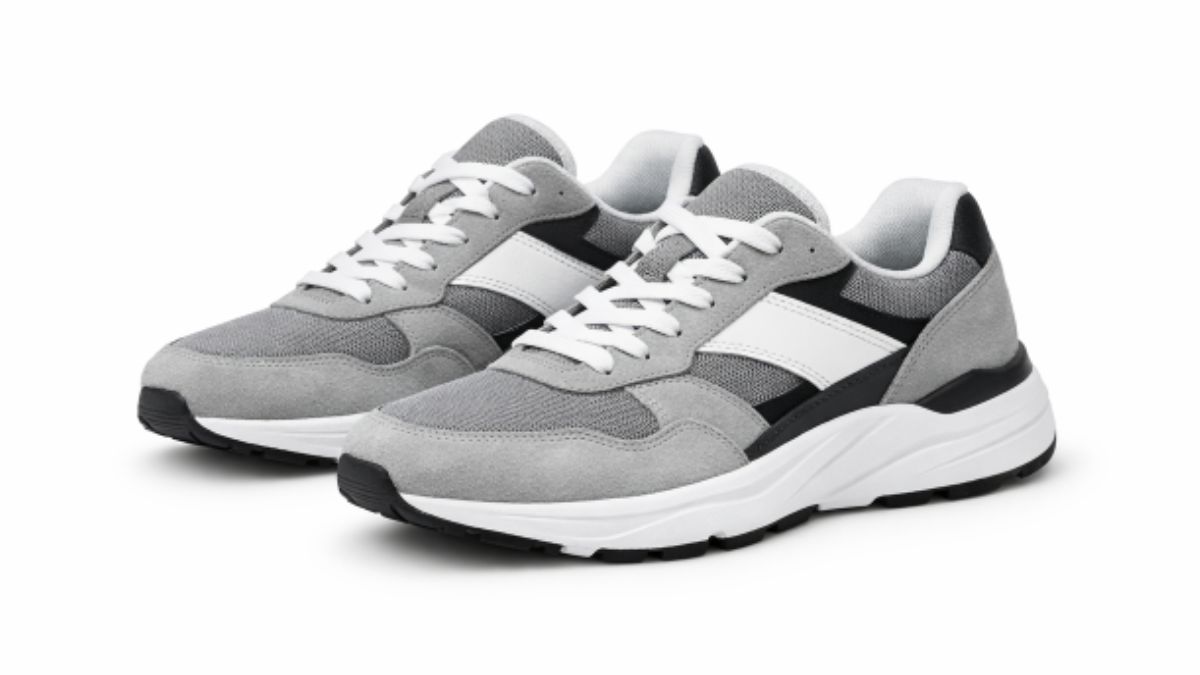
Removing backgrounds from photos can elevate your images, making them more versatile and professional for a wide range of uses. Whether you are creating visual content for e-commerce, social media, or a personal project, having the ability to isolate your subject with a background remover gives you control over the final look and impact of your images. This technique helps concentrate attention on the subject and provides opportunities for creative backgrounds and design elements.
Mastering background removal is especially valuable for product photography, portraits, and marketing materials. Clean cutouts eliminate distractions while allowing you to create a cohesive branding style that makes your content stand out. Digital content creation is becoming increasingly competitive, making attention to detail, such as background removal, more important than ever before.
With an array of intuitive tools and software available, you do not need to be a design expert to achieve professional results. Selecting the best background remover tool for your needs can save time and improve the quality of your photos, whether you are preparing product shots for an online store or enhancing personal photos for creative projects.
If you are interested in exploring background removal in more detail, this guide walks you through essential techniques, recommended tools, and common mistakes to avoid.
Why Remove Backgrounds?
Background removal streamlines photos by placing the emphasis squarely on the subject, whether it is a person, product, or object. This is vital for online sales, as images without distracting elements are proven to convert better according to Shopify’s product photography tips. For social media, images with clean backgrounds can improve engagement and enhance brand storytelling.
Design flexibility is another advantage. By removing the original background, you can overlay your subject onto new scenes, vibrant designs, or brand colors, creating a final image suitable for advertisements, catalogs, presentations, and more. This versatility is why modern content creators, marketers, and photographers rely on background removal for high-quality results.
Tools for Background Removal
The market offers several options for removing backgrounds, each with unique strengths:
- Adobe Photoshop: Advanced software ideal for precise edits through manual selection tools like the Magic Wand or Pen Tool. Requires a subscription and is best suited for experienced users.
- Canva: Provides a user-friendly background remover, perfect for quick edits and creating composite layouts without a steep learning curve.
- Remove.bg: AI-driven online tool that automatically detects and removes backgrounds in seconds, even from detailed areas like hair or fur.
- GIMP: Free and open-source, offering many Photoshop-style features for those seeking robust editing capabilities without the cost.
For beginner or occasional users, web-based tools like Remove.bg and Canva are great starting points. For detailed, professional work on projects that demand high precision, Photoshop or GIMP is a better choice. Refer to this detailed guide for a comprehensive comparison of common background removal methods.
Step-by-Step Guide to Background Removal
The process of removing a background may vary by tool, but there are common steps that apply universally:
- Choose the Right Tool: Assess your project needs and pick the software or online tool that best suits your level of expertise and the complexity of your images.
- Upload Your Image: Open your image file in the selected application or upload it to an online platform.
- Select the Background: Use selection features such as the Magic Wand, Quick Selection, or Lasso Tool to define the background area you wish to remove.
- Remove the Background: Delete or hide the selected background section by applying a mask or directly erasing it.
- Refine the Edges: Enhance the contours of your subject using feathering, smoothing, or refining edge tools to ensure the cutout looks natural.
- Save the Image: Export your finished image in a format that supports transparent backgrounds, such as PNG, to maintain image integrity for future use.
Tips for Precise Background Removal
- Use High-Quality Images: Start with high-resolution photos, which make it easier to distinguish the subject from the background and yield better final results.
- Pay Attention to Edges: Zoom in on detailed areas like hair, fur, or intricate jewelry to make careful adjustments. Crisp edges ensure the subject looks natural against any new background.
- Use Layer Masks: When possible, use layer masks to hide the background rather than permanently delete it, enabling non-destructive edits and easy revisions.
- Adjust Tolerance Levels: When using selection tools, tweak tolerance settings to prevent parts of the subject from being unintentionally removed along with the background.
Professional editors recommend frequent previews of your work at different zoom levels to spot areas that need further refinement, as discussed in Creative Bloq’s image editing tutorial.
Common Mistakes to Avoid
- Over-Editing: Excessive retouching or blurring can give the subject an unnatural, artificial appearance. Stick to minimal corrections where possible.
- Ignoring Shadows: Removing a shadow can flatten an image, making it appear unrealistic. Where appropriate, retain natural shadows or recreate them after background removal to add depth to your composition.
- Low-Quality Outputs: Saving the image in a low-resolution format can result in pixelation and loss of detail. Always ensure your final file maintains the quality needed for its intended use.
Conclusion
Becoming adept at background removal adds immense value to your photography and content creation skills. By understanding the importance of focusing on the subject, using the right tools, and following best practices, you can achieve clear, engaging, and professional visuals suitable for both personal and commercial projects. Regular practice, attention to detail, and learning from industry resources will ensure your work continues to improve and stand out in any competitive environment.
-

 NEWS12 months ago
Historical Churches in Manila
-

 TOPIC12 months ago
Symbols of Hope: The 15th Belenismo sa Tarlac
-

 TOPIC12 months ago
RIZAL at 160: a Filipino Feat in Britain
-

 TOPIC12 months ago
“The Journey Beyond Fashion” – Ditta Sandico
-

 TOPIC1 week ago
Unveiling AvTub: Your Ultimate Guide to the Best AV Content
-

 TOPIC12 months ago
5 Must-Have Products From Adarna House to Nurture Your Roots
-

 TOPIC12 months ago
Filipino, alternative language course at Moscow State University
-

 TOPIC12 months ago
“Recuerdos de Filipinas – Felix Laureano”