
HEALTH
Prognosis vs Diagnosis: Understanding Key Medical Insights in Mental Health


In the field of mental health and medical care, it’s crucial to prognosis vs diagnosis and understand how these concepts shape treatment decisions, patient expectations, and recovery planning. While these terms are often used interchangeably in casual conversation, they hold very distinct meanings in clinical practice. For healthcare providers, patients, and caregivers, recognizing the difference between prognosis and diagnosis can significantly improve understanding of a condition and the path toward recovery.
This guide explores the definitions, applications, and differences between prognosis and diagnosis, particularly in mental health and addiction treatment, and demonstrates why these distinctions are essential for effective care planning.
What is a diagnosis?
A diagnosis is the process of identifying a disease, disorder, or condition based on a patient’s symptoms, medical history, and diagnostic testing. In mental health, diagnosis involves recognizing patterns of emotional, behavioral, or cognitive symptoms that meet the criteria of specific psychiatric disorders.
For instance, a clinician might diagnose generalized anxiety disorder after observing persistent worry, restlessness, and sleep disturbances that meet established clinical criteria. Similarly, depression is diagnosed based on mood, energy levels, and behavioral changes over a defined period. Accurate diagnosis serves as the foundation for effective treatment and intervention.
The Role of Diagnosis in Mental Health Treatment
Diagnosis provides clarity for both clinicians and patients. It allows mental health professionals to:
- Understand the underlying condition influencing behavior or emotions.
- Determine appropriate treatment strategies, including therapy types and medications.
- Communicate effectively with patients, families, and other care providers.
In addiction treatment, a diagnosis can identify co-occurring mental health conditions that may complicate recovery, such as depression or post-traumatic stress disorder. Proper diagnosis ensures that interventions target both substance use and related psychological conditions simultaneously.
What Is Prognosis?
Prognosis refers to the predicted course and outcome of a medical or psychiatric condition. Unlike diagnosis, which identifies the condition, prognosis estimates the likelihood of recovery, improvement, or potential complications.
In mental health care, prognosis considers multiple factors, including the severity of symptoms, response to previous treatment, support systems, and the presence of co-occurring disorders. For example, an individual diagnosed with major depressive disorder may have a favorable prognosis if they respond well to therapy and maintain social support, whereas chronic conditions or untreated comorbidities may indicate a more guarded prognosis.
How Prognosis Guides Mental Health Recovery
Prognosis is essential for treatment planning and patient education. Understanding the likely course of a condition allows clinicians to:
- Set realistic expectations for recovery and symptom management.
- Identify potential obstacles and plan interventions accordingly.
- Monitor progress and adjust treatment strategies proactively.
For individuals with substance use disorders, prognosis can guide decisions about the intensity and duration of treatment programs. It also helps patients and families prepare for potential relapses and develop coping strategies to maintain long-term recovery.
Key Differences Between Prognosis and Diagnosis
While both prognosis and diagnosis are central to medical practice, they serve distinct purposes.
Diagnosis identifies what the condition is, while prognosis predicts what will happen over time. Diagnosis is generally categorical and based on observable criteria, whereas prognosis is probabilistic and influenced by a range of factors, including treatment adherence, lifestyle choices, and environmental support.
In mental health:
- Diagnosis helps categorize symptoms into recognized disorders.
- Prognosis provides insight into the expected course, recovery timeline, and potential complications.
Understanding both concepts allows clinicians to provide more personalized, effective care.
Common Misconceptions
A common misconception is that a poor prognosis equates to an inaccurate diagnosis. In reality, a diagnosis can be correct even if the condition is severe or chronic. Similarly, a favorable prognosis does not imply that the disorder is mild; it may indicate strong responsiveness to treatment.
Another misunderstanding is assuming that prognosis is static. Prognosis can change based on treatment outcomes, patient engagement, and lifestyle modifications. Mental health recovery is often non-linear, making flexibility in prognosis essential.
The Interplay Between Diagnosis and Prognosis in Addiction Treatment
In addiction treatment, understanding both diagnosis and prognosis is crucial. A comprehensive diagnosis identifies the type of substance use disorder and any co-occurring psychiatric conditions. Prognosis then guides clinicians on treatment intensity, duration, and necessary support mechanisms.
For example, a patient with alcohol use disorder and concurrent anxiety may require both cognitive-behavioral therapy and medication management. Prognosis helps determine the likelihood of sustained sobriety, the potential for relapse, and the long-term support required to maintain recovery.
How Prognosis and Diagnosis Improve Patient Engagement
Educating patients about the difference between prognosis and diagnosis empowers them to participate actively in their care. When patients understand their diagnosis, they gain clarity on what they are experiencing and why certain treatments are recommended. Understanding prognosis helps patients set realistic expectations, recognize milestones, and remain motivated throughout recovery.
This knowledge reduces anxiety about the unknown, encourages adherence to treatment plans, and fosters collaboration between patients and healthcare providers.
Practical Examples in Mental Health
Consider a patient diagnosed with major depressive disorder:
- Diagnosis: Major depressive disorder, moderate severity.
- Prognosis: Good, with the likelihood of improvement within several months through therapy, lifestyle changes, and possible medication.
Now consider a patient with bipolar disorder and chronic substance use:
- Diagnosis: Bipolar disorder, co-occurring substance use disorder.
- Prognosis: Guarded, due to the complexity of managing both conditions and the higher risk of relapse.
These examples illustrate how prognosis contextualizes the diagnosis and informs treatment planning.
Integrating Prognosis and Diagnosis in Clinical Practice
Clinicians often integrate diagnosis and prognosis throughout the treatment process. Initial diagnosis guides treatment selection, while ongoing assessment of prognosis informs adjustments to therapy and recovery plans. Regular re-evaluation ensures that both short-term interventions and long-term strategies remain effective and aligned with patient needs.
In mental health and addiction recovery, this integrated approach promotes personalized care and maximizes the likelihood of positive outcomes.
The Importance of Accurate Medical Communication
Accurate communication of diagnosis and prognosis is essential for building trust between clinicians, patients, and families. Misunderstanding either term can lead to confusion, unrealistic expectations, or disengagement from treatment. Clear explanations allow patients to make informed decisions, understand potential challenges, and actively participate in their recovery journey.
Final Thoughts
Understanding the difference between prognosis vs diagnosis is fundamental for effective mental health care and addiction treatment. Diagnosis identifies the condition, while prognosis predicts the likely course and outcome. Together, they provide a roadmap for clinicians, patients, and caregivers to navigate treatment, recovery, and long-term well-being.
By recognizing how these concepts interplay, mental health professionals can deliver personalized, evidence-based care that addresses both symptoms and recovery potential. For trusted, clinically grounded insights into mental health education and treatment strategies, Treat Mental Health continues to provide essential guidance for patients and providers alike.

If you are addicted to drugs or alcohol or know someone who is, then it is important to understand that recovery from an addiction is not an overnight process. In fact, recovery involves physical recovery, emotional recovery and the gradual creation of healthier routines.
While professional therapy and structured rehab programmes are widely recognised as essential parts of professional addiction recovery, nutrition is often overlooked. However, we all know that the food someone consumes is incredibly important to their health, and the same can be said during detox and rehab recovery. What you eat will have a profound impact on your physical health, your mood and your long-term resilience when it comes to addiction recovery.
For individuals recovering from a substance addiction, their body will most likely be lacking the nutrients it needs to heal. This is why raw, whole foods which are rich in vitamins, minerals, enzymes and antioxidants will have a huge role in supporting an individual’s recovery. By helping the body repair itself after prolonged substance abuse, a raw food’s diet will definitely strengthen the individual’s body and put it in the best place possible for recovery.
In the same breath, when it comes to addiction recovery, it’s also important to understand that nutrition is not a quick fix. However, it can become a powerful tool alongside professional therapy and a medical detox.
Understanding the Impact of Poor Nutrition During Addiction
Substance abuse and long term addiction puts a heavy strain on the body. Many people experiencing addiction develop poor eating habits. This includes skipping meals entirely or relying heavily on quick, easy and processed foods.
Likewise, certain substances can also suppress an individual’s appetite and interfere with their body’s ability to absorb nutrients properly. This means that even if they are eating a healthy diet, their body isn’t benefiting from it. This will result in a poor immune system, low mood and frequent fatigue.
As a result of this, individuals entering a detox or rehab programme often face multiple nutritional deficiencies including low levels of vitamin B, magnesium, zinc and certain essential fatty acids.
During this time, the body’s organs will be under stress. For example, prolonged alcohol abuse will affect liver health, digestion health and poor blood sugar regulation. During a detox and the early stages of rehab, the body must work extremely hard to restore balance, which is where a good diet comes in.
Whole, raw foods provide a high level of natural nutrients without the unhealthy additives or refined sugars that are commonly found in heavily processed meals. Introducing these foods into a recovery diet can help improve your energy levels and support the body’s healing.
What Exactly Are Raw Foods?
Whilst lots of people have heard of raw foods, not everyone knows what they are. Raw foods generally refer to foods that are unprocessed. They are also usually either uncooked or prepared at low temperatures. The goal of raw foods is to preserve natural enzymes, vitamins and minerals that will usually get lost through heavy processing or high heat when cooking.
Common examples of raw foods include fresh fruits, raw vegetables, nuts, seeds, grains, legumes, cold-processed oils and raw juices. All of these foods tend to be rich in antioxidants, fibre and phytonutrients, all of which can contribute to better overall health.
For people navigating addiction recovery, raw foods will play a huge role in supporting digestion, boosting nutrient intake and providing you with sustained energy throughout the detox and rehab process.
Supporting Your Body During Detox
If you are looking to recover from a drug or alcohol addiction, then you will likely need to undergo a medical detox. A medical detox is often the first step when it comes to addiction treatment and long term recovery.
During this period, the body begins to clear harmful and addictive substances from the body. Whilst doing so, withdrawal symptoms can vary widely depending on the substance involved. However, some of the most common symptoms include fatigue, tremors, headaches, irritability, sleep issues, flu like symptoms and digestive issues.
This is why a nutrient-dense diet can help ease this transition whilst your body is trying to find a new normal. During this time, you should try to eat as much raw food as possible. For example, fresh fruits and vegetables contain vitamins that assist the body’s detoxification systems, particularly within the liver.
Likewise, foods that are rich in vitamin C such as oranges, berries and leafy greens better support immune function. Meanwhile, raw vegetables like carrots and cucumbers provide fibre and hydration that helps to maintain healthy digestion during the detox process.
As mentioned briefly above, hydration is another key factor when it comes to a successful recovery and is one that should not be overlooked.
Luckily, raw foods contain a high water content, which supports the body’s natural cleansing processes and lymphatic draining symptoms.
During this time, smoothies are a great option. Smoothies made with spinach, banana, berries and plant-based milks can offer both hydration and nourishment at a time when appetite may be low during a medical detox.
Stabilising Your Mood and Energy
One of the most challenging aspects of addiction recovery is managing the emotional and psychological changes that occur during a detox. During the detox stage, people often experience frequent mood swings, anxiety and difficulty when trying to concentrate.
During this time, nutrition plays an important role in regulating these issues. For example, blood sugar fluctuations can intensify feelings of irritability and fatigue. This is where whole foods come in. Whole foods, particularly those high in fibre and natural carbohydrates help release energy more steadily throughout the day, reducing the amount of mood swings that you will experience.
Likewise, bananas, apples, oats, nuts and seeds are excellent examples of foods that provide you with sustained fuel throughout the day.
In addition to this, raw almonds and walnuts also contain healthy fats and magnesium, both associated with improved nervous system function.
Certain nutrients also influence brain chemistry. For example, vitamins B, commonly found in leafy greens, avocados and sprouts are involved in the production of neurotransmitters that are closely linked to mood regulation.
Repairing Your Gut and Digestive System
Unfortunately, when someone suffers from addiction, their digestive system will likely be disrupted. For example, alcohol and other addictive substances such as heroin or cocaine can irritate the stomach’s lining and damage your gut bacteria.
This may lead to a number of different issues including bloating, poor nutrient absorption and digestive issues.
Raw foods that are rich in fibre can help restore healthy digestion by supporting the growth of healthy gut bacteria. Certain fermented foods may also support gut health. For example, foods such as sauerkraut, kimchi and certain yoghurts contain lots of probiotics that will help the gut microbiome in the body.
Rebuilding Your Physical Strength
Unfortunately, when someone suffers from an addiction their physical strength will be reduced. This is because substance abuse often leads to a number of different issues including fatigue and muscle weakness.
Again, this is where diet comes in. Raw foods such as some of those listed above can contribute to muscle repair, better immune function and an increase in energy. For example, nuts, seeds and legumes provide high levels of protein.
Likewise, green vegetables such as kale, spinach and broccoli are highly rich in antioxidants which work to reduce inflammation within the body.
Many individuals in recovery also benefit from light exercise during their treatment and recovery. For example, exercises such as yoga or speed walking can be incredibly helpful as part of someone’s rehab programme.
Conclusion
Recovery from an addiction is all about rebuilding a healthier relationship with habits, relationships and routines. This includes relationships with people, routines and food.
When recovering from an addiction, your diet will play a huge role in your recovery. During this time, you should try to eat as many whole and raw foods as possible. Combined with therapy, peer support and a structured, professional rehab programme, nutrition becomes an important tool when it comes to recovery.
Small choices such as choosing fresh fruit over processed snacks or preparing a nutrient rich smoothie can accumulate into long term recovery and meaningful change. In the same breath, it is important to understand that healing from addiction takes time. However, by supporting the body with the right nutrients, you are putting yourself in the best possible position to recover from your addiction.
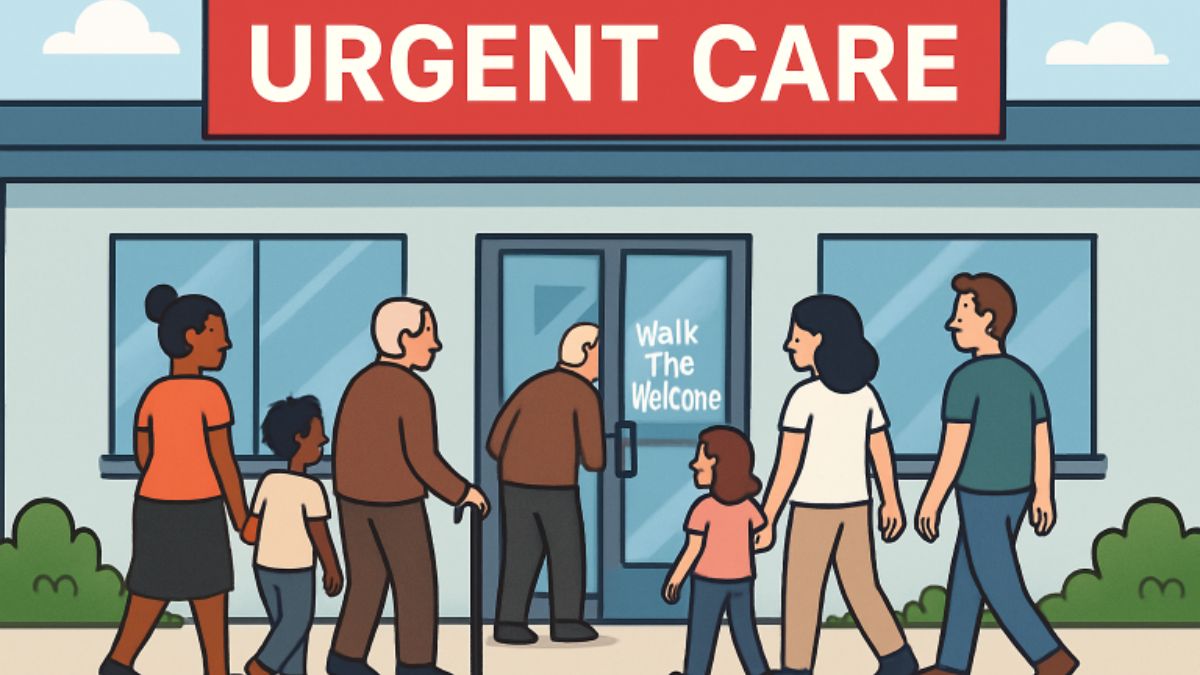
When a sudden illness or minor injury disrupts your day, access to timely medical care can make all the difference. walk in urgent care clinics, such as Care Station Medical Group, provide a practical solution by offering immediate care from a team of experienced medical professionals across multiple locations in New Jersey. Care Station Medical Group is recognized for its dedication to patient-centered service, modern clinics, and a broad range of healthcare options, making it a respected authority in urgent medical care. The brand’s experience and presence in New Jersey and the surrounding areas make Care Station a reliable partner for families and individuals seeking prompt, quality medical attention. Unlike traditional primary care offices, which may require appointments days or even weeks in advance, walk-in clinics are designed for efficiency. They allow patients to bypass scheduling delays and receive treatment quickly, providing reassurance and relief when urgent, but non-life-threatening, medical situations arise.
Immediate Access to Medical Care
One of the principal benefits of walk-in urgent care clinics is their ability to see patients without prior appointments. This model is ideal for minor injuries, acute illnesses, and conditions that require prompt attention but do not warrant a visit to the emergency room. Immediate access means individuals are less likely to postpone treatment, reducing the risk of complications from untreated health issues. These clinics incorporate streamlined check-in processes, experienced medical staff, and on-site diagnostics. This blend of convenience and expertise enables swift evaluation and initiation of care, offering patients and their families peace of mind.
Cost-Effectiveness of Urgent Care
The cost of healthcare can be a major concern for many. Walk-in urgent care clinics stand out as a more affordable option than the high costs of emergency room visits for non-emergencies. Patients can expect lower co-pays and fees while still benefiting from high-quality medical care. This cost-saving feature makes urgent care especially appealing to those with high-deductible insurance plans, the uninsured, or families seeking to manage healthcare expenses without compromising quality.
Comprehensive Services Offered
Walk-in urgent care clinics are equipped to manage a wide array of health concerns, from common colds and flu symptoms to cuts, sprains, or mild infections. Many facilities have on-site X-ray equipment, labs for rapid testing, and the capability to treat a wide range of injuries and illnesses. This comprehensive approach means patients can receive both diagnosis and treatment in one visit, reducing the need for referrals or multiple appointments. According to research from the Centers for Disease Control and Prevention (CDC), many ER visits could safely be redirected to urgent care centers, demonstrating the effectiveness and versatility of this care model.
Extended Hours and Flexibility
Unlike most primary care providers, urgent care clinics often operate during evenings, weekends, and even holidays. This extended scheduling provides essential flexibility, ensuring that patients are not forced to take time off work or school to receive medical attention. It especially benefits those with unpredictable schedules or busy lifestyles, making healthcare more accessible for everyone in the community.
Reducing Emergency Room Congestion
By managing non-life-threatening conditions, urgent care clinics play a significant role in easing the pressure on overburdened emergency departments. When patients use urgent care for minor ailments instead of the ER, emergency rooms can prioritize critical cases, improving outcomes for those with severe or life-threatening conditions. Data published reveals that such patient redistribution leads to more efficient hospital operation, shorter ER wait times, and enhanced quality of care system-wide.
Care Station Medical Group: Your Trusted Partner
Care Station Medical Group is an established provider of walk-in urgent care services, delivering prompt, comprehensive care across multiple locations in New Jersey. Their commitment to patient-centered service and investment in advanced medical technology has helped thousands of area residents access the treatment they need, when they need it the most. With an expert team and a broad scope of available services, Care Station Medical Group continues to set the standard for high-quality urgent care in the region.
Frequently Asked Questions
What types of conditions can be treated at a walk-in urgent care clinic?
Typical conditions treated include minor injuries such as cuts, sprains, and burns; illnesses such as sore throats, respiratory infections, earaches, and the flu; and mild allergic reactions.
Do I need an appointment to visit a walk-in urgent care clinic?
You don’t need to make an appointment. Patients are welcomed on a first-come, first-served basis, ensuring quick and accessible care.
Are walk-in urgent care clinics more affordable than emergency rooms?
For non-emergencies, urgent care clinics generally offer lower out-of-pocket costs and co-pays compared to emergency departments, making them a cost-effective option.
What are the operating hours of most walk-in urgent care clinics?
Most urgent care clinics are open during evenings and weekends, with some locations providing services every day of the year, including holidays.
How do walk-in urgent care clinics help reduce emergency room congestion?
By treating non-life-threatening health concerns, urgent care clinics help ensure that hospital emergency rooms remain focused on the most critical and severe cases.
Conclusion
Walk-in urgent care clinics play an essential role in today’s healthcare system by providing fast, affordable, and accessible treatment for non-emergency medical concerns. With services ranging from illness diagnosis to minor injury care, these clinics allow patients to receive prompt medical attention without the long wait times or higher costs often associated with hospital emergency rooms. Their extended hours and convenient walk-in model make them a practical choice for individuals and families who need reliable care outside of traditional office schedules. Facilities like Care Station Medical Group demonstrate how modern urgent care centers combine experienced medical professionals, advanced diagnostic tools, and patient-centered service to meet community healthcare needs. By offering comprehensive care and helping reduce congestion in emergency departments, urgent care clinics continue to improve the efficiency and accessibility of healthcare for patients across New Jersey and beyond.

Life moves fast, and stress often follows close behind. Many people think they need an hour of quiet meditation to find peace. That is not always true when your schedule is packed.
You can find relief in just a few minutes with the right methods. These tricks fit into a busy day without much effort. Finding small ways to reset can keep your mind sharp and your body relaxed. It takes less time than you think to feel better.
Breathe Your Way To Calm
Deep breaths can change how your body feels almost instantly. A government health portal mentions that deep breathing is one of the easiest ways to find relaxation. You do not need a special room or music to try this. Just focus on slow air movement for a minute or 2.
This practice helps lower your heart rate. It signals to your brain that you are safe and calm. You can do this at your desk or in your car. It is a tool you always have with you. Taking a break to breathe costs $0 and works every time.
Natural Remedies
Plants offer many ways to help the body process tension. If you are curious about what certain weed strains or other plants do, a click here and there on the right website can provide the information needed to pick the best natural options. You might find that specific herbal blends help more than others.
Some people prefer green tea for a mild lift. Others look for stronger botanical options to help them unwind after work.
The variety of choices means there is something for everyone. Natural paths often feel more sustainable for long-term health. Finding the right balance takes a bit of personal testing.
Working with nature is a tradition that spans centuries. People have used leaves and flowers to settle their nerves for ages. Modern science now helps us understand why these things work. You can explore different flavors and scents to find your favorites.
Movement for a Better Mood
Getting your heart pumping is a great way to burn off steam. A major medical center explains that aerobic exercise helps the body release endorphins. These are natural chemicals, and they help lift your mood.
A 10-minute brisk walk can make a huge difference. Moving your body shifts your focus away from mental worries. It provides a physical outlet for the energy that stress creates. Regular activity helps maintain a positive outlook over time.
Try a quick jog or some jumping jacks in your living room. Physical movement changes your internal chemistry. Even a short burst of activity counts toward your health goals.
Sweet Treats For Stress
What you eat can impact how you handle a tough day. A university study found that dark chocolate can regulate cortisol levels. Stable metabolism is another benefit of this tasty snack.
You only need a small piece to see an effect. It is a simple way to treat yourself and calm your nerves. Choosing high-quality chocolate with more cocoa is usually better. It turns a quick break into a functional health choice.
Treating yourself can be part of a healthy routine. You do not have to feel guilty about a small indulgence. Focus on the taste and texture as you eat.
Simple Physical Changes
Your environment and physical state play a big role in your mood. Sometimes a small shift in your surroundings clears your head. Try these quick adjustments:
- Stretch your neck and shoulders for 30 seconds.
- Drink a glass of cold water.
- Step outside for fresh air.
- Listen to 1 upbeat song.
These actions take very little time but offer a mental reset. They break the cycle of constant work or worry. You might find that one specific habit works best for you. Keeping these options in mind helps when things get hectic.
A change of scenery can stop a spiral of negative thoughts. Even looking out a window for 5 minutes helps. Small physical shifts tell your brain that the work day is not the only thing happening. It gives you a sense of space and time.
Connect With Your Senses
Engaging your senses is a fast way to ground yourself. Try focusing on the sounds around you for a moment. You might hear the hum of a fan or bird songs outside.
Smell is another powerful tool for relaxation. Using a bit of lavender oil can change your mood in seconds. It is a tiny action that helps you feel centered. You can keep a small bottle at your desk for busy days.
Small Daily Habits
Consistency is key when managing daily pressure. You can build 5-minute habits that keep your baseline stress low. Perhaps you spend 5 minutes journaling every morning. Maybe you tidy your workspace before you start the day.
These small acts create a sense of control. When you feel in charge of your space, you feel less overwhelmed. Tiny wins add up to a much calmer lifestyle.
Set a timer to remind you to take these breaks. It is easy to forget when you are focused on a task. A simple alarm can be the nudge you need. Making self-care a habit helps you stay healthy.
Managing stress does not have to be a full-time job. You can use these quick tricks to stay balanced throughout the week. Whether it is a snack or a short walk, these moments matter. Taking care of your mental health is a journey of small steps.
-

 TOPIC8 months ago
Symbols of Hope: The 15th Belenismo sa Tarlac
-

 TOPIC8 months ago
“The Journey Beyond Fashion” – Ditta Sandico
-

 NEWS8 months ago
Historical Churches in Manila
-

 TOPIC8 months ago
RIZAL at 160: a Filipino Feat in Britain
-

 TOPIC8 months ago
5 Must-Have Products From Adarna House to Nurture Your Roots
-

 TOPIC8 months ago
Boats with Two Strings
-

 TOPIC8 months ago
“Recuerdos de Filipinas – Felix Laureano”
-

 TOPIC8 months ago
Filipino, alternative language course at Moscow State University