
TOPIC
Pinoy Power on the Pitch

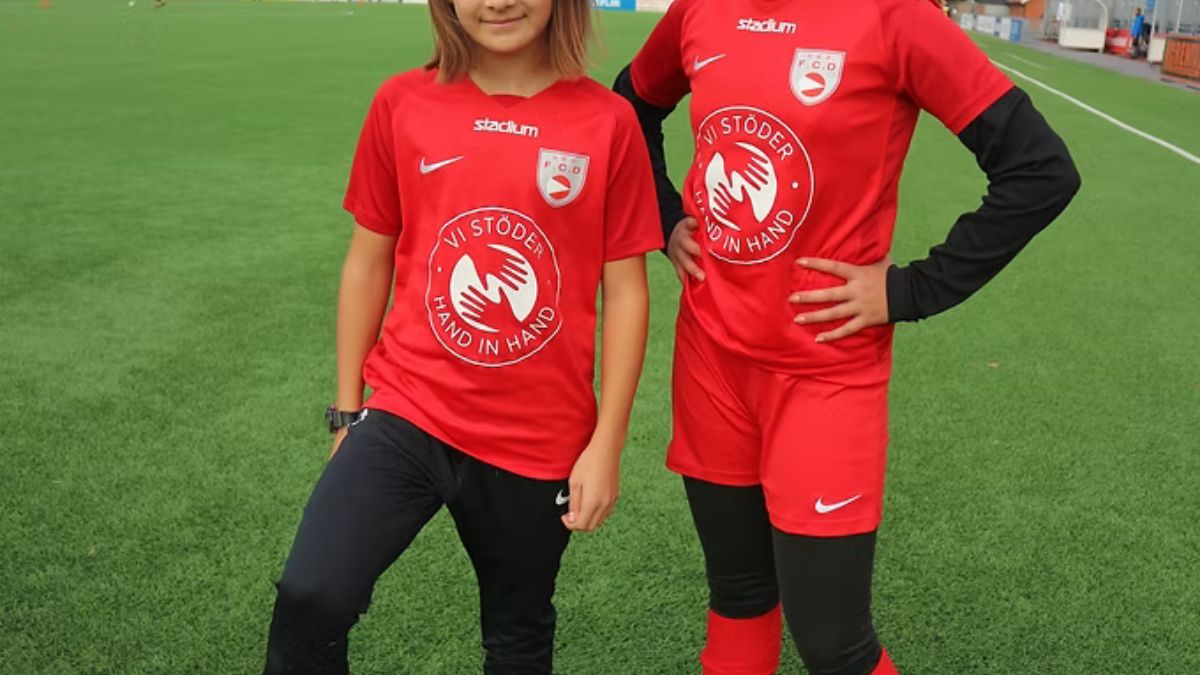
Two Filipina-Swedish soccer players pack a punch on the pitch and help their team to a first-place finish in the World Youth Soccer Cup! There’s something incredible about watching the remarkable change that occurs in children when they play team sports. One moment my daughter is lying contentedly in bed, studying YouTube videos incessantly to improve her slime-making formulas and squishy-repair capabilities, then, the call to arms is announced: “Time to get ready for the game!” and with a yawn and a stretch she’s up and starts getting ready for battle. Like a miniature Gladiator she adorns her “armor” of cleats, shin-guards and fiercely colored uniform, and rushes out onto the battleground where the transformation is complete. The team, pint-sized spitfire packages of energy, on the frontline of the dewy/snowy/frozen pitch (depending on the season in Sweden), allied in challenging foes and crushing enemies. Their individuality disappears and they morph into a single organism, moving in tandem, in a coach-choreographed dance toward, hopefully, victory. The transformation comes full circle only forty minutes later as she rests in the backseat of my soccer mom car, peaceful once again, feeding carrots to her Minecraft farm animals. The World Youth Soccer Cup winning Djursholm’s Soccer Club team F07 with their coaches. The story of the Djursholm Soccer Club girls team F07 (born in 2007 and aged 11) is a modern-day David vs Goliath. All the girls on the team come from the unique community of Djursholm (pronounced Yersh-holm), a small town with a population of just 8,800 people that lies twelve quick minutes north of Stockholm. This small team from the very small town is exceptional, and in their short career, they’ve had remarkable success against clubs from huge cities. Behind these results is the combination of a unique set of circumstances brought together to create a dream team: a physically extraordinary batch of players, each with specific expertise and natural talents in certain positions; outstanding, dedicated coaches; overwhelmingly supportive families; and a nurturing community environment. Sweden is unique in that the soccer association does not allow official scoring to be published until players are 12 years old. However, that doesn’t stop people from counting and in the end everyone still knows the victorious and vanquished team. At the 2017 unofficial National Championship Halör Cup, Djursholm F07 emerged as the best team in Sweden (although they lost the final to Denmark). Regardless, the team bullishly left the tournament scoring a total 29 goals and conceding only 1. Pretty phenomenal. Djursholm F07 was also awarded Team of the Year in 2016 by their soccer club when they won the St Erik’s Cup (the largest soccer cup in Stockholm) for their age group AND for the year older than them (they competed in both age groups at the tournaments simultaneously). In 2018, they claimed the ultimate achievement – first place at the Gothia World Youth Cup, tied with China. The Gothia World Youth Cup, most recently held in July 2018, is the world’s largest junior soccer championship and was attended by 1750 teams from 80 countries. During the week-long tournament Djursholm played against many teams but certain matches were more significant because of the magnitude of the competition. The Djursholm girls met fierce opposition in the game against JSSL Singapore, a club that is affiliated with the famed Arsenal and that hosts Asia’s largest youth soccer championship. Singapore also has the advantage of sourcing their team from a population of 5,600,000 people. Result? Little Djursholm won. Djursholm also competed against a team from Qiongzhong, China, a mountainous region known for cultivating soccer players for five generations. Apparently, years of climbing the mountains have made them incredibly fit, and their reactions and reflexes are supposed to be razor sharp. At the end of the contest Djursholm emerged victorious. Next, Djursholm met their toughest competitors so far: Shanghai’s Jinshan Xingsta, an “academy” team, which means that their school focuses strictly on soccer training and producing elite soccer athletes. They can draw on an enormous Goliath-sized population of 24,000,000 people to source the best of the best players. In complete contrast to the tiny Djursholm Soccer Club which has just one large and one small field where the team practices for 4.5 hours every week, Shanghai’s team, which trains for two hours EVERYDAY, has dozens of soccer fields at their disposal. Abi practices her powerful kicks. As mentioned earlier, the Gothia Cup and the Swedish Soccer Association do not allow results to be displayed at the girls’ age, but anyone who can count can add up the points of the matches and Djursholm emerged triumphant in a shared first place position with Shanghai’s Jinshan Xingsta. At the tournament’s close, both FC Djursholm and Jinshan Xingsta each won six matches and lost one finishing with 18 points each, an outstanding achievement against the toughest possible opposition. The final results of the 2018 Gothia World Youth Cup for girls aged 11: 1) FC Djursholm, 18 points (out of 21 possible) together with Jinshan Xingsta, 18 points, 3) JSSL Singapore, 16 points. Apart from being endowed with unique abilities, the Djursholm F07 team is also partly driven by two Swedish-Filipina players, Abigail (Abi) Fallenius and my daughter Filippa Babes Skarne, both aged 11. Abi started playing soccer at the age of 6 because her big sister Hana played and she accompanied her. Abi’s favorite thing about soccer, in addition to winning, of course, is the team spirit and the rewards that come from her physical and mental efforts including happy endorphins! Abi is the daughter of Swede Peter Fallenius and Filipina Juliet who hails from Banaue in Ifugao Province, Luzon – which is famed for its rice terraces. Juliet has lived in Sweden for 17 years and maintains Filipino traditions with the Filipino Cultural Association of Stockholm, food, music and traditional dances. Peter has been to the Philippines several times, at first for work and then with family, and has fond memories of a friend’s wedding in Nasugbo and a New Year’s Eve in Baguio. “It is a big country, a beautiful country. Lots of opportunities thanks to nice, hard working people,” says Peter. Filippa Babes started playing soccer at the age of 7, a few years after most of her teammates, but took to the game immediately. She inherits her athletic and muscular frame from her father, Filip Skarne, as well as her speed and stamina. She plays the role of striker, responsible for hammering the ball into the net. Filippa has been to the Philippines a handful of times for family occasions, most recently to watch her big sister Cloie represent Sweden as Miss Earth Sweden in the international pageant, and of course Filip was there too. Filip’s favorite place in the Philippines is a tie between the enormous private island in El Nido of our recently deceased friend Eduardo Vaca, who, when not using it privately rented it to networks worldwide to film “Survivor”, and my family’s ancestral home in the Spanish colonial town of Vigan, The Syquia Mansion, now a museum and a UNESCO World Heritage site. Filippa continues to sharpen her skills. The magic of the team is not only in the players of course: if the players are the ingredients, then the coaches are the chefs. The secret sauce of Djursholm F07 lies in the fact that it is coached by three amazing individuals, two of whom are volunteer dads: Jonus Bartholdson (father of player Fabienne), Martin Roos (father of player Mathilda) and Robert Assadkhan, who works at a bank full-time and coaches because of his love for the game. There’s a passion from these three that you can’t put a price on and a dedication that goes beyond anything you could ever find in a 9 to 5 job. I’d say it’s like having your own business: it’s a labor of love and personal pride that is with you 24-7. Coach Robert played at the elite level until he was 18 years old when he started taking coaching courses. He’s now in his 11th year as a youth coach. Robert wanted to work with children and to develop young players. “I had very good coaches myself and wanted to pay it back in a way. I knew it would develop me as a person also,” says Robert. He also shed some light on what makes this team so special. “I came back to the Djursholm club after my session in Djurgården (a prominent Swedish soccer club) and had a few offers on the table. I was offered to coach 16 and 17 year olds at the elite level, both girls and boys, but I wanted something else. I didn’t feel the thrill and motivation that I had earlier. When F07 turned up as an offer, I immediately felt my motivation come back! To work with the girls from an early stage and be able to develop and prepare them for 11–a-side games and higher levels of soccer was really appealing to me. This was a good choice as these girls are fantastic! Not only are they very talented, some of them easily the best in Sweden, but they have also given me the joy and happiness of coaching soccer again. Of course, we win a lot – and it’s fun to win – but it’s not only that: the feelings of friendship, support and always wanting to make progress and learn new things are fantastic!” Dad coaches Jonus and Martin decided together to take over the responsibilities of coaching when they saw their daughters’ team. They both volunteer their time after work and during weekends to train and coach the team. The F07 is the only team at the Djursholm Soccer Club that is being coached by dads. Coach Jonus played professional soccer as a forward in the Allsvenskan (Premier League in Sweden) for three years. “I have had many coaches during my soccer career, some really good ones, some bad ones. I am genuinely interested in helping people to grow, more than just the game itself, so when my daughter started playing matches four years ago, I offered my services to the club to take responsibility for the team. I felt I could help develop them not only as players but also as people,” says Jonus. Coach Martin Roos started his soccer career at the age of 6 and by the time he was 12 was recruited to play for Sweden’s biggest club – AIK. He played in the Junior Swedish Premier League until he, unfortunately, injured both knees at the age of 18 which was sadly the untimely end of his soccer career. He had no plans of being a children’s coach until he saw the team at their first training session and recognized their talent and potential. He and Jonus decided that they wanted to be a part of it. Not all serious training: the girls have some fun on the pitch! “First and foremost, this batch is exceptionally talented, but they also have fantastic cohesion and respect each other as individuals. Last but not least, they undoubtedly have the best coaches one can find,” Martin says with a wink. The familiar saying goes, “It takes a village to raise a child” and Djursholm, with its sleepy one-block-long main street, is a small village. In the US where I was raised, to emphasize the smallness of a place, we call it a “one traffic-light town”. Djursholm doesn’t even have a traffic light in its town center (there are a couple scattered near schools to slow cars down). People often wonder if there is something special in the water in Djursholm or is it true what the recent best-selling Swedish book about the suburb titled: “Djursholm – Making of Leaders” (Mikael Holmqvist) hypothesizes: even though the town is small, the population is mainly made up of successful industry leaders, movers and shakers – many whose families have lived there for generations – that sustain a community that raises its children to be like them, quite simply put: to be winners. Djursholm is to Stockholm what Greenwich is to New York City, and Beverly Hills is to Los Angeles: a small, tight-knit enclave of leaders that through hard work, networking and a sense of togetherness, help their children thrive. The cherry on top of the team’s remarkable success is an extraordinary level of parental involvement. Parent meetings are standing-room only events that at first occupied a conference room in the clubhouse, but now have had to move into the cafeteria for lack of space. Sidelines at away games are well represented with cheering parents, siblings and grandparents and home games, of course, even more so. The world’s greatest athletes come from very different socio-economic backgrounds (Pele from poverty, Ronaldo from poverty, the Williams sisters ‘Straight Outta Compton’ in LA, the list goes on and on) and while there is a lot to be said about how birth month can influence athletic abilities, there are always exceptions. But one thing the majority of successful athletes have in common is this: truly involved parents that encourage their children’s passion and provide a support system to help their participation in the sport. Whether driving them here and there, making sure their uniform and equipment are ready, taking part in supporting their schedules, being part of the planning, or just being on the sidelines and cheering them on to victory. Family involvement, or the lack thereof, is hugely influential and plays a significant role in the success or failure of athletes. Djursholm F07 has enormous parental involvement. At one tournament abroad last year our team had about 15 parents and siblings along and two mom team managers (myself and my amazing co-manager Marie Elmlund – mother of player Julia) with the 12 players – in stark contrast to another team that had just 2 parents with them. The convergence of all of these key advantages has provided the perfect spark for the little dream team in Djursholm and the future looks very promising. There’s talk of possibly participating in Asia’s biggest soccer cup in Singapore where they might meet teams from the Philippines, or perhaps staying closer to home and competing in Barcelona — and there’s always the chance of playing in the Gothia World Youth Cup next year. Until then, the girls will keep on doing what they do best – being kids and having fun and playing hard. As they share unforgettable moments together with their team they’re being meticulously transformed both physically and mentally every day to be victorious both on and off the field. We’ve become an extended family of sorts: coaches like extra parents, teammates like siblings, and hopefully, team managers like me and Marie, as extra moms. The coaches speak about Abi, Filippa and the Philippines: About Abi
“Abi is a well-educated player, very tough to play with 1vs1 and often has a physical advantage, very flexible in her movements.” Robert “Abi is a hardworking and intelligent player. She reads the game well, she passes well, and she has a strong breakthrough capacity coming from behind, either from a defense position or as a wing midfielder.” Jonus “Abi is a very happy and sweet girl. Her strength as a soccer player is that she is very stable, confident in stealing the ball, and is skilled at passing.” Martin About Filippa
“Our own energy source Filippa! Probably the best offensive player I have ever seen or worked with in this age. Has a natural gaze on the goal and is extremely confident and safe with the ball.“ Robert “Filippa is one of the most technically skilled players in the team and our best goal scorer. She is fast, she regains possession of the ball from the opponents a lot and is very skilled in passing and breakthroughs. She also shoots well with both feet.” Jonus “Filippa is a very happy, considerate girl with a sparkle in her eye! She is a typical striker: fast, technical, and a fantastic shot!” Martin About the Philippines:
“The Philippines is a dream vacation. I actually studied a bit about the Philippine freedom fighters Lapu-Lapu and José Rizal in my political studies.” Robert “I’d really like to go to the Philippines one day. I’ve heard from people who have been there that it is incredibly beautiful!” Martin “I would love to go to the Philippines! The climate is warm, it is a great recreational place, and there are lovely people. The economy is also picking up.” Jonus The girls speak about the Philippines From Abi
”My favorite place in the Philippines: Banaue where my mother is from, and our home in Manila My favorite food: Adobo (or as she calls it, ”Mammas special chicken”) and dried mango My favorite things to do: I’m very musical and sing in a choir and play flute. That definitely comes from my Philippine genes! The combination of sports and music/singing improves me both mentally and physically.” From Filippa
”My favorite place in the Philippines – My favorite place is the beach in El Nido and the Boracay Shangri-La My favorite food – Chicken Adobo! My favorite things to do – I love to see my family! My mother has 46 first cousins on my Lolo’s side, so I have so many relatives!” Filippa with mother Jenny and Abi with mother Juliet. About the Author Jenny Syquia Skarne is the Djursholm F07 team manager or “momager” as she prefers. “Never in my wildest of dreams did I ever envision myself being a soccer mom, and definitely not a soccer team manager, but I love it!” The Filipina-American is the daughter of the recently deceased Victor Syquia from Ilocos Sur and American Susan Syquia. Jenny lived in the Philippines for several years working as a commercial model, starring in several movies with Fernando Poe, Joey de Leon, Charlene Gonzales and Ina Raymundo, and hosting the daytime TV show Eat Bulaga. She started her writing career at Vogue in New York City working for Anna Wintour, and then founded and was Editor-in-Chief of Bride Philippines. She is the author of the soon to be released children’s illustrated book, “Cloie’s Be Yourself Style” that you can read more about at www.JennySyquia.com. Check out Filippa’s soccer YouTube channel:
Soccer Girl Filippa Skarne Learn more about the charity supported by the Djursholm Soccer Club: www.HandInHand.nu

Sartreuse is one of those bottles that stops people mid-conversation. The color is almost unreal. The aroma hits first with herbs, then honey, then something medicinal and wild. If you have ever wondered why bartenders guard this French liqueur like a secret, you are in the right place.
This guide explains what the drink actually is, where it comes from, how green and yellow versions differ, and how to use it at home without wasting a drop.
What Is Sartreuse and Why Does It Matter?
Sartreuse is a French herbal liqueur made by Carthusian monks from a secret blend of about 130 plants, flowers, roots, and spices. The recipe traces back to a 1605 manuscript given to the order as an “elixir of long life.” The monks spent more than a century decoding it. Commercial production of the familiar green and yellow styles followed in the nineteenth century.
Two things make it unusual. First, only a tiny number of monks know the full formula. Second, the color is natural. Green comes from chlorophyll in the botanicals, not dye. Yellow is milder and sweeter. Both improve with age in the bottle, which is rare among liqueurs.
People reach for it as a digestif, a cocktail ingredient, and a talking point. Demand has surged in recent years, so bottles can be scarce and prices high. That scarcity is part of the mystique, not a marketing trick.
A short origin story you can actually remember
In 1605, François Annibal d’Estrées handed Carthusian monks in Paris a coded herbal formula. The manuscript eventually reached the Grande Chartreuse monastery near Grenoble. By 1764 the monks had a workable elixir. In 1840 they released drinkable green and yellow liqueurs that the public could enjoy without treating them like medicine.
Production still happens under monastic supervision at a distillery in the Chartreuse Mountains region. Lay technicians run much of the plant, but the blend itself stays with the order.
Green vs Yellow: How to Choose
Green is the classic. It is stronger, more herbal, and more intense. Yellow is softer, honeyed, and easier for first-timers.
| Style | Typical ABV | Flavor profile | Best use |
|---|---|---|---|
| Green | 55% | Bold herbs, mint, anise, spice, citrus peel | Last Word, Bijou, neat after dinner |
| Yellow | 40% | Honey, saffron, milder herbs, floral sweetness | Widow’s Kiss, sipping, cooking sauces |
| Elixir Végétal | ~69% | Concentrated, medicinal, very herbal | Tiny drops in tea or as a tonic |
Green punches through gin, lime, and maraschino. Yellow plays better with brandy, apple, and cream. If you can only buy one bottle, start with green if you like cocktails. Start with yellow if you plan to sip it.
What does it taste like?
Expect sweetness first, then a wave of alpine herbs. Common notes include:
- Mint and lemon balm
- Anise and fennel
- Thyme, rosemary, and hyssop
- Honey and saffron (especially yellow)
- A lingering bitter-herbal finish
It is not absinthe. There is no heavy wormwood burn. It is closer to a refined monastery tonic that learned how to be a cocktail star.
How Sartreuse Is Made (Without the Secret Recipe)
The exact plants stay hidden. The process is not.
Botanicals are macerated in a base spirit. Green often starts with a sugar-beet spirit; yellow more often uses a grape spirit. The mix is distilled, sweetened, and aged in oak. Color develops from the plants themselves. Some special bottlings rest far longer and carry a VEP designation, meaning extra-prolonged aging.
Only two or three monks know the complete formula at any time. Bags of unmarked herbs go to the distillery so even the people running the stills cannot reconstruct the recipe.
That secrecy is why substitutes never quite work. Galliano, Strega, or a homemade herbal syrup can stand in for a recipe test. They will not replace the real thing.
How to Drink It: Neat, On Ice, and in Cocktails
You do not need a full bar program. You need the right glass and a little restraint.
Neat or on the rocks Pour a small measure into a snifter or rocks glass. Green wants a tiny splash of cold water or a single ice cube if the heat is too much. Yellow is friendlier straight.
Classic cocktails that actually use it well
- Last Word: equal parts gin, green Chartreuse, maraschino, lime
- Bijou: gin, green Chartreuse, sweet vermouth, orange bitters
- Widow’s Kiss: calvados, yellow Chartreuse, Bénédictine, bitters
- Chartreuse Swizzle: green Chartreuse, pineapple, lime, falernum
A practical home ratio for a highball: 30 ml green or yellow, plenty of ice, tonic or soda, a lemon twist. Keep the pour small. The flavor is concentrated.
A simple tasting framework
| Step | What to notice | Why it helps |
|---|---|---|
| Look | Natural green or gold hue | Confirms you have the real product |
| Nose | Herbs before sugar | Separates it from candy liqueurs |
| Sip | Sweet entry, herbal mid, dry finish | Shows balance and quality |
| Finish | Lingering spice and mint | Marks authenticity vs substitutes |
Taste green and yellow side by side if you can. The contrast teaches you more than any tasting note list.
Pros and Cons
Pros
- Unique flavor you cannot fake
- Natural color and long history
- Excellent in small amounts in cocktails
- Ages well in the bottle
- Conversation piece with real cultural weight
Cons
- Expensive and often hard to find
- Green can overwhelm new drinkers
- Easy to over-pour and ruin a drink
- Not a daily mixer like vermouth
- Counterfeits and dusty old stock exist
If budget is tight, buy a half bottle and treat it as a seasoning, not a session drink.
Common Mistakes
People waste this liqueur in predictable ways.
- Using it like simple syrup. It is not neutral sweetness.
- Substituting green for yellow in a recipe written for the other. The ABV and sugar levels differ.
- Serving huge neat pours. A half ounce teaches more than three ounces.
- Storing the bottle in a hot kitchen. Cool and dark is better.
- Ignoring vintage or VEP labels. Older expressions drink differently.
- Mixing it with overly sweet juices that bury the herbs.
Fix the pour size first. Most problems disappear.
Best Practices
Treat it like a finishing spice.
- Measure. 15–30 ml is usually enough.
- Chill glasses, not the whole bottle, unless you prefer it very cold.
- Pair green with citrus and gin. Pair yellow with apple brandy and honeyed spirits.
- Keep a tasting notebook the first three times you use it. Your palate calibrates fast.
- Buy from a reputable shop. Demand has created shortages and odd secondary-market bottles.
- Use leftover drops in a pan sauce for pork or roasted vegetables. The herbs love fat and heat in small doses.
If you host, offer a tiny neat pour before the cocktail. Guests understand the ingredient better and drink less of it by accident.
Practical Examples You Can Copy Tonight
Weeknight digestif 20 ml yellow over one large ice cube. Lemon peel expressed over the top.
Two-ingredient highball 25 ml green, ice, dry tonic, mint sprig. Do not add extra sugar.
Dinner sauce Deglaze a pork pan with a spoon of yellow, a knob of butter, and a squeeze of lemon. Serve immediately.
Last Word for two 30 ml each of gin, green, maraschino, and lime. Shake hard, strain into coupes.
These are not bar tricks. They are reliable ways to taste the bottle instead of hiding it.
Conclusion
Sartreuse rewards curiosity more than volume. The monks built a liqueur that still tastes like mountains, medicine, and honey at the same time. Learn the difference between green and yellow, measure your pours, and use it where herbs can shine. Once you understand the bottle, every cocktail that calls for it suddenly makes sense.
Buy one good bottle. Taste it neat. Then build one classic drink. That sequence beats any long recipe list.
5 SEO FAQs
What is sartreuse made from? It is a French herbal liqueur made from a secret mix of about 130 plants, herbs, flowers, and spices, distilled and aged by Carthusian monks.
Is green or yellow better? Green is stronger and more herbal, best for classic cocktails. Yellow is sweeter and milder, better for sipping and brandy drinks.
How should you drink it? Start with a small neat pour or a measured cocktail such as the Last Word. Avoid large sweet mixers that bury the herbs.
Why is it so expensive? Limited monastic production, rising global demand, and a recipe known to only a few people keep supply tight.
Can you substitute another liqueur? Galliano or Strega can stand in for structure, but they will not match the exact herbal profile or natural color.
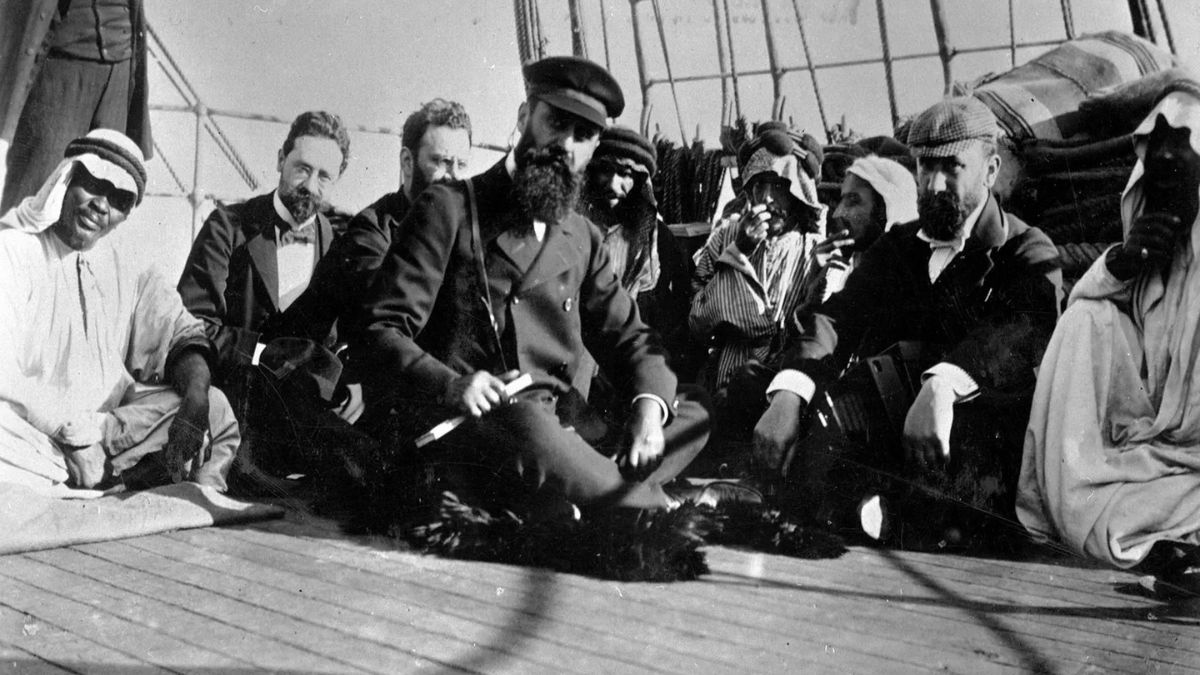
eople search “zionister” when they want a plain answer: what does the word mean, where did it come from, and why does it spark such strong reactions? A zionister is a person who supports Zionism—the movement that argued Jews should have a secure national home in their ancestral land, and that later supported the existence of the State of Israel. The spelling you typed is informal; dictionaries list the standard form as Zionist. Still, the intent is the same: understand the idea, not the slogan.
The word sits at the crossroads of history, religion, nationalism, and current events. That mix is why definitions get messy. This guide keeps the language direct, separates origins from later politics, and flags the mistakes that turn a historical term into a weapon.
What a Zionister Believes at the Core
At its simplest, a zionister holds that the Jewish people are a nation—not only a religion—and that nations have a right to self-determination in a historic homeland. For most supporters, that homeland is the Land of Israel, also called Zion in the Hebrew Bible.
That core claim is political. It does not require one party, one prime minister, or one map of final borders. A person can support Israel’s right to exist and still criticize settlements, a wartime cabinet, or specific laws. Those positions often travel together in public debate, but they are not identical.
A short definition suitable for a featured snippet
A zionister (standard spelling: Zionist) is someone who supports Jewish national self-determination and the continued existence of Israel as a Jewish homeland. The movement began as a response to European antisemitism and exile, not as a single religious sect.
Related terms you will see next to it
- Zion: an ancient name for Jerusalem and, by extension, the Jewish homeland
- Zionism: the political and cultural movement
- Aliyah: Jewish immigration to the land of Israel
- Diaspora: Jewish communities living outside that land
- Anti-Zionist: a person who rejects the legitimacy of a Jewish nation-state there
Not every Jew is a zionister. Some ultra-Orthodox groups historically opposed a state before a messianic age. Some secular Jews support Israel as a refuge but reject nationalist language. Some non-Jews support the same national right they grant other peoples.
How the Word Zionister Took Shape
The name comes from Zion, a hill in Jerusalem tied to King David and the Temple in Jewish memory. For centuries, liturgy already spoke of return: “Next year in Jerusalem.” That prayer was religious and communal. Modern political Zionism turned longing into an organized program.
In the 1880s, groups known as Lovers of Zion encouraged small-scale settlement in Ottoman Palestine after pogroms in the Russian Empire. In the 1890s, Nathan Birnbaum used “Zionism” as a label for Jewish national revival. Theodor Herzl then gave the idea a public platform. His 1896 pamphlet Der Judenstaat (The Jewish State) argued that assimilation would not stop persecution. In 1897, the First Zionist Congress in Basel set a practical goal: a publicly recognized home in Palestine for Jews who could not or would not assimilate elsewhere.
World War I, the Balfour Declaration (1917), British Mandate rule, Arab opposition, and the Holocaust all changed the stakes. After the murder of six million Jews, the demand for a sovereign refuge became urgent for many survivors and for Jewish communities worldwide. In 1947 the United Nations voted to partition the land. Israel declared independence in 1948. Wars, displacement of Palestinians, and Jewish refugees from Arab countries followed. Those facts belong in any honest account, even when people draw opposite moral conclusions from them.
Streams inside the movement
Zionism was never one party line. Labor Zionists built kibbutzim and a socialist ethos. Revisionists stressed security and maximal territorial claims. Religious Zionists tied return to biblical promise. Cultural Zionists, influenced by Ahad Ha’am, cared as much about Hebrew revival as about borders. That variety still exists inside Israeli politics and in Jewish communities abroad.
| Stream | Main emphasis | Typical early goal |
|---|---|---|
| Political / Herzlian | Legal recognition and statehood | A charter and sovereign institutions |
| Labor / socialist | Settlement, work, and social equality | Collective farms and a workers’ society |
| Revisionist | Strength, deterrence, and territorial maximalism | A Jewish state with firm security borders |
| Religious | Return as part of Jewish law and prophecy | Settlement guided by religious meaning |
| Cultural | Language, literature, and peoplehood | A living Hebrew culture, not only a flag |
Why People Still Argue About the Label
Search intent around “zionister” is rarely only lexical. Readers want to know whether the word is a neutral identity, a compliment, or an insult.
In Jewish and Israeli usage, it often simply means: I think Jews have the same national rights as other peoples, and Israel should continue to exist. In some protest language, “Zionist” is used as a stand-in for “Israeli government,” “occupation,” or even “Jew.” That slide matters. Criticism of policy is ordinary politics. Treating an entire people as illegitimate is a different claim.
A useful test is consistency. If you accept Polish, Japanese, or Palestinian nationhood, but treat Jewish nationhood as uniquely fake or uniquely evil, the argument has left history and entered exceptionalism. If you defend every Israeli action as sacred, you have left history the other way.
Practical examples that clarify the difference
- A student who supports two states and Israel’s existence can still be a zionister.
- An Israeli who votes against the sitting coalition can still be a zionister.
- A writer who denies that Jews are a people with historic ties to the land is not describing the same idea, even if they use the same letters.
- A conspiracy theory that “Zionists” secretly run banks or media is not a policy critique; it recycles older antisemitic forgeries.
| Claim | What it actually addresses | Better framing |
|---|---|---|
| “Israel has a right to exist” | National self-determination | Debate borders and law, not peoplehood itself |
| “This war policy is wrong” | Government conduct | Name the policy, cabinet, and evidence |
| “Zionists control the media” | A hidden cabal | This is a classic antisemitic trope |
| “All Jews are Zionists” | Identity | False; Jewish opinion is divided |
Pros and Cons of Using the Word Today
Calling yourself a zionister can be precise. It signals support for a Jewish homeland rather than a vague “pro-Israel” mood that changes with headlines. It also connects a person to a documented political tradition.
The downside is noise. Online, the word is often stripped of history and used as a moral stamp. That makes conversation harder, not clearer. Some Jews avoid the label even when they support Israel, because they do not want to inherit every accusation attached to it. Some critics refuse any distinction between Zionism and specific governments, which flattens a century of internal debate.
Pros:
- Names a real historical movement instead of a vibe
- Allows support for Israel without endorsing every policy
- Connects to Hebrew culture, refuge after genocide, and civic institutions
Cons:
- Easily weaponized in comments and slogans
- Often confused with ethnicity or religion
- Can hide disagreement about settlements, equality, and Palestinian rights
Common Mistakes When People Talk About a Zionister
The first mistake is spelling and then stopping there. Correcting “zionister” to Zionist does not explain the idea.
The second is collapsing Jews, Israelis, and Zionists into one block. Millions of Jews live outside Israel. Israelis include Jews, Arabs, Druze, and others. Zionists include non-Jews who accept Jewish national rights.
The third is treating 1897, 1948, 1967, and today as one event. Mandate politics, the 1948 war, the occupation after 1967, and current Gaza or West Bank policy are related, but they are not a single switch you can flip with one adjective.
The fourth is ignoring Palestinian history. Arab inhabitants of the land had their own national movement. Displacement in 1948 (the Nakba) and later occupation are central facts for Palestinian memory. A serious zionister account does not erase them. A serious anti-Zionist account does not erase Jewish refugees, expulsions from Arab countries, or repeated wars aimed at Israel’s destruction.
The fifth is quoting forged texts such as the Protocols of the Elders of Zion as if they were minutes of a meeting. They are a proven hoax. Using them tells you more about the speaker than about Zionism.
Best Practices for Reading and Writing About the Term
Lead with a definition, then give dates. Readers can handle complexity if you sequence it.
Separate peoplehood from cabinet policy. Ask what would count as a legitimate Jewish state, not only what you dislike this month.
Use primary landmarks: Herzl, the Basel Program, Balfour, UN partition, 1948 independence, subsequent wars. Then add interpretation.
If you criticize, specify actors. “The Netanyahu government” is a government. “Zionists” is a century-wide category.
If you defend, specify limits. Support for existence is not a blank check for every military or settlement decision.
Read voices from more than one camp: Israeli historians, Palestinian historians, and diaspora Jews who disagree with each other. Single-feed certainty is usually marketing.
| Practice | Why it helps | What to avoid |
|---|---|---|
| Define before you judge | Shared vocabulary | Starting with slurs |
| Date the claim | Context | Treating 1897 like 2024 |
| Name institutions | Accountability | Collective guilt |
| Compare rights consistently | Fairness | Unique rules for one people |
| Distinguish religion from nationalism | Accuracy | “All believers think X” |
Conclusion
A zionister, in ordinary language, is a supporter of Zionism: Jewish national self-determination and Israel as a homeland. The movement grew from biblical memory, modern nationalism, and the brutal record of European antisemitism. It succeeded in creating a state in 1948 and has lived ever since inside arguments about borders, democracy, occupation, and peace.
You do not have to like every chapter of that story to describe it accurately. You do have to keep the categories clean. Jews are not a hive mind. Israel is not a metaphor. Zionism is not a secret society. Use the word as a historical and political term, and the conversation gets harder in the useful way—because reality is harder than a hashtag.
5 SEO FAQs
What does zionister mean?
It is an informal spelling of Zionist: a person who supports Jewish national self-determination and, today, Israel’s existence as a Jewish homeland.
Is every Jew a zionister?
No. Jewish communities include Zionists, non-Zionists, and anti-Zionists. Religion and nationalism overlap, but they are not the same.
Who started modern Zionism?
Organized political Zionism is closely tied to Theodor Herzl and the 1897 First Zionist Congress in Basel, after earlier “Lovers of Zion” settlement efforts.
Can you criticize Israel and still be a zionister?
Yes. Many Zionists argue about governments, wars, and settlements while affirming the state’s right to exist.
Is “Zionist” always an insult?
No. It is a standard political identity for millions of people. It becomes an insult when it is used as a stand-in for “Jew” or as a conspiracy label.

AI avatars can combine spoken conversation, on-screen guidance, text, and visual presence into a single service experience. Teams building with an avatar API should begin with the service problem, not the character design. The strongest experience is one that helps a person complete a task quickly and safely.
For schools, employers, and public organizations, the goal is not to make every interaction feel human. It is to make routine information easier to understand, offer useful choices, and ensure that human help remains available when situations become complex or sensitive.
Why AI Avatars Matter
Visual assistants can make a digital service feel more direct when they explain a process, speak a response aloud, or guide a user to the right next step. They are particularly suited to repeatable questions and clear workflows. A recent pilot at the University of Northampton found potential value in routine, multilingual information delivery, while also surfacing concerns about authenticity, accessibility, accuracy, and the loss of human connection. Those concerns should shape the design from day one.
Choose The Right Use Case
An avatar is not automatically better than a search box, web form, phone line, or text chat. Use one where conversation or demonstration removes friction. Good starting points include answering frequently asked questions, guiding a visitor through a simple process, offering multilingual directions, supporting product tutorials, or providing low-stakes practice conversations.
Avoid using an avatar as the sole decision-maker for emergencies, healthcare, benefits, grades, employment, or other high-impact matters. These situations require trained people, accountable processes, and context that a scripted or AI-generated interaction may not capture.
Design For Trust From The Start
Trust begins with clarity. Label the assistant as AI in plain language, explain what it can answer, and state where it may be unreliable or unable to help. Avoid giving the system a name, face, or voice that could reasonably lead users to believe they are speaking with a real employee.
Show a visible option to pause, switch to text, start over, or contact a person. A university help avatar might answer questions about library hours or campus directions, but it should send financial aid, disciplinary, and personal welfare questions to qualified staff without delay.
Use AI Avatars In Learning
In education, avatars can create low-pressure opportunities for practice. They may act as a language conversation partner, a mock interview participant, a virtual patient, a student character for teacher training, or a guide for routine course questions. Their role is to supplement instruction, not replace teachers, mentors, or professional judgment.
For example, education majors at UW-Whitewater used an AI-powered student avatar in a virtual reality exercise to practice explaining a math problem and adapting to a struggling learner. Similar activities need teacher oversight, age-appropriate language, reviewed learning materials, and clear boundaries around what feedback the system can provide.
Improve Customer And Employee Support
A visual assistant can be helpful when it demonstrates setup steps, explains a policy in consistent language, guides a customer through a tutorial, or lets employees rehearse a difficult conversation. It should collect only the information needed for the task and preserve that information during a handoff. Asking people to repeat their problem after escalation creates frustration and undermines confidence.
Plan For Public-Facing Services
Libraries, clinics, museums, visitor centers, airports, and government offices may use avatars to provide directions and basic public information. Before deployment, teams should ask whether the service works in noisy rooms, supports multiple languages, provides a text-based alternative, and remains usable for people without a smartphone or account.
Public-facing tools need a clear human fallback. They should also be tested with the communities they are meant to serve, including people with limited digital confidence and those who may be wary of automated systems.
Make The Experience Accessible
A moving face and spoken response can be optional features, never the only way to receive information. Build captions, readable text chat, keyboard controls, screen reader support, high-contrast presentation, speech speed controls, and language options into the experience. Avoid rapid movement, flashing effects, and visual clutter that distract from the task.
Protect Privacy And Consent
Voice, video, and conversation records can contain sensitive details. State what data is collected, why it is needed, who can access it, and how long it is retained. Give users a practical way to correct or delete personal information where appropriate. Obtain permission before using a real person’s likeness or voice, and apply additional safeguards when children or vulnerable people may use the service.
Keep Humans In The Loop
Set rules for when the avatar must escalate, such as when there is uncertainty, conflicting information, distress, safety concerns, or requests outside its approved scope. Staff should be able to correct inaccurate content and take over smoothly without blaming the user for choosing the wrong channel. Human review turns the avatar into a helpful first step rather than a locked door.
Run A Small Pilot Before Scaling
Start with one audience, one common low-risk task, and one measurable goal. Test with real users, record incorrect answers, delays, accessibility barriers, and failed handoffs, then ask participants what felt useful, confusing, or uncomfortable. Update the experience before offering it to more people or assigning it more responsibility.
Measure More Than Engagement
Long conversations do not necessarily indicate success. A user may remain engaged because the service is unclear. Measure task completion, answer accuracy, time to resolution, successful transfers to staff, repeated questions, reported accessibility issues, user confidence, and privacy or safety incidents. Pair operational data with short surveys and interviews to understand why people succeed or struggle.
Final Thoughts
Trustworthy AI avatar experiences begin with a useful service, honest limits, accessible alternatives, and easy access to people. Visual interaction should be used where it genuinely improves understanding or guidance. When organizations protect privacy, test carefully, and keep human expertise within reach, avatars can help make important services clearer, safer, and easier to use.
-

 NEWS1 year ago
Historical Churches in Manila
-

 TOPIC2 months ago
Unveiling AvTub: Your Ultimate Guide to the Best AV Content
-

 TOPIC1 year ago
Symbols of Hope: The 15th Belenismo sa Tarlac
-

 TOPIC1 year ago
RIZAL at 160: a Filipino Feat in Britain
-

 TOPIC1 month ago
Understanding Fascisterne: Origins and Ideological Roots
-

 TOPIC1 year ago
“The Journey Beyond Fashion” – Ditta Sandico
-

 TOPIC1 year ago
Simbang Gabi and Kakanin
-

 NEWS4 months ago
What Caused Delta Flight DL275 to Diverted LAX? A Detailed Breakdown