
LAW
Stop the Calls: How Bankruptcy Halts Wage Garnishment and Repossession

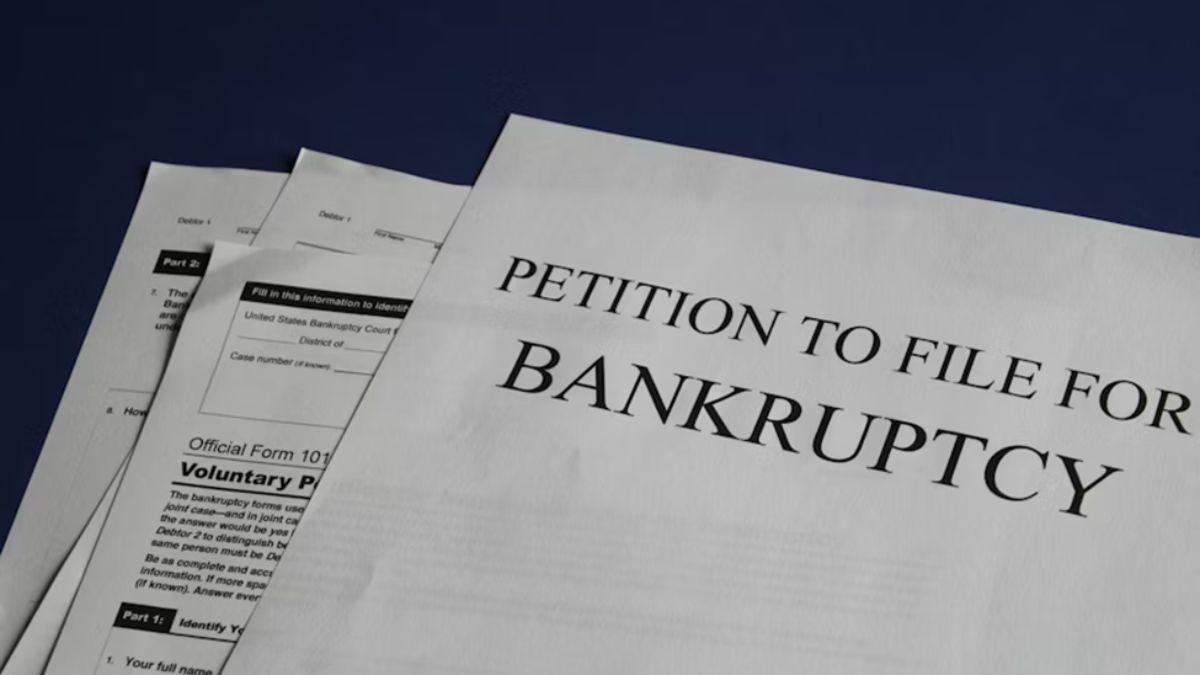
Or worse…. Is the repo man cruising by your house?? This can be one of the most stressful financial predicaments a person can find themselves in. The good news is bankruptcy can stop both garnishments and repossessions immediately.
It’s all thanks to a powerful legal tool called the automatic stay.
Below is a breakdown of how bankruptcy halts these creditor actions and why timing matters…
What’s inside this guide:
- The Real Scale Of Wage Garnishment And Repossession
- How The Automatic Stay Actually Works
- Bankruptcy And Wage Garnishment
- Stopping Vehicle Repossession In Its Tracks
- Choosing The Right Chapter For Your Situation
The Real Scale Of Wage Garnishment And Repossession
Wage garnishment and repossession aren’t rare events that happen to other people.
Millions of Americans experience them every year. By 2019, recent payroll data shows that over 1 in 100 workers were subject to garnishment for overdue debt, and they’ve only increased since then.
Here’s the problem:
If a creditor gets a judgement against you, they can take part of your paycheck automatically. The typical garnished employee ends up giving away 11% of their gross income for about five months.
That’s rent money. That’s groceries. That’s the fuel needed to get to work.
On the vehicle front, it’s no better. Repossessions increased 23% during the first half of 2024. Attorneys at WH Law Offices and other law firms are daily assisting clients with asset protection planning and bankruptcy filings to protect their vehicles and prevent garnishment before it decimates their household budget.
Understanding what’s at stake is the first step. Now let’s look at your options.
How The Automatic Stay Actually Works
The moment you file for bankruptcy… something pretty incredible happens.
The automatic stay goes into effect. It happens automatically. It protects you from almost all creditors. And it’s your most powerful weapon.
Here’s what the automatic stay does:
- Stops wage garnishment immediately
- Halts vehicle repossession in progress
- Blocks creditor harassment phone calls
- Pauses lawsuits and foreclosure actions
- Freezes most collection activity dead in its tracks
Consider it a big red “STOP” sign that is placed on your file when you file your petition. Creditors who proceed in disregard of your filing can be penalized by the Court and ordered to pay you damages.
It really is that powerful.
The problem with that… is that the automatic stay is only temporary. It lasts only for the duration of your case.
Bankruptcy And Wage Garnishment
Wage garnishment is one of the most damaging types of collection action.
Why take that risk? Because debt can damage more than your wallet. It can harm your relationship with your employer and your capacity to pay your other bills.
Filing for bankruptcy stops it cold. Here’s what happens:
- Your attorney notifies your employer’s payroll department
- The garnishment order is suspended
- Your full paycheck starts hitting your account again
- The underlying debt gets handled through your bankruptcy case
Typically, the garnishment ends in one or two pay periods. Depending on your chapter filing, the debt causing the garnishment can be discharged completely.
Important note: Some debts can still be garnished even if you file bankruptcy, such as child support, alimony, and certain tax debts.
The garnishment situation has gotten worse, with garnishment volumes up nearly 20% since 2022.
Stopping Vehicle Repossession In Its Tracks
Now let’s talk about vehicles…
If you lose your car you will never be able to work again. Without a car you can’t drive to work. If you can’t drive to work you lose your job. If you lose your job you are in more debt.
It’s a vicious cycle.
About 1.88 million vehicles were repossessed in the US in 2024. The auto loan default rate rose to 3.13% in 2024, which is higher than during the Great Recession.
Bankruptcy can stop this from happening to you.
Here’s how it works depending on your timing:
- Before repossession: Filing stops the repo company from taking your vehicle
- During repossession: The automatic stay halts the process immediately
- After repossession, but before sale: Force the lender to give your car back filing
- After auction: Too late to get your car back, but not too late to contest the deficiency balance
The clock is ticking as soon as a repo occurs. Some have filed and received their car back the same day it was repossessed.
Choosing The Right Chapter For Your Situation
There are two main types of personal bankruptcy:
- Chapter 7
- Chapter 13
They all work in different ways. Choosing which one to use is one of your biggest decisions.
Chapter 7 Bankruptcy
Chapter 7 is also known as “liquidation bankruptcy.” It allows most of your unsecured debts to be eliminated. This includes credit cards, medical bills, personal loans, etc. A typical case only takes 3-6 months.
Chapter 7 is best for people who:
- Have limited income
- Don’t have many valuable assets
- Want a fast, clean break from their debts
- Need to stop garnishment without a long-term plan
The downside? You’ll have to give up some of your non-exempt property. But in reality, most filers get to keep everything because of bankruptcy exemptions.
Chapter 13 Bankruptcy
Chapter 13 is essentially a repayment plan. You retain your assets and pay back a portion of your debt over the course of 3-5 years. Use this if you wish to keep a certain asset such as your home or car.
Chapter 13 is the right choice if you:
- Want to keep a vehicle that’s been repossessed
- Have a steady income to fund the plan
- Need to catch up on mortgage arrears
- Have non-exempt assets you want to protect
A good attorney will help you structure a plan that maximises what you keep.
Bringing It All Together
Wage garnishment and repossession can be financially devastating.
However, creditors can’t harass you forever. File for bankruptcy and gain immediate access to federal protections that can stop creditors dead in their tracks. This includes repossession returns, stopping garnishments, and more. Let’s review:
- The automatic stay kicks in the moment you file
- Wage garnishment stops within one or two pay cycles
- Repossession can be halted (and reversed) if you act fast
- Chapter 7 wipes out most unsecured debts
- Chapter 13 lets you keep important assets
Number one thing to remember? Don’t wait. Each day you put off only allows more time for creditors to garnish your wages or pull up to your house with a tow truck.
If garnishment or repossession is looming over your head, consult with an experienced bankruptcy attorney immediately. Effective planning can only occur before you reach the absolute brink.

Facing criminal allegations creates severe personal and financial stress. Knowing proper defense tactics protects fundamental constitutional rights throughout legal proceedings.
Early decisions heavily influence the direction of a case. Taking proactive steps early prevents damaging admissions when law enforcement officers initiate contact. Proactive action safeguards your future during complex investigations.
Exercise Your Right to Remain Silent
Remaining silent during questioning serves as a primary defense tactic. Hiring an experienced murder defense lawyer in greenwood offers valuable legal guidance during interrogations. Accused individuals often feel intense pressure to give explanations to investigating officers.
Volunteering information without attorney guidance puts defendants at a severe disadvantage. A business publication noted that police officers must halt all questioning immediately once an individual asserts their right to remain silent until legal counsel arrives.
Inform law enforcement clearly that you choose to stay silent. Refuse to answer further inquiries until a legal representative arrives at the scene. Remaining firm on this boundary protects your legal position.
Document Every Detail of the Event
Important details can become harder to remember as time passes. Write down what you remember as soon as possible. Include what happened, when it happened, where you were, and what you saw or heard.
Write down dates, times, and locations carefully. If people saw what happened, record their names and contact details if you have them. Keep useful records such as receipts, text messages, emails, photos, and phone records. Do not change or delete anything.
Keep your notes and records somewhere safe. Give copies to your lawyer when asked. Your lawyer can review the information and explain what may be useful for your case.
Establish a Verifiable Alibi
An alibi can show that you were somewhere else when a crime happened. Clear records can help show where you were at the time.
Useful proof may include:
- Security camera recordings
- Store payment records
- Phone location records
- Vehicle GPS records
- Witness statements
Collecting this information early can give your lawyer more time to review it and use it in your case. Records with clear dates and times can be especially helpful.
Avoid Discussing Your Case
Be careful when talking about a criminal case. Friends, family members, and other people may not have the same legal protection as your lawyer. What you say could later be repeated or used in court.
Be careful with social media too. Posts, photos, comments, and messages may be seen by other people or collected as evidence. Do not post about the case, the people involved, or what happened.
Talk about your case with your lawyer instead. A lawyer can explain your rights and help you decide what information should be shared.
All About Defending Against Criminal Charges
Navigating criminal allegations requires disciplined action and clear decision-making. Staying quiet during police interactions and carefully recording facts builds a strong defense foundation. Proactive steps safeguard personal freedom when facing serious court charges.
Working with a knowledgeable attorney provides clarity during complex legal disputes. Strict adherence to legal rights offers the best path toward resolving criminal matters. Protecting your rights ensures fair treatment under the law. If you’d like to learn more, check out more articles on our blog.

What happens after someone is arrested but before their criminal case reaches trial? Bail can allow an accused person to remain free while the court process continues.
A judge may set bail based on the charge, circumstances, and local rules. When paying the full amount is difficult, a bail bond can provide another option.
Bail bonds involve costs, agreements, and responsibilities that you should understand carefully. They also connect pretrial freedom with the court’s need to ensure future appearances.
This guide explains the process clearly and helps readers understand what bail bonds mean before trial. Keep on reading!
Understanding Bail: What Is It?
Bail is a set amount of money that lets someone stay out of jail until trial. The court sets the bail amount based on the crime’s seriousness.
The goal of bail is to make sure the person returns to court. If the person shows up, the bail money is returned. If not, the money is lost, and more trouble can happen.
Not everyone can pay the full bail amount on their own. That is where bail bonds come in. They help people who cannot afford to pay the entire sum upfront.
What Are Bail Bonds?
A bail bond is a promise a bail bond company makes to the court. It guarantees the full bail amount will be paid if the person does not appear in court.
Instead of paying the full bail amount, the accused pays a smaller fee to the bail bond agent. This fee is usually about 10% of the total bail amount. The bail bond agent takes on the risk by posting bail with the court.
The agent may also ask for something valuable, like a house or car, as security. This process lets more people get out of jail before trial.
How Bail Bonds Work Step by Step
First, the judge sets a bail amount during a hearing. If the accused cannot pay, they contact a bail bond agent. The accused or their family pays the agent a non-refundable fee.
The agent then assures the court that the person will appear. Sometimes, the agent needs extra security to reduce their risk. Once the court accepts the bond, the accused is released from jail.
The person must follow all court instructions to stay out of jail. If they miss court, the bail bond agent could lose the money to the court.
Financial Responsibilities and Risks
Paying a bail bond fee is less expensive than paying the full bail. However, the fee is not returned, even if the person attends court. If the accused skips court, the family might lose their collateral property.
Bail bond agents often track down people who miss court. This helps prevent the family from losing the bail money promised to the court. If they find the person, they take them back to jail.
The family and the accused should understand the risks before signing any bail bond agreement. This helps avoid unexpected losses and problems later.
The Role of Bail Bond Agents
Bail bond agents act as a bridge between the court and the accused. Their job is to make sure the person follows court rules.
Agents handle paperwork and talk with the court to secure release. They also explain the bail terms to families. Agents take on risks by guaranteeing the full bail amount.
They work quickly to help people get out of jail fast. This can reduce stress and help families stay together. Good agents offer support and answer any questions that come up during the process.
Pretrial Release and Its Importance
Getting out of jail before trial is important for many reasons. It allows the accused to prepare a better defense with their lawyer. Staying at home helps people keep their jobs and care for their families.
Pretrial release can lower the emotional toll of being in jail. It also helps the court system by reducing jail overcrowding.
Bail bonds make pretrial release possible for more people. They give the accused a fair chance to prove their innocence.
How Bail Bonds Impact the Community
Bail bonds affect not just the person arrested, but the whole community. They help keep families together during tough times. Released people can work and support their loved ones.
Communities stay stronger when more people stay home while awaiting trial. Bail bonds also support the court system by making sure people return. Some agencies, like this Kissimmee bail agency, work closely with families to make the process smooth and fair.
When bail bonds work well, they help everyone involved. This keeps the system moving and families connected.
Common Myths About Bail Bonds
Many people think bail bonds are only for serious crimes, but they apply to many charges. Some believe bail bond agents are harsh, but most are helpful and professional. Another myth is that bail money is always returned.
In reality, the fee paid to agents is non-refundable. People also think only the rich can afford bail bonds. However, many agencies offer payment plans to help families.
Some assume missing a court date has no effect. Missing court can cause big problems for both the accused and their family. Understanding the truth helps people make better choices.
What Happens After the Trial?
After the trial, the court returns the bail money if all rules were followed. If a bail bond was used, the fee stays with the agent as payment for their service.
The court returns any collateral if the person appears in court as agreed. If the accused does not appear, the collateral may be forfeited. The end of the trial also ends the bail bond agreement.
Read all agreements carefully before signing. Families should ask questions if anything is unclear. This helps avoid surprises after the trial ends.
The Lasting Impact of Bail Bonds
Bail bonds play a major role in supporting people and families during difficult times. They offer a fair chance to prepare for court without staying in jail. Agents guide people through a confusing process and help them understand their rights.
Bail bonds also help courts run smoothly and keep jails from becoming too crowded. It is important to know the costs, risks, and benefits involved. Understanding bail bonds can make the system feel less scary.
Did you like this guide? Great! Please browse our website for more!

A car crash turns your life upside down instantly. You may face pain, missed work, and steep medical bills. Knowing your rights helps you stay in control. Clear choices make a huge difference in your recovery.
What Happens Right After a Crash
Getting hurt in a crash changes your daily life fast. Talking with skilled car accident attorneys in Athens, GA helps protect your health and finances. You can focus on healing when a legal team handles your claim.
Accidents create immediate stress for drivers and passengers alike. Simple steps help clear up confusion at the scene. Drivers should always remain calm and stay where they are until help arrives.
Call emergency services as soon as you are safe. Police officers document the scene and create an official report. That document serves as crucial proof for your claim later.
Protecting Your Health and Evidence
Your physical safety matters most after any motor vehicle wreck. Seeking quick care protects your bodily health and safety. Medical reports prove your injuries stemmed directly from the crash.
Some injuries do not show pain right away. Internal harm or neck strains can get worse later if left untreated. Seeing a doctor right away protects your well-being.
Gathering physical proof at the crash location builds your case. Take clear photos of all damaged vehicles and road signs. Collect names and phone numbers of people who saw the event happen.
Dealing With Insurance Adjusters
Insurance companies often contact you quickly after a crash. Their main goal is protecting profits for their business. They may ask for written statements about your collision.
Adjusters look for ways to pay as little as possible. Statements you give can be used to limit your payout. Taking extra care during these calls prevents costly mistakes.
You do not have to give recorded statements right away. Speaking with an adjuster without legal advice can hurt your claim. Let a legal advocate talk to the insurer for you.
Steps to Take Following an Injury
Taking direct steps helps protect your personal legal options. Staying organized makes the entire recovery process easier for you. Clear actions help protect your future interests after a sudden crash.
- Call local police right away
- Take photos of car damage
- Gather witness contact details
- Visit a doctor quickly
- Keep detailed medical bills
Why Legal Help Matters
Navigating complex legal rules on your own brings extra stress. An experienced attorney knows how to build a strong case for you. They negotiate directly with insurance representatives on your behalf.
Attorneys gather medical records and police reports to support you. They fight to get fair payment for your recovery needs. Having guidance gives you peace of mind during this period.
Legal teams understand how to calculate true recovery costs. They consider current bills and future treatments you might need. Proper planning prevents financial hardship down the road.
Moving Forward After a Crash
Taking action early protects your future after an accident. Knowing your options gives you power during a difficult time. Reach out for expert help to guide your recovery journey. Looking for more tips and ideas? We’ve got you covered. Check out some of our other posts now.
-

 NEWS1 year ago
Historical Churches in Manila
-

 TOPIC2 months ago
Unveiling AvTub: Your Ultimate Guide to the Best AV Content
-

 TOPIC1 year ago
Symbols of Hope: The 15th Belenismo sa Tarlac
-

 TOPIC1 year ago
RIZAL at 160: a Filipino Feat in Britain
-

 TOPIC1 year ago
“The Journey Beyond Fashion” – Ditta Sandico
-

 TOPIC1 month ago
Understanding Fascisterne: Origins and Ideological Roots
-

 TOPIC1 year ago
Simbang Gabi and Kakanin
-

 NEWS3 months ago
What Caused Delta Flight DL275 to Diverted LAX? A Detailed Breakdown