
HEALTH
How Smart Room Dividers Are Transforming Healthcare Spaces


The Shift Towards Smart Room Dividers in Healthcare
Healthcare facilities are increasingly embracing flexible design solutions to enhance patient care, privacy, and infection control. Smart room dividers are becoming a key part of this shift, allowing spaces to be easily reconfigured to accommodate different patient needs, staff workflows, and visitor access. These dividers often incorporate features such as soundproofing, antimicrobial surfaces, and automated adjustments, improving comfort and safety while supporting more efficient use of space. By enabling modular layouts, healthcare environments can adapt quickly without costly structural changes.
In this context, PRVC Systems can be integrated to support such adaptive designs, helping ensure that operational efficiency and patient privacy work hand in hand. Combining smart room dividers with thoughtfully designed systems enables hospitals and clinics to maintain a responsive, safe environment, meeting the demands of modern healthcare while optimizing space utilization.

Enhancing Patient Privacy and Infection Control
Smart glass partitions are at the forefront of privacy and infection prevention. These partitions can switch from clear to opaque electronically, granting patients instant privacy and reducing the risk of cross-contamination. Unlike textile curtains, which can harbor pathogens, these surfaces are non-porous and simple to sanitize. Hospitals have seen a drop in hospital-acquired infection rates after transitioning to glass and modular dividers, as daily cleaning becomes more thorough and efficient.
Additionally, these solutions support trauma-informed care by making patients feel more secure and respected during their treatment. With just the touch of a button, staff can provide privacy, making these dividers a significant improvement over previous options.
Flexibility in Space Utilization
The necessity to react rapidly to surging patient numbers or emergencies, such as during an epidemic, means static spaces can hinder effective care. Modular smart dividers solve this by allowing rooms to be resized or grouped as needed, enabling hospitals to separate infectious patients more effectively during outbreaks. Emergency departments and outpatient clinics, where pace and requirements shift frequently, report greater agility and satisfaction after incorporating flexible partition systems.
Furthermore, these flexible walls can quickly adapt to new protocols and specialties, enabling healthcare facilities to manage both planned and unexpected challenges efficiently. The ability to create, remove, or reconfigure treatment areas means that space is never wasted and patient flow is improved.
Integration with Advanced Technologies
Smart room dividers are far more than physical barriers; they can include integrated sensors and touchscreens. Some models display patient data, alert medical teams to a change in vital signs, or even track hand hygiene compliance. Hospitals that use smart room technologies have observed notable reductions in adverse events and in staff burnout. The technology allows care teams to stay up to date without constant manual checks, preserving valuable time that can be redirected to direct patient care.
These improvements benefit both patient safety and staff workflows, leading to more coordinated and effective care delivery across departments. As technology continues to advance, the role of smart room dividers in monitoring, communication, and infection control will only become more critical.
Improving Patient Outcomes and Staff Efficiency
Patient recovery is closely tied to the care environment. Smart dividers minimize noise, offer control over lighting and privacy, and generally help establish an atmosphere conducive to healing. For hospital staff, automated privacy settings and real-time patient data displays contribute to significant workflow efficiencies, freeing up time spent on routine tasks associated with managing conventional curtains and partitions.
Healthcare organizations are already reporting measurable decreases in infection rates and improved patient satisfaction scores, directly tied to these advancements. These dividers free up caregivers from logistical chores, giving them more time to focus on patients rather than managing partitions.
Cost-Effectiveness and Sustainability
Initial costs can seem high, especially compared to standard curtains. However, hospitals benefit from lower ongoing maintenance costs, greater durability, and compatibility with stringent cleaning requirements. Modern smart dividers are built from recyclable or sustainable materials, supporting healthcare’s movement toward environmentally friendly design.
Reduced replacement frequency and less waste contribute to significant long-term savings, underscoring the economic advantage of this investment. These factors strengthen the case for adopting such systems within both new hospital construction and renovations of existing facilities.
Challenges and Considerations
While there are many positives, there are also challenges during the transition. Training staff on new features, ensuring seamless integration with electronic health records, and accommodating a range of patient needs remain concerns. Patient education and gradual adoption can help ensure all users, both staff and patients, feel comfortable and confident with the new systems.
Healthcare leaders must balance the need for innovation with the pace of technology adoption. This requires careful planning, pilot programs, and ongoing evaluation of effectiveness in different departments.
Future Prospects
Looking ahead, the next wave of smart room dividers will draw from advancements in artificial intelligence and smart sensors. Envisioned improvements include partitions with touch controls for patient education, voice-activated privacy features, and further integration with electronic medical records. Continued innovation will enable more responsive, flexible, and healing environments tailored to the needs of patients and staff alike.
Conclusion
Smart room dividers are transforming healthcare environments by blending flexibility, technology, and patient-focused design. They improve privacy, support infection prevention, and enable facilities to quickly adapt to evolving needs, all while boosting staff efficiency and patient outcomes. By integrating systems, hospitals can maximize space, simplify workflows, and create safer, more sustainable environments. As technology advances, these dividers will continue to play an essential role in developing responsive, efficient, and healing healthcare spaces.
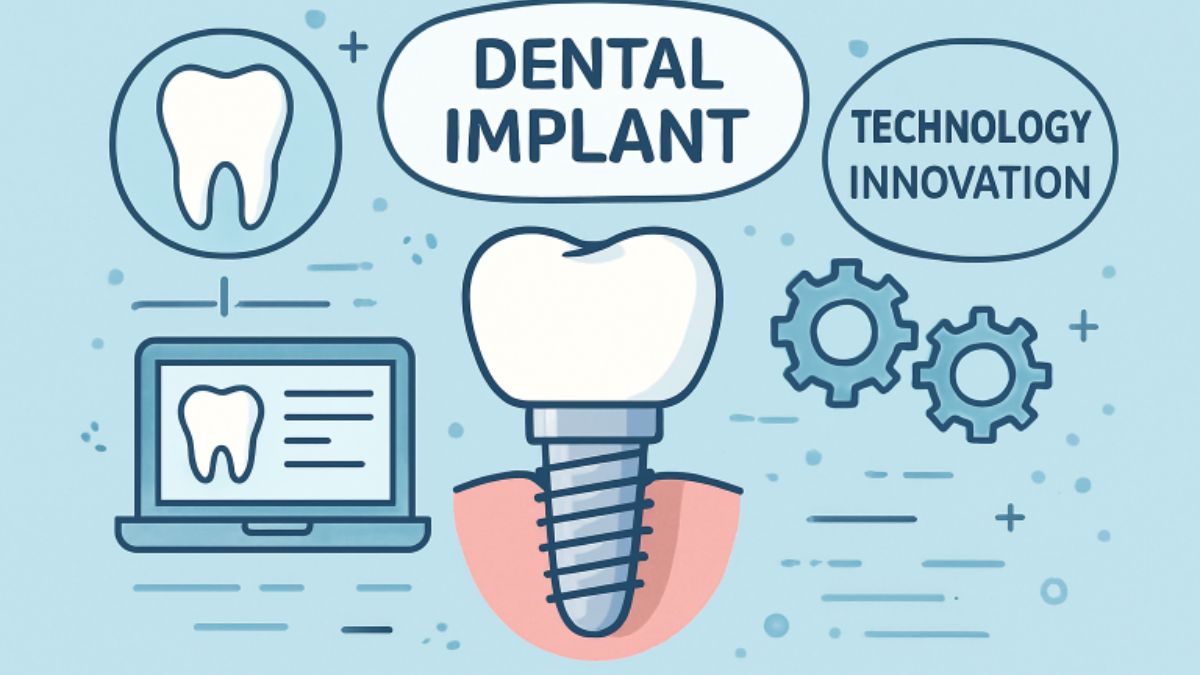
Dental implantology is experiencing a significant evolution, as new technologies and shifting patient expectations drive breakthroughs in care quality. Today, patients benefit from greater accuracy, faster recoveries, and more natural-looking results. The expert team at Pikos Institute is committed to implementing these advanced techniques to ensure optimal outcomes for every patient. Staying updated with these developments means that providers can offer not only enhanced outcomes but also improved patient experiences from start to finish.
The latest dental implant innovations include AI-driven planning and robotics-assisted surgery, enhancing safety, personalization, and effectiveness. These advances offer patients improved comfort, durability, and esthetics, boosting confidence and oral health. Integrating predictive software and real-time monitoring leads to better short- and long-term results. Adopting these technologies helps dentists craft personalized solutions, reducing risks and ensuring long-term success.
AI in Treatment Planning
Artificial Intelligence is transforming how dental professionals evaluate and plan implant treatments. AI tools analyze three-dimensional images, bone density assessments, and comprehensive oral health data to generate precise recommendations for implant size, placement, and angulation. This results in greater surgical predictability and improved patient safety. AI-powered simulations allow patients to preview their results before proceeding, building confidence and facilitating clear communication between practitioners and patients. Leading dental schools and clinics are increasingly adopting these systems, setting higher standards in implantology.
3D Printing and Customization
3D printing is revolutionizing the creation of dental implants and surgical guides by allowing for individual customization. Dentists can quickly fabricate patient-specific components that fit with exceptional accuracy, improving functional and esthetic integration with natural teeth. This technology reduces both procedure time and laboratory costs, enabling more people to access premium dental care. Custom surgical templates also streamline implant placement, improving precision and reducing the risk of complications.
Smart Implants and Real-Time Monitoring
The emergence of smart dental implants represents a dramatic shift in the ongoing management of oral health. These implants are equipped with nanosensors that monitor tissue health and signal early warning signs of infection or inflammation to dental professionals. By enabling real-time data collection and continuous monitoring, smart implants empower clinicians to intervene early and prevent complications. As this ecosystem develops, patients will enjoy not only higher success rates but also greater reassurance throughout the lifespan of their implants. For more context on how real-time health monitoring is changing other fields, Harvard Health Publishing offers further insight.
Minimally Invasive Techniques
Modern dental implantology values patient comfort and fast recovery. Techniques such as flapless surgery, immediate-load implants, and the piezoelectric method minimize surgical trauma. Flapless techniques eliminate the need for incisions, significantly reducing pain, swelling, and healing time. Similarly, immediate-load implants allow for prosthesis placement soon after surgery, reducing the number of visits and accelerating final results. The use of lasers in implant procedures brings high precision, resulting in fewer post-operative complications and shorter downtime.
Advancements in Implant Materials
Titanium has long been the gold standard for dental implants due to its biocompatibility and durability. However, newer materials are gaining traction, especially zirconia (ceramic), which provides a metal-free, aesthetically pleasing alternative, especially prized for front teeth. Innovative titanium alloys are also enabling the development of stronger, smaller implants, suitable for patients with reduced bone mass and limited anatomical space. These advances expand eligibility and reduce the need for invasive bone grafting, making implants more accessible to a broader range of patients. Insights on emerging implant materials can be found at the FDA.
Robotics in Dental Surgeries
Dental robotics is changing the game for implant surgery by delivering steady, superhuman precision. Robotic systems assist dentists in implant placement with precise measurements, reducing human error and increasing the likelihood of optimal positioning. This is especially critical in complex or multi-implant cases. Robotics can also improve the patient experience by shortening procedures and reducing the risk of post-surgical complications.
Digital Dentistry and AI Integration
The digital revolution in dentistry is marked by seamless integration between diagnostic, planning, and surgical systems. AI-driven diagnostics, three-dimensional imaging, and cutting-edge planning software enable dentists to devise highly detailed treatment plans tailored to each patient’s anatomy. Robotics and computer-guided surgery further improve accuracy while reducing recovery times and risk. As digital tools continue to advance, expect personalized, efficient, and lasting implant solutions to become the rule in dental practices worldwide.
Conclusion
The landscape of dental implant procedures is advancing rapidly, providing patients with more efficient, comfortable, and reliable options. Technological innovation fosters improved care quality, aesthetics, and long-term oral health. By adopting these innovations, patients and dental providers alike can look forward to a future where dental implants provide not only restored function but also peace of mind.

Many women find that the transition into menopause brings unexpected changes to their daily lives. Nightly rest often becomes a struggle – and moods may shift without much warning. Navigating these physical and emotional hurdles requires a clear understanding of what happens within the body.
Finding the right balance can make a significant difference in how a person feels every day. This stage of life involves complex biological shifts that impact more than just fertility. Understanding these patterns is the first step toward finding effective relief and regaining a sense of control.
Understanding The Biological Shifts
The body undergoes major transformations as hormone production starts to slow down during the middle years. Estrogen and progesterone play roles that reach far beyond reproductive health. These changes affect the brain and nervous system in complex ways.
Many women explore different options to regain their sense of well-being during the transition. Many people look for a reliable hormone replacement therapy kit to help manage these fluctuations. This path can provide much-needed stability for those struggling with severe symptoms.
When these internal chemical levels drop, the brain and nervous system’s reaction feels disruptive. Stabilizing these levels is frequently a helpful step toward regaining a sense of normalcy.
Managing Nightly Interruptions
Sleep quality often takes a hit during this life stage, leaving many feeling drained and frustrated. Night sweats and sudden temperature changes can wake a person up multiple times throughout the evening.
A medical study found that about 75% of women between 45 and 55 years old deal with symptoms like hot flushes. These physical issues frequently lead to lower self-esteem and poor sleep quality.
Waking up frequently prevents the body from entering deep, restorative sleep cycles. Addressing these interruptions is a high priority for anyone trying to maintain their long-term health and daily performance.
Tracking Your Sleep Patterns
Getting enough rest is a challenge for the majority of individuals going through perimenopause. Identifying the frequency of these issues is the starting point for effective treatment and relief. Many women find that their sleep needs change as they age.
Statistics show that 56% of women in this period are likely to sleep less than 7 hours on average. This lack of rest affects focus, energy levels, and the ability to handle daily stress. It can make even simple tasks feel much more difficult to complete.
Keeping a log of nightly disturbances can help healthcare providers determine the best course of action. It is a common problem that requires more than just better sleep habits to fix properly.
Improving Emotional Stability
Hormonal changes do more than just disrupt sleep; they have a powerful effect on emotional well-being. Feelings of sadness or irritability can emerge without a clear external cause or warning. These shifts are a normal reaction to the changing chemical balance in the body.
One research paper highlighted that patients receiving hormone therapy showed much lower scores for insomnia and depression. This suggests that medical intervention can directly improve a mental outlook and daily life.
Regaining emotional control helps individuals stay connected to their families and work commitments. It provides a foundation for a more positive and productive lifestyle as they navigate these changes. Feeling balanced is a major part of health during this phase.
Practical Steps For Relief
Finding relief involves a combination of lifestyle adjustments and professional medical guidance. Small changes to the environment often offer immediate comfort during the night for many women. These adjustments create a more supportive atmosphere for rest.
- Lower the thermostat in the bedroom before going to sleep to combat night sweats.
- Wear breathable fabrics made from natural fibers like cotton to stay cool and dry.
- Limit caffeine intake in the afternoon hours to avoid extra sleep disruptions.
- Practice relaxation techniques before getting into bed to calm the nervous system.
These methods work together with clinical treatments to provide a more comprehensive solution for balance. Every person responds differently, so trying various options is a necessary part of the journey. Consistency is key when implementing new habits for better rest.
Consulting With Health Professionals
Speaking with a doctor is the best way to determine if hormone therapy is a safe choice. Every medical history is unique, and professional advice makes sure the treatment fits specific needs. A clear conversation with a provider can clear up many common concerns.
Doctors can explain the risks and benefits associated with different types of hormone delivery. They provide the necessary oversight to monitor progress and make adjustments as needed. This partnership is important for achieving the best results.
Taking charge of health during this transition empowers women to live their best lives. Informed decisions lead to better outcomes for both physical and emotional wellness. Support from medical professionals makes the entire experience much more manageable.
Navigating the complexities of menopause is easier when you have the right information and support. Prioritizing sleep and emotional health can transform this season of life into a time of growth. Better rest and a steadier mood are achievable with the right approach and a bit of patience.
Stay focused on your wellness goals and communicate openly with your healthcare team. Learning about the options available helps you move forward with confidence. You deserve to feel your best – no matter what stage of life you are currently experiencing.

Orthodontic care has become increasingly versatile, providing effective treatments tailored to children, teens, and adults alike. A healthy, confident smile is more attainable now, thanks to advances in technology and changing social perceptions that influence how people view orthodontic care. If you’re considering the benefits of orthodontics for yourself or your family, choosing the right specialist, such as an Orthodontist Orland Park, can make a significant difference in your treatment experience and outcomes.
From early intervention to modern solutions for adults and innovations driven by technology, orthodontic care addresses both functional and aesthetic concerns. As awareness grows about the broader impact of orthodontics, more patients are discovering how these treatments improve their oral health, boost their confidence, and enhance their quality of life.
Early Intervention for Children
Experts agree that the best time for a child’s first orthodontic assessment is by age seven, as recommended by the American Association of Orthodontists. Early intervention is crucial because it helps detect issues with jaw growth and emerging teeth. Addressing problems early can streamline future treatment, sometimes minimizing or even eliminating the need for more extensive care later in adulthood. The “Smiles at 7” initiative highlights the importance of timely evaluations and the potential for better outcomes when orthodontic issues are managed proactively. Learn more about children’s orthodontics from the American Dental Association.
Orthodontic Treatments for Adults
Orthodontic treatment is not just for kids or teens. Approximately one-third of orthodontic patients today are adults, according to data from dental research institutions. Many adults pursue orthodontics for reasons ranging from correcting a misaligned bite to resolving tooth crowding or spacing. Problems that were not addressed in youth, changes after tooth loss, or simply a desire for cosmetic improvement often prompt adults to seek care. Fortunately, adults now have access to a wide range of discreet and comfortable methods, such as clear aligners and ceramic braces, making the decision to seek treatment easier than ever. Explore the options for adult orthodontics at the Cleveland Clinic.
Technological Advancements in Orthodontics
The field of orthodontics has benefited enormously from technological breakthroughs in the past decade. Modern clear aligners, digital X-rays, 3D imaging, and customized wires produced by robotic technology make the treatment experience faster and more comfortable. Researchers are developing shape memory materials for aligners that can be customized and produced directly in the office, streamlining the process and reducing wait times. Innovations like these improve both the predictability of results and patient satisfaction through tailored care.
Social Media’s Influence on Orthodontic Trends
Platforms like TikTok and Instagram have dramatically changed how people perceive traditional braces. Once viewed as awkward, metal braces are now being embraced by influencers, models, and celebrities, who openly share their orthodontic journeys. This visibility is making braces a trendy choice, especially among teenagers and young adults. The American Dental Association notes that metal braces are gaining popularity and cultural acceptance because of this newfound social media influence. Read about the rise of braces on social media in FOX 5 New York.
Innovations in Treatment Planning
Digital tools have transformed how orthodontists diagnose and develop treatment plans. Solutions like SureSmile use 3D imaging and robotic technology to design and bend archwires specifically for each patient, improving precision in tooth movement. These advancements can lead to quicker treatments and more predictable results. Patients gain both time-saving convenience and better outcomes when their care is personalized using the latest digital techniques.
Global Collaboration in Orthodontics
Orthodontic care standards continue to improve worldwide, driven by organizations such as the World Federation of Orthodontists (WFO). By bringing together more than 8,000 members and over 100 affiliated organizations, the WFO ensures the sharing of best practices and research. This global collaboration means that patients benefit from the latest findings and highest standards, whether their treatment takes place in a large city or a small town. This international effort helps shape the future of orthodontics everywhere, contributing to broader advances in patient care and education.
Conclusion
The landscape of orthodontic care is more welcoming than ever, offering innovative solutions to people of all ages. From the importance of early assessments for children to the appeal and accessibility of treatments for adults, orthodontics now provides effective, convenient, and often discreet options for anyone looking to improve their smile. Advances in technology and cultural influences have expanded treatment options and increased patient satisfaction. For the best care and outcomes, consult a trusted orthodontic professional who can offer solutions tailored to your specific goals and needs. Your healthiest, most confident smile is within reach thanks to the evolving science and art of orthodontics.
-

 TOPIC7 months ago
Symbols of Hope: The 15th Belenismo sa Tarlac
-

 TOPIC7 months ago
“The Journey Beyond Fashion” – Ditta Sandico
-

 NEWS7 months ago
Historical Churches in Manila
-

 TOPIC7 months ago
RIZAL at 160: a Filipino Feat in Britain
-

 TOPIC7 months ago
5 Must-Have Products From Adarna House to Nurture Your Roots
-

 TOPIC7 months ago
Boats with Two Strings
-

 TOPIC7 months ago
“Recuerdos de Filipinas – Felix Laureano”
-

 TOPIC7 months ago
Filipino, alternative language course at Moscow State University