
TOPIC
How do HVAC Contractors Diagnose Comfort Issues Caused by Furniture Layout?


When a home feels uneven—one room stuffy, another chilly—people often blame the HVAC system first. Yet contractors regularly find that the equipment is working as designed, and the real problem is inside the room: furniture placement that blocks vents, traps airflow, or confuses the thermostat’s temperature sensing. Large sofas pushed against supply registers, bookcases covering returns, and curtains sealing off airflow near windows can quietly change how air moves through a space. These changes can create drafts, stale pockets of air, and temperature swings that make a house feel harder to heat or cool. Understanding how contractors diagnose comfort issues linked to furniture layout can save homeowners time and money, because the fix may be as simple as moving a couch or adjusting a vent rather than replacing equipment.
The airflow pathway matters more than the thermostat
Contractors think of comfort as a closed loop: conditioned air must leave the supply vents, mix through the room, and return to the system through the return grilles. If that loop is disrupted, comfort suffers even if the thermostat reads correctly. A room can be “at temperature” near the thermostat, while the seating area feels warm because the air never reaches it. Furniture can also create microclimates by blocking sunlight, trapping heat near ceilings, or preventing cooled air from spreading across the floor. When a contractor starts investigating, they often ask where people actually sit and sleep, not just where the thermostat is located. They compare complaint areas to vent locations, door undercuts, and return placements. Homeowners searching for guidance sometimes land on contractor sites like https://legendairtx.com/, but the practical diagnosis usually starts with mapping airflow and spotting obstacles. A blocked return can be especially disruptive because it reduces overall airflow through the system, affecting multiple rooms, not just the one with the blockage.
-
Supply vents blocked by furniture: the most common hidden cause
One of the most frequent findings is a supply register blocked by a couch, bed frame, dresser, or entertainment unit. Even a partial blockage changes the direction and velocity of airflow, causing the air to dump behind furniture rather than circulating. In the cooling season, this can create a cold pocket near the floor behind the sofa while the rest of the room remains warm and humid. In heating season, warm air trapped behind furniture rises quickly, never warming the seating area, leaving people feeling chilled even though the furnace has been running. Contractors check for blocked registers by standing where the occupant sits, feeling for airflow, and comparing it to other vents in the home. They also look for closed or nearly closed dampers that homeowners have adjusted to reduce drafts caused by poor furniture placement, because that “fix” can reduce overall airflow and create new problems. A simple layout change often restores circulation and reduces runtime without touching the HVAC equipment.
-
Return vents and pressure imbalances: why rooms feel stuffy
Return grilles are just as important as supply vents, and blocking them can cause pressure and comfort issues that appear to be system failure. When a return is covered by a bookcase, a console table, or stacked décor, the system struggles to pull air back, which reduces total airflow across the coil or heat exchanger. That can make rooms feel stale because air changes slow down. It can also create pressure imbalances that push conditioned air out through leaks in the building envelope, especially if doors are close,d and the return path is restricted. Contractors diagnose this by checking whether doors slam or drift, listening for whistling at door cracks, and measuring airflow changes when doors are opened. They may also inspect whether return grilles are clogged with dust or pet hair, which is common when furniture forces airflow to take a narrower path. When return restrictions are in place, homeowners might notice the system sounds louder or that certain rooms never feel refreshed. Restoring a clear return path is often one of the fastest ways to improve comfort.
-
Thermostat location and “false comfort” readings
Furniture layout can also interfere with thermostat accuracy, creating a mismatch between what the thermostat senses and what people feel. If a thermostat is in a hallway that stays open and clear, it may reach the setpoint quickly, while a living room with blocked vents remains uncomfortable. Conversely, if a thermostat is near a TV cabinet, lamp, or other heat-generating devices, it may read the room as warmer than it actually is and shut the system off too early. Curtains and tall furniture can also reduce airflow around the thermostat, causing it to lag behind real room conditions. Contractors look for signs of this problem when complaints focus on one zone of the house while the thermostat seems “happy.” They may compare readings using a separate thermometer in the seating area and at the thermostat location, then observe how quickly each spot changes during a cycle. The solution might be better airflow around the thermostat, a different fan setting for improved mixing, or, in some cases, relocating the thermostat. Often, simply moving heat-producing devices away from it restores more accurate control.
-
Curtains, rugs, and décor: subtle airflow disruptors
Not all comfort problems come from big furniture. Heavy curtains can block convective airflow at windows, trapping heat in summer and creating chilly downdrafts in winter if cold air pools behind the fabric. Long curtains can also cover floor registers, reducing the distribution of supply air without homeowners realizing it. Thick rugs can partially obstruct low wall returns or interfere with airflow from supply vents across the room toward the returns. Even decorative screens or plants placed in front of vents can redirect air upward or to the sides, creating drafts in unexpected places. Contractors often diagnose these subtle issues by observing “air patterns” rather than just vent output—where the air is going once it leaves the register. They may use smoke pencils or tissue tests to see whether air is mixing or short-circuiting back to the return without reaching the occupied zone. They also pay attention to ceiling fans and furniture height, because airflow that hits a tall cabinet can create a stagnant zone behind it. These issues often cause inconsistent comfort that changes with wind, sun position, or the number of people in a room.
-
Practical fixes contractors recommend without equipment changes
When furniture layout is the cause, the fixes usually focus on restoring the airflow loop and improving mixing. Contractors may recommend moving a sofa a few inches forward to uncover a floor register, rotating a bed so it doesn’t sit directly on a vent, or swapping a solid cabinet for a legged piece that allows air to travel underneath. They may suggest redirecting airflow with a vent deflector, especially when moving furniture isn’t realistic. In rooms with a blocked return, they’ll often recommend clearing the grille and keeping the path to the return open, including keeping doors from sealing too tightly at the floor. They also advise balancing registers rather than closing them completely, because shutting vents can increase static pressure and reduce comfort elsewhere. In some cases, the solution includes adding a return path, transfer grille, or jump duct, but contractors often try layout changes first because they’re low-cost and immediate. The goal is to make airflow reach where people actually live, not just where the room looks tidy.
Comfort issues caused by furniture layout are common because airflow is sensitive to obstacles, and modern homes often prioritize design and storage over ventilation paths. HVAC contractors diagnose these problems by thinking in loops: supply air must enter the room, circulate through the occupied zone, and return to the system without restrictions. They look for blocked supply registers behind sofas or beds, covered returns behind bookcases, distorted thermostat readings from nearby heat sources, and subtle disruptions from curtains and décor. They often use simple airflow tests and temperature comparisons to confirm whether the HVAC system is delivering air effectively or whether the room is trapping it. Many comfort complaints can be solved without changing equipment, simply by clearing vents, adjusting layout, or improving mixing so the system’s output reaches the people who need it. When airflow is restored, comfort usually improves quickly, and energy waste often drops with it.

Whether you explore bustling cities or hidden gems off the beaten path, every trip brings moments worth cherishing. Preserving those memories with thoughtful keepsakes ensures your travels stay alive long after returning home. These tangible reminders unlock stories, spark nostalgia, and sometimes even inspire new adventures. If you’re searching for the perfect souvenir to remember your journeys or to give as a gift, you’re in the right place. For those looking for unique local mementos, check out Holiday Gifts Chicago for creative, convenient inspiration.
The best travel keepsakes don’t just sit on a shelf. They reflect your personality, highlight your destinations, and frequently become part of your daily rituals. With so many options ranging from practical to decorative, travelers have endless ways to commemorate their experiences or share them with others.
Memories often grow more vivid when connected to an object with personal significance. Practical keepsakes, from luggage tags to journals, are ideal choices for travelers who appreciate both form and function. Others might prefer visually striking items or those that support local artisans and highlight cultural traditions gathered during their journeys. If you prefer mementos that bring your experiences to life at home, you’ll find creative ideas throughout this guide.
Building a keepsake collection is about more than just objects. It’s creating a tangible timeline of your travels and a personal archive to enjoy for years to come. Here are some of the best keepsake ideas for travelers who want to celebrate every adventure.
Personalized Luggage Tags
Never lose sight of your suitcase or your personal style. Custom luggage tags not only make identifying your bags quick and easy but also add a distinctive flair to your travel gear. A tag personalized with your initials or a favorite travel quote can be a conversation starter and ensure your suitcase stands out at baggage claim. Reputable retailers like Shutterfly offer a broad assortment of designs, making it easy for travelers to find a tag that feels just right.
For frequent fliers, investing in durable luggage tags with weather-resistant materials is worthwhile. These small but meaningful accessories don’t just protect your belongings; they reflect your travel personality.
Custom Travel Journals
No matter how many photos you snap on your phone, nothing preserves fleeting thoughts, local anecdotes, or quirky encounters like a travel journal. Custom travel journals designed with helpful prompts, map pages, or special pockets for ticket stubs turn ordinary notebooks into treasured time capsules. Creative journal layouts can transform everyday scribbles and sketches into a lasting memory book.
Travel blog Road Trip Locals suggests combining a sturdy journal with a compact instant camera for a touch of analog magic. Illustrate your days, record new friends’ addresses, and revisit the emotional highs and lows with every page years after your trip.
Scratch-Off Maps
If visual progress motivates you, a scratch-off map is the perfect travel tracker. These maps feature foil-covered countries, states, or regions that you can scratch off as you visit. Not only do they deliver the satisfaction of marking another spot conquered, but they also become colorful works of art as your collection of destinations grows.
The popularity of scratch-off maps continues to rise, with many travelers framing them as evolving wall art. According to National Geographic, these interactive maps appeal to globetrotters who delight in reliving their adventures and planning future explorations with every glance.
Photo Books and Albums
Give your digital memories a permanent home with a professionally printed photo book or classic album. These keepsakes turn snapshots into stories by allowing you to arrange photos alongside captions, travel itineraries, and even scanned souvenirs like boarding passes. Photo book services not only offer endless customization but also make it simple to gift personalized albums for birthdays or holidays.
Shutterfly remains a favorite destination for travelers who want to memorialize their adventures with beautiful layouts and themed templates. There’s a unique joy in paging through tangible albums that capture spontaneity, milestones, and meaningful encounters from every trip.
Handmade Jewelry
Wearing a memory on your wrist or around your neck is a daily reminder of the places you visited and the people you met. Handmade jewelry, whether crafted from local stones, shells, or beads, can represent a region’s unique style. Many artisans infuse pieces with symbolic motifs or customary patterns, giving every trinket an added layer of meaning.
According to The New York Times, travelers increasingly value authentic, handmade souvenirs that support local communities. Investing in locally crafted jewelry not only preserves your memories but also contributes to sustainable tourism and cross-cultural appreciation.
Local Artwork
Bringing home local artwork, such as prints, paintings, ceramics, or textiles, not only transforms your living space but also fosters a genuine connection to the places you’ve explored. Shopping for art directly from markets or small galleries supports local creatives and adds stories behind every acquisition.
According to Time Out Chicago, demand for location-specific souvenirs has surged as more travelers choose objects that tell unique stories or carry deep cultural value. A painting or handmade sculpture often becomes a cherished focal point that sparks conversation about your journeys, preserving both the memory and the spirit of the destination.
Travel Shadow Boxes
If you collect small mementos on your trips, a travel shadow box can become your personal travel museum. These three-dimensional displays allow you to artistically arrange ticket stubs, coins, maps, and even dried flowers from your adventures.
According to National Geographic, travel shadow boxes appeal to those who love organizing their treasures in a creative, visually immersive way. When displayed at home, shadow boxes instantly transport you back to the feelings and discoveries of each trip.
Personalized Magnets
Collecting magnets with significant dates, images of famous landmarks, or custom artwork is a space-efficient way to remember your travels every day. Magnets are affordable, easy to personalize, and make for a charming visual record of where you have been.
According to Time Out Chicago, personalized magnets have become popular travel collectibles. They capture special moments and destinations so that every time you open your fridge or pass a magnetic board, you’re reminded of your favorite journeys.
By choosing keepsakes with intention, every traveler can build an irreplaceable archive of memories. Whether you prefer practical tools, wearable art, or decorative memorabilia, commemorating your travels turns every adventure into a lasting story to be shared and remembered.

Introduction to Marcus Hamberg Flashback
In the vibrant world of art, few names resonate like Marcus Hamberg. His journey is a tapestry woven with creativity, struggles, and triumphs. The recent unveiling of “Marcus Hamberg Flashback” invites us into the depths of his life—a glimpse into what shaped this creative genius. This captivating exploration not only highlights his artistic evolution but also sheds light on the personal battles he faced along the way.
Join us as we delve deeper into this compelling narrative to uncover how experiences from his past have defined his present and will shape his legacy for years to come. Let’s embark on this enlightening ride through Marcus Hamberg’s extraordinary life story.
Marcus Hamberg Flashback: Early Life and Background
Marcus Hamberg was born into a world rich with creativity. Growing up in a small town, his surroundings were humble but vibrant. The landscapes and everyday life influenced him deeply.
As a child, he often found solace in art. Sketching became an escape from the ordinary. His parents recognized this talent early on and encouraged him to explore various artistic mediums.
Relocating to the city opened new doors for Marcus. He immersed himself in diverse cultures, fueling his passion for storytelling through visuals. Each experience would later play a vital role in shaping his unique perspective as an artist.
Education played a pivotal part in Hamberg’s development. He studied under prominent artists who nurtured his skills while challenging conventional boundaries, igniting the spark of innovation that defines much of his work today.
The Rise of a Creative Genius
Marcus Hamberg’s journey to prominence began with an insatiable curiosity. His early sketches reflected a unique perspective on the world around him. Each stroke of his pencil told a story, inviting viewers into his imaginative realm.
As he honed his skills, Marcus experimented with various mediums. Paintings burst forth from canvas, infused with vibrant colors and emotive themes. His work resonated deeply within art circles, capturing attention far beyond local galleries.
Collaboration played a crucial role in his ascent. He partnered with other creatives who challenged and inspired him. Together they pushed boundaries, exploring new artistic frontiers that captivated audiences.
Recognition soon followed as critics lauded his innovative approach. Exhibitions showcased not just talent but an evolving vision that merged traditional techniques with contemporary flair. The art community buzzed about this rising star whose genius seemed limitless, paving the way for future endeavors yet to unfold.
Personal Struggles and Setbacks
Marcus Hamberg’s journey is marked by a series of personal struggles that shaped his character. His early years were riddled with challenges, from financial hardships to family issues.
These obstacles didn’t deter him; they fueled his creativity. During dark times, he turned to art as an escape and form of expression. Each brushstroke became a reflection of his inner turmoil.
Hamberg faced criticism too—doubt cast upon his work made him question his talent. Yet, this adversity honed his skills and pushed him to innovate.
His setbacks taught resilience. Instead of succumbing to despair, Marcus learned the value of perseverance. Every failure transformed into a stepping stone toward success.
Through these trials, Hamberg developed a unique voice in the art world—a voice that resonates with authenticity born from struggle.
Reflections on Success and Legacy
Marcus Hamberg’s journey is a tapestry woven with triumphs and trials. As he reflects on his success, it’s clear that recognition wasn’t merely about accolades. It was the profound connections forged through art that truly mattered to him.
His legacy extends beyond mere brushstrokes on canvas; it lies in the inspiration he ignited within others. Countless aspiring artists have found their voices influenced by his work and philosophy.
Success for Marcus wasn’t just personal achievement but a collective experience. He often emphasized the importance of community in creative pursuits, believing that true artistry flourishes when shared.
In conversations, he frequently expressed gratitude for those who believed in him during challenging times. This humility resonates deeply today, reminding us all of the power behind collaborative creation and support systems in artistic journeys. His reflections continue to inspire many to chase dreams while uplifting others along the way.
Impact on the Art World
Marcus Hamberg’s influence on the art world is profound and multifaceted. His work transcends mere aesthetics; it evokes deep emotional responses, challenging viewers to confront their own experiences.
Through innovative techniques and bold themes, he redefined contemporary artistic expression. Hamberg’s pieces often blend various mediums, inviting collaboration across disciplines. This approach has inspired a new generation of artists to experiment fearlessly.
Moreover, his exhibitions have sparked conversations about identity and culture within society. By tackling complex issues head-on, he has encouraged dialogue that extends beyond gallery walls.
Art collectors and critics alike recognize his distinct voice as pivotal in shaping current trends. The ripple effect of his creativity can be seen in countless works produced today, reflecting not only personal narratives but also collective human experiences.
Hamberg’s legacy continues to inspire movements aimed at inclusivity and social change within the art community.
Conclusion: The Enduring Legacy of Marcus Hamberg Flashback
The legacy of Marcus Hamberg Flashback resonates deeply within the art world. His journey, marked by both triumphs and challenges, continues to inspire emerging artists and seasoned creators alike. The unique blend of his early experiences and later achievements shaped a vision that transcends time.
Hamberg’s work reflects an unyielding commitment to creativity. He pushed boundaries and encouraged others to do the same, leaving behind a rich tapestry of influence. Each piece he created tells a story—one that speaks not just about artistry but also about resilience in the face of adversity.
As new generations explore his contributions, they find motivation in his narrative—a reminder that success often comes with struggles. The insights gleaned from Marcus Hamberg Flashback serve as a guiding light for those navigating their own creative paths.
His impact will endure long into the future, continuing to spark conversations around art’s power to transform lives. By examining his life through this lens, we honor not only what he accomplished but also how it shapes our understanding of artistic expression today and beyond.
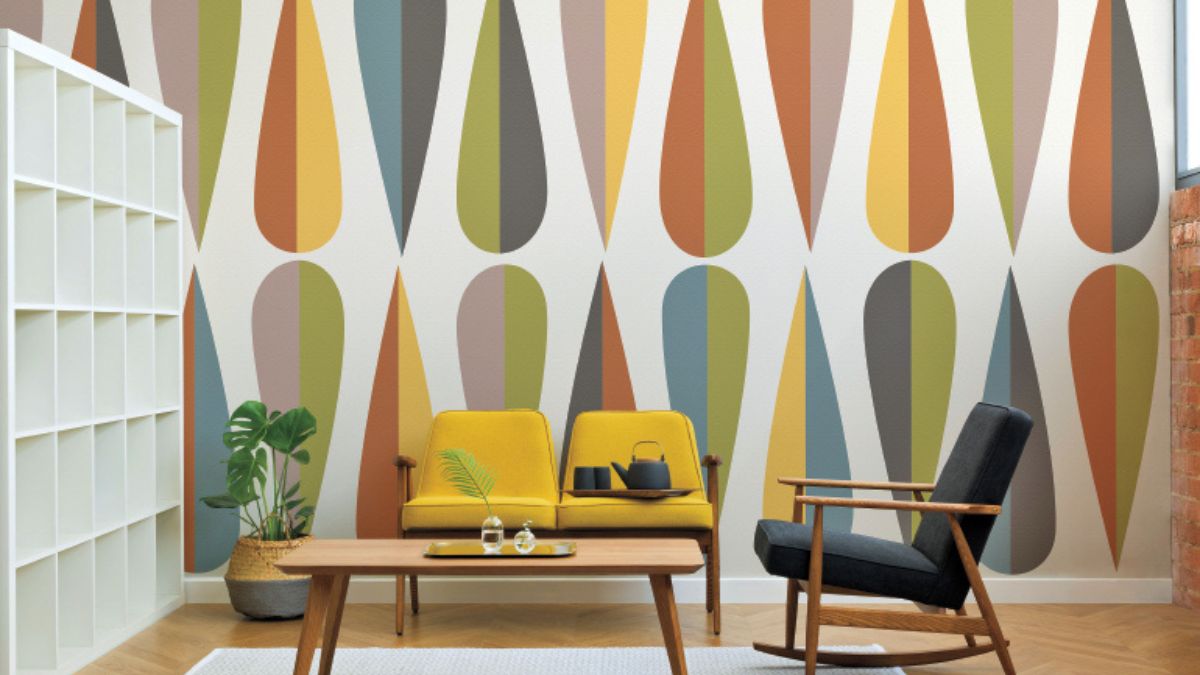
Interior design tends to have a repeat cycle where the old styles are re-introduced with a new twist. The revival of mid-century modern aesthetics is one of the most prominent ones in recent years. This style of design has a strong impact on the interior nowadays as it is known to have clean lines, geometric forms, and bold but balanced color schemes. The homeowners and designers are adopting retro-inspired items as they prepare to develop their spaces to be stylish, timeless, and personality-filled.
The decoration of walls is a major part of this renaissance. Most of the home owners have been experimenting with inventive wall finishes, rather than just taking direct advantage of neutral paintwork that would otherwise portray the sophistication and the essence of a mid-century design. Wall paper with vintage designs, natural colors, and artistic forms are contributing to the revival of this vintage style in contemporary houses. This is also causing the mixture of vintage influence and contemporary material to produce interiors that are both nostalgic and new.
How Designer Wallpaper Is Transforming Interior Design
Designer wallpaper is becoming more and more popular in contemporary interiors as a means to enhance the aesthetics of the given space. In comparison to regular wallpapers, designer ones are usually well considered, high-quality material, and special artistic ideas. These are the elements that assist in changing the wall into a visually appealing design element that adds to the total mood of a room.
The designer wallpapers are very attractive as they bring in some creativity with sophistication. Most designers work together with artists and textiles to design a pattern that appears to be similar to fabrics, artwork or architectural designs. Consequently, these wallpapers tend to appear as works of decoration art rather than wall coverings. Designer wallpapers can make the interior appear elegant, modern and well-designed by introducing refined textures and complex designs.
Why Mid-Century Modern Wallpaper Fits Today’s Design Aesthetic
The renaissance of the mid century modern wallpaper is mostly credited to its capability of being retro and modern and simple at the same time. The principles of mid-century design emphasize functionality, minimalism, and visual balance, which are all attributes that are in line with the current trends in interior. This renders the style very flexible in the modern houses.
Moreover, the wallpaper patterns of the middle of the century tend to have abstract shapes, repetitive geometric patterns, and patterns which are drawn after nature. These features produce a feeling of movement and artistic vivacity of a space. The wallpaper is a very vibrant feature when it is paired with modern furniture and neutral decorations as it does not overpower the room. Such retro and modern harmony is one of the primary causes why the style is popular again.
Why Retro-Inspired Wall Designs Are Returning to Modern Homes
The resurgence of mid-century-inspired wall decor is directly connected to the general trend towards vintage design. The modern-day homeowner places importance on styles that are both simple and artistic. Wallpapers with a mid-century influence are the best illustrations of this balance with an emphasis on both bold patterns and orderly design principles.
There are a number of reasons why retro-inspired wallpapers are becoming a trending design:
- Classic geometrical design: Mid-century designs usually consist of unusual lines that are appealing even several decades after the creation date.
- Even color solutions: The use of the earthy colors, warm neutrals, and accents make the image harmonious but bright.
- Interior styles: Retro wallpapers can fit the modern minimalist interior as well as eclectic interiors.
- Sense of nostalgia: Due to its ability to bring the charm and creativity of previous decades, many homeowners are fond of designs.
- Wall statement: Patterns are bold and therefore become the centerpieces of any room immediately.
Due to these features, the retro wallpaper designs are currently being used in the living rooms, bedrooms and even in the dining rooms. They enable homeowners to add some personality to their rooms and at the same time be stylish and harmoniously designed.
Styling Ideas for Incorporating Retro Wallpaper Designs
A careful approach to style will have to be made to use mid-century wallpaper in the present-day interior. The designers will suggest that such wallpapers can be used as accent walls to emphasize certain portions of a room e.g. behind a sofa, bed, or dining table. This will enable the pattern to be noticed and at the same time the general space will look balanced.
The retro aesthetic may also be improved with the help of furniture and decor. The design of the wallpaper can be complemented with wooden furniture with a clean line, the vintage-style of the lighting fixtures and other simplified decorative object. With all these included, the homeowners will be able to construct interiors that will be cozy, elegant, and reminiscent of one of the most recognizable design trends of the twentieth century.
Conclusion
The revival of the mid-century style is a reaction to increased respect towards classic design that is both inventive and straightforward. Wallpapers with this iconic age are gaining popularity as homeowners are finding ways to make their houses unique. Their aggressive designs, equilibrium between colors and artistic value qualify them to be used to produce statement walls in contemporary homes.
Combining the retro inspiration with the modern design principles, mid-century wallpapers provide the audience with a unique chance to design interiors both retro-inspired and stylish. This tendency is still in the process of growing, and it is evident that traditional design influences will still play a significant role in the contemporary interior design.
-

 TOPIC8 months ago
Symbols of Hope: The 15th Belenismo sa Tarlac
-

 TOPIC8 months ago
“The Journey Beyond Fashion” – Ditta Sandico
-

 NEWS8 months ago
Historical Churches in Manila
-

 TOPIC8 months ago
RIZAL at 160: a Filipino Feat in Britain
-

 TOPIC8 months ago
5 Must-Have Products From Adarna House to Nurture Your Roots
-

 TOPIC8 months ago
Boats with Two Strings
-

 TOPIC8 months ago
“Recuerdos de Filipinas – Felix Laureano”
-

 TOPIC8 months ago
Filipino, alternative language course at Moscow State University