
BUSINESS
A Guide to Installing Energy-Efficient Lighting Solutions

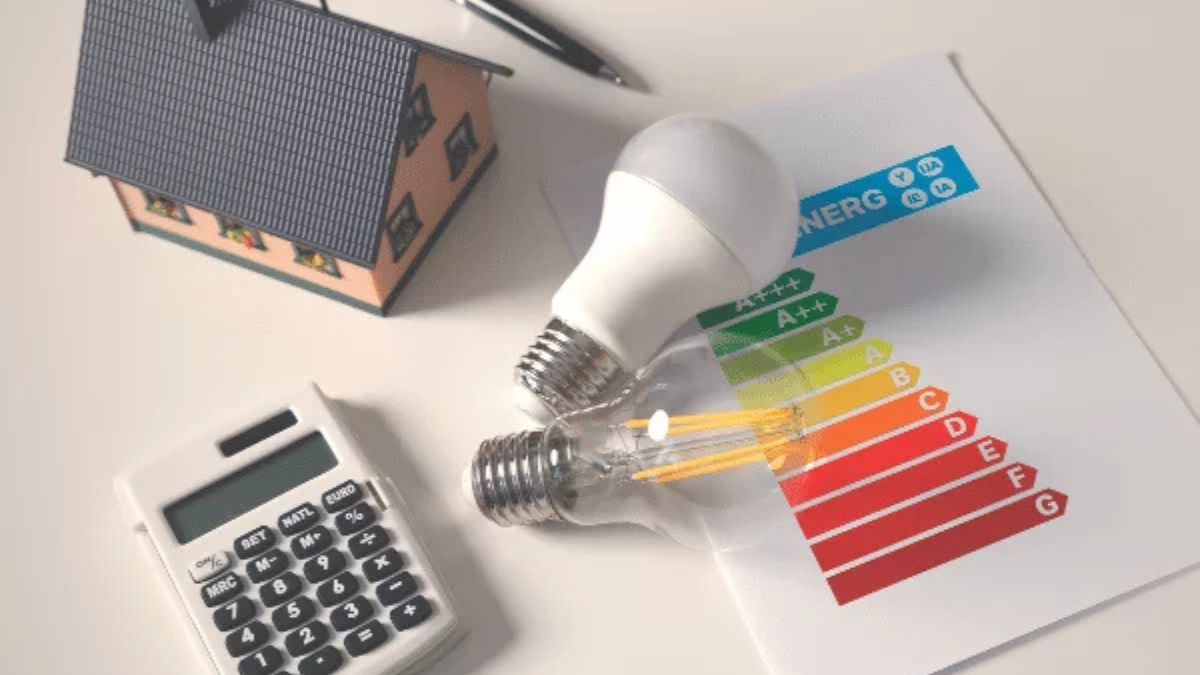
Think about the last event that truly impressed you — a wedding reception glowing in warm amber, a concert stage exploding with color, or a DJ booth that seemed to pulse with every beat. Chances are, the lighting was doing most of the heavy lifting.
Lighting is no longer just about illumination. It is about atmosphere, storytelling, energy, and — increasingly — sustainability. Whether you are setting up for a weekend party, planning a wedding, designing a theatrical production, or outfitting a nightclub, the fixtures you choose directly affect your energy bills, your maintenance costs, and the overall experience you deliver to your audience.
This guide walks you through everything you need to know about installing energy-efficient lighting solutions, with a particular focus on modern stage and event lighting that serves parties, weddings, and live entertainment.
Key Takeaways
- LED-based lighting solutions consume up to 60% less energy than traditional halogen or discharge lamp alternatives
- Modern stage lighting, including moving head lights, combines energy efficiency with dynamic, high-impact visual performance
- Layered lighting design — wash, spot, and effects — is the gold standard for parties, weddings, concerts, and entertainment events
- DMX512-compatible fixtures allow full integration with existing lighting systems, reducing upgrade costs
- Choosing the right fixture type for the right venue significantly reduces wasted energy and operational expense
Understanding Energy-Efficient Lighting: The Basics
Before you start shopping for fixtures or planning installations, it helps to understand what “energy-efficient” actually means in the context of lighting.
Traditional stage and event lighting relied heavily on halogen lamps and discharge lamps (such as HMI or HID bulbs). These produced excellent light output but came with serious drawbacks: high power consumption, significant heat generation, short lamp lifespans, and frequent replacements that added both cost and downtime.
Modern LED-based lighting technology changed the game entirely. LED fixtures offer:
- Lower power consumption — typically saving 50–60% on energy compared to equivalent halogen or discharge-lamp fixtures
- Longer lifespan — LED modules in professional-grade fixtures can last 20,000 hours or more, compared to 750–1,500 hours for traditional discharge lamps
- Reduced heat output — cooler operation means safer environments for performers, guests, and equipment
- Better controllability — LED fixtures respond faster to DMX control signals, enabling smoother color changes and effects
For event organizers, venue operators, and lighting designers, these advantages translate directly into lower running costs and a better return on investment over time.
The Star of Modern Events: Moving Head Stage Lighting
No discussion of energy-efficient event lighting would be complete without talking about moving head lights — the most versatile and visually impactful fixtures in modern stage and event design.
A moving head light is exactly what it sounds like: a lighting fixture mounted on a motorized yoke that allows it to pan and tilt, directing its beam anywhere in the room. Where traditional fixtures are static and must be physically repositioned, a single moving head can cover multiple positions and change its entire character — color, beam shape, pattern, and focus — all through a lighting console or DMX controller.
For parties, weddings, concerts, and entertainment events, moving head stage lighting with big head fixtures represent the cutting edge of performance and efficiency. Larger-headed moving head fixtures house more powerful light sources and advanced optical systems, enabling them to deliver broad coverage, deep saturated colors, and sharp aerial beam effects — all within a single unit that would otherwise require multiple traditional fixtures to replicate.
Why does this matter for energy efficiency?
Because consolidating multiple functions into one intelligent fixture means you need fewer total fixtures to achieve the same result. Fewer fixtures means less total power draw, less cabling, less rigging weight, and fewer maintenance points — all of which contribute to a more sustainable and cost-effective lighting installation.
Types of Moving Head Lights and Their Applications
Understanding the different categories of moving head fixtures helps you choose the right tool for each application — which in turn prevents over-specification (buying more fixture than you need) or under-specification (buying a fixture that cannot do the job).
1. Moving Head Wash Lights
Wash lights deliver wide, even coverage across large areas. They are perfect for painting stage backdrops, flooding a dance floor with color, or setting the ambient mood of a wedding reception or banquet hall.
Modern LED wash moving heads can cover a beam angle range from approximately 10° to 80° using motorized zoom, and they support full RGBW or RGBAL color mixing — meaning millions of color combinations from a single fixture. With a lifespan exceeding 50,000 hours on LED modules, they represent some of the most cost-efficient fixtures available for long-running venue installations.
Best for: Weddings, banquet halls, theater backdrops, corporate events, television studios
2. Moving Head Beam Lights
Beam lights produce narrow, sharp, highly concentrated columns of light that cut through haze and smoke with striking visual impact. A tight 2° beam from a high-powered fixture can travel enormous distances, making these the go-to choice for concerts, festivals, and large-scale DJ events.
When paired with prism effects, a single beam moving head can split its output into multiple fan-like rays that sweep through the air, creating spectacular aerial displays that audiences remember long after an event ends.
Best for: Concerts, festivals, DJ booths, nightclubs, large outdoor events
3. Moving Head Spot / Profile Lights
Profile or spot moving heads combine precise framing, zoom, gobo pattern projection, and color mixing in a single fixture. They are the workhorses of theatrical lighting, allowing designers to shape light into specific areas, project custom patterns (such as logos, foliage textures, or geometric designs), and transition seamlessly between lighting looks during a live performance.
For weddings, profile moving heads are particularly valuable: they can project monograms or floral patterns onto walls and dance floors, creating personalized, Instagram-worthy moments that static decorative lighting simply cannot achieve.
Best for: Theater productions, broadcast studios, weddings, corporate events, TV shows
4. Hybrid Moving Head Lights (3-in-1)
Hybrid fixtures combine beam, spot, and wash functions into a single unit. For smaller venues or productions with tight budgets and limited rigging space, a hybrid moving head delivers the maximum possible flexibility from the fewest fixtures — making them exceptionally energy and cost-efficient.
A Real-World Case Study: Upgrading a Wedding and Events Venue
Consider a mid-sized events venue — a ballroom that hosts approximately 150 weddings and corporate events per year. The existing lighting rig consisted of 48 traditional PAR cans and halogen fresnel fixtures, supplemented by eight older discharge-lamp moving heads.
After upgrading to a modern LED-based rig consisting of:
- 16 LED moving head wash lights
- 8 moving head beam fixtures
- 8 LED profile moving heads with gobo capabilities
…the venue reported the following outcomes:
| Metric | Before Upgrade | After Upgrade |
| Total fixture count | 64 | 32 |
| Estimated power consumption (peak) | ~14,400W | ~5,800W |
| Annual lamp replacement cost | High (frequent bulb changes) | Minimal (20,000–50,000 hr LED lifespan) |
| Setup time per event | ~3 hours | ~1.5 hours |
| Creative flexibility | Low (static fixtures) | High (programmable DMX control) |
The venue reduced its lighting energy consumption by approximately 60%, cut lamp replacement expenditure dramatically, and was able to offer clients more sophisticated, customizable lighting packages — at a premium — because of the enhanced creative capabilities.
This outcome is consistent with findings from the U.S. Department of Energy’s solid-state lighting reports, which have consistently documented that commercial LED conversion projects in entertainment and hospitality settings achieve energy savings of 40–70% compared to legacy lamp technologies.
Step-by-Step: How to Plan and Install an Energy-Efficient Lighting System
Step 1: Define Your Use Case
The first question is always: what is this lighting system for? A wedding venue has different requirements than a nightclub, which has different requirements than a theater. Be specific about:
- The size and ceiling height of the space
- The typical events hosted (parties, weddings, concerts, corporate)
- The desired effects (romantic ambiance, high-energy club atmosphere, theatrical precision)
- Your budget for fixtures and installation
Step 2: Design a Layered Lighting Approach
Professional lighting designers always think in layers:
- Layer 1 — Base wash: Provides even, general illumination so guests and performers are clearly visible
- Layer 2 — Key and focus lighting: Draws attention to specific areas (stage, dance floor, altar, podium)
- Layer 3 — Effect and atmosphere lighting: Creates visual excitement through movement, color, beams, and patterns
This three-layer approach ensures you never over-light or under-light any part of the venue, and it minimizes the number of fixtures you need — which directly reduces energy consumption.
Step 3: Choose DMX-Compatible Fixtures
DMX512 is the industry-standard control protocol for professional stage and event lighting. Choosing DMX-compatible fixtures means:
- All your lights can be controlled from a single lighting console or software
- You can program and save lighting presets for different event types
- You can integrate moving heads with fog machines, strobes, and other effects units seamlessly
- Future upgrades are easier because DMX is universally supported
Advanced protocols like RDM (Remote Device Management), Art-Net, and sACN extend DMX’s capabilities further, allowing real-time fixture monitoring and large-scale network control — particularly valuable for permanent venue installations.
Step 4: Calculate Power Requirements
Before purchasing fixtures, total up the power draw of your planned rig. Add up the wattage of every fixture and ensure your venue’s electrical supply can handle the load, with appropriate safety headroom (typically 20–25% above calculated maximum draw).
Moving head fixtures range from approximately 100W for compact LED models to 1,400W or more for large-scale professional discharge-lamp profiles. LED-based fixtures consistently offer the best output-to-wattage ratio for most party and event applications.
Step 5: Plan the Rigging and Cable Management
For permanent installations, ceiling truss systems, motorized hoists, or lighting bars provide the safest and most flexible mounting options. For temporary or touring setups, portable truss stands and road cases keep fixtures protected during transport.
Proper cable management is essential for both safety and energy efficiency. Loose or poorly routed cables increase the risk of damage and can create electrical resistance issues that waste energy over time.
Step 6: Program and Test Before the Event
Even the most sophisticated fixtures deliver disappointing results if not programmed correctly. Allow adequate time before each event to:
- Load and test lighting cues
- Verify color calibration across all fixtures
- Test movement ranges and ensure no rigging obstructions
- Confirm DMX addressing and communication between console and fixtures
Energy-Efficient Lighting for Specific Event Types
Weddings
Weddings benefit most from warm, smooth wash lighting combined with intelligent moving head profiles that can project custom patterns. A signature monogram on the dance floor, soft warm lighting during dinner, and a dramatic color shift when the first dance begins — all achievable with a well-planned LED moving head rig.
Parties and Nightlife
DJ events and club nights demand fixtures that respond to music, create aerial beam displays, and sustain high-intensity effects over several hours. DJ-specific moving head fixtures with sound-activated modes and beat synchronization allow even non-technical operators to run impressive light shows without specialized programming knowledge.
Concerts and Live Performances
Large-scale performances require powerful, reliable fixtures with fast movement and vivid color mixing. High-output moving head beams for aerial impact, wash fixtures for broad stage coverage, and profile spots for precision key lighting form the core of any professional concert rig.
Corporate Events and TV Productions
Corporate and broadcast applications prioritize skin-tone accuracy and consistency over spectacle. High Color Rendering Index (CRI) fixtures, flicker-free LED performance, and subtle gobos or logo projection are the most valuable capabilities in this context.
Frequently Asked Questions (FAQs)
Are LED moving head lights compatible with existing lighting systems?
Yes. The vast majority of professional LED moving head fixtures support DMX512, the universal standard for stage lighting control. This means they can be integrated into any existing lighting console or control setup without requiring special adapters.
How long do LED moving head lights last?
Professional-grade LED modules in moving head fixtures typically have a rated lifespan of 20,000 to 50,000 hours. For a venue running events three to four times a week, this can translate to ten or more years of operation before LED replacement is needed.
Can I use moving head lights for outdoor events?
Yes, provided you select fixtures rated for outdoor use. Look for IP65 or higher weather-resistance ratings, which protect against rain, dust, and temperature fluctuations. Many professional moving head wash lights are available in weatherproof configurations suitable for outdoor concerts, festivals, and wedding receptions.
How many moving head lights do I need for a party or wedding?
This depends on venue size and desired effect. For a mid-sized ballroom or reception hall (up to 200 guests), a rig of 8–16 moving head wash and beam fixtures is typically sufficient to create a dynamic, professional atmosphere. A lighting professional can provide specific recommendations based on your venue dimensions and ceiling height.
What is the difference between a moving head beam and a moving head wash?
A beam light produces a narrow, concentrated ray of intense light ideal for aerial effects and high-impact concert visuals. A wash light spreads broad, even color across large areas and is better suited for ambient mood lighting, backdrop illumination, and general stage coverage.
Do I need a professional lighting technician to operate moving head lights?
For complex productions with fully programmed cue sequences, a trained operator is recommended. However, many modern fixtures offer sound-activated automatic modes, preset programs, and user-friendly DMX controllers that allow non-specialists to run effective light shows with minimal training.
Conclusion: Smarter Lighting Is Better Lighting
The shift toward energy-efficient, LED-based lighting solutions is not just good for the environment — it is good for your budget, your production quality, and your audience’s experience. Moving head stage lighting, in particular, represents one of the smartest investments any event venue, production company, or entertainment professional can make.
By consolidating multiple traditional fixtures into fewer, more capable intelligent units, LED moving head lights reduce power consumption, lower maintenance overhead, and dramatically expand your creative possibilities — all at the same time.
Whether you are lighting a small weekend party, a destination wedding, a touring concert, or a television production, the principles remain the same: plan in layers, choose DMX-compatible LED fixtures, size your rig to the venue, and invest in quality that will perform reliably for years.
The right lighting does not just illuminate a space. It transforms it.
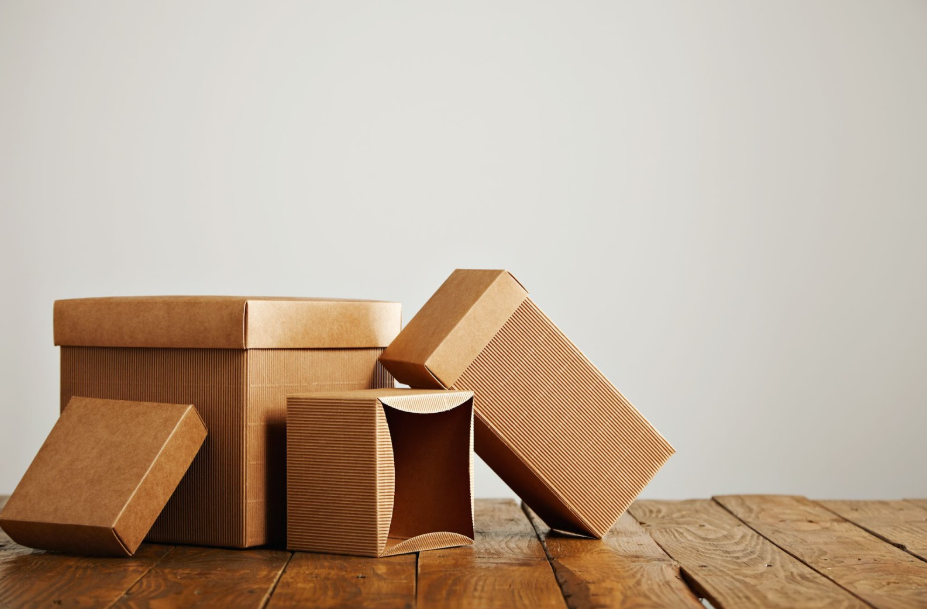
Folding carton is one of the most common types of packaging, which is known for its versatile and lightweight nature. This packaging is made of paperboard and can be folded into any shape, used to hold different types of products. Folding cartons are used across industries such as cosmetics, food, medicine, electronics, and retail. These cartons are easy to store and assemble, which makes them a perfect choice for a wide variety of products.
Choosing the right folding carton is very important because packaging doesn’t just hold your products, but it also keeps them safe during storage and shipping. It also helps brands present their products in a professional way that makes them stand out on competitive retail shelves. A strong and perfectly designed carton helps create a lasting first impression. A powerful first impression is very important for your brand to build a strong recognition among buyers. On the other hand, a weak or poorly designed packaging can damage your product’s first impression.
In this blog, we will discuss how to pick the right custom folding carton packaging for your product and highlight the best packaging supplier available in the USA.
Understanding the Product First
It is important for businesses to understand their product first before choosing a custom folding carton packaging. The first thing they should do is to determine the size and weight of the product. It is important to understand that a light or small product does not need the same type of packaging as a large and heavy product. The carton must fit the products properly. Businesses need to ensure that the product does not move too much inside the packaging.
Fragility is another important factor that can’t be dismissed at all costs. If the product is fragile, brands should opt for a strong folding carton that will keep the product safe from damage during shipping and handling. When businesses fully understand their product, it becomes much easier for them to choose the right custom folding carton packaging that keeps their products safe and presents them professionally.
Choosing the Right Material
The material used in custom folding carton packaging plays an essential role in keeping products safe and enhancing their visual appeal. Most of the folding cartons are made using paperboard. Products that are small and lightweight often need a lightweight type of paperboard. At the same time, products that need extra protection use stronger and thicker paperboard.
Heavier products need thicker paperboard that does not bend, tear, and survive shipping. While a light product uses a thinner board, which helps reduce cost. It is necessary to select the right thickness to guarantee maximum product safety.
Coated and uncoated materials are also important to consider. Coated paperboard offers a smooth surface that works perfectly for high quality printing. It makes colors look vibrant and clearer. Uncoated paperboard, on the other hand, offers a natural look that is often preferred by many businesses seeking an eco-friendly appearance.
Select the Right Box Style
It is important to choose the right style of the folding carton. Different box styles are designed for different packaging requirements. The following are some of the most common styles of folding cartons:
- Straight Tuck End
- Reverse Tuck End
- Auto-Lock Bottom
- Seal End Cartons
These box styles are easy to assemble and work perfectly for different product requirements. It is important to choose between a simple or stronger structure of a folding carton based on the product’s weight and shipping needs. The right box style helps keep the product safe and improve presentation while keeping the packaging efficient.
Work With the Right Packaging Supplier in the US
There are numerous packaging suppliers available in the US. It is important for brands to choose someone who understands their packaging requirements. A reliable packaging supplier not only listens and understands what you really want, but also offers you exceptional packaging solutions that make your brand stand out.
Among the sea of packaging suppliers in the US, ColorWing stands out as a reliable packaging partner. They help streamline your entire packaging journey and offer remarkable product packaging. They let you customize your box according to your unique requirements. You can select the perfect size and style for your box. They also offer design and logo printing services that help make your products stand out and build a strong brand image in the market.
They offer you high quality packaging materials that help you make sure your product remains safe from damage during shipping and handling. We utilize state-of-the-art printing technology to confirm your printed design looks excellent.
ColorWing offers you wholesale custom folding carton packaging. That means you can order folding cartons in bulk, significantly lowering the per-unit cost. They offer flexible production with a reasonable turnaround time. Their team is always open to help you with any queries you have about your order. Reach out to them today and share your requirements to get the best deals on custom packaging.
Final Thoughts
Choosing the right custom folding carton packaging is an important task for many businesses. The carton should keep the product safe and fit perfectly. They should also look clean and present products in a professional way. If you want a product packaging that not only looks good but also performs well on retail shelves, it is important to understand the product size, weight, and storage needs. That way, selecting the right box style becomes a much easier task for you.
A strong and well designed folding carton helps keep products secure from damage during shipping. Packaging is the first thing that buyers interact with. That’s why you have to make sure your packaging leaves a lasting impression on your buyers. Remember that customers judge each and every aspect of the product packaging. This makes packaging an essential part of creating a strong brand image and building buyer trust.
Businesses should always take time to test samples. Working with an experienced packaging supplier like ColorWing helps streamline the entire packaging journey. The right folding carton plays a significant role in keeping teh product safe, making it look eye catching, and supports long term business growth.
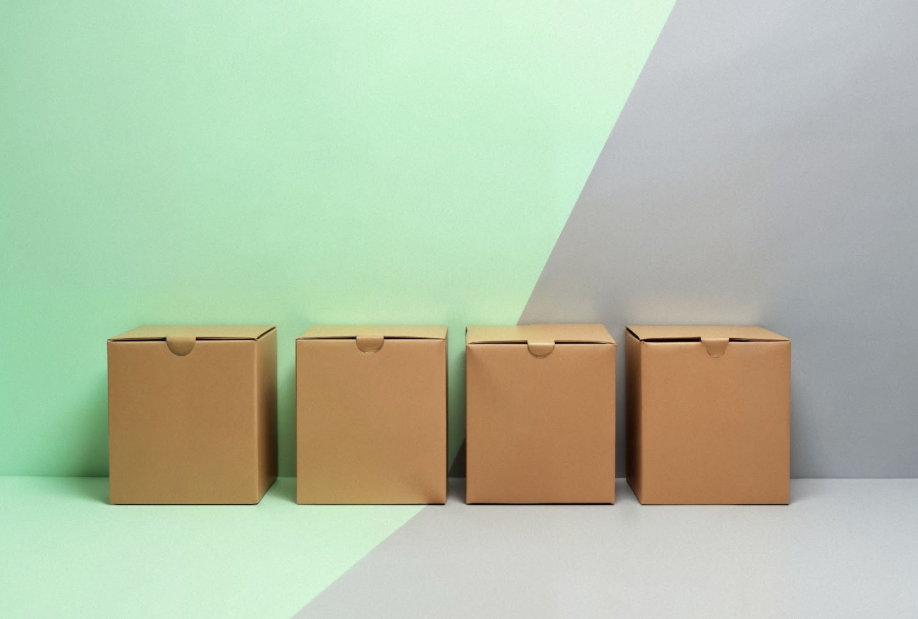
In today’s competitive niche, it takes a lot of effort for brands to get themselves noticed on the shelves. The reason for this is quite simple, the target audience, or customers, are seeing hundreds of products every day. Due to this, businesses must find innovative ways to make their products easy to recognize and their presence felt.
Packaging plays a crucial part in this whole ordeal. A simple box might have the potential to protect the product but it does not help customers remember the brand or differentiate the product from rest. On the contrary, branded packaging can help to create a visual appeal that customers can recognize almost instantly.
This is why many businesses now invest in custom boxes with logo. These boxes do more than just holding a product. They help brands build recognition, trust, and long term customer relationships.
Let us explore the potential reasons about how logo printed boxes assist in improving product recognition and why it has become a marketing strategy for modern brands.
1. The Power of Visual Identity
According to science, human memory is strongly connected to visuals. People associate images and colors quicker and faster than words.
When a brand plans to place its logo on front or top of the packaging, it is definitely looking to create a visual connection with customers.
Every time the customers see the logo, the brand connection will continue to form. And with passing time, they’ll begin to identify the product quickly even before reading the label.
2. Packaging Is Often the First Brand Interaction
In online shopping, customers do not see the product until it arrives on their doorsteps. This means the packaging itself creates the first impression.
When customers receive printed boxes that display the brand clearly, they immediately know who sent the package.
A strong first impression helps customers remember the brand for future purchases.
3. Consistent Branding Builds Recognition Faster
If a brand prints its branding credentials like logo, colors, and message across all its packaging, then customers truly begin to associate with the brand.
Packaging that is consistent helps create a professional image and makes the brand easily recognizable.
4. Custom Packaging Helps the Products to Stand Out
When products look the same as the ones already displayed on the shelves, there are high chances that customers might find it difficult to differentiate them from rest.
So, opting for custom box packaging gives brands the freedom to exclusively design it to intensify their presence in the competition.
The logo becomes the main factor that distinguishes the product from competitors.
5. Packaging Works as a Silent Advertisement
Every package travels through multiple stages before reaching the customer. Delivery drivers, office staff, family members, and neighbors may all see the package. This means the packaging acts like a moving advertisement.
When the logo is clearly seen, it increases brand exposure without costing anything for marketing. Working with a reliable box packaging supplier helps ensure that the logo printing is clear and consistent on every package.
More exposure leads to stronger brand recognition.
6. Professional Packaging Builds Customer Confidence
A product that arrives in a well designed box feels more professional than one that comes in plain packaging.
A branded packaging gives off the perception that a company cares more about quality and detail.
When customers put their trust on a brand, they are likely to remember it and buy from it again.
7. Packaging Supports the Unboxing Experience
Nowadays, unboxing of packaging has become an important part in leaving a memorable impression. Customers are more inclined to enjoy unboxing criteria if the packaging looks attractive.
A well designed box having a logo on it makes the whole unboxing experience feel more personal. This also compels the customers to share the interesting packaging on social media or with friends.
These shared moments help increase brand exposure.
8. Custom Packaging Strengthens Brand Story
Packaging can communicate more than just a logo. Brands can print their specific colors, typography, and messages to reflect their personality and vision.
With custom packaging, businesses have the freedom to combine these elements to tell a clear brand story.
When customers understand the brand story well, they connect on an emotional level with the product. And what does this connection achieve? It makes the brand easy to remember.
9. Bulk Packaging Supports Brand Growth
As businesses grow, maintaining consistent branding becomes even more important. Ordering custom boxes wholesale helps ensure that packaging remains uniform across all shipments.
This consistency helps to strengthen the brand image as order volume increases. Uniform packaging also improves packing efficiency and storage management.
Growing businesses benefit from packaging systems that support both branding and operations.
10. Packaging Helps Small Brands Compete
Bigger brands usually spend millions of dollars on advertising campaigns to uplift their brand recognition. This is something that small scale businesses can’t afford.
This is where custom packaging excels the rest. It becomes a powerful tool for such brands to compete.
Even a simple looking box with a clear logo printed on it can make a brand look professional.
11. Packaging Creates Long Term Brand Visibility
Unlike traditional advertisement campaigns that get forgotten quickly, packaging sticks with customers for days or, in some cases, weeks.
Some stay in the pantry while some on kitchen shelves. This allows the brand logo to remain visible at every instance.
This repeated viewing helps brands to be remembered by onlookers without costing additional for marketing.
Final Thoughts
In short, product recognition is one of the most valuable assets a brand can build. When customers recognize a product quickly, they are more likely to trust it and choose it over competitors. Logo printed packaging plays an important role in this process.
It builds visual memory, strengthens brand identity, and increases exposure during shipping and handling. By investing in well designed packaging, businesses can transform ordinary boxes into powerful branding tools.
If you want packaging that improves brand recognition and creates a professional impression, Print247 offers high quality packaging solutions designed for modern businesses. From durable materials to precise logo printing, Print247 helps brands create packaging that protects products while making them easy to recognize.
Connect them today and turn your packaging into a powerful branding tool.
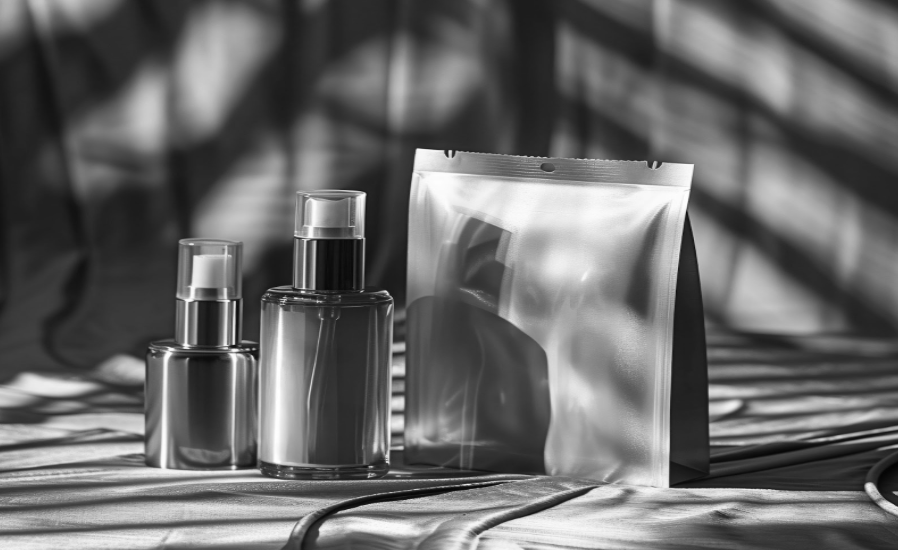
Choosing excellent packaging is a journey that goes far beyond just picking a material to make one. We already know that Mylar is the gold standard for safety and branding. It is important to note that the physical dimensions of your bag play a significant role. They shape how your product is perceived and how well it is preserved.
Custom Mylar Bags is a leading packaging company in the USA that understands that a bag that is too small looks cramped and unprofessional, while a bag that is too large makes your product look meager and creates unnecessary waste.
Finding the right fit is very important. It’s about balancing aesthetics, functionality, and shipping efficiency. This blog will walk you through the most common Mylar bag sizes and help you determine which dimensions are best suited for your specific industry.
Why Size Matters So Much in the Packaging World
When customers receive their products or interact with them on the retail shelves, the first thing they notice is the packaging. If you sell premium coffee beans in a bag labeled for a large bag of chips, the extra air and packaging material make the brand look disorganized. Contrariwise, packing a product into a small pouch can overstress the seals and ultimately cause them to fail, leading to leaks or spoilage.
Therefore, it is extremely important to choose the right size too because it directly impacts your bottom line. Larger bags take up more room in shipping boxes, which can increase your logistics expenses. Customize your bag’s dimensions to ensure you pay only for the material you need.
Understanding Mylar Bag Dimensions
Mylar bags come in a wide variety of sizes and shapes. They are often classified by their capacity or physical measurements in inches. Here are the most popular sizes for Mylar bags used in the retail market:
Small Sample Bags
Small or sampled sized mylar bags are a perfect choice for single use products or promotional items. They are highly popular in the field of cosmetics and food. They are used to pack seeds, single vitamins, lip balms, spice samples, and jewelry. It is important to keep your branding simple as it is small in size. If you print a large logo on them, they might end up looking unprofessional on such a small surface area.
The 1/8 Ounce Pouch
It’s a standard size for many specialty products. These types of mylar bags often have a bottom gusset, which allows the bag to stand up on its own when filled with the product. They are commonly used for medical products, dried herbs, nuts, and dried fruit. Businesses can create stand up pouches in this size. These bags offer maximum shelf visibility as they can stand on their own and face the customer directly.
Medium Bags
These bags have enough room for products that have more volume. They are still lightweight, which makes them extra special. They are mostly used to pack large quantities of snacks, bath salts, gourmet popcorn, and specialty tea leaves. These bags offer plenty of space for branding and storytelling. Businesses can print their logos and product details on the back of the packaging to make it look stunning and feel professional.
Large Bags
These custom mylar bags are designed for bulk products. They are used to pack products that take up more space. These bags come with heavy duty zipper that allows customers to reuse the products multiple times without compromising on the freshness, even after opening multiple times. They are used to pack protein powders, pet treats, coffee beans, and dehydrated camping meals.
Features That Affect Your Size Choice
The dimensions are just the starting point. Certain features of the bag will change how much space you actually have to work with.
Stand-Up vs. Flat Bags
Flat bags (also known as pillow pouches) are great for items that are thin, like beef jerky or flat face masks. However, if your product has any bulk, a flat bag will “round out” when filled, which actually pulls the sides in and makes the bag shorter. If your product is bulky, always opt for a stand-up pouch with a gusset to maintain the bag’s intended height and width.
Zippers and Heat Seals
Every custom Mylar bag needs a way to close. A standard zipper takes up about half an inch of vertical space. Above that, you usually have a “tear notch” and a heat-seal area. When calculating your size, always remember that the “usable space” is the area below the zipper, not the total height of the bag.
Final Thoughts
At Custom Mylar Bags, the company does not believe in a one-size-fits-all approach. While standard sizes are great for many products, some require a unique silhouette to truly stand out. Custom dimensions allow businesses to create a look that is entirely their own. Whether an extra-long bag is needed for specialized equipment or a wide, shallow pouch for artisanal cookies, custom sizing ensures the packaging is as unique as the product inside.
The right size creates a seamless experience for customers, protects goods from the elements, and ensures that the brand looks professional from the moment it leaves the warehouse to the moment it sits on a customer’s kitchen counter.
-

 TOPIC8 months ago
Symbols of Hope: The 15th Belenismo sa Tarlac
-

 TOPIC8 months ago
“The Journey Beyond Fashion” – Ditta Sandico
-

 NEWS8 months ago
Historical Churches in Manila
-

 TOPIC8 months ago
RIZAL at 160: a Filipino Feat in Britain
-

 TOPIC8 months ago
5 Must-Have Products From Adarna House to Nurture Your Roots
-

 TOPIC8 months ago
Boats with Two Strings
-

 TOPIC8 months ago
“Recuerdos de Filipinas – Felix Laureano”
-

 TOPIC8 months ago
Filipino, alternative language course at Moscow State University