
HEALTH
Comparing Hair Transplant Surgery And PRP Hair Treatments In Florida

Hair loss affects millions of adults, causing many to search for effective, lasting solutions to restore their confidence and hairline. If you are researching restorative procedures, you have likely encountered two highly popular options: surgical restoration and platelet-rich plasma therapy. Choosing a hair transplant in Florida offers access to some of the country’s leading clinical specialists and state-of-the-art medical facilities. However, surgical intervention is not the only path to thicker hair. Non-surgical alternatives have gained immense popularity for their minimal downtime and natural approach. This guide breaks down the key differences between surgical transplants and therapeutic injections to help you make an informed decision for your hair restoration journey.
Understanding Hair Transplant Surgery
Hair transplantation is a permanent, surgical solution for moderate to advanced hair loss. The procedure involves harvesting healthy hair follicles from a donor area—typically the back or sides of the scalp—and transplanting them into thinning or bald regions. Surgeons primarily use two advanced techniques: Follicular Unit Extraction (FUE) and Follicular Unit Transplantation (FUT).
FUE versus FUT Techniques
FUE involves extracting individual follicular units using a micro-punch tool, leaving tiny, virtually invisible scars. FUT, or the strip method, removes a small strip of scalp tissue from which specialists harvest grafts under a microscope.
Both methods require local anesthesia and several hours to complete. Because the transplanted follicles come from areas genetically resistant to thinning, they continue to grow naturally for a lifetime. Patients typically see initial growth within three to four months, with complete, dramatic results visible after a full year. This surgical option is highly effective for restructuring receding hairlines and filling in crown baldness. However, because it is an invasive procedure, it requires a recovery period of several days. Patients must carefully follow post-operative care instructions, such as avoiding strenuous exercise and protecting the scalp from direct sunlight, to ensure optimal graft survival and prevent infection.
What is PRP Hair Therapy?
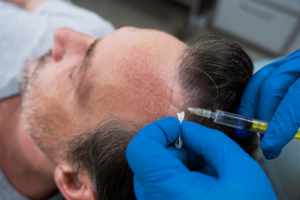
Platelet-Rich Plasma (PRP) therapy is a non-surgical, therapeutic alternative that utilizes your body’s natural healing mechanisms to stimulate hair growth. The process begins with a simple blood draw from your arm. This blood is placed in a centrifuge, a machine that spins at high speeds to separate the red blood cells from the platelet-rich plasma. This concentrated plasma, rich in essential growth factors and proteins, is then injected directly into the thinning areas of your scalp.
These growth factors work by reviving dormant hair follicles, increasing blood supply to the scalp, and thickening existing hair shafts. Opting for PRP hair in Florida treatments allows patients to address early-stage hair thinning without incisions, stitches, or surgical downtime. The entire session takes less than an hour, and patients can return to their daily activities immediately. Because the treatment uses your own blood, the risk of allergic reactions or rejection is virtually nonexistent. However, unlike surgery, PRP is not a one-time fix. It requires an initial series of three to four monthly sessions, followed by maintenance treatments every six to twelve months to sustain the hair-strengthening benefits and prevent further thinning.
Comparing Results and Timelines

When evaluating these two options, understanding the timeline and expected outcomes is crucial. A hair transplant in Florida provides a structural change by physically moving hair follicles to areas where none existed. This makes surgery the ideal choice for individuals with significant baldness or completely bare patches. The results are highly predictable and permanent, though they require patience. The transplanted hair sheds initially—a normal process called shock loss—before the new, permanent hair begins to emerge and grow.
In contrast, PRP hair in Florida therapy does not create new hair follicles. Instead, it improves the health, density, and quality of the hair you already have. It is highly effective for treating diffuse thinning and pattern baldness in its early stages. PRP results manifest as increased volume, reduced shedding, and a healthier scalp environment. While some patients notice a reduction in hair loss after their second session, visible improvements in density generally take three to six months to appear. For patients who want to avoid surgery or are not suitable candidates due to a lack of viable donor hair, PRP offers a viable medical pathway to preserve their existing hair and stimulate sluggish follicles.
Cost, Maintenance, and Long-Term Value
Financial investment and long-term commitment are major deciding factors for most patients. Surgical hair restoration carries a higher upfront cost, often ranging from several thousand to tens of thousands of dollars, depending on the number of grafts needed. However, because surgical restoration is typically a one-time procedure, many patients view it as a highly cost-effective, permanent investment over their lifetime. There are no ongoing treatment fees once the desired density is achieved, making it a straightforward financial choice.
On the other hand, a single session of PRP therapy is significantly cheaper than surgery. However, the cumulative cost of PRP can add up over time. Because the scalp requires continuous stimulation to maintain the revived follicles, patients must commit to ongoing maintenance sessions. If you stop PRP treatments, the hair follicles will eventually return to their previous state of thinning. Therefore, when comparing the two, you must weigh the high one-time cost of surgery against the lower, recurring expenses of therapeutic injections. Many clinics offer package deals for PRP sessions to help make the long-term maintenance more affordable for patients.
Choosing the Right Option for Your Hair Loss
Selecting the best approach depends heavily on your current stage of hair loss, your medical history, and your personal goals. Candidates for surgical restoration must have a sufficient amount of healthy donor hair on the back of the head to cover the balding areas. If your hair loss has progressed significantly, surgery remains the most reliable method to achieve a full hairline. Consulting with a specialist who performs hair transplant in Florida clinics can provide a clear assessment of your donor hair availability and expected graft count.
If you are just beginning to notice a widening part or general thinning, non-surgical therapy may be the perfect starting point. Many dermatologists recommend starting with PRP hair in Florida to stabilize active hair shedding and strengthen weak follicles before considering surgery. In fact, many hair restoration surgeons combine both methods. They use PRP injections during or after a transplant surgery to accelerate healing, promote graft survival, and boost the density of the surrounding native hair. A comprehensive evaluation by an experienced hair restoration specialist will help you determine whether a surgical procedure, a non-surgical therapy, or a combined treatment plan aligns best with your budget and lifestyle.
Conclusion
Both surgical hair transplants and PRP therapies offer powerful paths to combating hair loss, each catering to different needs and stages of thinning. A surgical transplant provides a permanent, structural solution for advanced hair loss, while plasma injections offer a non-invasive way to stimulate and thicken existing hair. Your choice ultimately depends on the extent of your hair loss, your budget, and your willingness to undergo a surgical procedure versus committing to ongoing maintenance treatments. Consulting with a qualified specialist in the Sunshine State will help you design a personalized treatment plan, ensuring you achieve the natural, confident look you deserve.

A sudden collision can disrupt your entire day in an instant. The moments after a crash often bring stress, confusion, and a rush of adrenaline. Knowing which steps to take first can help protect your health and your legal rights.
Being prepared can make a big difference when dealing with the chaos after a crash. A clear plan helps you focus on safety and gathering evidence instead of panic. This guide explains the best ways to protect yourself and your interests after an accident.
Prioritize Safety at the Scene
Moving your vehicle out of active traffic can help prevent another crash and keep everyone safe. Police officers handle immediate dangers, while skilled car accident lawyers in Pittsburgh can help with the legal issues that follow. Taking this step quickly lowers the risk of further harm to you and other drivers.
Turn on your hazard lights to warn other drivers about the crash. Call emergency services right away to report the motor vehicle accident and ask for medical help. Paramedics can check for injuries and provide care after the impact.
Gather Accurate Evidence and Information
Collecting clear details at the crash site can support your future claims. Exchange contact details, insurance information, and license plate numbers with the other driver. Keep your conversation focused on these basic facts.
Use your smartphone to take photos of the scene. These images can provide useful proof of what happened. Take pictures before the vehicles are moved or towed away from the road:
- Close-up photos of damage to all vehicles involved
- Wide shots of the intersection, road signs, and skid marks
- Photos of any visible injuries soon after the crash
- Names and phone numbers of witnesses who stopped to help
- Notes about the weather and lighting at the time of the crash
Report the Crash to Authorities and Insurers
A police report provides an official record of the crash. Officers will speak with both drivers and check the evidence at the scene. This report can be important when you file a car accident claim later.
Be honest with the officer and avoid guessing about details you did not see. Explain what happened and describe any unusual driving you noticed before the crash. Let the police review the evidence and decide who may be at fault.
Share the basic facts with your insurer without making a final statement about the crash. Stick to who was involved, what happened, when it happened, and where it took place. Taking this step carefully can help you work toward a fair auto insurance settlement later.
Seek Thorough Medical Evaluation
Visit an urgent care clinic or emergency room as soon as possible to create a medical record. Adrenaline can hide the pain of soft-tissue injuries for hours or even days after a crash. A medical exam can find hidden injuries before they become worse or lead to lasting problems.
Follow your doctor’s treatment plan closely. Attend every physical therapy session and take your prescribed medication as directed. Missing appointments may make it seem like your injuries are minor or that you do not need further care.
Stay Organized for a Smoother Claims Process
Staying organized and acting early can reduce much of the stress during the claims process. A clear plan can help you recover, protect your rights, and work toward a fair outcome. Stay updated with our latest blog posts for similar topics.
If you’d like to learn more, check out more articles on our blog.

Walking into a dental office for the 1st time can feel scary for a young child. Bright lights, strange tools, and unfamiliar faces often trigger worry before a kid even sits in the chair. Parents can take a few simple steps at home to turn that nervousness into calm curiosity.
Continue reading to discover everything you need to know!
Choose A Kid-Friendly Dental Practice Early
Finding the right office shapes how your child views dental care from day one. You can look at local clinic websites to discover feedback from satisfied patients and see how the team treats nervous kids. Reading real stories from other parents helps you pick a welcoming practice with gentle staff.
Ask the front desk if your family can stop by for a quick tour 1 week before the checkup. Letting your child see the waiting room toys and meet the receptionist builds comfort fast. A familiar space feels much safer than walking into a brand-new building on appointment day.
Use Positive Words When Talking About The Dentist
Kids pick up on adult stress, so keep your tone upbeat whenever the upcoming visit comes up. A pediatric dental care guide notes that words like “hurt” or “shot” can trigger fear, so parents should stick to positive, simple language instead. Tell your child that the dentist will count their teeth and help keep their smile strong.
Skip sharing your own past dental struggles or complicated stories about cavities. Keep answers short and honest when your child asks what happens during a checkup. Simple facts give kids clear answers without creating dental anxiety.
Practice Pretend Checkups At Home
Role-playing turns an unknown visit into a fun game that your child controls. Set up a pretend dental chair in the living room 3 or 4 days before the real appointment.
- Grab a favorite stuffed animal
- Use a clean toothbrush
- Shine a small flashlight
- Switch turns so your child practices
Picture books and short cartoons about visiting the dentist can support these playful practice sessions. Seeing favorite characters enjoy a checkup shows your child that dental visits are a normal part of growing up.
Give Your Child A Sense Of Control
Fear grows when kids feel stuck in a chair without a voice. A health guide from Cleveland Clinic suggests setting up a clear stop signal, such as raising a hand, so a child can ask for a break at any moment. Knowing they can pause the exam helps kids relax and trust the dental team.
Let your child make small choices on appointment day, like picking their outfit or comfort toy. Having 1 or 2 simple decisions in their hands shifts their focus away from worry.
Plan The Appointment Timing Smartly
Booking a visit during a child’s best time of day prevents meltdowns before you arrive. Morning slots work well for young kids who get cranky after skipping a nap.
Feed your child a light snack about 1 hour beforehand so hunger does not add to their stress. Arriving 10 minutes early gives you plenty of time to check in without rushing.
Leave Dental Anxiety Behind Before the First Checkup
Calm preparation at home sets the stage for a smooth 1st checkup and healthy habits that last for years. With patience, playful practice, and a supportive dental team, your child can walk into visit 1 feeling confident and ready to smile.
Want more advice on making dental visits easier for children? Explore more articles on our blog for helpful tips on pediatric dental care, easing dental anxiety, building healthy habits, and keeping little smiles bright.

A move to a new neighbourhood often brings a long list of practical tasks, from updating bills to arranging school journeys and learning the transport network. Healthcare registration deserves a place on that list. Finding an appropriate GP practice early can make routine prescriptions, ongoing condition reviews and future appointments easier to manage. For residents settling in Kidbrooke, the most useful approach is to verify eligibility, gather accurate information and understand how the local practice operates before a health concern becomes urgent.
Begin With the NHS Practice Finder
An online map or general search result may show a surgery close to your new home, but distance alone does not prove that the practice can register you. Use the official NHS Find a GP information to identify services and confirm registration details. Practices may have defined areas or change their capacity to accept new patients, so current information is essential.
If you have a particular accessibility requirement, need language assistance or rely on a regular treatment, mention it when making an enquiry. These practical circumstances can influence how smoothly registration and the first appointment proceed.
Understand How Multi-Site Practices Work
Some GP organisations operate from more than one building. A partnership may provide registration and routine appointments across sites, but not every clinic or appointment type is necessarily available at every location. Patients should confirm where a specific service will take place rather than assuming that all branches have identical arrangements.
Everest Health Partnership is listed as a GP provider in the Greenwich area, with a main practice at Sherard Road in Eltham and branch services that include Kidbrooke Village Square. People searching for a Kidbrooke Medical Centre should check the precise current site name, address and registration process to avoid confusion between different healthcare facilities.
Consider Continuity of Care During a Move
If you are already registered with another GP, think about any treatment or follow-up that is in progress. Keep a list of current medicines, known allergies and important appointments. Registration systems allow records to be transferred through established NHS processes, but patients should still make sure that immediate needs are explained when contacting the new practice.
For time-sensitive prescriptions, seek guidance before your existing supply runs low. Do not stop taking prescribed medicines because registration is underway. If you are unsure how to obtain necessary medication during the transition, speak to a qualified pharmacist or suitable NHS service.
Prepare the Information Needed to Register
Registration forms typically ask for identifying and contact information, previous GP details and relevant health information. Follow the individual practice’s instructions rather than relying on an old online checklist. The NHS explains that lack of certain documents should not automatically prevent registration, so ask for help if you are concerned about the paperwork.
Check that your telephone number, email address and current home address are accurate. Incorrect details can lead to missed messages about appointments or referrals. If your preferred contact method changes, update the practice promptly.
Understand the Appointment Request Process
Modern GP practices may use telephone, reception and online systems to gather information about a request. A member of the team may ask questions to determine the appropriate next step. The clinician offered may be a GP, nurse, pharmacist or another suitably trained professional depending on the nature of the concern and local arrangements.
When contacting a Kidbrooke GP provider, explain the main reason for the request, the duration of symptoms and whether there are any changes that make it urgent. Being clear at the start can help staff direct the request without requiring you to tell a long, unrelated history.
Create a Clear Medication Record
A useful medication list includes each medicine’s name, dose and reason for use where known. Add relevant allergies and note any recent changes made by a clinician. If you use over-the-counter products or supplements, mention them too, because interactions and duplicated ingredients can matter.
Keep the list accessible for routine appointments and unexpected healthcare visits. If possible, use an official NHS record or another secure personal system rather than storing sensitive details in public messages.
Ask About Long-Term Condition Reviews
People with diabetes, asthma, hypertension or other ongoing conditions may benefit from regular monitoring and a clear follow-up plan, but the exact schedule should be set by a clinician. When moving, ask how existing monitoring or specialist referrals will continue. Avoid assuming that a change of GP automatically cancels or transfers every appointment in the same way.
Bring any relevant clinic correspondence to the first discussion and explain what has already been arranged. The goal is continuity: the receiving team should understand the important parts of your care without having to reconstruct the entire history from memory.
Check Children’s and Family Services
Parents may need information about immunisation programmes, routine checks and the process for arranging appointments for children. Eligibility and delivery arrangements vary, so ask the practice which services it offers and whether particular clinics run at another location. For school-age children, it may also help to keep contact details up to date.
The same principle applies to other preventive services. Screening and vaccinations are based on national guidance and individual circumstances. Confirm what is appropriate with NHS or practice guidance instead of assuming every family member needs the same appointment.
Use Online Tools Without Losing Sight of Privacy
Digital services can simplify some administrative tasks, such as requesting repeat prescriptions or viewing information when available. However, the exact features depend on practice settings and patient eligibility. Use the official NHS app or the provider’s verified website rather than following untrusted links from messages.
Sensitive health information deserves careful handling. Do not send detailed medical histories through public social networks or an unofficial contact form. Ask the practice how to share supporting documents securely and how someone assisting you can be given appropriate consent.
Know Where to Turn for Urgent Help
A routine appointment system is not intended to manage every urgent situation. In England, NHS 111 can help when you need advice about urgent health concerns and are uncertain about the right service. In a life-threatening emergency, call 999 immediately. Severe breathing difficulty, suspected stroke or signs of a heart attack require emergency attention.
This distinction is especially useful for people new to an area. Identifying local NHS services in advance reduces the likelihood of searching for information in a stressful moment. General information cannot replace an assessment of the individual situation.
Confirm Branch Details Before Travelling
Practices can change opening arrangements, clinic locations and contact routes. When a multi-site organisation is involved, check the exact building specified in the appointment confirmation. Do not assume that the reception point closest to home will be where every service takes place.
Everest Health Partnership’s published and NHS-linked information offers a starting point for confirming current local arrangements, including its Kidbrooke provision. For those comparing practices, travel convenience should be weighed alongside registration eligibility, accessibility and continuity of care.
Make the First Appointment Productive
Before a consultation, note the main concern, when it began, important medication details and the questions you would most like answered. Ask what follow-up is expected and how results will be communicated. If a referral or test is discussed, make sure you understand what to do if symptoms change before the next contact.
A good patient experience is not determined only by how quickly someone finds a building. It comes from accurate registration, clear communication and knowing how to seek the right care when needed. For new Kidbrooke residents, establishing those basics early makes future healthcare interactions easier to navigate.
-

 NEWS1 year ago
Historical Churches in Manila
-

 TOPIC4 months ago
Unveiling AvTub: Your Ultimate Guide to the Best AV Content
-

 TOPIC1 year ago
Simbang Gabi and Kakanin
-

 TOPIC1 year ago
Symbols of Hope: The 15th Belenismo sa Tarlac
-

 BUSINESS6 months ago
Exploring the Different Types of Понуде in Business Transactions
-

 NEWS5 months ago
What Caused Delta Flight DL275 to Diverted LAX? A Detailed Breakdown
-
 TOPIC1 year ago
RIZAL at 160: a Filipino Feat in Britain
-

 TOPIC3 months ago
Understanding Fascisterne: Origins and Ideological Roots