
TOPIC
A Simple Way To Balance Adventure, Rest, And Kid-Friendly Fun In Punta Cana, Dominican Republic


A family vacation in Punta Cana, Dominican Republic, can combine warm-water fun, relaxed resort time, and memorable shared adventures without turning every day into a race. Families comparing all-inclusive family resorts in Punta Cana can take advantage of the included amenities, children’s spaces, restaurants, pools, and beach access to simplify their daily schedules. Planning around the family’s interests and pace can help make each day feel more enjoyable and manageable.
The goal is not to see everything. It is to create a trip where children have room to play, adults have time to recharge, and everyone returns home with good memories instead of a need for another vacation. A balanced itinerary with time for both activities and relaxation can make the experience more rewarding for every family member.
Why Balance Matters On A Family Trip
A packed itinerary can make even exciting experiences feel difficult. Punta Cana invites a slower pace, so balance a planned excursion, such as a boat trip or nature activity, with unstructured beach, pool, or room time. A successful day may include only one major activity, especially for younger children. Leave space for snacks, sunscreen, bathroom breaks, weather shifts, and the occasional early return.
Start With Your Family’s Travel Style
Before booking extras, identify what suits your household. Ask whether your children enjoy water play, animals, movement, crafts, sports, or cultural activities. Consider flight tolerance, stroller needs, food preferences, mobility needs, and usual sleep routines. A family that loves calm mornings may be happier with a late-afternoon walk than an early excursion pickup.
Choose Activities For Different Ages
Toddlers And Preschoolers
Choose short, low-pressure activities with easy exits. Sand play, shallow-water supervision, children’s areas, and brief walks work well. Keep a familiar snack, spare clothes, and a quiet option nearby.
School-Age Children, Tweens, And Teens
School-age children often enjoy scavenger hunts, pool games, simple snorkeling instruction with appropriate supervision, and chances to help choose an outing. Tweens and teens may value greater independence, active recreation, music, gaming, or time to relax on their own, all within clear family boundaries.
Build A Simple Daily Rhythm
Use a flexible three-part day. Schedule the main activity in the morning, when many families have more energy. Reserve midday for lunch, shade, swimming, a nap, or time indoors. Keep the afternoon light with a beach visit, a pool session, a family game, or a casual meal. This rhythm prevents the common mistake of treating every vacation hour as an appointment.
Give Children A Role In Planning
Children do not need control of the itinerary to feel included. Let each child choose one experience, help create the snack list, or vote between two afternoon options. Older children can research a restaurant menu or make a packing checklist. Clear choices reduce complaints because children can see that their preferences mattered.
Protect Time For Rest
Rest is part of the plan, not a sign that the plan failed. Keep bedtime routines reasonably familiar, especially after travel days. Watch for hunger, heat, tiredness, and overstimulation, then adjust early. If the family returns to the room sooner than expected and spends the evening ordering an easy meal or playing cards, that can be the right choice.
Prepare For Safety And Comfort
Before departure, confirm passports, travel documents, lodging details, transportation arrangements, and any age or height requirements for activities. Review U.S. travel guidance for the Dominican Republic before leaving, since entry information and travel advisories can change. During the trip, establish a meeting point, teach children how to identify a trusted staff member, and keep valuables secure.
Pack prescribed medicines in accessible carry-on luggage, use sun protection, and encourage regular water breaks. Families should also review health guidance for travelers to the Dominican Republic before travel, particularly if children have medical needs or require routine vaccinations, and discuss them with a clinician.
Keep The Budget Practical
Build a budget that includes more than flights and lodging. Use this simple formula: travel costs + lodging + meals not included + activities + local transportation + tips + an emergency cushion. Set a daily spending limit for extras, then leave room for one spontaneous treat. Free pool and beach time can balance paid excursions without making the trip feel limited.
Create A Smarter Packing Plan
Pack for likely needs, not every possibility. Family essentials include comfortable shoes, lightweight clothing, swimwear, rain protection, reusable water bottles, sun protection, chargers, basic first-aid supplies, and snacks for travel days. For children, add comfort items, headphones, small games, books, spare clothes, and age-appropriate swim gear. Lighter bags make transfers easier and reduce clutter in the room.
Know What To Do When Plans Change
Create a Plan B before the trip begins. Save an indoor activity, identify an easy meal option, and leave one open block each day. When plans change, explain why in simple terms and offer two replacement choices, such as “pool now or a game in the room.” Leaving an activity early is not a waste of money if it helps the family reset.
Sample Three-Day Family Itinerary
Day One: Settle In
- Arrive, unpack, and explore the immediate resort area.
- Choose an easy meal and keep the evening calm.
Day Two: Main Adventure
- Plan one morning outing or signature activity.
- Take a long lunch and rest break.
- End with pool time, a relaxed dinner, or a family game.
Day Three: Choice And Discovery
- Let children choose between two simple activities.
- Leave time for favorite spots, packing, and rest.
Common Questions About Family Vacation Planning
How Many Activities Should A Family Schedule Each Day?
Plan one major activity and one or two optional lighter choices. Families with very young children may prefer only one planned event.
How Can Parents Reduce Arguments?
Use realistic limits, regular food and water breaks, and clear expectations. Offer choices that adults are comfortable honoring.
What Makes A Punta Cana Trip Feel Easier?
Choosing nearby activities, avoiding unnecessary transfers, and protecting downtime can make the trip feel more relaxed. The best family itinerary leaves room for the beach, the pool, and the unplanned moments children often remember most.
Conclusion
A successful Punta Cana family vacation is built around balance, flexibility, and thoughtful planning. By choosing suitable activities, protecting downtime, and considering each family member’s needs, parents can create a smoother experience. The best trips leave room for adventure, relaxation, and the unexpected moments that become lasting memories.

Long drives across Western Pennsylvania can involve highways, rolling hills, changing weather, and hours behind the wheel. For these journeys, performance is only part of what makes a vehicle enjoyable. Seating comfort, climate control, connectivity, cabin quietness, and convenient technology can all influence how relaxed drivers and passengers feel after several hours on the road. For those exploring premium options, an Alfa Romeo Dealership western PA can provide an opportunity to learn about the brand’s current models and comfort-focused equipment. Alfa Romeo vehicles combine Italian design with features intended to make everyday driving and longer trips more comfortable.
Comfortable Seating for Extended Trips
One of the most important features for a long-distance vehicle is comfortable seating. Spending several hours behind the wheel can make inadequate support particularly noticeable, while well-designed seats can help create a more relaxed driving position.
The 2026 Alfa Romeo Giulia features leather-trimmed seating, with available sport seats and power adjustment depending on configuration. The model also offers heated front and rear seats and a heated steering wheel.
The 2026 Stelvio provides a similarly comfort-oriented cabin, including leather-trimmed seats, a 10-way power driver’s seat, an eight-way power front passenger seat, four-way lumbar adjustment, and driver-seat memory.
For longer Western Pennsylvania drives, adjustable seating can allow drivers to find a position that provides appropriate support without feeling confined.
Heated Features for Cold Weather
Western Pennsylvania can experience cold winter temperatures, making heated interior features useful during seasonal travel. A heated steering wheel and heated seats can provide immediate comfort while the cabin warms up.
The 2026 Giulia includes heated front and rear seats and a heated steering wheel, while the Stelvio also offers heated front and rear seats and a heated steering wheel. Both models include heated windshield washer nozzles to help with winter conditions.
These features can be especially useful during early-morning departures or longer winter road trips when temperatures remain low.
Dual-Zone Climate Control
Long journeys often involve passengers with different temperature preferences. Dual-zone automatic climate control can help address this by allowing separate temperature settings for the driver and front passenger.
The 2026 Stelvio includes dual-zone automatic temperature control, while certain Alfa Romeo special-series models also offer dual-zone climate systems with additional air-quality functionality.
Instead of repeatedly adjusting the cabin temperature for everyone, occupants can maintain settings that suit their individual comfort levels.
A Quiet Cabin for Highway Travel
Cabin noise can become increasingly noticeable during a long highway journey. Road surfaces, tire noise, wind, and surrounding traffic can all contribute to fatigue when drivers spend hours on the road.
The 2026 Giulia uses acoustic laminated glass, which can help contribute to a more refined interior environment.
A quieter cabin also creates a better environment for conversations, listening to music, or using navigation instructions. Combined with supportive seating and climate control, reduced cabin noise can make extended travel feel less demanding.
Premium Audio for Road Trips
Music and entertainment can play an important role during long drives. Alfa Romeo offers an available 14-speaker Harman Kardon premium audio system in the Giulia, while the Stelvio also offers a 14-speaker Harman Kardon system with certain configurations.
A premium audio system can provide a more immersive listening experience for drivers and passengers. This can be particularly enjoyable on longer highway journeys where entertainment becomes part of the travel experience.
Staying Connected on the Road
Smartphone connectivity has become an important part of modern vehicle comfort. Drivers often depend on their phones for navigation, communication, music, and trip planning.
The 2026 Giulia provides wireless smartphone charging, while Alfa Romeo’s current technology offerings include Apple CarPlay and Android Auto on applicable configurations.
Wireless charging can reduce cable clutter and help keep a compatible phone powered during a long trip. Smartphone integration can also make it easier to access familiar navigation and entertainment services through the vehicle’s infotainment system.
Digital Displays That Reduce Distraction
Modern digital displays can make important driving information easier to organize. The 2026 Giulia and Stelvio both feature a 12.3-inch digital instrument cluster with selectable display layouts. Alfa Romeo describes the available Evolved, Relax, and Heritage layouts as different ways of presenting information behind the steering wheel.
For longer drives, the ability to personalize the information displayed in front of the driver can contribute to a more comfortable driving environment. Drivers can select a layout that provides the information they find most useful while keeping their attention focused on the road.
Navigation and Driver Assistance
Long-distance travel often involves unfamiliar roads, changing traffic patterns, and extended highway stretches. Navigation technology can simplify route planning, while driver-assistance features can provide additional information and support.
The 2026 Giulia includes features such as adaptive cruise control, blind-spot monitoring, lane-keeping assistance, traffic-sign recognition, and driver-attention alerts.
The 2026 Stelvio also offers adaptive cruise control with full stop, blind-spot monitoring, rear cross-path detection, traffic-sign recognition, and driver-attention alert.
These systems are designed to assist the driver, not replace attentive driving. Their availability can also vary according to trim and package.
Convenience Features for Longer Journeys
Small conveniences can become increasingly valuable during extended travel. Features such as keyless entry, power-adjustable seats, memory settings, heated mirrors, and available power liftgates can reduce the effort involved in everyday vehicle use.
The Stelvio offers a power liftgate, while its available equipment includes heated and auto-dimming exterior mirrors.
The Giulia also provides heated, power-folding, and auto-dimming exterior mirrors.
These features may seem minor compared with an engine or suspension system, but they can make frequent stops and daily routines easier.
Comfort and Practicality in the Stelvio
For drivers who frequently travel with passengers or luggage, the Stelvio provides the additional practicality of a midsize SUV. Its cabin combines leather-trimmed seating with power-adjustable seats, climate control, a digital instrument display, and available premium audio technology.
The SUV body style can also make it easier to accommodate luggage and recreational equipment during longer trips. This can be useful for travelers heading toward outdoor destinations or visiting family and friends across Pennsylvania and neighboring states.
Comfort Without Losing Driving Character
Alfa Romeo’s approach to comfort does not separate refinement from driving enjoyment. The Giulia uses a 2.0-liter turbocharged engine with up to 280 horsepower, while the Stelvio offers the same maximum horsepower and standard all-wheel drive for 2026.
This means drivers can look for a vehicle that combines supportive seating and premium technology with responsive performance. For Western Pennsylvania roads, that balance can be useful when a relaxed highway trip eventually turns into a winding rural drive.
Preparing for a Longer Drive
Even a well-equipped vehicle benefits from preparation before a long journey. Drivers should check tire condition, fluid levels, windshield visibility, lights, and other essential equipment before leaving.
It is also helpful to organize navigation and entertainment before starting the trip. Drivers should avoid interacting with phones or infotainment systems in ways that distract from the road.
Comfort features are most effective when combined with good driving habits, appropriate rest breaks, and preparation for changing road and weather conditions.
Conclusion
Alfa Romeo’s current models offer a range of features that can make longer Western Pennsylvania drives more comfortable. Supportive power-adjustable seating, heated seats and steering wheels, dual-zone climate control, acoustic treatments, premium audio, wireless charging, digital displays, and driver-assistance technology can all contribute to a more enjoyable journey.
Whether choosing the Giulia sedan or Stelvio SUV, drivers can consider how each feature fits their regular travel habits. By focusing on seating comfort, climate management, connectivity, cabin refinement, convenience, and practical needs, drivers can find an Alfa Romeo configuration that is well suited to both everyday travel and longer Western Pennsylvania road trips.

Video creators often treat localization as a final export task. That approach creates avoidable problems with timing, captions, names, and voice delivery. A better AI video dubbing workflow begins before translation, while the source edit is still easy to change. The goal is not to produce many versions quickly. It is to produce one accurate, reviewable version that can become a repeatable template.
This matters because distribution platforms increasingly support multilingual publishing. Official platform guidance on multi-language audio describes the growing opportunity for creators to reach viewers beyond their primary language. The opportunity is real, but poor localization can weaken the story it is meant to expand.
Why Start With the Audience, Not the Language?
A target language alone does not define an audience. Spanish viewers in Mexico, Spain, and Argentina may understand the same words but expect different phrasing, pacing, and cultural references. Before translating, decide where the video will appear, who should understand it, and what action viewers should take next.
Create a short localization brief with the target region, viewer knowledge level, tone, platform, and desired outcome. Add a list of names, product terms, abbreviations, and phrases that must remain unchanged. This brief gives every reviewer the same definition of success.
How Do You Lock the Source Edit?
Finish the visual structure before generating translated audio. Remove unused takes, long pauses, repeated ideas, and temporary on-screen text. A stable edit prevents the translated script from being timed against footage that later changes.
Export a clean reference version and keep the original project file. Mark sections where speech overlaps music, sound effects, or another speaker. Those moments deserve extra attention because even an accurate dub can become hard to understand when the mix is crowded.
How Should You Translate Meaning, Not Just Words?
Start with a transcript, then translate for intent. Short instructions should remain short. Jokes may need adaptation rather than literal translation. Calls to action should use language that feels normal in the target market.
Review the translated script before generating audio. Check numbers, dates, names, technical terms, and any statement that could change the viewer’s decision. If a sentence grows much longer than the original, shorten it without removing essential meaning. This improves timing and reduces rushed delivery.
How Do You Build and Review an AI Video Dubbing Track?
Choose a voice that fits the content rather than the speaker’s appearance alone. A calm tutorial, energetic product demo, and documentary interview require different delivery. Generate a short test section first, ideally one containing a question, a proper noun, and an emotional shift.
Listen without watching the screen. This reveals awkward pronunciation and unnatural rhythm. Then watch the clip and check whether pauses align with cuts, gestures, and on-screen text. If the tool offers subtitle editing, voice selection, preview, and downloadable outputs, use those controls as separate review stages instead of accepting the first result.
Check the Voice Separately
Sometimes the translation is correct but the voice does not suit the format. An AI voice changer can help test a different vocal style using an uploaded or recorded source. Compare options with the same short passage so that tone, clarity, and pacing are easier to judge.
Voice transformation should not become impersonation. Use recordings and voice styles you have permission to use, and avoid presenting synthetic speech as a real person’s statement without clear consent.
How Do You Add Captions and Package Each Version?
Dubbing does not replace captions. Captions include speech and meaningful non-speech audio, while subtitles may translate spoken audio into another language. Synchronized text also helps people who cannot hear the audio and viewers who process written information more easily.
Export each language as a clearly labeled package. Include the dubbed video, audio track, subtitle file, thumbnail, translated title, and translated description. Use consistent language codes in filenames so publishers do not attach the wrong track to a video.
Final Quality Checklist
- Confirm that names, numbers, and product terms match the approved script.
- Check that speech begins and ends naturally around scene changes.
- Review captions for timing, line breaks, speaker labels, and sound cues.
- Listen on both headphones and a phone speaker.
- Ask a native speaker to review the final version in context.
- Keep the original video available when the platform supports multiple audio tracks.
Common Mistakes to Avoid
Translating before the edit is final. Every later cut creates new timing work and increases the chance of mismatched captions.
Approving the script and audio in one pass. Language accuracy, voice quality, synchronization, and the final mix are different checks. Review them separately.
Choosing too many languages at once. Start with one audience where there is evidence of demand. Fix the workflow, document the decisions, and then expand.
Ignoring rights and disclosure. Permission matters for footage, music, scripts, and recognizable voices. Keep a record of approvals and label synthetic media when the platform or context requires it.
Measure the Result
After publishing, compare watch time, audience retention, comments, and support questions by language. One metric rarely tells the whole story. A dubbed version may attract fewer initial views but hold attention longer, or it may reveal translation questions that should be fixed before the next release.
A Repeatable AI Video Dubbing Routine
Good localization is a production system, not a single button. Start with a clear audience brief, lock the edit, review the translated script, test a short dub, check the full mix, and package captions with the final video.
The first localized video may take longer because the team is defining standards. The next one should be easier. A documented workflow preserves quality while giving creators a practical path from one strong video to several useful regional ver

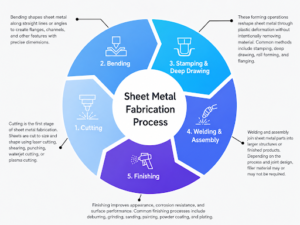
Precision sheet metal fabrication converts flat metal sheets into accurate parts and assemblies through cutting, forming, joining, and finishing processes.
Sheet metal can be cut into profiles or formed into three-dimensional shapes depending on the part design.Depending on the material, thickness, and tolerance requirements, manufacturers may use CNC laser cutting, punching, waterjet cutting, or plasma cutting to produce the required profiles.
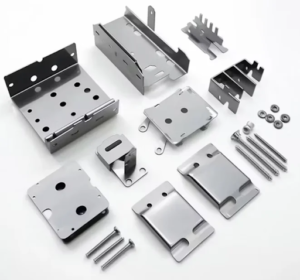
Precision sheet metal fabrication is used to produce a wide range of components, including enclosures, brackets, panels, housings, frames, and equipment covers. In actuality, structural steel is highly sought after by sectors like shipbuilding and construction, which are experiencing a global boom.
Expert fabricators can enhance their fabrication production with a range of tools. Plasma-cutting technology is one well-known example. Precision fabricators use CNC laser cutters, turret punches, press brakes, welding systems, and inspection equipment to produce accurate parts consistently.
Why Pick a Skilled Sheet Metal Manufacturer?
An advantage of working with an experienced precision sheet metal fabricator is access to engineers, fabricators, and technicians who understand material behavior, process limitations, tolerance requirements, and production planning.Manufacturing techniques such as CNC laser cutting, precision machining, and specialist welding enable the creation of highly accurate, complex designs. This is particularly true for industries like automotive, aerospace, and construction.
Sheet metal fabrication can support prototypes, low-volume custom orders, and high-volume production. The manufacturing route is selected according to material, part geometry, tolerance requirements, production volume, and end-use conditions.
Precision Sheet Metal Fabrication: Prototype to Full-Scale Production
It starts with an idea, which then gets translated into a design. In this stage, engineers and designers closely collaborate to realize a prototype. Prototyping is used to test ideas, materials, and fabrication techniques.
It represents the most crucial step of adjustments and feasibility checks that must be performed to ensure that the product can be manufactured efficiently in bulk.
Choosing the material involves taking many factors into consideration, such as weight, resistance to corrosion, strength, and cost. The material will not only influence the performance of the product but also the techniques of fabrication applied.
Once the design and materials are finalized, the actual fabrication begins. Cutting technologies, such as laser cutting, waterjet cutting, or plasma cutting, are employed in order to shape the metals with high precision. Forming techniques, such as bending or stamping, add dimensionality to flat sheets of metal.
Fabrication involves assembling the pieces after they have been cut and formed. Common methods for joining metal parts together include welding, riveting, and the use of adhesives. Finishing techniques generally include sandblasting, painting, or plating to protect the metal and enhance appearance.
This is the stage where prototype development transitions to full-scale production, requiring scaling-up of the fabrication process with precision and quality. Automation and advanced manufacturing technologies are also crucial at this stage, as large numbers of metal parts need to be produced efficiently and consistently.
Typical Sheet Metal Tolerances
| Process | Typical Tolerance | Notes |
| Laser Cutting | ±0.005-0.010 in (±0.13-0.25 mm) | Excellent precision which is ideal for thin materials and complicated profiles. |
| Punching | ±0.005-0.010 in (±0.13-0.25 mm) | Accuracy depends on punch-to-die clearance, tool condition, material thickness, feature size, and machine capability. |
| Hole Location | ±0.005-0.015 in (±0.13-0.38 mm) | Precision decreases over extended distances; accumulates with part size. |
| Bend Angle | ±1° typical | Springback, grain direction, and material thickness determine results. |
| Bend Flange Length | ±0.010-0.030 in (±0.25-0.76 mm) | Based on material variability and bend radius. |
What are the Precision Sheet Metal Fabrication Processes?
- Laser Cutting: Using a strong laser beam, laser cutting precisely shapes and profiles sheet metal. Its accuracy, relatively narrow kerf, and clean edges make it well suited to detailed geometries and many thin- to medium-gauge sheet metal applications.
- CNC Punching: Using turret punch presses, CNC punching creates holes, slots, and formed features. It works well for repetitive patterns and high-volume work and can produce features like louvers, embosses, and countersinks.
- Bending (Press Brake Forming): CNC press brakes produce angles, flanges, and other formed features. Precise programming, appropriate tooling, and springback compensation help maintain consistent bend angles and flange dimensions. Results are also influenced by material properties and sheet thickness.
- Forming: Includes processes such as rolling, hemming, and drawing or stamping shapes. These methods give the metal more detailed curves or features than just bends.
- Welding and Joining: Sheet metal components are joined into assemblies using MIG, TIG, spot, or robotic welding. Precision welding ensures structural integrity and minimizes distortion for assembled parts.
- Hardware Insertion: PEM® nuts, studs, and standoffs are among the fasteners that are inserted using press machines.
- Finishing: Finishing improves durability and appearance. Typical finishes consist of:
- Powder coating
- Anodizing
- Polishing and Plating
- Passivation
These procedures enhance capabilities such as performance, appearance, and resistance to corrosion.
- Assembly: To create finished goods, manufactured parts are joined together using fasteners, electronics, or subassemblies. Controlled dimensions and inspection help ensure that components fit together and perform as specified during assembly.
advantages of Precision Sheet Metal Fabrication
- High accuracy: Controlled fabrication and inspection help parts meet specified dimensional and assembly requirements.
- Repeatability: CNC-controlled processes help maintain consistent dimensions and features within specified tolerances across production batches.
- Flexibility: Digital cutting processes allow designs to be modified efficiently, although punching and forming operations may require tooling changes.
- Rapid prototyping: Digital cutting and forming processes shorten the time required to produce and evaluate initial parts.
- Strength: Properly designed bends and formed features can create rigid, lightweight structures while maintaining material continuity.
- Cost-effective: Low waste, easy scaling, and effective material use lower costs.
- Compatibility: Alloys like steel, aluminum, copper and stainless steel are suitable.
- Durability: It generates robust components that can withstand stress, vibration, and challenging conditions.
- Good aesthetics: Clean cuts, smooth edges, and fine finishes are produced with good aesthetics.
- Simple integration: Accurate components work well in mechanical systems, electronics, enclosures, and assemblies.
- Supports complex builds: Hardware features, tabs, and slots simplify assembly.
- Scalable: Fit for large-scale production as well as small custom jobs.
- Short lead times: Manufacturing is accelerated by automated cutting, punching, and bending.
- Effective material utilization: CNC nesting minimizes waste.
Conclusion
Precision sheet metal fabrication supports the complete manufacturing cycle, from early prototypes and design validation to repeatable full-scale production. Successful scaling depends on appropriate material selection, DFM review, controlled cutting and forming processes, reliable assembly, and consistent inspection. When these elements are planned together, manufacturers can produce accurate sheet metal parts efficiently across different production volumes.
-

 NEWS1 year ago
Historical Churches in Manila
-

 TOPIC2 months ago
Unveiling AvTub: Your Ultimate Guide to the Best AV Content
-

 TOPIC1 year ago
Symbols of Hope: The 15th Belenismo sa Tarlac
-

 TOPIC1 year ago
RIZAL at 160: a Filipino Feat in Britain
-

 TOPIC1 year ago
“The Journey Beyond Fashion” – Ditta Sandico
-

 TOPIC1 month ago
Understanding Fascisterne: Origins and Ideological Roots
-

 TOPIC1 year ago
Simbang Gabi and Kakanin
-

 TOPIC1 year ago
Filipino, alternative language course at Moscow State University