
HEALTH
18 Foods That Help Lower Blood Pressure Naturally

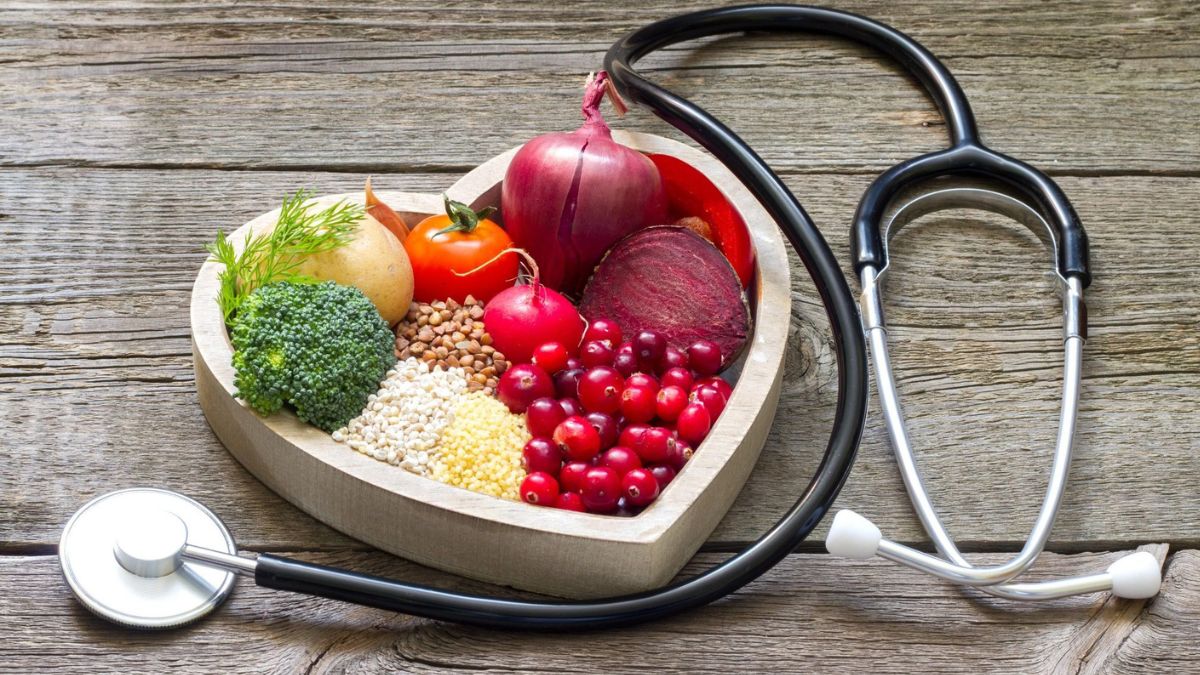
Hypertension, another name for high blood pressure, is one of the most prevalent health issues in the world. Often referred to as the “silent killer,” it can raise the risk of renal disease, heart disease, stroke, and other major health issues. Blood pressure can be controlled with medication, but maintaining healthy levels can also be greatly aided by dietary modifications.
Potassium, magnesium, fiber, antioxidants, and nitrates—all of which promote cardiovascular health and aid in natural blood pressure regulation—are abundant in some foods. These 18 foods may help decrease blood pressure and support heart health in general.
Read More: Standardized Botanical Extracts
1. Leafy Green Vegetables
Potassium, a mineral that aids the kidneys in removing extra sodium from the body, is abundant in leafy greens including spinach, kale, Swiss chard, and collard greens. Lowering blood pressure can be facilitated by lowering salt levels.
You may maintain heart health and get vital nutrients by including a serving of leafy greens in your daily meals.
2. Berries
Flavonoids, which are antioxidants, are abundant in berries, particularly blueberries, strawberries, and raspberries. These substances may lower blood pressure and enhance blood vessel function.
For a heart-healthy treat, blend berries into smoothies, consume them as a snack, or add them to yogurt.
Also Read:Supercritical Fluid (SCF) Extracts
3. Bananas
One of the most well-liked sources of potassium is bananas. A diet high in potassium promotes good blood pressure regulation and helps regulate sodium levels.
For those who want to promote cardiovascular health, a medium-sized banana is a quick and wholesome snack.
4. Beets
Dietary nitrates found in beets are transformed by the body into nitric oxide. Nitric oxide improves blood flow and lowers blood pressure by widening and relaxing blood vessels.
Roasted beets and fresh beet juice are great additions to a diet that lowers blood pressure.
5. Oats
Soluble fiber, especially beta-glucan, which is abundant in oats, may help decrease cholesterol and promote heart health. Consuming oats on a regular basis has also been associated with better blood pressure control.
Have a bowl of oatmeal with nuts and fruit on top to start your day.
6. Fatty Fish
Omega-3 fatty acids are abundant in fish including salmon, mackerel, sardines, and trout. These good fats can improve cardiovascular health and help lower inflammation.
You may improve your heart health by eating fatty fish two or three times a week.
7. Garlic
The possible cardiovascular advantages of garlic have long been known. It has substances that could facilitate better circulation and blood vessel relaxation.
To improve flavor and promote healthy blood pressure, add fresh garlic to soups, sauces, veggies, and other foods.
8. Yogurt
Protein, potassium, and calcium are abundant in low-fat yogurt. Dairy products that include these minerals may help maintain healthy blood pressure, according to research.
For a healthy snack, use plain, unsweetened yogurt and serve it with fruits.
9. Pomegranates
Antioxidants found in pomegranates promote heart health. Pomegranate juice or regular pomegranate consumption may enhance blood vessel function and promote normal blood pressure.
10. Beans and Lentils
Fiber, potassium, magnesium, and plant-based protein are all abundant in beans and lentils. Together, these minerals promote blood pressure control and cardiovascular health.
They are adaptable ingredients that work well in salads, soups, and main courses.
11. Nuts
Healthy fats, fiber, and magnesium found in almonds, walnuts, pistachios, and other nuts may help decrease blood pressure.
Unsalted nuts can be a heart-healthy snack when consumed in moderation.
12. Seeds
Important elements like magnesium and potassium, which help control blood pressure, are found in pumpkin, chia, flax, and sunflower seeds.
For extra nutrients, add seeds to salads, yogurt, or oatmeal.
13. Citrus Fruits
Vitamin C, antioxidants, and plant chemicals found in oranges, lemons, grapefruits, and other citrus fruits may help maintain normal blood pressure levels.
You can eat fresh citrus fruits as a snack or include them into salads and drinks.
14. Avocados
Potassium, fiber, and good monounsaturated fats are all abundant in avocados. These nutrients can promote both healthy blood pressure control and cardiovascular health.
Add avocado to salads and sandwiches, or spread it on whole-grain toast.
15. Dark Chocolate
Flavonoids found in dark chocolate with a high cocoa content may enhance blood vessel function and promote healthy circulation.
As part of a healthy diet, indulge in dark chocolate in moderation.
16. Tomatoes
Potassium and lycopene, a potent antioxidant linked to heart health advantages, are abundant in tomatoes. Frequent use could improve cardiovascular health.
Meals can benefit from the addition of fresh tomatoes, tomato juice, and tomato-based sauces.
17. Kiwi
Antioxidants, potassium, and vitamin C are abundant in kiwis. According to certain research, eating kiwis on a daily basis may assist maintain normal blood pressure levels.
You may eat this nutrient-rich fruit on its own or include it in fruit salads.
18. Sweet Potatoes
Sweet potatoes are a great source of fiber, magnesium, and potassium. These nutrients are crucial for preserving normal blood pressure.
They are a healthy substitute for ordinary potatoes and can be cooked, roasted, or mashed.
Additional Tips for Managing Blood Pressure
In addition to incorporating these foods into your diet, consider the following lifestyle habits:
- Reduce sodium intake.
- Maintain a healthy weight.
- Exercise regularly.
- Limit alcohol consumption.
- Avoid smoking.
- Manage stress effectively.
- Get adequate sleep.
Combining healthy dietary choices with positive lifestyle habits can significantly improve cardiovascular health and help maintain normal blood pressure levels.
Conclusion
Making wise dietary decisions is the first step in naturally controlling blood pressure. Healthy circulation and cardiovascular function can be supported by foods high in potassium, magnesium, fiber, antioxidants, and good fats. Over time, incorporating nutrient-dense foods such as leafy greens, berries, bananas, beets, fatty fish, nuts, and seeds into your daily routine may help you maintain better blood pressure readings.
These foods may be helpful, but they should be used in conjunction with medical advice and prescription therapies, not in place of them. See a healthcare provider for individualized advice if you have high blood pressure or other health issues.
Frequently Asked Questions
1. Which food lowers blood pressure the fastest?
Beets and beet juice are often associated with relatively quick improvements due to their nitrate content, which helps relax blood vessels.
2. Is potassium important for blood pressure control?
Yes. Potassium helps balance sodium levels in the body and supports healthy blood pressure regulation.

A sudden collision can disrupt your entire day in an instant. The moments after a crash often bring stress, confusion, and a rush of adrenaline. Knowing which steps to take first can help protect your health and your legal rights.
Being prepared can make a big difference when dealing with the chaos after a crash. A clear plan helps you focus on safety and gathering evidence instead of panic. This guide explains the best ways to protect yourself and your interests after an accident.
Prioritize Safety at the Scene
Moving your vehicle out of active traffic can help prevent another crash and keep everyone safe. Police officers handle immediate dangers, while skilled car accident lawyers in Pittsburgh can help with the legal issues that follow. Taking this step quickly lowers the risk of further harm to you and other drivers.
Turn on your hazard lights to warn other drivers about the crash. Call emergency services right away to report the motor vehicle accident and ask for medical help. Paramedics can check for injuries and provide care after the impact.
Gather Accurate Evidence and Information
Collecting clear details at the crash site can support your future claims. Exchange contact details, insurance information, and license plate numbers with the other driver. Keep your conversation focused on these basic facts.
Use your smartphone to take photos of the scene. These images can provide useful proof of what happened. Take pictures before the vehicles are moved or towed away from the road:
- Close-up photos of damage to all vehicles involved
- Wide shots of the intersection, road signs, and skid marks
- Photos of any visible injuries soon after the crash
- Names and phone numbers of witnesses who stopped to help
- Notes about the weather and lighting at the time of the crash
Report the Crash to Authorities and Insurers
A police report provides an official record of the crash. Officers will speak with both drivers and check the evidence at the scene. This report can be important when you file a car accident claim later.
Be honest with the officer and avoid guessing about details you did not see. Explain what happened and describe any unusual driving you noticed before the crash. Let the police review the evidence and decide who may be at fault.
Share the basic facts with your insurer without making a final statement about the crash. Stick to who was involved, what happened, when it happened, and where it took place. Taking this step carefully can help you work toward a fair auto insurance settlement later.
Seek Thorough Medical Evaluation
Visit an urgent care clinic or emergency room as soon as possible to create a medical record. Adrenaline can hide the pain of soft-tissue injuries for hours or even days after a crash. A medical exam can find hidden injuries before they become worse or lead to lasting problems.
Follow your doctor’s treatment plan closely. Attend every physical therapy session and take your prescribed medication as directed. Missing appointments may make it seem like your injuries are minor or that you do not need further care.
Stay Organized for a Smoother Claims Process
Staying organized and acting early can reduce much of the stress during the claims process. A clear plan can help you recover, protect your rights, and work toward a fair outcome. Stay updated with our latest blog posts for similar topics.
If you’d like to learn more, check out more articles on our blog.

Walking into a dental office for the 1st time can feel scary for a young child. Bright lights, strange tools, and unfamiliar faces often trigger worry before a kid even sits in the chair. Parents can take a few simple steps at home to turn that nervousness into calm curiosity.
Continue reading to discover everything you need to know!
Choose A Kid-Friendly Dental Practice Early
Finding the right office shapes how your child views dental care from day one. You can look at local clinic websites to discover feedback from satisfied patients and see how the team treats nervous kids. Reading real stories from other parents helps you pick a welcoming practice with gentle staff.
Ask the front desk if your family can stop by for a quick tour 1 week before the checkup. Letting your child see the waiting room toys and meet the receptionist builds comfort fast. A familiar space feels much safer than walking into a brand-new building on appointment day.
Use Positive Words When Talking About The Dentist
Kids pick up on adult stress, so keep your tone upbeat whenever the upcoming visit comes up. A pediatric dental care guide notes that words like “hurt” or “shot” can trigger fear, so parents should stick to positive, simple language instead. Tell your child that the dentist will count their teeth and help keep their smile strong.
Skip sharing your own past dental struggles or complicated stories about cavities. Keep answers short and honest when your child asks what happens during a checkup. Simple facts give kids clear answers without creating dental anxiety.
Practice Pretend Checkups At Home
Role-playing turns an unknown visit into a fun game that your child controls. Set up a pretend dental chair in the living room 3 or 4 days before the real appointment.
- Grab a favorite stuffed animal
- Use a clean toothbrush
- Shine a small flashlight
- Switch turns so your child practices
Picture books and short cartoons about visiting the dentist can support these playful practice sessions. Seeing favorite characters enjoy a checkup shows your child that dental visits are a normal part of growing up.
Give Your Child A Sense Of Control
Fear grows when kids feel stuck in a chair without a voice. A health guide from Cleveland Clinic suggests setting up a clear stop signal, such as raising a hand, so a child can ask for a break at any moment. Knowing they can pause the exam helps kids relax and trust the dental team.
Let your child make small choices on appointment day, like picking their outfit or comfort toy. Having 1 or 2 simple decisions in their hands shifts their focus away from worry.
Plan The Appointment Timing Smartly
Booking a visit during a child’s best time of day prevents meltdowns before you arrive. Morning slots work well for young kids who get cranky after skipping a nap.
Feed your child a light snack about 1 hour beforehand so hunger does not add to their stress. Arriving 10 minutes early gives you plenty of time to check in without rushing.
Leave Dental Anxiety Behind Before the First Checkup
Calm preparation at home sets the stage for a smooth 1st checkup and healthy habits that last for years. With patience, playful practice, and a supportive dental team, your child can walk into visit 1 feeling confident and ready to smile.
Want more advice on making dental visits easier for children? Explore more articles on our blog for helpful tips on pediatric dental care, easing dental anxiety, building healthy habits, and keeping little smiles bright.
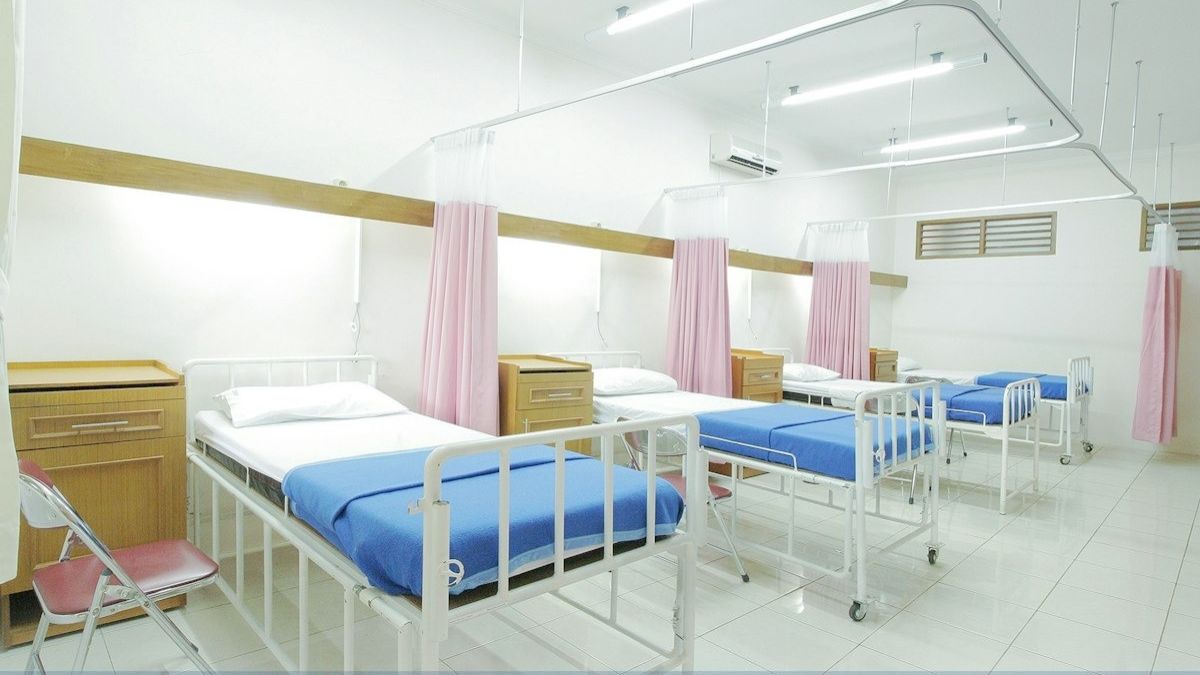
A move to a new neighbourhood often brings a long list of practical tasks, from updating bills to arranging school journeys and learning the transport network. Healthcare registration deserves a place on that list. Finding an appropriate GP practice early can make routine prescriptions, ongoing condition reviews and future appointments easier to manage. For residents settling in Kidbrooke, the most useful approach is to verify eligibility, gather accurate information and understand how the local practice operates before a health concern becomes urgent.
Begin With the NHS Practice Finder
An online map or general search result may show a surgery close to your new home, but distance alone does not prove that the practice can register you. Use the official NHS Find a GP information to identify services and confirm registration details. Practices may have defined areas or change their capacity to accept new patients, so current information is essential.
If you have a particular accessibility requirement, need language assistance or rely on a regular treatment, mention it when making an enquiry. These practical circumstances can influence how smoothly registration and the first appointment proceed.
Understand How Multi-Site Practices Work
Some GP organisations operate from more than one building. A partnership may provide registration and routine appointments across sites, but not every clinic or appointment type is necessarily available at every location. Patients should confirm where a specific service will take place rather than assuming that all branches have identical arrangements.
Everest Health Partnership is listed as a GP provider in the Greenwich area, with a main practice at Sherard Road in Eltham and branch services that include Kidbrooke Village Square. People searching for a Kidbrooke Medical Centre should check the precise current site name, address and registration process to avoid confusion between different healthcare facilities.
Consider Continuity of Care During a Move
If you are already registered with another GP, think about any treatment or follow-up that is in progress. Keep a list of current medicines, known allergies and important appointments. Registration systems allow records to be transferred through established NHS processes, but patients should still make sure that immediate needs are explained when contacting the new practice.
For time-sensitive prescriptions, seek guidance before your existing supply runs low. Do not stop taking prescribed medicines because registration is underway. If you are unsure how to obtain necessary medication during the transition, speak to a qualified pharmacist or suitable NHS service.
Prepare the Information Needed to Register
Registration forms typically ask for identifying and contact information, previous GP details and relevant health information. Follow the individual practice’s instructions rather than relying on an old online checklist. The NHS explains that lack of certain documents should not automatically prevent registration, so ask for help if you are concerned about the paperwork.
Check that your telephone number, email address and current home address are accurate. Incorrect details can lead to missed messages about appointments or referrals. If your preferred contact method changes, update the practice promptly.
Understand the Appointment Request Process
Modern GP practices may use telephone, reception and online systems to gather information about a request. A member of the team may ask questions to determine the appropriate next step. The clinician offered may be a GP, nurse, pharmacist or another suitably trained professional depending on the nature of the concern and local arrangements.
When contacting a Kidbrooke GP provider, explain the main reason for the request, the duration of symptoms and whether there are any changes that make it urgent. Being clear at the start can help staff direct the request without requiring you to tell a long, unrelated history.
Create a Clear Medication Record
A useful medication list includes each medicine’s name, dose and reason for use where known. Add relevant allergies and note any recent changes made by a clinician. If you use over-the-counter products or supplements, mention them too, because interactions and duplicated ingredients can matter.
Keep the list accessible for routine appointments and unexpected healthcare visits. If possible, use an official NHS record or another secure personal system rather than storing sensitive details in public messages.
Ask About Long-Term Condition Reviews
People with diabetes, asthma, hypertension or other ongoing conditions may benefit from regular monitoring and a clear follow-up plan, but the exact schedule should be set by a clinician. When moving, ask how existing monitoring or specialist referrals will continue. Avoid assuming that a change of GP automatically cancels or transfers every appointment in the same way.
Bring any relevant clinic correspondence to the first discussion and explain what has already been arranged. The goal is continuity: the receiving team should understand the important parts of your care without having to reconstruct the entire history from memory.
Check Children’s and Family Services
Parents may need information about immunisation programmes, routine checks and the process for arranging appointments for children. Eligibility and delivery arrangements vary, so ask the practice which services it offers and whether particular clinics run at another location. For school-age children, it may also help to keep contact details up to date.
The same principle applies to other preventive services. Screening and vaccinations are based on national guidance and individual circumstances. Confirm what is appropriate with NHS or practice guidance instead of assuming every family member needs the same appointment.
Use Online Tools Without Losing Sight of Privacy
Digital services can simplify some administrative tasks, such as requesting repeat prescriptions or viewing information when available. However, the exact features depend on practice settings and patient eligibility. Use the official NHS app or the provider’s verified website rather than following untrusted links from messages.
Sensitive health information deserves careful handling. Do not send detailed medical histories through public social networks or an unofficial contact form. Ask the practice how to share supporting documents securely and how someone assisting you can be given appropriate consent.
Know Where to Turn for Urgent Help
A routine appointment system is not intended to manage every urgent situation. In England, NHS 111 can help when you need advice about urgent health concerns and are uncertain about the right service. In a life-threatening emergency, call 999 immediately. Severe breathing difficulty, suspected stroke or signs of a heart attack require emergency attention.
This distinction is especially useful for people new to an area. Identifying local NHS services in advance reduces the likelihood of searching for information in a stressful moment. General information cannot replace an assessment of the individual situation.
Confirm Branch Details Before Travelling
Practices can change opening arrangements, clinic locations and contact routes. When a multi-site organisation is involved, check the exact building specified in the appointment confirmation. Do not assume that the reception point closest to home will be where every service takes place.
Everest Health Partnership’s published and NHS-linked information offers a starting point for confirming current local arrangements, including its Kidbrooke provision. For those comparing practices, travel convenience should be weighed alongside registration eligibility, accessibility and continuity of care.
Make the First Appointment Productive
Before a consultation, note the main concern, when it began, important medication details and the questions you would most like answered. Ask what follow-up is expected and how results will be communicated. If a referral or test is discussed, make sure you understand what to do if symptoms change before the next contact.
A good patient experience is not determined only by how quickly someone finds a building. It comes from accurate registration, clear communication and knowing how to seek the right care when needed. For new Kidbrooke residents, establishing those basics early makes future healthcare interactions easier to navigate.
-

 NEWS1 year ago
Historical Churches in Manila
-

 TOPIC4 months ago
Unveiling AvTub: Your Ultimate Guide to the Best AV Content
-

 TOPIC1 year ago
Simbang Gabi and Kakanin
-

 TOPIC1 year ago
Symbols of Hope: The 15th Belenismo sa Tarlac
-

 BUSINESS6 months ago
Exploring the Different Types of Понуде in Business Transactions
-

 NEWS5 months ago
What Caused Delta Flight DL275 to Diverted LAX? A Detailed Breakdown
-

 TOPIC1 year ago
RIZAL at 160: a Filipino Feat in Britain
-

 TOPIC3 months ago
Understanding Fascisterne: Origins and Ideological Roots