
LAW
Understanding the Difference Between DUI and OVI


Did you know that drunk driving (or having a blood alcohol content of 0.08 g/dL or above) accounts for about 30 percent of fatal traffic crashes in the United States? Tennessee is noted to lead in cases of DWIs, followed by Detroit, Michigan, and Houston, Texas.
One may find it hard to grasp the significance of drunk driving offenses, as different terms may refer to similar kinds of offenses. OVI and DUI are the main terminologies that arise in drunk-driving cases in the U.S.
Being able to differentiate DUI vs. OVI is beneficial, especially if you are charged with either offense. The consequences caused to the accused by both such offenses might be quite distinct in nature.
Let’s discuss the definition and the damages caused by these two offenses in equal measure.
What Do DUI and OVI Stand For?
DUI stands for Driving Under the Influence, whereas OVI stands for Operating Vehicle Impaired. Functionally and semantically, there are subtle differences between these two terms. They translate into the same offense, except that they are adopted in different legal jurisdictions. One distinction between the two is that OVI is specifically used in the state of Ohio. OVI covers driving charges but also includes all types of driving that involve any type of impairment.
Dealing with a DUI or OVI requires your thorough comprehension since they contain the legal framework that determines your potential penalties. People understanding such terms may also be able to understand legal language in better contexts related to driving under the influence of alcohol or other substances.
DUI vs. OVI: Understanding the Differences
In public conversation, DUI and OWI are held to be one and the same, but there are small differences between them. The legal consequences that are associated with each charge also differ depending on which state hears the case.
DUI stands for Driving Under Influence, and in the United States they normally use this acronym. OVI means Operating Vehicle Impaired and is a term specific to Ohio, referring to the operation of a vehicle under the influence of alcohol or medicine.
Both terms discuss impaired driving but keep in mind that there are some subtle legal distinctions between the terms.
OVI includes operation of any vehicle, not just driving, so these vehicles may include bicycles or motorboats.
Understanding these differences is important. When someone is faced with a charge, determining whether it is DUI or OVI is critical to any remedy you may pursue. The prosecuting tactics employed will decide the outcome of your case to a great extent.
Potential Penalties for DUI and OVI Charges
Charges of driving under the influence and operating a vehicle have far-reaching consequences.
A conviction will carry financial penalties of hundreds to thousands of dollars, along with jail time for the defendant according to their record.
Driver’s license suspension or revocation will impact one’s capacity to drive. A person may also have to satisfactorily undergo an alcohol education program or render some form of community service.
According to Orlando DUI lawyer Robert B. Fisher, if the driver refuses a BAL (Blood Alcohol Level) test at the scene, their license may be automatically suspended for one year.
In some places, ignition interlocks have been required for people who wish to resume legal driving activities. The results may change an individual’s life, for which any person should seek counsel to weigh their options.
How State Laws Affect DUI and OVI
It is always important to know what the state law says about DUI and OVI arrests. Some states treat DUI and OVI as synonymous. Others may treat them as different offenses, with different meanings and penalties.
The law enforcement methods for handling intoxicated drivers will change since the BAC limit will be modified.
In some states, second-time offenders receive harsher punishment, and in other states, first-time offenses are looked upon leniently. Some places offer first-time offender diversion programs as an alternative for imprisonment. Certain states have disparities even in relation to license suspension and vehicle impoundment.
Finding out about the particular legal setup would help one understand the possible consequences while remaining well-versed in local laws.
What to Do If You Face DUI or OVI Charges?
The probable result of your DUI or OVI depends upon your conduct throughout the criminal justice system.
You need to breathe deeply and enter a state of relaxation. Understanding your rights is necessary. You should contact an established DUI/OVI lawyer. The attorney will give a second assessment of the case while predicting potential consequences for the client. The attorney will prepare an appropriate legal defense strategy in view of the factual backdrop of your case.
For strengthening your case, gather solid evidence like police reports, test results, and related documents. You need to be present for all court hearings while arriving on time.
Arrange evaluations, counseling, and enrollment in alcohol education as indicated by the criminal charge and work, family, and school schedules. Your behavior might attract more favorable results.
Your case handling will improve from your knowledge of penalties and state-specific DUI and OVI rules. Understand that an arrest for DUI or OVI charges necessitates immediate attorney consultation for your legal protection and optimal case outcomes.

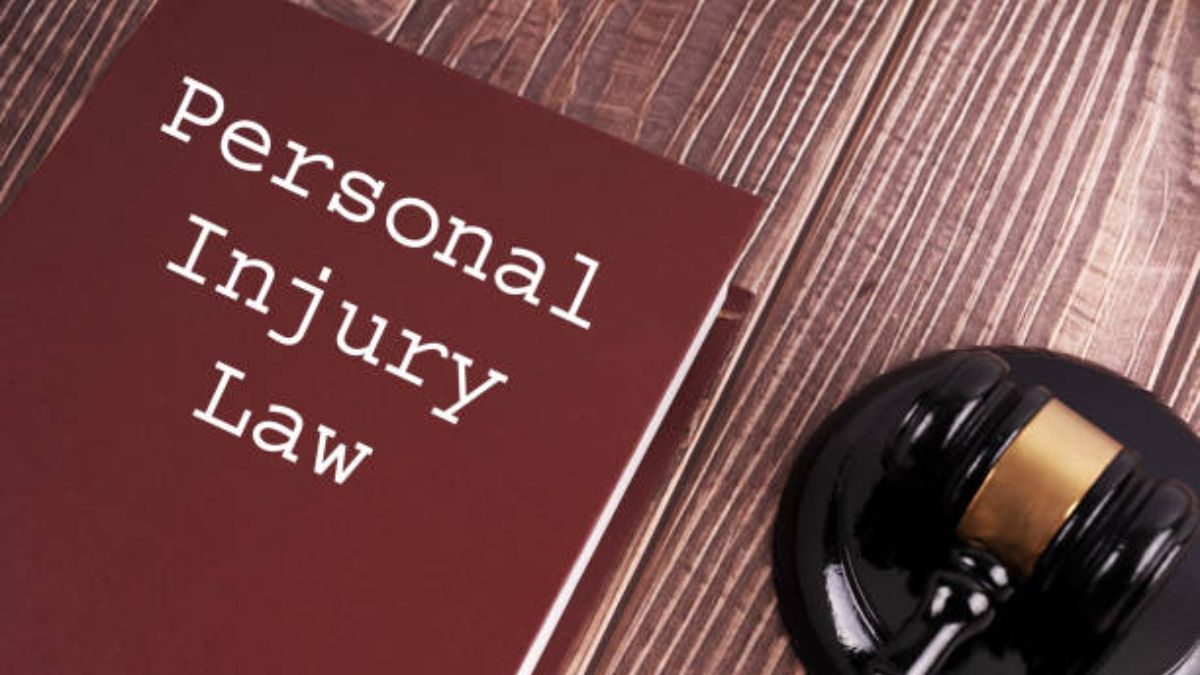
A personal injury case can involve medical treatment, lost income, insurance issues, and questions about who is responsible for the accident. Bearded Justice helps clients navigate these cases by providing personalized legal guidance, developing case strategies, and advocating for clients through negotiations or court proceedings.
West Texas is home to communities such as Big Spring and Midland, where Bearded Justice has offices. The firm describes its approach as combining big-city legal experience with the personal attention of a small-town practice. Founded by Ben Herron, the firm serves clients from its Big Spring and Midland offices.
About Bearded Justice and Its Founder, Ben Herron
Bearded Justice was founded by Ben Herron, an attorney with roots in West Texas. According to the firm’s biography, Herron was born and raised in a rural community in New Mexico, served as a corpsman with the Marine Corps, and later graduated from UCLA School of Law before returning to West Texas and establishing the firm.
The firm handles several areas of law, including personal injury, family law, and criminal defense. Bearded Justice emphasizes personalized attention and says it treats each case according to the client’s individual circumstances rather than using a one-size-fits-all approach.
How Bearded Justice Approaches a Personal Injury Case
Every accident has its own circumstances. The type of accident, the injuries involved, the available evidence, and the parties who may be responsible can all affect how a claim is handled.
Bearded Justice begins with a case evaluation. The firm says this initial discussion is meant to understand the client’s situation and goals before building a legal strategy around the specific case. From there, its work on an injury claim typically includes:
- Collecting and analyzing evidence
- Identifying every party that may be liable
- Reviewing medical records
- Handling communication with insurance adjusters
That last point matters more than many injured people expect. Adjusters often call early, ask for a recorded statement, or request broad medical authorizations. Having a lawyer manage those conversations helps keep an offhand comment from being used to downplay the injury later.
Texas Rules That Shape a Personal Injury Claim
Personal injury law varies from state to state. A few Texas rules affect nearly every case the firm handles.
The Two-Year Filing Deadline
Under Texas Civil Practice and Remedies Code § 16.003, most personal injury lawsuits must be filed within two years after the day the claim accrues. In a wrongful death case, the two years generally run from the date of death. Missing the deadline can bar the claim entirely, no matter how strong the facts are.
Claims against a city, county, or state agency can move even faster. The Texas Tort Claims Act entitles a governmental unit to written notice of a claim within six months of the incident, and some city charters set shorter windows.
Shared Fault and the 51% Bar
Texas follows a proportionate responsibility system. Under § 33.001, an injured person cannot recover damages if they are found more than 50 percent responsible for the accident. If their share is 50 percent or less, the recovery is reduced by their percentage of fault.
This is why insurers often argue that the injured person was speeding, distracted, or not watching where they were walking. Shifting even a portion of the blame reduces what the insurer has to pay.
Medical Bills: What Was Actually Paid
Texas limits recovery of medical expenses to the amount “actually paid or incurred” by or on behalf of the injured person (§ 41.0105). In practice, that means the amount a health insurer paid after its discounts often matters more than the hospital’s original bill.
Why Evidence Matters in a Personal Injury Case
Evidence can help establish what happened, who may be responsible, and how an injury has affected the person involved. Depending on the accident, this may include:
- Photographs of the scene, vehicles, and visible injuries
- Medical records and bills
- Witness names and contact information
- The police crash report
- Employment and pay records showing lost income
- Surveillance, dashcam, or vehicle data
Some evidence disappears quickly. Businesses may overwrite security footage, vehicles get repaired, and skid marks fade. Acting early gives the legal team the best chance to preserve it.
In Texas, people involved in a crash can buy a copy of the officer’s report through TxDOT’s crash report system. The wording of that report, including the contributing factors the officer lists, can influence how an insurer views fault.
Types of Personal Injury Cases the Firm Handles
Bearded Justice’s website lists several types of personal injury cases, including:
- Car, truck, and motorcycle accidents
- Pedestrian and bicycle crashes
- Workplace injuries
- Slip-and-fall accidents on poorly maintained property
- Product liability claims
- Wrongful death
Each type of case raises different legal and factual questions.
Auto and Truck Accidents
Traffic crashes are a constant risk on Texas roads. According to TxDOT’s 2025 Texas Motor Vehicle Traffic Crash Facts, 244,534 people were injured and 3,769 were killed in Texas traffic crashes in 2025, or roughly one injury every two minutes.
Insurance coverage is often the deciding factor in these cases. Texas requires drivers to carry at least 30/60/25 liability coverage: $30,000 per injured person, $60,000 per accident, and $25,000 for property damage, according to the Texas Office of Public Insurance Counsel. Those limits can run out quickly after a serious injury. The same source notes that personal injury protection (PIP) and uninsured/underinsured motorist coverage must be rejected in writing, so an injured driver may have more coverage under their own policy than they realize.
Truck crashes add another layer, because the trucking company, the vehicle owner, and a maintenance contractor may each share responsibility.
Workplace Injuries
Texas is unusual because private employers are not required to carry workers’ compensation insurance. When an employer does carry it, workers’ comp is usually the injured employee’s main remedy against that employer. When an employer has opted out, known as a “nonsubscriber,” the employee may be able to sue for negligence. Under Texas Labor Code § 406.033, a nonsubscribing employer cannot defend itself by arguing the employee was contributorily negligent or assumed the risk.
The Texas Department of Insurance offers tools to check whether an employer has coverage. In the oilfield and industrial work common across the Permian Basin, a third party such as an equipment manufacturer or another contractor on the site may also be responsible.
Premises and Product Liability Claims
In a slip-and-fall case, the question is usually whether the property owner knew, or should have known, about the dangerous condition and failed to fix it or warn visitors. Product liability claims focus on whether a product was defectively designed, manufactured, or sold without adequate warnings.
What Happens During the Legal Process?
After the initial consultation, Bearded Justice develops a strategy based on the circumstances of the case. The firm keeps clients informed as the case develops and remains available to answer questions and address concerns.
Most personal injury claims follow a similar path:
- Investigation. The legal team gathers evidence, identifies responsible parties, and confirms available insurance.
- Medical treatment and documentation. Many cases wait until the client’s condition stabilizes so the full cost of the injury is known.
- Demand and negotiation. The firm presents the claim to the insurer and negotiates toward a settlement.
- Litigation, if needed. If the insurer won’t make a fair offer, the case can be filed in court, where discovery, mediation, and potentially a trial follow.
Most cases resolve before trial. Bearded Justice states that it prepares cases so they are ready for court if necessary, and it advocates for clients both during settlement negotiations and in front of a judge or jury.
Key Takeaways
- Bearded Justice is based in West Texas, with offices in Big Spring and Midland, and was founded by Ben Herron.
- Its personal injury practice includes auto and truck accidents, workplace injuries, slip-and-fall accidents, product liability, and wrongful death claims.
- Texas generally allows two years to file a personal injury lawsuit, with much shorter notice deadlines for claims against government entities.
- An injured person more than 50 percent at fault cannot recover damages in Texas, so insurers often dispute fault.
- Evidence such as photos, crash reports, and medical records should be preserved as early as possible.
- The firm’s process begins with a case evaluation and emphasizes communication throughout the case, from negotiations to court proceedings.
Facing criminal allegations creates severe personal and financial stress. Knowing proper defense tactics protects fundamental constitutional rights throughout legal proceedings.
Early decisions heavily influence the direction of a case. Taking proactive steps early prevents damaging admissions when law enforcement officers initiate contact. Proactive action safeguards your future during complex investigations.
Exercise Your Right to Remain Silent
Remaining silent during questioning serves as a primary defense tactic. Hiring an experienced murder defense lawyer in greenwood offers valuable legal guidance during interrogations. Accused individuals often feel intense pressure to give explanations to investigating officers.
Volunteering information without attorney guidance puts defendants at a severe disadvantage. A business publication noted that police officers must halt all questioning immediately once an individual asserts their right to remain silent until legal counsel arrives.
Inform law enforcement clearly that you choose to stay silent. Refuse to answer further inquiries until a legal representative arrives at the scene. Remaining firm on this boundary protects your legal position.
Document Every Detail of the Event
Important details can become harder to remember as time passes. Write down what you remember as soon as possible. Include what happened, when it happened, where you were, and what you saw or heard.
Write down dates, times, and locations carefully. If people saw what happened, record their names and contact details if you have them. Keep useful records such as receipts, text messages, emails, photos, and phone records. Do not change or delete anything.
Keep your notes and records somewhere safe. Give copies to your lawyer when asked. Your lawyer can review the information and explain what may be useful for your case.
Establish a Verifiable Alibi
An alibi can show that you were somewhere else when a crime happened. Clear records can help show where you were at the time.
Useful proof may include:
- Security camera recordings
- Store payment records
- Phone location records
- Vehicle GPS records
- Witness statements
Collecting this information early can give your lawyer more time to review it and use it in your case. Records with clear dates and times can be especially helpful.
Avoid Discussing Your Case
Be careful when talking about a criminal case. Friends, family members, and other people may not have the same legal protection as your lawyer. What you say could later be repeated or used in court.
Be careful with social media too. Posts, photos, comments, and messages may be seen by other people or collected as evidence. Do not post about the case, the people involved, or what happened.
Talk about your case with your lawyer instead. A lawyer can explain your rights and help you decide what information should be shared.
All About Defending Against Criminal Charges
Navigating criminal allegations requires disciplined action and clear decision-making. Staying quiet during police interactions and carefully recording facts builds a strong defense foundation. Proactive steps safeguard personal freedom when facing serious court charges.
Working with a knowledgeable attorney provides clarity during complex legal disputes. Strict adherence to legal rights offers the best path toward resolving criminal matters. Protecting your rights ensures fair treatment under the law. If you’d like to learn more, check out more articles on our blog.

What happens after someone is arrested but before their criminal case reaches trial? Bail can allow an accused person to remain free while the court process continues.
A judge may set bail based on the charge, circumstances, and local rules. When paying the full amount is difficult, a bail bond can provide another option.
Bail bonds involve costs, agreements, and responsibilities that you should understand carefully. They also connect pretrial freedom with the court’s need to ensure future appearances.
This guide explains the process clearly and helps readers understand what bail bonds mean before trial. Keep on reading!
Understanding Bail: What Is It?
Bail is a set amount of money that lets someone stay out of jail until trial. The court sets the bail amount based on the crime’s seriousness.
The goal of bail is to make sure the person returns to court. If the person shows up, the bail money is returned. If not, the money is lost, and more trouble can happen.
Not everyone can pay the full bail amount on their own. That is where bail bonds come in. They help people who cannot afford to pay the entire sum upfront.
What Are Bail Bonds?
A bail bond is a promise a bail bond company makes to the court. It guarantees the full bail amount will be paid if the person does not appear in court.
Instead of paying the full bail amount, the accused pays a smaller fee to the bail bond agent. This fee is usually about 10% of the total bail amount. The bail bond agent takes on the risk by posting bail with the court.
The agent may also ask for something valuable, like a house or car, as security. This process lets more people get out of jail before trial.
How Bail Bonds Work Step by Step
First, the judge sets a bail amount during a hearing. If the accused cannot pay, they contact a bail bond agent. The accused or their family pays the agent a non-refundable fee.
The agent then assures the court that the person will appear. Sometimes, the agent needs extra security to reduce their risk. Once the court accepts the bond, the accused is released from jail.
The person must follow all court instructions to stay out of jail. If they miss court, the bail bond agent could lose the money to the court.
Financial Responsibilities and Risks
Paying a bail bond fee is less expensive than paying the full bail. However, the fee is not returned, even if the person attends court. If the accused skips court, the family might lose their collateral property.
Bail bond agents often track down people who miss court. This helps prevent the family from losing the bail money promised to the court. If they find the person, they take them back to jail.
The family and the accused should understand the risks before signing any bail bond agreement. This helps avoid unexpected losses and problems later.
The Role of Bail Bond Agents
Bail bond agents act as a bridge between the court and the accused. Their job is to make sure the person follows court rules.
Agents handle paperwork and talk with the court to secure release. They also explain the bail terms to families. Agents take on risks by guaranteeing the full bail amount.
They work quickly to help people get out of jail fast. This can reduce stress and help families stay together. Good agents offer support and answer any questions that come up during the process.
Pretrial Release and Its Importance
Getting out of jail before trial is important for many reasons. It allows the accused to prepare a better defense with their lawyer. Staying at home helps people keep their jobs and care for their families.
Pretrial release can lower the emotional toll of being in jail. It also helps the court system by reducing jail overcrowding.
Bail bonds make pretrial release possible for more people. They give the accused a fair chance to prove their innocence.
How Bail Bonds Impact the Community
Bail bonds affect not just the person arrested, but the whole community. They help keep families together during tough times. Released people can work and support their loved ones.
Communities stay stronger when more people stay home while awaiting trial. Bail bonds also support the court system by making sure people return. Some agencies, like this Kissimmee bail agency, work closely with families to make the process smooth and fair.
When bail bonds work well, they help everyone involved. This keeps the system moving and families connected.
Common Myths About Bail Bonds
Many people think bail bonds are only for serious crimes, but they apply to many charges. Some believe bail bond agents are harsh, but most are helpful and professional. Another myth is that bail money is always returned.
In reality, the fee paid to agents is non-refundable. People also think only the rich can afford bail bonds. However, many agencies offer payment plans to help families.
Some assume missing a court date has no effect. Missing court can cause big problems for both the accused and their family. Understanding the truth helps people make better choices.
What Happens After the Trial?
After the trial, the court returns the bail money if all rules were followed. If a bail bond was used, the fee stays with the agent as payment for their service.
The court returns any collateral if the person appears in court as agreed. If the accused does not appear, the collateral may be forfeited. The end of the trial also ends the bail bond agreement.
Read all agreements carefully before signing. Families should ask questions if anything is unclear. This helps avoid surprises after the trial ends.
The Lasting Impact of Bail Bonds
Bail bonds play a major role in supporting people and families during difficult times. They offer a fair chance to prepare for court without staying in jail. Agents guide people through a confusing process and help them understand their rights.
Bail bonds also help courts run smoothly and keep jails from becoming too crowded. It is important to know the costs, risks, and benefits involved. Understanding bail bonds can make the system feel less scary.
Did you like this guide? Great! Please browse our website for more!
-

 NEWS1 year ago
Historical Churches in Manila
-

 TOPIC2 months ago
Unveiling AvTub: Your Ultimate Guide to the Best AV Content
-

 TOPIC1 year ago
Symbols of Hope: The 15th Belenismo sa Tarlac
-

 TOPIC1 year ago
RIZAL at 160: a Filipino Feat in Britain
-

 TOPIC1 month ago
Understanding Fascisterne: Origins and Ideological Roots
-

 TOPIC1 year ago
“The Journey Beyond Fashion” – Ditta Sandico
-

 TOPIC1 year ago
Simbang Gabi and Kakanin
-

 NEWS4 months ago
What Caused Delta Flight DL275 to Diverted LAX? A Detailed Breakdown