
LAW
Understanding the Complexities of Trust Administration: A Comprehensive Guide


Introduction to Trust Administration
Trust administration is a critical process in the management of assets placed into a trust, designed to ensure that the wishes of the grantor are fulfilled and that beneficiaries receive their entitlements in accordance with legal and fiduciary requirements. At its core, trust administration involves the oversight, organization, and management of assets and obligations specified by a trust document, often guided by a trustee who has been entrusted with these responsibilities. The significance of effective trust administration cannot be overstated, as improper management or neglect can lead to legal disputes, financial losses, and even the unintended misallocation of trust assets. Trustees must operate with a combination of financial acumen, legal awareness, and ethical integrity to ensure that the trust functions smoothly over its duration.
Roles and Responsibilities of a Trustee
The trustee is the central figure in trust administration and bears the fiduciary responsibility of acting in the best interests of the beneficiaries while adhering strictly to the terms of the trust. The responsibilities of a trustee are multifaceted, including asset management, investment oversight, tax reporting, and distribution of income or principal to beneficiaries as dictated by the trust agreement. Trustees must balance prudence with opportunity, making strategic decisions that preserve and grow trust assets while mitigating risk. Furthermore, trustees are expected to maintain meticulous records of all financial transactions, communications with beneficiaries, and decisions made in the course of trust management. This transparency ensures accountability and can protect the trustee from potential liability or claims of mismanagement.
Key Elements in Trust Administration
Effective trust administration requires attention to several key elements. First, there is the proper identification and management of trust assets. Assets may range from cash and securities to real estate and personal property, each requiring unique handling and valuation. Trustees must ensure that assets are appropriately safeguarded and that any necessary insurance, maintenance, or oversight is provided. Second, tax compliance is an essential component of trust administration, requiring the trustee to understand complex tax codes, prepare returns for the trust, and sometimes coordinate with financial advisors or tax professionals to optimize tax efficiency. Third, the distribution of assets according to the terms of the trust demands precision, fairness, and an understanding of both the trust’s intent and the beneficiaries’ legal entitlements. Failure in any of these areas can have severe financial and legal repercussions for both the trustee and the beneficiaries.
Legal Considerations in Trust Administration
Trust administration is heavily regulated by state and federal laws, which define the rights of beneficiaries and the responsibilities of trustees. Trustees must comply with statutes governing fiduciary duties, investment practices, reporting requirements, and dispute resolution procedures. In addition, they must understand the nuances of the trust instrument itself, as trust language can sometimes be ambiguous or open to interpretation. Legal challenges can arise when beneficiaries question the trustee’s decisions, such as investment strategies, timing of distributions, or administrative expenses. Therefore, proactive communication, careful documentation, and adherence to both legal standards and the trust’s terms are critical to preventing conflicts. Trustees often work closely with attorneys specializing in estate planning or trust law to ensure that every action taken aligns with both the legal framework and the intent of the trust creator.
Financial Management in Trust Administration
The financial component of trust administration is perhaps the most complex and demanding aspect of the role. Trustees must not only preserve trust assets but also make prudent investment decisions that balance risk and return. This requires a deep understanding of financial markets, portfolio management, and the specific financial goals outlined in the trust document. Many trusts include provisions requiring conservative investments, while others allow for more aggressive strategies to grow wealth for beneficiaries. Trustees are also responsible for managing cash flow, paying trust expenses, and forecasting the financial needs of beneficiaries over time. Investment decisions must be made with careful documentation and justification, as beneficiaries have the right to question the trustee’s approach if they believe it fails to meet fiduciary standards. Effective financial management in trust administration combines analytical skill, patience, and an ethical commitment to acting in the best interests of the beneficiaries.
Communication and Beneficiary Relations
A crucial yet often overlooked component of trust administration is the ongoing communication with beneficiaries. Trustees are expected to provide clear and timely information about trust performance, distributions, and any significant decisions or changes in strategy. Open communication helps build trust and can prevent misunderstandings that might lead to disputes. Trustees must also be sensitive to the differing needs and expectations of beneficiaries, which may include children, spouses, or charitable organizations. Maintaining transparency and responsiveness in all interactions is fundamental to fulfilling fiduciary obligations and fostering positive relationships. In addition, trustees must navigate challenging situations diplomatically, especially when beneficiaries disagree about distributions or interpret trust provisions differently. Properly managed communication enhances the overall effectiveness of trust administration and ensures the long-term success of the trust’s objectives.
Challenges and Common Issues in Trust Administration
Despite careful planning, trustees often face challenges in the administration of trusts. These may include complex family dynamics, disagreements among beneficiaries, volatile market conditions, or unclear trust provisions. Trustees may also encounter administrative difficulties, such as accurately valuing unique assets, handling tax complexities, or managing multiple beneficiaries with competing needs. Additionally, trustees must guard against conflicts of interest, as any perception of self-dealing or bias can result in legal liability. Successfully navigating these challenges requires a combination of legal knowledge, financial expertise, and emotional intelligence. Proactive problem-solving, meticulous record-keeping, and consistent adherence to fiduciary duties are essential to overcoming obstacles and maintaining the trust’s integrity.
Technological Advancements and Trust Administration
In recent years, technology has begun to play a significant role in trust administration, offering tools that simplify record-keeping, reporting, and communication with beneficiaries. Digital platforms allow trustees to track assets, generate financial statements, and provide beneficiaries with secure access to relevant information. Moreover, technology can facilitate compliance with regulatory requirements and reduce administrative errors. However, trustees must also be vigilant about cybersecurity risks, ensuring that sensitive information remains protected from unauthorized access or breaches. Integrating technology thoughtfully into trust administration can improve efficiency, accuracy, and transparency, allowing trustees to focus more effectively on strategic decision-making and fiduciary responsibilities.
Conclusion
Trust administration is a complex, multifaceted process that requires a careful balance of legal knowledge, financial acumen, and ethical responsibility. Trustees play a pivotal role in safeguarding assets, ensuring compliance with laws, and fulfilling the intentions of the trust creator for the benefit of the beneficiaries. By understanding the responsibilities involved, staying informed about relevant regulations, and maintaining clear communication with beneficiaries, trustees can navigate the complexities of trust administration successfully. In an era of evolving financial and technological landscapes, effective trust administration continues to demand diligence, foresight, and an unwavering commitment to fiduciary principles, ensuring that the objectives of the trust are met and that the interests of beneficiaries are protected for generations to come.

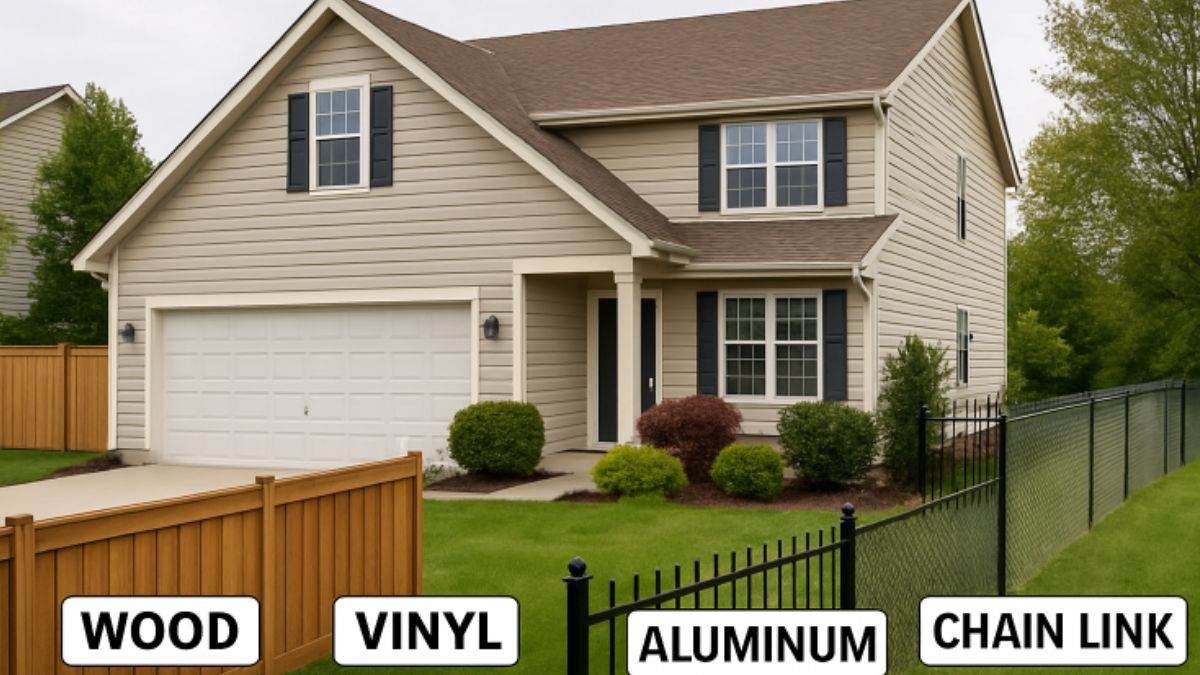
Why Fencing Matters in Modern Communities
In today’s residential environments, fences are more than just property markers. They are critical in protecting families and homes, providing a sense of security and peace of mind. The line between public and private space can blur as communities become denser. Quality fencing resolves this by reinforcing boundaries and increasing the sense of personal space. For homeowners seeking expert fencing advice, partnering with experienced professionals, such as those offering fencing services Houston TX, can ensure the right balance between safety, privacy, and aesthetics.
Beyond security, well-designed fences significantly enhance privacy and support neighborhood harmony. According to the National Association of Home Builders, privacy is among American homeowners’ highest priorities. By helping to keep children and pets safely contained and reducing the risk of trespassing or accidental encroachment, thoughtful fencing remains a valuable investment across all communities.
Popular Fencing Materials and Their Benefits
Material choice significantly influences how a fence looks, functions, and lasts. When selecting fencing materials, homeowners should weigh durability, style, and maintenance needs. Here are some of the most popular choices:
- Wood: Prized for its classic appearance and versatility, wood can be cut and stained to match any style. However, it will require periodic sealing or painting.
- Vinyl: Nearly maintenance-free and resistant to pests and rot, vinyl fencing has surged in popularity. Its clean finish and various colors offer curb appeal, though it may lack the natural feel of real wood.
- Aluminum: Aluminum fences are lightweight yet robust. Their resistance to rust and low maintenance make them an excellent choice for decorative purposes, especially when seeking the look of wrought iron.
- Chain Link: Chain link is often the go-to for affordability and practicality—perfect for security but less for privacy or decorative needs.
- Composite: Made from recycled wood fibers and plastic, composite fences offer sustainability, strength, and minimal maintenance. While more costly up front, they can last for decades with little upkeep.
Choosing the Right Fence for Your Property
The ideal fence aligns closely with the homeowner’s core needs, local climate, and property design. Is safety, privacy, enhancing property value, or aesthetics the primary concern? A tall, solid wood or vinyl fence is effective for households with pets or security worries. Those focused on curb appeal may lean towards ornamental iron or mixed-material fencing. Factors like soil type, rainfall, and exposure to sun can all affect material lifespan, making it wise to consult experts before installation. Attention to these details ensures long-term satisfaction and prevents costly errors.
Why Professional Installation Pays Off
While attempting a do-it-yourself fence project is tempting, professional installation offers clear advantages. A reputable fence company brings experience navigating complex landscapes, understanding local codes, and managing property lines. Professional installers use the right tools, address challenging slopes, and assure sturdy, straight results with warranted craftsmanship. According to Architectural Digest, expert installers are often essential for complex projects or high-traffic environments, protecting your investment and ensuring long-term durability.
Maintenance Tips for Long-Lasting Fencing
Investing in a fence is only the beginning—regular maintenance maximizes its lifespan and beauty. Here are key practices for various fencing materials:
- Conduct thorough inspections annually for any weathering, cracks, or structural compromise.
- Repaint or reseal wooden fences every two to three years, especially in humid climates.
- Clean vinyl and composite fencing with a mild soap and water to prevent mildew and dirt accumulation.
- Examine fasteners, hinges, and latches for rust, looseness, or wear and address issues quickly.
- Keep vegetation trimmed away from fence lines to prevent moisture damage and create an open, tidy look.
Recent Innovations in Fencing Design
The fencing industry keeps evolving, offering homeowners more choices in materials and technology. Eco-conscious buyers can now select high-performance composites from recycled content, reducing their environmental impact. Beyond materials, smart homes can integrate advanced fencing equipped with motion sensors, wireless monitoring, and automated gates, adding layers of security and convenience. Decorative mixed-material systems are gaining popularity, blending metal, glass, and wood to achieve personalized designs that enhance modern landscaping.
Compliance with Local Laws and Regulations
Installing a new fence is subject to municipal permitting and zoning requirements that dictate height, placement, and acceptable materials. Ignoring these rules risks legal complications, fines, and potential removal. Before starting a project, it’s best to check with local authorities or trusted professionals. Neighborhood associations or city planning offices can offer guidance, reducing delays and fostering neighborly cooperation. For further reading, see FindLaw’s article Fencing Laws and Your Neighbors: FAQs.
What the Future Holds for Residential Fencing
As sustainability and innovative technology gain momentum, homeowners can anticipate more energy-efficient, environmentally friendly fencing options in the years ahead. Future fences may harness solar power, include built-in lighting and sensors, or feature app-based control and monitoring. The demand for low-maintenance, attractive, and secure fences continues to encourage new material science and integrated property solutions, promising homeowners expanded choices and greater peace of mind.
Conclusion: Investing Wisely in Your Property’s Perimeter
Quality fencing is an investment that delivers real returns in security, privacy, and property value. By leveraging advances in design, choosing the right materials, engaging professional installation, and following sound maintenance practices, homeowners can enjoy consistent benefits year after year. For those ready to take the next step, working with established fencing services ensures an approach tailored to their needs and a perimeter that stands the test of time.

Want to protect your family from the messiest inheritance fights of all time?
Blended families are the new normal. Step-kids, half siblings, ex-spouses, second marriages. They all weave a complex family dynamic that most simple estate plans can’t address. But here’s the dirty little secret:
When the planning is sloppy, conflicts get ugly fast.
Learn the biggest secrets behind blended family estates exploding and how trustee services resolve them.
Here’s what’s coming up:
- Why Blended Families Need a Different Estate Plan
- The Conflicts That Tear Families Apart
- The Role Of Trustee Services In Blended Families
- 5x Smart Strategies To Keep The Peace
Why Blended Families Need a Different Estate Plan
Blended families look nothing like the families estate law was originally built around.
You have a present husband or wife, children from a previous marriage, possibly stepchildren who you treat like your own, and maybe even an ex-spouse who is still around. Lots of variables. And the cookie-cutter “leave everything to my spouse” plan just does not cut it for most blended families.
Why would you do that? If you leave everything outright to your new spouse you are relying on him or her to leave it to your biological children later. Once it’s theirs, it’s theirs to do whatever they want with. Spend it, remarry, write a new will and disinherit your kids.
That’s not a possibility. That’s very likely to happen. And experienced estate planning attorneys see it occur time and time again. That’s why navigating a blended family situation requires tailor-made tools like trustee services, lifetime trusts, and well-defined beneficiary designations.
The numbers confirm it. Only 31 percent of Americans own a will — the most basic estate planning instrument. Just 11 percent have trust. Blended families are squarely in the cross hairs.
The Conflicts That Tear Families Apart
The majority of blended family conflicts do not originate from greed. They stem from ambiguity, hurt emotions and poorly drafted documents.
Let’s look at the big ones…
The “Sweetheart Will” Trap
Here’s the oldest trick in the book. Each spouse leaves everything to the other spouse, intending to “figure the kids out later”. Spouse #1 dies. Spouse #2 inherits everything. Life moves on. New significant others, new money management habits, maybe even a new will that conveniently leaves the dead spouse’s kids out in the cold.
The kids find out at the funeral. The damage is permanent.
Stepchildren vs Biological Children
Over one quarter of children will live in a blended family for some period of their lives. The potential for inheritance disputes has never been greater.
Stepchildren typically have none of the automatic legal rights to a stepparent’s estate. Which means if you want your stepson to be treated like your biological children, you have to say so. In writing.
Naming The Wrong Executor
Want to ensure absolute disaster? Ask your new spouse to disburse assets to your children from a prior marriage. There will inevitably be conflict, and now you have put one party in control of the other party’s entitlements.
The Forgotten Beneficiary Form
Your will does not control your 401(k), IRA or life insurance. The beneficiary form does. If your ex-spouse is listed on that form — they get the money. Even if your will says something different.
Sounds crazy? It happens constantly.
The Role Of Trustee Services In Blended Families
Now let’s talk about what actually solves these problems…
Trustee services are one of the most powerful vehicles for blended families, yet they receive nowhere near enough attention. Simply put, a trustee is a person (or company) that administers assets held in a trust according to the rules you set forth.
- They keep assets separate and protected from being redirected
- They follow YOUR instructions, not someone else’s mood
- They handle distributions fairly between current spouse and prior children
- They reduce family fights because the rules are written down
- They provide a neutral party so no one feels favoured
You can select a family member, a close friend you trust or a professional corporate trustee. When it comes to most blended families,…the professional option is your safest play.
Why? Because a corporate trustee has no emotional history with your spouse, your ex, or your kids. They only do what the trust document instructs. No drama. No favorites.
5x Smart Strategies To Keep The Peace
OK onto the action steps. These are the strategies that will help you avoid the arguments blended families fear most.
Use a QTIP Trust
A QTIP trust is a perfect tool for blended families. Here’s why:
Your spouse receives the trust income for his or her lifetime. After your spouse dies, the remaining trust assets pass to your children — not to your spouse’s heirs. Your spouse is provided for. Your children are secured.
Update Every Single Beneficiary Form
This one is free of charge and will take about 60 minutes. View all of your accounts:
- 401(k) and IRA accounts
- Life insurance policies
- Pensions
- Bank accounts with payable-on-death designations
- Brokerage accounts
Then update the beneficiaries to match your current wishes. Don’t skip this step.
Talk To Your Family BEFORE You’re Gone
Yep, it is tacky. But keeping silent breeds suspicion. When your children and stepchildren learn of your plans after the funeral, they’ll suspect the worst.
If they hear now — even just the overview — they know what you’re about and the likelihood of litigation plummets.
Pick A Neutral Trustee
If there is ANY discord in your blended family, DON’T name your spouse as trustee over your children’s inheritance. Don’t name your oldest child trustee over the youngest siblings. Use a professional trustee company or third party.
Review Your Plan Every 3 Years
Life doesn’t slow down for blended families. Weddings, babies, falling-outs, making-up — it all changes the math. 21% of opposite-sex couples are blended families now, which means there are more revised plans than ever before.
Block out one afternoon every few years and review the whole thing.
Final Thoughts
Blended family estate planning is harder than the textbook version, but it’s not impossible.
Successful families tackle tough conversations early. They use the proper tools. They utilize professional trustee services when necessary. Dysfunctional families fly by the seat of their pants. They end up in court, in conflict, and in regret.
To recap quickly:
- Don’t rely on a basic will — blended families need custom plans
- Use trusts to separate and protect assets
- Update every beneficiary form today
- Choose a neutral trustee to avoid family drama
- Review the plan every 3 years
Your family doesn’t need a foolproof plan. It just needs a good plan that covers everyone you care about.

Or worse…. Is the repo man cruising by your house?? This can be one of the most stressful financial predicaments a person can find themselves in. The good news is bankruptcy can stop both garnishments and repossessions immediately.
It’s all thanks to a powerful legal tool called the automatic stay.
Below is a breakdown of how bankruptcy halts these creditor actions and why timing matters…
What’s inside this guide:
- The Real Scale Of Wage Garnishment And Repossession
- How The Automatic Stay Actually Works
- Bankruptcy And Wage Garnishment
- Stopping Vehicle Repossession In Its Tracks
- Choosing The Right Chapter For Your Situation
The Real Scale Of Wage Garnishment And Repossession
Wage garnishment and repossession aren’t rare events that happen to other people.
Millions of Americans experience them every year. By 2019, recent payroll data shows that over 1 in 100 workers were subject to garnishment for overdue debt, and they’ve only increased since then.
Here’s the problem:
If a creditor gets a judgement against you, they can take part of your paycheck automatically. The typical garnished employee ends up giving away 11% of their gross income for about five months.
That’s rent money. That’s groceries. That’s the fuel needed to get to work.
On the vehicle front, it’s no better. Repossessions increased 23% during the first half of 2024. Attorneys at WH Law Offices and other law firms are daily assisting clients with asset protection planning and bankruptcy filings to protect their vehicles and prevent garnishment before it decimates their household budget.
Understanding what’s at stake is the first step. Now let’s look at your options.
How The Automatic Stay Actually Works
The moment you file for bankruptcy… something pretty incredible happens.
The automatic stay goes into effect. It happens automatically. It protects you from almost all creditors. And it’s your most powerful weapon.
Here’s what the automatic stay does:
- Stops wage garnishment immediately
- Halts vehicle repossession in progress
- Blocks creditor harassment phone calls
- Pauses lawsuits and foreclosure actions
- Freezes most collection activity dead in its tracks
Consider it a big red “STOP” sign that is placed on your file when you file your petition. Creditors who proceed in disregard of your filing can be penalized by the Court and ordered to pay you damages.
It really is that powerful.
The problem with that… is that the automatic stay is only temporary. It lasts only for the duration of your case.
Bankruptcy And Wage Garnishment
Wage garnishment is one of the most damaging types of collection action.
Why take that risk? Because debt can damage more than your wallet. It can harm your relationship with your employer and your capacity to pay your other bills.
Filing for bankruptcy stops it cold. Here’s what happens:
- Your attorney notifies your employer’s payroll department
- The garnishment order is suspended
- Your full paycheck starts hitting your account again
- The underlying debt gets handled through your bankruptcy case
Typically, the garnishment ends in one or two pay periods. Depending on your chapter filing, the debt causing the garnishment can be discharged completely.
Important note: Some debts can still be garnished even if you file bankruptcy, such as child support, alimony, and certain tax debts.
The garnishment situation has gotten worse, with garnishment volumes up nearly 20% since 2022.
Stopping Vehicle Repossession In Its Tracks
Now let’s talk about vehicles…
If you lose your car you will never be able to work again. Without a car you can’t drive to work. If you can’t drive to work you lose your job. If you lose your job you are in more debt.
It’s a vicious cycle.
About 1.88 million vehicles were repossessed in the US in 2024. The auto loan default rate rose to 3.13% in 2024, which is higher than during the Great Recession.
Bankruptcy can stop this from happening to you.
Here’s how it works depending on your timing:
- Before repossession: Filing stops the repo company from taking your vehicle
- During repossession: The automatic stay halts the process immediately
- After repossession, but before sale: Force the lender to give your car back filing
- After auction: Too late to get your car back, but not too late to contest the deficiency balance
The clock is ticking as soon as a repo occurs. Some have filed and received their car back the same day it was repossessed.
Choosing The Right Chapter For Your Situation
There are two main types of personal bankruptcy:
- Chapter 7
- Chapter 13
They all work in different ways. Choosing which one to use is one of your biggest decisions.
Chapter 7 Bankruptcy
Chapter 7 is also known as “liquidation bankruptcy.” It allows most of your unsecured debts to be eliminated. This includes credit cards, medical bills, personal loans, etc. A typical case only takes 3-6 months.
Chapter 7 is best for people who:
- Have limited income
- Don’t have many valuable assets
- Want a fast, clean break from their debts
- Need to stop garnishment without a long-term plan
The downside? You’ll have to give up some of your non-exempt property. But in reality, most filers get to keep everything because of bankruptcy exemptions.
Chapter 13 Bankruptcy
Chapter 13 is essentially a repayment plan. You retain your assets and pay back a portion of your debt over the course of 3-5 years. Use this if you wish to keep a certain asset such as your home or car.
Chapter 13 is the right choice if you:
- Want to keep a vehicle that’s been repossessed
- Have a steady income to fund the plan
- Need to catch up on mortgage arrears
- Have non-exempt assets you want to protect
A good attorney will help you structure a plan that maximises what you keep.
Bringing It All Together
Wage garnishment and repossession can be financially devastating.
However, creditors can’t harass you forever. File for bankruptcy and gain immediate access to federal protections that can stop creditors dead in their tracks. This includes repossession returns, stopping garnishments, and more. Let’s review:
- The automatic stay kicks in the moment you file
- Wage garnishment stops within one or two pay cycles
- Repossession can be halted (and reversed) if you act fast
- Chapter 7 wipes out most unsecured debts
- Chapter 13 lets you keep important assets
Number one thing to remember? Don’t wait. Each day you put off only allows more time for creditors to garnish your wages or pull up to your house with a tow truck.
If garnishment or repossession is looming over your head, consult with an experienced bankruptcy attorney immediately. Effective planning can only occur before you reach the absolute brink.
-

 TOPIC10 months ago
Symbols of Hope: The 15th Belenismo sa Tarlac
-

 TOPIC10 months ago
“The Journey Beyond Fashion” – Ditta Sandico
-

 NEWS10 months ago
Historical Churches in Manila
-

 TOPIC10 months ago
RIZAL at 160: a Filipino Feat in Britain
-

 TOPIC10 months ago
5 Must-Have Products From Adarna House to Nurture Your Roots
-

 TOPIC10 months ago
Boats with Two Strings
-

 TOPIC10 months ago
“Recuerdos de Filipinas – Felix Laureano”
-

 TOPIC10 months ago
Filipino, alternative language course at Moscow State University