
BUSINESS
Understanding Vehicle Background Checks in the Digital Age

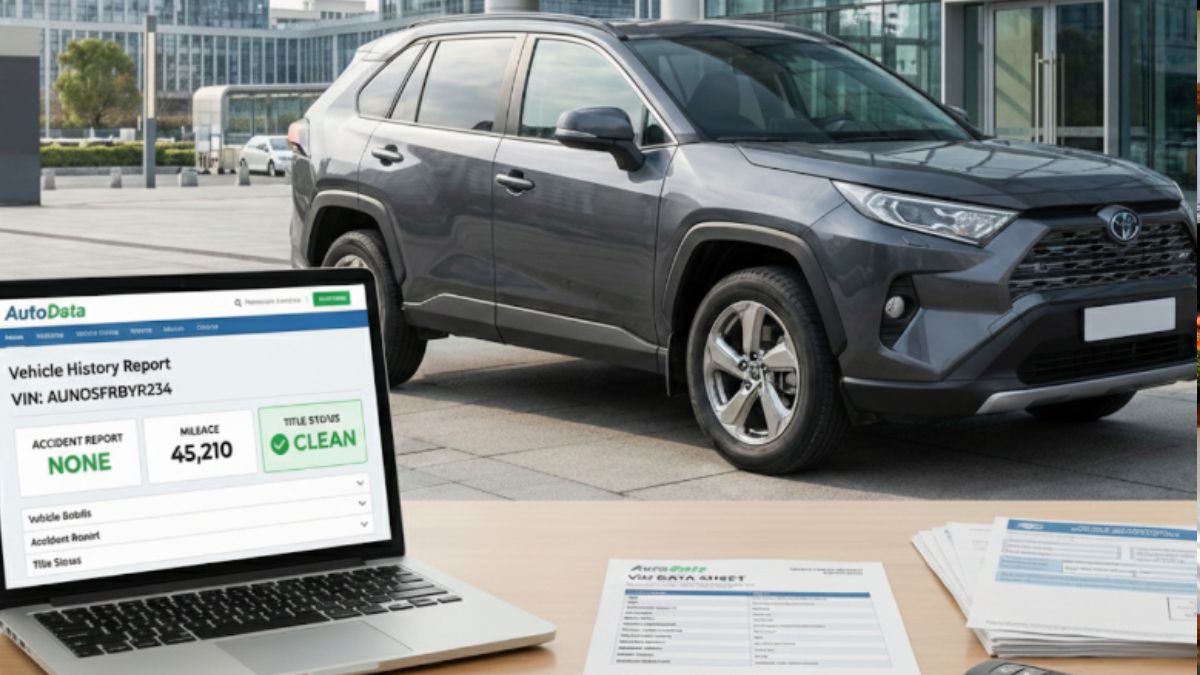
Buying a used vehicle now feels easier than before. Listings appear online within seconds. Photos look sharp and clean. Sellers respond fast through messages. This ease also brings new risks. Not every listing tells the full truth. Not every seller shares all facts. That is why vehicle background checks matter more than ever.
A vehicle background check shows recorded facts about a car’s past. It helps buyers see beyond photos and promises. It shows data from official and private records. This data can protect buyers from loss and stress. It also supports fair pricing and safer choices.
This article explains vehicle background checks in clear language. It shows how they work today. It explains what they include, what they miss, and how to use them well. The goal is simple. Help buyers make smart and calm decisions.
What Is a Vehicle Background Check
A vehicle background check is a detailed report. It is based on a unique number called the VIN. Each vehicle has one VIN. It stays with the car from factory to scrap.
The report gathers data from many sources. These include transport offices, insurers, repair centers, and auctions. Each source adds small facts. Together, they form a history.
This history shows events tied to the car. These events may affect safety, value, or legality. Buyers review this before paying money.
The Role of the VIN
The VIN is the key to all checks. It confirms the car’s true identity. It shows the maker, model, year, and engine type.
Many listing errors come from wrong details. Some are honest mistakes. Others are planned. A VIN check clears confusion fast. It also blocks simple fraud.
How Data Is Collected Today
Modern systems collect data faster than before. Many records are now stored online. Updates happen after sales, claims, or inspections.
Still, data flow depends on reporting. If an event is not reported, it may not appear. Buyers must keep this limit in mind.
Why Background Checks Matter More Now
Online car sales have grown fast. Buyers often meet sellers after first contact online. This reduces face to face trust checks. Background checks help fill that gap.
Scams also exist online. Fake listings and cloned vehicles appear often. A background check helps spot warning signs early.
Protecting Against Hidden Damage
Some damage is hard to see in photos. Structural damage may hide under panels. Electrical issues may hide under clean interiors.
A background check may show past accidents or claims. This alerts buyers to inspect deeper. It also helps avoid unsafe cars.
Avoiding Legal Trouble
Cars with legal issues cause stress later. Unpaid loans, stolen records, or title issues can block ownership transfer.
A background check may show lien records or theft reports. Buyers can then avoid long disputes and loss.
Main Parts of a Vehicle Background Report
Most reports follow a similar structure. Each part answers a key question. Reading all parts matters.
Ownership History
This section shows how many owners the car had. It may show use types, like private or fleet.
Many owners in a short time may suggest problems. Long ownership often suggests stable use. This is not a rule, but a clue.
Title Status
Title status is critical. A clean title means no major loss record. Branded titles signal past issues.
Salvage titles show total loss claims. Rebuilt titles show repairs after loss. Junk titles mean road use is not allowed. Each status affects value and safety.
Accident Records
This part lists reported accidents. It may show damage areas and severity. It may note airbag use.
Minor accidents are common. Severe accidents deserve caution. Buyers should match this data with inspection results.
Mileage Records
Mileage logs come from inspections and service visits. They show readings over time.
Large jumps or drops raise concern. Consistent growth suggests honest use. Mileage fraud still exists, so this check matters.
Theft and Recovery Records
This section checks theft databases. It shows if the car was ever stolen.
Recovered cars may still carry risk. Clear records help with insurance and resale later.
The Speed and Access of Modern Checks
Vehicle background checks are now fast. Buyers can run reports within minutes. This speed helps during quick deals.
Access has also widened. Private buyers can now check data once limited to dealers. This levels the field.
Online Platforms and Data Sharing
Many platforms now share data across regions. This helps track cars that move often. It also helps spot flood or storm damage spread.
Still, sharing rules differ by region. Some areas share more than others. Buyers should know this.
Mobile Use and On the Spot Checks
Many buyers check reports on phones. This helps during in person meetings. It allows quick decisions.
This speed should not rush buyers. Reports need calm reading. Pressure leads to mistakes.
Limits of Vehicle Background Checks
Background checks are helpful. They are not perfect. Knowing limits avoids false trust.
Unreported Events
Not all events get reported. Minor crashes may be fixed privately. Small floods may be cleaned fast.
A clean report does not prove a clean past. It only shows recorded data.
Data Delays
Some records appear weeks later. Recent accidents may not show yet. Buyers should ask about recent events.
Checking report update dates helps. New damage deserves clear answers.
Errors and Mixed Records
Mistakes happen in large databases. Wrong mileage or accident notes may appear.
Buyers should compare reported facts with the car. Sellers should explain any mismatch with proof.
Using Background Checks the Right Way
A background check works best as part of a process. It should guide actions, not replace them.
Pairing With Visual Inspection
Always inspect the car in person. Look at paint tone and panel gaps. Check tires and underbody.
Use the report as a map. Accident records point to areas to inspect closely.
Working With a Mechanic
A trained mechanic sees hidden issues. They test systems and read fault codes.
Sharing the report helps them focus. It saves time and adds context.
Supporting Price Talks
Facts support fair talks. Accident history may lower value. Clean records may support the price.
Buyers should stay calm and factual. Sellers should respond with proof or adjust the price.
Free vs Paid Background Checks
Free checks exist online. They often show basic data. This may include theft status or recall notes.
Paid reports often show more detail. They may include accident data, title history, and mileage logs.
Buyers should weigh cost and risk. For costly cars, paid reports make sense.
Special Situations That Need Extra Care
Some vehicles deserve closer checks. Background data matters even more here.
Cars From Disaster Areas
Cars from storm zones may carry flood risk. Some move across regions after events.
Background checks may show storm damage or title brands. Physical checks remain vital.
Imported Vehicles
Imported cars may have gaps in data. Records may not fully transfer.
Paperwork review becomes more important here. Buyers should expect less detail.
Older Vehicles
Older cars may lack early records. Digital storage was limited years ago.
Focus on recent years and current condition. Rust and wear matter most here.
Privacy and Ethics of Background Checks
Background checks use vehicle data, not personal data. This protects seller privacy.
Buyers should use reports responsibly. Data should support decisions, not harassment.
Sellers should expect checks as normal practice. Honest sellers often welcome them.
The Future of Vehicle Background Checks
Data systems continue to improve. More service centers now report work. More regions share data.
Still, reports will never be perfect. Human checks will always matter. Balance remains key.
Final Advice for Buyers
Vehicle background checks offer clear value. They reduce risk and support smart choices.
They work best with inspections and mechanic reviews. Skipping any step increases risk.
Used cars always carry some unknowns. Background checks reduce those unknowns. They help buyers move forward with confidence and care.


Product quality, launch timing, cash flow, and customer trust are all impacted by choosing a manufacturer. A promising recipe can fail when a facility lacks suitable equipment, reliable sourcing, or packaging support.
Emerging brands need clear answers before signing a production agreement, especially when the first order must support market testing without creating excess inventory. Here are three questions that help founders assess fit, control risk, and choose a partner that can support the product after launch.
1. Can the Manufacturer Produce the Right Product?
A manufacturer should understand the product category, storage requirements, preparation method, and intended customer. A company developing refrigerated meals needs different production controls than a brand selling shelf-stable sauces or protein snacks.
Before selecting a facility, an emerging brand should compare recipe development, ingredient sourcing, sampling, packaging, labeling, fulfillment planning, storage requirements, and intended sales channels carefully. A brand assessing private label food manufacturing in Los Angeles should compare those capabilities before approving a production plan.
Those production details affect the finished food, launch schedule, and inventory plan; a manufacturer that manages related stages can reduce handoffs and make revisions easier to track.
Product range also matters. A manufacturer with experience in ready-to-eat meals, sauces, wellness-focused foods, desserts, frozen items, or refrigerated products can assess whether the concept fits its process. Brands should ask which products the facility produces regularly and which services require outside support.
2. How Will the Manufacturer Support Brand Requirements?
Private-label production involves more than placing a logo on an existing item. The manufacturer must translate the brand’s customer promise into a recipe, package, label, and repeatable production process.
Ask who owns the recipe, how revisions are documented, and when the brand approves samples. The discussion should address ingredient substitutions, allergen information, storage instructions, and label review. Clear responsibilities prevent late changes from disrupting production.
Packaging deserves separate attention. A manufacturer should explain which packaging formats it coordinates, how labels move through approval, and whether the finished product suits retail, e-commerce, wellness programs, or specialty stores. The package must protect the food and communicate product information accurately.
3. Can the Partnership Support the Brand’s Growth?
An emerging brand should assess future capacity before choosing a production partner. The first order might be modest, but demand can change after a retailer placement, subscription launch, or successful online campaign.
Ask how the manufacturer manages small and large production runs. The answer should explain minimum order expectations, scheduling, lead times, storage, and delivery planning. These details help a brand determine its inventory needs and avoid committing cash before sales patterns become clear.
Growth also depends on development support. A capable partner can guide a concept through discovery, recipe development, ingredient sourcing, sampling, packaging coordination, compliance guidance, manufacturing, and fulfillment planning. That sequence gives the brand a practical path from an early idea to a finished product.
A manufacturer should explain how communication works during revisions and repeat orders. One contact, documented specifications, and approved samples create a reliable reference for future batches. Without that record, small changes in ingredients or packaging can affect consistency.
What Should a First Meeting Cover?
Before the meeting, the brand should prepare a short product brief. It should describe the product type, target customer, desired format, sales channel, storage conditions, and current recipe status.
The brand should also bring questions about production volume, ingredient sourcing, packaging, labeling, sampling, timelines, and fulfillment. A manufacturer’s answers reveal whether the partnership matches the product’s current needs and planned direction.
Cost matters, but the lowest quoted price does not always produce the lowest total expense. Rework, excess inventory, delayed packaging, and separate service providers can increase the launch budget. A clear production plan gives the brand better information for comparing proposals.
Conclusion
The right manufacturer must fit the product, brand requirements, and next stage of growth. Emerging brands should leave the first meeting with written answers about recipes, production runs, packaging, compliance guidance, approvals, scheduling, and delivery.
The next step is a focused product brief, followed by a review of sample procedures and responsibilities. That preparation turns a broad search into a practical comparison and gives the selected manufacturer a clear starting point for development.

If you have searched for webitbgroup com, you are not alone. The domain name surfaces regularly in search results and SEO discussions. Many people want a clear, practical explanation of what it is, how long it has existed, and whether it still functions as a real digital platform.
Webitbgroup com refers to the domain webitbgroup.com. Public records show it was first registered in January 2011 and remains registered through January 2033. That long registration period alone makes it stand out from newer, short-lived sites. Over the years it has been linked to Web IT Business Group Pvt. Limited, a Delhi-based entity associated with web development, IT services, digital marketing, and content publishing.
This guide breaks down the verified facts, past uses, current status questions, and practical takeaways so you can evaluate the domain with clear eyes.
What Is Webitbgroup com?
Webitbgroup com is simply the domain webitbgroup.com. It is not a widely recognized consumer brand with heavy media coverage or large public company filings. Instead, it appears as an older web property that once operated in the space of digital services and online content.
Older third-party listings and professional profiles connect the name to Web IT Business Group Pvt. Limited in Delhi, India. People associated with that group have listed experience in web-related work. Historical site descriptions mention services such as website development, online marketing, and publishing articles or guest posts.
Unlike major tech companies, detailed current corporate information is limited. Ownership details are protected by privacy services, which is common for many domains. This privacy does not automatically mean anything negative, but it does reduce easy public verification.
Key Domain Facts at a Glance
| Detail | Information |
|---|---|
| Domain Name | webitbgroup.com |
| First Registered | January 2011 |
| Current Expiry | January 2033 |
| Linked Entity | Web IT Business Group Pvt. Limited (Delhi references) |
| Primary Past Focus | Web development, IT services, digital marketing, content/guest blogging |
| Ownership Visibility | Protected by privacy services |
These facts come from publicly available domain data and older listings. They give a solid baseline but do not reveal every detail of daily operations.
History and Past Role of Webitbgroup com
The domain has existed for more than 15 years. That age is a positive technical signal because long-standing domains often carry some accumulated search history. However, age alone does not prove ongoing high-quality activity.
In its earlier years, webitbgroup.com appears to have served multiple purposes. It was connected with web and IT service offerings. At the same time, it functioned as a content platform. Guest-post directories listed it as a place accepting articles on topics including technology, business, digital marketing, and general news-style content. Some older references also mention simple web tools, such as utilities built for practical online tasks.
The site previously used a magazine-style WordPress theme suited for news and article publishing. This fits the pattern of many mid-tier content sites that combined service promotion with guest contributions. Such sites can generate traffic and backlinks, which explains why the domain still appears in SEO and guest-post marketplaces.
Traffic data from those marketplaces has typically shown low overall volume, with the majority originating from India. Metrics such as Domain Authority in the low-to-mid 40s have been reported in guest-post listings, though these numbers fluctuate and should be checked with current tools.
Current Status and Activity Questions
Is webitbgroup.com still an active website? The answer is mixed. The domain itself remains registered with nameservers in place and an expiry date years in the future. That means the name is under active ownership control. However, reports from site-checking tools and the difficulty of loading consistent public content suggest the original website may no longer operate in the same form.
A registered domain and a fully functioning public website are different things. Owners sometimes keep domains for future use, redirect them, park them, or let older pages go offline while retaining the name. Some marketplace pages have also noted that the domain could be open to purchase discussions, even while it remains registered.
Because public information is limited, the safest view is that the domain has a documented history, but its current public-facing activity level is unclear. Anyone considering interaction—whether for research, guest posting, services, or domain purchase—should verify live status directly rather than relying solely on older articles.
Evaluating Legitimacy and Trust Signals
When people encounter domains like webitbgroup com in search results, they often want to know if the platform is legitimate. Legitimacy is best judged by multiple factors rather than any single claim.
Positive indicators include the long registration history and the existence of past professional associations. On the other side, limited current transparency, sparse independent reviews, and reliance on SEO-focused blog mentions create weaker signals. Many similar older domains appear in search because content creators write “what is” guides about them. This creates visibility without necessarily reflecting strong organic brand authority.
Trust Factor Comparison
| Factor | Strong Indicators | Weaker Indicators | Notes for Webitbgroup com |
|---|---|---|---|
| Domain Age | 10+ years continuous registration | New or frequently changing | Registered since 2011, expires 2033 |
| Transparency | Clear company details, leadership, contact info | Privacy-protected, limited public records | Ownership privacy-protected; Delhi-linked entity references exist |
| Online Reputation | Independent reviews, media coverage, case studies | Mostly SEO blog mentions, low review volume | Primarily discussed in explanatory articles |
| Technical Presence | Consistent active site, security certificates, recent content | Intermittent availability or outdated pages | Domain active; full site consistency unclear |
| Business Verification | Official filings, LinkedIn company page with activity | Sparse professional confirmation | Individual LinkedIn mentions of related group |
This comparison helps separate technical domain facts from broader business credibility. Readers should apply the same framework to any lesser-known digital platform.
Practical Uses and Considerations
Historically, platforms in this category have been used for a few main purposes. Businesses might have sought web development or digital marketing help. Writers and marketers sometimes pursued guest-posting opportunities for exposure or backlinks. Researchers simply wanted background on the domain name itself.
Today, any of these uses requires fresh confirmation. Guest-post listings from a couple of years ago do not guarantee current acceptance. Service claims from older descriptions may no longer match reality. Domain buyers need to confirm seller legitimacy, transfer process, and any existing content or backlink profile.
One practical example: a digital marketer researching backlink opportunities might find webitbgroup.com listed in a guest-post service. The next step is not immediate purchase of a placement. Instead, check whether the site loads, whether it publishes recent content, what the editorial standards appear to be, and whether the domain still shows consistent metrics in tools like Ahrefs or Moz. If the site is largely inactive, the value of a new link drops significantly.
Pros and Cons of Engaging with Domains Like Webitbgroup com
Pros
- Long domain age can support residual search history.
- Past associations with IT and content work provide a documented context.
- Potential interest for domain investors if the name has commercial appeal.
- Historical guest-post presence may indicate prior content infrastructure.
Cons
- Limited current transparency makes verification harder.
- Unclear activity status reduces confidence for new business or content use.
- Heavy reliance on secondary SEO articles rather than primary brand presence.
- Risk that older metrics or listings no longer reflect reality.
Common Mistakes When Researching Webitbgroup com
People often make a few predictable errors with domains that generate “what is” search traffic.
First, they treat every blog article as official information. Many of these pieces recycle similar details without fresh primary research. Second, they assume a registered domain equals a fully operating company website. Third, they decide on guest-post placements or service inquiries based solely on older marketplace listings. Fourth, they overlook privacy protection and treat the lack of visible ownership as either automatic proof of legitimacy or automatic proof of risk. Neither extreme is accurate.
A better approach is to cross-check domain registration data, attempt to load the live site, look for recent independent mentions, and contact listed addresses only after confirming they still work.
Best Practices for Evaluating Similar Digital Platforms
Follow these steps whenever you research an older domain that appears in SEO contexts:
- Confirm current registration and expiry dates through a reliable WHOIS or RDAP lookup.
- Try loading the main domain and key subpages; note redirects, parking pages, or errors.
- Search for the company name plus “LinkedIn,” “official,” or location terms to find professional profiles.
- Review recent content dates and author information if the site loads.
- Check third-party SEO tools for current traffic estimates and referring domains rather than relying on old screenshots.
- For any financial or content exchange, verify contact methods independently and start with low-commitment tests.
- Treat domain age as one positive data point among many, not the deciding factor.
These habits protect you whether you are a content creator, marketer, researcher, or potential domain buyer.
Conclusion
Webitbgroup com is best understood as a long-registered domain with documented ties to Web IT Business Group and a history spanning web services, digital marketing, and content publishing. Public records confirm its 2011 registration and 2033 expiry, while professional profiles and older listings supply the business and content context. At the same time, limited current transparency and questions about ongoing website activity mean it does not present as a high-visibility, fully documented corporate platform.
Search visibility around the keyword comes largely from explanatory articles rather than broad organic brand demand. That pattern is common for many mid-tier or older digital properties. Readers gain the most value by separating verified domain facts from assumptions about current operations. Whether your interest is research, guest posting, services, or domain acquisition, fresh verification remains the essential next step.
Understanding domains like this also builds better judgment for the wider web. Long registration history is useful, yet it never replaces clear contact details, recent activity, and independent confirmation.
Frequently Asked Questions
What is webitbgroup com?
Webitbgroup com is the domain webitbgroup.com, registered since January 2011 and linked in public records to Web IT Business Group Pvt. Limited. It has historical associations with web development, IT services, digital marketing, and content or guest-blogging activity.
Is webitbgroup.com still active?
The domain remains registered through 2033 with nameservers in place. However, consistent public website availability is unclear according to recent checks, so activity level should be verified directly.
Who owns webitbgroup.com?
Ownership details are protected by standard domain privacy services. Public references connect the name to a Delhi-based Web IT Business Group entity, but full current ownership information is not openly listed.
Is it safe to visit or use webitbgroup.com?
No major public warnings of harm appear in available records. As with any lesser-known site, avoid sharing sensitive personal or financial data until you confirm current operators, HTTPS status, and a clear privacy policy.
Can I still publish a guest post on webitbgroup.com?
Older marketplace listings offered guest-post options, but those do not guarantee current acceptance. Always confirm the site is live, accepting submissions, and meeting your quality standards before proceeding.

If you landed on money6x.com expecting a payout button, you are not alone. Search results still mix old earning-site writeups with newer pages about saving, investing, and property. That mix creates confusion. Money6x.com is a free personal-finance education site. It publishes guides and commentary. It does not hold your cash, place trades, or promise a sixfold return.
The name is branding, not a contract. “6x” points to the idea of growing money through better habits, not a fixed multiple you can withdraw. Treat the site as a reading room. Use what you learn on regulated banks, brokers, and your own budget. This guide walks through what the site is now, what older reviews still claim, and how to use the material without chasing hype.
What Money6x.com Is (and Is Not)
Money6x.com describes itself as a personal-finance education platform. Public coverage of the site points to articles on saving, budgeting, investing basics, real estate, and income ideas. Readers can browse without creating an account or sending payment details.
It is not a bank. It is not a brokerage. It is not a licensed advisory firm handing out personalized recommendations. Nothing on a content site should replace a tax professional, a fiduciary advisor, or the terms of a regulated account.
Older third-party reviews describe a different product. Those writeups talk about surveys, short videos, link shares, app tests, and referral bonuses, with small payouts and a withdrawal threshold. Secondary reports citing the site’s own explainer say those earning and rewards tools were retired, and that mentions of task pay or referral cash tied to the name are outdated. If a page still promises a balance, a USDT payout, or a task panel under this brand, check the exact domain and the date before you trust it.
A clear definition helps featured-snippet readers:
Money6x.com is a free-to-read finance publication covering saving, investing, real estate, and earning strategies. It does not manage deposits or guarantee returns.
Who the content is for
The material fits people building a foundation, not traders hunting a signal service.
- Beginners who want plain-language explainers of budgets and emergency funds
- Side-income readers comparing realistic earning ideas with time cost
- Property-curious readers who want frameworks before they talk to an agent or lender
- Anyone cross-checking viral “multiply your money” claims against basic math
If you already have a written plan, a funded emergency reserve, and accounts at known institutions, the site is optional reading. It will not outperform a boring automatic transfer.
How Money6x.com Fits a Real Money Plan
A useful finance site earns its place when it changes a weekly habit. It fails when it becomes another tab you never act on. Here is a simple way to use money6x.com without treating the brand as a product.
Start with cash flow. A guide is only helpful if you know what comes in, what leaves, and what is left. Then match a topic on the site to a gap you already have. Emergency fund thin? Read savings pieces and set a transfer. Curious about rentals? Read the property explainers, then run numbers with local rents, taxes, and insurance. Looking for extra income? Use strategy articles as a menu, then apply on the actual platforms those methods require.
| Goal | What to read for | What you still do yourself |
|---|---|---|
| Stop overspending | Budget rules, spending categories, savings rate ideas | Track 30 days of transactions in your own sheet or app |
| Build a buffer | Emergency-fund size, where to park cash | Open or fund a high-yield savings account at a real bank |
| Learn markets | Beginner investing explainers, risk and time horizon | Use a regulated broker; ignore any “guaranteed 6x” pitch |
| Study property | Real-estate primers, cash-flow concepts | Verify local prices, loans, and taxes before any offer |
| Add income | Earning-strategy overviews | Apply on reputable job, freelance, or business channels |
That split matters. Reading is step one. Movement of real money happens somewhere else.
A practical weekly routine
Fifteen minutes beats a weekend binge you forget by Monday.
- Pick one article tied to a current gap.
- Write one sentence: what would change if this were true for you.
- Turn that sentence into a single action with a date.
- Skip anything that asks for a deposit, a wallet seed phrase, or an app install from an unofficial link.
Example: an article explains the 50/30/20 split. You earn $3,200 a month after tax. Needs get $1,600, wants get $960, and saving or debt payoff gets $640. You set a $150 automatic transfer this Friday and revisit the wants number in two weeks. The site did not multiply anything. You did, by moving cash before you could spend it.
Money6x.com Then and Now
Search intent around this domain often splits in two. Some people want to know if they can still earn on the site. Others want a legitimacy check after seeing “6x” in the name.
| Topic | Earlier public descriptions | Current picture from site-focused reporting |
|---|---|---|
| Core offer | Micro-tasks, surveys, referrals, small payouts | Articles and guides only |
| Money movement | Reported balances and withdrawal thresholds | No deposit-taking, no live payout panel described |
| Reader cost | Time spent on low-value tasks | Time spent reading |
| Risk shape | Low pay, mixed reviews, referral-heavy claims | Ordinary content-site risk: ads, affiliates, uneven depth |
| Best use | Coffee money at best, if payouts cleared | Idea source and checklist, not an account |
Reported task ranges in older reviews often sat around $0.50 to $5 per activity, with daily totals of a few dollars for a half hour to 90 minutes. Even if those figures were accurate then, they describe a system reviewers say no longer runs. Do not budget around them.
Anyone selling “Money6x trading accounts,” fixed returns, or withdrawal help through chat apps is not describing the education site. Close the chat. Confirm you are on the exact domain before you read further.
Is Money6x.com Legit?
Legit depends on the claim. As a publisher of general finance articles that does not ask for payment information, the current model is an ordinary content business. That is a narrow kind of legitimate. It is not a regulated financial firm, and ownership details are hard to verify from public reviews. A site that takes no deposits needs less trust than a broker. It has also offered less proof of who runs it.
Use three checks before you rely on any page:
- Exact domain match, not a lookalike spelling
- No request for deposits, seed phrases, ID uploads, or remote-access software
- Advice framed as general education, not a personalized promise of returns
Affiliate links and ads are normal on finance blogs. They do not make a site a scam. They do mean a recommendation can be paid. Cross-check rates, fees, and eligibility on the provider’s own page.
Pros and Cons of Using Money6x.com
Pros
- Free to read, with no account required for basic articles
- Covers several personal-finance lanes in one place, from budgets to property concepts
- The “6x” label is best read as a theme, and current reporting says the site does not promise a fixed multiple
- Retired task tools, if accurately disclosed, remove the main way earning-site scams take money
- Useful as a starting outline before you talk to a banker, broker, or agent
Cons
- Not advice, and not accountable for your outcome
- Ownership and editorial standards are not as transparent as a major publisher
- Older reviews still describe payouts, so readers can chase a product that is gone
- The brand name invites hype that basic compounding cannot match on a short timeline
- Depth will vary; a blog post is not a loan estimate or a prospectus
Common Mistakes Readers Make
People waste time on this topic in predictable ways.
Treating the name as a return. Six times your money is a marketing phrase. Doubling invested assets often takes many years at ordinary market rates, and it can also go backward. No article changes that math.
Trusting outdated earning guides. A 2024 or early-2026 review that lists survey pay and referral ladders may describe a retired feature. If you cannot see a live balance and a withdrawal page on the official site, assume you cannot get paid there.
Sending money to a helper. Recovery services, “verification fees,” and wallet-connect prompts are classic traps. A reading site does not need your bank login.
Skipping the local numbers. A real-estate explainer cannot know your city’s taxes, insurance, or vacancy rate. Copying a sample cash-flow table without those inputs produces fiction.
Reading instead of automating. The highest-yield move for most households is still a scheduled transfer and a paid-off high-interest balance. Another tab will not do that for you.
Best Practices for Getting Value from the Site
Keep the site in a support role.
- Pair every article with one measurable action in your own accounts
- Prefer pieces that define terms, show a formula, and list assumptions
- Verify any product mention on the provider’s site and on a second independent source
- Separate net worth goals from income goals so you do not mix investing with side hustles
- Revisit a plan quarterly, not every time a new headline appears
- Teach the same idea to someone else in one paragraph; if you cannot, you do not own it yet
A strong filter is the “deposit test.” If a page, ad, or message connected to the brand asks you to fund an account to unlock earnings, leave. Education does not require a balance.
A simple decision framework
| Question | If yes | If no |
|---|---|---|
| Does the page teach a concept I can apply this week? | Save it and schedule the action | Skip it |
| Does it ask for money, keys, or ID? | Stop and do not proceed | Keep reading with normal skepticism |
| Can I check the claim on a regulated provider’s site? | Compare fees and terms there | Treat the claim as unverified |
| Does the time cost beat a higher-paid use of that hour? | Continue | Switch to work, learning, or rest |
How the “Multiply” Idea Actually Works
People search money6x.com because they want money to grow faster. Growth still comes from a short list of levers. Spend less than you earn. Kill expensive debt. Invest surplus in diversified assets you understand. Raise your earning power. Own productive things, including skills and, for some people, property.
Compounding is slow at the start and louder later. A 7% average annual return does not hand you six times your money in a year. It takes a long holding period, and the average is not a promise for any single year. Property can multiply equity with a mortgage, and it can also multiply losses if rent misses and rates rise. Side income multiplies cash flow only after you count hours, taxes, and tool costs.
Use the site to learn the levers. Use your accounts to pull them.
Conclusion
Money6x.com is best understood as a finance reading site with a loud name and a quieter current job. It can introduce budgets, investing ideas, property concepts, and income strategies. It should not hold your money, and it should not be asked to multiply it on a schedule. Older task-and-referral descriptions belong to a previous version, according to reporting that cites the site’s own update. Read with a specific gap in mind, turn one idea into a dated action, and keep deposits at institutions you can verify. That is the only 6x path that survives contact with a bank statement.
FAQs
What is money6x.com?
Money6x.com is a free personal-finance education website. It publishes general articles on saving, investing, real estate, and earning strategies. It is not a bank, broker, or fund.
Can you still earn money on money6x.com?
Reporting that cites the site’s own explainer says survey, referral, and micro-task payouts were retired. The live offer described now is reading material, not a withdrawal balance. Confirm on the official domain before you rely on any older review.
Is money6x.com a scam?
The current education model does not ask for deposits, which removes the usual earning-site scam mechanism. The brand still has a mixed history, thin public ownership detail, and a name that invites hype. Avoid anyone who requests payment, seed phrases, or remote access under this name.
Does money6x.com give financial advice?
No. Articles are general education. They are not a personalized recommendation, and they are not a substitute for a licensed advisor or tax professional.
How should beginners use the site?
Pick one topic that matches a real gap, such as an emergency fund or a first budget. Write a single action, automate it in your own account, and ignore any claim of guaranteed multiples.
-

 NEWS1 year ago
Historical Churches in Manila
-

 TOPIC3 months ago
Unveiling AvTub: Your Ultimate Guide to the Best AV Content
-

 TOPIC1 year ago
Symbols of Hope: The 15th Belenismo sa Tarlac
-

 TOPIC1 year ago
Simbang Gabi and Kakanin
-

 TOPIC1 year ago
RIZAL at 160: a Filipino Feat in Britain
-

 NEWS4 months ago
What Caused Delta Flight DL275 to Diverted LAX? A Detailed Breakdown
-

 TOPIC2 months ago
Understanding Fascisterne: Origins and Ideological Roots
-

 TOPIC1 year ago
“The Journey Beyond Fashion” – Ditta Sandico