
TOPIC
Why Acrylic Sheets Are Replacing Glass in Modern Construction


Whether you are replacing glass in a picture frame, building a DIY display case, protecting a tabletop, or creating custom signage, acrylic has become one of the most versatile transparent materials available. Thanks to its lightweight design, excellent optical clarity, and impressive impact resistance, acrylic is used across homes, businesses, schools, healthcare facilities, and industrial settings throughout the United States. Clear acrylic plexiglass sheets have gained popularity because they provide many of the visual advantages of traditional glass while offering greater durability and easier handling. Understanding how acrylic performs, where it excels, and its limitations can help you make informed decisions for renovation projects, fabrication work, and everyday applications.
This guide explains everything you need to know, from material properties and thickness options to maintenance, fabrication, and common misconceptions.
Acrylic Plexiglass Explained
Despite the name “plexiglass,” the material is not actually glass. Acrylic is a transparent thermoplastic scientifically known as polymethyl methacrylate (PMMA). It was developed as a lightweight alternative to glass and has been used commercially for decades.
Many people use the terms acrylic sheet, plexiglass, PMMA sheet, or transparent plastic sheet interchangeably. While “Plexiglas®” is a registered trademark, the word “plexiglass” has become a generic term in everyday language for clear acrylic panels.
One of acrylic’s biggest strengths is its combination of strength and clarity. High-quality acrylic transmits approximately 92% of visible light, making it one of the clearest transparent materials available.
Why Acrylic Has Become So Popular
The growing popularity of acrylic isn’t simply because it’s lightweight. Its performance characteristics make it suitable for a remarkably wide variety of environments.
Compared with conventional glass, acrylic typically weighs about half as much while offering significantly higher impact resistance. This makes installation easier, reduces transportation costs, and minimizes the risk of breakage during handling. In addition, acrylic offers:
- Excellent optical clarity
- UV-resistant grades for outdoor use
- Easy fabrication and machining
- Wide variety of thicknesses
- Good weather resistance
- Smooth polished appearance
- Long service life with proper care
These characteristics explain why architects, homeowners, retailers, manufacturers, and DIY enthusiasts continue to choose acrylic for countless projects.
Common Applications Across Industries
Acrylic has become a standard material in many industries because it combines aesthetics with functionality.
Residential Uses
Homeowners frequently use acrylic for projects that require transparency without the weight of glass. Examples include:
- Picture frame glazing
- Cabinet door inserts
- Coffee table protectors
- Storm window panels
- Decorative shelving
- Furniture accents
- Bathroom organizers
- Greenhouse glazing
Because acrylic is easier to cut and drill than glass, many DIY enthusiasts find it easier to work with using common woodworking tools.
Commercial Applications
Businesses value acrylic for its professional appearance and durability. Retail stores commonly use acrylic for:
- Product displays
- Protective sneeze guards
- Sign holders
- Menu boards
- Display cases
- Counter shields
- Point-of-sale displays
Museums also rely heavily on acrylic display enclosures because they offer excellent visibility while helping protect valuable artifacts.
Industrial Applications
Industrial environments often require transparent materials capable of handling demanding conditions. Common uses include:
- Equipment guards
- Machine covers
- Inspection windows
- Instrument panels
- Safety barriers
- Manufacturing enclosures
Many industrial facilities appreciate acrylic because it resists corrosion better than many metals and doesn’t shatter like traditional glass.
Acrylic vs. Glass: Understanding the Differences
Although acrylic is often compared directly with glass, each material has distinct advantages depending on the application.
Weight
Acrylic weighs approximately 50% less than standard glass of equal thickness. This makes transportation, installation, and handling considerably easier. For large panels, the weight savings become especially significant.
Impact Resistance
One of acrylic’s greatest advantages is its strength. It is significantly more impact resistant than ordinary annealed glass, making it less likely to shatter upon impact. However, acrylic is not completely unbreakable. Extreme force can still crack or damage the material.
Optical Clarity
Premium acrylic provides exceptional transparency that rivals—and sometimes exceeds—that of standard glass. It also maintains clarity for years when properly maintained.
Scratch Resistance
Glass generally resists scratches better than acrylic. Because acrylic is softer, it requires more careful cleaning and handling. Fortunately, many minor scratches can often be polished out using specialized acrylic polishing compounds.
Fabrication
Glass typically requires specialized cutting equipment. Acrylic, on the other hand, can often be:
- Sawed
- Drilled
- Routed
- Laser cut
- CNC machined
- Polished
- Bent with heat
This versatility contributes to its popularity among fabricators.
Choosing the Right Thickness
Thickness selection depends entirely on the intended application. Very thin sheets work well for lightweight projects such as photo frames or protective covers. Medium-thickness panels are commonly used for:
- Display cases
- Cabinet inserts
- Interior partitions
- Signage
Thicker panels are better suited for structural applications that require greater rigidity, such as shelving, aquariums (when properly engineered), or protective barriers. When selecting thickness, consider:
- Panel dimensions
- Expected load
- Wind exposure
- Indoor or outdoor installation
- Mounting method
- Flexibility requirements
Choosing an inappropriate thickness may result in unnecessary deflection or excessive material cost.
Extruded vs. Cast Acrylic
Not all acrylic sheets are manufactured the same way.
Cast Acrylic
Cast acrylic is produced by pouring liquid monomer between molds. Advantages include:
- Better optical quality
- Superior chemical resistance
- Improved machining performance
- Better polishing characteristics
- More consistent thickness
It is often preferred for precision fabrication and premium architectural work.
Extruded Acrylic
Extruded acrylic is manufactured through continuous production processes. Advantages include:
- Lower manufacturing cost
- Consistent dimensions
- Easier thermoforming
- Suitable for high-volume production
For many general-purpose projects, extruded acrylic performs extremely well while remaining cost-effective.
How Acrylic Performs Outdoors
Many people assume transparent plastics quickly become yellow outdoors. Modern UV-resistant acrylic is specifically engineered to resist weathering. Quality acrylic can maintain excellent clarity for many years when exposed to sunlight, making it suitable for:
- Patio wind barriers
- Outdoor signs
- Protective glazing
- Garden structures
- Boat windows
- Greenhouses
Environmental conditions, cleaning practices, and installation quality all influence long-term performance.
Fabrication and Customization Options
One reason acrylic remains popular is its exceptional versatility during manufacturing. Fabricators routinely perform:
Precision Cutting
Computer-controlled CNC equipment enables highly accurate cuts for custom shapes and complex designs.
Laser Cutting
Laser technology produces smooth, polished edges suitable for decorative applications.
Edge Finishing
Each finish offers a different visual appearance. Edges can be:
- Flame polished
- Diamond polished
- Machine polished
- Sanded
Drilling
Unlike glass, acrylic can be drilled relatively easily using proper techniques and suitable drill bits. However, excessive pressure or incorrect drill geometry may cause cracking.
Cleaning and Maintenance Best Practices
Proper maintenance significantly extends acrylic’s lifespan. Avoid harsh chemicals that contain:
- Ammonia
- Acetone
- Strong solvents
- Abrasive cleaners
Instead, use mild soap with lukewarm water and a soft microfiber cloth. Never clean acrylic with rough paper towels or abrasive pads, as these may create fine scratches. For stubborn marks, cleaners specifically formulated for acrylic surfaces are generally recommended.
Can Acrylic Be Recycled?
Sustainability has become increasingly important in construction and manufacturing. Acrylic is recyclable, although recycling availability varies by region. Many fabrication shops also reduce waste by reusing offcuts for smaller projects. Proper disposal through local recycling programs helps minimize environmental impact compared with sending materials directly to landfill.
Common Misconceptions About Acrylic
Several myths continue to circulate despite decades of commercial use.
“Acrylic Is Just Cheap Plastic”
High-quality acrylic is an engineered material with exceptional optical performance and durability. It is widely used in aerospace, healthcare, architecture, and industrial manufacturing.
“It Always Turns Yellow”
Premium UV-stabilized acrylic is specifically designed to resist yellowing during long-term outdoor exposure.
“It Cannot Be Repaired”
Minor scratches can often be polished, restoring much of the original appearance.
“Glass Is Always Stronger”
While glass generally offers superior scratch resistance, acrylic typically provides much greater impact resistance.
Current Trends Driving Acrylic Demand
Several market trends continue increasing the use of acrylic across North America.
- Architectural designers increasingly specify transparent plastics for modern interiors because they reduce weight while maintaining sleek aesthetics.
- Retail environments continue expanding the use of acrylic displays because they offer durability, visibility, and design flexibility.
- DIY home improvement has also contributed to growing demand as homeowners seek materials that are easier to cut, transport, and install than traditional glass.
In addition, advances in CNC machining, laser cutting, and digital fabrication have made custom acrylic components more accessible than ever before.
Final Thoughts
Choosing the right transparent material depends on balancing durability, appearance, fabrication requirements, and long-term performance. Acrylic has earned its place as one of the most versatile materials available because it combines outstanding clarity with lighter weight, impressive impact resistance, and extensive customization options.
Whether you are planning a residential renovation, designing commercial displays, fabricating industrial equipment, or completing a DIY project, understanding material characteristics helps ensure better project outcomes. Clear acrylic plexiglass sheets continue to serve as a dependable solution across countless applications, offering flexibility that traditional glass cannot always match. By selecting the appropriate thickness, following proper maintenance practices, and understanding where acrylic performs best, users can enjoy years of reliable performance and excellent visual clarity.

Airport travel has many moving parts, from flight times and luggage to terminal access and return-trip planning. Travelers who want a prearranged ride can request an airport chauffeur service Grand Rapids, MI, through 24-Hour Sylvain Chauffeur Service for transportation built around their travel itinerary. Rather than managing the drive, parking, and airport drop-off alone, customers can provide their trip details in advance and confirm an appropriate transportation plan. This approach can be useful for residents, visitors, business travelers, families, and passengers heading to airports beyond the Grand Rapids area.
Why Airport Transportation in Grand Rapids Requires Planning
Even a familiar airport trip can become stressful when a traveler is watching the clock, carrying several bags, traveling with children, or departing early in the morning. Traffic conditions, weather, construction, and the time needed for airline check-in or security all affect when someone should leave. Airport curb access also has practical limits. At Gerald R. Ford International Airport, the terminal curb is intended for immediate pickup and drop-off, so drivers cannot simply wait at the curb for an arriving passenger. The airport’s ground transportation information also identifies designated options for taxis, rideshare, public transportation, and other connections. A confirmed chauffeur plan gives travelers a clearer starting point for the ground portion of their trip.
How 24-Hour Sylvain Chauffeur Service Can Support Airport Trips
24-Hour Sylvain Chauffeur Service offers airport transportation in Grand Rapids for customers who prefer to arrange their ride before departure or arrival. The company describes its airport service as professional transportation with convenient pickup and drop-off locations, experienced drivers, and well-maintained vehicles.
Planned Pickup and Drop-Off
A planned pickup allows a traveler to start from a residence, hotel, office, event venue, or another agreed location. For departures, the goal is to organize transportation around the flight schedule and the customer’s requested airport arrival time. For arrivals, customers can discuss pickup instructions and the destination they need to reach after landing.
Less Driving and Parking to Manage
Self-driving can be the right choice for some trips, but it also means handling the route, parking location, parking costs, luggage movement, and the drive home after returning. With a chauffeur service, the customer can focus on the trip while the driver handles the transportation.
Service for More Than One Type of Traveler
Airport transportation is not limited to one travel purpose. Business travelers may value an organized transfer before a meeting. Families may need room for passengers and bags. Visitors may prefer a direct ride to a hotel or local destination. Returning residents may want a confirmed transportation option after a tiring day of travel.
How to Request Airport Chauffeur Service in Grand Rapids, MI
A detailed request helps the company evaluate the trip and confirm whether service is available. Travelers should contact the 24-Hour Sylvain Chauffeur Service as soon as their flight plans are known, especially when traveling during busy periods or requesting a longer-distance airport transfer.
- Choose the airport. Identify whether the trip is to or from Gerald R. Ford International Airport or another airport served by the company.
- Provide the full pickup and drop-off locations. Include addresses, hotel names, business names, or other clear location details.
- Share flight information. Give the travel date, scheduled departure or arrival time, and flight number when available.
- Explain passenger and luggage needs. State the number of travelers, the amount of luggage, and any equipment that may affect vehicle selection.
- Mention special requirements. Tell the company about child seating needs, accessibility considerations, additional stops, or a request for return transportation.
- Confirm the final plan. Before travel day, verify the pickup time, contact method, route expectations, and any instructions for airport pickup.
Airports Listed by 24-Hour Sylvain Chauffeur Service
The company lists airport transportation services for several Michigan and regional airports. Each request should be confirmed directly, since timing, route distance, and availability can vary.
- Gerald R. Ford International Airport: A practical option for Grand Rapids-area residents, visitors, and business travelers.
- Kalamazoo/Battle Creek International Airport: An option for itineraries beginning or ending in Southwest Michigan.
- Detroit Metropolitan Wayne County Airport: A longer-distance transfer that benefits from planning.
- Capital Region International Airport: A regional airport option for trips involving the Lansing area.
- Chicago Midway International Airport and Chicago O’Hare International Airport: Extended airport trips where pickup timing and comfort are important considerations.
- Milwaukee Mitchell International Airport: An interstate airport transportation option for selected travel plans.
Timing Considerations Before Leaving for the Airport
There is no single pickup time that fits every traveler. The appropriate schedule depends on the airline, destination, checked baggage, terminal procedures, travel season, weather, and the customer’s preferred arrival buffer. Travelers should review airline guidance before finalizing their transportation time. Security preparation matters as well. The Transportation Security Administration advises travelers to allow adequate time before a flight. It provides current guidance on identification, screening, and what can be packed in carry-on bags through its airport travel tips. Planning the ride and preparing for screening are separate steps, but both help create a smoother departure day.
What to Confirm Before Travel Day
- The exact pickup address, airport, and terminal information when known.
- The confirmed flight schedule and airline.
- The number of passengers and the amount of luggage.
- Whether the trip is one-way or includes return transportation.
- Any special seating, mobility, or additional-stop needs.
- A reliable phone number for travel-day communication.
Arrange Your Airport Transportation With Confidence
24-Hour Sylvain Chauffeur Service offers a straightforward option for travelers seeking airport transportation in Grand Rapids, MI. By sharing complete trip details early and confirming the final arrangements, customers can create a clearer plan for getting to the airport or continuing their trip after arrival. Contact 24-Hour Sylvain Chauffeur Service at 616-516-2018 to discuss availability and request transportation for an upcoming airport trip.
Conclusion
Planning airport transportation in Grand Rapids starts with knowing the trip details and confirming them early. 24-Hour Sylvain Chauffeur Service provides airport transportation for Gerald R. Ford International Airport and several regional airports, with availability varying by route, schedule, vehicle, and passenger needs. Travelers can make the process easier by providing their pickup and destination addresses, flight information, passenger count, luggage details, and any special requirements. It is also important to confirm the pickup time, airport instructions, contact details, and return arrangements before the day of travel. With these details organized in advance, travelers can approach their airport transfer with a clearer transportation plan and fewer last-minute decisions.

Digital evidence helps prove or challenge facts in criminal cases by connecting people, devices, actions, and events through electronic records. Investigators may examine texts, emails, photos, videos, call records, location data, social media activity, browser history, and cloud files.
This evidence can show what happened, when it happened, and who may have been involved. The FBI reported that in the first 10 months of one fiscal year, it could not access more than 6,000 mobile devices despite having legal authority to do so.
For criminal defense, digital records can challenge a timeline, identify another possible user, or provide missing context. The strength of digital evidence depends on how it is collected, preserved, authenticated, and presented in court. Metadata, timestamps, deleted files, and collection methods can affect how a record is understood.
The following sections explain how digital evidence is examined and used in criminal cases.
Types of Digital Evidence Used in Criminal Cases
Common examples include:
- Text messages, emails, direct messages, and chat histories
- Photos, videos, audio files, and security-camera recordings
- GPS information, cell-site records, browser history, and computer files
How Investigators Collect and Preserve Digital Evidence
Investigators generally need lawful authority to obtain protected digital information. Depending on the circumstances, that may involve a warrant, subpoena, consent, or another recognized process. The device may then be preserved while forensic specialists make a copy for examination.
Preservation matters because digital files can be changed, deleted, or overwritten. Forensic tools can create copies and calculate digital hashes. A hash can help show that a forensic copy remained unchanged.
That record helps show the evidence was handled consistently from collection through trial.
Authentication Can Determine Whether Evidence Is Admitted
Finding digital evidence does not automatically make it admissible. Under Federal Rule of Evidence 901, the party offering evidence must provide enough proof to support a finding that the item is what the party claims it is. Electronic records may be authenticated through testimony, system information, or evidence describing a reliable process.
Federal Rule of Evidence 902(14) addresses certified data copied from an electronic device, storage medium, or file. Certain electronic data can be authenticated through qualified certification under the rule. Hearsay, relevance, constitutional rights, and other evidentiary rules can still affect admissibility.
How Digital Evidence Can Strengthen or Challenge a Case
Digital evidence becomes powerful when several sources point to the same timeline. Investigators might compare a message timestamp with security footage, phone location data, and a purchase receipt. A consistent sequence can support a theory more strongly than one isolated record.
Key questions may include:
- Whether an account belonged to the defendant
- Whether another person could access the device or account
- Whether timestamps reflect the correct time zone or device settings
Digital records can look precise without being self-explanatory. A location point may show where a phone was, not necessarily where its owner was. A message from an account does not always prove who typed it.
Why Digital Evidence Matters in Modern Criminal Cases
The FBI has reported that digital evidence can come from computers, cell phones, gaming systems, and other electronic devices, with forensic examiners recovering encrypted, deleted, or damaged information. This makes digital evidence relevant across criminal cases, from fraud and theft to violent offenses and cybercrime.
Strong digital evidence depends on reliable collection, careful interpretation, and proof that the information is authentic and connected to the case. A lawyer can examine how evidence was obtained, whether its meaning is overstated, and whether context is missing.
Digital evidence can reveal facts that traditional evidence may not capture. Its real value comes from testing the record’s accuracy, source, context, and legal admissibility before relying on it in court.

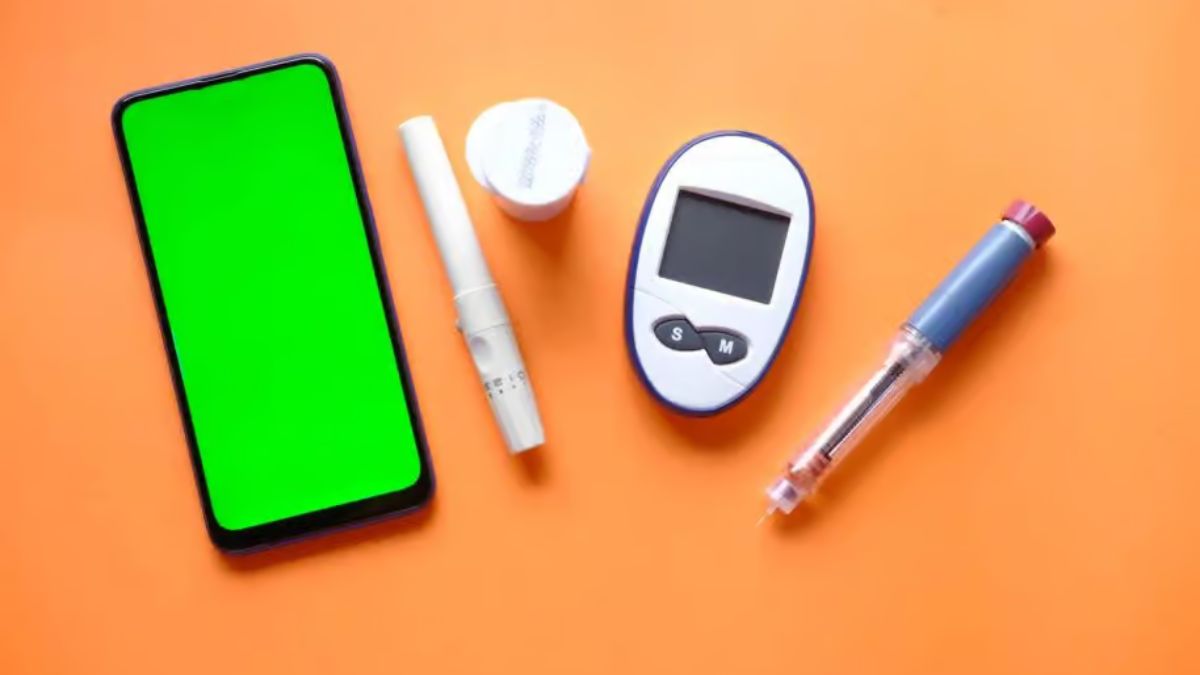
BDDiabetes.com has long been a practical starting point for people who want clear lessons on blood glucose testing and insulin injection technique. If you just heard a new diagnosis, or you have managed diabetes for years and still second-guess your routine, structured education matters more than another random tip from a comment thread. This guide walks through what a resource like bddiabetes.com is built to explain, how to use those lessons with your care team, and which habits actually move daily numbers.
Nothing here replaces medical advice. Targets, medicines, and device choices belong to you and your clinician.
What BDDiabetes.com Covers for Everyday Diabetes Care
BD, short for Becton Dickinson, is known for injection and blood glucose products. Its education site grew around that work. The goal is simple: help people understand testing, injection, and day-to-day self-care without drowning them in jargon.
A useful education page usually covers four jobs.
- It defines the condition in plain language.
- It shows how to check blood glucose safely.
- It explains insulin delivery technique, including site care.
- It connects food, activity, and medicine to the numbers you see.
Searchers often land on bddiabetes.com looking for technique, not a sales pitch. They want to know where to inject, how to rotate sites, when to check, and what a meter reading means before the next meal.
A short definition you can use
Diabetes is a group of conditions in which blood glucose stays higher than it should because the body does not make enough insulin, does not use insulin well, or both. Glucose is the sugar your cells use for energy. Insulin is the hormone that helps glucose move from the blood into those cells.
Type 1 diabetes is an autoimmune condition. The pancreas makes little or no insulin, so insulin therapy is required. Type 2 diabetes is more common and often involves insulin resistance, sometimes with a gradual drop in insulin production. Gestational diabetes appears during pregnancy and needs close follow-up because it can affect both parent and baby.
How Blood Glucose Testing Fits a Real Day
Testing is feedback. It tells you what breakfast did, whether a walk helped, and whether a dose needs a conversation with your clinician. Meters and continuous glucose monitors answer different questions. A fingerstick meter gives a point-in-time number. A CGM shows trend and direction. Many people use both at different stages of care.
Before you test, wash and dry your hands. Food residue on a fingertip can push a reading higher than your true blood glucose. Use the side of the fingertip rather than the pad when your clinician agrees, because it often hurts less. Rotate fingers so one spot does not get sore.
Timing that tends to teach you the most
These windows are common teaching points. Your plan may differ.
- Fasting, before breakfast, shows the overnight baseline.
- Before a meal helps with dose decisions if you use mealtime insulin.
- One to two hours after the start of a meal shows how that meal landed.
- Bedtime can flag a risk of overnight lows if you use insulin or certain other medicines.
- Any time you feel shaky, sweaty, confused, or unusually tired.
The American Diabetes Association often cites general targets for many nonpregnant adults of about 80 to 130 mg/dL before meals and under 180 mg/dL one to two hours after the start of a meal. Pregnancy targets are tighter. Older adults or people with hypoglycemia risk may have higher targets. Ask before you treat a chart as a personal rule.
| Check window | What it often shows | A practical next step |
|---|---|---|
| Fasting | Overnight control and dawn effect | Log it with sleep, late snack, and evening dose |
| Pre-meal | Starting point for a meal dose | Match carbs and planned activity |
| 1–2 hours after eating | Meal response | Note portion size and food type |
| Bedtime | Risk of overnight low or high | Confirm a snack plan if advised |
| Symptoms of a low | Safety check | Treat per your hypo plan, then recheck |
Keep a simple log for two weeks if numbers feel random. Write the time, the reading, the meal, the dose, and any walk or stress. Patterns show up faster on paper than in memory.
Insulin Injection Technique and Why BDDiabetes.com Still Gets Searched
People look up injection technique because small errors add up. A bent needle, a reused needle, or the same patch of skin every day can cause lumps, poor absorption, and frustrating swings. Education sites tied to pen needles and syringes exist to reduce those errors.
A clean injection sequence
Follow the device instructions that came with your pen or syringe. A typical teaching sequence looks like this.
- Wash your hands.
- Check the insulin type, clarity, and expiration date.
- For cloudy insulin, roll it gently. Do not shake unless the label says to.
- Attach a new needle. Prime the pen with the air shot your device requires.
- Dial the prescribed dose.
- Clean the skin if your clinician recommends it, then let it dry.
- Insert at the angle you were taught, usually 90 degrees with shorter needles.
- Press the dose button and hold for the full count, often 5 to 10 seconds, so the dose finishes.
- Remove the needle straight out and discard it in a sharps container.
- Do not recap a used needle by hand.
Never share pens, syringes, or lancets. Insulin pens are single-person devices even when the needle is changed.
Site rotation that protects absorption
Insulin absorbs differently from different areas. The abdomen is often fastest. Thighs and buttocks are often slower. Arms sit somewhere in between for many people. Your educator can map this to your doses.
Rotate within a region and between regions. Stay at least a finger-width from the last spot, and stay about two inches away from the navel. Avoid scars, moles, stretch marks, and lipohypertrophy, the firm fatty lumps that form when the same spot is overused.
| Body area | Common teaching note | Rotation tip |
|---|---|---|
| Abdomen | Often faster absorption | Stay clear of the navel and waistband line |
| Thigh | Often slower, useful for some longer doses | Use the outer front, not the inner thigh |
| Buttock | Slower and discreet | Upper outer area, alternating sides |
| Upper arm | Needs a correct angle and sometimes help | Outer back of the arm, rotate often |
If a site feels firm or looks lumpy, skip it for weeks and tell your clinician. Absorption from damaged tissue is unreliable, which can look like “the insulin stopped working.”
Food, Movement, and the Numbers Between Visits
Education sites work best when they connect technique to the rest of the day. A perfect injection cannot fix a meal pattern you never look at, and a perfect meal plan fails if doses are missed.
The diabetes plate is an easy visual. Fill half the plate with non-starchy vegetables, a quarter with lean protein, and a quarter with carbohydrate foods such as whole grains, beans, fruit, or starchy vegetables. Drink water. This is a starting picture, not a rigid diet. A registered dietitian can adjust it for culture, budget, and glucose patterns.
Activity lowers glucose for many people, sometimes for hours. A 10 to 20 minute walk after meals is a common, low-cost tactic. If you use insulin or a sulfonylurea, unplanned exercise can cause lows. Carry fast-acting carbohydrate and know your personal hypo plan.
Stress and poor sleep push numbers up for some people. Illness does the same. Ask for a sick-day plan before you need it. That plan should say when to check more often, when to call, and how to handle ketones if you have type 1 diabetes.
Pros and Cons of Learning from BDDiabetes.com
Online education is convenient. It is not a full care plan.
Pros
- Technique pages are specific. Needle length, hold time, and site rotation are easier to learn with diagrams than from a rushed visit.
- You can review a step the night before a clinic appointment and arrive with better questions.
- Product-neutral habits, such as single use of needles and sharps disposal, transfer across brands.
- Short lessons fit a lunch break better than a long textbook chapter.
Cons
- A company education site may emphasize the product categories that company makes.
- Pages can lag behind newer devices, biosimilar insulins, or updated targets.
- Generalized ranges are not your ranges.
- Reading is not the same as a hands-on check with a diabetes care and education specialist.
Use the site as a workbook. Bring printouts or screenshots to your next visit and ask what applies to you.
Common Mistakes That Skew Readings and Doses
Small habits cause a lot of confusion. These are the ones educators correct most often.
- Testing with food on the fingers, then chasing a false high.
- Reusing pen needles until they hurt. Reuse dulls the tip, raises infection risk, and can leave insulin in the needle.
- Injecting into the same two spots for months.
- Skipping the prime shot and wondering why the dose felt short.
- Mixing up basal and bolus insulin in a rush.
- Treating every high with extra insulin without a correction plan.
- Ignoring lows because they “pass.” Repeated hypoglycemia is a safety issue, not a willpower issue.
- Changing diet, exercise, and doses all at once, then not knowing which change worked.
If a reading does not match how you feel, wash your hands and repeat the test. Meter error and residue are common. A CGM arrow and a fingerstick can also disagree during rapid change. Follow the device manual on when to confirm.
Best Practices for Using BDDiabetes.com with Your Care Team
Treat education pages as prep, not as orders.
- Write your current doses, meter or CGM model, and needle length before you read. Context keeps you from copying a generic step.
- Pick one skill per week. Week one can be site rotation. Week two can be post-meal checks.
- Log for 14 days. Bring the log. Patterns beat single scary numbers.
- Ask your pharmacist to watch one injection or pen setup if clinic time is short.
- Store insulin as the label says. Most unopened insulin belongs in the refrigerator. In-use pens often stay at room temperature for a limited number of days. Heat and freezing both ruin insulin.
- Dispose of sharps in an approved container. Do not toss loose needles in household trash.
- Review the site date. If a page looks old, confirm the step with your educator.
- Build a low-glucose plan: 15 grams of fast carbohydrate, recheck in 15 minutes, and a rule for when to use glucagon or call emergency services.
| Habit | Why it helps | How often to review |
|---|---|---|
| New needle each injection | Sharper, more reliable dose | Every dose |
| Site rotation map | Steadier absorption | Weekly self-check of skin |
| Handwash before testing | Cleaner fingerstick numbers | Every meter check |
| 14-day log | Shows food and dose patterns | Before each visit |
| Sick-day plan | Fewer emergency guesses | At least twice a year |
Set a reminder for supply checks. Running out of strips or needles on a weekend creates risky gaps. A small backup plan, including where you store glucagon if prescribed, belongs next to the technique steps.
When to Call Instead of Searching
Go beyond a website when something is urgent. Call your clinician or urgent care for vomiting with high glucose, moderate or large ketones if you have type 1 diabetes, glucose that will not come down despite your plan, or signs of dehydration. Use emergency services for severe confusion, seizure, trouble breathing, or a low you cannot treat yourself. Chest pain, one-sided weakness, or sudden vision change need emergency care whether or not diabetes is involved.
Routine questions can wait for a portal message. Urgent patterns should not.
Conclusion
BDDiabetes.com is most useful as a clear lesson set on testing and injection, not as a personal prescription. Learn the sequence, rotate sites, log the numbers that confuse you, and take those notes to someone who knows your medicines. Technique is a skill. Skills improve with short reviews and honest logs. Start with one change this week, either cleaner testing or a written rotation map, and build from there.
FAQs
What is bddiabetes.com?
BDDiabetes.com is BD’s diabetes education site, focused on blood glucose testing, insulin injection technique, and practical self-care information from a company known for diabetes injection products.
Does BDDiabetes.com replace a diabetes educator?
No. It can prepare you for a visit and reinforce technique, but dosing, targets, and device choices should come from your clinician or a diabetes care and education specialist.
How often should insulin injection sites be rotated?
Rotate with every injection. Move at least a finger-width from the last spot and avoid lumpy or scarred skin so insulin absorbs more evenly.
Why do fingerstick results sometimes look wrong?
Food residue, wet hands, expired strips, or a meter that needs cleaning can skew a result. Wash, dry, and repeat if the number does not match your symptoms.
Can online diabetes lessons help with type 2 as well as type 1?
Yes. Testing habits, meal structure, activity, and injection technique apply across types, while medicine plans differ. Confirm which lessons match your treatment.
-

 NEWS1 year ago
Historical Churches in Manila
-

 TOPIC3 months ago
Unveiling AvTub: Your Ultimate Guide to the Best AV Content
-

 TOPIC1 year ago
Symbols of Hope: The 15th Belenismo sa Tarlac
-

 TOPIC1 year ago
RIZAL at 160: a Filipino Feat in Britain
-

 TOPIC1 year ago
Simbang Gabi and Kakanin
-

 TOPIC2 months ago
Understanding Fascisterne: Origins and Ideological Roots
-

 TOPIC1 year ago
“The Journey Beyond Fashion” – Ditta Sandico
-

 NEWS4 months ago
What Caused Delta Flight DL275 to Diverted LAX? A Detailed Breakdown