
TOPIC
Home Gym Mirror Panels – Benefits, Placement & Safety Tips

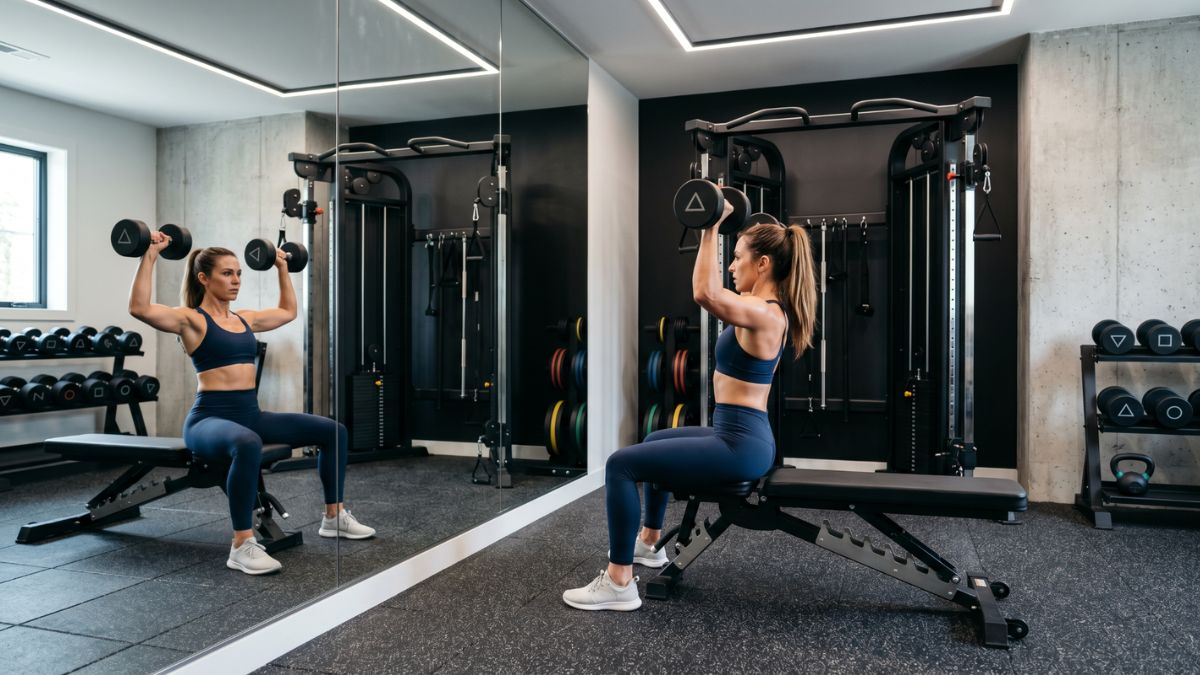
Creating a functional workout area at home is about more than adding weights, resistance bands, or cardio equipment. The environment itself influences performance, motivation, and consistency. One feature that often makes a surprisingly large difference is the mirror. Whether someone is building a dedicated fitness room or converting a spare bedroom into a training area, home gym mirror panels have become one of the most valuable additions for improving both form and functionality.
A thoughtfully placed mirror does much more than reflect a room. It provides immediate visual feedback during movement, helps maintain proper exercise technique, brightens the space through natural light reflection, and creates the feeling of a larger, more open workout environment. These practical advantages explain why mirrors are standard equipment in commercial gyms, dance studios, rehabilitation centers, and personal training facilities across the United States.
Why Mirrors Matter During Exercise
Fitness professionals have long recognized the value of visual feedback. During strength training, bodyweight exercises, yoga, or mobility work, seeing movement in real time helps identify posture mistakes before they become habits.
For example, someone performing squats may notice uneven hip alignment or knees moving inward. During shoulder presses, a mirror can reveal asymmetrical arm paths. While stretching, it becomes easier to maintain spinal neutrality instead of unknowingly rounding the back.
This constant feedback supports better movement quality, especially for individuals exercising without a personal trainer.
Sports medicine experts frequently emphasize that proper exercise mechanics reduce unnecessary stress on joints while helping muscles perform as intended. Although mirrors cannot replace professional coaching, they provide a valuable self-monitoring tool for everyday workouts.
The Psychology Behind a Better Workout Environment
Exercise motivation depends on many factors, including convenience, comfort, and surroundings. A well-designed fitness room often feels brighter, cleaner, and more inviting. Mirrors contribute significantly because they reflect both natural and artificial light throughout the space. This makes even compact workout rooms feel noticeably larger.
Research in environmental psychology has consistently shown that people are more likely to spend time in spaces that appear open, organized, and visually comfortable. While mirrors alone cannot increase motivation, they can create an atmosphere that encourages regular exercise.
Many home gym owners also appreciate the professional appearance mirrors bring to their training space, making workouts feel more purposeful and structured.
Supporting Better Exercise Technique
Perhaps the greatest advantage of installing workout mirrors is improving exercise form. During resistance training, subtle alignment mistakes often go unnoticed without visual reference. Over time, these small errors may reduce exercise effectiveness or increase unnecessary strain. Common exercises that benefit from mirror feedback include:
- Squats
- Deadlifts
- Lunges
- Overhead presses
- Rows
- Yoga poses
- Pilates movements
- Stretching routines
- Dance practice
- Martial arts drills
Watching body positioning helps maintain balanced movement patterns while encouraging better posture throughout each repetition. For beginners, mirrors offer confidence by allowing continuous self-correction instead of guessing whether movements look correct.
Creating the Illusion of More Space
One reason mirrors remain popular in home fitness design, is their ability to visually expand smaller rooms. Many American homes dedicate garages, spare bedrooms, finished basements, or bonus rooms to exercise. These spaces often have limited square footage. Large reflective surfaces create visual depth by extending sightlines across the room. Combined with good lighting, this effect makes compact workout areas feel significantly less confined.
Interior designers frequently recommend mirrors for smaller spaces because reflected light minimizes dark corners and improves overall brightness. This optical benefit becomes especially noticeable in basement gyms, which often receive limited natural sunlight.
Choosing the Right Mirror Thickness
Not every mirror is designed for the same purpose. Fitness mirrors generally use thicker glass than decorative wall mirrors to provide improved durability and flatter reflections. Common mirror thicknesses include:
1/8-Inch Mirrors
These are lightweight and commonly used for decorative applications. While suitable in some situations, they may produce slight image distortion across larger surfaces.
1/4-Inch Mirrors
This thickness is widely preferred for fitness applications because it delivers a flatter reflection with greater structural rigidity.
Tempered Safety Glass
Many homeowners choose tempered mirrors because they undergo specialized heat treatment that increases impact resistance. If damaged, tempered glass breaks into small, rounded fragments rather than large sharp shards, improving overall safety.
Safety backing can provide an additional layer of protection by helping hold broken pieces together if accidental damage occurs.
Mirror Placement Makes a Difference
Mirror location directly affects usability. Instead of automatically covering every wall, thoughtful placement creates the best viewing angles for primary exercises. Many designers recommend positioning mirrors opposite the main workout area where users naturally face during training. For strength training spaces, mirrors commonly align with:
- Squat racks
- Functional trainers
- Dumbbell stations
- Stretching zones
- Dance practice areas
Avoid placing mirrors where direct sunlight creates excessive glare, as this may become distracting during workouts. Ceiling height also influences installation. Full-height mirrors provide the greatest visibility for standing exercises, while partial-height installations may adequately serve stretching or seated workouts.
Lighting and Reflection Work Together
Lighting dramatically affects how mirrors perform inside a home gym. Balanced overhead lighting combined with indirect wall lighting minimizes harsh reflections while improving visibility. Natural daylight remains ideal whenever available because it creates the most accurate visual representation of body positioning. For windowless workout rooms, LED lighting with neutral color temperatures often provides comfortable illumination without introducing unwanted shadows.
Well-balanced lighting helps users better evaluate posture during exercise while enhancing the overall appearance of the fitness space.
Mirror Styles That Complement Modern Home Gyms
Today’s workout rooms are increasingly designed as extensions of the home’s interior rather than purely functional spaces. Several mirror styles suit different aesthetics.
Frameless Mirrors
Minimalist designs remain the most popular because they create seamless reflections and modern visual appeal.
Wall-to-Wall Installations
Large continuous mirror surfaces closely resemble commercial fitness studios while maximizing visibility.
Sectioned Mirror Layouts
Multiple mirror sections offer installation flexibility and may simplify transportation or replacement if necessary.
Beveled Edge Mirrors
Some homeowners prefer decorative beveled edges that blend fitness functionality with upscale interior design.
The ideal style depends on available wall space, room dimensions, and personal design preferences.
Cleaning and Maintenance
Exercise spaces naturally accumulate fingerprints, sweat, and dust. Fortunately, mirror maintenance requires minimal effort. Microfiber cloths remove residue without scratching the surface. Glass cleaners designed for streak-free finishes help maintain clear reflections while avoiding excessive chemical buildup. Cleaning after particularly intense workouts prevents sweat from drying onto the glass. Periodic inspection of mounting hardware also ensures long-term stability, especially for larger mirror installations.
Safety Considerations for Families
Households with children or active pets should pay particular attention to installation quality. Professional mounting systems help distribute mirror weight evenly across structural supports. Secure attachment significantly reduces movement during everyday use. Tempered glass and protective safety backing provide additional peace of mind in family environments. Homeowners should also avoid leaning heavy equipment directly against mirrors unless specifically designed for that purpose. Proper spacing around exercise equipment further minimizes accidental contact during workouts.
Mirrors for More Than Strength Training
Although weightlifting often receives the most attention, mirrors support many different forms of exercise.
- Yoga practitioners benefit from checking alignment during balance poses.
- Pilates enthusiasts can monitor controlled movement patterns.
- Dance students improve choreography precision.
- Martial artists refine stance, balance, and technique.
- Even simple stretching routines become more effective when participants can observe body positioning throughout each movement.
This versatility makes mirrors one of the few fitness room additions that support nearly every workout style.
Long-Term Value for Home Fitness Spaces
Building a home gym represents an investment in long-term health and convenience. Equipment may change over time as fitness goals evolve, but mirrors remain consistently useful regardless of training style.
Whether someone focuses on strength development, cardiovascular fitness, flexibility, or rehabilitation exercises, visual feedback continues to improve movement awareness.
Unlike many fitness accessories that serve a single purpose, mirrors contribute simultaneously to safety, room aesthetics, workout quality, and overall functionality.
As more Americans embrace flexible home fitness routines, gym mirrors continue to be recognized as a practical design feature that enhances both the physical space and the workout experience.
Final Thoughts
An effective home gym is built around thoughtful design rather than simply filling a room with equipment. Mirrors contribute far more than decoration by improving exercise technique, increasing spatial awareness, reflecting available light, and creating a more comfortable training environment.
When paired with appropriate lighting, quality installation, and safe materials, workout mirrors become a lasting component of an efficient fitness space. Their ability to support proper movement, encourage consistency, and enhance the overall training experience explains why they remain a trusted feature in both professional and residential gyms.

Six grams of plastic. That is roughly what drifted over a runway at a major international hub in a single reported incursion, and it shut the field for over an hour. A drone the size of a paperback grounded thousands of passengers and cost the airline in question millions. One small aircraft with a cheap battery, and the whole place stopped.
That is the part that surprises people. It is not the big military-grade platforms that worry the airfield operations teams I talk to. It is the $600 quadcopter someone flew for a sunset video from the wrong side of a fence. So here is the plan for this piece: I will walk you through how detection actually works, why jamming a drone out of the sky is legally messy, and what a modern layered setup looks like from the inside. An effective anti uav defense system is rarely one machine. It is a stack of sensors and a human deciding what to do with the picture they paint.
Why You Cannot Just Jam Every Drone You See
Here is my blunt take: most people who write about counter-drone tech skip the law, and that is the whole ballgame. In the United States, jamming radio frequencies is a federal crime outside a narrow set of authorized government agencies. An airport authority cannot order its own staff to start blasting a 2.4 GHz signal across a terminal. Neither can a stadium, a prison, or a private security contractor. Only specific federal bodies carry that authority, and they do not hand it out like a parking pass.
That constraint shapes everything. When an airfield spots a drone, the first move is not a takedown. It is identification, location, and a phone call. You need to know exactly where the operator is standing, because the person at the controls is the part of the system you can actually act on. A pilot on the ground with a controller is a police matter. The drone is just the toy.
So if you are evaluating detection gear for a facility, ask the sales rep a pointed question: when your system flags an intruder, who is legally allowed to respond, and how fast can they get here? If they cannot answer that in plain English, keep shopping.
How the Detection Layer Actually Works
No single sensor catches everything, which is where the real engineering gets interesting. A drone hovering still in the wind reads very differently from one zipping across at 40 miles an hour.
Radar handles the sky. Modern short-range radar units pick up small, slow-moving objects that traditional air traffic radar filters out as noise. The hard part is telling a quadcopter from a flock of geese or a mylar balloon, and that takes software tuned on years of false positives.
RF scanning listens for the control link between drone and operator. This is the quiet workhorse. It fingers the frequency, and in a lot of cases it can trace the signal back toward where someone is standing. It also tells you the make and model without you lifting a finger.
Acoustic arrays are the backup singers. Microphones tuned to propeller signatures pick up drones in fog or darkness when cameras are useless. Windy days wreck their range, so nobody leans on them alone.
Electro-optical and infrared cameras seal it. They confirm what the other sensors claim and give a human the visual proof they need before anyone escalates.
Stack those, and you get redundancy. Pull one sensor and the others still hold the picture together. That is the actual point of a layered design, and it is why single-box solutions tend to disappoint.
The Part Nobody Puts in the Brochure
Liability transfer. That is the phrase to write on your hand before your next vendor call.
Say the system auto-locks onto a target and a security officer is prompted to deploy a net launcher or a directed signal. If that drone is actually a licensed delivery flight, or worse, a neighboring business’s survey aircraft, who eats the cost of the downed unit and the airspace closure that follows? The vendor typically does not. The facility does.
I have watched this play out in guidelines. Standards bodies that govern civil aviation, including the International Civil Aviation Organization, treat the airspace above a nation as a matter of public trust, not property. You do not get to do whatever you want up there because the drone crossed your fence line. That framing is uncomfortable for facility managers who assume they own the sky above their own parking lot.
So you need a documented escalation ladder before you buy anything: detection thresholds, response tiers, a named decision-maker, and a clear record that keeps your exposure contained. Boring, yes. Also, the difference between a system that protects you and a system that creates a new lawsuit.
A Practical Stack You Can Actually Budget For
If you are sizing this out for a mid-size facility, here is how I would sequence it. Do not buy everything at once. Build the detection layer first, prove it works, then layer response.
- Map your airspace. Identify approach corridors, blind spots behind buildings, and the launch points an intruder would favor. Geography drives hardware choice.
- Start with RF detection plus one radar unit. That pair covers the most common consumer drones for the least money.
- Add cameras once detection is stable. Visual confirmation cuts false alarms and gives your operator something defensible.
- Write the response policy before you need it. Who calls law enforcement, who logs the event, who signs off on any mitigation attempt.
- Test with your own drone on a scheduled basis. The Federal Aviation Administration keeps tabs on when and where drones can legally fly, and a standing agreement with local authorities makes your test flights smoother.
That fifth step is the one most teams skip, and it is the one that exposes whether your detection actually works or just looks good on a dashboard during a demo.
The Human Behind the Screen
Spend a day in a monitoring room and you learn something fast: the technology is the easy half. Operators fatigue. Alerts fire on birds, on weather balloons, on the neighbor’s drone filming a wedding. Within a few months, a poorly tuned system trains people to ignore it, and that is worse than no system at all.
This is where the guidance from standards groups like the National Institute of Standards and Technology matters, because they push for human performance and decision thresholds to be part of the design, not an afterthought. Treat operator load as an engineering problem. Set alert tiers. Give people a clear playbook so nobody has to improvise at 2 a.m. with a real drone inbound. The airports that handle this well are the ones whose staff already know, before anything appears on a screen, exactly what they will do first. The hardware just fills in the where and the what.
What This Means for You
Rogue drones are not going away, and the airspace above your site is not the private property you might assume. Detection is solvable with mature, off-the-shelf gear. Mitigation is where law, liability, and human judgment tangle together, and that is why layered design with a documented response policy beats any single gadget a vendor waves at you.
Before you spend a dollar, answer one question on paper: when a drone shows up at your fence, who makes the call, and what are they allowed to do? If you cannot write that down in a sentence, you are not ready to buy sensors. You are rea

Designing collaborative learning spaces with technology involves combining flexible classroom layouts, interactive tools, and digital resources to support teamwork and engagement.
Imagine stepping into a classroom where students are actively collaborating on projects, using advanced technology to share ideas and resources. This is the essence of collaborative learning spaces.
In today’s educational climate, it’s crucial to integrate technology to foster a supportive and dynamic learning environment. Let’s explore how you can design these spaces to not only enhance learning but also promote engagement among students.
Understanding Collaborative Learning Spaces
Collaborative learning spaces are designed to encourage students to work together, share knowledge, and engage with each other’s ideas.
Classic settings have long been dominated by rows of desks facing a blackboard, but modern design encourages flexibility and interaction. These areas should leverage technology effectively to enable meaningful collaboration.
The Role of Technology
Technology in education plays a fundamental role in enhancing collaborative learning spaces. Here are some major ways technology can be integrated:
- Interactive Whiteboards: These tools allow teachers and students to share ideas dynamically, promoting real-time collaboration.
- Digital Collaboration Tools: Platforms like Google Workspace or Microsoft Teams allow students to work together on projects seamlessly, whether in the classroom or remotely.
- Flexible Furniture: Comfortable, movable furniture, such as solutions from Bretford.com, can help adapt the learning space for group work or individual tasks.
- Virtual Reality: VR can create immersive environments where students can collaborate on complex subjects like science or history.
- Access to Resources: Providing technology that gives students online access to vast educational resources enriches their learning experience.
These integrations not only facilitate collaboration but also make learning more engaging and interactive.
Creating Modern Learning Environments
Designing modern learning environments requires an understanding of both student needs and technological capabilities. Here are a few strategies to keep in mind:
1. Assess Learning Objectives
Identify the goals of the learning experience. Whether it’s critical thinking, creative collaboration, or skill development, understanding your objectives will guide your design.
2. Pilot Programs
Before fully committing to a new layout or technology, consider running a pilot program. This allows you to test the effectiveness of collaborative activities and adapt based on student feedback.
3. Gather Feedback
Continuous improvement is vital in education. Encourage student feedback on the classroom design and technology used. Use this information to refine your approach.
Promoting Student Engagement
Engagement is critical in fostering an effective collaborative learning environment. Here are some tips to enhance student participation:
- Incorporate Gamification: Use game elements in learning activities to make collaboration exciting.
- Encourage Peer Teaching: Allow students to teach each other; this not only builds understanding but also fosters collaboration.
- Utilize Project-Based Learning: Focus on real-world problems that require students to work together to find solutions.
Embrace the Future of Learning
As we move towards a more tech-focused future, creating collaborative learning spaces that utilize technology effectively is essential. These environments not only prepare students for the workforce but also instill a love for learning. With the right planning and resources, educational institutions can foster a culture of collaboration, innovation, and engagement.
Explore our blog for more expert-approved insights.

Relocating to a new country is one of life’s most exciting adventures, offering unprecedented opportunities for personal growth, career advancement, and cultural enrichment. However, moving your life across international borders involves far more than simply packing suitcases and booking plane tickets. Navigating complex immigration laws, managing international finances, securing healthcare, and adapting to unfamiliar cultural norms requires thorough research and meticulous planning. Preparing for these logistical and social realities guarantees a smooth transition as you embark on your international journey.
Navigate Visa Requirements and Legal Immigration Processes
Understanding and securing the correct legal authorization to reside, work, or study in your destination country is the single most critical task in your relocation preparation. Every nation maintains strict immigration laws governing visa categories, application timelines, processing fees, and entry requirements. Attempting to navigate international immigration bureaucracy without adequate preparation can result in processing delays, costly application rejections, or legal complications.
Identify the specific visa category that aligns with your relocation purpose, such as work permits, student visas, digital nomad visas, family reunification visas, or permanent residency options. Gather essential documentation early, including valid passports, birth certificates, marriage licenses, police background checks, financial statements, and medical clearances. Many documents require official apostilles or certified translations to be accepted legally by foreign government authorities.
If you are a foreign national relocating to the United States or a U.S. citizen navigating complex international residency agreements, securing professional legal counsel can streamline your transition significantly. Consulting a qualified immigration attorney in Utah provides expert guidance through complex visa applications, work permit compliance, and path-to-citizenship requirements. Legal guidance protects your immigration status and ensures total compliance with local laws.
Manage International Finances, Banking, and Tax Obligations
Relocating internationally requires a comprehensive overhaul of your financial logistics to ensure you can access funds, pay local expenses, and remain tax-compliant across borders. Managing finances in different currencies involves navigating fluctuating exchange rates, international transfer fees, and distinct banking regulations.
Research the banking system in your destination country and determine the requirements for opening a local bank account as a foreign resident. Most foreign banks require proof of local address, valid visa documentation, tax identification numbers, and initial deposit funds. Establishing a local bank account early simplifies receiving salary payments, paying monthly rent, and setting up domestic utility accounts.
Additionally, understand the tax obligations in both your home country and your new destination to avoid unexpected tax liabilities or double taxation. For instance, U.S. citizens are subject to global taxation regardless of where they reside, requiring annual reporting under federal tax guidelines. Consulting an international tax accountant helps you optimize tax treaties, report foreign financial accounts accurately, and maintain financial stability across borders.
Navigating Foreign Currency Exchange Rates
Transferring large sums of money internationally to fund housing security deposits or purchase property exposes your capital to fluctuating currency exchange rates. Utilizing specialized international money transfer services often offers significantly better exchange rates and lower transfer fees than traditional commercial banks.
Monitoring currency trends and setting up targeted rate alerts allows you to execute foreign currency transfers at advantageous times. Smart currency management preserves your hard-earned savings during international moves.
Understanding Expatriate Banking Requirements
Foreign financial institutions must comply with international anti-money laundering regulations, making client onboarding thorough for non-residents. Requesting a bank reference letter from your home financial institution prior to moving can accelerate account approvals abroad.
Maintaining at least one active bank account and credit card in your home country preserves your domestic credit history while building local credit overseas. Dual-country banking flexibility provides vital financial safety nets.
Research Healthcare Systems and Health Insurance Coverage
Accessing quality healthcare is a fundamental necessity when settling into a new country, yet healthcare delivery systems vary dramatically around the world. Some nations operate universal, government-funded healthcare systems accessible to all legal residents, while others rely heavily on private health insurance networks or hybrid models.
Research how healthcare is funded and accessed in your destination country before arriving. Determine whether your visa status grants immediate access to national public health systems or if you are legally required to maintain private comprehensive health insurance. If private coverage is necessary, compare international health insurance policies that cover routine doctor visits, emergency medical care, hospital stays, and medical evacuation back to your home country.
Gather your complete medical history, immunization records, and prescription details prior to departure. Ensure you have an adequate supply of necessary daily medications to last through your initial transition period, along with official doctor notes detailing generic pharmaceutical names. Locating local medical clinics, English-speaking physicians, and emergency services in your new neighborhood guarantees immediate care when health needs arise.
Securing Adequate International Health Insurance
Standard domestic health insurance policies rarely cover medical treatments incurred overseas. Purchasing specialized international health insurance bridges coverage gaps until you qualify for local healthcare systems.
Ensure your international policy includes emergency repatriation coverage to handle severe medical crises safely. Comprehensive health coverage provides peace of mind in unfamiliar environments.
Transporting Prescription Medications Legally
Customs regulations regarding importing prescription drugs differ widely between countries, with certain common medications banned or heavily restricted abroad. Checking the legal status of your medications with the destination country’s embassy prevents legal issues at border entry.
Carry all medications in their original pharmacy containers accompanied by certified physician letters detailing medical necessity. Proper pharmaceutical preparation avoids airport customs confiscation.
Secure Long-Term Housing and Understand Local Rental Markets
Finding a safe, comfortable place to live is essential for feeling grounded in your new country, yet navigating foreign real estate markets presents unique challenges. Lease terms, security deposit rules, tenant rights, and real estate terminology vary significantly across global regions.
Avoid committing to long-term lease agreements or purchasing real estate online before exploring the destination in person. Book short-term temporary accommodations—such as a furnished apartment or extended-stay rental—for your first two to four weeks. Staying in temporary housing gives you time to explore different neighborhoods, evaluate public transit commutes, check proximity to international schools, and attend property viewings in person.
When searching for long-term rental properties, familiarize yourself with local tenant practices, such as standard lease durations, agency fee structures, and required proof-of-income documentation. Consider hiring a local relocation specialist or reputable real estate agent who speaks your native language to assist with lease contract reviews. Professional housing assistance ensures fair lease terms and protects your tenant rights.
Evaluating Neighborhood Public Transit Connections
Exploring neighborhood transit options during weekday rush hours provides realistic insights into daily commute times and transportation costs. Choosing housing located near reliable train lines or bus routes simplifies navigating a new city without owning a personal vehicle immediately.
Accessible public transit links lower transportation stress and expand your ability to explore your new surroundings independently. Strategic housing placement enhances overall daily convenience.
Understanding Foreign Lease Contracts and Deposits
Foreign rental agreements often contain specialized clauses regarding utility responsibilities, property maintenance, and lease termination notice periods. Reviewing lease agreements carefully prevents unexpected financial disputes with landlords upon move-out.
Verify standard security deposit amounts and ensure deposit funds are held in compliant escrow accounts. Clear lease comprehension protects your housing security abroad.
Embrace Language Learning and Cultural Adaptation
Adapting to a new cultural environment is both the most rewarding and challenging aspect of an international move. Experiencing “culture shock”—a natural phenomenon characterized by feelings of confusion, frustration, or isolation as you adjust to unfamiliar social norms—is a normal part of the expatriate journey.
Investing time in learning the local language before and after your move is the single most effective way to ease cultural integration. Even acquiring basic conversational phrases, greetings, and polite expressions demonstrates respect for the local culture and makes daily interactions with neighbors, shopkeepers, and officials significantly smoother. Utilizing language learning apps, enrolling in local immersion classes, or practicing with language exchange partners builds daily confidence.
Approach your new environment with open-minded curiosity, patience, and adaptability. Research local social etiquette, dining customs, holiday traditions, and workplace hierarchies to avoid unintentional social faux pas. Joining local expatriate groups, community sports clubs, or volunteer organizations helps you build a supportive social network, turning a foreign country into a true home.
Overcoming Initial Culture Shock and Isolation
Recognizing the stages of culture shock—from initial honeymoon excitement to frustration and eventual adjustment—helps normalize difficult transition feelings. Maintaining regular video calls with loved ones at home offers comfort while building your new local life.
Creating predictable weekly routines around local markets, cafes, and parks fosters a reassuring sense of familiar belonging. Proactive social engagement accelerates emotional adaptation.
Respecting Local Customs and Social Etiquette
Observing how locals interact in public spaces, restaurants, and professional settings provides valuable cues regarding appropriate behavioral norms. Respecting cultural expectations around punctuality, tipping, and personal space earns community respect.
Cultural humility and a willingness to learn from mistakes turn awkward interactions into positive learning experiences. Open-minded curiosity enriches your global perspective.
Plan International Moving Logistics and Pet Relocation
Transporting your physical belongings across international borders requires strategic decision-making regarding what to ship, sell, or store at home. International shipping involves complex customs regulations, duty taxes, import restrictions, and extended transport timelines.
Evaluate the cost of shipping household furniture versus selling items domestically and repurchasing furnishings upon arrival. Electrical appliances often operate on different voltages and plug types internationally, making shipping electronics impractical. Hire a licensed international moving company with verified customs brokerage experience to manage packing, container shipping, and port clearances.
If you are moving with pets, begin the pet relocation process months in advance. Many countries enforce strict animal import protocols, including microchipping, rabies vaccinations, blood titer tests, health certificates, and mandatory quarantine periods. Following official pet import guidelines precisely guarantees your beloved animals enter the country safely without unnecessary quarantine delays.
Inventorying Belongings for Customs Declarations
Compiling detailed, itemized packing lists with estimated monetary values is required for international customs clearance. Declaring personal effects accurately prevents port inspection delays and unexpected import duty charges.
Labeling shipping boxes clearly simplifies customs audits and home unpacking. Organized logistics ensure your personal possessions arrive safely.
Navigating International Pet Travel Protocols
Air travel requirements for pets vary significantly across international airlines and destination countries depending on climate, flight duration, and breed restrictions. Booking pet travel early secures approved crate space on appropriate flight itineraries.
Consulting a certified USDA-accredited veterinarian ensures all health documentation meets foreign agricultural standards. Diligent pet preparation guarantees safe animal transit across borders.
Conclusion
Moving to a new country is a transformative life event that rewards preparation, adaptability, and resilience. By navigating visa requirements methodically, establishing secure financial frameworks, researching local healthcare options, securing suitable housing, learning the language, and managing international moving logistics, you eliminate travel stress. Embracing your international move with thorough planning and an open mind ensures that your transition abroad is a rewarding, seamless, and unforgettable success.
-

 NEWS1 year ago
Historical Churches in Manila
-

 TOPIC3 months ago
Unveiling AvTub: Your Ultimate Guide to the Best AV Content
-

 TOPIC1 year ago
Symbols of Hope: The 15th Belenismo sa Tarlac
-

 TOPIC1 year ago
RIZAL at 160: a Filipino Feat in Britain
-

 TOPIC1 year ago
Simbang Gabi and Kakanin
-

 TOPIC2 months ago
Understanding Fascisterne: Origins and Ideological Roots
-

 TOPIC1 year ago
“The Journey Beyond Fashion” – Ditta Sandico
-

 NEWS4 months ago
What Caused Delta Flight DL275 to Diverted LAX? A Detailed Breakdown