
TOPIC
What Injured Pedestrians Should Know About Nevada Injury Claims


A pedestrian crash can turn an ordinary walk through Las Vegas, Henderson, Reno, or a smaller Nevada community into a medical and financial emergency. Whether the collision occurred at a marked crossing, in a parking lot, near a bus stop, or on a road with limited sidewalks, the first priority is health and safety. After urgent needs are addressed, Brian Boyer Injury Lawyer’s pedestrian accident resources can help injured pedestrians and their families understand the practical issues that may arise after a crash in Nevada.
Injury claims are fact-specific. The driver’s actions matter, but so do lighting, traffic signals, vehicle speed, visibility, road design, witness accounts, and the pedestrian’s location. An early insurance decision should not overshadow treatment, recovery, or the need to preserve information before it disappears.
Start With Medical Care and Clear Documentation
Call 911 when there is bleeding, severe pain, loss of consciousness, breathing trouble, confusion, weakness, or another urgent symptom. Even when an injured pedestrian feels capable of leaving the scene, a medical evaluation can identify injuries that may not be obvious immediately, including concussion symptoms, soft-tissue injuries, or internal injuries.
Attend follow-up appointments, take prescribed medication as directed, and keep a simple recovery log. Record pain levels, headaches, dizziness, sleep disruption, mobility limits, missed work, and activities that have become harder. This information can assist medical providers and create a more accurate picture of how the injury has affected daily life.
Create a Nevada Pedestrian Crash File
Keep a single paper or digital file for records connected to the incident. Include the police report number, photographs of injuries and the location, medical records, bills, prescription receipts, insurance letters, claim numbers, and contact details for witnesses. If clothing, shoes, a phone, eyeglasses, a mobility device, or other personal property was damaged, photograph it and retain the photograph before discarding or repairing it.
Employment records can also matter. Save missed-work notices, pay records, and communications about changed job duties. For a child or student, preserve school absence records, communications with teachers, and documentation of activity restrictions or counseling needs.
Preserve Evidence Before It Is Lost
Evidence often has a short life. Nearby businesses, residences, transit vehicles, and other cars may have surveillance, dashcam, or doorbell-camera footage. Make a timely written request to preserve potentially relevant video when appropriate, and note the names and locations of places that may have recorded the area. Do not trespass or interfere with law enforcement while gathering information.
Photograph the street from several safe angles, including crosswalk markings, traffic lights, signs, parked vehicles, debris, weather conditions, and nighttime lighting where relevant. Nevada’s pedestrian rules require drivers to exercise due care to avoid collisions, and the state’s traffic law guidance for drivers and pedestrians also explains duties regarding crosswalks and visually impaired pedestrians. Those rules are important, but liability still depends on the full circumstances.
How Fault May Be Evaluated
A civil claim is not decided by one fact alone. Investigators and insurers may examine vehicle speed, braking, turning movements, distraction, impairment, phone use, traffic-control signals, sightlines, and the point of impact. A driver turning through a crosswalk, entering from a driveway, or traveling near schools, resorts, parking areas, and busy commercial corridors may have circumstances that deserve close review.
Crossing outside a marked crosswalk does not automatically end a pedestrian’s claim, just as being in a crosswalk does not automatically establish every element of fault. Nevada applies comparative negligence principles. In general, an injured person’s share of responsibility may affect recovery, and recovery is barred if that person’s negligence exceeds the combined negligence of the parties sued.
Insurance Issues to Handle Carefully
The at-fault driver’s bodily injury liability coverage may be one potential source of payment. Depending on the policy language and household circumstances, an injured pedestrian may also need to review personal auto coverage, medical payments coverage, or uninsured and underinsured motorist coverage. Coverage questions can become more complicated when multiple vehicles, commercial drivers, rideshare vehicles, or work-related travel are involved.
Provide truthful basic information to insurers, but do not speculate about medical recovery or accept a settlement before the extent of treatment is reasonably understood. A settlement can require a release of future claims. Before agreeing to one, consider whether it accounts for follow-up visits, therapy, surgery, medication, transportation, lost income, permanent limitations, and pain or emotional effects supported by the evidence.
Deadlines and Government-Related Claims
Many Nevada personal injury actions are subject to a two-year limitations period, but the correct deadline depends on the legal claim and its facts. A claim involving a minor, a deceased person, a public employee, road maintenance, a government vehicle, or a dangerous public condition may be subject to additional rules. For example, Nevada law addresses tort claims against the State and political subdivisions separately. Confirm the applicable deadline promptly rather than relying on general information or an insurer’s assurances.
Common Mistakes to Avoid
- Delaying medical care because injuries appear minor at the scene.
- Throwing away damaged clothing or other physical evidence.
- Assuming the police report contains every relevant fact.
- Posting detailed crash opinions, photographs, or accusations on social media.
- Giving a recorded statement without first organizing the known facts.
- Accepting a fast settlement while future medical needs remain uncertain.
When Professional Guidance May Help
Consider seeking timely local legal guidance when injuries are serious, fault is disputed, an insurer requests a recorded statement, evidence may be lost, or a public agency or commercial vehicle is involved. Prompt advice may also be useful when the injured pedestrian needs ongoing care, cannot return to work, or faces a settlement offer that does not clearly address future needs.
Final Checklist
- Seek appropriate medical evaluation and follow-up care.
- Report the crash and obtain the report number.
- Photograph injuries, property damage, and the surrounding scene.
- Save records, receipts, witness details, and insurance communications.
- Preserve available video and physical evidence quickly.
- Review insurance options without rushing into a release.
- Confirm Nevada deadlines as soon as possible.
An injured pedestrian does not need to solve every insurance and legal question on the day of a crash. A careful approach begins with treatment, organized records, preserved evidence, and timely attention to Nevada’s claim rules. Those steps can protect an injured person’s ability to make informed decisions while recovery remains the central focus.
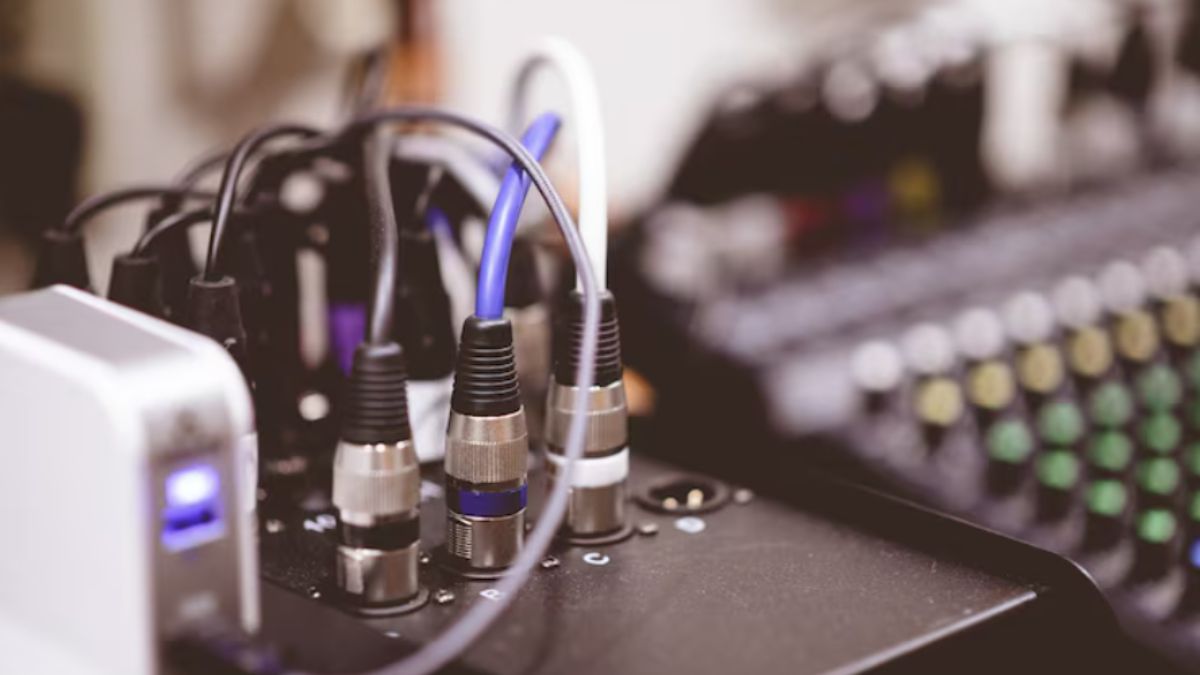
Streaming boxes, compact disc transports, televisions, converters, and network players still need clean signal paths between components. While wireless playback is convenient, many serious listening rooms depend on wired links for stable timing and lower noise exposure.
A coaxial connection can be simple, affordable, and precise when the source and converter both support it. That makes it worth another look for anyone refining a two-channel system or home theater rack this year.
The Case for Coaxial Audio
A proper 75-ohm connection helps move encoded sound from one device to another with controlled impedance. That matters because timing errors can affect how a converter rebuilds the analog signal. For systems using a disc transport, streamer, or television output, an audio coaxial cable can provide a direct electrical path that avoids some limits of optical links.
Coaxial audio uses voltage rather than light. That gives it different strengths than fiber optical formats. It can support strong bandwidth, firm connector contact, and reliable transfer across typical room distances. The result is not magic; it is basic signal management, where geometry, shielding, plugs, and impedance all shape performance.
Why Timing Still Matters
Digital sound is built from samples. Each sample must reach the converter in a steady sequence. If clock recovery becomes less stable, the converter may produce subtle distortion, softer edges, or flatter imaging. This issue is often called jitter, and it remains relevant in modern playback chains.
A better cable cannot repair a weak source or poor converter design. Still, it can reduce one source of stress in the link. Lower noise pickup and consistent impedance help the receiving device interpret the stream with less correction. In revealing systems, those small gains can accumulate.
Coaxial Versus Optical
Optical cables have real advantages. They provide electrical isolation, which can help break ground loops. They also work well for televisions, soundbars, and simple media setups. For many casual rooms, optical audio is practical and clean.
Coaxial links are different. They often use stronger connectors, and their electrical format can be friendlier to some converters. Many listeners prefer coaxial between a transport and a separate converter because it can sound firmer and more open. The better choice depends on the equipment, cable length, and noise conditions near the rack.
Build Quality Counts
The term “coaxial” describes a structure, not a quality level. A basic cable and a carefully built one can both carry the same signal format. Their behavior may still differ under real use.
Shielding is a key factor. It helps block interference from power cords, wireless routers, amplifiers, and nearby screens. Conductor material, insulation, plug fit, and internal geometry also matter. A loose connector or poorly controlled impedance can weaken an otherwise capable link.
Length deserves attention as well. Very long runs can add loss. Very short runs may create reflection issues in some systems. For most home setups, a sensible length that reaches without strain is the right choice.
Where Coaxial Fits Best
Coaxial audio is useful between a compact disc transport and a converter. It also suits streamers, media players, televisions, and some professional-style interfaces. Many integrated amplifiers and receivers include a coaxial input because the format remains dependable.
It is also helpful during upgrades. A listener can keep a familiar source, then add a better converter later. The cable becomes the bridge between old and new gear. That keeps the system flexible without forcing a full replacement.
Practical Buying Tips
Check the connectors first. Most consumer gear uses RCA-style coaxial sockets. Some equipment may use BNC, which offers a tighter impedance match when both components support it.
Next, look for a true 75-ohm rating. Ordinary analog interconnects may fit the jacks, but they are not always built for this signal type. Cable routing also matters. Keep the line away from power strips, wall adapters, and bundled mains cords.
Finally, match the purchase to the system. Entry-level setups do not need exotic spending. More revealing systems can justify better shielding, tighter construction, and higher-grade connectors. The goal is balance, not excess.
Conclusion
Digital coaxial cables still matter because audio quality depends on more than file resolution or streaming service choice. The link between source and converter affects timing, noise exposure, and system flexibility.
Optical, USB, and network options all have a place, but coaxial remains a practical wired format for many rooms. With correct impedance, solid shielding, and sensible length, it can support cleaner playback without making the setup harder to use.

Metal fabrication shops rely on repeatable cuts, accurate holes, clean bends, and safe material handling. Throughput, finish quality, and operator fatigue are impacted by the right equipment on a shift-by-shift basis. A well-chosen setup also reduces rework because each station performs a clear task within its rated capacity.
Eight tools deserve special attention in a practical shop: an ironworker, a cold saw, a band saw, a press brake, a hydraulic press, a belt grinder, a pipe notcher, and a measuring system. Together, they cover most routine metalwork.
Material preparation sets the pace for downstream work. A shop benefits from equipment matched to its stock sizes, thickness ranges, and daily volume. For teams comparing professional tools for ironworkers, the key questions involve force, tooling access, alignment, and changeover time. Those factors determine whether an ironworker remains a useful production station or becomes a bottleneck during busy orders.
1. Ironworker
An ironworker combines punching, shearing, notching, and angle cutting in one machine. Its value comes from station versatility, but capacity must match the material schedule. Operators should check maximum punch diameter, stock thickness, throat depth, and available dies.
Separate work areas, proper guarding, and aligned tooling help maintain clean holes while limiting setup delays and unsafe adjustments. A labeled drawer keeps punches and dies organized, reducing selection errors between jobs.
2. Cold Saw
A cold saw produces square cuts with limited heat distortion, making it useful for tubing, bars, and structural sections. Blade selection should follow material type, tooth count, and section geometry. A solid vise and controlled feed improve cut consistency.
Shops should reserve coolant and chip management for applications that require them, then inspect burrs before welding or assembly. The operator should confirm blade condition before starting each production run.
3. Band Saw
Band saws handle long stock and larger profiles that may exceed a circular saw’s practical range. Variable speed, blade pitch, and guide adjustment affect both blade life and cut quality. A stop system supports repeat lengths, while roller support prevents stock from twisting.
Regular tracking checks also reduce wandering cuts and premature blade wear. Coolant, chip brushes, and scheduled blade changes protect finish quality during extended runs.
4. Press Brake
A press brake forms plates, channels, and brackets with controlled force and repeatable angles. Its useful range depends on tonnage, bed length, tooling, and material thickness. Operators should calculate bend allowance before cutting blanks, then verify the first piece with an angle gauge.
Backgauges and squaring arms help keep production parts consistent across batches. Tooling faces should remain clean, since debris can change the finished angle.
5. Hydraulic Press
Hydraulic presses apply concentrated force for straightening, forming, bearing removal, and fixture work. A pressure gauge helps operators stay within rated limits, while properly sized plates distribute force across the workpiece. The frame, ram, hoses, and pins need routine inspection.
Blocks must sit level and support the load fully, since unstable setups can shift suddenly under pressure. A return stop improves repeatability when several pieces require the same correction.
6. Belt Grinder
A belt grinder removes weld spatter, smooths edges, and prepares joints faster than hand filing. Coarse belts remove stock quickly, while finer grades refine the surface before coating. Contact wheels suit curved work, and platen surfaces support flat edges.
Dust collection, eye protection, and a maintained spark path are essential for controlled finishing. Belts should be changed before glazing causes excess pressure and heat.
7. Pipe Notcher
Pipe notchers create accurate saddle cuts for handrails, frames, and tubular assemblies. The correct die or abrasive setup should match outside diameter, wall thickness, and joint angle. A consistent clamping method prevents slipping and uneven gaps. After notching, a quick fit-up check reveals alignment issues before welding, saving filler material and correction time during final fit-up.
8. Measuring System
Measurement controls every preceding operation. A basic kit should include steel rules, squares, calipers, angle finders, and reliable marking tools. Higher-volume shops may add digital stops or positioning tables for repeat lengths.
Calibration checks should follow a simple schedule, with reference pieces used to confirm accuracy. Clear readings reduce scrap before expensive fabrication stages.
Conclusion
A productive fabrication shop does not need every available machine, but it does need complementary capabilities. Punching, cutting, forming, pressing, finishing, notching, and measurement cover a broad share of daily work. Selection should reflect stock, tolerances, production volume, and operator skill.
When each station has suitable capacity and maintained tooling, material moves with fewer delays, parts fit more predictably, and the shop gains dependable output without unnecessary equipment spending.

A fuel tank sticker’s purpose goes beyond just identifying the container. They help drivers, technicians, inspectors, and property owners make quick decisions around storage, filling, service, and emergency response.
The last thing you need is for a label to be unclear or missing at the worst possible time. Strong compliance starts with clear, durable information placed where people can see it. These seven details help keep tanks traceable, serviceable, and aligned with common safety expectations.
1. Fuel Type
Every tank label should state the fuel type in plain language. This detail helps prevent cross-filling, wrong deliveries, and unsafe handling. Diesel, gasoline, heating oil, kerosene, and propane each carry different storage and handling concerns. Clear wording matters more than clever design.
For tanks exposed to weather, fuel vapor, and frequent handling, durable fuel tank stickers should keep fuel type, warning text, and service details readable over time. A faded label can fail during inspection and can also slow field decisions during delivery, maintenance, or emergency response.
2. Hazard Warning
A tank sticker should show the main hazard in direct terms. Flammable contents, no smoking, restrictions on ignition sources, vapor danger, and pressurized contents are common cautions. The tank and fuel being stored should be reflected in the wording.
Warnings work best when they are short and visible from the normal approach point. Small text placed behind piping or under a lid may meet no practical need. Inspectors and crews should not have to search for basic risk information.
3. Tank Identification Number
Each tank should carry a unique identification number. This number links the physical tank to records, service history, delivery logs, inspection notes, and customer accounts. Without it, staff may rely on location alone, which can create errors on busy sites.
A good identification number should be easy to read and consistent with internal records. It should not change unless the tank is replaced or formally renumbered. Consistency helps teams compare field notes against office records without guesswork.
4. Capacity and Product Limits
Tank capacity should appear clearly on the sticker. This helps delivery staff avoid overfilling and supports accurate ordering. Emergency personnel who must estimate stored volume during an incident can also be guided by capacity.
Labels should also note any important limits. These may include maximum fill level, approved product type, or special handling restrictions. The goal is to make the tank’s safe use clear before anyone opens a valve or starts a transfer.
5. Owner and Emergency Contact
A compliant sticker should identify who owns, manages, or services the tank. It should also show a current phone number for service or emergency contact. This is especially useful for leased tanks, unattended locations, and multi-tank properties.
Contact details should be reviewed often. A phone number that no longer works gives a false sense of control. If ownership changes, stickers should be replaced quickly so field records and visible markings remain aligned.
6. Inspection and Service Dates
Inspection dates belong on or near the tank. A sticker can show the last inspection, next required check, requalification date, or service visit. This supports accountability and helps crews spot overdue work before it becomes a compliance issue.
Date fields should be simple and large enough for field writing. Smudged handwriting, tiny boxes, or weak ink can make the record useless. Labels used outdoors should support permanent markers or printed entries that resist moisture and sun.
7. Placement and Durability Details
Compliance is not only about printed words. The sticker must stay attached and readable in real conditions. Fuel tanks face rain, sun, dirt, abrasion, cold, heat, and chemical exposure. A weak label can peel before the next inspection.
Placement also matters. Labels should sit on clean, visible surfaces away from seams, heavy wear points, and areas likely to collect grime. The best location is usually near the fill point or normal service approach, where crews already look first.
Conclusion
A fuel tank sticker is a tiny item that plays a big part in compliance. It should identify the fuel, warn about hazards, connect the tank to records, show capacity, list contacts, track service dates, and remain readable outdoors. These details help reduce errors and support safer work.
Regulations can vary by fuel type and location, so every operation should review label content against current local requirements before ordering or replacing stickers.
-

 NEWS1 year ago
Historical Churches in Manila
-

 TOPIC2 months ago
Unveiling AvTub: Your Ultimate Guide to the Best AV Content
-

 TOPIC1 year ago
Symbols of Hope: The 15th Belenismo sa Tarlac
-

 TOPIC1 year ago
RIZAL at 160: a Filipino Feat in Britain
-

 TOPIC1 year ago
“The Journey Beyond Fashion” – Ditta Sandico
-

 TOPIC1 month ago
Understanding Fascisterne: Origins and Ideological Roots
-

 TOPIC1 year ago
Simbang Gabi and Kakanin
-

 TOPIC1 year ago
5 Must-Have Products From Adarna House to Nurture Your Roots