
TOPIC
Triple Berry Flavor Buy Guide 2026: Raz Vape


Triple berry flavor is one of the most popular flavors of vape market. Many e-liquid brands and disposable vape brands. Several options use similar names, but the actual flavor profiles are not the same. Some push tartness. Some add cooling. Others go darker and richer.
This Triple Berry Flavor Buy Guide 2026 is for shoppers who want a clear, practical breakdown before they buy. It focuses on four products commonly compared in the RAZ lineup: Triple Berry Gush RAZ DC25000, Triple Berry Punch RAZ DC25000, Triple Berry Flavor Raz RYL Classic 35K, and Triple Berry Batch Raz RX50K Batch Edition. Let’s follow up to learn more about it.
What does triple berry flavor usually taste like?
“Triple berry” usually means a mixed berry profile built around three fruit notes, often some version of strawberry, blueberry, raspberry, blackberry, or other dark berries. In vape products, the effects can land in very different ways depending on the blend.
That is why two triple berry vapes can taste very different. One may feel like bright berry candy. Another may come across as deeper and more natural. A third may taste like a fruit punch blend with extra tartness.
For buyers, a useful way to think about triple berry is through four variables:
- Sweetness: how sugary or candy-like it feels
- Tartness: how sharp or punchy the fruit comes across
- Cooling: whether there is an icy or fresh finish
- Berry depth: whether the mix feels bright and light or dark and rich
Those four points do more to explain the flavor than the name alone. And in this guide, we will take the Raz Vape brand Triple Berry flavors as an example to help you to understand well.
Why Raz Vape Triple Berry Flavors Need a Closer Look
Raz has built a lineup where the device style and the flavor style often work together. There is also a name to express its flavor feature. That matters because the same berry profile can feel different depending on airflow, power mode, and overall output.
Triple Berry Gush, Triple Berry Punch, Triple Berry Flavor, and Triple Berry Batch sound close enough but express their flavor well.
Here is the key takeaway upfront:
- Gush reads as balanced and flavorful with light cooling
- Punch reads sweeter and tart with little to no cooling
- RYL Classic 35K Triple Berry appears more straightforward and middle-of-the-road
- RX50K Batch leans darker, fuller, and less candy-like
Now let’s break each one down.
Triple Berry Gush RAZ DC25000
Among the Raz Vape triple berry flavors, Triple Berry Gush RAZ DC25000 stands out as the most rounded option. It is very flavorful, smooth on the draw, and easy to keep using over time.
The berry mix comes across as full rather than thin. It does not seem built around one dominant fruit note. Instead, the impression is a blended berry profile with enough body to feel complete.
Sweetness, tartness, and cooling
Triple Berry Gush sits in the medium-to-high sweetness range. It is sweet, but not in a flat candy-only way. There is still a clear fruit edge.
It is a light, icy touch. Not heavy menthol. Not a strong freeze. A subtle cooling note that refreshes the finish. It also keeps berry flavors from feeling too dense.
Best fit
Choose Triple Berry Gush RAZ DC25000 if you want:
- a balanced mixed berry profile
- solid sweetness without going too syrupy
- a little cooling
- a smoother, more complete all-around experience
Triple Berry Punch RAZ DC25000
Triple Berry Punch RAZ DC25000 is close enough to Gush that many buyers will compare the two first. That makes sense. The berry direction is similar.
The easiest way to describe it is this: if Gush feels smooth and balanced, Punch feels brighter and more direct. It is more punchy and more tart, with a stronger fruit-punch feel.
Sweetness, tartness, and cooling
This appears to be one of the sweeter options in the group. It also seems sharper on the tongue, with more tart lift than Gush.
The clearest separator is cooling. The Triple Berry Punch has too little or no ice. If you dislike cool finishes in fruit vapes, that is a practical advantage.
How it compares to Gush
If you are stuck between the two DC25000 options, use this shortcut:
- Pick Gush if you want balance and a cleaner finish
- Pick Punch if you want more sweetness and a more tart bite
That difference may sound small on paper, but it changes the overall feel.
Best fit
Choose Triple Berry Punch RAZ DC25000 if you want:
- a sweeter berry profile
- more tartness
- a fruit-punch style flavor
- no noticeable icy finish
Triple Berry Flavor Raz RYL Classic 35K
RAZ RYL Classic 35K Triple Berry is leaning more towards natural berry notes; it is not just a candy-like sweetness. It’s subtle, refreshing, and not overly sweet. It delivers a rich, sweet, and fruity taste. Triple Berry provides a pleasant, balanced berry flavor.
This flavor appears intended as a more standard triple berry option rather than a twist-driven variation like Punch or Batch.
- moderate sweetness
- moderate berry intensity
- less emphasis on tart punch
- less emphasis on dark berry depth
If your taste tends toward “standard mixed berry” rather than “sweeter punch” or “darker batch,” the Raz RYL Classic 35K Triple Berry Flavor may still make sense.
Best fit
Choose Triple Berry Flavor Raz RYL Classic 35K if you want:
- a likely straightforward triple berry profile
- fewer specialty twists
- a middle-ground option in the Raz family
Triple Berry Batch Raz RX50K Batch Edition
Triple Berry Batch Raz RX50K Batch Edition is the product most likely to appeal to buyers who want a less sugary berry vape. It is a deeper, darker berry direction. Blackberry-style richness with raspberry standing out more clearly, and sweetness staying fairly low. This is not the candy-forward triple berry in the group.
Sweetness, tartness, and cooling
Triple Berry Batch is lower on the sweetness scale than Gush or Punch. Tartness does not appear to be the main focus either. The stronger theme is depth. Its cooling is low and not central to the flavor.
If you are tired of berry flavors that all taste like sugar with color, this one is worth attention.
Best fit
Choose Triple Berry Batch Raz RX50K Batch Edition if you want:
- darker berry notes
- lower sweetness
- a fuller, less candy-like fruit profile
- more berry depth than berry punch
How to Choose Based on Your Taste?
- Triple Berry Gush RAZ DC25000: Balanced berry with light cooling. Versatile all-rounder.
- Triple Berry Punch RAZ DC25000: Sweet, tart, juice-inspired. No cooling.
- Triple Berry Flavor Raz RYL Classic 35k: Straightforward, long-lasting. Classic berry.
- Triple Berry Batch Raz RX50K Batch Edition: Rich, less sweet, authentic. Minimal cooling.
Choose Gush if you want balance
Go with Triple Berry Gush if you do not want to overthink the decision. It is the most broadly appealing option based on hands-on feedback. It offers strong flavor, smooth delivery, and a slight cooling edge without pushing too far in any one direction.
Choose Punch if you want more energy in the flavor
Go with Triple Berry Punch if your ideal berry vape is sweeter, brighter, and more tart. This is the better fit if you like punch-style fruit profiles and want a stronger top-note effect.
Choose RYL Classic 35K if you want a simpler triple berry read
Go with Triple Berry Flavor Raz RYL Classic 35K if you are looking for a likely standard mixed berry flavor and do not specifically want cooling, extra tartness, or darker fruit character.
Choose Batch if you want more depth and less candy feel
Go with Raz RX50K Triple Berry Batch if you want a mixed berry profile that feels fuller and less sugary. This is the option for buyers who prefer berry richness over bright sweetness.
Quick Buyer Checklist
Here is the fast answer key:
Best all-around: Triple Berry Gush RAZ DC25000
Best sweet-tart pick: Triple Berry Punch RAZ DC25000
Best standard-style option: Triple Berry Flavor Raz RYL Classic 35K
Best deeper berry option: Triple Berry Batch Raz RX50K Batch Edition
Final Take
Raz vape is famous for its variety of flavors, which is why we can take it as an example. If you want to learn more about this brand’s flavors, you can check its collection. If you want to try a Triple Berry Flavor, you can refer to our Triple Berry Flavor Buy Guide 2026. It has the strongest combination of positive hands-on flavor feedback, balanced berry taste, light cooling, and strong overall device performance.

Choosing the right Ford dealership can make the vehicle-buying process more convenient, transparent, and enjoyable. While price is important, shoppers should also consider inventory, financing, customer service, warranties, service facilities, and overall convenience. If you’re comparing a smithville Ford dealer, taking time to evaluate these factors can help you find a dealership that fits your needs and expectations.
Compare Available Inventory
Start by looking at each dealership’s inventory. A dealership with a broad selection gives you more opportunities to compare Ford models, trim levels, colors, features, and pricing.
Consider whether you’re interested in a new Ford, used vehicle, or certified pre-owned model. If you already know which model you want, check whether dealerships offer the specific trim and equipment you prefer.
Because inventory changes frequently, confirm vehicle availability before visiting.
Evaluate Vehicle Pricing
Compare similar vehicles rather than looking only at advertised prices. Consider the model year, trim, mileage, condition, features, and included equipment.
Ask dealerships about applicable discounts, incentives, dealer fees, and optional products. Understanding the complete purchase price makes it easier to determine which offer provides the best overall value.
For used vehicles, compare price alongside vehicle history and condition. A lower-priced vehicle may not necessarily be the better choice if it has significantly higher mileage or requires additional maintenance.
Review Financing Options
If you plan to finance your vehicle, compare financing options from different dealerships. Ask about interest rates, loan terms, down-payment requirements, and the total amount you will repay.
You can also compare dealership financing with offers from banks or credit unions. Pay attention to the annual percentage rate and total financing cost rather than focusing exclusively on the monthly payment.
A longer loan term may reduce the monthly payment but could result in greater interest costs over time.
Consider Customer Service
Customer service can have a significant impact on your dealership experience. Pay attention to how representatives communicate, answer questions, and explain pricing and financing.
Online reviews can provide additional insight, but look for common patterns rather than relying on one review. Comments about transparency, communication, responsiveness, and professionalism can help you compare dealerships more effectively.
Check Service and Maintenance Facilities
Your relationship with a dealership can continue after you purchase a vehicle. Compare the service departments at dealerships you are considering.
Look at available maintenance services, appointment scheduling, operating hours, and overall convenience. A dealership with a service department that is easy to access can make routine maintenance and repairs simpler throughout your vehicle’s ownership.
Compare Warranty Coverage
Warranty protection can vary depending on whether you are buying a new, used, or certified pre-owned Ford. Ask each dealership what coverage comes with the vehicle.
Find out what components are covered, how long the warranty lasts, and whether mileage limits apply. For used vehicles, determine whether any remaining manufacturer coverage applies and whether additional protection is available.
Understanding warranty terms before purchasing can help prevent confusion later.
Look at Used and CPO Vehicles
If you’re shopping for a pre-owned Ford, compare used inventory carefully. Consider mileage, age, condition, maintenance records, vehicle history, and available features.
Certified pre-owned vehicles may provide additional inspection requirements and warranty benefits, depending on the applicable program. Ask what certification includes and compare those benefits with standard used vehicles.
Consider Dealership Location
Location can influence how convenient it is to visit a dealership for test drives, paperwork, maintenance, and future service appointments.
Consider the dealership’s distance from your home or workplace, operating hours, online shopping tools, and appointment options. A convenient location can be especially valuable if you plan to return for regular maintenance.
Ask About Trade-Ins
If you plan to trade in your current vehicle, compare how different dealerships value it. Research its approximate market value beforehand so you have a general reference point.
Ask whether the trade-in value is reflected separately from the purchase price of the new vehicle. Keeping these figures clear can make it easier to understand the overall transaction.
Take a Test Drive
A test drive is an important part of comparing dealerships and vehicles. Evaluate acceleration, braking, steering, visibility, ride quality, seating comfort, and technology.
Pay attention to the buying experience as well. Notice whether dealership staff give you enough time to evaluate the vehicle and answer your questions clearly.
Review All Paperwork
Before signing anything, carefully review the purchase agreement and financing documents. Confirm the vehicle information, agreed price, fees, financing terms, warranty details, and any additional products.
If something differs from what you discussed, ask for clarification before signing. Understanding the paperwork can help you avoid unexpected costs or misunderstandings.
Conclusion
Comparing different Ford dealers involves more than finding the lowest advertised price. Review inventory, pricing, financing, customer service, warranty coverage, service facilities, location, and trade-in options. Take potential vehicles for test drives and carefully review all paperwork before making your decision. By comparing dealerships from several perspectives, you can choose a Ford retailer that offers the right combination of vehicle selection, value, convenience, and customer support.
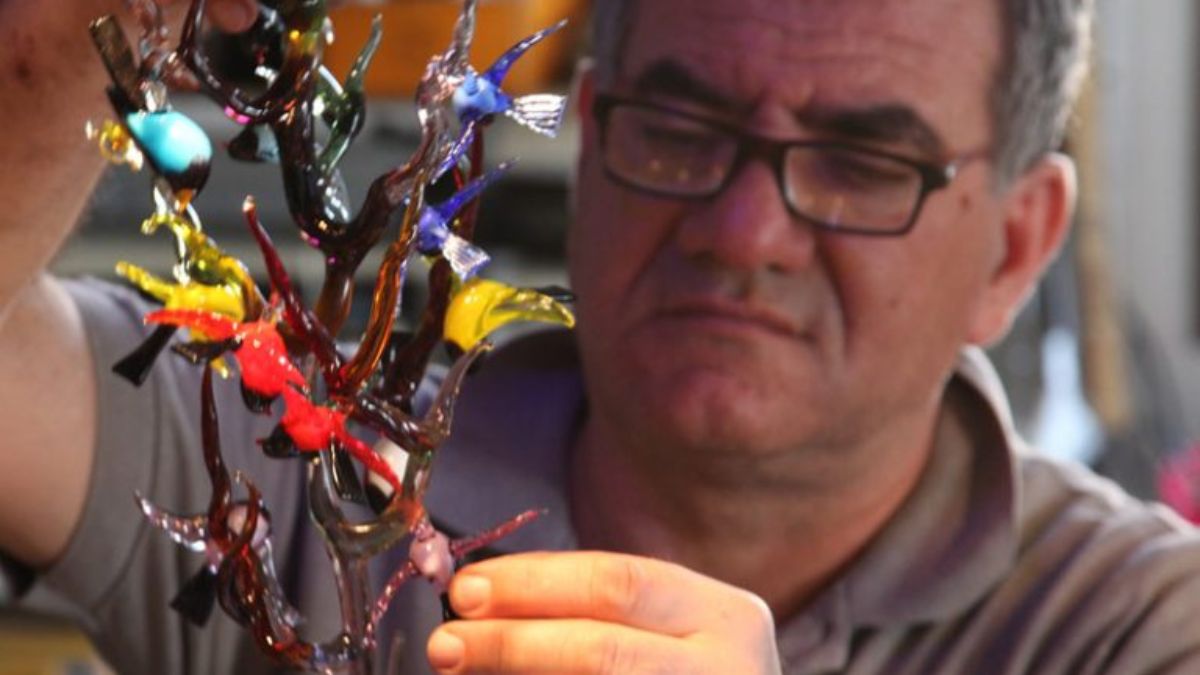
About Glass Figurines
A glass figurine is a dainty, often fragile, miniature sculpture. It comes in many forms, such as clowns, animals, plants, religious figures, and imaginary creatures. Glass figurines are particularly collectable because of the intricate workmanship involved in their creation and the resulting innate beauty. The craft of creating outstanding glass figurines was initially perfected centuries ago in Murano, Italy. Later, the craft spread to other countries, such as Austria, where Swarovski revamped the glass figurine market in the 1970s.
The History of Glass Figurines
Although primitive glass figurines were created in Ancient Egypt and Mesopotamia, the first notable figurines were produced in Murano in the 15th and 16th centuries, where they became known for their detailed designs and vibrant colors. They are still highly sought after today.
These tiny sculptures were, and still are, made using traditional techniques, which have been passed down through the generations. Glassblowing, fusing, and lampworking have resulted in exceptional, detailed figurines that are considered works of art.
Glassblowing involves gathering molten glass at the end of a hollow metal blowpipe. The artisan then blows air through the pipe, producing a glass bubble. This bubble is then shaped using various tools such as jacks and shears.
When it comes to lampworking, the artisan holds solid glass rods over a torch to soften the glass. When the glass is malleable, it is shaped with small tools, twisted, or blown to create the shapes required.
When fusing glass, pieces of compatible glass are stacked and melted together inside a kiln at a high temperature.
As glassmaking spread throughout Europe, artisans in other countries started to make glass figurines, increasing their popularity and collectability. While some companies used glassblowing techniques, others produced crystal figurines, which are especially known for their ability to refract light and split it into rainbow colors. This differed considerably from Murano glass figurines, which are created in strong, bright colors such as emerald green, ruby red, and turquoise blue.
Creators of Murano Glass Figurines
Archimede Seguso
Archimede Seguso’s family had worked in glass for over 650 years. Born in 1909, Archimede started work as an apprentice aged 11 and was a maestro by 17, no mean feat as it can take decades for an artisan to learn the craft. He was a genius at creating fantastic colors and using different tools to produce masterpieces. Archimede Seguso became famous for his animal glass figurines, which he made using the Millefiori technique. He also used Alabastro glass, an opaque glass, mimicking alabaster stone. This glass diffuses light with a warm glow. In addition, many of his glass figurines featured gold leaf decorations.
Alfredo Barbini
Alfredo Barbini was a 20th-century Murano artisan whose family had been in the business since the 16th century. Barbini was known for heavy, sculptural figurines in the forms of animals and people, as well as underwater scenes created using the Massello technique, where a heavy non-blown block of glass is shaped on a metal rod. These blocks displayed sea life, such as turtles, fish, and seahorses, all suspended within clear glass. His animals were stylized and expressive, while his Blackamoor human figures had dark or black bodies, decorated with gold leaf or bubbles.
Venini Glassworks
Venini Glassworks produced both animal and human glass figurines, although Paolo Venini did not create figurines himself. This was done by some of his artistic designers, including Fulvio Bianconi, who created stylized human figures, whimsical characters, and vividly colored animals in the 1850s
Another of Venini’s designers was Napoleone Martinuzzi, who invented the Pulegoso technique, which involved making a glass object with tiny air bubbles encased within it. He often used this method when creating glass figurines.
Tyra Lundgren sculpted minimalist bird and animal figurines, while Carlo Scarpa produced themed animal centerpieces for different university facilities.
Other Companies That Create Glass Figurines
Swarovski
Swarovski, founded in 1895, didn’t start producing glass figurines until the 1970s, and this happened by chance. A factory technician in the workshop in Wattens, Austria, glued together spare chandelier parts to create a mouse. They were initially made to be given as gifts to the employees, but were then made to be sold publicly at the 1876 Winter Olympics in Innsbruck. They were such a hit that a full collection of nature-inspired figurines was developed.
Swarovski glass figurines are made of crystal using a secret mix of quartz sand and minerals. Since 2012, they have been lead-free.
Lalique and Baccarat
Lalique and Baccarat are two French companies that create crystal glass figurines. Lalique’s figurines are stylish birds, animals, and fish, while Baccarat creates quirky, whimsical, and popular characters, such as Hello Kitty, Snoopy, and Pokémon. Each piece captures the light perfectly.
Borowski
The famous Borowski Glass Studio in Poland was founded by Stanislaw Borowski and is now run by his sons. They create colorful, playful, and quirky glass figurines, including animals, birds, frogs, and creatures of the imagination. They use glassblowing techniques to create their figurines.
Kosta Boda
Kosta Boda is a Swedish company that uses glassblowing and molds to make their figurines. They have created famous collections of both animals and people by artisans such as Bertil Vallien and Vicke Lindstrand. Kosta Boda’s collections include the famous zoo collection, which contains such animals as hippos, giraffes, donkeys, and lions.
How to Start a Collection of Glass Figurines
Are you intrigued by art glass and would like to start collecting figurines or other glassware? Maybe you are a little overwhelmed by the choices out there and are not sure where to start. However, it’s not difficult if you decide on a focus.
You can choose to build your collection around a certain theme. Maybe you are an animal lover or like birds. Perhaps you want whimsical figures, or maybe you would like to follow a religious theme. Possibly you would like to build a collection specifically for Christmas? If so, many Murano glass companies create holiday figurines.
Another way to go would be by company, the artisan, or by the type of glass, either glassblown or crystal. Alternatively, you could choose a color scheme that matches your home decor. Maybe you would like the vivid colors of Murano glass or perhaps the rainbow effect of crystal.
However, if you just want to buy what you love, regardless of theme, just go for it. There are no hard or fast rules.
When it comes to purchasing a glass figurine, be careful that you aren’t buying a forgery. If you are buying online, do some research to ascertain if the seller is reputable. If you are buying in person, you can conduct many checks. When it comes to Murano glass figurines, many pieces will hold the Vetro Artistico Murano trademark, which guarantees that the piece is 100% Murano handmade glass. However, not all genuine pieces have this trademark, so look to see if it has the master’s signature or a certificate of origin. Because Murano glass is handmade, it may have slight imperfections such as tiny air bubbles and color variations, even between pieces of the same design.
Swarovski glass figurines, however, are easier to purchase as the company has a global network of stores selling their products. Companies such as Baccarat have their own online shops, so you can be assured that the figurines are genuine.
Once you have started your collection, you will want to display it to its best advantage. Use lighting to emphasise your figurines. Crystal glass will shimmer and look like a rainbow if placed near a window with natural light. The unique color depth of Murano glass is emphasised by natural lighting. However, glass figurines are delicate and easily breakable, so you may want to display your pieces in a cabinet. In this case, artificial lighting can be used to get a similar effect.
When it comes to cleaning your glass figurines, be gentle and wipe the dust off with a soft, dry cloth.
Glass figurines, both those made by mouth-blowing and of crystal, are stunning works of art. While Murano glass artisans were the first ones to create elaborate glass figurines centuries ago, masters around the globe became known for creating glass and crystal figures later on. However, despite the surge of interest in companies such as Swarovski, Murano glass has held its own and still successfully produces and sells its glass figurines.

Hiring movers in New Jersey can help to simplify a relocation, yet selecting the incorrect company may lead to the emergence of additional issues. Poor communication, insurance coverage, unclear pricing, or lack of experience can lead to delays and unforeseen expenses.
You also might discover that a particular company is good at apartments but unprepared for fragile items, office equipment, and long-distance moves. Each move requires various needs, and the cheapest quote is not necessarily the best one.
You should take time to compare what each company offers before you book and how well their services suit your move. Check its credentials, pricing, experience, protection measures, and availability before making a decision. This can assist you in preventing unnecessary complications and planning your move with more confidence.
By taking a closer examination of these five factors, you can select a moving company in New Jersey with greater confidence.
1. Verify Licensing and Insurance
Before booking any New Jersey movers, check whether the company is properly licensed and insured. A legitimate moving company would be in a position to give their licensing information and how your belongings are covered during the moving process. This will let you know what kind of protection you have in case anything goes wrong.
Much attention also should be paid to insurance. Enquire about what is insured, what the restrictions are, and whether other insurance is provided on valuable or delicate objects. Request particular coverage information prior to signing an agreement.
You should also inquire whether the company is prepared to take care of your kind of relocation. The relocation of apartments can include lifts, staircases, limited walkways, car parking, or building parameters. Planning can be enhanced with experience of these details.
2. Compare Moving Services and Pricing

Price is an important part of your decision, but comparing only the final number can be misleading. Moving companies may structure estimates differently, so check what each quote actually includes. Ask whether loading, unloading, transportation, packing, furniture protection, disassembly, reassembly, or other services are included.
A clear estimate should also explain possible additional charges. These may relate to stairs, extra stops, packing materials, storage, or other circumstances. Understanding these costs before moving day can reduce the risk of unexpected expenses.
Also, compare the level of service behind each price. One company may offer basic transportation, while another may provide packing and furniture protection. A higher quote may make sense if it includes services you would otherwise arrange separately. Therefore, compare value instead of choosing only the lowest estimate.
3. Check Experience with Your Move Type
Every relocation has different requirements, so experience should match the type of move you are planning. A residential move may involve household furniture and fragile belongings, while an office relocation can involve desks, computers, electronics, and business equipment. Long-distance moves may require additional planning for transportation and delivery.
Ask whether the company regularly handles moves similar to yours. Ask how it handles bulky, fragile, valuable, or difficult-to-access items. This matters if you have antiques, artwork, pianos, large furniture, or electronics.
Experience also matters when your property presents access challenges. Narrow staircases, elevators, limited parking, or restricted loading areas can affect the moving process. A company familiar with these situations can plan equipment, staffing, and timing more effectively.
4. Review Packing and Furniture Protection

Packing is often one of the most time-consuming parts of moving, so find out exactly what support a company offers. Some companies provide full packing, while others offer partial packing or fragile-item assistance. Knowing your options helps you decide how much work to handle.
Ask what materials and techniques are used to protect your belongings. Furniture may need moving blankets, protective wrapping, or shrink wrap during loading and transportation. Fragile items may require additional padding and careful packing to reduce the chance of damage.
Confirm whether furniture disassembly and reassembly are included. Large beds, tables, desks, and other pieces may need to be taken apart for access. Clarifying these details in advance can prevent confusion on moving day and help you prepare your home properly.
5. Confirm Availability and Moving Details
Once you have found a company that fits your needs, confirm the practical details before booking. Start with the moving date and expected arrival window. If your schedule is tight, ask how delays or changes are handled.
Next, provide accurate information about both locations. Mention stairs, elevators, parking limits, narrow entrances, building rules, and other access concerns. For apartment or condominium moves, you may also need to check whether the building requires a Certificate of Insurance or specific moving hours.
Finally, confirm the services, estimated cost, payment terms, cancellation policy, and contact information in writing. If you need packing, storage, furniture assembly, or specialty handling, make sure those services appear in the agreement. Clear documentation gives you a useful reference and helps both sides understand what has been arranged.
Conclusion
Booking a moving company in New Jersey requires more than comparing a few prices. You need to check licensing, insurance, service details, experience, protection methods, and availability before making your decision.
These factors can affect both the cost and the overall moving experience. Start by identifying what your move requires, then compare companies based on how well they can meet those needs. Ask questions whenever a quote or service description is unclear.
With the right information in hand, you can avoid common surprises and choose a moving company that fits your schedule, belongings, property, and budget.
-

 NEWS1 year ago
Historical Churches in Manila
-

 TOPIC1 year ago
Symbols of Hope: The 15th Belenismo sa Tarlac
-

 TOPIC1 year ago
RIZAL at 160: a Filipino Feat in Britain
-

 TOPIC1 month ago
Unveiling AvTub: Your Ultimate Guide to the Best AV Content
-

 TOPIC1 year ago
“The Journey Beyond Fashion” – Ditta Sandico
-

 TOPIC1 year ago
5 Must-Have Products From Adarna House to Nurture Your Roots
-

 TOPIC1 year ago
Filipino, alternative language course at Moscow State University
-

 TOPIC1 week ago
Understanding Fascisterne: Origins and Ideological Roots