
TOPIC
Savoring Filipino Delicacies at the Bern Fernweh Festival


Multiple chatters in Tagalog, punctuated with high-pitched laughter, bounced off the high-vaulted ceiling that gives Zum Äusseren Stand its distinct regal air. The smell of grilled adobo wafted through the courtyard walls, signaling that my friend, tita Susan, and I had finally arrived at the Philippine venue at the 2021 Fernweh Festival in Bern. With the cooperation of Filipino owned businesses in Switzerland, the Philippine Embassy Bern delivered its promise of transporting visitors to the Philippines by awakening all five senses. I was drawn, particularly, to taste and smell as one is drawn to halo-halo on a hot, summer day. The warmest welcome only Pinoys could give greeted me at every booth, followed by a sampler of taste from home. PhilMango’s carabao mangoes from Davao lived up to its reputation as one of the world’s sweetest. The Pinoy ambrosia was shared by the proprietor, Maria Kristina Stalder, the youngest Swiss-Filipina importer. Not only that, it seemed that majority of the participants in the festival who use mango in their dishes source their ingredient from the newly established brand. (https://www.facebook.com/philmangoph) Deinalpkaese, an offshoot of Mondalp by siblings Lloyd and Aileen Zumstein, offered a taste of their Cheesus line of products. It is the first alpine cheese produced in mobile cheese dairy that aims to save milk that is otherwise thrown out because of accessibility and transport challenges. A special sort using mangoes from PhilMango was created specifically for the Fernweh Festival. (https://www.deinalpkaese.ch/) Sagana’s Cattleya Romero-Faude’s warmth is as comforting as the spoonful of yogurt, mango and her signature coconut sweetener sampler. Apart from her original products (https://issuu.com/rawmags/docs/rw_-_2020_10), Cattleya debuted Mount Mayon® Premium Pili Nuts in three flavors – Himalayan Pink Salt, Ecuadorian Cacao and Kyoto Matcha. The sliver of pili nut was as soft as butter, so much so that I had to bring home four packs to share with my husband. ( http://www.sagana.org/) Terroir (PHL) Coffee debuts at the Fernweh Festival, exclusively distributed in Switzerland by Blaser Café AG. In essence, “terroir” is the taste of a place and reflects the reverence of the land from which the product is harvested. In this case, this kapeng barako draws its flavor from the soil of Alfonso, Cavite, enriched by the nearby Taal volcano. (https://www.blasercafe.ch/en/blog/terroir-coffee) Pinoy Pride Hotdog by Chef Dennis Lunar, which is available in regular and cheese flavors, is, perhaps, the greatest antidote for homesickness. Every child who grew up in the Philippines have had hotdogs either for breakfast or lunch, or both. Although made in Switzerland, Chef Denn went through great lengths to copy the distinct red and tender hotdogs from the Philippines using all-Swiss ingredients. (https://www.facebook.com/Pinoy-Pride-Hotdog-111189461014694) Weingärtli’s Erlita Terte recalled her two years learning the delicate craft of producing wine, followed by three years of mixing and matching flavors in order to create “The Ambassador,” a cross between Cabernet Sauvignon and Bronner. The result is a bubbly pink concoction that is best enjoyed as is or paired with Apero classics. (https://www.xn--weingrtli-z2a.ch/) Ria’s Best Catering and Party Service brought the Christmas air early at the festival, serving various Filipino sweets such as bibingka, suman and puto bumbong. Turon with lanka and pinoy flavored ice cream were also available for the taking, best washed down with sago and gulaman or buko juice. (http://www.rias-best.com/) Grilled adobo in skewers, my all-time-favorite, arroz caldo, lumpiang gulay and pork chicharon completed the roundup of Filipino flavors at the festival. Finally, to wash down everything I ate, I took a digestive shot at the Philippine Craft Spirits by Destileria Limtuaco & Co. Inc., the oldest distillery in the Philippines. Brothers Aaron and Clifford, the 6th generation of the family, are on a two-week tour of Europe, introducing various spirits that highlight distinctly Filipino flavors such as mango, kapeng barako, cacao, calamansi and dalandan. (https://www.limtuaco.com/craftspirits.html)

Window tinting offers numerous benefits for vehicle owners, including enhanced privacy, reduced interior heat, and decreased glare from the sun. Many car enthusiasts and everyday drivers opt for tinting to make their vehicles more comfortable and stylish. However, it’s crucial to recognize that window tint laws vary significantly by location. Before deciding to tint your vehicle, familiarize yourself with local regulations to avoid potential penalties or complications. If you’re considering upgrading your car, pairing your tinting with ceramic coating for cars in Bremerton, WA can provide added exterior protection and a long-lasting finish.
Understanding and adhering to your state or local window tint regulations can help you make informed decisions and avoid unnecessary fines or safety concerns. Most regulations focus on the amount of light that can pass through tinted windows, ensuring clear visibility and reducing risks associated with overly dark windows. This guide covers the legal status of window tint in your area and offers practical compliance tips for drivers.
States not only regulate the darkness of your tint but may also impose limits on reflectivity and tint placement on windshields and side windows. These restrictions aim to maintain clear visibility for both drivers and law enforcement. Familiarize yourself with the Visible Light Transmission (VLT) percentages permitted in your area before making a final decision. Conducting thorough research beforehand can save you both time and money.
Beyond tint legality, consider the long-term maintenance and protection of your vehicle’s paintwork. Many car owners searching for “automotive ceramic coating near me” for superior protection against scratches, fading, and contaminants find that ceramic coatings complement legal window tinting for a complete aesthetic upgrade. For those located in Washington and the surrounding areas, automotive ceramic coating near me can be a practical option.
Understanding Window Tint Laws
The primary measurement used by states to regulate window tint is the Visible Light Transmission (VLT) percentage. This percentage indicates how much light can pass through a tinted window. The lower the VLT percentage, the darker the tint. For example, a window labeled at 70% VLT allows 70% of visible light to pass through, blocking 30%. These laws are enforced to maintain driver visibility for safety while allowing some customization and privacy.
State-Specific Regulations
Florida
In Florida, the law requires that front-side windows have a minimum VLT of 28%. For rear side windows and the rear windshield, the allowed VLT is lower: 15% for sedans and as little as 6% for SUVs and trucks. Windshield tinting is limited to the top portion of the window, specifically above the manufacturer’s AS-1 line. These guidelines ensure that visibility is not compromised to an excessive degree for either the driver or traffic enforcement officers. For more details on specific state regulations, the California Law website offers helpful resources for drivers relocating or traveling.
Texas
In Texas, the law requires that front-side windows allow at least 25% of light in (25% VLT minimum). There are no VLT requirements for rear windows, but there are reflectivity requirements that must be met. Front windshields in Texas may be tinted, but only above the AS-1 line, as in Florida.
Georgia
For Georgia drivers, all side windows and the rear windshield must have at least 32% VLT, ensuring a moderate level of tint is legal throughout the entire vehicle. The state also allows medical exemptions for people with certain health conditions, provided proper documentation is available.
Penalties for Non-Compliance
Each state sets its own penalties for violating window tint regulations. In states such as Florida, first-time offenders can be fined up to $116, with higher fines for repeat violations and requirements to remove the non-compliant tint at your own cost. In other states, additional consequences may include being ordered to appear in court or even facing points on your driver’s license, depending on the severity and persistence of the infraction. The Consumer Reports website offers additional information on how compliance can affect your insurance or the resale value of your vehicle.
Medical Exemptions
Some states provide exemptions from window tint restrictions for drivers or passengers with specific medical conditions. For example, individuals with skin conditions or eye disorders that require additional protection from sunlight can apply for a medical exemption. In Georgia, such exemptions are granted with a doctor’s or optometrist’s note, but requirements and approval processes vary from state to state. If you qualify for this, always keep your approved documentation in your vehicle to present when necessary.
Tips for Ensuring Compliance
- Research Local Laws: Start by reviewing the specific window tint regulations for your city and state. Laws can change frequently, so ensure the information you are using is up to date.
- Use Certified Installers: Choose a professional window tint installer familiar with your state’s regulations. They can offer guidance on VLT limits and provide documentation noting compliance.
- Keep Documentation: If you have a medical exemption, keep the necessary paperwork in your vehicle at all times. This can help prevent unnecessary fines or disputes during traffic stops.
Conclusion
Window tinting can make your vehicle both more comfortable and visually appealing. However, navigating the complex patchwork of state regulations is essential to ensure your customization remains entirely legal. Take time to research local laws, select professional installers who can verify compliance, and keep all necessary documentation handy. By following these steps, you can enjoy the benefits of window tinting and avoid legal complications.
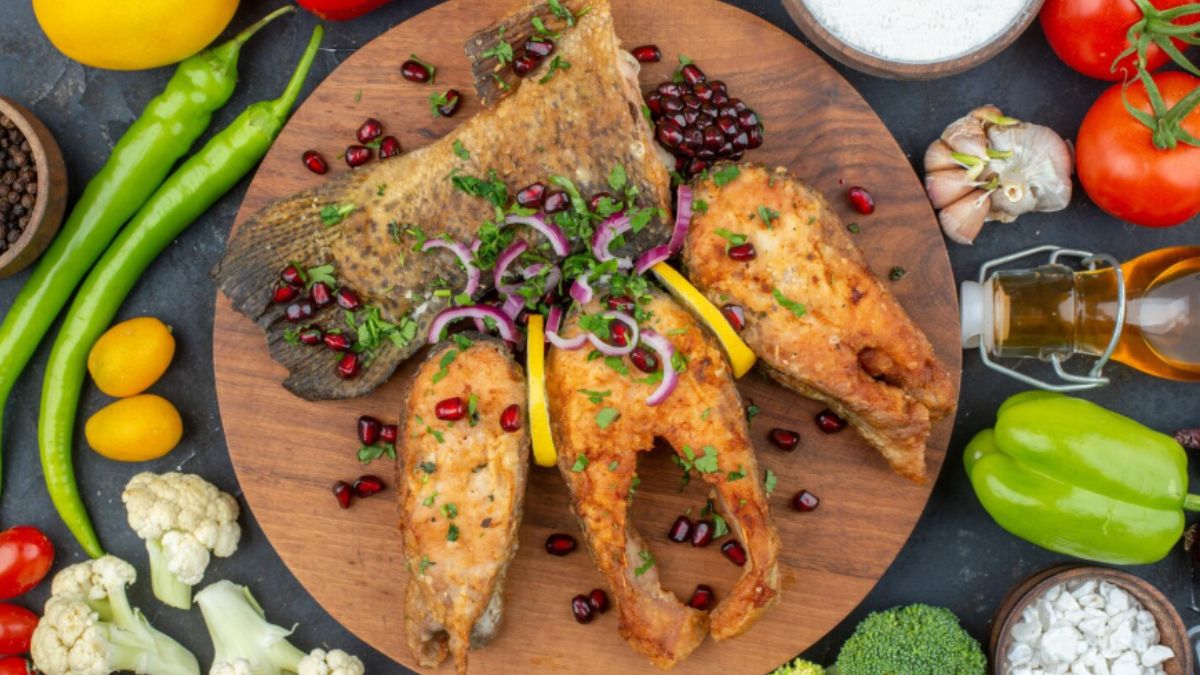
Introduction to Rooster Fish
Rooster fish, with their striking appearance and exhilarating fight, have captured the hearts of anglers around the world. These remarkable creatures are not only a thrill to catch but also a culinary delight that can elevate your dining experience. If you’ve ever wondered how to prepare this prized species, you’re in for a treat. Whether you’re an experienced fisherman or just curious about trying something new in the kitchen, exploring rooster fish gastronomy is sure to inspire you. From expert tips on catching these magnificent fish to mouthwatering recipes that showcase their unique flavor, we’re diving deep into everything you need to know about enjoying your very own rooster fish feast. So grab your fishing gear and apron—let’s embark on this flavorful journey together!
The Best Ways to Catch Rooster Fish
Catching rooster fish is an exhilarating experience for anglers. These elusive creatures are known for their striking appearance and powerful fight.
To start, focus on the right location. Rooster fish thrive in warm coastal waters, particularly around reefs and sandy beaches. Look for breaks in the surf where they often hunt.
Using live bait like mullet or sardines can be incredibly effective. Alternatively, try lures that mimic their natural prey; poppers work well due to their noisy presentation.
Timing matters too—early mornings and late afternoons are prime feeding times when these predators are most active.
A light tackle setup enhances the thrill of reeling them in, creating a more challenging battle than heavier gear would provide.
Patience is essential. Rooster fish may take time to show interest but stay alert; a sudden strike can lead to an unforgettable catch!
Cleaning and Preparing Your Catch
Cleaning your freshly caught rooster fish is essential for ensuring the best flavor. Start by placing it on a clean, flat surface. Use a sharp fillet knife to make a cut behind the gills and down through the spine.
Next, carefully remove the head if you prefer fillets. Make sure to scale the fish with a scaler or knife before gutting it. This process helps retain its delicate texture when cooked.
Once you’ve removed the entrails, rinse out any blood and debris under cold water. Pat it dry with paper towels; moisture can affect cooking results later.
If you’re planning to store your catch, wrap it tightly in plastic wrap or place it in an airtight container. Keep it chilled until you’re ready to cook; fresh is always best for that delectable taste you’ll want from your rooster fish dish.
Cooking Techniques for Rooster Fish
Cooking rooster fish can be a delightful experience, thanks to its firm texture and mild flavor. One popular method is grilling, which enhances the natural taste while adding a smoky depth. Simply marinate your fillets with citrus juices, herbs, and spices before placing them on the grill.
Another option is pan-searing. This technique creates a beautiful golden crust while keeping the inside tender. Start by seasoning your fish well, then heat oil in a skillet until shimmering. Cook each side for just a few minutes until flaky perfection emerges.
Baking offers an easy alternative that locks in moisture. Wrap seasoned rooster fish in parchment paper or foil with vegetables for added flavor as it steams in the oven.
For those who love bold flavors, consider broiling. The intense heat caramelizes the surface beautifully while maintaining juiciness within. Each method brings out something unique about this delicious catch!
Delicious Recipes for Rooster Fish
Rooster fish is a culinary delight that can elevate your dining experience. One popular method is to grill it, allowing the natural flavors to shine through. Simply marinate the fillets in olive oil, garlic, and fresh herbs for an hour before tossing them on medium heat.
If you’re in the mood for something comforting, consider making a flavorful Rooster Fish tacos. Shred cooked fish and mix with cabbage slaw, avocado slices, and zesty lime for a refreshing twist.
For those who enjoy bold tastes, try pan-searing the fillet with a spicy mango salsa. The sweet and savory combination works wonders.
Don’t forget about roasting! Coating whole Rooster Fish with spices like paprika and cumin before baking brings out incredible depth of flavor. Serve alongside roasted vegetables for a balanced meal that’s sure to impress any guest.
Pairing Wine with Your Rooster Fish Dish
When it comes to pairing wine with rooster fish, the key is to accentuate its delicate flavors. A crisp Sauvignon Blanc works wonders, offering citrus notes that complement the fish’s natural sweetness.
For those who prefer red, a light Pinot Noir can be an interesting choice. Its subtle berry undertones won’t overpower the dish while adding depth.
If you’re leaning toward a rich preparation like roasted or grilled rooster fish, consider a buttery Chardonnay. The creamy texture harmonizes beautifully with charred edges.
Don’t shy away from sparkling wines either! A good Cava or Prosecco provides refreshing acidity and bubbles that cleanse the palate between bites.
Your personal taste should guide your selection. Experimenting is part of the fun—discover what makes your meal truly shine. Enjoy exploring these pairings as you savor each delicious bite of rooster fish.
Tips for a Perfectly Cooked Rooster Fish Meal
To achieve a perfectly cooked Rooster Fish, start with fresh fillets. Freshness greatly influences taste and texture.
Next, consider marinating the fish briefly to enhance its natural flavors. A simple blend of olive oil, lemon juice, and herbs works wonders.
When it comes to cooking methods, grilling or baking are top choices. Both techniques preserve moisture while giving you that desirable crispy exterior.
Keep an eye on cooking times; Rooster Fish cooks quickly. Aim for about 6-8 minutes per side when grilling over medium heat.
For added flavor during cooking, use a light sprinkle of sea salt and pepper right before placing it on the grill or in the oven.
Let your Rooster Fish rest for a few minutes after cooking. This allows juices to redistribute, resulting in tender bites bursting with flavor.
Conclusion
Rooster fish are not just a thrill to catch; they also offer an exciting culinary adventure. With their unique taste and texture, these fish can elevate your dining experience. By using the right techniques for cleaning and cooking, you can bring out the best flavors.
Experimenting with various recipes allows you to discover new favorites. Whether grilled, baked, or served in tacos, rooster fish is versatile enough to please any palate. And don’t forget about wine pairings; a crisp white or light red can complement this dish beautifully.
Perfecting your cooking method will ensure every meal is memorable. The freshness of your catch combined with thoughtful preparation makes all the difference.
Embrace the journey from sea to table with rooster fish as the star of your next culinary endeavor. Happy cooking!

In a world where creativity often feels constrained by deadlines and expectations, the need for innovative thinking has never been greater. Enter Bauering—a groundbreaking approach that can redefine how you unleash your creative potential. Whether you’re an artist, designer, writer, or entrepreneur, incorporating Bauering into your workflow could be the game-changer you’ve been searching for. Imagine breaking free from conventional methods and accessing a flow of ideas that feels effortless and inspiring. This article will explore what Bauering is all about and how it can transform your creative process like never before. Get ready to dive in!
What is Bauering?
Bauering is a dynamic creative methodology that encourages exploration and experimentation. At its core, it combines elements of brainstorming, design thinking, and improvisation to foster a free-flowing environment for ideas.
Unlike traditional approaches that can stifle creativity with rigid structures, Bauering invites spontaneity. It allows individuals or teams to engage in an iterative process where thoughts evolve organically.
Originating from the German word “bauen,” which means “to build,” Bauering emphasizes constructing concepts through collaboration and open dialogue. This method enriches perspectives by integrating diverse viewpoints.
Participants are encouraged to let go of constraints and embrace ambiguity. By doing so, they unlock new dimensions of creativity that wouldn’t typically emerge in conventional settings. The focus shifts from mere output to meaningful engagement with ideas as they develop over time.
The Benefits of Incorporating Bauering into Your Creative Process
Incorporating Bauering into your creative process can lead to remarkable transformations. This method encourages collaboration, sparking new ideas through the collective input of diverse perspectives.
It fosters a sense of community among team members. When individuals share their thoughts freely, creativity flourishes and innovative solutions emerge more organically.
Bauering also enhances organization in brainstorming sessions. By visualizing concepts, you can track and build on ideas effectively without losing sight of the bigger picture.
Additionally, this approach helps break down silos within teams. It promotes cross-functional engagement that often results in unexpected insights and richer outcomes.
By embracing Bauering, creators tap into a powerful tool for refining their thought processes while enhancing communication skills. The combination leads not just to better projects but also a deeper understanding of one another’s strengths and passions.
How to Start Using Bauering in Your Work
To begin incorporating Bauering into your work, start by identifying a project that requires fresh ideas. Gather your team or set aside time for solo brainstorming.
Next, immerse yourself in the principles of Bauering. This involves understanding its framework—think about how to connect seemingly unrelated concepts. Use visual aids like mind maps or diagrams to clarify these connections.
Set specific goals for each session. Focus on quantity over quality at first; this encourages free thinking and allows creativity to flow without constraints.
Don’t forget to document everything. Capture insights and breakthroughs as they happen. Revisiting these notes can spark further inspiration later on, making the process cyclical and dynamic in nature.
Case Studies: Successful Companies and Individuals Who Use Bauering
Many renowned companies have embraced Bauering, showcasing its transformative power. For instance, a leading tech firm adopted this method to streamline brainstorming sessions. This shift resulted in a 30% increase in innovative project proposals.
In the creative industry, an independent filmmaker utilized Bauering techniques to enhance storytelling. By employing visual cues and collaborative mind mapping, they produced their most acclaimed short film yet.
Even advertising agencies are leveraging Bauering to encourage fresh ideas among teams. One agency reported that integrating this approach led to compelling campaigns with double engagement rates.
Individuals seeking personal growth have also found success through Bauering principles. A graphic designer used these concepts for self-reflection and idea generation, resulting in an impressive portfolio transformation within months.
These examples underline how diverse sectors benefit from integrating Bauering into their processes, driving creativity and efficiency alike.
Overcoming Common Challenges with Bauering
Bauering can be a game-changer, but it’s not without its challenges. Many individuals struggle with the initial concept. The idea of shifting from traditional methods to Bauering may feel intimidating at first.
One common hurdle is adapting to a non-linear workflow. This approach requires flexibility and an open mind. It can take time to embrace spontaneity in creativity.
Another challenge lies in collaboration. When working with teams, differing styles might clash. Establishing clear communication channels ensures that everyone stays on the same page while exploring new ideas together.
Time management also plays a significant role in successfully implementing Bauering. Balancing structured tasks with creative exploration demands careful planning and priority-setting.
Staying motivated throughout this process can pose difficulties as well; inspiration doesn’t always strike when needed. Finding routines or environments that foster creativity helps maintain momentum during tough phases, making the transition smoother for all involved.
Tools and Resources for Implementing Bauering
To effectively implement Bauering, various tools can enhance your experience. Digital platforms like Miro or Trello facilitate brainstorming sessions and project management, allowing team collaboration in real-time.
For those who enjoy a more tactile approach, using index cards or sticky notes can be beneficial. These allow for easy rearrangement of ideas and help visualize connections between concepts.
Exploring apps designed to foster creativity is also a great option. Tools like Notion or Evernote enable users to organize thoughts seamlessly while encouraging spontaneous idea generation.
In addition, attending workshops focused on Bauering offers invaluable insights from experts. Engaging with communities online through forums can spark innovative approaches as members share their experiences and tips.
Don’t overlook the power of books centered around creative processes that may complement your understanding of Bauering principles. Each resource brings unique value to your journey in transforming creativity.
Conclusion: The Impact of Bauering on the Future of Creativity
The impact of Bauering on the future of creativity is profound. As more individuals and organizations embrace this innovative approach, we can expect to see a shift in how ideas are generated and developed. The collaborative nature of Bauering fosters an environment where diverse perspectives flourish, leading to richer outcomes.
Bauering encourages adaptability, allowing creators to pivot their strategies quickly based on feedback or new insights. This flexibility is essential in today’s fast-paced world, where trends evolve rapidly.
Moreover, as technology continues to advance, integrating tools that support Bauering will become increasingly accessible. This integration promises further enhancements in collaboration and ideation processes.
By adopting Bauering now, you position yourself at the forefront of creative evolution. With continuous practice and dedication, you’ll likely discover new ways to harness your creativity while inspiring those around you. It’s not just about individual brilliance; it’s about cultivating a community that thrives together through shared vision and innovation.
Embracing Bauering could very well redefine what it means to be creative in the years ahead. The journey has only just begun.
-

 TOPIC7 months ago
Symbols of Hope: The 15th Belenismo sa Tarlac
-

 TOPIC7 months ago
“The Journey Beyond Fashion” – Ditta Sandico
-

 NEWS7 months ago
Historical Churches in Manila
-

 TOPIC7 months ago
RIZAL at 160: a Filipino Feat in Britain
-

 TOPIC7 months ago
5 Must-Have Products From Adarna House to Nurture Your Roots
-

 TOPIC7 months ago
Boats with Two Strings
-

 TOPIC7 months ago
“Recuerdos de Filipinas – Felix Laureano”
-

 TOPIC7 months ago
Filipino, alternative language course at Moscow State University