
HEALTH
Important Things Women Should Know About the Gynecological Care


Gynecological care is an important part of women’s health. It touches the reproductive system, and helps women stay well through different life phases, you know, as time goes on. When people get regular care, problems can be caught earlier and treated when they still matter most, helping avoid other health troubles later. A lot of women still feel nervous about those appointments, but if someone learns a few basics first, the whole thing can feel less stressful and somehow more manageable.
Why Regular Checkups Really Matter
Regular checkups help doctors see how your body is doing, not just based on what you say in the moment. These visits can spot problems early, even before symptoms become a bigger deal. Women are encouraged to see a healthcare provider for routine examinations so they can stay informed and not in the dark. Early attention usually supports better care and faster recovery.
Listening to Your Body
Paying attention to your body is a big deal. If there is unusual pain, heavy bleeding, or changes in menstrual cycles, those signs should not be pushed aside. They can give doctors clues about what is happening inside. When symptoms are shared early, it can also help prevent bigger health issues later on, which is kind of the whole point.
Treatment Options and Medical Care
Doctors choose care based on the exact health issue. Some conditions may respond well to medicine, while others might require procedures or long-term management. In certain cases, when fibroids cause pain or heavy bleeding, a doctor may recommend a fibroid ablation to ease symptoms and improve day-to-day comfort.
Common Health Conditions
Many women end up facing common gynecological conditions during their lives. This can include infections, hormone shifts, fibroids, and other reproductive health concerns. Understanding these situations can help women feel more prepared and confident when discussing symptoms with a doctor. It also helps people understand which treatment routes might be available, depending on what’s going on.
Changes During Different Life Stages
Women’s bodies go through many changes throughout life, such as puberty, pregnancy, and menopause. Each stage brings different physical and emotional changes, and it can feel kind of confusing at times. Knowing what usually happens helps women understand what’s normal and also when it’s time to seek medical advice. Support from healthcare providers is especially helpful in a very practical way.
Understanding Hormonal Health
Hormones control many important functions in the body, including mood, energy, and reproductive health. Sometimes hormones can become out of sync, and then it can cause issues like irregular periods or sudden mood shifts. In those situations, doctors may suggest hormone therapy to help bring hormone levels back into a better range and improve symptoms. Of course, the plan is based on each person’s needs and background, not on some generic schedule.
Healthy Daily Habits
Good lifestyle habits play a big role in women’s health. Eating healthy food, drinking enough water, sleeping well, and exercising regularly can improve overall well-being. Stress management is also important because it can disrupt hormonal balance and overall health.

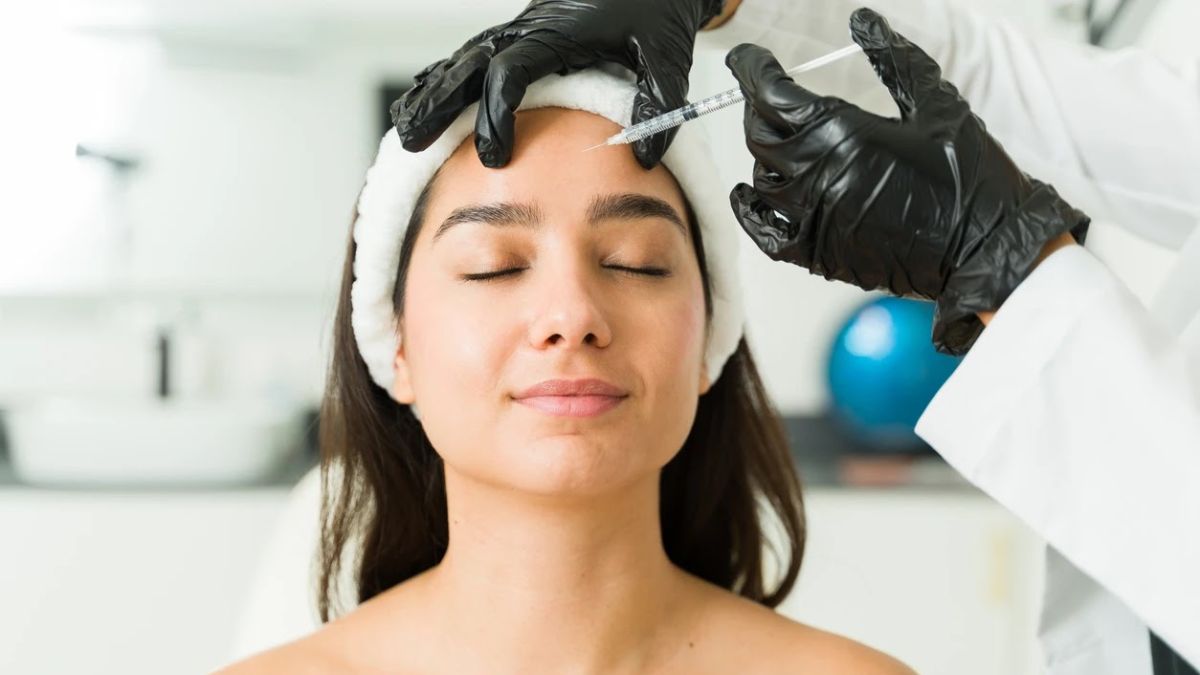
“This article explains why choosing an experienced, board certified Botox injector in Tribeca is critical for safe, natural looking aesthetic results. It covers facial anatomy, advanced treatment applications, consultation standards and tips for selecting a qualified provider over discount options.”
When it comes to cosmetic procedures, safety, beauty and individuality are three critical aspects that demand a lot of attention. One of the most popular non surgical procedures today is neuromodulator treatment; however, the success of this type of intervention mostly depends on the experience and knowledge of the specialist who performs it. Therefore, in order to achieve the best result in terms of facial rejuvenation and beauty enhancement in Tribeca botox, residents and workers should choose the best neuromodulator expert and invest in their appearance wisely. A qualified and professional specialist will achieve the desired effect without making the patient look overdone or artificial.
Facial Anatomy: The Medical Science Behind the Injector’s Skill
Inexperienced injectors often rely on standardized unit counts, treating every forehead identically. Experts tailor dosage based on individual muscle mass, skin thickness and whether the goal is correction or leveraging the preventative benefits of Botox to stop deep set lines before they form.
- Customized Muscle Evaluation: One of the most critical skills that a master injector possesses is a highly developed sense of muscle anatomy. By studying the movement of certain facial muscles when the patient frowns, squints, or smiles, he/she can evaluate the depths and directions in which each muscle should be relaxed
- Prevention of Unwanted Side Effects: The correct placement of an injection eliminates the risk of unsightly complications due to improper technique or diffusion. Ptosis (drooping eyelids), uneven eyebrows, or a perpetually furrowed forehead are some of the undesirable effects of Botox treatment that can be avoided by an experienced professional. A qualified injector knows the exact amount of product needed to achieve the desired effect while ensuring that it is not distributed beyond the targeted muscles
- Individual Unit Calculation: One of the mistakes that novice doctors tend to make is to use the same number of units of toxin for each part of the face. The master injector will determine the necessary dosage according to the patient’s gender, the size of the targeted muscles, and his/her skin condition
Beyond Basic Wrinkle Smoothing: Advanced Applications
While neurotoxins are widely known for softening forehead lines, an expert practitioner utilizes advanced techniques to address multiple aesthetic and functional concerns across the entire face and body.
Upper Face Rejuvenation
- Glabellar Lines: Precision micro dosing relaxes the 11 lines between the brows without altering natural eyebrow position.
- Crow’s Feet: Softens fan lines around the outer eye corners while preserving a genuine, warm smile.
- Forehead Creases: Smooths horizontal lines without causing the brow to feel heavy or look unnaturally flat.
Lower Face & Structural Contouring
- Masseter Reduction: Used to slim a square jawline and create an oval shaped face. It also relaxes the jaw used for temporomandibular joint pain and teeth grinding
- Lip Flip: Used on the lips to slightly turn out the lip muscle allowing for a pouty lip appearance without using dermal fillers
- Gummy Smile Botox: Reduces the amount of upper lip display by relaxing the muscle used to show your gums. This decreases the amount of gums seen when you smile
- Nefertiti Lift: Used to relax the platysma muscles in the neck and jaw to create a sharper jawline and smoother neck
Body & Therapeutic Uses
- Trapezius Contouring : Relieves tension in the neck and upper back while slimming the shoulder line to elongate the profile.
- Hyperhidrosis Management: Controls excessive sweating in the underarms, palms, or soles of the feet by temporarily blocking the chemical signals that stimulate sweat glands.
What to Expect During a Master Level Consultation
A high standard aesthetic experience prioritizes long term facial balance over quick, transactional appointments. A thorough consultation establishes realistic expectations and ensures patient safety.
- Static and dynamic evaluation: The injector differentiates between dynamic and static wrinkles (the wrinkles that can be seen on the rested face). In the case of dynamic wrinkles, these can be treated using neurotoxins. Static wrinkles may require a combination of treatments, such as microneedling, skin resurfacing, or dermal fillers
- Health and wellness consultation: The examination includes a review of health histories, neuromuscular disorders, medications being taken and appointments for procedures
- Transparency of pricing and product: It is important for the injectable to use neuromodulators of good quality and approved by FDA. There should be a price list available for consumers while there is no chance of hidden charges
Evaluating Providers: A Checklist for Patients
Selecting a practitioner involves assessing medical credentials, aesthetic intuition and clinical standards.
- Board Certification and Formal Training: Search for dermatologist, plastic surgeons, certified nurse practitioners and physician assistants who are board certified and specialize exclusively in aesthetics and complete advanced training on a regular basis
- Aesthetic Portfolio: Study the before and after photos to ensure the practitioner captures natural likability in their patients as well as balanced proportions and subtle changes that accentuate natural beauty in men and women of different ages
- Clinic Environment and Safety: Ensure the clinic is properly kept, products are well organized, and there are established post treatment protocols for follow up care to answer any questions and ensure the best possible outcome
Conclusion
Choosing an aesthetic provider is an investment in your safety, self confidence and future appearance. While it is tempting to go for a bargain, or a flat rate promotion, cheaper treatments often lead to rushed treatments, diluted products or incorrect procedures that end up costing more in the long run.
The artistry of the procedure itself is often most apparent in the subtleties. Good work rarely calls attention to itself, allowing a client’s colleagues to assume your secret to a fresh, rested appearance lies in night time sleeping positions. By focusing on skill, anatomy and individual beauty, providers ensure client safety and beautiful results that enhance natural features for years to come.
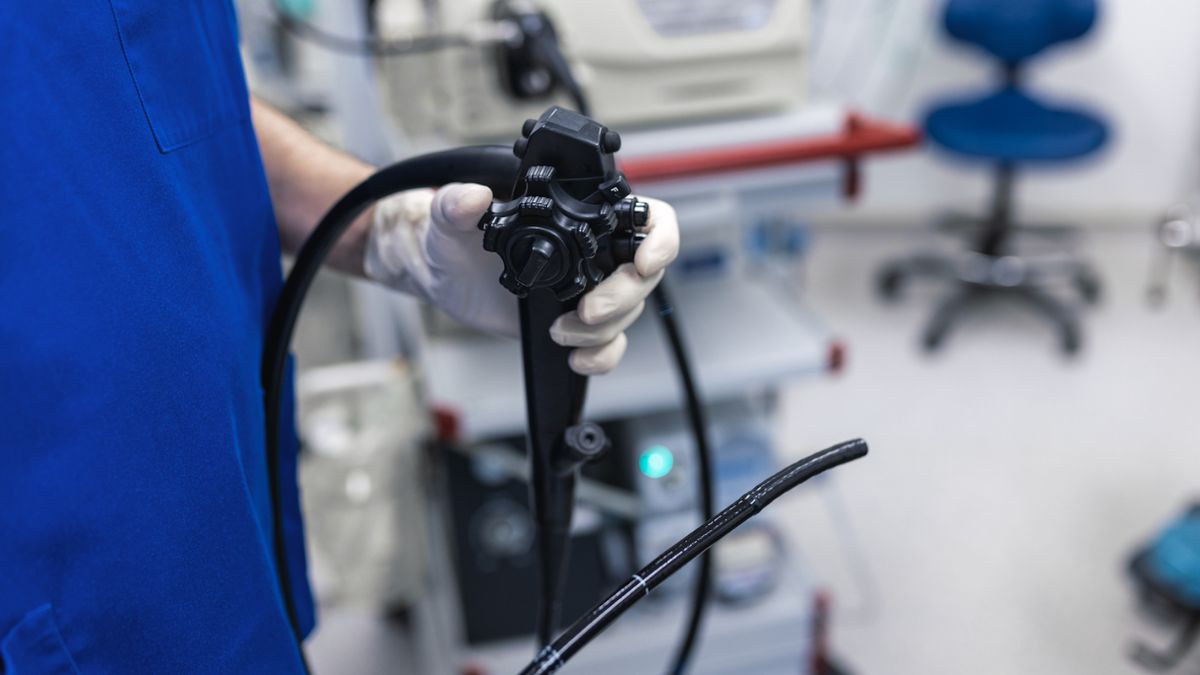
“This article provides a patient centered guide on preparing for a colonoscopy. It outlines step by step instructions for pre-procedure diet shifts, mastering liquid prep solutions, recognizing when bowel cleansing is complete and day of procedure logistics to ensure an accurate screening.”
Colonoscopy is regarded as one of the highly efficient methods of prevention in the field of health. It allows for early diagnosis and eradication of the precancerous lesions, but the quality of the test results is heavily dependent on proper preparation of the bowel for colonoscopist. The colon should be thought of as a surface to be inspected and cleaned for inspection. If there are remnants of feces in the colon, the doctor may not be able to see some small polyps, insignificant damages and microchanges in tissues. Good preparation leads to high quality examination, shorter span of the procedure and absence of the necessity for going back to the doctor.
3 to 5 Days Before: Transition to a Low Residue Diet
Before using a laxative, start at the food shop. High fiber diets leave stiff, fibrous debris in the gut that takes days to clear. Lower intestine size is reduced by switching to a low residue (low fiber) diet many days in advance.
- Foods to avoid: Whole grains, nuts, seeds, popcorn, raw vegetables, dried fruits, beans and fruit skins
- Foods to embrace: Plain white bread, white rice, eggs, tender poultry or fish, well cooked vegetables without skins and plain dairy products
Discuss your normal meds with your doctor throughout this time. Iron supplements should be discontinued since they discolor the gut lining. Blood thinners and diabetic medicines may need interim modifications.
The Day Before: Mastering the Clear Liquid Diet
The day before your procedure starts a transition from solid food to a clear liquid diet. A clear liquid diet can hydrate your system properly without allowing the creation of new solid waste. The rule is simple: if you cannot see through it at room temperature, do not drink it.
Permitted Clear Liquids
- Clear chicken, beef, or vegetable broth
- Black coffee or tea (without milk or non dairy creamer)
- Water, clear apple juice and white grape juice
- Sports drinks, lemonade without pulp and clear gelatin
The Dye Prohibition
Steer clear of any liquids, gelatin, or popsicles containing red, purple, or dark orange dyes. These colorings stain the interior walls of the colon and can closely resemble blood during endoscopic inspection, leading to confusion or missed findings.
The Night Before & Morning Of: Executing the Prep Solution
Modern medical standards genuinely encourage split dose preparations. Instead of taking the whole solution of the laxative at once the night before, the patient drinks half the solution in the evening and the other half 4 to 6 hours from the time of appointment. The two part method works considerably better because the morning dose rinses away nighttime mucus from the lining of the intestines.
Making the Laxative Palatable
- Chill: Cold dulls strong flavors. Mix and refrigerate the liquid ahead
- Use straws: Place the straw behind your mouth to avoid most taste buds
- Suck transparent hard candies: Lemon drops or menthol sweets between glasses reduce aftertastes
- Go after it: Have a cup of cold ginger ale or clear apple juice to drink after each solution glass
Recognizing When You Are Ready
How do you know the preparation worked? You can monitor your progress by observing your stool output after taking the second dose.
As the solution works through your system, bowel movements transition from solid to loose, then to cloudy liquid and finally to a clear or light yellow fluid without solid flecks. When your output looks like pale tea or urine, your gastrointestinal tract is thoroughly cleansed and ready for evaluation.
If your output remains brown or cloudy after finishing the entire prescribed dose, contact your clinic for guidance before traveling to the facility.
Final Checklist for Procedure Day
- Follow NPO (Nothing by Mouth) rules strictly: Stop drinking any liquids, including water, at the time your care team specifies (2–4 hours before anesthesia)
- Designate a driver: Because intravenous sedation impairs reflexes and judgment, hospitals won’t conduct the surgery without a competent adult to transport you home
- Dress comfortably: Leave jewelry and valuables at home and dress loosely
Conclusion
Although bowel preparation is not the most pleasant experience, it should be taken as an active collaboration with medical professionals to achieve a favorable result. To give your physician a clear picture of your colon’s health, do your best to adhere to the prescribed diet, drink plenty of fluids, and properly complete the necessary split dose regimen. By performing the treatment properly on the first attempt, one can attain all preventive benefits of the procedure and avoid future worries.
Disclaimer
This information is for educational purposes only and does not constitute medical advice, diagnosis, or treatment. For personalized medical advice regarding any medical condition or procedure, consult a qualified healthcare Colonoscopy Los Angeles. In case of a medical emergency, call 911 immediately.
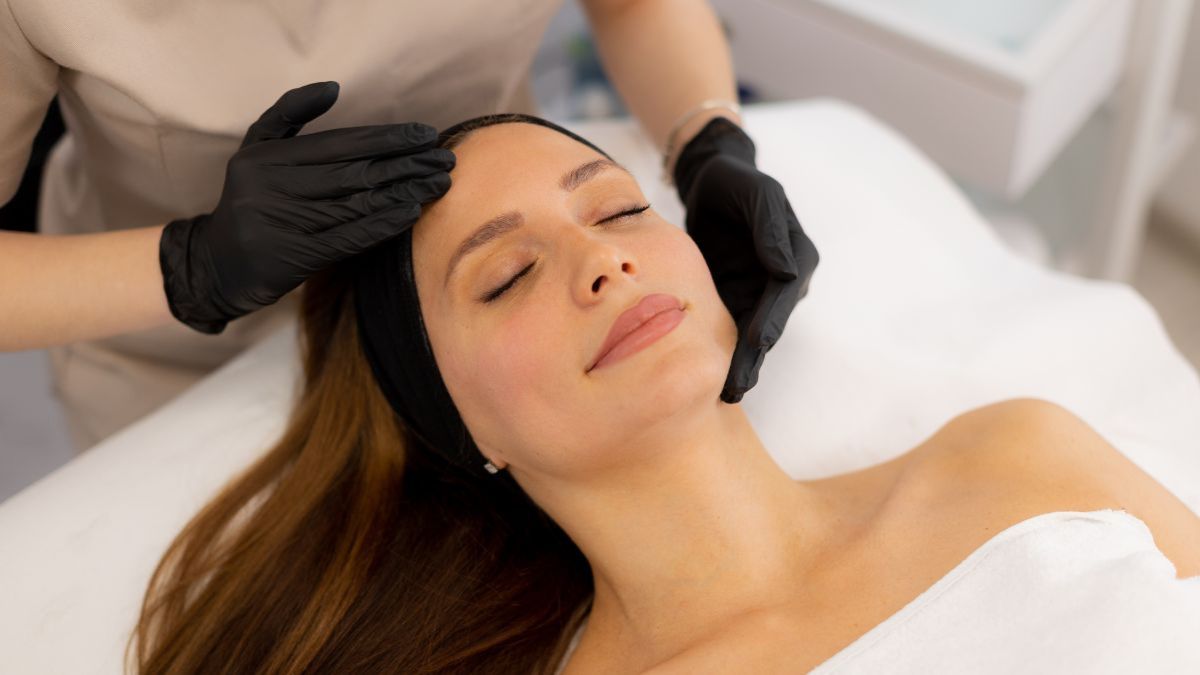
“This article explores the causes of dull, tired skin and outlines effective clinical solutions such as peels, hydradermabrasion, light therapy and microneedling alongside targeted at home ingredients and lifestyle strategies to help restore a radiant, healthy complexion.”
Awakening up with dull, dry and tired skin is a common occurrence due to the skin’s natural process, external factors, lifestyle changes and poor sleeping habits. Dead skin cells that block the skin’s surface and a lack of moisture lead to uneven lighting on the skin, resulting in dull appearance. A rejuvenating skin treatment program will revitalize the skin by accelerating metabolism, deeply moisturizing and stimulating natural collagen production, ultimately restoring a healthy glow.
Understanding Dull and Tired Skin
When natural cell turnover decreases, dull and tired skin occurs as a result of dead cells piling up on the skin surface and scattering light instead of creating a smooth glow. Daily exposure to various pollutants and UV radiation damages our healthy tissue while internal factors including dehydration, bad sleep and chronic stress limit the supply of blood to skin cells. Oxygen, moisture and other substances necessary for cellular renewal cannot enter the skin, resulting in lack of elasticity and the appearance of dull, dry and tired skin.
Top In Office Rejuvenating Treatments
Professional clinical treatments swiftly improve tone, texture and brightness using higher active component concentrations and delivery technology.
1. Professional Exfoliation & Resurfacing
Exfoliation and resurfacing performed by professionals get rid of the dead skin cells at the surface and make way for fresh skin. The procedures include chemical peel which removes dirt accumulated in between cells and produces smoother and more refined skin. Hydradermabrasion will use mechanical exfoliation, deep cleaning and infusion of special preparations to restore hydration and healthy look to dull skin.
- Chemical Peels: Remove dull cell glue with regulated applications of alpha or beta hydroxy acids like glycolic or lactic acid or salicylic acid. Lunchtime peels with little downtime to medium depth treatments for deeper discolouration are available
- Hydradermabrasion: This modified microdermabrasion cleanses, exfoliates and removes impurities while vacuum fusing antioxidant and hyaluronic acid serums into the skin
2. Energy & Light Based Therapies
Light treatments work beneath the surface to stimulate repair processes without causing major physical trauma to the top layer of skin.
- LED Light Therapy: Low level light treatment enhances energy generation at the cellular level by means of specific wavelengths of light. Red light fosters collagen production and inflammation, while infrared light supports blood circulation and recovery
- Intense Pulsed Light: Commonly referred to as a photofacial, IPL involves exposure to a wide range light beam to eliminate unattractive dark spots, discoloration and broken capillaries, making the skin’s complexion even
3. Micro Invasive Collagen Induction
Micro invasive collagen induction creates microscopic channels in the skin with thin, sterile needles to stimulate natural collagen and elastin production. Often combined with growth factors like Platelet Rich Plasma, this treatment tightens pores, refines texture and revitalizes worn skin.
- Microneedling: Controlled, tiny epidermal punctures induce a natural wound healing response. This technique produces new collagen and elastin, improving texture and tightening pores over weeks
- Platelet Rich Plasma: Used with microneedling, PRP uses growth and factors from a small blood sample to speed tissue healing and increase skin vibrancy
At Home Care & Daily Maintenance
Daily skin care helps regenerate cells and protect the skin for a lovely look. Vitamin C antioxidants reduce environmental stress and brighten skin, while retinoids encourage cell regeneration and smooth skin. Hydration with hyaluronic acid and ceramides prevents the face from drooping and looking fatigued, while sunscreen protects against UVA and UVB rays. In addition, sleeping sufficiently, drinking water and eating well maintains professional treatment results.
Selecting the Right Approach
Selecting the ideal treatment path requires matching your skin type with your primary aesthetic goals and available recovery time. While gentle hydrating facials offer an immediate, zero downtime glow, intensive resurfacing or microneedling provides long term structural repair. A professional evaluation ensures a safe, custom plan tailored to your specific skin needs.
- Evaluate Skin Sensitivity: Sensitive skin types benefit from low strength lactic acid or hydradermabrasion, while thicker skin can tolerate stronger types of exfoliation such as microneedling
- 2. Consider Downtime vs. Goals: Gentle facials and LED therapy offer an immediate, event-ready glow with zero recovery time. More intensive treatments like microneedling or deeper peels offer structural, longer-lasting corrective results. If you are unsure whether you need corrective care or preventive maintenance, understanding the key differences between facial rejuvenation vs anti-aging treatments can help you set realistic expectations for your skin goals
- Look for Expert Opinion: Consultation with a board certified dermatologist and skin care specialist can identify the right procedures for both skin type and skin issues
Conclusion
Maintaining a healthy glow is not a one time procedure; it is a continuous process. A dull complexional appearance is normal for most people due to aging or exposure; however, there are now a number of advanced treatments that allow you to enjoy a healthier, more youthful appearance. The combination of these treatments along with the implementation of a quality home care and balanced diet will enable you to revitalize and renew your skin and help maintain a healthy appearance in the future.
Disclaimer
The information provided in this article is for educational and informational purposes only and does not constitute medical advice. Please consult with the qualified skin specialists, visit Beaute Aesthetics or a certified dermatologist before beginning any new treatment.
-

 NEWS1 year ago
Historical Churches in Manila
-

 TOPIC1 year ago
Symbols of Hope: The 15th Belenismo sa Tarlac
-

 TOPIC1 month ago
Unveiling AvTub: Your Ultimate Guide to the Best AV Content
-

 TOPIC1 year ago
RIZAL at 160: a Filipino Feat in Britain
-

 TOPIC1 year ago
“The Journey Beyond Fashion” – Ditta Sandico
-

 TOPIC1 year ago
5 Must-Have Products From Adarna House to Nurture Your Roots
-

 TOPIC1 year ago
Filipino, alternative language course at Moscow State University
-

 TOPIC1 week ago
Understanding Fascisterne: Origins and Ideological Roots