
BUSINESS
How Freight Factoring Benefits Small Trucking Companies

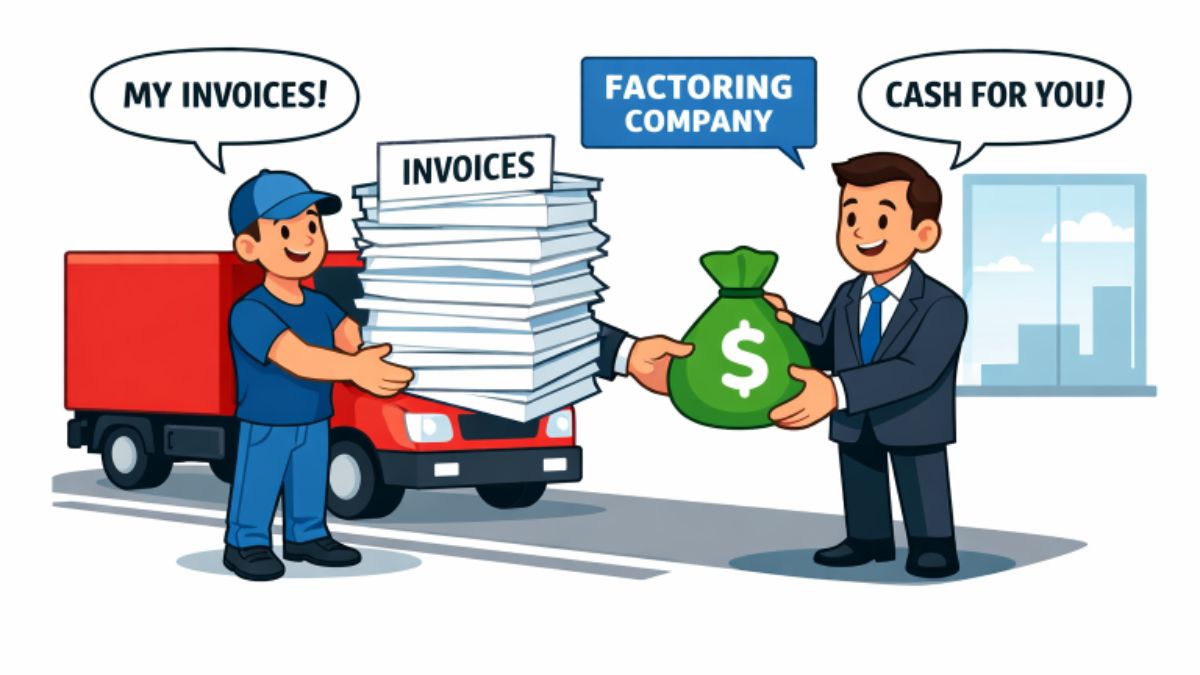
For small trucking businesses, managing cash flow can often feel like an uphill battle. Income depends on timely payments from clients, which don’t always arrive on schedule. This is where freight factoring for trucking companies becomes invaluable. Freight factoring lets businesses turn unpaid invoices into immediate working capital, ensuring essential costs are met promptly and consistently.
By using this financial solution, trucking companies gain rapid access to funds without waiting the usual 30 to 90 days for broker or shipper payments. Freight factoring supports sustainable growth and operational stability, making it a crucial strategy for small carriers looking to stay competitive and expand effectively in a challenging industry.
Understanding Freight Factoring
Freight factoring is a financial process in which trucking companies sell their unpaid invoices to a third-party factoring company at a discounted rate. Instead of waiting until clients pay, carriers get most of their money up front, while the factor collects payment from customers. There are two main types of freight factoring contracts.
- Recourse Factoring: The trucking company ultimately bears responsibility if the client does not pay.
- Non-Recourse Factoring: The factoring partner assumes the risk of non-payment, usually at a higher fee.
Choosing between recourse and non-recourse arrangements depends on your financial risk tolerance and business needs. A proper understanding of both options helps small carriers safeguard their cash flow and minimize financial disruptions.
Immediate Cash Flow
Immediate access to capital is a defining benefit of freight factoring. Instead of operating at the mercy of slow-paying shippers or brokers, trucking companies can receive payment within 24 hours of submitting an invoice. This quick turnaround enables better financial planning and the confidence to accept new loads without worrying about whether funds will be available to support them.
Covering Operational Expenses
Reliable cash flow is critical for covering the day-to-day operational costs that keep trucks moving. Factoring empowers small carriers to confidently handle regular expenses such as:
- Fuel purchases, especially given their volatility in price
- Routine vehicle maintenance and unexpected repairs
- Driver compensation, including wages and benefits
- Insurance payments to protect assets and comply with regulations
By ensuring these payments are never delayed, trucking companies can avoid costly setbacks and maintain positive relationships with their employees and vendors.
Factoring is increasingly popular in the industry, with many carriers using it as a regular part of their business plan. Truckers and owner-operators benefit from not having to juggle money between loads or deplete emergency reserves. This consistency helps companies grow and meet increasing demands, especially during peak shipping seasons.
Reducing Administrative Burdens
Freight factoring companies do more than just give advances on invoices. Many provide back-office support that removes administrative headaches from small fleet owners. These services typically include:
- Performing credit checks on new shipping clients, limiting risk
- Managing collections and following up on late payments
- Processing and reconciling invoices
By delegating these resource-intensive tasks, trucking businesses can concentrate on running operations, booking more loads, and growing revenue. This support is especially valuable for owner-operators or companies with lean office staff. Small companies gain access to many of the same resources as large fleets, which helps level the playing field in a highly competitive environment. Benefits like efficiency, time savings, and cost reduction can add up quickly over the course of a year.
Choosing the Right Factoring Company
Picking a reliable factoring partner is crucial. Carriers should carefully review:
- Fee structures, including advances, reserve rates, and administration fees
- Contract flexibility, such as minimum invoice amounts or volume commitments
- Reputation, based on reviews, industry experience, and client testimonials
- Additional benefits, like fuel cards or load tracking features
Comparing options and doing due diligence increases the likelihood of a positive, cost-effective relationship that supports long-term financial stability.
Potential Costs and Considerations
While freight factoring can be a lifeline, it is vital to thoroughly understand the fees before signing a contract. The factoring fee usually ranges from 1% to 5% of the invoice value, potentially with extra charges for expedited funding or additional services. Some agreements require a minimum usage threshold or include penalties for early termination.
Factoring costs need to be weighed against the stability and growth potential they deliver. Small trucking companies should always run profit margin calculations with these fees in mind, and seek transparent terms to prevent surprise expenses. Factoring is not a one-size-fits-all solution, so it’s important to assess whether it aligns with your growth plans and current financial needs to avoid any mismatch in expectations.
Real-Life Examples
Success stories from the trucking industry showcase how carriers use factoring to fuel growth. For example, a family-owned trucking company in the Midwest struggled with slow-paying clients, making payroll and maintenance challenging in some months. By switching to freight factoring, the company unlocked steady cash flow, upgraded its equipment, and expanded from 5 to 12 trucks in just 2 years. Other small carriers have used factoring lines to compete for larger contracts without worrying about funding day-to-day operations.
Conclusion
Freight factoring is an effective tool for small trucking companies, offering a stable way to address cash flow gaps, manage rising costs, and maintain operational efficiency. Immediate cash, reduced administrative tasks, and the ability to cover routine expenses all contribute to a healthier business. Careful analysis and selection of a reputable factoring company ensures these benefits outweigh the costs. As the trucking industry continues to evolve, freight factoring remains a smart strategy for small carriers aiming to succeed and grow.


Contracts hold a business together. They set expectations between partners, vendors, clients, and employees, and they give everyone a shared understanding of who owes what to whom. But contracts do not enforce themselves. When one side stops holding up their end, the result is often confusion, lost money, and a strained relationship that used to work just fine.
Business contract disputes happen more often than most owners expect, and they rarely show up at a convenient time. A vendor might deliver late or send the wrong product. A partner might interpret a profit-sharing clause differently than you do. A client might refuse to pay after work is finished. Whatever the cause, knowing how to respond can protect your company’s finances and its reputation. Getting ahead of a problem, sometimes with guidance on business contract disputes from someone who has handled similar cases, tends to produce better outcomes than waiting to see if things resolve on their own.
Why Contract Disputes Happen So Often
Most contract disputes trace back to unclear language or unmet expectations. A term that seemed obvious when the agreement was signed can look completely different once money is on the line. Payment terms, delivery deadlines, quality standards, and termination clauses are some of the most common trouble spots.
Growth can also create friction. A contract written for a small operation may not hold up once a company scales, adds new products, or brings on more partners. What worked at the start does not always work two years later, and disagreements can surface when one party wants to renegotiate and the other does not.
Personal relationships add another layer. Many business agreements are made between people who already know and trust each other, whether that is a founding partnership or a long-standing vendor relationship. That trust can make it harder to spot warning signs early, since neither side wants to assume the worst about someone they have worked with for years.
Common Types of Business Contract Disputes
Contract disputes tend to fall into a few recurring categories, and most business owners will run into at least one of them at some point. Payment disagreements are among the most frequent. One party believes they were shorted, overcharged, or paid on the wrong schedule. Performance disputes come up when one side claims the work, product, or service did not meet the agreed standard.
Termination disputes happen when a business ends an agreement early and the other party argues it was done improperly or without proper notice. Partnership disputes involve disagreements between co-owners over profit splits, decision-making authority, or the direction of the company. Each type requires a different approach, but they all share one thing in common: the stronger your documentation, the stronger your position when it comes time to sort things out.
Steps to Take When a Dispute Arises
When a contract disagreement comes up, a clear and steady process matters more than a quick reaction. Here is what to focus on:
- Reread the contract carefully. It is easy to rely on memory or assumptions about what an agreement says, but the actual language usually settles more questions than people expect. Pay close attention to clauses covering payment terms, deadlines, dispute resolution procedures, and termination rights.
- Gather every document connected to the agreement. This includes the signed contract itself, any amendments, email exchanges, invoices, delivery records, and notes from meetings or phone calls. A clear paper trail makes it much easier to show what was agreed to and what actually happened.
- Try direct communication before escalating. A short, professional conversation or written notice can sometimes resolve a misunderstanding that would otherwise turn into a drawn-out dispute. State the issue clearly, reference the relevant contract terms, and propose a reasonable next step.
- Consider mediation if direct talks stall. A neutral third party can help both sides reach an agreement without the time and expense of a lawsuit. Mediation also tends to preserve business relationships better than litigation, which matters when both parties may need to keep working together.
- Consult a business attorney when informal steps do not work. A lawyer can review the contract, explain your rights, and outline realistic options, whether that means formal negotiation, arbitration, or filing a lawsuit. According to the U.S. Small Business Administration, having a clear plan for handling legal and financial disputes is one of the basic steps that helps a small business stay resilient when problems arise.
Protecting Your Business Going Forward
Once a dispute is resolved, take time to review how it happened. Was the contract language too vague? Did one party misunderstand a key term? Should the agreement have included a clearer dispute resolution clause from the start? Learning from a dispute can help prevent a similar one down the road.
It also helps to build stronger habits into future contracts. Clear payment schedules, defined performance standards, and specific termination procedures reduce the odds of a disagreement turning into something bigger. Regular reviews of standing agreements, especially long-term vendor or partnership contracts, can catch outdated terms before they cause a problem.
Frequently Asked Questions
What is the most common cause of business contract disputes?
Unclear or ambiguous language is one of the leading causes. When a term can be read more than one way, both sides may genuinely believe they are right, which makes the disagreement harder to settle without outside help.
Can a contract dispute be resolved without going to court?
Yes, in many cases. Direct negotiation, mediation, and arbitration are all common alternatives to a lawsuit. Courts are usually a last resort after other options have been tried.
How long do I have to act on a contract dispute?
It depends on the type of contract and where your business operates, since deadlines for filing claims vary by state and by the nature of the agreement. Acting sooner rather than later helps preserve evidence and keeps your options open.
Do verbal agreements count in a contract dispute?
Some verbal agreements can be enforceable, but they are much harder to prove than written contracts. Written documentation is always the stronger position if a disagreement ends up in front of a mediator or a court.
When should I involve a lawyer in a contract dispute?
It is worth consulting a lawyer as soon as informal communication fails to resolve the issue, or immediately if the dispute involves a large sum of money, a long-term partnership, or a contract with complicated terms.
Final Thoughts
Contract disputes are a normal part of running a business, but how you handle them can make a real difference in the outcome. Reading the agreement closely, keeping thorough records, and trying direct communication before escalating are all practical first steps. When those efforts do not resolve the issue, professional guidance can help you understand your options and protect what you have built. A disagreement over a contract does not have to become a crisis if it is handled with the right information and the right support.

When parents cannot agree about custody, residence, or contact with their child, the dispute may eventually need to be resolved through the Swedish court system. A familjejurist stockholm can help a parent understand the legal process, prepare relevant documentation, and present their position in a structured way. Child custody disputes can be emotionally difficult, but the court’s primary concern is the child’s best interests rather than simply determining which parent is right.
Understanding Child Custody Disputes in Sweden
A custody dispute generally concerns who should have legal responsibility for a child. In Sweden, parents may have joint custody or one parent may have sole custody. A disagreement can also concern where the child should live or how contact with the other parent should take place. These issues are related but legally distinct, which is why obtaining appropriate legal advice can be important before taking formal action.
The court considers the circumstances of the individual child and family when assessing a custody matter. The objective is not to reward or punish either parent. Instead, the proceedings focus on finding an arrangement that protects the child’s interests and provides an appropriate framework for the child’s relationship with both parents where this is compatible with the child’s welfare.
What Happens Before a Custody Case Reaches Court?
Before a dispute proceeds fully through court, parents may have opportunities to resolve the matter through discussion, cooperation, or assistance from relevant authorities. Reaching an agreement can sometimes reduce the stress and uncertainty associated with litigation. However, negotiations are not always successful, particularly where parents have fundamentally different views about custody, residence, or contact.
If an agreement cannot be reached, a parent may need to seek legal assistance and take the appropriate procedural steps. A lawyer can assess the circumstances, explain the available options, and help ensure that important information is presented clearly. Early legal advice can also help a parent understand what evidence may be relevant and how to approach communication during an ongoing dispute.
How Family Court Proceedings Work
Once a custody matter is brought before the court, the proceedings can involve several stages. The court may initially consider the parents’ positions and determine what additional information is necessary before making a decision. Depending on the circumstances, information from social services or other relevant sources may form part of the court’s assessment.
Both parents generally have the opportunity to explain their circumstances and respond to the other parent’s claims. family court lawyers can assist with preparing submissions, organising relevant evidence, communicating with the court, and representing a parent’s legal interests during the proceedings.
The length and complexity of a custody case can vary considerably. Some matters may be resolved relatively quickly if the parents reach an agreement, while more contested cases can require additional hearings and investigation.
What Does the Court Consider in a Custody Dispute?
The child’s best interests are central to the court’s assessment. The court may consider the child’s individual circumstances, needs, relationship with each parent, and the parents’ ability to provide appropriate care. The circumstances surrounding the dispute are also important, particularly where there are concerns affecting the child’s safety or wellbeing.
The court may also consider the child’s own views, taking the child’s age and maturity into account. This does not mean that a child simply chooses which parent they want to live with. Instead, the child’s perspective can form part of the overall assessment made by the court.
Parents should therefore focus on factual and relevant information rather than making unsupported accusations against one another. A clear presentation of the circumstances can help the court understand what arrangement may best serve the child.
The Importance of Evidence in Child Custody Proceedings
Evidence can play an important role when parents disagree about custody or contact. Relevant documentation may help establish the practical circumstances surrounding the child, communication between parents, previous agreements, or other matters connected to the dispute.
It is important to distinguish between relevant evidence and information that is primarily driven by the conflict between the parents. A custody proceeding should remain focused on issues that may affect the child’s circumstances. Excessive accusations, emotional messages, or irrelevant material may make an already complicated dispute more difficult to manage.
A child custody lawyer can help a parent identify which information may be legally relevant and explain how it should be presented during the proceedings.
Can Parents Resolve the Dispute During Court Proceedings?
Going to court does not necessarily mean that parents must continue fighting until a final judgment is issued. Parents may still be able to reach an agreement during the proceedings. Depending on the circumstances, an agreement can provide a more flexible solution and may reduce the uncertainty associated with a contested court decision.
However, any proposed arrangement should be carefully considered from the child’s perspective. Parents should understand the practical and legal consequences of an agreement before accepting it. Professional legal advice can be valuable when reviewing proposed custody, residence, or contact arrangements.
What If a Parent Disagrees With the Court’s Decision?
A parent who is dissatisfied with a court decision may have legal options depending on the circumstances and applicable procedural rules. Strict deadlines can apply to legal steps, so it is important to obtain advice promptly after receiving a judgment if a parent is considering challenging the decision.
A lawyer can review the judgment, explain the relevant options, and assess whether there are grounds for further legal action. Acting quickly can be particularly important because missing a procedural deadline may affect the ability to pursue an available remedy.
Why Legal Advice Matters in Custody Disputes
Child custody proceedings involve both legal and highly personal issues. A parent may be focused on what they believe is best for their child, while the court must assess the matter according to the applicable legal framework and available evidence. Professional representation can help separate emotional conflict from the legal issues that need to be addressed.
Advantage Law Firm provides legal services for private individuals in Sweden, including family-law matters. The firm’s approach focuses on practical legal advice, clear communication, and representation tailored to the client’s circumstances.
Getting Legal Support for a Child Custody Dispute
If you are involved in a custody dispute, obtaining legal advice at an early stage can help you understand the process and make informed decisions. Advantage Law Firm provides professional legal guidance for individuals dealing with family-law matters in Stockholm and throughout Sweden. For broader information about the firm’s legal services and approach, visit juristfirma stockholm.
The right legal strategy depends on the circumstances of each family. Whether the dispute concerns custody, the child’s residence, contact arrangements, or related parental issues, understanding the legal process can help you approach the proceedings with greater clarity. Early preparation, relevant evidence, and focused legal representation can all contribute to a more structured approach to a difficult family-law dispute.

Economic changes do not always begin with a dramatic headline or a government report. Small business owners often see them much earlier through everyday things like customer orders, supplier prices and unpaid invoices.
1. Customers Start Thinking Longer Before Spending
One of the easiest changes to spot is hesitation.
A customer who once agreed to a $2,000 project after one conversation may suddenly ask for three different quotes. A family that regularly ordered takeout twice a week might cut back to once. Shoppers may still enter a store, but more of them leave without buying anything.
Business owners can sometimes see this change before official consumer spending figures tell the same story.
It can also appear in unexpected places. People may start searching for an eth prediction, checking stock prices more often or paying closer attention to interest rates because they are becoming less comfortable about their finances. The important point for a business owner is not what particular asset people are watching. It is the change in behavior.
Customers become more careful when they feel less certain about the next six months.
2. Suppliers Quietly Change Their Terms
A supplier does not need to announce that the economy is changing. Sometimes a new invoice says enough.
Perhaps a box of materials that cost $80 now costs $86. Delivery that used to be included suddenly costs another $15. A wholesaler may reduce its discount for larger orders or require payment within 15 days instead of 30.
None of these changes seems enormous on its own.
The problem is that several can happen at once. A restaurant could pay more for food, cleaning products and delivery in the same month. A construction company might face higher prices for lumber, equipment and transportation.
Small businesses usually have less room to absorb these increases than large companies. Owners therefore become very sensitive to changes in their supply chain.
A few dollars added to an order can eventually become thousands of dollars in extra annual expenses.
3. Customers Take Longer to Pay
For businesses that send invoices, payment speed can reveal a lot.
Imagine that most clients normally pay within 20 days. Then payments begin arriving after 30 or 40 days. Some customers ask whether they can split an invoice into two payments. Others suddenly need reminders.
The business may still look healthy on paper. Sales could even be growing. But the owner starts feeling pressure because the money is arriving later while rent, salaries and other bills are still due on schedule.
This is why cash flow can tell a different story from revenue.
Late payments do not necessarily mean that customers are in serious financial trouble. They may simply be managing their cash more carefully. However, when many customers begin doing it around the same time, the pattern becomes harder to ignore.
4. Hiring Becomes Easier or Harder
The job market reaches small businesses in a very practical way: how difficult is it to find someone?
During a strong hiring market, a local company might advertise a position and receive only a handful of applications. Candidates may ask for higher salaries, flexible schedules or additional benefits because they have several opportunities available.
A few months later, the same advertisement could attract dozens of applicants.
That does not automatically mean the economy is doing badly. Large companies may have slowed hiring, a major local employer may have cut jobs or workers may simply be less willing to change positions.
Whatever the reason, small business owners notice the difference quickly because they are directly involved in hiring.
The opposite can happen too. If qualified workers suddenly become difficult to find, employers may have to increase wages or offer better conditions. Labor costs can then rise even when sales have not changed.
5. Customers Begin Choosing the Cheaper Option
Sometimes customers keep buying but change what they buy.
A coffee shop might sell fewer premium drinks and more basic coffees. At a clothing store, customers may move toward discounted items. A home improvement company could receive more requests for repairs and fewer requests for complete renovations.
This type of shift can be easy to miss because total customer numbers may look normal.
The difference appears in the average purchase.
Suppose a store serves roughly 100 customers a day. If the average customer used to spend $45 and now spends $38, traffic has not changed, but daily revenue has fallen by $700.
Owners who know their regular customers may notice the shift without looking at a spreadsheet. People ask about discounts more often. They compare alternatives. They postpone optional upgrades.
These small decisions can add up quickly.
Small Businesses See the Economy Up Close
Economic statistics are useful because they show what is happening across millions of households and companies. Small business owners see something different: individual decisions happening in real time.
They hear the customer asking whether there is a cheaper version. They open the supplier email announcing a price increase. They notice that an invoice is two weeks late or that a job opening suddenly attracts far more applicants.
One event means very little by itself. A slow week can simply be a slow week.
But when several of these changes start appearing together, they can provide an early picture of how people and businesses are adjusting. Long before the economy becomes a national conversation, those changes may already be visible at the cash register, in the inbox and on the balance sheet.
-

 NEWS1 year ago
Historical Churches in Manila
-

 TOPIC2 months ago
Unveiling AvTub: Your Ultimate Guide to the Best AV Content
-

 TOPIC1 year ago
Symbols of Hope: The 15th Belenismo sa Tarlac
-

 TOPIC1 year ago
RIZAL at 160: a Filipino Feat in Britain
-

 TOPIC1 month ago
Understanding Fascisterne: Origins and Ideological Roots
-

 TOPIC1 year ago
“The Journey Beyond Fashion” – Ditta Sandico
-

 TOPIC1 year ago
Simbang Gabi and Kakanin
-

 NEWS4 months ago
What Caused Delta Flight DL275 to Diverted LAX? A Detailed Breakdown