HEALTH
How Dental Coverage Supports Whole-Body Health for Veterans

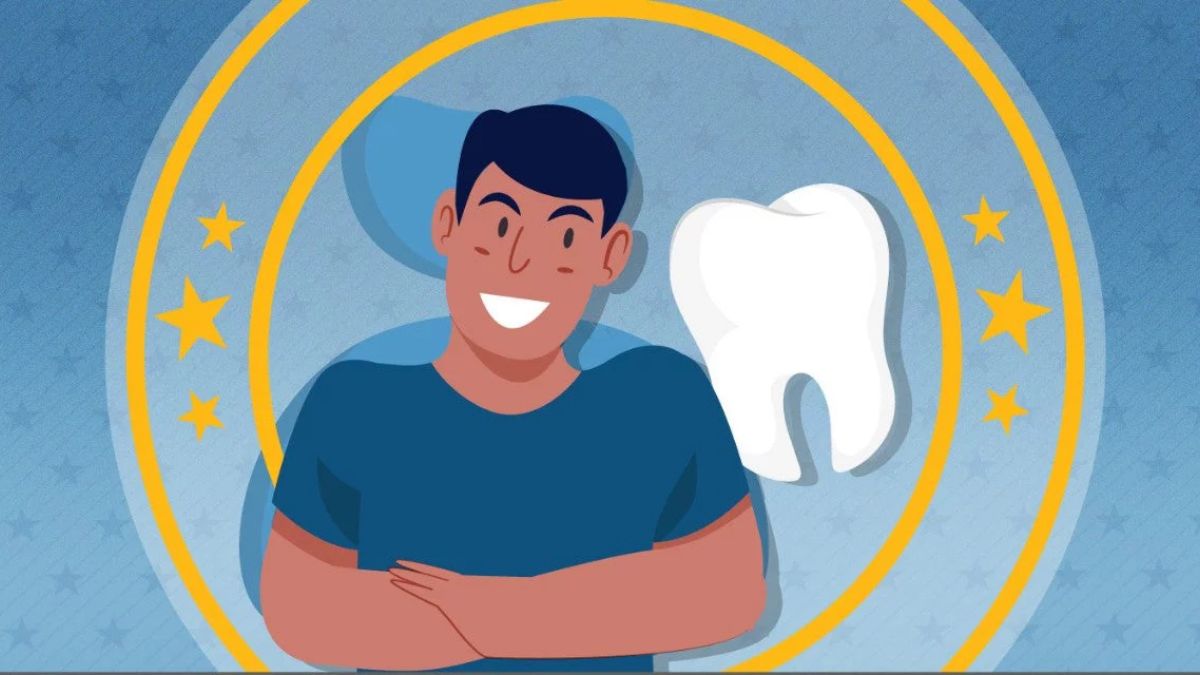
What Is Whole-Body Health, and Why Does It Matter?
Whole-body health goes beyond the absence of illness—it is a holistic approach to well-being that emphasizes the interplay between physical, mental, and emotional health. This integrative perspective considers everything from nutrition and sleep to social connections, physical activity, and routine medical and dental care. For veterans, prioritizing whole-body health is especially vital after transitioning from military service, as they may face unique physical and psychological challenges that require comprehensive attention.
According to the U.S. Department of Veterans Affairs, veterans face higher rates of chronic illnesses, including cardiovascular disease, diabetes, and mental health conditions, than the general population. Regular dental care is a crucial but sometimes overlooked component of whole-body wellness, and many find support through resources like the https://www1.deltadentalins.com/federal/vadip/plans.html, which provides access to dental coverage for veterans’ needs.
Veterans often contend with lingering injuries, stress, and other service-related health issues that may compound over time without proper care. Left unaddressed, problems in one area—such as oral health—can have ripple effects throughout the body. This makes it essential for veterans and their families to understand how dental care integrates into a larger wellness plan to manage existing conditions and prevent new ones.
The Intricate Link Between Oral and Overall Health
Good oral health is intertwined with the body’s major organ systems. Medical research has increasingly highlighted how poor oral hygiene or untreated dental issues can worsen or contribute to heart disease, diabetes, and even respiratory ailments. For example, gum disease (periodontitis) can elevate inflammation throughout the body and may increase the risk of heart attack or stroke.
Chronic conditions prevalent among veterans, such as type 2 diabetes and cardiovascular disease, are especially sensitive to oral health management. Diabetes can make veterans more prone to infections, including gum disease, which in turn can further complicate blood sugar control. Similarly, aspirating bacteria from oral infections can pose added risks for those with lung conditions. Medical case studies have illustrated that veterans who proactively maintain their oral health often experience better outcomes for their chronic illnesses.
[suggestion]Simple illustration of a smiling veteran wearing a cap, with a dental checkup symbol (like a tooth with a shield) and a heart icon beside them, visually connecting oral health to total body wellness.[/suggestion]
Access to Dental Care: A Unique Challenge for Veterans
Despite its importance, accessing dental care is not always straightforward for veterans. Common barriers include the cost of services, geographic limitations, and a lack of awareness of available resources. According to the National Institutes of Health, more than 2 million veterans lack dental coverage, putting them at risk for untreated dental issues.
Government data indicates that only about 15% of veterans qualify for free dental care through the VA. This leaves a significant population relying on alternative dental coverage or foregoing care altogether. Organizations and insurers have created specialized dental support programs to bridge this gap.
How Dental Coverage Addresses Common Barriers
Comprehensive dental coverage can transform veterans’ lives. Quality plans typically include preventive care (such as cleanings and exams), restorative treatments (fillings, crowns, dentures), and emergency services, removing common cost barriers. By lowering or eliminating out-of-pocket expenses, these plans make routine and urgent care accessible, which helps veterans stay on track with their health goals.
Coverage also increases the predictability and affordability of care, supporting earlier detection and treatment of dental issues. Public options (such as VA dental plans) have strict eligibility limits. In contrast, private ones offer greater flexibility and broader access, allowing veterans and their families to select services that fit their unique circumstances. This choice is critical for addressing rural access gaps and for supporting those with complex needs.
Mental Health Benefits of Dental Care
Dental health isn’t just about the body—it’s also key to mental and emotional well-being. A confident, healthy smile can significantly boost self-esteem and improve day-to-day social interactions. Routine dental care can help reduce anxiety and worry related to oral pain, appearance, or function, improving overall mental health.
Emerging research shows strong links between dental health and mental health outcomes. A recent study found that adults who rated their dental health poorly were more likely to report symptoms of depression and anxiety. For veterans managing high levels of stress or PTSD, access to regular dental care can be an important tool for emotional resilience and improved quality of life.
Practical Steps Veterans Can Take to Prioritize Dental Health
Daily routines are central to long-term oral health. Veterans should brush twice daily with fluoride toothpaste, floss daily, and use mouthwash as recommended. Limiting sugary snacks and beverages also helps reduce tooth decay and gum disease risk, especially for those with chronic conditions.
When choosing dental coverage, veterans should ask about plan networks, covered procedures, and potential for coordination with VA or other benefits. Leveraging veteran-specific resources can help maximize options and ensure continuous care.
Whole-Body Benefits: Success Stories From Veteran Communities
Many veterans have experienced a profound turnaround in both health and confidence after obtaining dental coverage and regular care. For instance, a former Army sergeant credits his new dental plan and bi-annual cleanings with helping him manage diabetes more effectively. Support from peers and veteran communities is often instrumental in encouraging others to pursue dental checkups and adhere to treatment plans, highlighting the powerful role of community engagement in health.
Moving Forward: How Dental Coverage Completes the Picture of Veteran Health
Dental health is foundational to whole-body wellness, especially for veterans who face distinct health risks and challenges. By embracing comprehensive dental coverage, veterans can proactively protect their entire well-being—body and mind—enabling a better quality of life post-service. As dental and holistic care options continue to expand, veterans and their families are encouraged to take advantage of available resources and to advocate for complete, integrated health solutions.


Juggling school drop-offs, work deadlines, sports practices, and household chores leaves many parents feeling like exercise is an impossible luxury. When calendar bandwidth is limited, traditional 90-minute gym visits are usually the first thing sacrificed. However, maintaining physical health is not selfish; it is essential for supplying the energy and patience required to parent effectively.
Building a sustainable fitness routine around family life requires abandoning rigid, all-or-nothing expectations. By embracing flexibility, time-efficient strength training, and family-inclusive movement, you can protect your health without sacrificing quality family time.
1. Shift from Rigid Schedules to Flexible Anchor Habits
Quick Answer: Focus on consistency over long durations by establishing “anchor habits”—short, non-negotiable movement blocks tied to daily family routines.
Attempting to follow a strict six-day bodybuilding split or a fixed 6:00 AM workout schedule often leads to frustration when a toddler wakes up sick or a late-night work project pops up. Rigid fitness plans crumble under the unpredictable reality of household management.
Instead, build your family-friendly fitness schedule around anchor habits. Tie short exercise sessions to fixed points in your family’s day—such as a 20-minute resistance circuit immediately after school drop-off or a brisk walk while your child is at swim practice. Treat these windows as flexible appointments that adjust to daily surprises without causing you to abandon your goals completely.
2. Maximize Results with Efficient Busy Parent Workouts
Quick Answer: Prioritize full-body resistance training and compound movements to achieve maximum strength and metabolic benefits in 30 minutes or less.
When time is tight, multi-joint compound exercises—such as squats, lunges, push-ups, and rows—deliver the highest return on investment. These exercises recruit multiple muscle groups simultaneously, burning more calories and building functional strength in half the time of isolated machine exercises.
Executing efficient busy parent workouts means cutting out gym downtime. Eliminate long rests and phone distractions by organizing exercises into supersets or circuits. Moving steadily between non-competing exercises (like alternating between an upper-body press and a lower-body squat) keeps your heart rate elevated and delivers a comprehensive strength session in under half an hour.
3. Eliminate Parental Fitness Guilt and Set Boundaries
Quick Answer: Reframe exercise as a necessary form of self-care that models healthy, active habits for your children rather than a distraction from family duties.
One of the biggest psychological hurdles for parents is feeling guilty about taking 30 to 45 minutes for themselves. It is easy to feel that time spent exercising is time stolen from your partner or children.
In reality, taking care of your body enhances your emotional resilience, stress management, and daily energy levels. When your children see you prioritize physical health, they internalize those habits as normal and desirable. Communicating your workout times clearly with your partner and scheduling mutual breaks creates a supportive household dynamic where both parents thrive.
4. Turn Family Time into Active Movement
Quick Answer: Integrate physical activity into daily family bonding through weekend bike rides, outdoor games, and evening walks rather than treating exercise solely as solo gym time.
Exercise does not always have to happen inside a gym with barbells. Expanding your definition of movement allows you to accumulate physical activity while actively spending time with your children.
- Active Family Outings: Replace sedentary weekend activities with hiking, ice skating, swimming, or family bike rides.
- Playground Conditioning: While your kids play at the park, utilize benches for step-ups, bodyweight dips, and incline push-ups.
- Post-Dinner Walks: Establish a daily 15-minute neighborhood family walk after dinner to encourage digestion, conversation, and gentle cardio.
5. Leverage High-Efficiency Group Classes and Expert Support
Quick Answer: Joining structured, coach-led group sessions helps parents save time by delegating programming and maintaining strict workout timelines.
When working parents enter a gym alone without a plan, valuable time is often wasted deciding which exercises to perform or waiting for equipment. Delegating your workout design to experts eliminates decision fatigue.
Joining a specialized group training gym in Draper offers parents high-efficiency, expert-guided strength workouts that fit cleanly into tight calendars. Working out in a structured group environment provides the structured accountability for parents needed to show up consistently, push to appropriate intensity levels, and finish in 30 minutes flat.
Frequently Asked Questions
How do I stay motivated to exercise when I am constantly exhausted from parenting?
Focus on low-friction, low-intensity movement on high-fatigue days. A light 15-minute walk or mobility session often restores energy and reduces stress far better than crashing on the couch.
What if my children interrupt my home workouts?
Incorporate them into the routine. Give young children lightweight props, let them do “kid push-ups” alongside you, or use them as added resistance during squats and glute bridges.
Building a successful fitness routine around family life is not about finding extra hours in the day; it is about maximizing the efficiency of the time you have. By shifting to flexible anchor habits, focusing on multi-joint strength movements, involving your family in active habits, and leveraging structured group training, you make exercise a natural extension of your home life. Taking care of your physical body ultimately equips you to show up with greater patience, strength, and joy for the people who matter most.


Mental health can influence nearly every part of daily life, including relationships, work, school, sleep, physical health, and overall well-being. Everyone experiences periods of stress, sadness, worry, or emotional difficulty, but sometimes symptoms become persistent enough to interfere with everyday activities.
Knowing when to consider professional mental health care can be an important step toward understanding what is happening and exploring appropriate treatment options. Psychiatrists are medical doctors who specialize in evaluating, diagnosing, and treating mental health conditions.
What Does a Psychiatrist Do?
Psychiatrists receive medical training that allows them to consider both the psychological and physical factors that may contribute to mental health symptoms.
During an evaluation, a psychiatrist may ask about symptoms, medical history, medications, sleep patterns, family history, stressful life events, substance use, and other factors that could be affecting a person’s mental health.
Depending on the individual, treatment may involve medication, psychotherapy, lifestyle recommendations, coordination with other healthcare professionals, or a combination of approaches.
Because every patient is different, psychiatric treatment should be individualized rather than based on a single approach for everyone.
Persistent Anxiety or Excessive Worry
Anxiety is a normal response to stressful situations. However, anxiety that becomes difficult to control or begins interfering with daily activities may deserve professional attention.
Someone experiencing an anxiety disorder may have persistent worry, racing thoughts, difficulty concentrating, irritability, sleep problems, muscle tension, or physical sensations such as a rapid heartbeat.
Some people also begin avoiding places, situations, or activities because of their anxiety. When worry consistently affects work, school, relationships, or everyday responsibilities, a psychiatric evaluation may help determine whether treatment could be beneficial.
Depression That Does Not Improve
Everyone feels sad or discouraged occasionally. Depression, however, can involve symptoms that are more persistent and significantly affect everyday functioning.
Symptoms may include prolonged sadness, loss of interest in previously enjoyable activities, fatigue, difficulty concentrating, changes in appetite or sleep, feelings of hopelessness, or withdrawal from friends and family.
Depression can range considerably in severity. A psychiatrist can evaluate symptoms and discuss potential treatment options based on the individual’s needs and circumstances.
Difficulty Concentrating and Staying Organized
Problems with attention and concentration can have many possible causes. Stress, anxiety, depression, sleep difficulties, medical conditions, medications, and attention-deficit/hyperactivity disorder (ADHD) can all potentially affect a person’s ability to focus.
Adults with ADHD may experience difficulty completing tasks, managing time, staying organized, remembering responsibilities, or maintaining attention during work and conversations.
A psychiatric evaluation can help distinguish ADHD from other conditions that may cause similar symptoms.
Significant Changes in Mood
Everyone experiences changes in mood, but dramatic or recurring shifts may sometimes indicate an underlying mental health condition.
Periods of unusually elevated energy, reduced need for sleep, impulsive behavior, racing thoughts, or unusually rapid speech can be important symptoms to discuss with a mental health professional, particularly when alternating with periods of depression.
Bipolar disorder and other mood conditions require careful evaluation because symptoms can overlap with several other psychiatric and medical conditions.
For people considering psychiatry services in Indianapolis, an evaluation can provide an opportunity to discuss symptoms, concerns, medical history, and potential approaches to treatment.
Sleep Problems and Mental Health
Sleep and mental health are closely connected. Anxiety, depression, PTSD, ADHD, and other conditions may interfere with falling asleep or staying asleep.
At the same time, inadequate sleep can make emotional and psychiatric symptoms more difficult to manage.
Persistent insomnia, major changes in sleeping patterns, or regularly sleeping significantly more or less than usual may therefore be worth discussing during a psychiatric evaluation.
The Effects of Trauma
Traumatic experiences can continue affecting mental health long after the immediate event has passed. Some individuals experience intrusive memories, nightmares, anxiety, emotional numbness, irritability, or avoidance of situations that remind them of the event.
When these symptoms persist and interfere with daily life, they may be associated with post-traumatic stress disorder (PTSD) or another trauma-related condition.
Professional evaluation can help determine the nature of the symptoms and identify appropriate treatment options.
Mental Health Treatment Is Individualized
There is no universal treatment plan that works for every psychiatric condition or every patient. Two people with similar symptoms may have different diagnoses, medical histories, lifestyles, and treatment needs.
This is why a thorough evaluation is an important part of psychiatric care. Treatment decisions can consider the severity and duration of symptoms as well as physical health, current medications, previous treatments, personal preferences, and other relevant factors.
Taking Mental Health Symptoms Seriously
People do not have to wait until mental health symptoms become overwhelming before seeking professional help. Persistent changes in mood, concentration, sleep, behavior, or daily functioning can all be reasons to consider an evaluation.
Early attention to mental health concerns may make it easier to identify what is contributing to symptoms and determine an appropriate path forward.
Seeking psychiatric care is ultimately about obtaining a clearer understanding of mental health concerns and finding treatment strategies designed to improve functioning, stability, and quality of life.

Not all people respond to mental health treatment in the same manner. Standard therapies and medications can take weeks to show results and may not work at all. Despite their attempts to follow various treatment routes, millions of people still face depression, anxiety, and trauma. This loophole has compelled researchers to seek alternatives to traditional methods.
In this endeavor to find a solution, psychedelic compounds have become a promising field of study. After being rejected due to their recreational image, these substances are under scrutiny as they may assist in treating conditions that are not responding to regular treatment. Initial clinical trials indicate that they can provide relief in areas that other treatments have failed.
Modern healthcare is increasingly considering the role of these compounds in treatment. The following is a summary of the current status of the research.
1. Treat Depression and Treatment-Resistant Mental Illness
Patients who experience depression that is not responsive to normal antidepressants may feel stuck. Psychedelic drugs have been considered by researchers as a possible solution to these treatment-resistant cases. There is a focus on compounds like psilocybin, which is a constituent of some mushrooms and can alter mood and thought patterns in people who have gone through one or two guided sessions.
In contrast to traditional antidepressants, which might need to be taken daily over weeks, psychedelic therapies may act in an alternative way. They seem to temporarily expand the brain capacity, enabling patients to see old thought patterns in a new light. This procedure, along with treatment, can enable certain patients to feel relieved of the symptoms that are not only temporary but also enduring.
The clinical trials are in the initial phase, and the outcomes are not consistent across different individuals. Nevertheless, the available data has been impressive to the extent that regulators have granted breakthrough therapy status to some treatments.
2. Support PTSD and Trauma Recovery

Post-traumatic stress disorder can be difficult to treat because trauma often becomes deeply embedded in memory and emotional response. Traditional talk therapy can help, but many patients find it hard to revisit painful memories without becoming overwhelmed.
This is where psychedelic-assisted therapy may offer an advantage. Compounds like MDMA, when used in a controlled clinical setting may reduce fear responses and allow patients to process traumatic memories with less emotional distress. This creates space for deeper therapeutic work during the session.
Veterans, survivors of assault, and first responders have been among the primary participants in PTSD-focused trials. Reported outcomes have shown meaningful symptom reduction for many, though therapy must always be paired with professional supervision, given the intensity of the experience.
3. Ease End-of-Life and Existential Anxiety in Palliative Care
Patients facing terminal illness often experience anxiety, depression, or a sense of hopelessness that goes beyond what standard counseling can address. This emotional burden can affect quality of life just as much as the illness itself.
Psilocybin-assisted therapy has been studied specifically for this population. In supervised settings, a single session may help patients process fear around death and find a renewed sense of meaning or peace. Family members and caregivers involved in these studies have also reported observing positive shifts in patients’ outlook and emotional state.
This application highlights a different side of psychedelic use in healthcare. Rather than only targeting a diagnosis, it addresses the psychological weight that accompanies serious illness; an area of conventional medicine has struggled to treat effectively.
4. Assist Addiction and Substance Use Treatment

Addiction recovery involves more than just stopping substance use. It often requires addressing the underlying patterns of thought and behavior that drive dependency in the first place. Standard treatment programs can help, but relapse rates remain high across many forms of addiction.
Researchers are now studying whether psychedelic compounds can support this recovery process. Psilocybin, for example, has shown potential in early trials for helping people reduce alcohol consumption and manage nicotine dependence. The compound may work by disrupting rigid thought loops connected to craving and habit.
These treatments are typically paired with counseling before and after the psychedelic session, since the medication alone is not considered a stand-alone cure. Instead, it may act as a catalyst that makes patients more receptive to behavioral change during therapy.
5. Enhance Psychotherapy Through Guided, Supervised Sessions
Across nearly every application discussed so far, one factor remains constant: psychedelic compounds are not used in isolation. They are administered within a structured therapeutic framework that includes preparation, a guided dosing session, and follow-up integration therapy.
This model matters because the compounds themselves do not replace the therapeutic relationship. Instead, they may lower psychological defenses and increase emotional openness, which can make therapy sessions more productive. A trained clinician remains present throughout the experience and ensures patient safety.
This is also why psychedelic therapy differs sharply from unsupervised or recreational use. The controlled setting, professional oversight, and follow-up care separate clinical application from casual experimentation, and this distinction is central to how these compounds are positioned in modern healthcare.
Conclusion
Psychedelic compounds are steadily moving from the fringes of medicine toward the center of serious clinical research. Their potential role spans depression, PTSD, palliative care, addiction, and psychotherapy itself, always within a supervised medical framework.
While the science is still developing and not every question has been answered, current findings suggest these compounds may offer real value for conditions that have long resisted standard treatment. As research continues, healthcare providers and patients alike will be watching closely to see how this field evolves and where it may lead next.
-

 NEWS1 year ago
Historical Churches in Manila
-

 TOPIC2 months ago
Unveiling AvTub: Your Ultimate Guide to the Best AV Content
-

 TOPIC1 year ago
Symbols of Hope: The 15th Belenismo sa Tarlac
-

 TOPIC1 year ago
RIZAL at 160: a Filipino Feat in Britain
-

 TOPIC1 year ago
“The Journey Beyond Fashion” – Ditta Sandico
-

 TOPIC4 weeks ago
Understanding Fascisterne: Origins and Ideological Roots
-

 TOPIC1 year ago
Simbang Gabi and Kakanin
-

 TOPIC1 year ago
5 Must-Have Products From Adarna House to Nurture Your Roots