
TOPIC
The History of Eau de Toilette: From Royal Courts to Modern Trends


Introduction to Eau de Toilette
Eau de Toilette has a fascinating journey that spans centuries. This fragrant elixir, once reserved for royalty, has transformed into an everyday staple in our lives. But what exactly is Eau de Toilette? It’s more than just a delightful scent; it holds stories of culture, artistry, and evolution. As we embark on this aromatic adventure through time, you’ll discover its ancient origins and how it blossomed through the ages to become a modern favorite. Whether you’re a perfume aficionado or simply curious about the allure of fragrance, this exploration of Eau de Toilette will captivate your senses and enrich your understanding of this timeless art form.
Origins of Eau de Toilette in Ancient Times
Eau de Toilette traces its origins to ancient civilizations, where scents played a vital role in daily life. The Egyptians were pioneers, blending oils and natural extracts for both personal use and religious ceremonies. They believed fragrances could connect them with the divine.
The Greeks followed suit, using perfumes as status symbols among the elite. Scented oils filled their baths; they understood that aroma could elevate mood and enhance social standing.
Meanwhile, in China, incense was revered for its calming properties during meditation practices. These early uses laid the groundwork for what would eventually evolve into modern perfumery.
As trade routes expanded, aromatic ingredients moved across continents. This exchange sparked innovation in scent creation and contributed to an enduring fascination with fragrance that persists today. Each culture added its own unique twist to scent-making techniques, setting the stage for Eau de Toilette’s eventual rise to popularity.
Eau de Toilette in the Middle Ages and Renaissance Period
During the Middle Ages, fragrances became a symbol of both status and hygiene. The upper classes in Europe embraced scented oils and balms to combat odors in an era when bathing was infrequent.
As the Renaissance unfolded, attitudes towards scent shifted dramatically. Perfume-making flourished as art and science intertwined. Ingredients like rosewater and citrus began to dominate the scene.
Italy became a hub for innovation in perfumery, with skilled artisans crafting intricate blends. This period also saw the rise of Eau de Toilette as a lighter alternative to more concentrated perfumes, making it appealing for daily wear.
Courtiers adorned themselves with fragrant waters, using them not just for allure but also as an expression of individuality. Scented handkerchiefs and gloves became fashionable accessories that spoke volumes about one’s social standing.
In addition to the accessories mentioned above, you may also choose to customize enamel pins as your decorative items. Compared with other decorative items with slightly higher prices, Custom enamel Pins as decorative items are not only inexpensive, but also quick to customize and come with a wide variety of material options.
Adding a family crest, personal motto, or unique pattern to a pin imbues the item with a unique sense of belonging. When pins are decorated on scented handkerchiefs or leather gloves, they are no longer just fashion embellishments but become a manifestation of the wearer’s social status and family heritage.

The Rise of Perfumery in France and the Birth of Modern Eau de Toilette
The rise of perfumery in France during the 17th century marked a transformative era for fragrances. As the age of Louis XIV unfolded, perfume became an essential part of court life. Nobles adorned themselves with elaborate scents, and this trend quickly spread across Europe.
Perfume houses began to flourish in cities like Grasse, known as the world’s perfume capital. Artisans crafted intricate blends that appealed to both men and women.
It was during this time that Eau de Toilette emerged as a lighter alternative to heavier perfumes. Its refreshing nature made it ideal for everyday wear rather than just special occasions.
This shift allowed broader access to fragrant experiences beyond elite circles, paving the way for modern interpretations we cherish today. The birth of Eau de Toilette signaled not just a change in scent but also in how people expressed their identity through fragrance.
Evolution of Eau de Toilette: From Class Symbol to Everyday Use
Eau de Toilette has undergone a significant transformation throughout history. Once reserved for the elite, this fragrant concoction was synonymous with luxury and status. Royal courts in Europe embraced it, showcasing opulent bottles filled with exquisite scents.
As society evolved, so did its accessibility. The 18th and 19th centuries marked a shift as perfumers began to produce Eau de Toilette for the masses. It became a staple in households across varying social classes.
The rise of industrial production further democratized fragrances. With affordable options available, everyone could indulge in their favorite scent without breaking the bank.
Today, Eau de Toilette is not just a sign of affluence; it’s become an everyday essential. People wear it daily—whether at work or while running errands—making personal expression through fragrance more prevalent than ever before.
Current Trends and Popular Brands
Today’s Eau de Toilette market is vibrant and diverse. Consumers are drawn to fresh, light fragrances that can be layered or worn alone. This shift reflects a desire for versatility.
Popular brands like Jo Malone entice with their unique offerings, blending unexpected notes for memorable scents. Diptyque continues to charm with its rich history and artisanal approach to perfumery.
The trend of customization also gains traction. Brands such as Atelier Cologne allow users to create personalized blends, enhancing the scent experience.
Sustainability plays a crucial role too. Eco-conscious consumers gravitate towards brands committed to ethical sourcing and minimal packaging, such as L’Occitane and Aesop.
Social media influences fragrance choices significantly now. With platforms showcasing influencers’ favorites, niche perfumes gain recognition rapidly among new audiences searching for something distinctive yet accessible in Eau de Toilette form.
Future of Eau de Toilette: Sustainability and Innovation
The future of Eau de Toilette is becoming increasingly intertwined with sustainability. As consumers grow more environmentally conscious, brands are responding by prioritizing eco-friendly practices.
Natural ingredients sourced responsibly are taking center stage. This shift not only appeals to the modern buyer but also supports global initiatives for sustainable agriculture.
Innovative packaging solutions are emerging as well. Refillable bottles and recyclable materials reduce waste and encourage mindful consumption.
Moreover, technology plays a role in this transformation. Brands are utilizing AI to create personalized scent experiences while minimizing resource waste during production.
As the industry evolves, we can expect exciting collaborations between perfumers and environmentalists, pushing boundaries beyond traditional fragrance creation into realms that respect nature’s resources. The fusion of elegance and ethical responsibility defines the next chapter of Eau de Toilette, making it relevant for generations to come.
Conclusion
The journey of Eau de Toilette tells a fascinating story that spans centuries. From its ancient origins, where scented oils were cherished by the elite, to its evolution during the Middle Ages and Renaissance when fragrance became intertwined with culture and art, Eau de Toilette has continuously shaped identity.
As we moved into the era of modern perfumery in France, this aromatic concoction transitioned from a luxury reserved for royalty to an accessible staple for everyday individuals. Today’s trends reflect our evolving relationship with scent—favoring lighter formulations that can be layered or worn casually.
With sustainability becoming increasingly important in consumer choices, brands are innovating while staying true to their roots. This harmonious blend of tradition and modernity ensures that Eau de Toilette remains relevant in our fast-paced world.
Embracing diversity in scents along with eco-friendly practices indicates a bright future for this beloved fragrance category. Whether you wear it as part of your daily routine or save it for special occasions, Eau de Toilette will continue to enchant and inspire generations to come.

Juggling school drop-offs, work deadlines, sports practices, and household chores leaves many parents feeling like exercise is an impossible luxury. When calendar bandwidth is limited, traditional 90-minute gym visits are usually the first thing sacrificed. However, maintaining physical health is not selfish; it is essential for supplying the energy and patience required to parent effectively.
Building a sustainable fitness routine around family life requires abandoning rigid, all-or-nothing expectations. By embracing flexibility, time-efficient strength training, and family-inclusive movement, you can protect your health without sacrificing quality family time.
1. Shift from Rigid Schedules to Flexible Anchor Habits
Quick Answer: Focus on consistency over long durations by establishing “anchor habits”—short, non-negotiable movement blocks tied to daily family routines.
Attempting to follow a strict six-day bodybuilding split or a fixed 6:00 AM workout schedule often leads to frustration when a toddler wakes up sick or a late-night work project pops up. Rigid fitness plans crumble under the unpredictable reality of household management.
Instead, build your family-friendly fitness schedule around anchor habits. Tie short exercise sessions to fixed points in your family’s day—such as a 20-minute resistance circuit immediately after school drop-off or a brisk walk while your child is at swim practice. Treat these windows as flexible appointments that adjust to daily surprises without causing you to abandon your goals completely.
2. Maximize Results with Efficient Busy Parent Workouts
Quick Answer: Prioritize full-body resistance training and compound movements to achieve maximum strength and metabolic benefits in 30 minutes or less.
When time is tight, multi-joint compound exercises—such as squats, lunges, push-ups, and rows—deliver the highest return on investment. These exercises recruit multiple muscle groups simultaneously, burning more calories and building functional strength in half the time of isolated machine exercises.
Executing efficient busy parent workouts means cutting out gym downtime. Eliminate long rests and phone distractions by organizing exercises into supersets or circuits. Moving steadily between non-competing exercises (like alternating between an upper-body press and a lower-body squat) keeps your heart rate elevated and delivers a comprehensive strength session in under half an hour.
3. Eliminate Parental Fitness Guilt and Set Boundaries
Quick Answer: Reframe exercise as a necessary form of self-care that models healthy, active habits for your children rather than a distraction from family duties.
One of the biggest psychological hurdles for parents is feeling guilty about taking 30 to 45 minutes for themselves. It is easy to feel that time spent exercising is time stolen from your partner or children.
In reality, taking care of your body enhances your emotional resilience, stress management, and daily energy levels. When your children see you prioritize physical health, they internalize those habits as normal and desirable. Communicating your workout times clearly with your partner and scheduling mutual breaks creates a supportive household dynamic where both parents thrive.
4. Turn Family Time into Active Movement
Quick Answer: Integrate physical activity into daily family bonding through weekend bike rides, outdoor games, and evening walks rather than treating exercise solely as solo gym time.
Exercise does not always have to happen inside a gym with barbells. Expanding your definition of movement allows you to accumulate physical activity while actively spending time with your children.
- Active Family Outings: Replace sedentary weekend activities with hiking, ice skating, swimming, or family bike rides.
- Playground Conditioning: While your kids play at the park, utilize benches for step-ups, bodyweight dips, and incline push-ups.
- Post-Dinner Walks: Establish a daily 15-minute neighborhood family walk after dinner to encourage digestion, conversation, and gentle cardio.
5. Leverage High-Efficiency Group Classes and Expert Support
Quick Answer: Joining structured, coach-led group sessions helps parents save time by delegating programming and maintaining strict workout timelines.
When working parents enter a gym alone without a plan, valuable time is often wasted deciding which exercises to perform or waiting for equipment. Delegating your workout design to experts eliminates decision fatigue.
Joining a specialized group training gym in Draper offers parents high-efficiency, expert-guided strength workouts that fit cleanly into tight calendars. Working out in a structured group environment provides the structured accountability for parents needed to show up consistently, push to appropriate intensity levels, and finish in 30 minutes flat.
Frequently Asked Questions
How do I stay motivated to exercise when I am constantly exhausted from parenting?
Focus on low-friction, low-intensity movement on high-fatigue days. A light 15-minute walk or mobility session often restores energy and reduces stress far better than crashing on the couch.
What if my children interrupt my home workouts?
Incorporate them into the routine. Give young children lightweight props, let them do “kid push-ups” alongside you, or use them as added resistance during squats and glute bridges.
Building a successful fitness routine around family life is not about finding extra hours in the day; it is about maximizing the efficiency of the time you have. By shifting to flexible anchor habits, focusing on multi-joint strength movements, involving your family in active habits, and leveraging structured group training, you make exercise a natural extension of your home life. Taking care of your physical body ultimately equips you to show up with greater patience, strength, and joy for the people who matter most.

If you live in Bon Air, you already know the area has a lot going for it: leafy neighborhoods, changing seasons, and a mix of older homes and newer builds. That same charm can also attract unwanted guests. Moisture, crawl spaces, wood framing, and shaded yards create easy hiding spots for insects and rodents. If you want fewer surprises in your kitchen, attic, or basement, prevention needs to start long before you spot the first trail, droppings, or chewed box.
When professional help makes more sense than DIY
Store-bought sprays and traps can help with minor issues, but they often fall short when pests are nesting behind walls, under floors, or inside crawl spaces. DIY treatment usually targets what you can see. The real problem is often hidden a few feet away.
That’s where pest control services in Bon Air can be useful, especially if you’re dealing with recurring activity, structural risk, or signs of multiple pests at once. A professional approach can include inspection, identification, treatment planning, and prevention steps tailored to local housing conditions.
That local angle matters. Different regions deal with different pressure points, and homes in Bon Air can have specific vulnerability patterns tied to climate, lot design, and construction style. Generic fixes rarely cover all of that well.
Why pests show up even in clean, well-kept homes
You can keep a spotless house and still end up with ants near the sink or mice in the garage. Pests are usually looking for three things: food, water, and shelter. A tiny plumbing leak under a cabinet can matter more than whether your counters sparkle.
Homes in established neighborhoods often have small cracks, aging weatherstripping, and gaps around utility lines. Those details act like open invitations. Seasonal shifts also play a part. Heavy rain can drive pests indoors, while cooler temperatures push rodents to hunt for warmth.
Cleanliness helps, but it’s only one layer of defense. The bigger issue is access. If pests can get in and find what they need, they’ll treat your home like a low-budget resort with free snacks.
The entry points you should check first
Most infestations begin at the edges of a home, not in the middle of a room. Start with doors, window frames, vents, crawl space openings, and the spots where cables or pipes enter the structure. Even a gap the width of a pencil can be enough for some pests.
Walk around your home during daylight and look closely at the foundation. Check for crumbling mortar, loose siding, and torn screens. Inside, inspect under sinks, behind appliances, and around attic access points. Garages deserve extra attention because they often stay open longer and collect clutter.
You don’t need a contractor-level inspection to notice basic warning signs. Drafts, moisture stains, wood damage, and little piles of debris near baseboards can all signal a weak point that pests may already be using.
Moisture control does more work than most people realize
Water quietly fuels a huge percentage of pest issues. Termites, cockroaches, silverfish, and many ant species thrive in damp environments. If your home has poor drainage or humid crawl spaces, you’re giving pests exactly the conditions they prefer.
Check gutters and downspouts to make sure water moves away from the foundation. Fix dripping outdoor spigots and repair indoor leaks quickly, even the slow ones. In basements and crawl spaces, a dehumidifier can make a real difference. Ventilation matters too, especially in bathrooms, laundry rooms, and kitchens.
Outside, avoid overwatering plants that sit close to the house. Wet mulch, standing water, and dense vegetation near exterior walls create cozy shelter zones. Pests don’t need much. A little moisture plus a dark hiding place can be enough to get things rolling.
Yard habits can either help or hurt
Your yard has a direct effect on what ends up inside your house. Overgrown shrubs, stacked firewood, leaf piles, and branches touching the roof can all act like highways for pests. Rodents and insects love easy cover, especially when it sits a few feet from your walls.
Trim bushes so air can move around the exterior. Keep mulch and soil from piling too high against siding. Store firewood off the ground and away from the structure. If you have birdseed, pet food, or trash cans outside, seal them properly and keep the area tidy.
Landscaping choices matter more than many homeowners expect. A beautiful yard doesn’t need to become a wildlife buffet. Smart spacing, regular cleanup, and attention to drainage can reduce the odds of pests settling in close enough to make the jump indoors.
Warning signs you should never ignore
Pest problems usually announce themselves in small ways before turning into expensive ones. You might notice scratching sounds at night, droppings in a cabinet, grease marks along a wall, or bits of shredded material in storage boxes. Insects may leave wings near windowsills, mud tubes on foundations, or odd-smelling activity in hidden corners.
Don’t wait for dramatic evidence. A single mouse sighting can mean more are nearby. A few termites on a warm day may point to a colony you can’t see. Cockroaches seen during daylight often suggest crowding behind the scenes, which is not exactly the kind of population growth you want to encourage.
Early action usually means simpler solutions, lower repair costs, and less stress. Once pests spread through insulation, wiring zones, or structural wood, cleanup gets more complicated fast.
How to build a prevention routine that actually sticks
The most effective pest prevention plan is the one you’ll keep doing. Aim for a simple monthly routine instead of a giant once-a-year cleanup. Check for leaks, inspect door sweeps, empty pantry crumbs, and look around the exterior for new gaps or standing water.
Every season, go a bit deeper. In spring, inspect screens and drainage. In summer, watch for ant activity and yard overgrowth. In fall, seal entry points before rodents look for winter shelter. In winter, monitor attics, basements, and storage areas where pests can stay hidden.
It also helps to keep a short record of what you notice. If the same issue returns in the same area, that pattern tells you something. Prevention works best when it becomes part of regular home maintenance instead of a last-minute reaction.
A smarter approach saves money and headaches
Pest control isn’t only about removing bugs or trapping mice after the fact. It’s about protecting your home, your time, and the things you’d rather not replace. Wood damage, contaminated food, ruined insulation, and surprise repair bills can turn a small oversight into a frustrating project.
If you stay alert to moisture, entry points, and yard conditions, you’ll cut down your risk significantly. Add professional support when signs keep returning or when the issue could affect the structure of your home.
You don’t need to obsess over every bug that lands on the porch light. You do need a practical system. A few consistent habits, paired with timely expert help, can keep your home far less inviting to pests and a lot more comfortable for the people actually paying the mortgage.

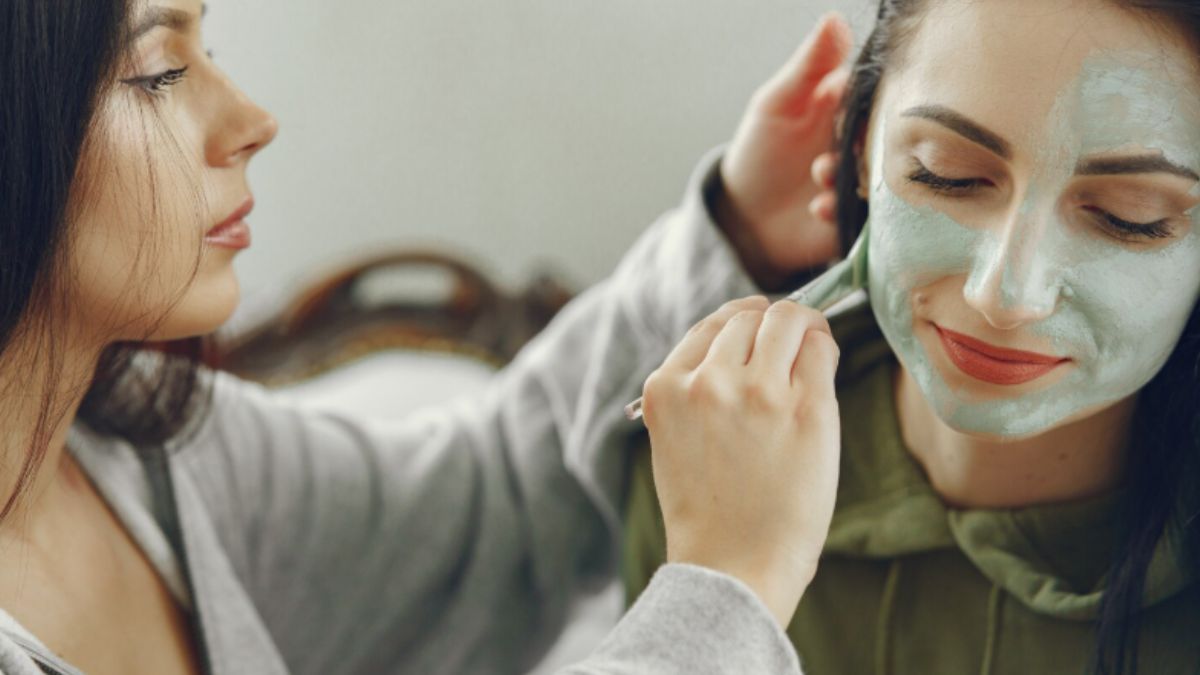
Acne scars pose a significant concern for many individuals seeking to enhance their skin’s appearance and regain confidence. At Muse Clinic, patients encounter professional solutions tailored to treat various types of acne scars effectively. Offering a comprehensive approach, the clinic specialises in techniques aimed at improving skin texture and reducing the visibility of scars.
One of the primary services provided is acne scar treatment, which utilises advanced dermatological procedures. These treatments focus on stimulating the skin’s natural healing processes and promoting collagen production to restore smoother and more even skin.
Understanding Acne Scars
Acne scars develop as a result of inflammation and damage to the skin during acne outbreaks. There are several types of acne scars, including atrophic scars, hypertrophic scars, and keloids. Each type requires a specific treatment approach to achieve optimal results.
Atrophic scars, also known as depressed scars, present as indentations or craters on the skin’s surface. These are the most common type and can vary in depth and shape. Hypertrophic scars and keloids, on the other hand, are raised and result from excessive collagen formation during the healing process.
Consultation and Personalised Treatment Plans
Muse Clinic begins the treatment journey with a detailed skin assessment and consultation. Understanding the patient’s skin condition, medical history, and aesthetic goals enables the creation of a bespoke treatment plan. This personalised plan ensures that the selected procedures not only target the scars effectively but also suit the individual’s skin type and lifestyle.
Advanced Acne Scar Treatment Techniques
The clinic employs a variety of cutting-edge techniques in acne scar treatment. These methods include laser therapy, microneedling, chemical peels, and dermal fillers.
Laser Therapy
Laser treatments work by resurfacing the skin and encouraging collagen regeneration. Fractional laser technology is often utilised to create microscopic injuries in the skin, prompting accelerated healing and improved skin texture over time.
Microneedling
This technique involves the use of fine needles to create controlled micro-injuries in the skin. The procedure stimulates natural collagen and elastin production, resulting in smoother, less scarred skin after a series of sessions.
Chemical Peels
Chemical peels employ specialised chemical solutions to exfoliate the upper skin layers. This process helps to diminish superficial scars and enhances overall skin tone and clarity.
Dermal Fillers
For depressed scars, dermal fillers can be used to elevate the skin surface, thereby reducing the appearance of indentations and creating a more even complexion.
Benefits of Acne Scar Treatments at Muse Clinic
Choosing Muse Clinic for acne scar treatment offers several advantages. The clinic combines expert clinical knowledge, state-of-the-art technologies, and personalised care to deliver effective and safe treatment outcomes.
Patients can expect not only improvements in scar appearance but also enhancements in skin health, texture, and elasticity. The treatments provided aim for natural-looking results without excessive downtime.
Post-Treatment Care and Maintenance
Following acne scar treatment, Muse Clinic emphasises the importance of post-treatment care to maintain and prolong results. This may include the use of specialised skincare products, sun protection, and follow-up appointments to monitor progress.
Detailed guidance is provided to patients to minimise any potential side effects and to ensure optimal skin recovery.
Who Can Benefit from Acne Scar Treatment?
Acne scar treatments at Muse Clinic are suitable for a wide range of individuals, from teenagers to adults who have experienced moderate to severe acne scarring. The treatments are adapted to fit different skin types and tones, ensuring safe and effective results for diverse patient needs.
Booking an Appointment
Individuals interested in improving the appearance of their acne scars are encouraged to contact Muse Clinic for a consultation. The clinic offers a welcoming environment where clients can discuss concerns and receive expert advice on suitable treatment options.
Timely intervention can significantly enhance skin quality and self-confidence.
Expert Staff and Clinic Environment
Muse Clinic’s team comprises experienced dermatologists and skin care specialists dedicated to patient well-being. The clinic is equipped with modern facilities that meet high standards of hygiene and safety.
The professional environment assures patients that their skin care journey is managed with the utmost care and expertise.
Research and Continuous Improvement
The clinic remains committed to integrating the latest scientific advances in skin care treatments. Regular staff training and adoption of innovative technologies ensure that patients benefit from the most effective acne scar therapies available.
Complementary Skin Care Services
In addition to acne scar treatment, Muse Clinic offers an array of skin care services aimed at promoting overall skin health. These include anti-ageing treatments, pigmentation correction, and hydration therapies, all designed to enhance the skin’s appearance and resilience.
Conclusion
Acne scars can affect self-esteem, but effective treatments are available at Muse Clinic to address this concern. Through personalised care, advanced procedures, and expert guidance, patients can achieve significant improvements in their skin’s texture and appearance.
Choosing a trusted clinic like Muse Clinic ensures that the journey towards revitalised skin is both safe and successful.
-

 NEWS1 year ago
Historical Churches in Manila
-

 TOPIC2 months ago
Unveiling AvTub: Your Ultimate Guide to the Best AV Content
-

 TOPIC1 year ago
Symbols of Hope: The 15th Belenismo sa Tarlac
-

 TOPIC1 year ago
RIZAL at 160: a Filipino Feat in Britain
-

 TOPIC1 year ago
“The Journey Beyond Fashion” – Ditta Sandico
-

 TOPIC4 weeks ago
Understanding Fascisterne: Origins and Ideological Roots
-

 TOPIC1 year ago
Simbang Gabi and Kakanin
-

 TOPIC1 year ago
5 Must-Have Products From Adarna House to Nurture Your Roots