
TOPIC
How A Residential Locksmith In Charlotte NC Protects Your Home In 2026


A locked door is supposed to make you feel safe. The trouble starts when that same door keeps you out, or when you realize the people who lived in your house before you may still have a working key. For most Charlotte homeowners, home security is rarely about one dramatic break-in. It is about the small, easy-to-postpone decisions: the deadbolt that came with a 1990s build, the spare key you handed a contractor two years ago, the lock that has started to stick. A trusted locksmith Charlotte NC service exists to handle exactly those moments, before they quietly turn into a real security gap.
In 2026, this matters more than it used to. Charlotte keeps growing, neighborhoods keep turning over, and smart-home hardware has made residential locks more capable but also more complicated. Knowing what a residential locksmith does and when to call one can save you money, protect your family, and keep a minor inconvenience from becoming an expensive emergency, adds property management in Anna Maria Island.
The Real Reason Charlotte Homeowners Call A Locksmith
Most people assume a locksmith is someone you call only when you are standing outside your own front door without a key. That happens, and it is a common call. But in day-to-day residential work, the larger share of jobs is planned, not emergency. Homeowners call after buying a house, after a roommate or tenant moves out, after a relationship ends, after losing a keyring at a Charlotte park or restaurant, or after an attempted break-in leaves a door or lock damaged.
The pattern is simple once you notice it. A locksmith is the person who controls who can physically enter your home. Any time that list of people changes, the locks should change with it. The most overlooked call is the one that never gets made: the new homeowner who simply assumes the previous owner returned every key.
Rekeying vs. Changing Locks: Which One Your Home Actually Needs
Two services get confused all the time, and the difference affects both your security and your bill. Rekeying keeps your existing lock hardware but changes the internal pins, so old keys stop working, and a new key is required. Changing locks means removing the old hardware entirely and installing brand-new locks.
Short version: rekeying is usually the cheaper, faster choice when your locks are in good shape and you simply want old keys to stop working. Replacing locks makes sense when the hardware is worn, damaged, outdated, or when you want to upgrade to a higher security grade or a smart lock.
Rekeying is often the better call when you have just moved in, have lost a key, or want every door in the house to open with a single key. Replacement is worth the extra cost when a lock is physically failing, when the finish and style no longer match a renovation, or when you are stepping up from a basic builder-grade knob to a Grade 1 or Grade 2 deadbolt.
A good residential locksmith in Charlotte NC service will look at your existing hardware and tell you honestly which path fits. There is no reason to replace a solid deadbolt just to lock out an old key, and no reason to keep rekeying a lock that is already wearing out.
Why New Homeowners Should Rekey Before They Unpack
Buying a home in Charlotte is exciting, and security is rarely top of the list on closing day. It should be. When you take possession, you have no realistic way of knowing how many copies of your keys exist. Previous owners, their relatives, real estate agents, contractors, cleaners, pet sitters, and neighbors may all have held a key at some point, and keys are easy to copy and easy to forget about.
Rekeying on move-in day closes that gap for a fraction of the cost of replacing every lock in the house. It is one of the simplest, highest-value security steps a new homeowner can take, and it usually takes a technician under an hour for a standard home.
Smart Locks, Keypads, And Deadbolts In 2026
Residential lock hardware has become more advanced, but the best choice still depends on the door, the household routine, and the level of security needed. Keypad locks, app-controlled smart locks, and traditional deadbolts all solve different problems. For Charlotte homeowners, the goal is not always to install the most expensive device, but to choose hardware that works reliably every day.
| Lock Type
|
Best For
|
Main Benefit
|
What To Check Before Installing
|
| Traditional Deadbolt
|
Main entry doors, side doors, garage-entry doors
|
Strong mechanical security with simple daily use
|
Door alignment, strike plate strength, bolt throw, and lock grade
|
| Keypad Lock
|
Families, rentals, service access, kids coming home from school
|
Keyless entry with programmable access codes
|
Battery access, weather exposure, code management, and backup key option
|
| Smart Lock
|
Homeowners using apps, remote access, or smart-home systems
|
App control, activity logs, auto-lock, and temporary access codes
|
Wi-Fi or Bluetooth connection, battery life, app support, and mechanical override
|
| High-Security Deadbolt
|
Older doors, higher-risk entry points, upgraded home security
|
Better resistance against picking, drilling, and forced entry
|
Door frame condition, reinforced strike plate, and correct installation depth
|
A smart lock can add convenience, but it should not be treated as a shortcut around proper door security. A strong deadbolt, reinforced strike plate, and correctly fitted latch still do most of the real protection work. Before upgrading, a locksmith should check whether the door closes cleanly, whether the frame is solid, and whether the lock can be installed without weakening the entry point.
Handling A Home Lockout Without Damaging Your Door
The lockout is the classic emergency: keys locked inside, a door that swung shut behind you, a broken key snapped off in the cylinder. The instinct to force a window or pry the door usually creates a bigger repair bill than the lockout itself.
A trained residential locksmith works non-destructively first. Picking, bypassing, and specialized entry tools are designed to open the lock without harming the door, frame, or hardware. Drilling is a last resort, reserved for high-security or damaged locks that cannot be opened any other way, and a professional will tell you upfront if that is the case. The goal is to get you back inside with your door, frame, and lock intact.
What Determines The Cost Of Residential Locksmith Service?
There is no single price for residential locksmith work because no two homes are identical. The cost depends on what the job actually involves, the type and condition of your hardware, and when and where the work happens. Rekeying a few standard cylinders is more direct than installing several high-security deadbolts or programming a smart lock system.
The most common factors that affect pricing include:
- Number of locks being rekeyed, repaired, or replaced
- Rekey vs. full hardware replacement
- Hardware grade and type — basic knob, Grade 1 deadbolt, or smart lock
- Condition of the existing locks and door
- Mechanical work only vs. electronic or smart-lock setup
- Service location and travel within the Charlotte metro
- Time of service — scheduled daytime appointment vs. after-hours emergency
The most accurate quote comes after the technician knows what hardware you have and what you are trying to accomplish. A reputable locksmith should be willing to give you a clear estimate before any work begins, not a vague number that balloons on the invoice.
Why A Local Mobile Locksmith Beats A DIY Kit Or A Long Wait
Hardware-store rekey kits and online tutorials exist, and for a handy homeowner they can work on a single simple lock. The limits show up fast: the kits only fit specific brands, they do not cover high-security or smart hardware, and a small mistake can leave a door that will not lock at all. When the lock protecting your family is involved, trial and error is a risky place to learn.
A local mobile locksmith comes to your home with the right blanks, tools, and experience, handles multiple lock types and brands in a single visit, and stands behind the work. For a growing city where traffic, work schedules, and school pickups already eat the day, having the technician arrive at your door, rather than the other way around, turns a half-day project into a short appointment.
Finding A Trusted Residential Locksmith In Charlotte
When you hire a locksmith, you are trusting someone with direct access to your home. That makes it important to choose a licensed, local, and transparent professional. In Charlotte, homeowners should confirm North Carolina locksmith licensing, check nearby homeowner reviews, ask about pricing before the work starts, and work with a technician who can clearly explain the difference between repair, rekeying, replacement, and smart lock installation.
A reliable locksmith should also verify ownership or authorized access before making keys or opening a property. After the work is complete, every lock should be tested for smooth operation, proper latch alignment, and secure function. These small details matter because residential locksmith work is not only about solving an immediate problem, but also about keeping the home safe for daily use.
For homeowners comparing service options, KeyTech Locksmith is one local Charlotte provider that handles rekeying, lock changes, smart lock installation, home lockouts, and residential security upgrades.
FAQs
How Much Does It Cost To Rekey A House In Charlotte?
It depends on the number of locks and their type, but rekeying is generally far cheaper than replacing hardware. A technician can give an exact quote once they know how many cylinders you have and whether you want them all keyed alike.
Should I Rekey Or Replace My Locks After Buying A Home?
Rekeying is usually enough if the existing locks are in good condition and you only need old keys to stop working. Replace locks if the hardware is worn, damaged, outdated, or you want to upgrade the security grade or add a smart lock.
Can A Locksmith Get Me Into My House Without Breaking The Lock?
In most cases, yes. A professional uses non-destructive entry methods such as picking and bypass tools to open the door without damaging it. Drilling is only a last resort for high-security or already-damaged locks.
Are Smart Locks Safe For My Home?
A quality smart lock can be very secure, but only when it is installed on a solid door with a reinforced frame and a reliable mechanical backup. The hardware and installation matter more than the app, which is why professional setup is worth it.
How Long Does It Take To Rekey Or Change Locks?
For a standard home, rekeying or swapping a few locks typically takes under an hour. Smart-lock installation or homes with many doors and high-security hardware can take longer.

A hairstyle can change the way you look, but the right wig can also change the way you feel throughout the day. For people who want noticeable volume without a hairstyle that feels overly heavy or complicated, a feather wig offers an interesting balance. It brings together softness, movement, fullness, and everyday versatility in a style that can work for both relaxed and polished looks.
Isee Hair feather wigs are designed for those who enjoy the appearance of abundant hair while still wanting a comfortable and natural-looking finish. The idea behind this type of wig is simple: create a fuller silhouette while keeping the overall appearance soft and effortless. Instead of making the hair look rigid or overly arranged, the feather-inspired design allows the style to have movement and dimension.
What Makes a Feather Wig Different?
A feather wig is not about adding literal feathers to the hairstyle. The name describes the lightweight, flowing character of the design. The hair is arranged to create a soft visual effect, allowing different sections to blend into one another instead of forming a stiff, uniform shape.
This makes the style particularly attractive to people who want volume without an exaggerated finish. The hair can look lively and dimensional while retaining a relaxed appearance. When worn correctly, a feather wig can complement the wearer’s facial features rather than becoming the only noticeable part of the look.
Isee Hair’s approach focuses on combining a generous shape with a wearable design. This gives the wearer an opportunity to enjoy the fullness of a wig while maintaining a sense of movement and softness.
Soft Edges for a More Natural Finish
The front of a wig plays an important role in its overall appearance. Even a beautiful hairstyle can look less convincing when the edges appear too harsh or overly defined. Soft edges help create a smoother visual transition between the wig and the wearer’s natural features.
With an Isee Hair feather wig, the styling can be adjusted according to the desired look. Some wearers may prefer a neatly defined appearance, while others may enjoy a slightly relaxed hairline that gives the hairstyle a more casual character.
The softness around the edges can also make the hairstyle easier to adapt to different outfits and occasions. A subtle finish can work during the day, while a more carefully arranged style can become suitable for an evening event.
Fullness Without an Overdone Appearance
One of the main reasons people choose wigs is the opportunity to create a fuller hairstyle. However, fullness does not have to mean excessive density. Too much volume can sometimes make a style appear heavy or unnatural.
A well-designed feather wig takes a different approach. The goal is to distribute the hair in a way that produces visual richness while preserving movement. Layers, texture, and direction work together to give the hairstyle a rounded and lively shape.
This makes the style suitable for anyone who likes hair that looks abundant but does not want it to appear overly structured. The result can be especially attractive when the hair is allowed to move naturally instead of being fixed into one position.
Styling Possibilities for Different Looks
Versatility is another reason a feather wig can become a useful addition to a hair collection. A single wig does not have to create only one appearance. Small styling changes can make the same unit feel completely different.
For a simple everyday appearance, the hair can be left loose with its natural movement. For a more sophisticated look, the front can be arranged carefully and the lengths shaped around the face. Depending on the specific wig design, the hair may also be adapted into different arrangements when the wearer wants something more distinctive.
This flexibility makes a feather wig suitable for a range of situations, including casual outings, workdays, celebrations, photographs, and special occasions.
Why Human Hair Can Be an Advantage
When selecting a wig, the type of hair used is an important consideration. Human hair has a natural appearance and movement that can make a wig feel more realistic. It can also provide greater freedom when it comes to styling and creating a personalized look.
For people who regularly change their hairstyles, this flexibility can be valuable. Instead of being restricted to the original shape, a human-hair wig can be approached more like natural hair, provided it is handled carefully.
This is particularly useful with a feather style because the character of the hairstyle comes from movement and shape. Being able to gently restyle the hair can help the wearer maintain the appearance they prefer.
Comfort Matters Too
A beautiful wig is only truly useful when it is comfortable enough to wear. This is especially important for people who intend to wear a wig for several hours at a time.
A feather wig is appealing partly because its concept emphasizes a lighter, less cumbersome experience. The construction, fit, and density all contribute to how comfortable the wig feels. An adjustable fit can also make a difference because a wig that sits securely is easier to wear with confidence.
Before choosing a wig, it is therefore worth considering head size, preferred cap style, hair density, and the amount of time you expect to wear it. A good fit can make the difference between constantly adjusting a wig and simply enjoying your hairstyle.
Caring for Your Feather Wig
Proper care can help preserve the appearance of a wig for longer. Although human hair offers styling flexibility, it still requires attention and gentle handling.
Begin by detangling the hair carefully, particularly around areas where knots tend to form. Avoid pulling aggressively through tangled sections. When washing is necessary, use products that are appropriate for the hair and avoid excessive manipulation.
Heat styling should also be approached thoughtfully. Frequent exposure to high temperatures can affect the condition of the hair over time. If heat is used, moderate settings and suitable heat protection can help reduce unnecessary stress.
When the wig is not in use, keeping it in a clean and protected place can help prevent tangling, dust accumulation, and unwanted changes to its shape.
Is an Isee Hair Feather Wig Right for You?
The ideal wig depends on personal preference, but a feather wig can be a strong choice for someone who wants softness and volume in the same hairstyle. It offers a way to experiment with fullness without automatically creating a heavy or overly formal appearance. For those who also appreciate convenience, Isee Hair glueless wigs can be an appealing option, especially when an easy-to-wear style is a priority.
Isee Hair Feather Wigs can appeal to people who value a natural-looking shape, flexible styling, soft edges, and an effortless finish. Whether the goal is a subtle transformation or a more noticeable change, the feather style provides plenty of room for personalization while keeping the overall look comfortable and easy to manage.
Final Thoughts
A great wig should not make you feel as though you are wearing someone else’s hairstyle. It should give you the freedom to make the look your own. That is the real appeal of a feather wig.
With its emphasis on softness, movement, fullness, and versatility, an Isee Hair Feather Wig can bring a fresh dimension to everyday styling. It offers volume without demanding an overly dramatic appearance and provides enough flexibility to suit different moods, outfits, and occasions.
For anyone searching for a hairstyle that combines a fuller shape with an easygoing character, the feather wig is a style worth exploring. Its effortless appearance can make a simple hair change feel lik
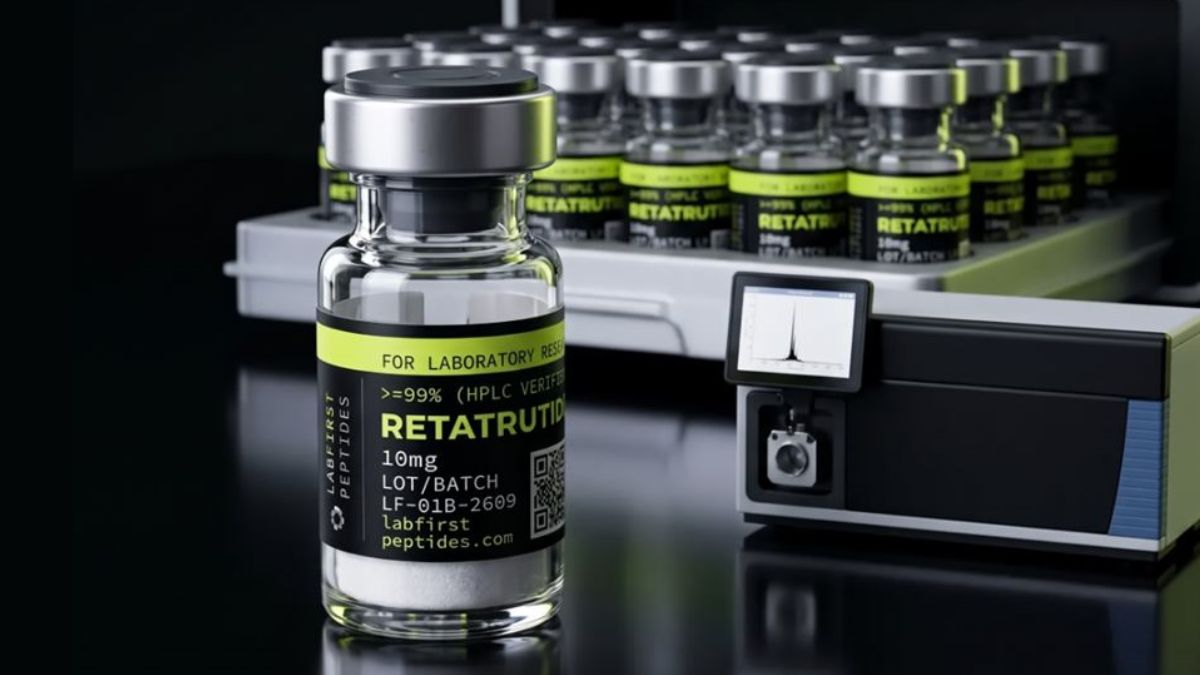
LabFirstPeptides.com has become a practical starting point for researchers who want clear, plain-language answers about how research peptides are tested and what a certificate of analysis proves. If you are new to sourcing research materials, or you have been buying them for years and still second-guess what the paperwork means, structured education matters more than another confident claim on a product page.
This guide walks through what a resource like labfirstpeptides.com is built to explain: how peptide testing works, how to read a certificate line by line, and what researchers should know about retatrutide, one of the most searched research compounds of the past two years. Everything here concerns laboratory research. Research peptides are not approved medicines, and nothing in this guide is medical advice.
What LabFirstPeptides.com Covers
LabFirst Peptides is a US research peptide supplier based in Santa Ana, California. Its site grew around one idea: a buyer should be able to check a supplier’s quality claims without taking the supplier’s word for them. The education on the site follows from that, and it does four jobs.
It explains the measurements a laboratory uses to test a peptide. It shows how to read a certificate of analysis and spot a weak one. It publishes the standard every batch must meet before it ships. And it links each product to the certificate for the specific lot being sold.
Searchers often arrive looking for a single answer: is this vial what the label says? The rest of this guide is about how to answer that question yourself.
Why Peptide Testing Matters More Than Ever
The research peptide market has grown quickly. Popular compounds now appear on hundreds of websites, often at very different prices. That growth has brought more choice, and also more variation in quality.
Independent testing groups that buy products anonymously and publish their results have shown that labels and contents do not always match. A vial can contain less material than its label states, a different compound, or impurities that a single purity figure hides. For a laboratory, any of those problems can quietly undermine an experiment.
That is why the certificate of analysis matters. It is the only document that records what a laboratory measured in a specific batch. A label is a claim. A certificate is evidence, provided it contains the right information.
The Three Measurements on a Certificate
A complete certificate answers three separate questions. Weak certificates tend to answer one and imply the rest.
Retatrutide research lot LF-01B-2609 beside a mass spectrometer, LabFirst Peptides
Identity: Is It the Right Molecule?
Identity testing confirms the compound is what the label claims. For peptides, laboratories most often use liquid chromatography paired with mass spectrometry, usually written LC-MS. The instrument measures the mass of the molecule, and the laboratory compares that measured mass with the value predicted from the molecule’s structure.
Reference values for many compounds are published in PubChem, the public chemistry database run by the U.S. National Library of Medicine. A certificate that reports the measured mass, and states that it matches the reference, is giving you evidence. A certificate that says “conforms” with no number is giving you a summary you cannot check.
Purity: How Much of It Is the Right Thing?
Purity is typically measured by high-performance liquid chromatography, or HPLC, and reported as a percentage. The method separates the components of a sample, and the main peak’s share of the total is reported as purity.
Purity is useful, but it answers a narrower question than most buyers assume. It tells you how uniform the material is. It does not tell you what the material is. A cleanly made batch of the wrong peptide can still report 99 percent purity, which is why purity without an identity result proves very little.
A good certificate also names the method behind the number, for example the column type and detection wavelength. A percentage without a method is difficult to interpret or compare.
Net Content: How Much Is in the Vial?
Net content is the measurement most often missing, and for many researchers it matters most.
A vial labeled 10 mg contains the peptide plus residual water and salts left from manufacturing and freeze-drying. Net content testing measures how much of the peptide is present compared with the labeled amount. Without it, there is no way to know whether a 10 mg vial holds 10 mg, 9 mg or 12 mg.
That uncertainty affects more than accuracy. It also makes price comparisons meaningless. Two suppliers can list the same “10 mg” vial at different prices, and without net content data a researcher cannot tell which one offers more material per dollar. I have watched buyers agonize over a few dollars’ difference between two listings when neither seller had published the one number that would have settled it.
Reading a Certificate, Step by Step
When a certificate arrives, or when you open one linked from a product page, work through it in order.
- Find the lot number. It should match the lot printed on the vial. A certificate that is not tied to a specific lot cannot tell you anything about the vial in your hands.
- Check the identity line. Look for the method, usually LC-MS, and a measured mass or a clear statement that the mass matches the reference.
- Read the purity result and its method. Note the percentage and the method used to produce it.
- Look for net content. If it is present, compare the measured amount with the label.
- Note the testing laboratory and date. The laboratory should be identifiable and the date should make sense for the batch.
- Look for a verification route. Many laboratories provide a lookup code or sample number so the report can be confirmed directly with them.
If any of these pieces are missing, the certificate is incomplete, even if the numbers that are present look impressive.
Red Flags in Peptide Certificates
Weak or recycled certificates tend to fail in predictable ways.
- No lot number, or a lot number that does not match the vial.
- A purity figure with no identity result. This is the most common gap.
- The same certificate reused across products, sizes or months. Genuine reports change their dates, sample identifiers and lot numbers.
- No way to verify the report with the issuing laboratory.
- A testing laboratory that cannot be found. A real laboratory has an address, contact details and other clients.
- Results that are too round or too uniform. Real measurements vary from batch to batch.
None of these automatically proves a product is bad. Each one does mean the certificate cannot be relied on as evidence.
Verifying a Certificate Independently
The purpose of third-party testing is that a buyer should not have to trust the seller. Verification is how that works in practice.
Match the lot number on the certificate to the vial. Some suppliers, LabFirst Peptides among them, post every lot’s report on a public certificates page so the lot can be checked before ordering. Look up the report directly with the laboratory that issued it, using the code or sample number provided, rather than relying on a copy the seller sends. Compare the measured mass with the reference value in PubChem. If anything does not line up, ask the seller to explain in writing.
For the highest confidence, researchers increasingly send a sealed sample to a separate laboratory and compare the results with the supplier’s certificate. Suppliers that stand behind their testing tend to welcome this, and some now state in writing what they will do if an independent result disagrees with their certificate.
Retatrutide research vials in their case, LabFirst Peptides
Retatrutide Basics for Researchers
Retatrutide is a good example of why all of this matters, because it is one of the most widely sold research compounds online.
What Retatrutide Is
Retatrutide is an investigational peptide developed by Eli Lilly under the research code LY3437943. It is a single synthetic peptide built on a modified GIP (glucose-dependent insulinotropic polypeptide) backbone, designed to bind three hormone receptors: the GIP receptor, the GLP-1 receptor and the glucagon receptor. That triple-receptor design is why it is sometimes called a “triple agonist,” and why it is nicknamed “GLP-3” online, even though no hormone called GLP-3 exists.
Structurally, retatrutide includes several non-standard amino acids and a fatty acid chain attached through a linker. Those features matter for identity testing, because they fix the molecule’s expected mass and help distinguish it from similar peptides.
Retatrutide is not an approved medicine. Material sold online is research-grade and intended for laboratory work only.
Why Retatrutide Is a Testing Priority
Because retatrutide is heavily searched and widely sold, it attracts the widest range of suppliers, and the widest range of quality. Researchers comparing retatrutide peptide listings will find very different prices, and price alone says nothing about what is in the vial.
For retatrutide specifically, the three measurements carry particular weight. Identity confirms the vial is retatrutide rather than a related peptide. Purity shows how much of the material is the intended compound. Net content shows whether the labeled amount is accurate, which is the only way to compare prices fairly.
What a Good Retatrutide Certificate Shows
A complete retatrutide certificate should include:
- The lot number, matching the vial.
- An identity result by LC-MS, with the measured mass consistent with the reference value.
- A purity result by HPLC, with the method named.
- A net content result, stated against the labeled amount.
- The testing laboratory, the test date and a way to verify the report.
LabFirstPeptides.com publishes this information for each tested lot, and its retatrutide certificate of analysis guide walks through a real certificate line by line.
Storing Retatrutide in the Laboratory
Like most research peptides, retatrutide is supplied as a lyophilized, or freeze-dried, powder in a sealed vial. In that form it is relatively stable. General laboratory practice for lyophilized peptides is to keep sealed vials cold, dry and away from light, and to limit the number of times a vial is warmed and cooled. Short periods at room temperature, such as during shipping, are generally tolerated by sealed lyophilized material, after which vials should go into cold storage. Researchers should follow the storage guidance on the product page and their own laboratory’s protocols.
Using LabFirstPeptides.com Alongside Your Own Process
The most useful way to use a resource like labfirstpeptides.com is as a reference you check against. It does not replace your own verification. Read the published standard. Open the certificate for the lot you are considering. Confirm it with the laboratory. Then decide.
That process works for any supplier. The habits that protect a laboratory are the same everywhere: look for identity, purity and net content, each with a real value, make sure the lot matches, and verify the report with the laboratory that issued it.
The Bottom Line
Peptide testing is not complicated once you know what to look for. A certificate of analysis should answer three questions: is it the right molecule, how pure is it, and how much is there. For a compound as widely sold as retatrutide, those answers are the difference between a reliable experiment and an expensive guess.
LabFirstPeptides.com was built to make those answers easy to find and easy to check. Whatever supplier a laboratory chooses, the principle holds: trust the measurement, verify the report, and let the certificate decide.
Retatrutide and other research peptides discussed in this guide are sold for laboratory research use only. They are not approved for human or veterinary use, and this guide is not medical advice.

Buying a home in Austin, Texas, is not simply a search for the right kitchen, square footage, or listing price. The neighborhood shapes the daily experience: the morning drive, access to trails and groceries, school routes, weekend plans, and the amount of maintenance a property may require. Buyers comparing areas across Austin and nearby Texas markets may benefit from speaking with Austin real estate agents who understand address-level differences. DEN Property Group is an independent Texas real estate firm with an Austin office and services spanning residential homes, commercial property, developments, land and ranch opportunities, and off-market listings. That local focus can be useful when weighing established central neighborhoods against newer communities and surrounding areas.
Set Your Priorities Before You Tour Homes
There is no universally “best” Austin neighborhood. A household working downtown, a remote worker seeking a larger yard, and a buyer who needs frequent access to the airport may reach very different conclusions about the same area. Start with a short list of priorities before scrolling through listings.
- Maximum comfortable monthly housing payment
- Commute destinations and acceptable travel time
- Home size, layout, parking, and outdoor space
- School assignment or childcare needs
- Walkability, parks, dining, medical care, and grocery access
- Preference for quieter streets or a more active urban setting
A focused list prevents attractive finishes from outweighing practical needs. A renovated home can still be a poor fit if the route to work, school, or essential services creates daily friction.
Compare the Full Monthly Cost
List price is only one part of affordability. Build a simple side-by-side worksheet for every property or neighborhood under consideration. Include mortgage principal and interest, property taxes, homeowners’ insurance, HOA dues, utilities, likely maintenance, parking costs, tolls, and fuel or transit expenses. A lower-priced home may not result in a lower monthly cost. An older property can require a larger repair reserve, while a condo or planned community may have recurring association fees. Request current information for the specific property rather than estimating from a neighborhood name alone.
Measure the Commute in Real Conditions
Map estimates are a starting point, not a final answer. Drive or ride the route during the times you would normally leave for work, school drop-off, appointments, or errands. Watch for backups, construction, toll road options, difficult turns, transit connections, and access to major employment centers. An additional 20 minutes each way becomes more than three hours of travel over a five-day workweek. It can also increase fuel, toll, parking, and childcare timing considerations. Visit a promising neighborhood on more than one day, including a weekday evening and a weekend.
Verify Schools at the Exact Address
School assignments can vary within a community, and boundaries or program availability may change. Do not rely only on a listing description or an informal neighborhood label. Use the address search and district information available through Texas school information tools to review the currently assigned elementary, middle, and high schools. State ratings and performance data can provide useful context, but they are not the sole basis for the decision. Consider transportation, special programs, after-school needs, school start times, boundary policies, and your household’s needs. Confirm important details directly with the appropriate district before making a final decision.
Look at Housing Style and Property Condition
Established Austin neighborhoods may offer mature trees, distinctive architecture, established streets, and long-standing local businesses. They may also include older roofs, plumbing, electrical systems, foundations, or drainage features that deserve closer review. Newer communities can offer modern floor plans, newer systems, and builder warranties, but buyers should understand HOA rules, lot configuration, nearby construction plans, and what remains unfinished in the development. Whether the home is older, renovated, newly built, attached, or detached, budget for a thorough inspection. Consider specialist evaluations when there are questions about foundation movement, roofing, drainage, major renovations, or signs of water intrusion.
Check Flood Exposure, Drainage, and Insurance Needs
Research water risk before submitting an offer. Review available mapping through the FEMA Flood Map Service Center, then ask an insurance professional how the address, coverage choices, and property features may affect insurance needs. A location outside a mapped high-risk area can still experience localized drainage issues.
- Look for standing water, low spots, and downspouts that discharge near the foundation.
- Ask about prior water intrusion, drainage work, retaining walls, and drainage channels.
- Inspect grading, gutters, staining, and the condition of nearby creeks or drainage paths.
Review Amenities and Everyday Convenience
Compare the places you will use every week, not only destination attractions. Check the real-world access to grocery stores, parks, trails, medical care, libraries, restaurants, coffee shops, childcare, and public transportation. Sidewalks alone do not guarantee practical walkability. Road crossings, shade, lighting, traffic speed, parking, and the comfort of the route matter too. Walk or drive the immediate area during the day, after dark, and on weekends. Notice noise levels, visitor parking, nearby commercial activity, and whether the neighborhood feels functional at the times you actually expect to use it.
Build a Simple Neighborhood Scorecard
- Set a maximum monthly housing budget, including taxes, insurance, dues, and maintenance.
- List the most important commute and errand destinations.
- Confirm school assignments for each exact address.
- Record property condition, likely repairs, flood and drainage observations, and nearby development.
- Visit each area at different times of day.
- Score each neighborhood based on lifestyle fit, not price alone.
Common Questions About Comparing Austin Neighborhoods
What should buyers compare first?
Start with the total monthly cost and the commute. These factors affect daily life and long-term flexibility more consistently than cosmetic finishes.
Should buyers choose a newer or older neighborhood?
Neither is automatically better. Compare location, lot size, home design, maintenance expectations, amenities, HOA requirements, and the property’s specific condition.
How many neighborhoods should buyers tour?
A short list of three to five areas is often manageable. Narrow the list after real-world visits, route testing, and cost comparisons.
Do school ratings tell the whole story?
No. They are one piece of context alongside boundaries, programs, transportation, timing, and household priorities.
Choose the Austin Neighborhood That Fits Real Life
The right Austin neighborhood should support your routine, budget, and plans in 2026. Compare full costs, travel time, school details, property condition, drainage concerns, and everyday convenience before deciding. A home may be the purchase, but the neighborhood is the setting for the life you will live there.
Conclusion
Choosing an Austin neighborhood means considering how a location will support your daily routine, budget, and plans beyond the home purchase. Compare the full cost of ownership, test commute routes, verify school information, and look closely at property condition, drainage, and insurance needs. It also helps to visit each area at different times and check how easily you can reach the places you use regularly. A newer community and an established neighborhood may offer different benefits and responsibilities, so focus on the details of each property rather than relying on broad assumptions. With clear priorities and careful comparisons, buyers can narrow their options and identify a home and neighborhood that fit real life.
-

 NEWS1 year ago
Historical Churches in Manila
-

 TOPIC3 months ago
Unveiling AvTub: Your Ultimate Guide to the Best AV Content
-

 TOPIC1 year ago
Symbols of Hope: The 15th Belenismo sa Tarlac
-

 TOPIC1 year ago
RIZAL at 160: a Filipino Feat in Britain
-

 TOPIC1 year ago
Simbang Gabi and Kakanin
-

 TOPIC2 months ago
Understanding Fascisterne: Origins and Ideological Roots
-

 TOPIC1 year ago
“The Journey Beyond Fashion” – Ditta Sandico
-

 NEWS4 months ago
What Caused Delta Flight DL275 to Diverted LAX? A Detailed Breakdown