
TOPIC
What to Do When a Plumbing Problem Becomes an Emergency

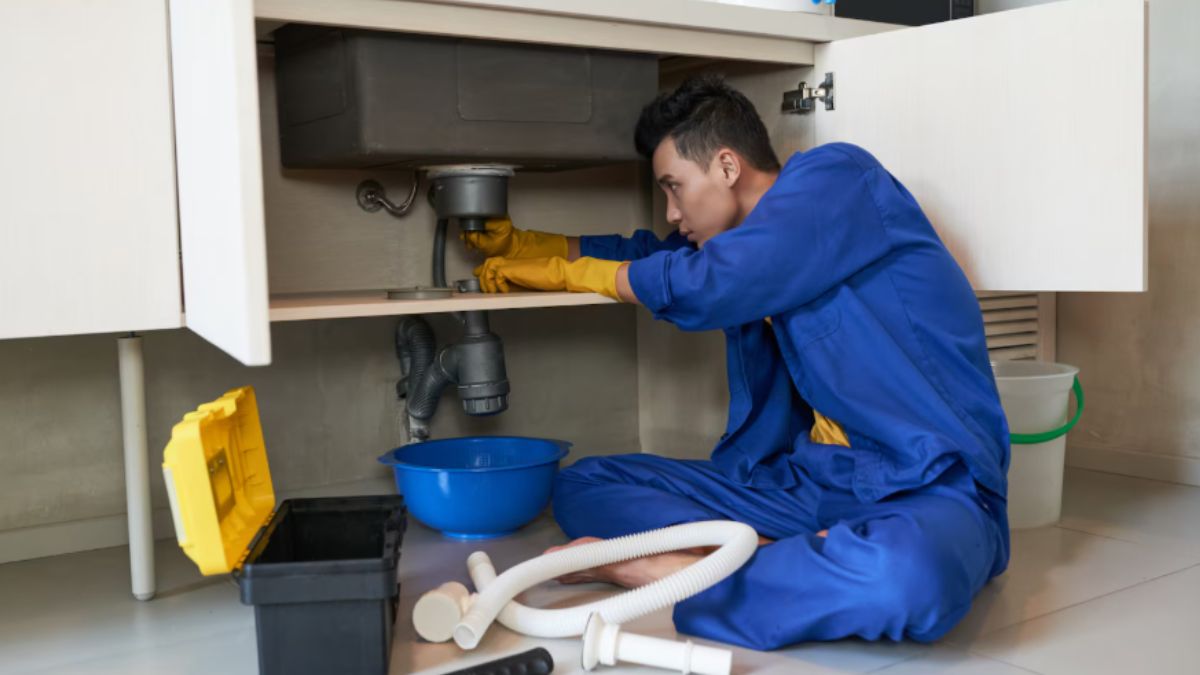
Plumbing problems can happen without warning, and some situations require immediate attention to prevent serious damage to a property. A small leak may quickly become a major water issue, while a blocked drain can eventually cause wastewater to back up into sinks, showers, or other fixtures. Problems involving burst pipes, overflowing toilets, broken water heaters, or sudden loss of water can also disrupt normal routines and create expensive repair needs. Knowing how to respond during these situations can help reduce damage and make the repair process easier. When a problem appears serious or continues to worsen despite basic precautions, contacting an emergency plumber can provide the professional assistance needed to identify the cause and restore the plumbing system safely.
Understanding What Makes a Plumbing Problem an Emergency
Not every plumbing issue needs immediate professional attention, but certain warning signs should never be ignored. A rapidly spreading leak, burst pipe, overflowing sewage, or complete loss of water can affect walls, floors, ceilings, electrical systems, and personal belongings. Even when the visible problem appears small, hidden water can travel behind walls and under flooring, creating conditions that encourage mold growth and structural deterioration. The longer a major plumbing problem remains unresolved, the greater the potential for repair costs to increase. For situations involving uncontrolled water or serious plumbing failures, an emergency plumber can assess the problem and determine the safest and most effective course of action.
Common Problems That Require Fast Attention
Burst pipes are among the most concerning plumbing emergencies because they can release a large amount of water in a short period. A pipe may burst because of age, corrosion, excessive pressure, freezing conditions, or physical damage, and the resulting water flow can quickly affect multiple areas of a building. Severe drain blockages can also become emergencies when wastewater begins backing up through sinks, toilets, floor drains, or showers. A malfunctioning water heater may create additional concerns if it is leaking heavily, producing unusual sounds, or failing to control water temperature properly. In these situations, an emergency plumber can locate the source of the failure, shut down the affected system when necessary, and recommend repairs based on the condition of the plumbing components.
The Importance of Acting Quickly
Speed matters when water is escaping from a damaged pipe or fixture because even a short delay can allow significant amounts of water to spread. Homeowners and property managers should avoid panicking and instead focus on limiting the immediate damage while professional help is arranged. If it is safe to do so, the main water supply can be turned off to reduce continued water flow, and electrical equipment located near standing water should not be touched. Valuable belongings can be moved away from the affected area when doing so does not create a safety risk. Calling an emergency plumber as soon as the situation is recognized can help ensure that the underlying problem is addressed before it causes additional damage.
Signs of a Hidden Plumbing Problem
Some plumbing emergencies develop gradually rather than appearing suddenly. Damp patches on walls or ceilings, unexplained increases in water bills, persistent musty odors, unusually low water pressure, and sounds coming from pipes when fixtures are not being used can all indicate a hidden issue. Slow drains may also be an early warning sign of a developing blockage that could eventually result in a complete backup. Ignoring these signals may allow a minor defect to become a much more complicated repair. If several warning signs appear at the same time or a suspected leak is located behind a wall or beneath a floor, an emergency plumber can use professional diagnostic methods to identify the source without relying solely on visible evidence.
Why Professional Diagnosis Matters
A plumbing emergency is not always as straightforward as it first appears. Water coming from one location may actually originate from a damaged pipe several feet away, making it difficult to identify the true source without proper inspection. Attempting to repair a serious problem without understanding its cause can sometimes make the situation worse or result in temporary repairs that fail again. Professional plumbers have access to specialized equipment and experience that allow them to investigate leaks, blockages, pressure problems, and damaged components more efficiently. Working with an emergency plumber also provides an opportunity to address the underlying cause rather than simply dealing with the water or symptoms that are immediately visible.
Protecting Your Property From Water Damage
Water damage can affect much more than plumbing fixtures, especially when a leak continues for an extended period. Moisture can soak into flooring, drywall, insulation, cabinets, furniture, and other materials, while prolonged dampness may contribute to unpleasant odors and microbial growth. Water that reaches electrical outlets, appliances, or wiring can also create dangerous conditions that require additional professional attention. Taking immediate steps to stop or reduce the water flow can therefore make a meaningful difference. After the immediate situation has been controlled, an emergency plumber can repair the plumbing failure and help determine whether additional inspection may be necessary for areas that have been exposed to significant moisture.
Handling an Overflowing Toilet
An overflowing toilet should be treated seriously, particularly when the water does not stop rising or appears contaminated. The first priority is to stop the flow if the toilet has an accessible shutoff valve, while avoiding repeated flushing because additional water can make the overflow worse. If the problem is caused by a simple blockage, a suitable plunger may sometimes resolve it, but repeated attempts can be counterproductive when the obstruction is severe or located deeper in the drainage system. Sewage-related water should always be handled carefully because it may contain harmful contaminants. When an overflow cannot be controlled or keeps returning after basic measures, professional plumbing assistance is the safest way to identify and resolve the underlying drainage problem.
Dealing With a Major Drain Blockage
A blocked drain can begin as a minor inconvenience and develop into a serious plumbing emergency. When water drains slowly from several fixtures at once, the issue may involve a larger section of the drainage system rather than a single sink or shower. Chemical drain cleaners are not always appropriate because they can damage certain pipes and may create hazards for anyone who later needs to work on the system. Repeated plunging may also fail if the obstruction is caused by tree roots, accumulated debris, damaged piping, or another structural issue. A professional inspection can determine whether the blockage can be cleared mechanically or whether additional repair work is required to restore proper drainage.
Problems With Water Heaters
Water heater problems deserve prompt attention because they can involve both water and heat-related hazards. A leaking tank, damaged connection, unusual pressure, or failure of temperature controls may indicate a problem that should not be ignored. In some cases, continuing to operate a damaged unit can increase the risk of property damage or equipment failure. Homeowners should follow the manufacturer’s safety guidance and avoid attempting complex repairs without appropriate knowledge and equipment. A qualified plumbing professional can inspect the unit, determine whether it can be repaired, and explain when replacement may be more practical than continued maintenance.
Choosing the Right Professional for an Emergency
When a plumbing emergency occurs, choosing a reliable professional is just as important as responding quickly. Look for a plumber who has appropriate qualifications, relevant experience, transparent communication, and a clear approach to emergency service. It is useful to ask what type of work they handle, whether they provide an explanation before major repairs, and whether their pricing structure is clearly communicated. Reviews and recommendations can also provide useful information about reliability, workmanship, and customer service. Most importantly, the professional should prioritize identifying the source of the emergency and providing a safe, durable solution instead of rushing through a temporary fix.
Preparing for Future Plumbing Emergencies
Although plumbing emergencies cannot always be prevented, regular maintenance can reduce the likelihood of certain failures. Inspecting visible pipes for corrosion, checking connections for small leaks, cleaning drains appropriately, monitoring water pressure, and paying attention to unusual plumbing sounds can help identify developing problems. Homeowners should also know where the main water shutoff valve is located and make sure it can be operated when needed. Keeping basic plumbing information and professional contact details accessible can save valuable time during an unexpected problem. Preventive inspections are particularly useful for older plumbing systems because aging components may be more vulnerable to leaks, corrosion, and sudden failure.
Why Quick Repairs Can Save Money
The cost of responding to a plumbing emergency is not limited to the plumbing repair itself. If water spreads through flooring, walls, ceilings, cabinets, or personal belongings, additional restoration work may become necessary. Delayed repairs can also allow a small defect to damage other connected components, increasing the overall scope of the work. Acting quickly may therefore reduce the amount of property damage and prevent a relatively manageable plumbing repair from becoming a much larger project. Professional assistance can also provide a clearer understanding of what needs to be repaired immediately and which maintenance tasks can safely be scheduled for later.
Final Thoughts
Plumbing emergencies are stressful, but having a clear response plan can make the situation easier to manage. Recognizing warning signs, shutting off water when appropriate, protecting people from unsafe conditions, and avoiding unnecessary DIY repairs are important first steps. Serious leaks, burst pipes, sewage backups, major blockages, and dangerous water heater failures should receive prompt professional attention rather than being left until they become more severe. The goal is not simply to remove visible water but to identify and correct the underlying plumbing failure so the problem does not return. By responding quickly and choosing qualified professional assistance, property owners can limit damage, protect their plumbing systems, and restore normal operation with greater confidence.
TOPIC
How Memory Care Communities Are Incorporating Music, Art, and Movement as Evidence-Based Therapeutic Tools

A paintbrush. A drum. A simple movement class. Not exactly what springs to mind when families start researching dementia care — yet perhaps they should. Frontline caregivers suspected it for years; researchers eventually caught up. Music, art, and movement can blunt anxiety, lift mood, forge something real between people — even people losing their grip on memory. Not pleasant distractions. Genuine therapeutic interventions, anchored in neuroscience and geriatric practice. Communities that grasp this have pushed these tools from the periphery straight to the center — and the difference shows.
Music as a Pathway to Memory and Emotion
Music floods multiple brain regions at once — motor control, emotion, autobiographical memory, all igniting together. That neural engagement is stubborn in ways clinicians still find startling. Other cognitive functions crumble first. Music hangs on. A resident who can’t place a caregiver’s face may still rattle off every lyric to a song from childhood, not a single word dropped, no hesitation. It happens constantly in these settings. Communities lean hard into that preserved capacity: group sing-alongs, individual listening sessions, drum circles calibrated to each person’s musical past. The effects aren’t subtle. Agitation retreats. Joy breaks through. Residents get something genuinely rare — a moment where capability is undeniable, where something true about who they are escapes into the room.
Art Programs That Build Expression and Connection
Artistic skill? Irrelevant. Worth saying plainly. Painting, collage, sculpting, drawing — none of it demands prior experience or talent to deliver real benefit. Memory care art programs focus on process, not product. Residents move through textures and colors at their own pace, free from judgment, free from any pressure to produce something impressive. Group projects spark conversation. Solo art-making can be quietly meditative — almost private. Communities have noticed, consistently, that residents who engage with art regularly grow more confident and pull back less from social contact. There’s also something quietly powerful about holding a finished object. Concrete. Visible. Proof that something was made — and that matters enormously when so much else feels gone.
Movement and Physical Programs for Cognitive and Physical Health
Structured movement in memory care spans a wide range. Gentle seated exercise. Adapted dance. Walking groups. Chair-based programs built around limited mobility. A single session can touch heart health, balance, mood, and cognitive stimulation all at once. Certain communities have adopted frameworks designed specifically around dementia — music layered over gentle choreography or rhythm-driven activity until movement feels organic rather than clinical. Families looking for that kind of integrated philosophy will find it in programs like SHINE® Memory Care in Hobe Sound, where trained team members support residents through purposeful movement, creative expression, and person-centered care. Movement classes do something else, too. Conducted in groups, they deliver connection alongside a healthy outlet for the restlessness that trails memory loss like a shadow.
Integrating Therapeutic Arts into Daily Rhythms
Scheduling art on Tuesday afternoons and calling it done — that’s not integration. What separates effective programs is how thoroughly these tools get woven into the natural current of the day. Music at mealtimes. Art supplies within reach during leisure hours. Movement classes timed for when residents are sharpest. None of it accidental. Care partners are trained to catch moments — well outside any formal programming — when a resident might benefit from music or gentle movement. A restless evening. A rough transition between activities. Those are exactly the moments when a familiar song or a few minutes of rhythmic motion can shift everything. When therapeutic tools surface organically across the day rather than as isolated scheduled events, residents absorb the benefit without even registering it as an intervention. The community itself becomes the therapy.
Conclusion
Music, art, and movement have migrated from the margins of memory care straight into its core. Watch a resident sing with renewed energy, or set down a finished painting with visible pride, or move their body with something that looks unmistakably like joy — and you’re watching neuroscience play out in real time. These tools don’t just fill hours. They honor what residents can still do. They open pathways for self-expression, connection, genuine moments of well-being inside an experience that is, by any measure, hard. Communities that build these approaches into their foundational philosophy are making a clear statement about what quality of life actually requires. For families weighing options, looking carefully at the depth and intentionality behind a community’s creative and movement programming isn’t a minor checkbox. It might be among the most important things they examine.

If you’re thinking about early orthodontic treatment for your child, timing can feel strangely high-stakes. You don’t want to overreact to one crooked tooth, but you also don’t want to miss a window that could make treatment easier later. In Wake Forest, many families look into orthodontic options while kids are still growing, since jaw development, tooth spacing, and bite patterns can shift quickly during those years.
Early orthodontic treatment isn’t always about braces right away
A lot of parents hear “early treatment” and picture a full set of braces on an eight-year-old. That’s usually not the case. Early care often focuses on checking how your child’s teeth and jaws are developing before all the adult teeth come in.
A specialist may watch for crowding, crossbites, overbites, underbites, or habits like thumb-sucking that can affect jaw growth. In some cases, nothing starts yet. Monitoring is the plan, and that can be incredibly useful.
Timing matters more than most families expect while a child’s mouth is still changing. Parents often find that orthodontic care for children works best when it lines up with growth, since waiting too long lets a small alignment issue turn into a much longer correction.
What most families need first is an evaluation that tracks development instead of a plan built around appliances. Families searching for orthodontic care for children in Wake Forest will find excellent professionals for evaluation and treatment timelines.
The age of seven matters more than most people expect
You might assume orthodontic visits start in the teen years, once all the adult teeth arrive. Many experts recommend an orthodontic evaluation by age seven because enough permanent teeth have usually erupted by then to reveal developing issues.
At that age, your child’s mouth offers useful clues:
– Adult front teeth are often visible
– Jaw growth patterns can be assessed
– Bite problems may already be obvious
– Spacing concerns may start to show up
– Oral habits may still be influencing development
That doesn’t mean treatment begins at seven. It means you get better information sooner. If something is off, an orthodontist can decide whether to act now, monitor growth, or wait. That kind of timing matters because certain changes are easier while the jaw is still developing, before puberty turns scheduling into a whole different sport.
Some problems are easier to fix while your child is still growing
Growth can be your ally. During childhood, the bones in the jaw are still developing, which means orthodontic treatment can sometimes guide that growth instead of trying to correct everything later when the bones are more settled.
This can help with issues such as severe crowding, narrow dental arches, bite misalignment, or teeth that are erupting in risky positions. In certain cases, early treatment may reduce the need for future tooth extractions or lower the complexity of treatment during the teen years.
Not every crooked smile needs immediate action
One of the easiest mistakes to make is assuming every visible issue requires treatment right away. Kids go through an awkward dental stage for a reason. Gaps, uneven front teeth, and teeth that seem too big for the mouth can be a normal part of development.
An experienced orthodontist knows the difference between “watch this” and “treat this now.” That distinction matters. Starting too early without a clear reason can add time, cost, and frustration without much benefit.
You’ll want to ask direct questions during an evaluation:
– What problem are you seeing?
– Does it affect function, growth, or long-term health?
– What happens if we wait?
– What signs should we monitor at home?
– Will treatment likely happen in one phase or two?
Clear answers help you separate true orthodontic concerns from temporary dental weirdness. Every child has some of that.
Daily habits and symptoms can tell you more than you think
You don’t need orthodontic training to notice early signs that something may be off. Kids often show bite or jaw issues through everyday habits, and they’re easy to miss because they don’t always look dramatic.
Pay attention if your child:
– Breathes mostly through the mouth
– Has difficulty chewing certain foods
– Bites the inside of the cheek often
– Grinds teeth at night
– Loses baby teeth very early or very late
– Has speech issues linked to tooth or jaw position
– Struggles to close the lips comfortably
These signs don’t automatically point to orthodontic treatment, but they can help build the picture. Function matters just as much as appearance. A straight smile is great, but comfort, chewing, speech, and bite stability carry real weight in the long run. Teeth aren’t just there for school pictures.
What treatment can actually look like for younger kids
If early treatment is recommended, the plan depends on the problem being addressed. For younger children, treatment may involve an expander, partial braces, space maintainers, or appliances designed to guide jaw development.
The purpose is usually specific, not cosmetic. An expander may widen the upper jaw to correct a crossbite. Partial braces may help guide teeth into safer positions. Space maintainers can protect room for incoming permanent teeth after early baby tooth loss.
You’ll also want to know what daily life will look like:
– How often appointments happen
– Whether eating habits need to change
– How cleaning routines will adjust
– How long this phase may last
– What follow-up care is expected
A realistic overview helps your family prepare. Kids usually adapt faster than adults expect, though they may still treat a new appliance like betrayal for the first 48 hours.
The best next step is an informed evaluation, not a rushed decision
If you’re unsure whether your child needs orthodontic attention, a timely evaluation gives you useful information without locking you into treatment. That alone can lower a lot of uncertainty.
You’ll learn whether your child’s bite and jaw development look normal, whether a problem needs active treatment, or whether it simply needs monitoring for another year or two. That kind of clarity helps you plan around school, budgeting, and your child’s stage of development.
The smartest approach is usually simple: get an expert opinion early, ask practical questions, and avoid treating every crooked tooth like a five-alarm emergency. Some issues benefit from early action. Others just need patience. Knowing the difference can save time, money, and a lot of second-guessing later.

Your gutters probably don’t get much attention until something goes wrong. One heavy rain, one overflowing corner, and suddenly that narrow channel along your roofline becomes the star of the show. If you’re planning a gutter upgrade, it helps to know what actually matters before you spend money. The right setup protects your roof, siding, foundation, and landscaping, while the wrong one can quietly create expensive problems.
Why Gutters Matter More Than Most Homeowners Think
It’s easy to treat gutters like background hardware. They sit there, collect water, and hopefully don’t make a mess. Still, their job is a lot bigger than many homeowners realize.
A working gutter system moves rainwater away from your house in a controlled way. Without that control, water can pool around the foundation, stain siding, erode soil, and damage fascia boards. In colder climates, trapped water can even add to ice issues along the roof edge.
You’re not just buying metal channels. You’re managing runoff, roof drainage, and long-term exterior maintenance. That sounds technical because it is. Gutters are part of your home’s water management system, and if one part fails, the rest of your house can pay for it.
A small overflow today can turn into wood rot, basement moisture, or peeling paint later. That’s an expensive chain reaction from something many people barely notice.
What Makes Seamless Gutters Different
Traditional sectional gutters come in pieces joined together at intervals. Those seams tend to be weak points where leaks, debris buildup, and separation can happen. Seamless gutters reduce those trouble spots because each run is formed from a single piece of material.
That’s a big reason many homeowners look into seamless gutter installation. Fewer joints usually mean fewer leaks and a cleaner appearance along the roofline. The fit is also customized to your home, which helps with performance and curb appeal.
Seamless systems still have joints at corners and downspouts, so they aren’t magic. Still, they remove many of the failure points that show up in sectional systems.
If you want a setup that looks sharper and tends to need less troubleshooting over time, seamless gutters are often the practical upgrade. Less dripping, less separating, less drama when storm season shows up.
Signs Your Current Gutters Are Ready for Replacement
Some gutter problems are obvious. Others are sneaky and build up over time. If you’re trying to decide whether repair is enough or replacement makes more sense, watch for a few common warning signs.
You may need new gutters if you notice:
– Cracks, splits, or rust spots
– Sagging sections or detached fasteners
– Water spilling over the edge during normal rain
– Peeling paint or mildew near the roofline
– Soil erosion around the foundation
– Standing water inside the gutter after rain
– Seams pulling apart or leaking repeatedly
Frequent clogs can also point to a design issue, not just a cleaning problem. A gutter that’s too small, poorly pitched, or damaged won’t perform well even if you baby it.
If repairs keep stacking up, replacement often becomes the smarter move. At some point, patchwork starts acting like a subscription plan you never meant to sign up for.
Materials and Styles That Affect Performance
Not all gutters are built the same, and material choices can change how long your system lasts. Aluminum is one of the most common options because it’s lightweight, rust-resistant, and relatively budget-friendly. Steel is stronger but heavier, and it can rust if the finish gets damaged. Copper is durable and striking, though it usually belongs in the premium tier.
Style matters too. K-style gutters are popular because they hold plenty of water and fit modern homes well. Half-round gutters have a softer look and are often used on historic or custom homes.
When comparing options, think about more than appearance:
– Local weather conditions
– Roof size and pitch
– Tree coverage nearby
– Maintenance expectations
– Long-term repair costs
A stylish gutter that can’t handle runoff from your roof is just expensive trim. Performance has to come first; then looks can take their victory lap.
Installation Quality Can Make or Break the System
Even the best gutter material won’t help much if installation is sloppy. Pitch, fastening, placement, and downspout planning all affect how water moves through the system. If the slope is off, water may sit in the channel instead of draining properly. If the downspouts are poorly placed, runoff can collect in all the wrong places.
A solid installation usually includes:
– Accurate measurements across each roofline section
– Proper pitch for steady drainage
– Secure hangers spaced correctly
– Downspouts placed to direct water away from the home
– Careful sealing at corners and outlet points
This is one of those home upgrades where “close enough” can become expensive. Gutters need precision because gravity is picky.
Professional installers also tend to spot related issues, such as rotted fascia, drainage trouble, or roof edge wear. Catching those early can save you from replacing a nice new gutter system attached to damaged wood later.
How to Choose the Right Gutter Setup for Your Home
Choosing the right setup starts with your house, not a generic product sheet. A large roof in a rainy area needs more drainage capacity than a small roof in a mild climate. Homes surrounded by trees may benefit from gutter guards, while homes with steep rooflines may need extra planning for water volume.
Ask practical questions before making a decision:
– How intense is rainfall in your area?
– Do you deal with leaves, pine needles, or seed pods?
– Is your current drainage sending water too close to the foundation?
– Do you want low maintenance, or are you fine with seasonal cleaning?
– Are appearance and color matching important to you?
You should also ask about downspout extensions, splash blocks, and drainage routes. A gutter system only works as well as the path water follows after it leaves the roof.
Smart choices come from matching the system to your actual conditions, not from picking whatever sounds toughest in a sales pitch.
Budget, Maintenance, and Long-Term Value
Gutter pricing depends on material, home size, installation complexity, and extras such as guards or drainage extensions. Seamless systems often cost more upfront than sectional options, but they may offer better durability and fewer potential leak points over time.
When comparing estimates, look beyond the base price. Consider material thickness, fit, workmanship, warranty coverage, and how well the system is designed to manage runoff. A cheaper installation can become costly if leaks, sagging sections, or poor drainage eventually affect siding, landscaping, or the foundation.
Basic maintenance also plays a big role in long-term performance. Keeping gutters clear of leaves, twigs, and other debris helps reduce clogs and overflow that can contribute to water damage. It is also worth checking fasteners, watching how the system performs during heavy rain, and inspecting downspouts for blockages.
Where the water goes after leaving the gutter matters just as much. Directing downspout water away from the home can help reduce pooling near the foundation, soil erosion, and other moisture-related problems.
A well-installed gutter system will not eliminate home maintenance altogether, but it can make water management far easier. Regular inspections, occasional cleaning, and prompt repairs can help the system perform reliably for years while reducing the risk of more expensive exterior and drainage problems.
-

 NEWS1 year ago
Historical Churches in Manila
-

 TOPIC2 months ago
Unveiling AvTub: Your Ultimate Guide to the Best AV Content
-

 TOPIC1 year ago
Symbols of Hope: The 15th Belenismo sa Tarlac
-

 TOPIC1 year ago
RIZAL at 160: a Filipino Feat in Britain
-

 TOPIC1 year ago
“The Journey Beyond Fashion” – Ditta Sandico
-

 TOPIC4 weeks ago
Understanding Fascisterne: Origins and Ideological Roots
-

 TOPIC1 year ago
Simbang Gabi and Kakanin
-

 TOPIC1 year ago
5 Must-Have Products From Adarna House to Nurture Your Roots