
TOPIC
Discover the Best Australian Skincare Brands for Naturally Radiant Skin


When it comes to skincare, many people seek products that combine efficacy with natural ingredients. Australian skincare brands have gained significant recognition for their commitment to harnessing the beauty of nature in their offerings. These brands focus on delivering products that promote naturally radiant skin, often incorporating native botanicals and sustainable practices.
Among these, Australian skincare brands stand out for their innovative formulations and ethical ethos. This article explores some of the best Australian skincare labels that prioritise natural radiance and healthy skin care routines.
Understanding the Appeal of Australian Skincare
Australian skincare brands distinguish themselves through the use of unique ingredients sourced from the continent’s diverse flora. Many of these plants have been traditionally used by Indigenous Australians for their healing properties. By integrating these botanicals with modern scientific research, brands can produce effective skincare products that are gentle on the skin.
Environmental sustainability also plays a pivotal role. Many brands adopt eco-friendly packaging and sourcing methods, ensuring that their impact on the environment is minimal. This has become a vital aspect of consumer choice as awareness of ecological concerns increases.
Key Indigenous Ingredients in Australian Skincare
Some native Australian plants are renowned for their skincare benefits. Tea tree oil is perhaps the most famous, celebrated for its antibacterial and anti-inflammatory properties. It is frequently used in formulations aimed at acne treatment and skin purification.
Kakadu plum is another potent ingredient, rich in vitamin C, which supports collagen production and provides antioxidant protection against environmental damage.
Quandong and finger lime are also utilised for their nourishing and rejuvenating effects on the skin. These ingredients are essential in many Australian skincare brands’ product ranges, offering natural solutions for various skin concerns.
Benefits of Choosing Australian Skincare Brands
Choosing products from Australian skincare brands offers several advantages beyond ingredient quality. These include transparency in sourcing, cruelty-free testing, and support for local communities, especially Indigenous groups. Many brands actively collaborate to preserve traditional knowledge and ensure fair compensation.
Further, these brands often focus on formulations that cater to sensitive skin, avoiding harsh chemicals and synthetic additives. This ensures that users experience fewer irritations and better long-term skin health.
Popular Product Types in Australian Skincare
Australian skincare brands offer a wide variety of products, including cleansers, moisturisers, serums, and masks. Many products are designed to maintain hydration, protect against environmental stressors, and promote a balanced complexion.
Natural sunscreens from these brands also receive high praise for their effectiveness and gentle formulations. They typically use mineral-based active ingredients coupled with antioxidant-rich plant extracts.
How to Identify Authentic Australian Skincare Brands
With the growing popularity of Australian skincare, many companies have emerged. To ensure authenticity, consumers should look for signs such as accreditation, transparent ingredient lists, and company values that align with sustainability and ethical practices.
Brands that openly acknowledge Indigenous partnerships and highlight the origins of their ingredients tend to be more trustworthy. Certifications related to organic and cruelty-free standards are also indicators of quality.
Conclusion
Australian skincare brands represent an excellent choice for individuals seeking naturally radiant skin coupled with ethical and sustainable principles. Their use of native botanicals, dedication to quality, and commitment to environmental stewardship make them leaders in the global skincare industry.
By integrating these products into daily routines, users can benefit from nature’s finest offerings while supporting companies that respect both people and the planet.

Balancing work, family, and school runs leaves little room for clinic visits. A child waking up sick creates instant stress for parents. Sitting for hours in a crowded clinic with sick kids is exhausting. Telemedicine provides a simple solution for busy parents. Virtual visits bring qualified doctors right to your screen. This saves valuable time. It reduces stress for the whole family.
Skipping the Clinic Waiting Room
Managing sick kids while running errands drains time and energy fast. Virtual consultations transform the digital patient experience by letting parents talk to doctors directly from home. Staying on the couch beats sitting in a busy room with tired toddlers every time.
Parents no longer need to drag kids through heavy traffic for quick medical advice. A tablet or phone connects you to care within minutes. Simple video calls let parents handle health concerns quickly. You do not have to mess up school schedules or nap times.
Instant Booking Without Phone Delays
Calling clinics during office hours often means waiting on hold for a long time. Online self-booking lets patients pick visit times right from their phones. Mothers can set up visits late at night after their kids go to sleep.
Clinics using digital booking report higher booking rates. Staff face far fewer phone calls during work hours. Patient happiness scores go up when parents book visits at midnight without calling. Direct calendar access makes planning easy around busy weekday schedules.
Busy moms avoid waiting on the phone. They choose visit times around school drop-offs. Flexible booking lowers stress when juggling work and home life. Digital booking sites give parents control over medical visits.
Real Savings for Busy Families
Virtual visits lower hidden costs associated with traditional medical care. Skipping trips to clinics translates to direct savings for families each day.
- Lower fuel expenses by avoiding trips across town
- Zero parking fees at medical centers
- Fewer missed work hours for parents
- Less reliance on emergency babysitters for siblings
- Decreased spending on fast food during long waits
Saving cash on travel costs helps households stretch monthly budgets further. Families gain quick access to prescriptions without losing half a workday. Cutting transport headaches frees up funds for fun family weekend activities.
Better Care Through Smarter Tech
Digital health options extend far beyond basic video calls. Modern software makes virtual visits feel smooth and simple for everyday users. High-quality video tools give doctors clear views during routine wellness checks.
Technology solutions make up over 61% of the digital health market. Strong software tools give parents confidence that video calls will remain connected. Secure platforms protect family health data during every digital visit.
Easy digital portals simplify record access for parents checking doctor notes. Digital prescriptions arrive on your smartphone so you can pick up medication quickly. Smart tools eliminate annoying delays in updates for patients.
Continuous Care for Chronic Conditions
Managing recurring health issues like asthma or eczema demands constant care. Digital check-ins allow doctors to check symptoms regularly without requiring patients to travel. Parents track symptom patterns on mobile devices to share during virtual chats.
Surveys show 44% of patients completed a virtual visit within a 12-month period. An impressive 94% of those patients stated they plan to use virtual care again. High repeat use shows strong satisfaction among surveyed patients.
Frequent video check-ins keep treatment plans up to date. They keep children feeling well throughout the school term. Regular contact prevents minor health issues from turning into major medical problems. Remote check-ins offer steady care. They fit easily into busy family routines.
Seamless Connectivity Across Health Networks
Clinic background systems work behind the scenes to keep medical records connected. Advanced middleware uses HL7 and FHIR standards. It can cut software integration costs by up to 40%. Efficient data sharing helps clinics team up for patient care quickly.
Lower tech costs allow smaller clinics to offer remote appointments affordably. Doctors access child medical records right away. This makes remote care safer and far more effective. Connected systems remove extra paperwork for parents filling out forms repeatedly.
Smooth data sharing makes sure specialists get accurate patient history before visits start. Mothers save time by avoiding repeating medical history to new doctors. Easy data transfers support better care decisions at every treatment stage.
Rising Demand Drives Healthcare Shift
Remote health services continue expanding rapidly across the globe. Industry data shows the global market growing to $175.5 billion in 2026. Global investment shows strong confidence in remote care adoption rates.
Long-term estimates predict market values will rise from $128.52 billion in 2024 to $524.39 billion by 2031. Telehealth acts as a strategic pillar of modern care. It reshapes how patients get care and how health systems manage costs. This expansion offers families reliable healthcare access from any location.
- Easy access to top doctors in distant cities
- After-hours care options for working parents
- Fast turnaround times for basic medical notes
- Reduced exposure to seasonal illness in public places
- Instant access to medical notes for school absences
Widespread industry growth brings ongoing investment in better patient tools. Digital platforms add features made for busy homes needing medical guidance. Parents benefit directly as digital health options expand daily services. Modern health systems focus on digital access to help growing communities.
Personalized Care Tailored to Daily Life
Health providers now look closely at daily routines to adjust care. Clinics collect medical history and lifestyle habits. They also track real-time behavior signals. This helps them create personalized care plans. Custom plans fit specific household schedules and child activity levels.
Personalized digital plans help parents manage family health routines early. Custom guidance keeps kids active, well-fed, and rested all year long. Direct messaging lets parents ask quick follow-up questions. They don’t need to book full clinic visits.
Tailored health tracking helps mothers keep healthy habits for the whole family. Proactive chat helps parents solve minor symptoms before problems grow. Custom care models make sure every family member gets personal attention.
Embracing Modern Virtual Health
Virtual consultations remove extra stress from modern parenting routines. Getting healthcare from home saves precious time. It gives kids fast care when feeling unwell. Embracing telehealth helps families stay healthy without disrupting daily schedules. Take charge of your family’s health today. Explore virtual care options near you.


Road safety remains a critical concern across Australia, with authorities continually seeking effective measures to reduce incidents involving impaired driving. One such measure that has gained prominence is the alcohol interlock program, a targeted initiative designed to prevent individuals under the influence of alcohol from operating vehicles. This article explores the mechanisms, benefits, and impact of the alcohol interlock program in enhancing road safety throughout the country.
Understanding the Alcohol Interlock Program
The alcohol interlock program involves the installation of a breathalyzer device integrated with a vehicle’s ignition system. Prior to starting the engine, drivers must provide a breath sample to determine if their blood alcohol concentration (BAC) is below the legally prescribed limit. If the measured BAC exceeds this limit, the ignition remains disabled, preventing the vehicle from being operated.
Primarily targeted at offenders convicted of driving under the influence, the program often forms part of a conditional license framework, requiring participants to use these devices to regain or retain driving privileges. This approach emphasizes accountability while allowing individuals to maintain mobility under monitored conditions.
Legislative Framework and Implementation
Different Australian states and territories have adopted the alcohol interlock program with varying legislative requirements. For instance, New South Wales mandates the use of these devices for repeat DUI offenders or individuals caught with high BAC levels. Installation periods and operational requirements vary according to the severity of the offence and judicial decisions.
Authorities collaborate with certified service providers to ensure proper installation, maintenance, and calibration of the devices, thereby securing the integrity of the program and compliance with legal standards.
Enhancing Road Safety Through Behavioral Change
The introduction of an alcohol interlock serves not only as a technological deterrent but also promotes behavioral change. By restricting vehicle operation when alcohol is detected, offenders become more conscious of their consumption patterns and the legal consequences.
This monitoring acts as a constant reminder, encouraging greater responsibility and reducing the likelihood of repeated offences. Long-term engagement with the program has demonstrated reductions in recidivism rates among participants, contributing to safer roads.
Impact on Reducing Road Accidents
Statistical analyses conducted by road safety authorities reveal that the alcohol interlock program has significantly decreased alcohol-related vehicle accidents. Territories implementing these programs report fewer crashes involving intoxicated drivers, thereby protecting not only the individuals involved but also other road users.
These outcomes highlight the program’s effectiveness in mitigating risks associated with impaired driving and outline its essential role within broader road safety strategies.
Technological Aspects of Alcohol Interlocks
The devices employed in the alcohol interlock program incorporate advanced sensor technology, ensuring accurate detection of alcohol levels in the breath. Features often include real-time data recording, tamper-resistant configurations, and remote reporting capabilities to relevant authorities.
Such technological robustness guarantees reliable enforcement and transparency, facilitating seamless operation within the legal framework.
Challenges and Considerations
Despite its successes, the alcohol interlock program faces certain challenges, including participant compliance, costs associated with device installation and maintenance, and the potential for circumvention attempts. Addressing these requires comprehensive support systems, public education, and ongoing technological enhancements.
Collaboration between government agencies, service providers, and community organizations remains vital in overcoming these hurdles and optimizing the program’s reach and efficiency.
Community and Economic Benefits
Beyond direct safety improvements, the alcohol interlock program contributes positively to community wellbeing. Reduced accident rates lessen the strain on emergency services, healthcare systems, and reduce economic losses related to accidents and legal proceedings.
Moreover, safer roads promote public confidence in transportation infrastructure, fostering a healthier society and supporting economic growth.
Future Directions in Alcohol Interlock Programs
Emerging technologies such as mobile breathalyzer integrations and enhanced analytics are poised to advance the alcohol interlock program further. Expanding eligibility criteria and integrating with other impaired driving detection methods may also strengthen overall road safety frameworks.
Continuous research and development will underpin these innovations, ensuring the program remains adaptive to evolving societal needs and technological capabilities.
Conclusion
The alcohol interlock program represents a significant advancement in Australia’s efforts to combat impaired driving and enhance road safety. Through technological innovation, legislative support, and behavioral influence, it effectively reduces alcohol-related incidents on the roads.
Widespread adoption and ongoing refinement of the program promise to reinforce these benefits, safeguarding lives and promoting responsible driving behavior across the nation.
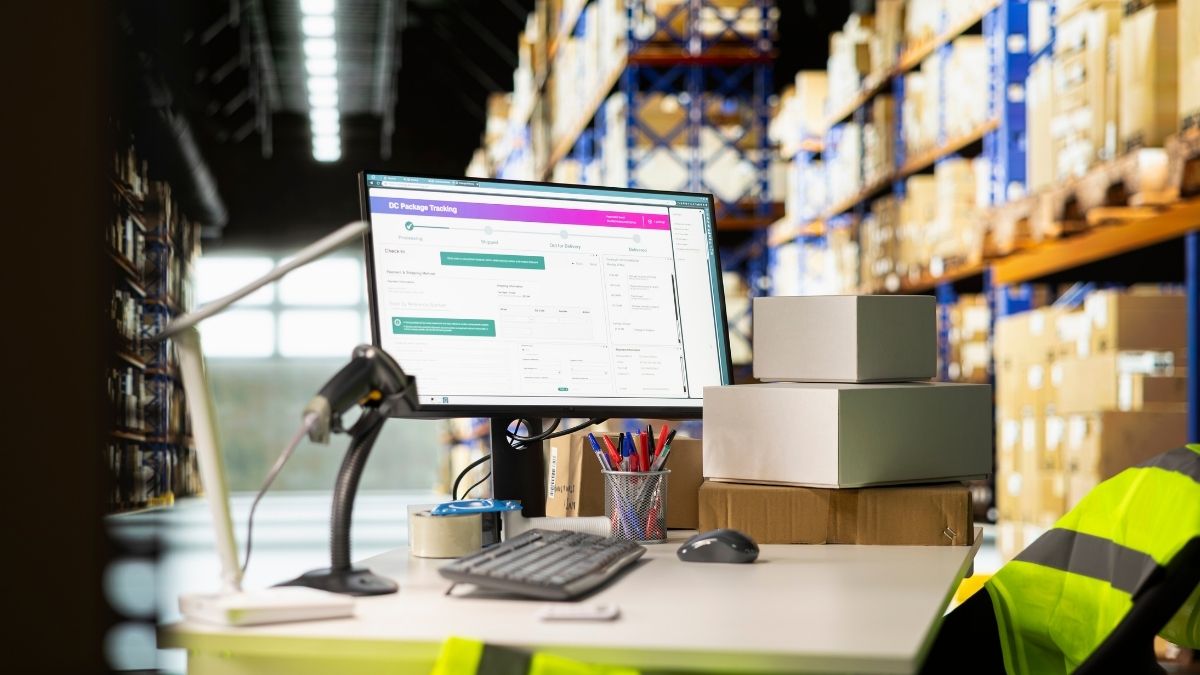
Growth can expose weaknesses in warehouse processes that were easy to overlook when order volumes and inventory levels were lower. A small operation may function effectively with spreadsheets, manual stock checks, and employees who know where most products are stored. As the business expands, those informal systems become harder to maintain.
More products, orders, employees, storage locations, and customer expectations create additional operational complexity. Using enterprise warehouse management software can help businesses manage that complexity by creating structured inventory records, improving stock visibility, standardizing workflows, and reducing repetitive administration.
The goal is not simply to process more orders. Scalable warehouse management allows a business to increase activity without increasing operational complexity at the same rate.
Growth Makes Informal Warehouse Processes Harder to Sustain
Many growing businesses initially manage inventory through simple systems. Stock quantities may be recorded in spreadsheets, storage locations may be understood by experienced employees, and supervisors may coordinate tasks directly.
This approach can work when the warehouse is relatively small.
Growth changes the equation. A broader product range creates more inventory records. Higher order volumes generate more picking and packing activity. Additional employees need consistent instructions, while larger premises introduce more storage locations.
Processes that depend on individual knowledge become increasingly difficult to scale.
If only a few experienced employees know where certain products are stored, for example, new team members may spend unnecessary time searching for inventory. Similarly, if stock movements are recorded inconsistently, purchasing and fulfillment teams may be working with outdated information.
Warehouse management software creates a framework for replacing these informal processes with repeatable digital workflows.
Scalable warehouse operations depend on making inventory and processes visible to the organization, rather than keeping critical knowledge in individual employees’ heads.
Centralized Inventory Visibility Supports Expansion
Inventory visibility is one of the foundations of scalable warehouse operations.
Employees need to know what stock is available, where it is located, and how inventory changes as goods move through receiving, storage, picking, and dispatch.
When information is distributed across spreadsheets or manually maintained records, keeping that picture current becomes more difficult as transaction volumes increase.
A warehouse management system can centralize inventory information and create more structured records of stock movements. Barcode scanning and other identification methods can further support inventory tracking by reducing reliance on manual data entry.
Better visibility helps employees locate goods and gives managers more useful information when investigating discrepancies.
It can also support other functions. Purchasing teams, customer service employees, and operations managers all benefit when warehouse information is more accessible and consistent.
Standardized Workflows Make Growth Easier to Manage
Scaling a warehouse is not simply a matter of adding more employees.
If every employee follows a different process, increasing headcount can introduce additional inconsistency. Growing businesses therefore need workflows that can be understood and repeated across teams and shifts.
Warehouse management software can provide structure around common activities such as receiving, putaway, picking, packing, inventory movements, and dispatch.
The difference becomes clearer when manual and system-supported operations are compared:
| Warehouse Area | Informal Growth Model | Software-Supported Growth |
| Inventory records | Multiple spreadsheets or manual records | Centralized digital information |
| Stock locations | Relies heavily on employee knowledge | Searchable location records |
| Receiving | Processes may vary by employee | Standardized digital workflow |
| Picking | Paper lists or informal instructions | Structured picking process |
| Inventory updates | Manual or delayed entry | Updates integrated into workflows |
| Training | Knowledge transferred informally | Consistent processes for new employees |
| Reporting | Data compiled from several sources | Operational information available centrally |
Standardization becomes increasingly important when businesses introduce new warehouse areas, additional shifts, or multiple facilities.
Reducing Administrative Work Creates Capacity for Growth
Warehouse growth usually means more transactions. Every incoming delivery, stock movement, order, and dispatch can generate administrative work alongside the physical handling of goods.
If that administration remains heavily manual, workload can rise rapidly as the business expands.
Employees may spend time entering the same information into different records, preparing paper picking lists, checking stock manually, or compiling operational reports.
Appropriate warehouse automation can reduce some of these repetitive tasks.
For example, scanning inventory during a defined process can update its digital record as part of the physical workflow. Centralized information can also reduce the need for employees to search across separate files before completing routine activities.
Automation should support warehouse teams rather than simply be viewed as a way to replace them. Employees remain essential for managing damaged inventory, resolving discrepancies, handling unusual orders, maintaining safety, and responding to other exceptions.
Better Location Management Becomes Essential at Scale
Knowing that inventory exists is not enough. Employees also need to know where to find it.
In a small warehouse, experienced staff may remember where most products are located. As the number of storage locations increases, relying on memory becomes less practical.
Warehouse management software can associate inventory with defined storage locations, making stock easier to locate through digital records.
This can support receiving and putaway by providing a more consistent way to record where goods have been placed. It also assists picking because employees can work from location information rather than searching the warehouse.
Accurate location data depends on staff consistently following the process. If goods are physically moved without the corresponding system update, the digital record can become unreliable.
Technology therefore works best alongside clear procedures and appropriate employee training.
Warehouse Data Helps Managers Identify Scaling Problems
Growth can create operational problems gradually.
Picking may become slower as inventory spreads across a larger area. Certain storage locations may become congested. Stock discrepancies may occur repeatedly in a particular workflow. Supervisors may not immediately recognize these patterns when information is fragmented.
Digital warehouse records create opportunities for more structured operational review.
Managers can use available information to examine inventory movements, warehouse activity, exceptions, and other relevant trends. The objective is to identify where processes are creating friction as the operation expands.
Data should not replace observation. Warehouse managers still need to understand what employees are experiencing on the floor.
Used together, operational data and employee knowledge can provide a stronger basis for deciding where processes, layouts, training, or technology need to change.
Software Can Support Multiple Locations and Teams
Growth may eventually extend beyond a single warehouse.
Businesses can add overflow facilities, regional distribution locations, or specialized storage areas. Without centralized systems, each location may develop its own spreadsheets, naming conventions, and working practices.
That fragmentation makes it harder to establish consistent inventory visibility across the organization.
Cloud-based warehouse management software can provide a shared digital environment for supported locations and authorized users. Standard processes can then be applied more consistently while still allowing businesses to account for legitimate differences between facilities.
Centralization also makes it easier to introduce new employees to established workflows rather than rebuilding operating procedures as the business expands.
Scalability Depends on People as Well as Software
Technology alone does not create a scalable warehouse.
Employees need to understand how digital workflows fit into their everyday responsibilities. Training should cover accurate inventory recording, scanning procedures, location management, exception handling, and any automated processes used by the organization.
Businesses should also avoid introducing unnecessary complexity.
A growing warehouse needs software that supports its operational requirements, not the greatest possible number of features. Processes should remain understandable to the employees responsible for executing them.
Successful scaling therefore combines appropriate technology with clear procedures, training, and regular operational review.
Building Warehouse Operations That Can Grow With the Business
Warehouse management software helps growing businesses move from processes that depend heavily on spreadsheets, manual administration, and individual knowledge toward more structured operations.
Centralized inventory visibility makes stock easier to understand. Digital location records help employees find goods. Standardized workflows support consistent receiving, picking, and dispatch, while appropriate automation reduces repetitive administrative work.
These capabilities do not remove the challenges of growth. Businesses still need sufficient space, trained employees, effective inventory policies, and strong operational management.
Warehouse management software provides a digital foundation for managing increasing complexity. By establishing accurate inventory tracking and repeatable workflows before manual processes become overwhelmed, growing businesses can build warehouse operations that are better prepared to scale alongside demand.
-

 NEWS1 year ago
Historical Churches in Manila
-

 TOPIC1 year ago
Symbols of Hope: The 15th Belenismo sa Tarlac
-

 TOPIC1 month ago
Unveiling AvTub: Your Ultimate Guide to the Best AV Content
-

 TOPIC1 year ago
RIZAL at 160: a Filipino Feat in Britain
-

 TOPIC1 year ago
“The Journey Beyond Fashion” – Ditta Sandico
-

 TOPIC1 year ago
5 Must-Have Products From Adarna House to Nurture Your Roots
-

 TOPIC2 weeks ago
Understanding Fascisterne: Origins and Ideological Roots
-

 TOPIC1 year ago
Filipino, alternative language course at Moscow State University