
LAW
How Modern Connectivity Is Changing the Way We Work, Play, and Stay Secure

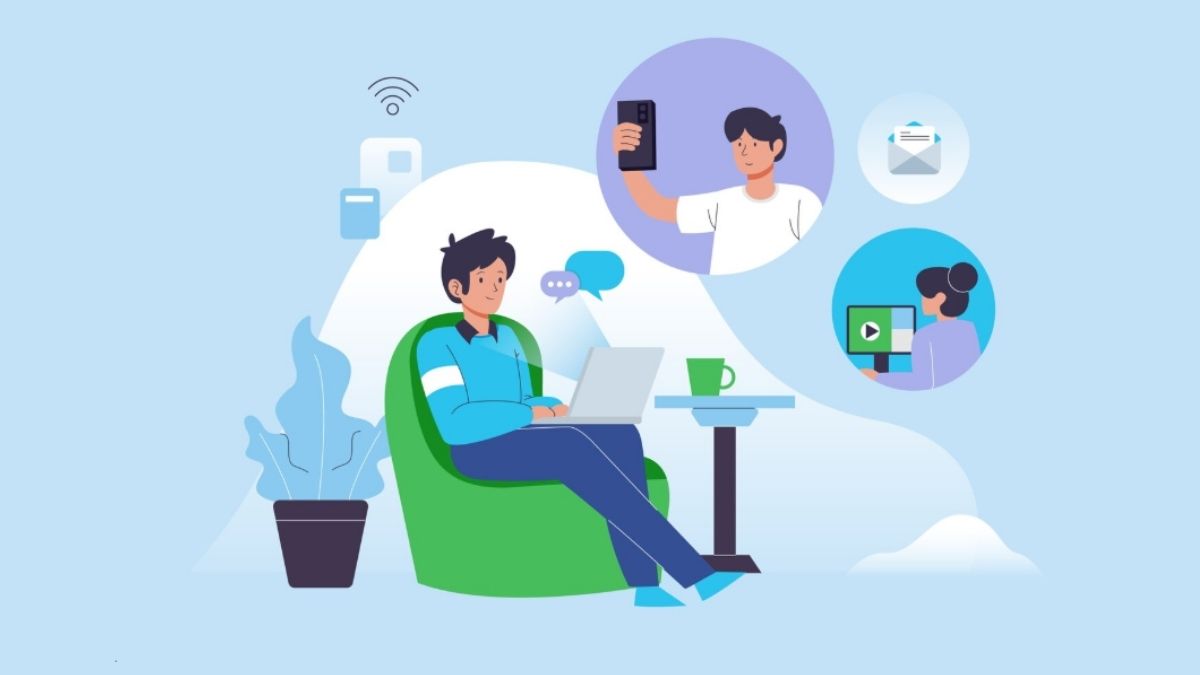
Connectivity used to be something people noticed mainly when it failed. Today, it shapes almost every part of daily life. Faster internet, stronger wireless coverage, cloud tools, and smarter devices have changed how people communicate, collaborate, relax, and protect their spaces. Modern networks are now expected to carry more data with fewer interruptions.
That expectation is especially clear in entertainment. Smooth streaming, responsive multiplayer experiences, and connected devices all depend on stable infrastructure. For people who care about speed and reaction time, low-latency networks for online gaming are one example of how network quality can directly affect the experience. Raw download speed is only one part of what makes a connection feel fast.
Work is no longer tied to one desk
Modern connectivity has fundamentally changed where work happens. Cloud platforms, shared documents, video conferencing, and remote access tools allow teams to work together even when they are not in the same building. A reliable connection can make the difference between a smooth workday and one filled with frozen calls, delayed uploads, or lost productivity.
This shift has also raised expectations. Employees and business owners increasingly need networks that can support several demanding applications at once. A household or office may be running video meetings, cloud backups, file transfers, voice calls, and connected devices simultaneously. When a network is poorly designed, those demands compete with one another and performance suffers.
Connectivity has therefore become part of operational planning rather than an afterthought. Businesses now have to think about bandwidth, Wi-Fi coverage, wired infrastructure, backup connections, and cybersecurity as parts of the same system. Even smaller workplaces benefit from designing networks around how people actually use technology.
Entertainment has become a network performance test
The way people relax has become increasingly connected. Streaming video, multiplayer games, smart televisions, music platforms, and cloud-based entertainment all place continuous demands on a network. Modern entertainment often requires steady, high-quality data delivery for long periods rather than short bursts of activity.
That matters because speed alone does not guarantee a good experience. Latency, packet loss, congestion, and Wi-Fi interference can all create noticeable problems even when an internet plan advertises high speeds. A connection may look impressive on paper but still struggle when several devices are active at once.
Better connectivity also makes entertainment more flexible. People can move between devices, stream in different rooms, connect game systems, and use smart speakers without thinking much about the network underneath it all. That convenience feels effortless only when the infrastructure can handle the demand.
Security is becoming part of the connected ecosystem
Security technology has followed the same path as work and entertainment. Cameras, access controls, motion sensors, alarms, and other connected devices increasingly rely on networks to send alerts, store footage, and provide remote access. This creates more convenience, but it also means network reliability now plays a direct role in how well a security system performs.
A strong setup starts with understanding what the system needs to do. A few cameras may require only modest capacity, while higher-resolution video, continuous recording, remote viewing, and cloud storage can create much heavier traffic. Planning should also consider device placement, connection methods, data volumes, and the possibility of future expansion.
Security planning is also becoming more personalized. Some people want simple monitoring, while others need broader coverage, remote alerts, or integration with other connected devices. When weighing these needs, comparing local options for security setup can help clarify which configurations are practical for the property and its priorities. The right choice should balance performance, privacy, ease of use, and long-term support.
Network security matters just as much as physical placement. Connected cameras and access systems should be protected with strong passwords, updated software, secure account settings, and properly configured networks. A sophisticated camera system connected to a weak network can introduce risks that have little to do with the quality of the camera itself.
One network now has to handle everything
One of the biggest changes in modern connectivity is the number of systems sharing the same infrastructure. A single network might support work computers, televisions, phones, security cameras, smart appliances, voice assistants, and gaming devices at the same time. Each connection adds another demand, and together those demands can become significant.
This is why thoughtful network design is becoming more important. Wired connections can provide stability for fixed devices, while wireless networks offer flexibility for phones, laptops, and smart devices. Fiber can be valuable where high bandwidth, longer transmission distances, or future expansion are important. Simpler setups may be perfectly adequate where demands are lighter.
The best solution is rarely about choosing one technology for everything. It is about matching the connection method to the device, distance, required performance, and environment. A balanced network can reduce congestion while making future upgrades easier.
Connectivity is becoming invisible infrastructure
The most successful networks are often the ones people barely notice. Files upload quickly, calls stay clear, entertainment runs smoothly, and security alerts arrive when expected. When connectivity works well, it fades into the background and allows everything built on top of it to function naturally.
That invisible role will become more important as homes and workplaces add connected technology. Higher-resolution video, cloud services, automation, artificial intelligence tools, and smart devices will continue to increase network demand. Building enough capacity for today while leaving room for tomorrow can prevent repeated upgrades and unnecessary disruption.
Modern connectivity is no longer just about getting online. It connects work, entertainment, communication, and security into one digital environment. As these systems become more intertwined, the quality of the underlying network will influence how smoothly everyday technology performs. The goal is not simply to have a faster connection, but to build one that is reliable, secure, adaptable, and ready for what comes next.

Have you ever wondered what you would do after a car accident? Many people feel confused and overwhelmed following a crash. There are so many things to handle, from injuries to car repairs.
Insurance companies may call you, asking for information. You might worry about medical bills or missing work. It can be hard to know what steps to take next.
This blog post explains why getting legal help matters after a car accident. Learn how professional support can protect your rights and help you get fair compensation. Keep on reading!
Understanding Your Rights After an Accident
After an accident, you need to know your legal rights. Many people do not realize what they are entitled to under the law.
A lawyer can explain your options and guide you through each step. Without help, you might accept less money than you deserve. Protecting your rights from the start can make a big difference in your recovery.
Dealing With Insurance Companies
Insurance companies often try to settle claims quickly and for as little as possible. They may use confusing terms or pressure you into accepting a low offer.
A legal professional can speak to insurers on your behalf. This support helps you avoid mistakes that could hurt your case. Working with a lawyer can increase your chances of getting the compensation you need.
Getting Help With Medical Bills
Medical bills can pile up fast after a car accident. You may need treatment, medicine, or even surgery. Sometimes insurance does not cover all your costs.
A lawyer can help you find ways to pay for your care. Their help ensures you don’t pay out of pocket for someone else’s mistake.
Proving Who Was at Fault
Showing who caused the accident is not always simple. You may need police reports, witness statements, or photos from the scene.
Legal experts know how to gather and use this evidence. Their experience helps you build a strong case. This can make it easier to prove your claim and get the help you need.
Understanding Special Injury Claims
Some injuries, like back or neck problems, take time to show up. These cases may need extra care and attention.
In these situations, car accident back injury claims can be complicated, involving both short-term and long-term effects. Legal professionals know how to handle these special claims.
Fighting for Fair Compensation
After an accident, you deserve fair treatment. Legal help can make sure all your damages are considered, including lost wages, pain, and suffering.
Lawyers know how to calculate the true value of your claim. They will fight for what you deserve, not just what is easy to get. With their support, you are more likely to receive the compensation you need to move forward.
Your Next Steps for Legal Support
Getting legal help after a car accident is one of the best decisions you can make. It protects your rights and helps you deal with insurance companies and medical bills.
You do not have to face these challenges alone. Lawyers give you the guidance you need during a stressful time.
By working with an expert, you increase your chance of fair compensation. Make sure you get the help you deserve after a car accident.
Did you like this guide? Great! Please browse our website for more!
What happens when an unexpected accident suddenly changes your life and leaves you injured? Medical bills, missed work, and insurance calls can quickly become overwhelming. Many injured people struggle to understand their rights while focusing on physical recovery.
However, early legal guidance can help protect their interests and prevent costly mistakes. An experienced lawyer can explain available options and help preserve important evidence. Acting quickly may also strengthen a future claim for fair compensation.
This guide explains how timely legal help protects your rights and supports recovery. Read on!
The Critical First Moments After an Injury
The moments right after an accident matter a lot to your case. Many people feel confused, scared, or in pain, making it hard to think clearly. Sometimes, they do not realize how serious their injuries are until much later.
Acting fast helps ensure you get the right medical care and start gathering facts. Small mistakes in those first moments can hurt your case later. Memories fade quickly, and you can lose important details.
Quick action helps preserve key information for your claim. A lawyer can guide you in these early stages. Prompt help can lead to better recovery outcomes.
Avoiding Mistakes That Can Hurt Your Claim
It is easy to make mistakes after an accident, especially when emotions are high. Many people say too much or sign forms without knowing the impact. Insurance companies may pressure you to settle quickly for less money.
Without advice, you might accept an unfair deal. Some people forget to document their injuries or damages. Others miss deadlines for reporting the accident.
A lawyer helps ensure you don’t fall into these traps. Professional advice helps you avoid errors that could ruin your claim. Getting help early helps protect you every step of the way.
Preserving Evidence Before It Disappears
Evidence is crucial for proving what happened in an accident. You must collect physical evidence, photos, and witness statements quickly. Over time, weather or cleaning crews might remove important clues from the scene.
Witness memories can fade, making their stories less reliable. Having a lawyer means someone is focused on saving this evidence for your claim.
Lawyers know what to look for and how to gather proof. They can also help you take photos and get medical records. Quick action can make all the difference in court or settlement talks.
Dealing with Insurance Companies the Right Way
Insurance companies are not always on your side after an accident. They might sound friendly but often want to pay as little as possible. Adjusters may try to get you to say things that weaken your claim.
Acting without advice can lead to mistakes that lower your settlement. A lawyer understands how to deal with insurance companies. They can speak on your behalf and keep you from saying something harmful.
Your lawyer will make sure you do not settle for less than you deserve. Having someone experienced by your side protects your rights.
Understanding Your Legal Rights and Options
Many people don’t know their full rights after an injury. Laws can be complex and differ from state to state. Without legal help, you might overlook important options for your recovery.
A lawyer can explain your rights in simple terms. They can explain what compensation you may be eligible for based on your injuries. Knowing your options gives you power when dealing with others.
Clear information helps you make better decisions. Legal advice helps you avoid missing important deadlines.
Getting the Medical Care You Need
Fast legal help can connect you with trusted doctors and medical experts. Sometimes, people delay care because they are worried about the cost. A lawyer can guide you to resources that make treatment possible, even if you have no insurance.
Proper care documents your injuries, which is important for your claim. Medical records show how badly you were hurt and support your case. Your lawyer may also help arrange future care if needed.
Prompt treatment supports better healing and a stronger claim. Getting the right care helps prove your full damages. Legal support can open doors to the medical help you need.
Protecting Your Long-Term Financial Security
Accidents can leave you with high bills and lost income. Some injuries make it hard or impossible to work for a long time. Legal help makes sure you claim all your damages, including future losses.
Your lawyer will help you calculate how much you need to recover to make you whole. This includes medical costs, lost wages, and pain and suffering. Without a lawyer, you might forget to ask for some damages.
Getting full compensation now prevents problems later. The personal injury lawyers at Dozier Law Firm can help protect your financial future by ensuring your claim includes everything it should.
Meeting All Legal Deadlines
Every legal claim has deadlines called statutes of limitations. If you miss these, you could lose your right to recover money.
Deadlines vary by location and accident type. A lawyer tracks these dates for you. Missing a deadline can end your case before it starts.
Early legal help avoids costly mistakes. Lawyers know how to move quickly so you do not lose your chance. Staying on schedule is crucial for your claim’s success.
Support and Peace of Mind in a Difficult Time
Dealing with an injury is stressful for anyone. Worrying about legal steps, paperwork, and bills makes things even harder. A lawyer offers guidance so you do not have to face these problems alone.
Knowing someone is protecting your rights brings peace of mind. Legal support means you can focus on healing while your case moves forward.
Lawyers handle calls, negotiate with insurance, and work out details for you. This support reduces stress and confusion.
Having a professional on your side makes the entire process easier. You deserve help during such a difficult time.
Take Timely Legal Action Toward Recovery
Getting hurt in an accident is scary, confusing, and stressful. Acting quickly can protect your rights and help your recovery. Delaying can lead to lost evidence or missed deadlines.
Immediate legal help gives you support, guidance, and a better chance at full compensation. Professional advice helps avoid costly mistakes and protects your financial future. Remember, waiting can hurt your chances for a fair settlement.
Did you like this guide? Great! Please bro

What would you do if an injury left you in pain, facing bills, and unsure of your next steps? The choices you make after an accident can affect your recovery and your chance to receive fair payment for your losses. An injury claim may seem hard to manage, but good records, careful decisions, and early legal advice can help protect your rights.
You do not have to face every challenge alone or know every rule right away. By learning these key steps, you will discover how to avoid common mistakes, gather useful evidence, and build a stronger injury claim.
Get Medical Care and Follow Your Treatment
Your health comes first after an accident, even if injuries seem small. Have medical treatment, and tell the care team the symptoms, even if they seem minor or unusual. Some problems appear later, so do not ignore new pain.
Follow your care plan and attend visits. Keep bills, test results, prescriptions, and notes about missed work. These records can link injuries to the event and show their effect on work and daily life.
Protect Your Injury Claim With Clear Records
Write down what happened while the details are fresh. Include the date, time, place, people, and witness statements. Do crime scene photography, injuries, damage, and anything that may explain the event, including road signs or hazards.
Ask for a copy of any police, workplace, or property report. Check for errors and ask how to add missing facts. Save emails, texts, receipts, and insurer letters together, with a backup.
Avoid Mistakes That Can Hurt Your Case
Be careful when speaking with an insurance company. Share basic facts, but do not guess, accept blame, or agree to quick payment before you know your losses. A signed release may end your right to seek more money if your condition later gets worse.
Do not post details or photos about the accident or recovery on social media. Insurers may use posts to question your account or injuries. Keep your notes honest and complete, and never change records to make a claim seem stronger.
Get Legal Advice Before You Make Big Choices
A lawyer can explain your rights, review evidence, and discuss what your claim may include. This matters when fault is disputed, care is ongoing, or an offer seems too low. Early advice may help you avoid missed forms, weak evidence, and delays.
For local guidance, a personal injury lawyer in Towson, MD can review your situation and explain possible next steps. Bring reports, records, photos, bills, and insurer letters to the meeting. Ask about fees, deadlines, and what to do before signing papers.
Take Steady Steps Toward a Stronger Injury Claim
After an accident, get care and track costs or health changes in a written log. Save records, share details honestly, and understand any offer before agreeing to settle your claim. These habits can help you make informed choices and protect your injury claim as you recover.
You do not have to solve every issue, but do not wait long to ask for help. Time limits may apply, and rules depend on where the injury happened and how it occurred, so ask early.
Did this guide help you? Browse the rest of this section for more advice on a variety of topics.
-

 NEWS1 year ago
Historical Churches in Manila
-

 TOPIC3 months ago
Unveiling AvTub: Your Ultimate Guide to the Best AV Content
-

 TOPIC1 year ago
Symbols of Hope: The 15th Belenismo sa Tarlac
-

 TOPIC1 year ago
Simbang Gabi and Kakanin
-

 TOPIC1 year ago
RIZAL at 160: a Filipino Feat in Britain
-

 TOPIC2 months ago
Understanding Fascisterne: Origins and Ideological Roots
-

 TOPIC1 year ago
“The Journey Beyond Fashion” – Ditta Sandico
-

 NEWS4 months ago
What Caused Delta Flight DL275 to Diverted LAX? A Detailed Breakdown