BUSINESS
How Technology Helps Cleaning Businesses Run More Efficiently and Grow


Running a cleaning business looks simple from the outside. A customer books a service, a crew arrives, the work gets done, and payment follows. Behind the scenes, however, there are schedules to coordinate, employees to manage, customers to update, invoices to send, and new leads to follow up with. As the business grows, those small administrative tasks quickly become some of the biggest obstacles to efficiency.
A well-structured operating system for a residential cleaning business brings those moving parts together in one place. Instead of relying on spreadsheets, handwritten notes, separate calendars, and long message threads, cleaning businesses gain a clearer way to organize everyday operations, keep teams aligned, and support steady growth.
Turning New Leads Into Confirmed Jobs
Every new customer starts with an inquiry. The challenge is making sure that inquiry does not get forgotten while the team is busy handling existing work.
A centralized customer management system can keep contact details, service requests, estimates, previous conversations, and booking information in one place. Staff can quickly see where each lead is in the process and identify who still needs a follow-up.
Faster responses can also make a noticeable difference. Someone searching for cleaning services may contact several providers within a short period. A business that can respond quickly, provide clear information, and simplify booking has a better chance of turning that inquiry into an actual job.
Making Scheduling Less Complicated
Scheduling becomes increasingly difficult as the number of customers and crews grows. One delayed appointment can affect several jobs later in the day, especially when employees are traveling between different properties.
Digital scheduling tools give managers a clearer picture of who is working, where crews need to be, and how much time has been allocated to each job. Route planning can also reduce unnecessary driving and help teams spend more of the day completing paid work rather than traveling.
Changes are easier to handle as well. If a customer reschedules or an employee becomes unavailable, managers can adjust assignments without rebuilding the entire schedule from scratch.
Giving Crews Better Information in the Field
Good management does not stop once a crew leaves for a job. Employees still need clear instructions about what needs to be completed.
Mobile job details and digital checklists can help crews understand customer requests, property notes, required tasks, and special instructions before they begin. That reduces misunderstandings and creates more consistent service from one visit to another.
Managers also gain better visibility into what is happening outside the office. Instead of repeatedly calling employees for updates, they can check job progress through a shared system.
Keeping Customers Informed
Communication plays a major role in whether customers return. People generally appreciate knowing when a service is scheduled, when a team is expected to arrive, and when the work has been completed.
Automated confirmations, reminders, and follow-up messages can make this communication more consistent without adding another manual task to the office workload.
Follow-up can also support retention. Asking for feedback, reminding customers about recurring services, and making future bookings convenient can help turn occasional customers into long-term ones.
Simplifying Payments and Administrative Work
Administrative work often grows faster than expected. Invoicing, collecting payments, tracking employee hours, calculating mileage, and preparing payroll can consume hours each week when information is stored across several systems.
Connecting operational and financial information can make these tasks much easier. Completed jobs can move naturally into invoicing, while recorded hours and work activity provide better information for payroll and reporting.
The benefit is not simply saving time. Better records can also help owners understand which services are performing well, where costs are increasing, and whether teams are being used efficiently.
Growth Also Depends on Being Found
Efficient operations make it easier to handle more customers, but growth still depends on having a steady flow of new people discovering the business. That part of the process is changing quickly. Traditional search results remain important, while AI-powered search tools and conversational platforms increasingly shape how people ask questions, compare services, and receive direct recommendations. Businesses adapting to this shift often visit ZeroClick Labs to better understand how visibility works across AI-driven search environments. Clear service information, useful content, strong technical structure, accurate business details, and trustworthy online signals all strengthen how search systems interpret what a business offers. Monitoring visibility across these newer search environments therefore fits naturally into a broader growth strategy alongside traditional search marketing.
Using Data to Make Better Decisions
One of the biggest advantages of digital systems is the amount of useful information they can provide. Managers can track booking patterns, customer retention, employee performance, revenue trends, lead conversion, and other indicators that would be difficult to calculate manually.
Fun fact: A small improvement in several everyday processes can sometimes have a greater impact than one major change. Saving a few minutes on scheduling, reducing missed follow-ups, shortening routes, and collecting payments faster can add up to many hours of recovered productivity over the course of a month.
Building a Business That Can Scale
Technology does not replace good service or strong management. Instead, it creates systems that make both easier to maintain as the workload increases.
When leads, schedules, crews, communication, payments, and performance data are organized in one connected workflow, growth becomes less dependent on remembering dozens of small tasks. The business can serve more customers without creating the same increase in administrative pressure.
That is ultimately where technology provides the most value. It gives cleaning businesses a stronger operational foundation, allowing owners and teams to spend less time managing scattered information and more time improving service, strengthening customer relationships, and planning the next stage of growth.

The most important investment for a spa business is a massage table. Buying the best massage tables can help you achieve client comfort, therapist workflow, and high-quality treatment. It also enhances the impression of your treatment room. That is why Spa owners prefer stationary massage tables to support daily operations.
But before buying it, consider your treatment menu, room layout, client requirements, and expected appointment volume. It will help you make the perfect decision for your spa.
Match the Table to Your Spa Treatments
Examine the services your spa provides first. Positioning, cushioning, and table functionality may be different for deep tissue massage, relaxation massage, and specialized body treatments.
Select a table that is appropriate for the treatments you plan to administer. If your spa provides a variety of services, think about whether a reclining backrest, adjustable height, or appropriate positioning accessories would increase flexibility.
Focus on Stability and Construction
Throughout treatment, a professional table should offer a steady, secure surface. Examine the manufacturer’s claimed working weight capacity, leg design, base construction, and frame material.
In busy spas where tables may be used frequently throughout the day, sturdy construction is especially crucial. Rather than depending solely on appearance, review the product specifications and warranty.
Consider Comfort, Padding, and Upholstery
Client comfort can affect how guests perceive their treatment. Look for supportive cushioning that is appropriate for the length and type of massage services you provide.
Upholstery should withstand frequent use and be compatible with your spa’s cleaning supplies. Follow the manufacturer’s care instructions, especially if your treatments use massage oils or require frequent surface disinfection.
Measure Your Treatment Room
Measure the available floor space, doorways, and access routes before making a purchase. To comfortably reach clients, move around the table, and set up stools or other equipment, your therapists need adequate space.
Carefully consider the width of the table. Although a wider surface might give clients more space, therapists may find it more difficult to reach across the table. Select dimensions that strike a balance between practical working access and client comfort.
Check the Height and Additional Features
The ideal working height allows therapists to maintain proper body mechanics. If multiple therapists share a room, a height-adjustable model may offer more flexibility than a fixed-height design.
To improve your treatment setup, consider the storage shelves, adjustable backrests, face supports, and other compatible accessories. Choose features based on your actual services, and confirm whether accessories are included or sold separately.
Compare Long-Term Value
When deciding on the best massage tables for your spa, consider the total cost of ownership. Compare the construction, warranty coverage, maintenance requirements, replacement parts, and suitability for your anticipated workload.
The least expensive option may not be the best fit for a busy treatment room. However, a higher price does not guarantee superior performance. Make your decision based on verified specifications.
Best Choice: The Right Massage Table for Your Spa
The ideal stationary table should help your therapists, accommodate your clients, and complement your business operations. Compare available Stationary massage tables carefully, prioritizing the features that are most important to your spa.
Investing time in the selection process can help you create a more functional treatment environment while also supporting your business’s growth.
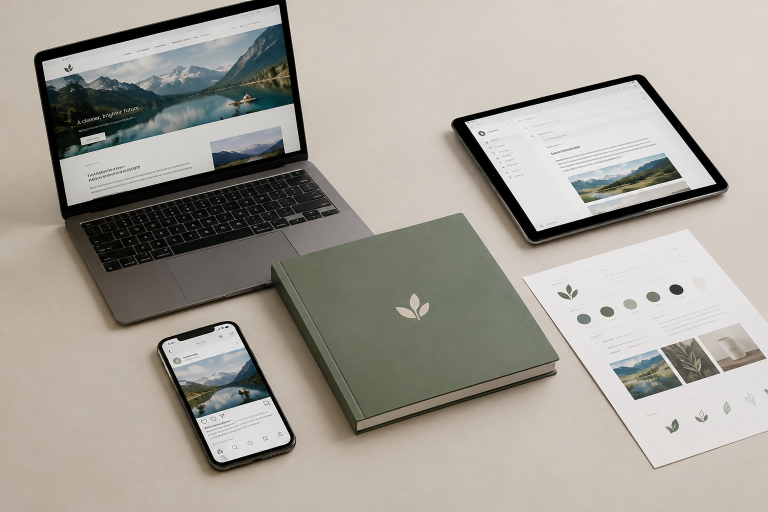
A recognizable brand voice helps people understand who you are whenever they encounter your business, whether they are reading a website page, opening an email, watching a short video, or speaking with support. A thoughtful foundation, supported by Material brand strategy services, can turn scattered communication into an experience that feels clear, familiar, and purposeful.
Consistency does not mean posting identical copy everywhere. It means maintaining the same underlying personality, standards, and respect for the audience while adapting the message to fit each channel.
What Brand Voice Really Means
Brand voice is the consistent personality expressed through your words. It shapes how a business explains, persuades, apologizes, celebrates, and helps. Voice is not the same as tone. Voice remains broadly stable, while tone changes with the situation. A calm, practical brand may use a reassuring tone during a service issue and an upbeat tone when announcing a new product.
Style covers writing mechanics, such as sentence length, punctuation, and formatting. Messaging covers the ideas a brand repeats, including its value proposition and priorities. Together, these elements influence expectations. For example, a formal financial firm might write, “Please review the following account details.” A friendly, practical company might say, “Here’s what to check next.” Both can be clear, but they create different experiences.
Why Consistency Matters Across Channels
People often encounter a business several times before they decide to contact it, subscribe, or buy. If a website sounds expert and straightforward but social posts feel overly casual or vague, the shift can create uncertainty. Familiar language and a consistently helpful tone make each interaction feel connected.
The goal is not to make every platform look and sound identical. Instead, teams can follow the practical principle of adapting content to each platform without changing the underlying message. That approach helps a website, email sequence, social account, sales presentation, and support reply reinforce the same identity.
How to Build a Clear Voice Foundation
Before creating more content, document the decisions that guide communication. A useful voice guide does not need to be long. It needs to be specific enough that different people can make similar choices.
- Define the audience. Identify who you are trying to help, what they already know, and what they need from the message.
- Choose three to five voice traits. Words such as clear, warm, direct, curious, or confident provide practical direction.
- Set language rules. Note preferred terms, words to avoid, reading level, and whether short or detailed sentences fit the brand.
- Clarify emotional boundaries. Explain how the brand should sound in sensitive, celebratory, urgent, or uncertain situations.
- Include examples. Show approved headlines, calls to action, emails, social captions, and customer replies.
How to Adapt the Message Without Losing the Voice
Copying a message word-for-word across channels usually ignores how people use those channels. A website page can provide context and detail. A LinkedIn post may lead with a professional insight. A video caption must earn attention quickly. An email can address a specific action, while a support reply should focus on solving one person’s immediate problem.
A simple adaptation framework
- Keep the central idea and customer benefit the same.
- Adjust the length and level of detail for the format.
- Use the channel’s natural structure, such as a headline, caption, subject line, or direct reply.
- Preserve the same standards for clarity, accuracy, and respect.
- Review the final version against the voice guide before publishing.
How AI Changes Brand Voice Management
AI can speed up early drafting, content repurposing, summary writing, outlining, and planning. It can also produce bland language, repeat familiar phrases, miss important context, or sound more polished than a human. Those limits make human review essential, especially for claims, customer communication, and high-visibility content.
Teams exploring automation can benefit from practical discussions about combining AI with human insight. Still, the working rule is simple: treat generated copy as a starting point, not a finished brand message.
- Check facts, names, and context.
- Remove vague promises and inflated wording.
- Add useful details that reflect real customer needs.
- Compare the draft with approved voice examples.
- Ask whether the message would feel helpful if received by a real person.
How to Keep Teams Aligned
Consistency becomes harder as more people contribute to marketing, sales, leadership communication, recruiting, and customer support. Give every team access to a single shared voice guide, then hold short training sessions based on real examples. Reviewing a few actual emails, posts, or responses is often more useful than discussing abstract rules.
Create an approval process for high-risk material, such as public statements, policy updates, or campaigns involving sensitive topics. Assign an owner, whether an individual or team, to update the guide when audience needs, products, or communication priorities change.
How to Run a Brand Voice Audit
A basic audit can be completed in an afternoon. Collect samples from your website, recent social posts, emails, ads, sales materials, and support messages. Place them side by side and mark differences in tone, vocabulary, sentence length, detail, and claims.
Next, identify the examples that feel clearest and most natural. Rewrite weaker pieces using the approved traits, then turn your findings into three to five actions. Examples include replacing jargon on product pages, adding support-response templates, or creating better examples for social captions.
Ways to Measure Communication Quality
Clicks and conversions can be useful, but they do not show the whole picture. Review performance data alongside signals of understanding and trust, including:
- Customer feedback and recurring comments.
- Support questions caused by unclear wording.
- Engagement that shows genuine interest, not just volume.
- Content approval time and revision patterns.
- Whether messages feel aligned when compared across channels.
- Repeat visits, returning subscribers, and ongoing conversations.
Common Brand Voice Mistakes to Avoid
- Changing the brand personality completely from one channel to another.
- Equating professional language with complicated language.
- Using trends or jokes that do not fit the audience or subject.
- Publishing AI-generated drafts without a careful edit.
- Writing primarily for internal stakeholders rather than customers.
- Relying on slogans and broad claims instead of useful explanations.
- Creating rules so rigid that the communication becomes stiff or unnatural.
Final Takeaway
A consistent brand voice is not about making every message identical. It is about giving every message a shared personality, clear standards, and enough flexibility to work naturally in its channel. When teams combine useful information, human judgment, regular review, and practical guidance, audiences receive a more dependable experience at every touchpoint.

Product quality, launch timing, cash flow, and customer trust are all impacted by choosing a manufacturer. A promising recipe can fail when a facility lacks suitable equipment, reliable sourcing, or packaging support.
Emerging brands need clear answers before signing a production agreement, especially when the first order must support market testing without creating excess inventory. Here are three questions that help founders assess fit, control risk, and choose a partner that can support the product after launch.
1. Can the Manufacturer Produce the Right Product?
A manufacturer should understand the product category, storage requirements, preparation method, and intended customer. A company developing refrigerated meals needs different production controls than a brand selling shelf-stable sauces or protein snacks.
Before selecting a facility, an emerging brand should compare recipe development, ingredient sourcing, sampling, packaging, labeling, fulfillment planning, storage requirements, and intended sales channels carefully. A brand assessing private label food manufacturing in Los Angeles should compare those capabilities before approving a production plan.
Those production details affect the finished food, launch schedule, and inventory plan; a manufacturer that manages related stages can reduce handoffs and make revisions easier to track.
Product range also matters. A manufacturer with experience in ready-to-eat meals, sauces, wellness-focused foods, desserts, frozen items, or refrigerated products can assess whether the concept fits its process. Brands should ask which products the facility produces regularly and which services require outside support.
2. How Will the Manufacturer Support Brand Requirements?
Private-label production involves more than placing a logo on an existing item. The manufacturer must translate the brand’s customer promise into a recipe, package, label, and repeatable production process.
Ask who owns the recipe, how revisions are documented, and when the brand approves samples. The discussion should address ingredient substitutions, allergen information, storage instructions, and label review. Clear responsibilities prevent late changes from disrupting production.
Packaging deserves separate attention. A manufacturer should explain which packaging formats it coordinates, how labels move through approval, and whether the finished product suits retail, e-commerce, wellness programs, or specialty stores. The package must protect the food and communicate product information accurately.
3. Can the Partnership Support the Brand’s Growth?
An emerging brand should assess future capacity before choosing a production partner. The first order might be modest, but demand can change after a retailer placement, subscription launch, or successful online campaign.
Ask how the manufacturer manages small and large production runs. The answer should explain minimum order expectations, scheduling, lead times, storage, and delivery planning. These details help a brand determine its inventory needs and avoid committing cash before sales patterns become clear.
Growth also depends on development support. A capable partner can guide a concept through discovery, recipe development, ingredient sourcing, sampling, packaging coordination, compliance guidance, manufacturing, and fulfillment planning. That sequence gives the brand a practical path from an early idea to a finished product.
A manufacturer should explain how communication works during revisions and repeat orders. One contact, documented specifications, and approved samples create a reliable reference for future batches. Without that record, small changes in ingredients or packaging can affect consistency.
What Should a First Meeting Cover?
Before the meeting, the brand should prepare a short product brief. It should describe the product type, target customer, desired format, sales channel, storage conditions, and current recipe status.
The brand should also bring questions about production volume, ingredient sourcing, packaging, labeling, sampling, timelines, and fulfillment. A manufacturer’s answers reveal whether the partnership matches the product’s current needs and planned direction.
Cost matters, but the lowest quoted price does not always produce the lowest total expense. Rework, excess inventory, delayed packaging, and separate service providers can increase the launch budget. A clear production plan gives the brand better information for comparing proposals.
Conclusion
The right manufacturer must fit the product, brand requirements, and next stage of growth. Emerging brands should leave the first meeting with written answers about recipes, production runs, packaging, compliance guidance, approvals, scheduling, and delivery.
The next step is a focused product brief, followed by a review of sample procedures and responsibilities. That preparation turns a broad search into a practical comparison and gives the selected manufacturer a clear starting point for development.
-

 NEWS1 year ago
Historical Churches in Manila
-

 TOPIC4 months ago
Unveiling AvTub: Your Ultimate Guide to the Best AV Content
-

 TOPIC1 year ago
Simbang Gabi and Kakanin
-

 TOPIC1 year ago
Symbols of Hope: The 15th Belenismo sa Tarlac
-

 TOPIC1 year ago
RIZAL at 160: a Filipino Feat in Britain
-

 NEWS5 months ago
What Caused Delta Flight DL275 to Diverted LAX? A Detailed Breakdown
-
 TOPIC3 months ago
Understanding Fascisterne: Origins and Ideological Roots
-

 TOPIC1 year ago
Biodiversity in Urban Singapore: Corporate Contributions to Nature-Based Solutions and Green Infrastructure