
TOPIC
Crackstube Explained: What the Name Means, Safety Risks, and How to Tell Sites Apart

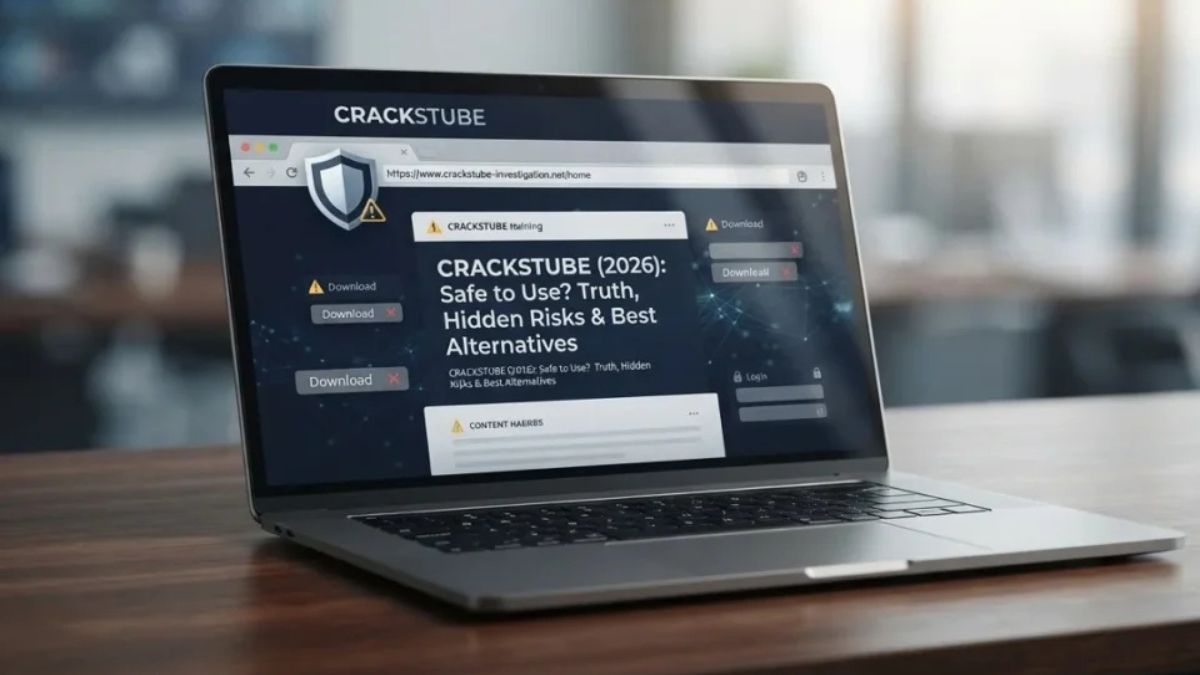
Crackstube is not one clear product you can review the way you review a single app. Search the name and you land in a name collision. One site, crackstube.com, describes itself as a digital publishing and guest-post platform. Other pages using similar wording get talked about as unofficial video, media, or cracked-software hubs. Those are different things, and mixing them up is how people click the wrong link.
If you only remember one rule, remember this: judge the exact web address, not the nickname. A shared label does not mean a shared owner, a shared policy, or the same level of risk.
What Crackstube Actually Refers To
People hear “crack” and “tube” and fill in the blanks. In older tech slang, a crack is a modified program that skips a license check. “Tube” stuck after video sites made streaming feel normal. Put the words together and many readers expect free files or free video. That expectation is why the label keeps getting reused.
There are two common meanings in circulation right now.
The first is the self-described publishing site. Public pages on crackstube.com say it publishes informational articles on topics such as technology, business, marketing, finance, health, and lifestyle. Those pages also say the brand is not an adult platform, not a streaming service, and not tied to unofficial content sources. That claim comes from the site itself. Treat it as a claim, then check the live domain, contact page, and terms before you submit writing or pay for a placement.
The second meaning is a loose category label. Security write-ups and consumer guides use “crackstube” for lookalike or unofficial sites that offer unlicensed video, adult clips, or modified software. Those pages are not one company. Domains appear, get blocked, and come back under a slightly different address. No regulator sits behind that pattern.
A short definition works well here: Crackstube is a shared online name. It can point to a self-described article site, or to unrelated pages linked in public discussion to pirated media and cracked software. The safe move is to match the full URL before you read, download, sign up, or pay.
Why the Name Creates So Much Confusion
Search results mix both stories because the words match. A publishing page and a risky download page can rank for the same query. Readers then assume every result describes the same business. It does not.
Advertisers and guest-post sellers also like generic names. A vague brand is easier to attach to a pitch. That does not prove fraud, but it does mean you should ask for proof before you send money or a backlink.
How Unofficial Crackstube-Style Sites Usually Work
Unofficial pages in this category follow a familiar pattern. They do not need a real catalog license if the goal is clicks. They embed or link media from outside sources, then surround the player with ads. Legitimate ad networks often refuse that inventory, so operators use networks that pay for clicks and installs with weak screening.
Typical flow looks like this:
- A search or message sends you to a domain that sounds familiar.
- The page loads a player, a countdown, or a “continue” button.
- Extra layers appear: fake play buttons, “update your player” prompts, or download bars.
- A misclick can open another site or start a file download.
- Revenue comes from the ad click, not from a subscription you chose on purpose.
That model is common across unlicensed streaming, not unique to one brand. The risk sits in the click path, not in the word itself.
What “Cracked” Software Pages Add
Software pages in the same neighborhood offer modified installers, key generators, or “patched” apps. Those files are a classic malware delivery path. You cannot verify the build, the signature, or the update channel. A program that skips payment can also skip the vendor’s security patches.
Using or sharing cracked commercial software can also break copyright and license law. Rules differ by country, but “it was free online” is not a defense.
Safety Risks Worth Taking Seriously
Free access is the hook. The cost shows up later, on the device or in the account.
Malware and adware are the headline risk. Consumer agencies have warned for years that pirated streaming apps and lookalike players can carry unwanted software. A single disguised button is enough on a device that runs unknown files without a strong prompt.
Privacy risk comes next. Aggressive pages run trackers, pop-unders, and redirect chains. If you type an email or card number into a lookalike checkout, you may be handing it to an operator you cannot identify. Even without a payment, your browser can leak session data through bad extensions installed from a fake update.
Legal exposure depends on where you live and what you do. Streaming or downloading unlicensed films, shows, or software can violate copyright law. Some countries focus on uploaders. Others also penalize downloaders. Adult pages add a separate issue: you cannot confirm age checks, consent records, or whether a clip was posted without permission.
There is also simple account risk. Reused passwords on a shady signup page become fuel for later break-ins. A password manager and unique passwords limit that damage.
| Risk | What usually triggers it | Likely impact | Practical response |
|---|---|---|---|
| Malware or adware | Fake player, “codec,” or installer | Slow device, pop-ups, stolen logins | Do not run the file; scan with a reputable antivirus |
| Privacy leak | Trackers, redirects, form fields | Profile data sold or reused | Block third-party cookies; avoid signups |
| Payment fraud | Lookalike checkout | Card charges you did not expect | Use a virtual card; dispute unknown charges |
| Copyright trouble | Unlicensed download or stream | Warning, fine, or account penalty in some regions | Use licensed services only |
| Brand mix-up | Similar domain name | Trust given to the wrong site | Read the full URL before you act |
Crackstube Publishing Claims vs. Unofficial Pages
If your goal is reading articles or placing a guest post, you are in a different lane from someone hunting free software. Still separate the claim from the proof.
A publishing site should show a stable domain, a real about page, a contact method that answers, and terms that explain who owns the content. Guest-post offers should spell out price, link rules, and whether the article stays online. Vague promises and pressure to pay the same day are warning signs on any platform, including ones that use this name.
Unofficial media pages rarely offer that paperwork. They optimize for the first click. They also change domains often, which makes refunds and takedown requests nearly impossible.
| Check | Self-described publishing site | Unofficial media or software page |
|---|---|---|
| What you came for | Articles, contributor info | Video, downloads, “free” apps |
| Domain stability | One stated official address | Rotating or lookalike domains |
| Business details | About, contact, terms | Thin or missing legal pages |
| Main ask | Read, or sometimes pay for a post | Click, install, or watch through ads |
| Verification | You can email and compare replies | Little accountability if something goes wrong |
| Sensible stance | Verify, then decide | Avoid downloads and payment |
This table is a filter, not a certificate. A polished about page can still belong to a weak guest-post mill. A missing page is a stronger red flag than a present one.
Safer Alternatives That Cover the Same Intent
Most people searching this name want one of three things: something to watch, a cheaper app, or an explanation of a weird result. Each intent has a cleaner path.
For video, use licensed streaming services, free ad-supported services from known studios, or library apps such as Kanopy and Hoopla where your library card works. Clips you already have rights to can live on mainstream video hosts.
For software, use the vendor’s site, a trusted store, or an open-source equivalent. Student, nonprofit, and trial licenses exist for many paid tools. A cracked build is not a discount. It is an unsigned file.
For research, read security explainers from established outlets and check the exact domain in your browser before you trust a review. If a page pushes an installer within the first screen, leave.
Practical swaps:
- Movies and shows: official subscriptions, broadcaster apps, or library streaming.
- Creative tools: vendor trials, education pricing, or open-source editors.
- Mobile apps: the official app store listing, not a third-party APK from a forum.
- Reading: publisher sites and known magazines, not a pop-up maze.
Pros and Cons
Pros of understanding the name before you click:
- You avoid treating two unrelated sites as one brand.
- You can spot a guest-post pitch that hides behind a vague label.
- You reduce malware risk by refusing surprise installers.
- You keep payment details off pages you cannot identify.
- You choose licensed options that still update and support you.
Cons and limits:
- Search results stay messy, so the first link is not automatically right.
- Official-sounding claims are still self-reported until you verify them.
- Licensed services cost money or show ads of their own.
- Domain takedowns do not remove every copy of a lookalike page.
- No checklist can see what a site will do next week.
Common Mistakes
People get into trouble in repeatable ways.
They trust the name in the title and skip the address bar. A single extra word or different ending can mean a different owner.
They click the biggest button on the page. On unofficial players, that button is often an ad, not the video control.
They install a “required player” or codec from the same tab. Real playback in a modern browser rarely needs a random download.
They reuse a main email and password on a signup form they found through search.
They pay for a guest post from a cold email without a contract, a sample URL, and a clear refund rule.
They assume private browsing hides activity from an internet provider or from malware already on the machine. It only limits local history.
Best Practices Before You Open Any Similar Site
Use a short routine. It takes less time than cleaning up a bad download.
- Read the full domain. Compare it with the address the brand itself publishes, if a brand claim exists.
- Look for contact, terms, and a privacy policy that name a real operator.
- Refuse installers, browser extensions, and “player updates” offered by the page.
- Keep the operating system and browser updated so known tricks fail more often.
- Run an ad blocker and avoid clicking countdown buttons.
- Use unique passwords. Turn on multi-factor authentication for email and banking.
- If you already entered card details on a suspicious page, call the card issuer and watch statements.
- For publishing deals, get terms in writing and keep your own copy of the article.
If a page already triggered downloads, disconnect from sensitive accounts, run a scan from a known security vendor, and remove extensions you do not remember installing. That is basic hygiene, not a special fix for one site.
How to Read a Crackstube Result Without Guessing
Featured-snippet style checks help when results disagree.
Ask what the page wants. An article site wants a reader or a contributor. A file site wants an install or a click. Those goals predict the risk better than the headline.
Ask who is accountable. A name, a country, and a working inbox are minimum signals. Silence is also a signal.
Ask what happens if you leave. Licensed apps keep working after you close the tab. Unofficial players often break, redirect, or push another offer.
A simple decision frame:
- Need an explanation only: read a safety guide, do not download anything.
- Need published articles: open the exact domain you verified, then judge the content.
- Need video or software: go to a licensed source instead of a lookalike.
Conclusion
Crackstube is a label with more than one life online. One public site uses it for article publishing and tells visitors it is not a video or software hub. Other pages using similar language show up in warnings about unlicensed media and modified programs. Those stories can both appear in the same search, and only the exact address tells them apart.
Do not download players or patched apps from an unfamiliar result. Do not pay a guest-post pitch that cannot show terms. Use licensed video and official software when that is what you actually wanted. The name is easy to remix. Your login, your card, and your device are not.
FAQs
What is Crackstube?
Crackstube is a name used in more than one way. Crackstube.com describes itself as a digital publishing platform. Separate, unofficial pages using similar names are discussed in connection with unlicensed video or cracked software. Check the full URL before you trust either description.
Is Crackstube safe?
It depends on the exact site. A normal article page is a different risk level from a page that pushes installers, fake play buttons, or modified software. Unofficial download and streaming pages in this category are widely flagged for malware, aggressive ads, and weak accountability.
Is using unofficial Crackstube-style sites legal?
Downloading or streaming unlicensed movies, shows, or software can violate copyright law. Enforcement varies by country. Modified commercial software also breaks the vendor’s license. Licensed services and official downloads avoid that problem.
Is crackstube.com the same as piracy sites?
The site’s own notice says crackstube.com is its official address and that it is not an adult, streaming, or unofficial content platform. Public warnings about piracy usually refer to other pages reusing the same kind of name. Similar wording does not prove shared ownership.
What should you do after a suspicious click?
Close the tab, do not run any downloaded file, and remove unknown browser extensions. Scan the device with reputable security software. If you entered a password or card number, change the password and contact your card issuer.

Hermann Nicoli is a Brazilian fashion model who spent more than a decade with one of the world’s best-known supermodels. Most people first heard his name because of his long relationship with Candice Swanepoel, the South African Victoria’s Secret Angel. Yet he built his own career in the industry long before that spotlight arrived.
Born on July 8, 1982, Hermann Nicoli (full name Hermann Nicoli Rosa) comes from Brazil. He stands about 6 feet 1 inch tall, has brown hair and green eyes, and worked with major agencies including Next Model Management. While he has always preferred a quieter public life than his famous former partner, curiosity about him remains strong—especially whenever Candice makes headlines.
Quick Facts About Hermann Nicoli
| Detail | Information |
|---|---|
| Full Name | Hermann Nicoli Rosa |
| Date of Birth | July 8, 1982 |
| Age (2026) | 44 |
| Birthplace | Brazil (linked to Espírito Santo / Brasília area) |
| Nationality | Brazilian |
| Profession | Fashion model |
| Height | 6’1″ (185 cm) |
| Hair / Eyes | Brown / Green |
| Former Partner | Candice Swanepoel (2005–2018) |
| Children | Anacã and Ariel |
| Agencies | Next Model Management, Why Not (Milan), others |
| Estimated Net Worth | $1–2 million (unconfirmed) |
Who Is Hermann Nicoli?
Hermann Nicoli is a professional male model from Brazil who has worked in the fashion industry for roughly two decades. He is best known publicly as the former long-term partner and fiancé of Candice Swanepoel, with whom he shares two sons.
Unlike many people who date high-profile models, he rarely gave interviews and kept most details of his private life out of the press. That low-key approach is one reason solid information about his early years remains limited. He grew up in Brazil with two sisters, Gabi and Sabrina. Reports suggest a middle-class upbringing, and he chose modeling over college after finishing high school around 2000.
Hermann Nicoli’s Modeling Career
Hermann Nicoli began modeling while still young. His height, lean athletic build, and distinctive look helped him land work with international agencies. He has been linked to Next Model Management in New York, Why Not Model Management in Milan, and Modelwerk in Germany.
Public records of specific campaigns and runway shows are sparse. That is common for many working male models who do not pursue the same level of personal branding as female supermodels. Sources mention possible work connected to brands such as Valentino, Dolce & Gabbana, and Armani, though detailed credits are not widely published. His career took him to fashion hubs including Paris, New York, and cities across Europe and Brazil.
He has also been described as a fitness-focused individual who trains regularly to maintain the physique required for modeling work. In earlier years he maintained an Instagram presence (@hermann_nicoli) where he shared travel, lifestyle, and occasional family moments, though he later kept a lower profile.
The Relationship with Candice Swanepoel
The story that defines Hermann Nicoli for most readers is his relationship with Candice Swanepoel. They met in Paris in 2005 at a fashion event. He was 23; she was 17 and just starting to gain traction in the industry. Both later described an almost immediate attraction, and they began dating within weeks.
Their relationship lasted roughly 13 years. Candice has said in past interviews that he was a steady presence during her rapid rise. She even became fluent in Portuguese because of their time together and spent significant periods in Brazil. The couple lived between Brazil and New York and appeared comfortable balancing two demanding modeling schedules.
Relationship Timeline
| Year | Event |
|---|---|
| 2005 | Meet in Paris; begin dating |
| 2005–2015 | Long-term relationship while both build careers |
| August 2015 | Engagement announced |
| October 5, 2016 | Son Anacã Swanepoel Nicoli born |
| June 19, 2018 | Son Ariel Swanepoel Nicoli born |
| Late 2018 | Relationship ends (confirmed by Candice) |
They got engaged in August 2015 after about ten years together. Candice once remarked that after a decade she already felt married and did not need papers to prove the bond. In March 2016 she announced her first pregnancy. Their son Anacã arrived on October 5, 2016. The name draws from Brazilian culture and reflects Hermann’s roots. Their second son, Ariel, was born on June 19, 2018.
The relationship ended later in 2018. Fans noticed the pair had unfollowed each other on Instagram. Candice later confirmed during an Instagram Q&A that she was single. Neither has publicly detailed the reasons for the split. They never married. After the breakup both have largely avoided public commentary about each other.
Family Life and Children
Hermann Nicoli is the father of Anacã (sometimes spelled Anaca) and Ariel. The boys have primarily lived with Candice, who has raised them mainly in the New York area while also spending time in Brazil. Candice has occasionally shared family moments on social media; Hermann has remained more private about parenting details.
The name Anacã is a clear nod to Brazil. Reports indicate the family has maintained connections there, including time spent in places such as Vitória in Espírito Santo. Both parents appear to have prioritized keeping the children out of the intense public spotlight that often surrounds celebrity families.
Where Is Hermann Nicoli Now?
Since the 2018 split, Hermann Nicoli has kept an extremely low profile. There are few confirmed public appearances or major modeling campaigns reported in recent years. No reliable sources indicate that he has remarried or entered another high-profile relationship. His current romantic life is unknown, which is consistent with the private approach he has always taken.
He remains the father of two sons who are now school-age. Candice has continued her modeling, business (including her swimwear line Tropic of C), and philanthropic work. Interest in Hermann tends to resurface whenever Candice is linked to new partners, as has happened in recent years. He himself does not appear to seek media attention.
Pros and Cons of Life Connected to a Superstar
Living alongside one of the world’s highest-earning models brought both advantages and challenges.
Pros
- Access to international fashion circles and travel
- Financial stability from a long modeling career
- Opportunity to build a family with a successful partner
- Relative privacy compared with more media-hungry celebrities
Cons
- Permanent association with a much more famous partner
- Constant public curiosity about personal life and the breakup
- Pressure of balancing two demanding careers
- Limited control over how the relationship is portrayed in the media
Common Mistakes People Make About Hermann Nicoli
Readers and tabloids often get several facts wrong:
- Calling him Candice Swanepoel’s ex-husband (they were engaged but never married)
- Claiming detailed reasons for the 2018 split (neither has confirmed any specific cause)
- Inflating his net worth far beyond the modest estimates available from modeling work
- Assuming he seeks the same level of public recognition as his former partner
- Mixing him up with other people of similar names
Sticking to confirmed timelines and statements from Candice herself avoids most of these errors.
Best Practices for Reading Celebrity Relationship Stories
When stories about people like Hermann Nicoli appear, a few habits help you stay accurate:
- Check the original source of any claim rather than relying on social media summaries
- Note the difference between “engaged,” “partner,” and “spouse”
- Remember that both parties have a right to privacy, especially regarding children
- Look for statements the people themselves have made rather than anonymous “insider” quotes
- Accept that some details—especially about why relationships end—will never be public
These habits apply to almost any high-profile couple and keep coverage more respectful and factual.
Conclusion
Hermann Nicoli is a Brazilian model whose career and personal life became widely known because of his long relationship with Candice Swanepoel. From their meeting in Paris in 2005 through the births of their two sons and the quiet end of the relationship in 2018, he has consistently chosen privacy over publicity. He continues to live outside the intense media spotlight while remaining the father of Anacã and Ariel. For anyone searching for the real story behind the headlines, the facts are straightforward: a working model who shared more than a decade with one of fashion’s biggest stars and then stepped back into a quieter life.
5 SEO FAQs
Who is Hermann Nicoli?
Hermann Nicoli is a Brazilian fashion model born on July 8, 1982. He is best known as the former long-term partner and fiancé of Victoria’s Secret model Candice Swanepoel and the father of their two sons.
Did Hermann Nicoli and Candice Swanepoel get married?
No. They dated from 2005, got engaged in August 2015, and welcomed two children, but they never held a wedding. Their relationship ended in 2018.
How many children does Hermann Nicoli have?
He has two sons with Candice Swanepoel: Anacã (born October 5, 2016) and Ariel (born June 19, 2018).
What is Hermann Nicoli’s height and net worth?
He is approximately 6 feet 1 inch (185 cm) tall. Estimates of his net worth range from $1 million to $2 million based on his modeling career; exact figures have not been confirmed.
Where is Hermann Nicoli now?
He has kept a low public profile since the 2018 split. He is not known to have remarried and continues to live privately while remaining the father of Anacã and Ariel.
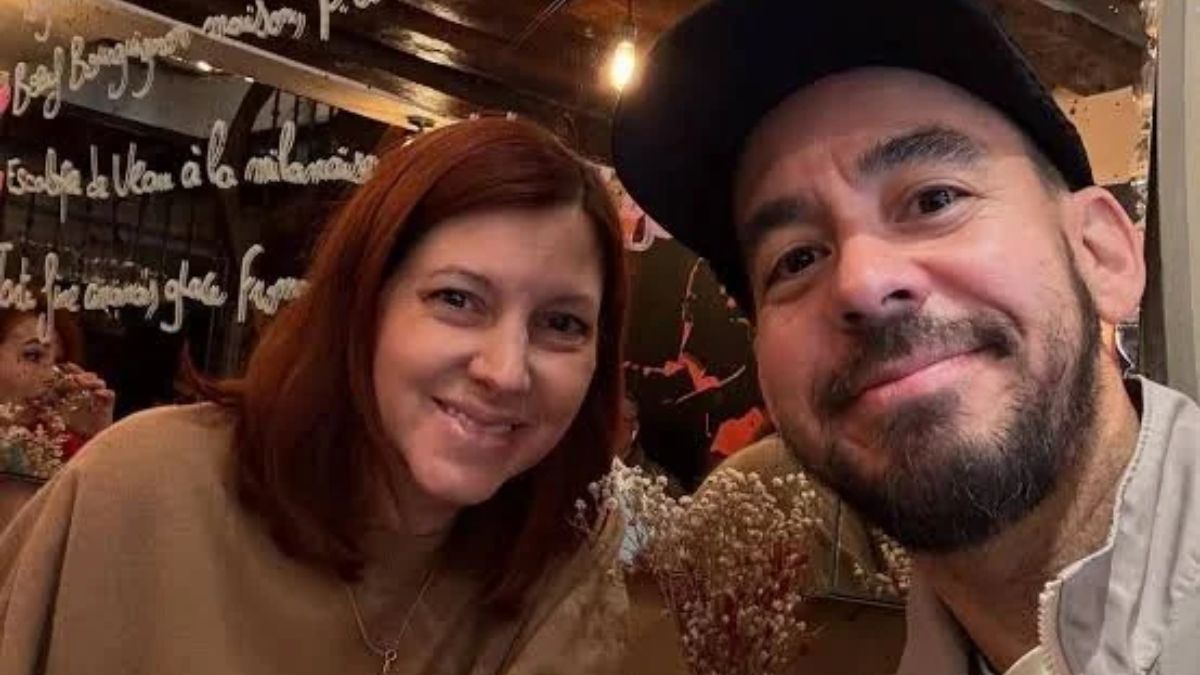
Anna Hillinger is best known today as the wife of Linkin Park co-founder Mike Shinoda and as the author of the young-adult novel Learning Not to Drown. Yet reducing her story to those two facts misses the fuller picture. She has spent more than two decades building a life that balances writing, family, and mental-health advocacy while deliberately staying outside the constant glare of celebrity culture.
People search for Anna Hillinger because they want to understand the person beside one of rock music’s most recognizable figures. What they usually discover is a quieter story—one rooted in books, personal boundaries, and a long commitment to talking openly about difficult family and mental-health topics.
Early Life and the Roots of Storytelling
Anna Hillinger was born on November 7, 1977, in California. She grew up in a small mountain community so quiet it lacked even a single stoplight. As a child she often climbed high into tree branches to read and invent stories, seeking space away from the everyday noise of family life.
That early habit of turning to books shaped her. By fourth grade she had already participated in a Young Authors program that produced a bound book of her own work. In middle and high school she edited the school newspaper, learning how stories are shaped and shared. Those years gave her both technical skill and a deeper interest in writing that would stay with her.
Education, Early Career, and a Shift Toward Writing
After high school, Anna earned a bachelor’s degree in Communication Studies from California State University, Long Beach. She later worked in music public relations, an experience that placed her close to the business side of the industry without making her a performer herself. The job taught her how artists, media, and audiences interact—skills that later informed both her writing and her advocacy work.
Over time, however, fiction called more strongly. She began focusing on stories for young readers and young adults, eventually producing the novel that remains her best-known published work.
Learning Not to Drown and the Themes That Define Anna Hillinger
Anna published Learning Not to Drown in 2014 under the name Anna Shinoda through Atheneum Books for Young Readers. The 352-page novel follows seventeen-year-old Clare, whose family has spent years managing the repeated legal and addiction-related troubles of her older brother. Clare loves her brother, yet she begins to see the cost of constantly protecting him at the expense of her own future.
The book explores family loyalty, shame, addiction, and the difficult decision of when self-protection is necessary rather than selfish. Publisher descriptions and reviews note its emotional seriousness and its refusal to offer easy answers. It was selected for the Kansas NEA Reading Circle List for high-school readers and later reissued in paperback. Many readers still discover it years later when looking for young-adult fiction that treats complicated family dynamics with honesty.
| Key Element | Description | Why It Matters |
|---|---|---|
| Protagonist | 17-year-old Clare | Shows a young person learning to set boundaries |
| Central Conflict | Loyalty to a troubled sibling vs. personal survival | Reflects real family dynamics many readers recognize |
| Literary Device | “Family Skeleton” that appears in moments of stress | Makes abstract guilt and memory feel tangible |
| Tone | Serious, non-preachy YA fiction | Encourages reflection without simple moral lessons |
Anna has spoken about drawing on personal experience and observation while creating the story, mixing memory with imagination so the characters do not represent any single real person. The result is a novel that feels grounded rather than sensational.
Marriage, Family, and a Preference for Privacy
Anna married Mike Shinoda on May 10, 2003. Their relationship began before Linkin Park reached its greatest commercial heights, and it has lasted more than two decades. Mike has consistently identified her as his wife in public biographical information, and no credible reports of separation have appeared.
The couple has children, including a son named Otis Akio Shinoda. They have kept most details of their family life private, a choice that has limited the volume of reliable public information while protecting their children’s ordinary lives. Occasional public comments from Mike have mentioned the children playing instruments and living largely outside the daily realities of touring life, especially during the years after the band’s hiatus.
This preference for privacy is one reason online searches sometimes turn up conflicting or outdated claims. Anna has never treated her personal life as public content, and that decision has remained consistent.
Mental Health Advocacy and Community Work
Beyond writing, Anna has served as a senior advisor to The Campaign to Change Direction and has supported Music For Relief, the disaster-relief organization associated with Linkin Park. After the death of Chester Bennington in 2017, she wrote and spoke publicly about grief, her own experiences with depression and anxiety, and the value of therapy. She has described long-term work with a psychologist and the usefulness of approaches such as EMDR and cognitive therapy.
She also launched an initiative called Books Change Direction to encourage more responsible portrayals of mental health in children’s and young-adult literature. Her advocacy centers on reducing stigma, encouraging people to seek help, and using stories as a practical tool rather than as simple entertainment.
| Advocacy Area | Role or Activity | Focus |
|---|---|---|
| Campaign to Change Direction | Senior advisor | Changing cultural attitudes around mental health |
| Music For Relief | Supporter and participant | Disaster relief and community aid |
| Books Change Direction | Founder / promoter | Better mental-health representation in books |
| Public speaking & writing | Contributor | Personal experience with depression, anxiety, and grief |
These efforts sit alongside her writing rather than replacing it. They reflect a consistent interest in helping readers and listeners find language for difficult experiences.
Pros and Cons of a Low-Profile Public Life
Pros
- Protects family privacy, especially for children.
- Allows focus on writing and advocacy without constant media pressure.
- Builds credibility as someone who chooses substance over visibility.
- Creates space for long-term work that does not depend on trends.
Cons
- Limited verified public information leads to inaccurate online biographies.
- Readers and fans sometimes struggle to find current updates.
- Contributions can be overlooked when media attention centers on her husband.
- Fewer opportunities for wide book promotion compared with more visible authors.
Common Mistakes People Make When Learning About Anna Hillinger
Many online profiles mix speculation with fact. One frequent error is treating every detail of her novel as pure autobiography; she has explained that the story blends personal observation, imagination, and other people’s experiences. Another is assigning precise net-worth figures; no reliable public financial information exists for her individual earnings. A third is assuming constant involvement in Linkin Park’s day-to-day music work simply because of her marriage and earlier public-relations experience. Finally, some accounts invent additional published novels that have not appeared through her established publisher.
Best Practices for Understanding Her Story
Start with primary or near-primary sources: the publisher page for Learning Not to Drown, her own earlier statements about the book, and established reporting on her advocacy roles. Distinguish clearly between her maiden name (Hillinger) and professional name (Shinoda). Respect the family’s stated preference for privacy around the children. When reading about mental-health topics connected to her, focus on the broader messages she has shared rather than looking for personal details she has not offered. And when encountering dramatic claims on celebrity biography sites, cross-check them against more careful sources.
Conclusion
Anna Hillinger’s public identity rests on three steady elements: the novel she wrote about family loyalty and self-protection, the long marriage she has maintained with Mike Shinoda, and the advocacy work she has done around mental health. She has chosen a quieter path than many people connected to famous musicians, and that choice has shaped both what the public knows and what remains private. For readers, her most lasting contribution may be the honest conversation her book and advocacy continue to support—one that treats difficult family and emotional realities as subjects worth understanding rather than avoiding.
SEO FAQs
Who is Anna Hillinger?
Anna Hillinger, also known professionally as Anna Shinoda, is an American author and mental-health advocate. She is best known for the 2014 young-adult novel Learning Not to Drown and for her marriage to Linkin Park co-founder Mike Shinoda.
Is Anna Hillinger the same person as Anna Shinoda?
Yes. Hillinger is her maiden name. After marrying Mike Shinoda she began using the name Anna Shinoda professionally, and her novel was published under that name.
What is Learning Not to Drown about?
The novel follows teenager Clare as her family repeatedly deals with her older brother’s addiction and legal troubles. It examines loyalty, guilt, and the point at which protecting yourself becomes necessary.
How many children do Anna Hillinger and Mike Shinoda have?
Reliable public information indicates they have children, including a son named Otis. The family has kept most details private, so exact numbers and further names are not widely confirmed.
What advocacy work has Anna Hillinger done?
She has served as a senior advisor to The Campaign to Change Direction, supported Music For Relief, and promoted responsible mental-health representation in literature through Books Change Direction. She has also spoken about her own experiences with depression, anxiety, and therapy.

Jeannine Belleguic spent most of her 93 years in the quiet river town of Quimperlé in Brittany. Born Jeannine Joséphine Annick Bleuzen on May 28, 1931, she later became known by her married surname Belleguic (often spelled Belléguic in French records). She died on April 18, 2025, in Lorient and was laid to rest a week later in the town of her birth.
Her story is not the story of a celebrity. It is the story of a private woman whose name became searchable after her death notice was published and indexed online. Most of what is known about her comes from that notice, French civil records, and family details rather than interviews or public appearances.
Who Was Jeannine Belleguic?
Jeannine Belleguic was a French woman with deep roots in Finistère. Official records list her full birth name as Jeannine Joséphine Annick Bleuzen. After marriage she was referred to in the traditional French style as Madame Jean-Charles Belléguic, née Bleuzen. This form simply identifies her husband’s first name and her own maiden name; it does not mean her first name was Jean-Charles.
She lived long enough to see three children, six grandchildren, and ten great-grandchildren. Her life stayed closely tied to the Brittany region—specifically the areas around Quimperlé, Lorient, and Guidel.
Key Facts About Jeannine Belleguic
| Detail | Information |
|---|---|
| Full birth name | Jeannine Joséphine Annick Bleuzen |
| Married name | Jeannine Belleguic / Belléguic |
| Date of birth | May 28, 1931 |
| Place of birth | Quimperlé, Finistère, France |
| Date of death | April 18, 2025 |
| Age at death | 93 |
| Place of death | Lorient, Morbihan, France |
| Funeral | April 25, 2025, 2:30 p.m. |
| Funeral location | Église Notre-Dame de Quimperlé |
| Burial | Cimetière Saint-David, Quimperlé |
These details come directly from death-index data and the published funeral notice.
Early Life and Family Background
Very little is documented about Jeannine’s childhood. She was born in Quimperlé, a small town where two rivers meet to form the Laïta. Families in that part of Brittany often used multiple given names, which explains the three first names recorded for her.
Different genealogy pages list different parents. Because the sources disagree and the funeral notice does not name her parents, no specific parent names can be stated with certainty. What is clear is that she grew up in the same region where she later married and where her funeral was held decades later.
Marriage and Family Life
Jeannine married Jean-Charles Belleguic (also written Jean Charles Belléguic). He was born in 1924 in the Quimperlé area and died in 1979 at the age of 55. Local industrial history links him to an administrative and financial role at the Papeteries de Mauduit, a long-established paper manufacturer in the region. That professional connection belongs to him; no reliable record shows that Jeannine herself worked in the paper industry or held any similar position.
The couple had three children: Gilles, Catherine, and Pierre-Yves. The 2025 funeral notice also lists six grandchildren by name and refers to ten great-grandchildren. It further mentions her sister Yvette Ollivier and other relatives. These family details appear consistently across the official notices.
After her husband died in 1979, Jeannine lived as a widow for more than four decades. That long period of widowhood is one of the few personal circumstances the records make visible.
Life in Brittany and Local Connections
Quimperlé appears at both the beginning and the end of the documented record. She was born there in 1931 and her funeral took place there in 2025. The death notice also references Lorient and Guidel, which suggests the family maintained ties across those nearby communities.
Public records do not describe her daily work, education, or personal interests. Some online pages claim she was a neuropsychologist or that she served as Queen of Quimperlé in 1950 and was the first to wear traditional Breton costume at the Toulfoën festival. Careful review of available sources has not produced independent contemporary confirmation of either claim. Until stronger archival evidence appears, both should be treated as unverified.
Timeline of Documented Events
| Date | Event |
|---|---|
| May 28, 1931 | Born Jeannine Joséphine Annick Bleuzen in Quimperlé |
| 1979 | Husband Jean-Charles Belleguic dies |
| April 18, 2025 | Jeannine dies in Lorient at age 93 |
| April 22, 2025 | Funeral notice published |
| April 25, 2025 | Funeral at Église Notre-Dame de Quimperlé |
Death and Funeral
Jeannine Belleguic died on April 18, 2025, in Lorient. She was 93. The funeral service took place the following Friday, April 25, at 2:30 p.m. at the Église Notre-Dame de Quimperlé. Burial followed at the Cimetière Saint-David in the same town. Before the service she was resting at the Salon Mer of the Chambre Funéraire du Pays de Quimperlé.
The family notice thanks local care services, including Résidence Edilys and the HAD de Lorient (a home-hospitalization service). No cause of death is stated in any public notice.
Pros and Cons of How Her Story Appears Online
Pros
- The core facts (birth name, dates, places, children, funeral details) are consistent across reliable notices and indexes.
- The record clearly distinguishes her from other people who shared similar names.
- Family notices preserve a clear picture of the size and closeness of her family.
Cons
- Many secondary sites invent career details, net-worth figures, or festival roles that lack supporting evidence.
- Name variations (Belleguic / Belléguic / Bleuzen) and the existence of other women with the same first and last name create frequent mix-ups.
- The sudden appearance of multiple biography pages after April 2025 has amplified unverified claims.
Common Mistakes When Researching Jeannine Belleguic
People often confuse her with a different Madame Jeannine Belleguic who died in 1987 at age 46 and is linked to the Bordeaux area. That is a separate person. They also sometimes treat the husband’s job at the paper mill as her own career. Another frequent error is accepting parent names that appear on only one genealogy site without cross-checking. Finally, some pages present estimated net worth or height figures that have no documentary basis.
Best Practices for Reading Stories Like Hers
Stick first to primary documents: the funeral notice, civil death index entries, and official family announcements. Note spelling variants, especially the accent in Belléguic. When a claim appears on many sites but never in a primary record, treat it as unverified. Keep family members’ privacy in mind; the notice names living relatives who are not public figures. If you are building a family tree, require matching birth dates, places, and the “née Bleuzen” detail before linking records.
Conclusion
Jeannine Belleguic lived a long, private life anchored in one small part of Brittany. The public record shows a woman born in Quimperlé in 1931, married to Jean-Charles Belleguic, mother of three, and grandmother to many. She died in Lorient in April 2025 and was buried in her hometown. The rest—daily work, personal interests, possible local festival roles—remains undocumented. What the notices do capture clearly is a family that stayed connected across generations and a life that, like so many others, left its deepest marks in relationships rather than in public archives.
FAQs
Who was Jeannine Belleguic?
She was a French woman born Jeannine Joséphine Annick Bleuzen on May 28, 1931, in Quimperlé, Brittany. She married Jean-Charles Belleguic and died in Lorient on April 18, 2025, at age 93.
What was Jeannine Belleguic’s maiden name?
Her maiden name was Bleuzen. Funeral notices identify her as Madame Jean-Charles Belléguic, née Jeannine Bleuzen.
Did Jeannine Belleguic have children?
Yes. The funeral notice names three children: Gilles, Catherine, and Pierre-Yves, along with six grandchildren and ten great-grandchildren.
Where is Jeannine Belleguic buried?
She was buried at the Cimetière Saint-David in Quimperlé after the funeral service at Église Notre-Dame de Quimperlé on April 25, 2025.
Was Jeannine Belleguic famous?
No reliable evidence shows she was a public figure. Her name became widely searchable after her 2025 death notice was published and indexed online.
-

 NEWS1 year ago
Historical Churches in Manila
-

 TOPIC4 months ago
Unveiling AvTub: Your Ultimate Guide to the Best AV Content
-

 TOPIC1 year ago
Simbang Gabi and Kakanin
-

 TOPIC1 year ago
Symbols of Hope: The 15th Belenismo sa Tarlac
-
 TOPIC1 year ago
RIZAL at 160: a Filipino Feat in Britain
-

 NEWS5 months ago
What Caused Delta Flight DL275 to Diverted LAX? A Detailed Breakdown
-
 TOPIC3 months ago
Understanding Fascisterne: Origins and Ideological Roots
-

 TOPIC1 year ago
Biodiversity in Urban Singapore: Corporate Contributions to Nature-Based Solutions and Green Infrastructure