
TOPIC
Common Mistakes to Avoid When Buying a Teak Dining Set

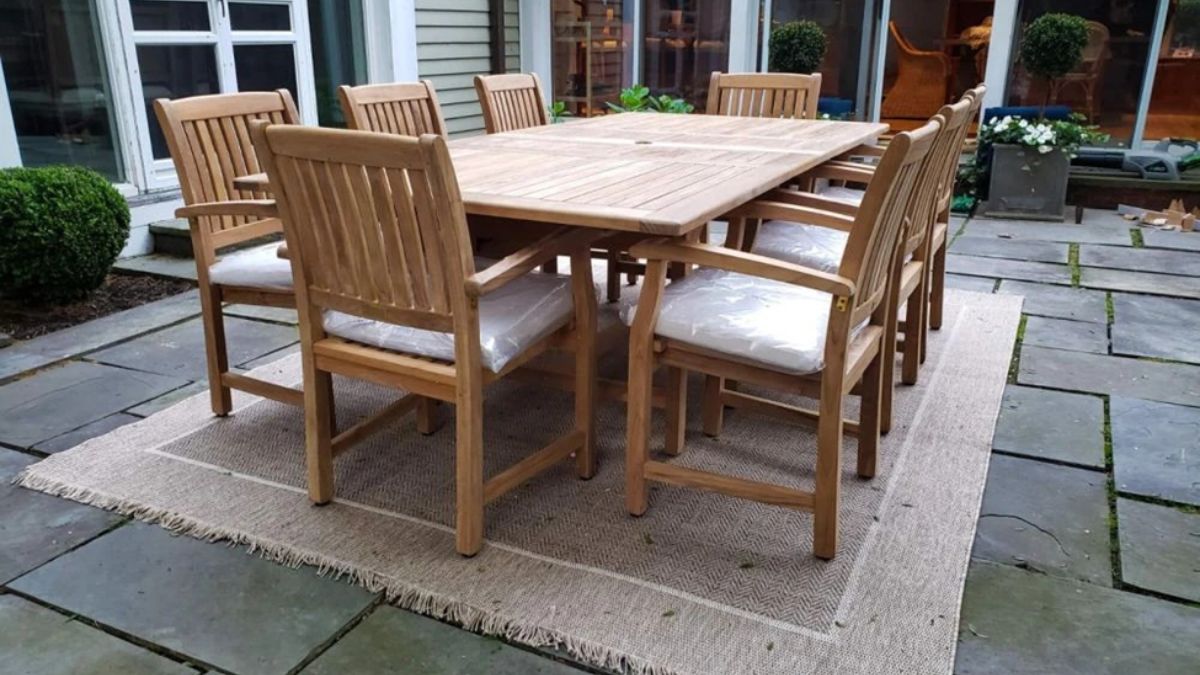
Buying furniture for your home is a big decision. It is not something you do every week. So when it comes to picking teak dining sets, you want to get it right the first time. Teak wood is famous for its strength, its rich golden-brown color, and the way it can last for generations if you take care of it. But even with all these good qualities, many people still end up making mistakes while buying their teak dining table.
At GOLDENTEAK, we have seen customers walk in with big dreams and walk out with regrets, simply because they did not know what to look for. This blog will walk you through the most common mistakes people make and how you can avoid them. By the end, you will feel much more confident about choosing the right teak dining sets for your home.
Mistake 1: Not Checking If It Is Real Teak Wood
This is probably the biggest mistake buyers make. Many sellers use the word “teak” loosely. Sometimes the product is made of rubber wood or acacia wood and is just given a teak-colored polish to look similar. This is not real teak, and it will not last as long or perform as well.
Real teak wood has a natural oily feel and a slightly golden tone when it is fresh. It also has a distinct smell, almost like leather, especially when it is freshly cut or sanded. Ask the seller directly where the wood is sourced from. Genuine teak usually comes from plantations in places like Indonesia, or from trusted grade-A sources. If a seller cannot answer basic questions about the wood’s origin, that is a warning sign.
Mistake 2: Ignoring the Grade of Teak
Not all teak is the same. Teak wood is generally divided into grades, such as Grade A, Grade B, and Grade C, based on the oil content, color, and where the wood is cut from the tree.
Grade A teak comes from the heartwood of a mature tree. It has the highest oil content, which makes it more resistant to water, pests, and weather changes. Grade B and Grade C teak come from younger trees or the outer parts of the trunk. These grades are cheaper, but they are also weaker and more likely to crack or warp over time.
Beware of unscrupulous manufacturers (especially seen at big box stores) who use grade B/C teak wood or other cheaper wood, and then give it a “free” teak sealer and stain finish to make the wood look more brown and more like Grade A teak wood. If in doubt – just take a sandpaper and sand the surface. If you cannot see a change in the color, and it is still a golden honey brown color, you have Grade A teak.
Many buyers skip asking about the grade because they simply do not know it exists. Before buying your teak dining table, always ask which grade of teak is being used. Verify it, using sandpaper. It will make a huge difference in how long the furniture lasts.
Mistake 3: Focusing Only on Price
We all like a good deal. But when it comes to teak dining sets, going for the cheapest option is often a costly mistake in the long run. Good quality teak is not cheap because the wood takes decades to mature and the crafting process takes real skill and time.
If you see a teak dining set priced way lower than others in the market, it should raise a question in your mind. It could mean the wood grade is low, the joints are not done properly, or the wood is mixed with a cheaper material. Instead of asking “what is the lowest price,” ask “what is the best value for the price.” A slightly higher investment now can save you a lot of money on repairs and replacements later.
Mistake 4: Not Checking the Joinery and Construction
The strength of any dining table does not just come from the wood. It also comes from how the pieces are joined together. Good teak furniture uses traditional joinery methods like mortise and tenon joints, which are strong and do not rely only on nails or screws.
Before you buy, take a moment to look under the table and check the chairs closely. Are the joints tight and smooth? Does the table wobble even slightly when you press on it? A well-made teak dining table should feel solid and steady. If it feels shaky in the store, it will only get worse once it reaches your home.
Mistake 5: Not Measuring Your Space Properly
This mistake has nothing to do with the wood quality, but it happens more often than you think. People fall in love with a beautiful teak dining set in the showroom or online, but forget to measure their dining room space at home.
A table that looks perfect in a large showroom might feel too big once you place it in your dining area. Always measure the length and width of your room, and leave enough space for chairs to be pulled out comfortably. As a general rule, keep at least three feet of space around the table so people can walk and sit without feeling cramped.
Mistake 6: Overlooking Maintenance Needs
Teak is known as a low-maintenance wood, but “low maintenance” does not mean “no maintenance.” Many buyers assume they can just place the teak dining table anywhere and forget about it. This is not fully true, especially for indoor teak furniture with a polished finish.
Ask the seller how to care for the wood. Does it need occasional oiling? What kind of cleaning products are safe to use? Should it be kept away from direct sunlight or heaters? Knowing these small details beforehand will help you keep your teak dining set looking beautiful for years.
Mistake 7: Not Checking Return and Warranty Policies
Sometimes, even after doing everything right, the furniture might not turn out to be exactly what you expected. Maybe the color looks different in your home lighting, or maybe there is a small defect you missed during the store visit.
This is why it is important to check the return policy and warranty before making the payment. A trusted brand will always stand behind the quality of its products and offer a fair return or replacement policy. If a seller is not willing to offer any kind of warranty, it might mean they are not fully confident about their own product.
Mistake 8: Buying Without Seeing the Finish Options
Teak wood can be finished in different ways. Some people like the natural, raw look of teak, while others prefer a polished or oiled finish that brings out a richer shine. Buyers often make the mistake of picking the first finish they see, without asking about other options.
Take your time to see different finish samples. Think about how the finish will match your existing furniture and flooring. A finish that looks great in the store might not blend well with the rest of your home décor.
Final Thoughts
Buying a teak dining set is an investment in your home and your family’s daily life. It is where you will share meals, celebrate birthdays, and gather with friends for years to come. By avoiding these common mistakes, you can make sure your investment is a smart one.
At GOLDENTEAK, we believe that every customer deserves honest information and genuine quality. Whether you are looking for a simple teak dining table for a small family or a grand dining set for bigger gatherings, taking the time to ask the right questions will always pay off.
So before you make your next purchase, slow down, ask questions, check the wood grade, test the joints, measure your space, and choose a seller you can trust. Your dining table is not just furniture. It is where memories are made, one meal at a time.
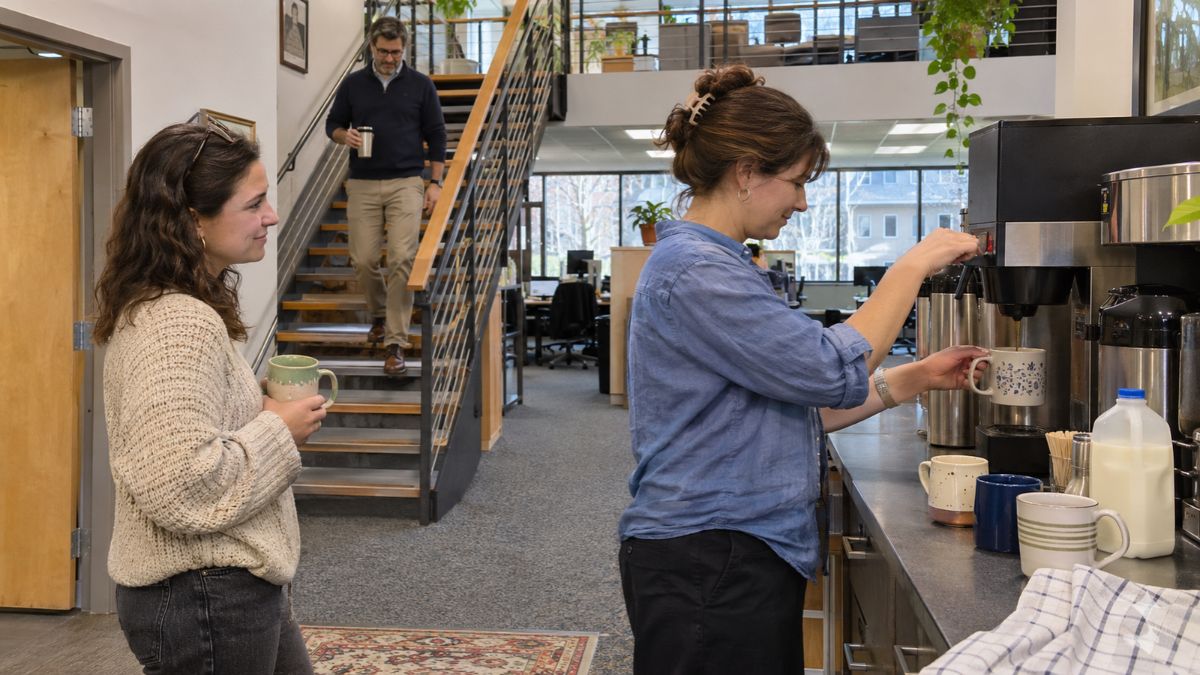
At 8:50 on Tuesday, someone from the upstairs team sends a photo of six people waiting for coffee. By lunch there’s a request for a second brewer. It sounds reasonable until someone asks what happened on Monday. The same machine sat idle for most of the morning, and half a pot went down the sink.
Does every floor need its own machine? Only if getting a cup regularly takes people too far from their work, or the shared brewer can’t keep up when they need it. Before changing your office coffee service, take one walk through the building, watch the busiest part of the morning, and find out who would keep that second station running.
How far away is the coffee, really?
Start at the desk of the person who asked for the brewer. Walk to the coffee station and back with a full mug, using the route they can actually take. Include the elevator wait, the heavy door that needs a free hand, and the detour around reception when a client meeting is in progress. Ask someone who uses the step-free route to show you any delays you missed.
A floor plan tells an office coffee service where a brewer might fit. Your walk tells them where it would get used. Suppose the kitchen is directly below the upstairs team, but the elevator is at the far end of both floors. Show the supplier that route before accepting a quote for a faster downstairs machine. Even an instant cup would leave the longest part of the trip untouched.
What’s holding up the morning line?
Watch the counter for fifteen minutes before the first round of meetings. Do it once on a busy office day and again on a quieter one. Write down three things while they’re still fresh.
- How many people arrive together? Eight coworkers coming out of orientation at once put a different demand on a brewer than eight people drifting in over an hour.
- What is each person waiting for? Watch the person at the front. Are they waiting for coffee to brew, filling the water tank, or adding milk right in front of the controls?
- Who leaves empty-handed? Someone who sees the line and heads back upstairs won’t appear in a count of cups served. Ask when they’ll get another chance for a break.
If the brewer finishes pouring while its last customer is still hunting for a lid, move the lids, milk, and sugar to the far end of the counter. Try that on the next busy morning. If the machine itself runs continuously and people still walk away, you have a reason to price more brewing capacity.
Try serving the upstairs team before buying a machine
Take the Tuesday meeting that sends a dozen people downstairs at 8:50. Next week, brew enough for that group ahead of time and set an insulated coffee dispenser, mugs, and milk outside the meeting room. Ask the organizer to note when the coffee runs out and how much comes back. If that clears the downstairs line and covers the only rush upstairs, add coffee to the meeting setup. If the dispenser comes back full of regular coffee while people still queue downstairs for decaf or individual drinks, ask the team what they wanted. A bigger pot would repeat the same mistake.
A separate brewer earns its place when the need lasts beyond one meeting. Think of a reception team that has to arrange desk coverage every time someone leaves the floor. A small station within sight of the desk may help those four people more than a faster brewer helps twenty people in the main kitchen.
Who will keep a second coffee station stocked?
Open the cupboard at the proposed location. Is there room for a spare box of coffee, filters that fit the brewer, and enough cups to get through delivery day? Check where someone can fill the tank, empty the grounds, and wash the removable parts. A station that sends someone downstairs carrying a drip tray needs a better spot.
Agree on who does the morning check and who covers their day off. If you already work with snack vendors for companies that share your building, ask where deliveries actually end. A box signed for at reception can sit there all afternoon while the upstairs team thinks the coffee has run out. Before approving the order, ask for the monthly cost of both layouts at the same cup count. Include equipment, supplies, delivery, and routine care. Take your notes from Tuesday morning to Berkshire Foods and ask what each option would cost at the same monthly cup count. Include supplies, delivery, and upkeep in both quotes. If most of the wait happens at the brewer, spend the money downstairs. If the upstairs team loses half its break getting there and back, give that floor its own machine.
Frequently Asked Questions
How many employees can share one office coffee machine?
Count the drinks people need during the busiest break. A team of twenty arriving together may ask more of a brewer than twice as many people on staggered schedules. Ask for a demonstration using your usual cup size and drink choices, then time how long the last person waits.
Which coffee machine works best for a quiet office floor?
A single-cup brewer is worth considering when people arrive at different times or want different drinks. If most of the floor drinks regular coffee at one morning meeting, try a small batch brewer or an insulated dispenser first. Compare what gets consumed with what you throw away.
What should an office coffee service quote include for two floors?
Ask for equipment and installation costs, the supplies included for each floor, and who handles cleaning and repairs. Berkshire Foods lists both traditional and single-cup systems. Give the supplier your busiest fifteen-minute count so you can compare the cost of improving the shared station with adding a smaller one upstairs.
Can we add a coffee machine on a floor without a water line?
A brewer with a refillable tank can work if staff have a convenient place to fill it and clean the parts. Before choosing one, check the tank capacity against your morning cup count. Have the person who will refill it try the walk from the nearest sink.
How can we tell whether the second brewer was worth it?
Repeat the same observations you made before installation on a comparable office day. Count how many people leave the line, time the round trip for the upstairs team, and check both stations for unused coffee. Ask whoever restocks them how often they’ve had to make an extra supply run.
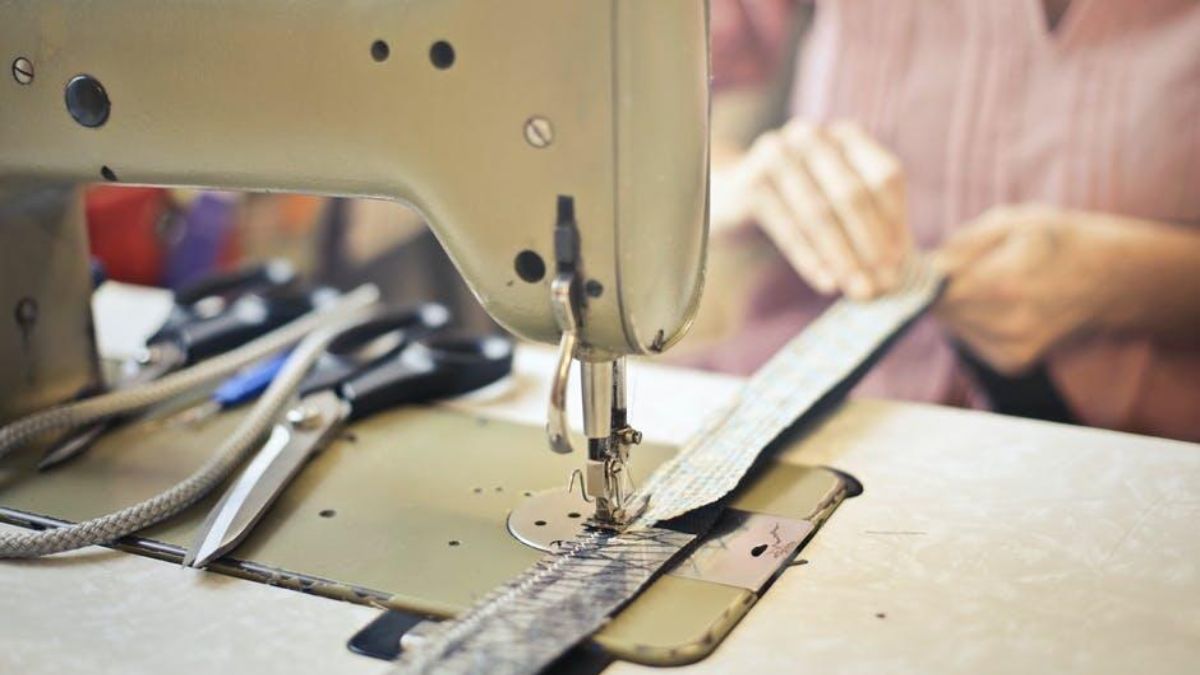
Building a new physical product once meant months of costly testing and repeated mistakes. Companies had to make metal parts, run stress tests, and start again when something failed. Today, simulation software allows teams to test designs on a screen before using any raw materials.
Continue reading to discover everything you need to know!
Moving From Physical Prototypes to Virtual Testing
Traditional prototyping can slow down even the best design teams, especially when budgets are tight. Many manufacturers now use specialized product engineering services to test stress, heat, and fluid movement in a digital space. This helps engineers find weak points early without paying for several physical models.
Virtual models show how materials react to heat, pressure, and movement. Engineers can change a part’s thickness or test a different metal within minutes.
They no longer need to wait weeks for a machine shop to build another version. Faster testing helps teams create stronger parts and move products toward production sooner.
Lowering R&D Costs Without Cutting Corners
Physical testing can use up large parts of a research budget. Material waste, special tools, and lab fees all add to the cost. Digital testing offers a cheaper way to check designs before building a working model.
Companies can save thousands of dollars during each design cycle. Using fewer physical prototypes also means less metal and plastic waste.
Smaller businesses can compete with larger companies because virtual testing makes product development more affordable. The money saved can support new ideas and better features for customers.
Predicting Maintenance Before Breakdowns Happen
Engineers use digital twins to track wear across months of factory use. Early signs of poor performance help repair teams replace worn parts before machines fail, and this can prevent costly stops in production. Data from products in use also helps engineers improve future designs.
Speeding Up Teamwork
Designers, engineers, and supply chain teams often use different technical terms. Digital models give everyone a clear view of how a part works under real conditions. Heat maps and stress charts make design choices easier to discuss.
Suppliers can also check exact measurements early in a project. This is more useful than relying only on flat drawings. Clear data reduces mistakes and helps teams meet launch dates.
Handling Complex Designs With Less Risk
Modern products contain more sensors, batteries, and moving parts in smaller spaces. Simulation helps engineers understand how heat and vibration may affect these parts. They can test possible problems before mass production begins.
Designers can also explore new shapes and lighter structures with less risk. Virtual tests show whether a design can handle pressure before companies invest in costly factory tools.
Meeting Safety and Compliance Standards
Industries such as aerospace, automotive, and medical devices must meet strict safety rules. A failed test can delay a launch for months or longer. Virtual testing helps engineers check designs against required limits before official inspections.
Detailed reports also show how parts perform under extreme conditions. This gives teams useful evidence during safety reviews and reduces the need for last-minute changes.
Advancing Product Design Through Product Engineering Services
Digital simulation has made product development faster and more cost-effective. Companies can reduce waste, avoid repeated mistakes, and bring reliable products to market sooner.
As computing power grows, virtual testing will play an even bigger role in how businesses design and build physical products.
Make sure to check out the rest of our articles.

Have you ever wondered how a few simple changes can make driving much safer? Every day, people face different dangers on the road, from bad weather to careless drivers. Vehicle accidents can cause serious injuries and create long-term problems.
Many of these crashes happen because of habits that can be changed. Road safety is something everyone can improve with small steps. Learning about common risks and how to avoid them helps protect everyone.
This blog post shares practical habits to reduce risk and keep you safe on the road. Keep on reading!
Stay Focused on the Road
Distractions are a major cause of road accidents. Using a phone, eating, or talking to passengers can take your mind off driving. Keeping both hands on the wheel helps you stay in control.
Watching the road ahead allows you to react quickly to dangers. By staying focused, drivers can avoid many unexpected hazards and keep themselves and others safe.
Keep a Safe Following Distance
Tailgating is dangerous and can lead to rear-end crashes. Leave enough space between your car and the vehicle in front of you. This space gives you time to stop if the other driver brakes suddenly.
Most experts recommend a three-second gap in good conditions. In rain or fog, you need even more space for safety.
Follow Speed Limits
Speeding is a common reason for accidents. Speed limits are set to protect all road users. Driving at the right speed helps you control your vehicle better.
Slower speeds make it easier to stop for unexpected obstacles. Following speed limits shows care for yourself and for others on the road.
Use Turn Signals and Check Blind Spots
Signaling before turning or changing lanes lets other drivers know your intentions. Always check your mirrors and blind spots before moving your car. This habit can prevent crashes, especially in heavy traffic.
Good communication between drivers makes the road safer for everyone. Simple actions like using turn signals help avoid confusion and accidents.
Adjust Driving for Weather and Road Conditions
Bad weather like rain, snow, or fog can make roads slippery and reduce visibility. Slow down and keep headlights on when visibility is low.
Avoid sudden stops or sharp turns to prevent skidding. Wet or icy roads need extra caution because it takes longer to stop. Adapting your driving style keeps you safer in any weather.
Know What to Do After an Accident
Even with safe habits, accidents can still happen. Stay calm and check for injuries after a crash. Contact emergency services right away if anyone is hurt or there is significant damage.
Gathering information about the road accident is crucial, and knowing how to protect your rights after collisions can help with insurance claims and legal issues. Being prepared makes dealing with accidents much less stressful.
Building Safer Driving Habits for a Lifetime
Driving safely is a decision you should make every day because it can save lives and prevent injuries. Relatively minor changes to your routine can have a significant impact over time.
Building solid routines for each drive can be done by putting these straightforward suggestions into practice. On the road, everyone can take precautions to protect themselves and others.
Did you like this guide? Great! Please browse our website for more!
-

 NEWS1 year ago
Historical Churches in Manila
-

 TOPIC4 months ago
Unveiling AvTub: Your Ultimate Guide to the Best AV Content
-

 TOPIC1 year ago
Simbang Gabi and Kakanin
-

 TOPIC1 year ago
Symbols of Hope: The 15th Belenismo sa Tarlac
-
 BUSINESS6 months ago
Exploring the Different Types of Понуде in Business Transactions
-

 NEWS5 months ago
What Caused Delta Flight DL275 to Diverted LAX? A Detailed Breakdown
-

 TOPIC1 year ago
RIZAL at 160: a Filipino Feat in Britain
-

 TOPIC3 months ago
Understanding Fascisterne: Origins and Ideological Roots