
TOPIC
Mosquitoes and Their Impact on Health: A Complete Guide to Prevention, Protection, and Population Control


Mosquitoes are small flying insects that are found in many environments and are closely associated with warm, humid, and water-rich conditions. Although they may appear to be a minor nuisance, they can have a much broader impact on human comfort, health, and daily activities. Their presence often increases when suitable breeding areas become available, particularly where water remains stagnant for extended periods. Understanding their behavior and biological needs is therefore an important step toward reducing their numbers around homes, gardens, workplaces, and recreational areas. Female insects are responsible for the bites that people commonly experience because they require nutrients from blood meals to develop their eggs. In contrast, males generally feed on nectar and other plant-based sources. Learning these basic differences makes it easier to understand why some prevention methods focus on removing water, while others focus on reducing human exposure. A thoughtful approach combines environmental maintenance, personal protection, and responsible pest-management practices.
Understanding Their Life Cycle
The life cycle of mosquitoes consists of four major stages: egg, larva, pupa, and adult. Most species depend on water during the early stages of development, which makes stagnant water an important factor in population growth. Females may lay eggs in suitable containers, natural depressions, drainage areas, or other locations where water can collect. After hatching, larvae remain in the water and feed on microscopic organisms and organic material. They eventually develop into pupae, during which their bodies undergo significant transformation before adult insects emerge. The speed of this development can vary depending on temperature, water availability, food sources, and species-specific characteristics. Warmer conditions can allow development to occur more quickly when other environmental requirements are also present. Because the early stages are strongly connected to water, eliminating unnecessary standing water is one of the most practical ways to interrupt the breeding process before large numbers of adults appear.
Why Standing Water Creates Problems
Standing water is one of the most important factors that can contribute to mosquito development around residential and commercial properties. Water does not have to be present in a large pond or pool to become a potential breeding site. Small amounts collected in buckets, plant trays, discarded containers, clogged gutters, old tires, outdoor equipment, and other objects can provide suitable conditions for development. Regular inspections are therefore useful, particularly after rainfall or periods of high humidity. Containers that are not required should be emptied, removed, covered, or stored in a way that prevents water from accumulating inside them. Water-storage containers should be tightly covered whenever possible, while drainage systems should remain clear so that rainwater can move away efficiently. Decorative water features and pools also need appropriate maintenance to prevent them from becoming stagnant. Removing these opportunities can reduce the number of places where eggs and larvae can survive and can make other prevention efforts considerably more effective.
How Bites Affect People
A bite occurs when a female insect uses specialized mouthparts to penetrate the skin and obtain blood. During feeding, saliva enters the skin, and the immune system may react to proteins contained in that saliva. This can result in itching, redness, swelling, warmth, or a small raised area around the bite. Reactions differ between individuals, so one person may notice only a tiny mark while another may experience more significant irritation. Repeated scratching can break the skin and create an opportunity for bacteria to enter, potentially leading to a secondary infection. Keeping the affected area clean and avoiding excessive scratching can help reduce complications. A cool compress may provide temporary relief from itching and swelling, while appropriate over-the-counter products can sometimes help when used according to their instructions. People should pay attention to symptoms that appear unusual, severe, or persistent rather than assuming every reaction is harmless. When symptoms extend beyond a typical local skin reaction, professional medical advice may be appropriate.
Potential Health Concerns
Some species can act as vectors for infectious diseases because they may acquire pathogens from an infected host and transfer them to another person or animal during a later feeding. The diseases associated with these insects differ according to the species involved, the pathogen present, and the conditions that allow transmission to occur. Certain infections can produce symptoms such as fever, headache, fatigue, muscle discomfort, joint pain, rash, or other signs of illness. Some mosquito-borne diseases can become serious, making prevention an important public-health concern. However, simply being bitten does not automatically mean that an individual has contracted an infection. Transmission requires specific biological conditions, including the presence of an appropriate pathogen and a vector capable of carrying it. People should therefore avoid unnecessary alarm while still taking reasonable precautions to reduce exposure. When someone develops concerning symptoms after significant insect exposure, especially symptoms that are persistent or worsening, seeking advice from a qualified healthcare professional can help determine the appropriate next steps.
Protecting Indoor Spaces
Reducing indoor exposure begins with limiting opportunities for insects to enter living areas. Properly fitted screens on windows and doors can provide an effective physical barrier while still allowing air to circulate. Damaged screens should be repaired promptly, and doors should not be left open unnecessarily during periods of increased insect activity. Bed nets can offer additional protection in situations where they are appropriate, particularly for people who need extra protection while sleeping. Household members should also inspect indoor and outdoor containers that may collect water, including plant trays and decorative objects. Air movement from fans may make it harder for flying insects to land on exposed skin, although fans should not be considered a complete substitute for other protective measures. Keeping indoor areas clean and reducing unnecessary clutter can also make it easier to identify and address potential problems. A combination of screens, appropriate barriers, water management, and personal protection provides a more comprehensive approach than relying on a single method.
Personal Protection Methods
Personal protection becomes particularly important when spending time outdoors in areas where biting insects are active. Wearing long sleeves, long trousers, and other clothing that covers exposed skin can reduce the number of available areas where bites can occur. Appropriate insect repellents can provide another layer of protection when they are used according to their labels. Product instructions should always be followed carefully, including guidance about application, reapplication, age restrictions, and areas of the body where the product should not be used. Children may require adult supervision when repellents are applied, and users should avoid applying products to damaged or irritated skin unless the instructions specifically permit it. Outdoor activities can sometimes be planned during periods when insect activity is lower, although activity patterns vary according to species and environmental conditions. Combining clothing, suitable repellents, physical barriers, and environmental management can substantially reduce exposure. These measures are especially useful when people regularly spend time in gardens, yards, parks, or other outdoor environments.
Maintaining Outdoor Areas
Outdoor maintenance plays an important role in reducing conditions that support mosquito populations. Property owners should regularly inspect gardens, patios, balconies, yards, and other areas for objects that can collect rainwater. Buckets, plant containers, unused equipment, toys, tires, and other items should be emptied or stored properly when they are not needed. Gutters and drains should also be inspected because leaves and debris can block water flow and create small pools of stagnant water. Landscaping should be maintained so that excessive moisture and dense clutter do not create unnecessary resting areas. Water features should be properly maintained according to their design and intended use. Community-level cooperation can be useful because insects can move between neighboring properties, meaning that one poorly maintained area may contribute to problems beyond a single household. Regular inspection is particularly valuable after heavy rainfall because new breeding opportunities can appear quickly. Simple maintenance habits can therefore make a meaningful difference without requiring complicated equipment or expensive interventions.
Responsible Pest Control
When insect populations become difficult to manage, pest-control products or professional services may sometimes be necessary. Chemical products should always be used according to their labels, including recommended quantities, application methods, safety precautions, and instructions for protecting people, pets, plants, and beneficial organisms. Applying excessive amounts does not necessarily produce better results and may increase unnecessary environmental exposure. Integrated pest management focuses on identifying the source of the problem, removing breeding conditions, monitoring activity, and applying targeted treatments when needed. Professional pest-control specialists can assess properties and identify breeding locations that may not be obvious to residents. Treating adult insects without addressing the source of reproduction may provide only temporary relief because new adults can continue to emerge. A careful control program therefore combines environmental changes with targeted intervention. This approach can improve long-term results while reducing unnecessary reliance on chemical treatments.
Common Misconceptions
There are many misconceptions about mosquitoes and their behavior. One common belief is that every bite automatically means disease transmission has occurred, but this is not the case. Disease transmission requires the presence of a suitable pathogen and a capable vector under appropriate conditions. Another misconception is that only large bodies of water can support breeding, even though some species can develop in relatively small amounts of stagnant water. People may also assume that removing visible adult insects permanently solves a problem, while untreated breeding sites can continue producing new adults. Another misunderstanding is that indoor areas are always protected, even though insects can enter through open doors, windows, and damaged screens. Home remedies and unverified internet claims may also create confusion when people are looking for effective control methods. Reliable information from public-health organizations, qualified healthcare professionals, and experienced pest-management specialists is generally more useful than unsupported claims. Understanding what actually influences breeding and transmission helps people choose practical prevention measures.
Building Better Prevention Habits
Long-term prevention is more effective when it becomes part of routine property maintenance rather than an occasional response to a sudden increase in insects. A regular inspection schedule can help households identify water-collection areas before they become productive breeding sites. Outdoor containers should be emptied frequently, gutters should be kept clear, and water-storage areas should remain covered whenever possible. After rainfall, an additional inspection may be useful because water can collect in unexpected locations. Screens, doors, and other barriers should also be checked periodically for damage. Families can make prevention easier by assigning simple maintenance tasks to different household members and incorporating them into regular cleaning routines. Schools, workplaces, property managers, and community organizations can apply similar principles by inspecting shared spaces and addressing drainage problems. Consistency is important because a single untreated breeding site can continue producing new insects over time. Small preventive actions performed regularly can therefore be more useful than occasional intensive efforts.
Creating a Safer Environment
A safer environment does not require eliminating every insect from an outdoor area, which is neither practical nor necessary. Instead, the focus should be on reducing unnecessary exposure and removing conditions that encourage excessive population growth. Proper water management is one of the most important components because early development depends heavily on suitable aquatic environments. Physical barriers such as screens and bed nets can help protect indoor spaces, while appropriate clothing and repellents can reduce outdoor exposure. Property maintenance can further limit the number of places where eggs and larvae can develop. When these measures are combined, households can reduce the likelihood of repeated bites and lower the conditions that support population growth. It is also useful to remain aware of public-health recommendations during periods when mosquito-borne diseases are more common. Prevention works best when people understand the reasons behind each measure rather than treating individual methods as guaranteed solutions. A balanced strategy provides protection while avoiding unnecessary or excessive interventions.
Final Thoughts
Mosquitoes can affect comfort, outdoor activities, and public health, but many practical measures can reduce their impact. Understanding their life cycle shows why stagnant water management is such an important part of prevention. Removing unnecessary water sources, maintaining drainage systems, using screens, wearing protective clothing, and applying suitable repellents can all help reduce exposure. Responsible pest management should focus on identifying breeding conditions and addressing the source rather than depending exclusively on repeated chemical treatments. People should also understand that a bite does not automatically mean disease transmission has occurred, while unusual or serious symptoms should receive appropriate medical attention. Consistent household and community maintenance can prevent many breeding opportunities before they develop into larger problems. By combining environmental management, personal protection, and reliable information, people can create cleaner and more comfortable surroundings while reducing avoidable exposure to biting insects.

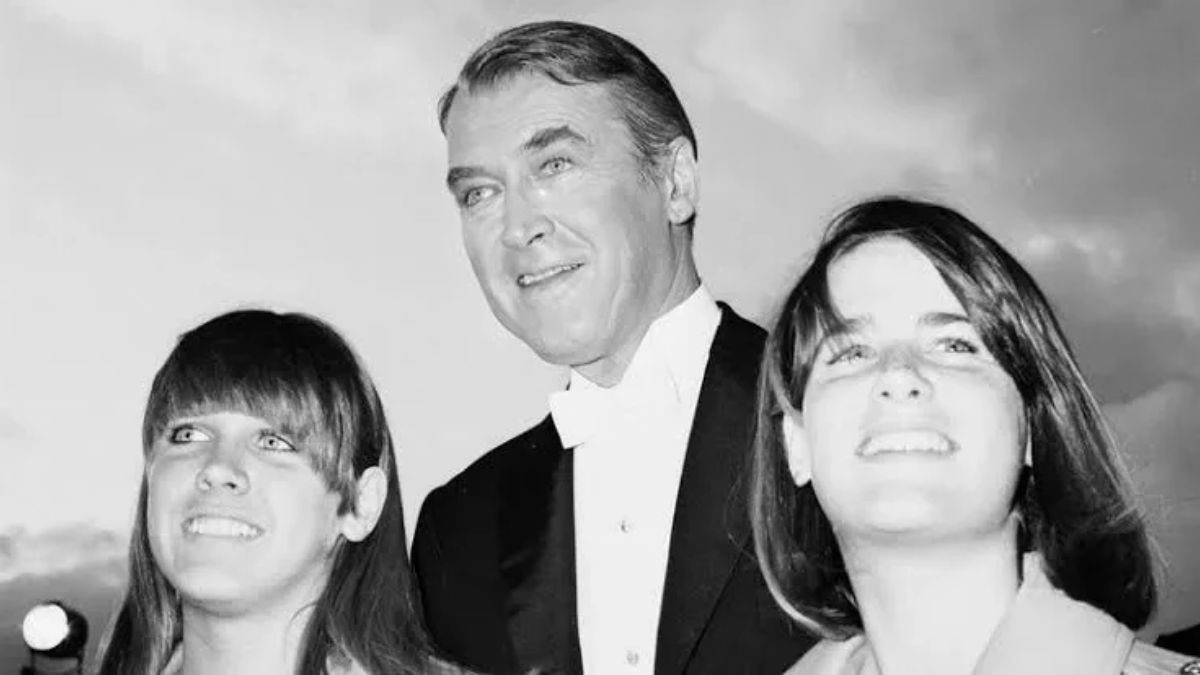
Judy Stewart Merrill is the twin daughter of legendary actor James Stewart and his wife Gloria Hatrick McLean. Born on May 7, 1951, she grew up in the heart of Hollywood yet spent her adult life deliberately outside the spotlight. While her father became one of the most beloved figures in American cinema, Judy chose a quieter path centered on family and privacy. This choice has defined her public image for decades.
She shares her birthday with her identical twin sister, Kelly Stewart-Harcourt. The two women have followed very different professional paths while maintaining a close bond. Judy’s story offers a clear example of how the children of major celebrities can build meaningful lives far from red carpets and film sets.
Early Life and Family Background
James Stewart and Gloria Hatrick McLean married in 1949. Gloria already had two sons from her previous marriage—Ronald and Michael—whom James adopted. Two years later the couple welcomed twin daughters, Judy and Kelly. The blended family of six lived primarily in the Los Angeles area during the peak of Stewart’s film career.
Stewart often spoke about the joy of becoming a father relatively late in life. He was 43 when the twins arrived. Family members and biographers have consistently described the household as warm and protective. The children were largely shielded from the constant attention that surrounded their father.
Key Family Facts
| Detail | Information |
|---|---|
| Full Name | Judy Stewart Merrill (also known as Judy Stewart-Merrill) |
| Date of Birth | May 7, 1951 |
| Parents | James Stewart and Gloria Hatrick McLean |
| Twin Sister | Kelly Stewart-Harcourt |
| Brothers | Ronald (1944–1969) and Michael (1946–2022) |
| Spouse | Steven Merrill (married 1979) |
| Children | David Merrill and John Merrill |
Ronald was killed in action in Vietnam in 1969 at age 24. Michael passed away in 2022. Judy and Kelly are the only surviving children of James and Gloria Stewart.
Education and the Decision to Stay Private
Both twins attended Stanford University. While Kelly went on to earn a Ph.D. from Cambridge University and built a distinguished career as a primatologist studying mountain gorillas in Africa, Judy pursued a more private course. She did not seek a public career in entertainment or academia.
This divergence highlights how siblings raised in the same household can make very different choices. Judy’s preference for privacy has remained consistent across more than seven decades. She has rarely given interviews and has avoided the media attention that often follows the children of famous parents.
Marriage and Family Life
In 1979 Judy married Steven Merrill. The couple settled in California, with strong ties to the San Francisco Bay Area, including reports of residence in Atherton. They raised two sons, David and John.
It is important to note a frequent error that appears in many online biographies: Judy Stewart Merrill is not the wife of Stephen E. Merrill, the former Governor of New Hampshire (1993–1997). The governor’s wife was named Heather. Judy’s husband is a different Steven Merrill. This distinction matters because the incorrect claim has been repeated across numerous websites.
Judy has largely stayed out of the public eye throughout her marriage. She has appeared occasionally at family events and in documentaries about her father, but she has never cultivated a personal public profile.
Public Appearances and Documentaries
Although she has avoided the spotlight, Judy has contributed to several projects that document her father’s life and career. IMDb lists her appearances under both “Judy Stewart” and “Judy Merrill.”
Notable credits include:
- Password (1960s game show appearances with family)
- The Mike Douglas Show
- James Stewart: The Last of the Good Guys (1997)
- James Stewart, Robert Mitchum: The Two Faces of America (2017)
In these projects she has shared brief, measured reflections on her father’s character and family life. Her comments align with the consistent picture painted by those who knew James Stewart: a devoted husband and father who kept Hollywood and home life largely separate.
Pros and Cons of Choosing a Private Life
Living outside the celebrity system brings both advantages and challenges.
Advantages
- Freedom to raise children without constant media scrutiny
- Ability to maintain normal relationships and daily routines
- Reduced pressure to live up to a famous parent’s public image
- Greater control over personal information and family boundaries
Disadvantages
- Limited ability to shape public narratives about the family
- Occasional inaccurate information circulating online with little opportunity to correct it
- Reduced visibility when family members wish to share positive aspects of their father’s legacy
Judy appears to have accepted these trade-offs. Her consistent choice suggests she values the benefits of privacy more highly than any potential advantages of public recognition.
Common Mistakes People Make When Writing About Judy Stewart Merrill
Several recurring errors appear in online coverage:
- Confusing her husband with the former New Hampshire governor
- Claiming she pursued a career in public broadcasting (no credible evidence supports this)
- Overstating the number or nature of her public appearances
- Treating her as a public figure when she has actively avoided that role
These mistakes often stem from the scarcity of reliable primary information. Because Judy has given so few interviews, writers sometimes fill gaps with speculation or copy inaccurate details from other sites.
Best Practices for Understanding Her Story
When researching the children of major celebrities, it helps to prioritize primary sources and established biographies of the famous parent. Reliable information about Judy comes mainly from:
- Biographies and interviews with James Stewart and Kelly Stewart-Harcourt
- Verified film and television credits
- Genealogical records that correctly identify her husband and children
Cross-checking multiple independent sources remains essential, especially when online content repeats the same unverified claims.
Conclusion
Judy Stewart Merrill represents a deliberate alternative to the path many celebrity children take. Born into one of Hollywood’s most respected families, she chose to build her life around privacy, marriage, and motherhood rather than public recognition. Her twin sister’s contrasting career in science further illustrates the range of choices available to the children of famous parents.
At 74, Judy continues to live largely out of the public eye. Her story reminds us that the most enduring part of a famous person’s legacy is often the private family life they worked to protect.
5 SEO FAQs
Who is Judy Stewart Merrill?
Judy Stewart Merrill is the twin daughter of actor James Stewart and Gloria Hatrick McLean. She was born on May 7, 1951, and has lived a private life focused on family.
Is Judy Stewart Merrill married to the former governor of New Hampshire?
No. She is married to a different Steven Merrill. The former New Hampshire governor’s wife was named Heather.
What is the relationship between Judy Stewart Merrill and Kelly Stewart-Harcourt?
They are identical twin sisters, both daughters of James Stewart. Kelly became a primatologist while Judy chose a private life.
Did Judy Stewart Merrill appear in any of her father’s films?
No. She has appeared only as herself in documentaries and a few television programs about her father.
Where does Judy Stewart Merrill live?
She has long been associated with California, particularly the San Francisco Bay Area.

Alexis Maas stepped into the public eye only because of the man she married. Born in Pittsburgh in 1952, she built a quiet career in finance before meeting television legend Johnny Carson on a Malibu beach in the mid-1980s. Their nearly eighteen-year marriage became Carson’s longest and, by most accounts, his calmest. After his death in 2005 she largely disappeared from view, choosing privacy over the spotlight that had defined her husband’s life.
Who Is Alexis Maas?
Alexis Maas is best known as the fourth and final wife of Johnny Carson, the longtime host of The Tonight Show. She was never a performer or public personality in her own right. Before the marriage she worked for a stock brokerage firm, a detail confirmed by contemporary news reports. That background in finance later proved useful as she managed the substantial assets left after Carson’s death.
She has consistently avoided interviews, memoirs, and social media. As a result, verified information about her early life remains limited. What is known comes mainly from the period surrounding her 1987 wedding and the years she spent supporting Carson through the final stretch of his career and retirement.
Early Life and Career Before Fame
Maas grew up in Pittsburgh, Pennsylvania. Contemporary accounts describe her as roughly thirty-five at the time of her marriage, which aligns with the widely reported 1952 birth year. Details about her parents, education, and childhood stay private; even the wedding itself relied on a speakerphone connection so her parents could participate from the East Coast.
Her professional life centered on the financial sector. Multiple reports from the 1980s identify her as a former employee of a stock brokerage firm. This experience gave her practical knowledge of money management at a time when she would later handle a large estate. Unlike many people who enter celebrity circles, she did not arrive with an entertainment résumé.
How Alexis Maas Met Johnny Carson
The couple’s meeting is one of the better-documented parts of her story. Contemporary reporting places their first encounter on Carbon Beach in Malibu in the mid-1980s. Carson noticed her walking along the sand near his home and invited her in for a drink. Their relationship developed quietly over the next couple of years.
They became engaged in December 1986. Carson’s publicist confirmed the engagement at the time, noting that the couple preferred to keep the matter low-key. The age difference—Carson was born in 1925—was roughly twenty-six years, yet both parties maintained a notably private courtship.
Marriage to Johnny Carson and Life Together
On June 20, 1987, Alexis Maas and Johnny Carson married in a small ceremony at Carson’s Malibu beach home. Superior Court Judge William Hogoboom officiated. Carson’s brother Dick attended, and Maas’s parents listened in via speakerphone. The couple left shortly afterward for England, where they attended the Wimbledon tennis championships.
The marriage stood in contrast to Carson’s earlier unions, which had been marked by more public drama. Friends and colleagues later described Alexis as a steady, low-profile presence. She accompanied Carson to selected events but largely stayed out of the media. After Carson retired from The Tonight Show in May 1992, the couple traveled more and spent time away from the daily grind of television.
They had no biological children together. Maas became stepmother to Carson’s three sons from his first marriage: Christopher, Richard (Rick), and Cory. Rick’s death in a car accident in 1991 was a profound personal loss for Carson; Alexis remained by his side through that period and the years that followed.
Life After Johnny Carson’s Death
Johnny Carson died on January 23, 2005, at age seventy-nine from complications related to emphysema. The marriage had lasted nearly eighteen years. After his death, Maas withdrew almost completely from public life. She has given no known interviews and maintains no verified social-media presence.
She inherited a significant share of Carson’s estate. Public estimates of the inheritance typically range from roughly $100 million to $300 million, with many sources settling around the $150–160 million range after major charitable transfers to the Johnny Carson Foundation. In 2007 she sold the Malibu oceanfront property for approximately $36.5 million (some reports cite a higher figure near $46 million). She has not remarried, according to all available public records.
Alexis Maas Net Worth and Financial Legacy
Exact current net-worth figures are impossible to confirm because Maas has kept her finances private. What can be established is that she controlled valuable real estate and received a substantial inheritance while also participating in the charitable framework Carson established.
| Aspect | Details | Notes |
|---|---|---|
| Primary Source of Wealth | Inheritance from Johnny Carson’s estate | Large portion directed to foundation |
| Notable Asset Sale | Malibu estate sold in 2007 | Reported around $36.5–$46 million |
| Public Estimates | Commonly $150–$300 million range | Unverified exact current figure |
| Charitable Involvement | Johnny Carson Foundation | Focus on education and legacy causes |
| Business Ventures | None publicly confirmed | No major companies or brands attributed to her |
The table above summarizes the most consistently reported financial facts. Because estate documents remain private, any precise dollar figure should be treated as an estimate rather than a verified total.
Pros and Cons of a Highly Private Celebrity Marriage
Living beside one of television’s biggest names while refusing the spotlight carries clear trade-offs.
Pros
- Greater personal stability and fewer tabloid conflicts
- Ability to focus on family and later philanthropic work
- Preservation of dignity after the spouse’s death
- Reduced pressure to maintain a public persona
Cons
- Limited ability to shape public narratives about the marriage
- Ongoing curiosity and speculation that cannot be easily corrected
- Fewer opportunities to share personal stories or correct myths
- Potential isolation from wider social circles
Maas’s choices demonstrate both the protective value and the inherent limitations of extreme privacy.
Common Mistakes When Researching Alexis Maas
Many online summaries mix verified facts with speculation. Avoid these frequent errors:
- Treating every net-worth figure as exact; most are rough estimates.
- Assuming she has given recent interviews or maintains active social media.
- Confusing her with other people who share similar names.
- Claiming she had biological children with Carson (none are documented).
- Presenting the exact details of the inheritance as settled public record.
Sticking to contemporary news accounts from 1986–1987 and later confirmed property sales produces a more reliable picture.
Best Practices for Understanding Her Story
Readers who want an accurate view of Alexis Maas’s life can follow a few straightforward guidelines:
- Prioritize primary news reports from the time of the engagement and wedding.
- Distinguish between documented events (marriage date, property sale) and later estimates.
- Recognize that silence after 2005 is itself a consistent choice rather than an absence of information.
- Note the contrast between Carson’s earlier, more public marriages and the quieter final chapter.
- Treat philanthropic involvement as the main continuing public connection to Carson’s legacy.
These practices keep the focus on what can actually be verified.
Conclusion
Alexis Maas’s story is unusual in American entertainment history. She entered a high-profile world through marriage, supported one of television’s defining figures through retirement and declining health, and then chose to step away almost entirely once that chapter closed. Her background in finance, the private nature of the 1987 Malibu wedding, and the measured handling of the estate afterward form the core of the public record. Decades later, the interest in her life persists mainly because of the man she married and the deliberate privacy she maintained both during and after the relationship. That combination of proximity to fame and refusal of its usual rewards continues to set her apart.
5 SEO FAQs
Who is Alexis Maas?
Alexis Maas is the fourth and final wife of Johnny Carson, the longtime host of The Tonight Show. She married him in 1987 and remained with him until his death in 2005.
When did Alexis Maas marry Johnny Carson?
They married on June 20, 1987, in a private ceremony at Carson’s Malibu home.
Did Alexis Maas and Johnny Carson have children?
No. They had no biological children together. Maas became stepmother to Carson’s three sons from his first marriage.
What is Alexis Maas’s net worth?
Public estimates commonly place the inheritance in the $150–$300 million range, but exact current figures remain private.
Is Alexis Maas still alive?
Yes. As of 2026 she is believed to be living a private life with no confirmed public appearances or social-media presence.

Lloy Coutts remains one of those quiet forces who shaped Canadian theatre without always standing in the spotlight. She worked as a voice coach, acting teacher, and director for decades, helping actors find clarity, presence, and truth on stage. Many people searching for Lloy Coutts discover a career that stretched from the earliest days of formal Canadian actor training to long teaching roles at major universities and festivals.
Her influence still surfaces today through an annual acting prize that carries her name and through the stories shared by colleagues who trained under her. This piece looks at her path, the work that defined her, and the practical lessons her approach still offers performers and educators.
Early Life and Training of Lloy Coutts
Lloy Coutts was born Patricia Lloy Coutts in April 1941 in Edmonton, Alberta. She first stepped into performance through children’s theatre programs run by Edmonton’s Parks and Recreation department. That early exposure to storytelling and stage work set a direction that would last her entire life.
In 1963 she entered the inaugural class of the National Theatre School of Canada. The school was still finding its footing, so the students and teachers built the program together. After that intensive training she continued her studies at New York University, gaining broader exposure to American theatre practice. These years gave her both technical skill and a clear sense of what Canadian actors still needed.
Building a Career as Voice Coach and Director
Once she returned to Canada, Lloy Coutts helped establish the Playhouse Acting School at the Vancouver Playhouse under the late Powys Thomas. She focused on voice work and actor training from the start. Colleagues quickly recognized her ear for language and her ability to help performers unlock clearer speech without losing their natural voices.
From 1970 to 1981 she served as voice coach at the Stratford Festival. During those eleven seasons she worked with company members on Shakespearean text, classical verse, and contemporary plays. Later she returned to assist on two productions: Julius Caesar in 1990 and Much Ado About Nothing in 1991. The Stratford years cemented her reputation as one of Canada’s leading voice specialists.
Outside the festival she directed and taught widely. She worked at the University of Waterloo as a sessional instructor in the Theatre and Performance program from 1994 to 2003, at York University, Tarragon Theatre, Theatre Orangeville, and the Citadel Theatre. Highlights of her directing work include The Double Bass with Eric Peterson and Saliva Milkshake with Nicky Guadagni. She also took on occasional screen work, serving as voice coach on the 1981 television production of H.M.S. Pinafore and as dialogue coach on one episode of Street Legal in 1987.
| Year Range | Role | Key Location or Organization |
|---|---|---|
| 1963 | Student, inaugural class | National Theatre School of Canada |
| Early 1960s–1970s | Founding member & instructor | Playhouse Acting School, Vancouver |
| 1970–1981 | Voice coach | Stratford Festival |
| 1990–1991 | Assistant director | Stratford Festival (Julius Caesar, Much Ado) |
| 1994–2003 | Sessional instructor | University of Waterloo |
| Ongoing | Director & dramaturg | Tarragon, Citadel, Theatre Orangeville, York University |
Notable Productions and Lasting Credits
Lloy Coutts chose projects that let her combine rigorous text work with strong storytelling. The Double Bass gave her the chance to shape a demanding solo piece with a leading Canadian actor. Saliva Milkshake offered a contemporary, character-driven challenge. Both productions reflected her interest in precise language and emotional honesty.
Her limited screen credits show the same focus. On H.M.S. Pinafore she helped performers handle the particular demands of Gilbert and Sullivan diction. The Street Legal assignment placed her inside a fast-paced Canadian television drama where clear dialogue mattered for both story and technical reasons. These jobs were never the center of her career, yet they extended her influence beyond the stage.
Pros and Cons of Intensive Voice Coaching Methods
Actors who trained with Lloy Coutts often describe both the benefits and the demands of her style. The advantages appear clearly in the qualities still celebrated by the prize named after her.
Pros
- Stronger text clarity and vocal flexibility
- Greater actor confidence with classical and contemporary language
- Emphasis on collaborative rehearsal habits
- Long-term attention to vocal health
Cons
- High expectations that could feel intense for less experienced performers
- Time-intensive process that required consistent practice outside rehearsal
- Focus on precision that sometimes slowed early creative exploration
These trade-offs are common in serious voice training. The results, however, tended to stay with actors for years.
Common Misconceptions About Lloy Coutts
A few inaccuracies continue to circulate online. One is the claim that she died under mysterious circumstances. Contemporary obituaries state clearly that she passed away on 23 June 2008 in Toronto after a prolonged battle with a degenerative illness, surrounded by family and friends. Another misconception reduces her to a single personal connection. While she was the mother of actor and producer Julian Coutts, her professional reputation rested on decades of coaching and directing work, not on family ties.
Public records also show she is sometimes confused with other people who share similar names. The Canadian theatre professional who taught at Stratford and Waterloo is distinct from media figures working in other countries. Checking primary sources such as the Globe and Mail obituary and university records quickly clears up these mix-ups.
Best Practices Drawn from Her Teaching
Several habits associated with Lloy Coutts remain useful for today’s performers and teachers.
- Start voice work early in rehearsal so text and body stay connected.
- Treat clarity and natural speech as compatible goals rather than opposites.
- Build collaborative habits so actors support one another’s vocal choices.
- Document personal discoveries so techniques can be repeated and refined.
- Balance technical precision with the emotional needs of the role.
These ideas appear in the criteria of the Lloy Coutts Acting Prize at the University of Waterloo. The award goes to a student who shows exceptional discipline, insight, ability, and collaborative spirit. The prize keeps her standards visible for new generations.
| Quality | What It Looks Like in Practice | Why It Mattered to Her Approach |
|---|---|---|
| Discipline | Consistent daily vocal practice | Builds reliable technique under pressure |
| Insight | Ability to analyze text and character | Connects technical work to meaning |
| Ability | Clear, flexible, healthy voice use | Serves both classical and modern plays |
| Collaboration | Supporting ensemble vocal choices | Strengthens the whole production |
Conclusion
Lloy Coutts spent nearly five decades helping Canadian actors speak with greater clarity, confidence, and truth. From the first class at the National Theatre School through her long tenure at Stratford and her university teaching, she treated voice as both a technical craft and a human skill. The annual prize that carries her name and the archival collection of her papers at the University of Guelph keep her standards and her curiosity available to anyone who wants to study them.
Her story also reminds us that major contributions in theatre often happen offstage. The coaches, teachers, and directors who refine language and support performers rarely receive the same attention as the actors they train, yet their influence travels farther and lasts longer. Anyone interested in Canadian theatre history, voice pedagogy, or the practical side of actor training will find Lloy Coutts’s career a clear and useful example.
FAQs
Who was Lloy Coutts?
Lloy Coutts was a Canadian voice coach, acting teacher, and theatre director known for her work at the Stratford Festival from 1970 to 1981 and for later teaching and directing across Canadian universities and theatres. She was born in Edmonton in 1941 and died in Toronto in 2008.
What was Lloy Coutts best known for?
She was widely regarded as one of Canada’s premier voice coaches. Her reputation rested on precise text work, practical actor training, and long service at major institutions including Stratford and the University of Waterloo.
How is Lloy Coutts remembered today?
The University of Waterloo awards the annual Lloy Coutts Acting Prize to a Theatre and Performance student who demonstrates exceptional discipline, insight, ability, and collaboration. Her papers are also held in a collection at the University of Guelph.
Did Lloy Coutts work in film or television?
Yes, in limited additional-crew roles. She was voice coach on the 1981 television movie H.M.S. Pinafore and dialogue coach on one episode of the series Street Legal in 1987.
What caused Lloy Coutts’s death?
She died on 23 June 2008 after a long battle with a degenerative illness. Contemporary reports note that she was surrounded by family and friends.
-

 NEWS1 year ago
Historical Churches in Manila
-

 TOPIC4 months ago
Unveiling AvTub: Your Ultimate Guide to the Best AV Content
-

 TOPIC1 year ago
Simbang Gabi and Kakanin
-

 TOPIC1 year ago
Symbols of Hope: The 15th Belenismo sa Tarlac
-

 TOPIC1 year ago
RIZAL at 160: a Filipino Feat in Britain
-

 NEWS5 months ago
What Caused Delta Flight DL275 to Diverted LAX? A Detailed Breakdown
-

 TOPIC3 months ago
Understanding Fascisterne: Origins and Ideological Roots
-

 TOPIC1 year ago
Biodiversity in Urban Singapore: Corporate Contributions to Nature-Based Solutions and Green Infrastructure