
TOPIC
What Is Viltnemnda? How Norway’s Local Wildlife Committees Really Work


If you live in Norway, drive country roads, hunt moose, or own land near forest, you will eventually hear about viltnemnda. It is not a national agency with a big office in Oslo. It is the local wildlife committee in each municipality, the group that turns national wildlife law into practical decisions on the ground.
In plain terms, viltnemnda means “wildlife board.” It sits between hunters, farmers, drivers, and the animals that still move freely through Norwegian towns and valleys. When a moose walks into a supermarket parking lot, when a farmer reports crop damage, or when a hunting team needs a quota, this committee is usually involved.
What Viltnemnda Does Day to Day
Norway’s Wildlife Act gives municipalities the job of managing game animals. The committee is how most towns carry out that job.
Members are appointed by the municipal council. They are often hunters, landowners, farmers, and people with local ecological knowledge. The group is small, typically three to seven people, and it works with municipal staff and the Norwegian Environment Agency.
Its work falls into a few clear buckets:
- Set local hunting quotas for moose, red deer, roe deer, and other game
- Approve hunting areas (vald) and check that they meet size and access rules
- Respond to injured, sick, or road-killed animals
- Advise the municipality when wildlife and people collide
- Help keep populations at levels that forests, farms, and traffic can handle
The point is balance. Too few moose and hunters lose a tradition. Too many and you get more car crashes, more bark-stripped trees, and more angry farmers.
How quotas actually get decided
Quotas are not pulled from thin air. Committees look at winter counts, hunter reports from the previous season, calf survival, forest damage, and traffic accidents. Then they recommend how many animals can be taken without shrinking the herd too fast.
A municipality with heavy forest browsing may cut the quota. A municipality with a shrinking moose population may protect cows and calves more tightly.
| Decision area | What the committee reviews | Typical outcome |
|---|---|---|
| Moose and deer quotas | Population counts, harvest data, forest damage | Annual harvest limit per hunting area |
| Hunting area approval | Land size, access, neighbor agreements | Permit to hunt a defined vald |
| Conflict cases | Location, risk to people, crop or livestock loss | Advice, fencing support, or targeted removal |
| Injured wildlife | Police or public report, animal condition | Dispatch of trained responders |
That table is the practical core. National law sets the frame. Local data fills it in.
Why Norway Pushed Wildlife Management Down to Municipalities
Until 1993, wildlife boards were more tightly tied to the state. Then responsibility moved to the municipalities. The idea was simple: a committee in Finnmark faces different animals, weather, and roads than a committee outside Oslo.
Local people know which crossing a moose uses every November. They know which farmer has lost the same field three years in a row. That knowledge is hard to replace with a central spreadsheet.
The legal backdrop is the Wildlife Act and later nature diversity rules. Wild game belongs to the public, not to the landowner in the way livestock does. Management must be cautious and based on knowledge. Viltnemnda is the local tool for that principle.
Who you actually call
People often mix up the police, the municipality, and the hunting team.
- Hit a deer or moose on the road? Call the police first. They coordinate with the local wildlife response.
- See an injured animal that is still alive and suffering? Report it. Do not approach a wounded moose.
- Want a hunting permit or quota details? Contact the municipality or the hunting area leader, not a random Facebook group.
The committee itself may not be the 24-hour phone line. Municipal staff and contracted fallvilt teams often handle nights and weekends. The board sets policy and reviews the harder cases.
Human–Wildlife Conflict Is the Hard Part
Hunting quotas get headlines among hunters. Everyday conflict is what most residents notice.
Moose in town centers, deer in gardens, beavers flooding ditches, and geese on sports fields all land on the same desk. The committee has to weigh public safety, animal welfare, and property damage.
Fencing, habitat advice, and limited culling are common tools. Relocation sounds kind, but it rarely solves a moose problem and can create a new one somewhere else. That is why many boards prefer prevention over dramatic rescue stories.
| Conflict type | Common first response | Why it is used |
|---|---|---|
| Wildlife on roads | Warning, reporting, possible targeted harvest | Reduces crash risk quickly |
| Crop and forest damage | Population adjustment, fencing advice | Protects livelihoods without banning hunting |
| Animals in towns | Monitor, keep people away, remove if dangerous | Safety first, spectacle second |
| Injured game | Trained personnel, quick assessment | Avoids prolonged suffering |
Pros and Cons of the Viltnemnda Model
The local model has real strengths. It also has weak spots that residents complain about.
Pros
- Decisions fit the local forest, not a national average
- Hunters and landowners have a seat at the table
- Response to accidents can be faster than a distant agency
- Population goals can change year by year
- Communities keep a stake in conservation instead of outsourcing it
Cons
- Quality varies from municipality to municipality
- Small boards can lack ecological training
- Politics and hunting culture can crowd out data
- Night-time accident response depends on who is on call
- Residents often do not know who to contact until something goes wrong
The model works best where the municipality funds competence and the board actually uses counts, not just tradition.
Common Mistakes People Make With Local Wildlife Rules
Drivers assume someone else will “handle the moose.” Hunters assume last year’s quota still applies. Landowners assume they can shoot problem animals without paperwork.
Those assumptions create trouble.
- Approaching an injured moose or deer. A wounded animal is dangerous. Leave space and call it in.
- Treating roadkill as free meat without checking rules. There is a process. Skipping it can be illegal.
- Ignoring hunting area boundaries. A quota belongs to a defined vald, not the whole municipality.
- Waiting until damage is severe before reporting. Early reports help the board see patterns.
- Confusing national seasons with local conditions. The season may be open, but the local quota may already be filled.
A little homework with the municipality saves a lot of arguments later.
Best Practices for Hunters, Drivers, and Landowners
Good wildlife management is boring on purpose. It is reports, maps, and early phone calls.
- Learn your municipality’s contact path before hunting season or winter driving starts.
- Report accidents immediately and mark the site if it is safe to do so.
- Keep hunting statistics honest. Bad data produces bad quotas the next year.
- Talk to neighbors before you fence or change habitat in ways that push animals onto roads.
- Support winter counts and browsing surveys even if they feel like extra work.
- Treat the committee as a local partner, not an opponent to outsmart.
Municipalities that publish clear quota notes and accident instructions get fewer panicked evening calls. That is a best practice on the public side too.
How Viltnemnda Fits a Bigger Conservation Picture
Norway still has large carnivores, expanding deer populations in some regions, and more traffic through old wildlife corridors. Climate shifts also change winter survival and the timing of migration.
The committee is not a research institute. It is a decision filter. National agencies and universities supply methods and sometimes data. Local boards decide what that means for this valley, this road, this hunting team.
That is why the same word, viltnemnda, can describe a coastal board dealing with seals and geese and an inland board obsessed with moose calves and forest damage. The legal name is shared. The workload is not.
Conclusion
Viltnemnda is Norway’s way of keeping wildlife management close to the people who live with the animals. It sets quotas, reviews hunting areas, and steps in when wildlife and daily life collide.
The system is only as good as the data and the people appointed to use it. When boards stay practical, publish clear rules, and respond fast to accidents, the model works. When they drift into habit and poor communication, residents notice immediately.
If you hunt, farm, or drive rural roads in Norway, learn how your local committee operates. It is one of the quiet institutions that keeps forests, farms, and highways from colliding more often than they already do.
FAQs
What does viltnemnda mean? It is Norwegian for wildlife committee or wildlife board. It is the municipal body that handles local game management, hunting rules, and many wildlife incidents.
Is viltnemnda a national agency? No. It operates at municipality level. National law sets the framework. Local boards apply it.
What should I do if I hit a moose or deer? Call the police. Do not approach the animal. The police coordinate with local wildlife responders linked to municipal management.
Who sits on the committee? Members are appointed by the municipal council. They often include hunters, landowners, farmers, and people with local nature knowledge.
Does the committee only deal with hunting? No. Hunting quotas are a major task, but injured animals, traffic collisions, crop damage, and public safety are part of the same job.

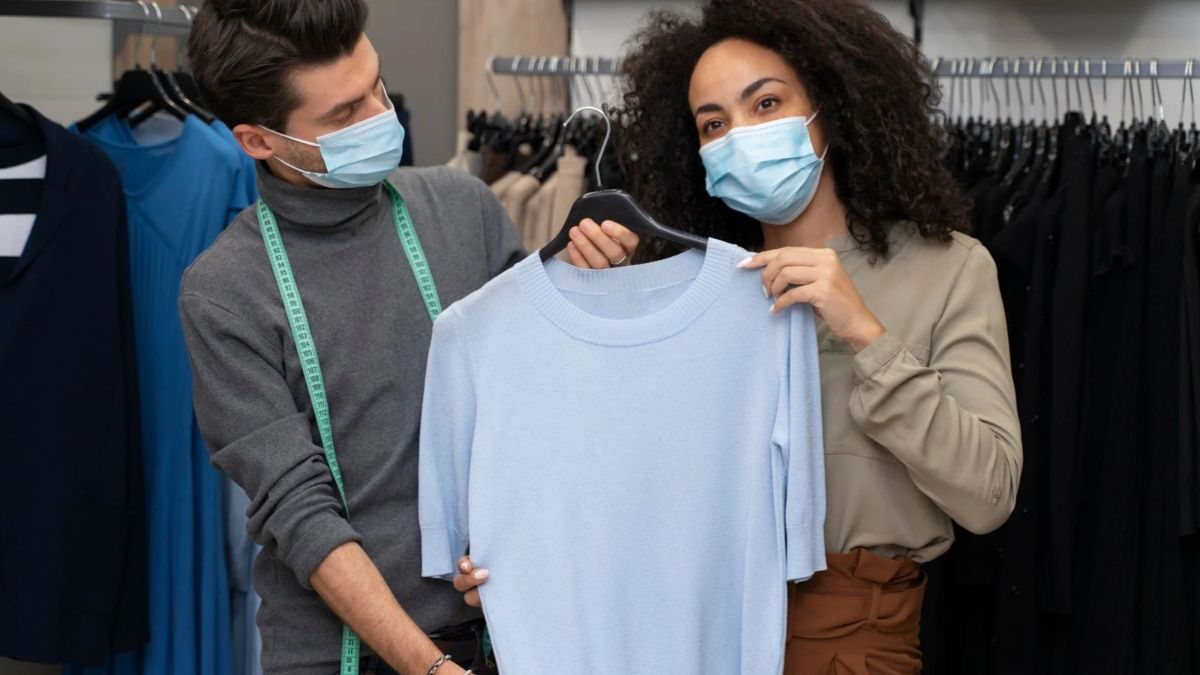
Managing high-volume apparel procurement for corporate enterprises, national charity campaigns, municipal workforces, and university athletic departments requires balancing strict budget constraints with practical garment performance. When purchasing hundreds or thousands of units in a single production run, sourcing coordinators must choose a silhouette that fits a wide range of body types, transitions seamlessly across diverse professional settings, and holds up through relentless industrial wash cycles. Opting for overly trend-driven cuts or complex multi-panel garments frequently results in fit dissatisfaction, elevated return rates, and inflated decorating costs.
Navigating volume apparel acquisitions successfully demands a functional assessment of pattern geometry, textile yield, and decoration efficiency. Rather than treating group fleece purchases as basic promotional handouts, inventory managers should view crewneck sweatshirts as versatile, high-utility uniform assets. The unpretentious crewneck design provides balanced thermal warmth, unhindered layering capabilities, and a reliable surface canvas that maximizes decoration value across large-scale group orders.
Geometric Simplicity and Manufacturing Cost Efficiencies
The core economic advantage of crewneck outerwear stems directly from its refined, streamlined structural pattern. Unlike hooded fleece or full-zip track jackets, a classic crewneck eliminates labor-intensive hardware components, secondary textile panels, and intricate construction steps. There are no metal slide fasteners that can warp in high-heat dryers, no split kangaroo pockets requiring specialized seam reinforcement, and no multi-piece hoods demanding matched jersey linings and continuous drawstrings.
This construction simplicity translates into substantial material and labor savings during mass manufacturing. By reducing fabric cutting waste and shortening assembly-line sewing intervals, mills can produce crewneck blanks at a significantly lower baseline cost per unit compared to complex hooded equivalents.
Procuring jerzees sweatshirts wholesale allows institutional buyers and commercial print shops to leverage these manufacturing efficiencies directly. By securing consistent poly-cotton blends manufactured with high-density stitch engineering, organizations achieve reliable bulk price breaks while providing recipients with a durable, pill-resistant fleece that holds its shape over months of continuous wear.
These structural efficiencies also benefit packaging and transport logistics. Crewneck garments fold flat into dense, uniform bundles, allowing fulfillment teams to fit a higher volume of finished units into standard shipping cartons, reducing pallet footprints and freight expenditure across national distribution networks.
Universal Fit Dynamics and Inclusive Sizing Models
Managing bulk orders across expansive demographic groups introduces significant sizing complexity. Hooded pullovers and technical track jackets often feature athletic tapered cuts or narrow waistbands that create fit friction across diverse body types.
Crewneck sweatshirts utilize a relaxed, balanced tubular or side-seamed body geometry that drapes naturally across varied body shapes. The traditional drop-shoulder or standard set-in sleeve design accommodates broad shoulders and layered undergarments without binding at the armpits or pulling tight across the chest.
Choosing bulk crewneck sweatshirts simplifies size distribution matrices for human resource directors and event organizers. Because crewneck fleece offers a universally flattering, non-restrictive cut, fulfillment coordinators experience fewer sizing discrepancies, eliminating costly post-event exchanges and ensuring that every team member receives a comfortable, wearable garment on distribution day.
The absence of a rigid hood also makes the crewneck universally friendly for indoor desk work, vehicle operation, and high-movement warehouse logistics where bulky hood panels can bunch uncomfortably against headrests and high-back office chairs.
Decoration Efficiency: Unrestricted Print and Embroidery Real Estate
From an apparel decorator’s perspective, the crewneck silhouette represents one of the most cost-effective and dependable canvases in the textile industry. Sourcing blank garments for high-volume automated screen printing or multi-head commercial embroidery requires large, flat, unobstructed fabric zones that load quickly onto production platens.
Hooded sweatshirts present notable decoration obstacles. A relaxed hood naturally drapes over the upper back, obscuring rear neck branding, employee titles, or large corporate event logos. Furthermore, front kangaroo pockets compress the available vertical print zone on the chest, forcing printers to reduce graphic dimensions or navigate uneven seams that cause ink bleeding.
Crewneck fleece resolves these production bottlenecks completely:
The unobstructed upper chest accommodates wide panoramic typography, full-color corporate seals, and delicate embroidery without interference from metal eyelets, hanging drawcords, or thick hood seams.
The expansive, uninterrupted rear panel provides a massive rectangular canvas ideal for high-impact sponsor grids, conference themes, athletic rosters, and emergency response identifiers that remain fully visible at all times.
Production print loading speeds increase substantially because operators can position crewneck blanks onto automatic press pallets in a single motion, eliminating the need to tuck hoods out of the way or tape down loose drawstring cords.
Professional Versatility Across Indoor and Outdoor Environments
Modern workplace dress codes demand apparel that transitions effortlessly between informal warehouse floors, casual conference rooms, and chilly outdoor transport yards. Hooded fleece carries a distinctly casual, athletic association that can feel out of place in structured corporate environments or client-facing consultations.
The clean, collarless neckline of a crewneck sweatshirt provides a polished aesthetic that aligns naturally with business casual standards. Employees can comfortably layer a crewneck over a collared woven shirt or branded polo, allowing the crisp collar to frame the face neatly while the fleece torso provides reliable thermal comfort.
The low-profile knit neckline also layers smoothly beneath heavy winter parkas, waterproof work jackets, and high-visibility safety vests without creating the uncomfortable bulk around the neck associated with multiple stacked hoods.
Sourcing Standards and Volume Supply Discipline
Executing a seamless bulk sweatshirt acquisition requires partnering with established distribution channels capable of guaranteeing colorfastness, fabric weight consistency, and dimensional stability across thousands of units. When placing enterprise-level orders, purchasing managers must verify that the selected blanks undergo pre-shrinking and quarter-turning during textile finishing.
Quarter-turning the fabric tube during production removes the persistent center crease common in circular knits, ensuring that screen-printed chest graphics sit perfectly flat without distorting when worn.
Inspecting seam tolerances across double-needle stitched armholes, verifying the stretch recovery of elastane-reinforced ribbing, and confirming identical dye-lot consistency ensures that large organizations project a unified, professional image from the first garment to the last.
Maximizing Value and Cohesion Through Strategic Bulk Ordering
Choosing crewneck sweatshirts for high-volume orders represents an informed balance of financial pragmatism, decorating performance, and practical wearer comfort. Moving away from complicated, hardware-heavy cuts in favor of streamlined, versatile crewneck fleece ensures that group budgets deliver maximum return on investment.
By providing a comfortable, non-restrictive fit for all body types, presenting an expansive canvas for custom branding, and bridging the divide between casual comfort and workplace professionalism, crewneck sweatshirts prove why they remain the foundational staple of high-volume apparel procurement.
A well-structured bulk purchasing strategy turns everyday fleece garments into a durable, cohesive asset that strengthens group unity, elevates brand visibility, and withstands daily wear across every team environment.

A website or mobile app can help a business reach new customers, improve service, and simplify daily work. But digital projects can also become expensive when the goals are unclear, requirements keep changing, or teams start building before they understand the problem. Good planning does not remove every risk, but it helps business owners make informed decisions before committing time and money.
Whether you are launching an online store, creating an internal booking system, or developing a customer-facing app, the most useful first step is to define what success should look like. A practical plan gives designers and developers a shared direction, makes priorities easier to manage, and helps prevent unnecessary features from expanding the project.
1. Start With the Business Problem
Before comparing platforms or asking for quotes, describe the problem the project needs to solve. For example, an online retailer might want to reduce abandoned carts, while a service company may need a simpler way to schedule appointments. A clear problem statement keeps the project focused on outcomes instead of technology for its own sake.
Write down who will use the product, what they need to accomplish, and what currently makes that task difficult. Speak with employees or customers who experience the problem directly. Their feedback may reveal that a small improvement to an existing process is more valuable than a large, complicated application.
2. Separate Essential Features From Nice-to-Have Ideas
Long feature lists can make a project look impressive while increasing development time, testing requirements, and maintenance costs. Divide proposed features into three groups: essential for launch, useful but not urgent, and optional ideas for a later phase.
For an appointment-booking app, essential features might include service selection, available time slots, confirmation messages, and basic administration. Loyalty points, advanced reporting, and multiple integrations may be worthwhile later, but they do not always need to be part of the first release.
This staged approach is similar to iterative development: release a useful first version, gather feedback, and improve it based on real usage. Teams can learn more about this approach in this guide to adaptive software development.
3. Choose Technology Based on Requirements
The most popular framework or platform is not automatically the right choice for every project. A simple informational website may work well with a content management system, while a product with complex user roles, custom workflows, or third-party integrations may need a tailored application.
Consider expected traffic, data sensitivity, accessibility, integrations, ongoing maintenance, and the skills available to support the product. Ask providers to explain the trade-offs in plain language. A sensible recommendation should connect the technology choice to your actual requirements, not simply list fashionable tools.
4. Set a Realistic Budget Beyond Development
The initial build is only one part of the total cost. A realistic budget should also account for hosting, domain renewals, software subscriptions, content, security, backups, testing, updates, and support. If the product will process payments or personal information, additional work may be needed to meet applicable security and privacy obligations.
Ask for a written breakdown of what is included in a quote, what counts as additional work, and how changes will be approved. Clarify who owns the source code, design files, domain, hosting account, and other project assets after delivery. These details help avoid misunderstandings later.
5. Make Security and Privacy Part of the Plan
Security is easier to address when it is considered from the beginning rather than added after a problem appears. Decide what information the product genuinely needs, who should be able to access it, how accounts will be protected, and how data will be backed up.
Use strong authentication for administrative accounts, apply updates promptly, limit access according to job responsibilities, and establish a recovery plan. The Cybersecurity and Infrastructure Security Agency (CISA) provides practical guidance on everyday security measures that individuals and organizations can adopt.
6. Agree on How the Product Will Be Tested
A project should not be considered complete simply because it works on the developer’s computer. Testing should cover the main user journeys, mobile and desktop layouts, forms, integrations, performance, and failure scenarios. If users can create accounts or make payments, those flows deserve particular attention.
Create acceptance criteria before development begins. For example, a booking feature may be required to prevent double-booking, display the correct time zone, and send a confirmation. Clear criteria help everyone agree on what finished means. For a deeper overview, see these choosing a technology stack for web app development.
7. Plan for Maintenance After Launch
Launching the product is the beginning of its operational life, not the end of the project. Software dependencies change, user expectations evolve, and new security issues may emerge. Assign responsibility for updates, backups, bug reports, analytics, and customer support before the product goes live.
It is also useful to decide which measurements will show whether the project is working. Depending on its purpose, these may include completed purchases, successful bookings, reduced manual work, fewer support requests, or customer retention. Review those measures after launch and prioritize improvements based on evidence.
Questions to Ask Before Hiring a Developer
- What problem will the first version solve? A strong answer should be specific and measurable.
- What is included in the quote? Ask about design, development, testing, launch, and post-launch support.
- How will changes be handled? Agree on how new requests affect scope, budget, and delivery dates.
- Who owns the project assets? Clarify ownership of code, accounts, domains, and design files.
- How will security and backups work? Understand how access, updates, data protection, and recovery are managed.
- What happens after launch? Set expectations for maintenance, bug fixes, and future improvements.
Conclusion
A successful digital project starts with a clear business need, realistic priorities, and a shared understanding of cost and responsibility. By separating essential features from future ideas, choosing technology based on requirements, and planning for security, testing, and maintenance, businesses can reduce avoidable surprises and build products that are more useful over time.
You do not need to predict every future requirement before starting. You do need a sound first plan, clear communication, and a process for learning from users after launch. Those habits help turn a technology investment into a practical b

Ordering shrimp online requires more than choosing a package and entering a shipping address. Freshness depends on product details, handling instructions, delivery timing, and the amount needed for the meal.
A careful review also prevents surprises involving preparation, storage, or serving size. Home delivery works well when the order matches the cooking plan and the shipment schedule. These five checks help shoppers evaluate a shrimp order before placing it.
1. Check How the Shrimp is Described
Product wording should explain whether the shrimp is fresh, previously frozen, cooked, peeled, deveined, or sold with the shell. Each detail affects texture, preparation time, and the final amount served. A shopper should also check whether the listing names a size or count range.
Shrimp size terms differ between sellers, so a numerical count often provides clearer information. A package containing fewer, larger shrimp cooks differently from one containing many smaller shrimp. The intended recipe should guide the choice. Grilled shrimp need enough size to stay on a skewer, while pasta, tacos, and salads can suit smaller pieces.
Before ordering, shoppers can order fresh shrimp online for home delivery after reviewing the available listings, package descriptions, and delivery information. The inspected category page lists fresh shrimp shipped within a broader fresh seafood catalog. It also identifies nine shrimp listings, giving customers several product pages to compare before choosing an order.
2. Confirm the Shipping Schedule
Delivery timing matters because seafood should reach the kitchen when someone can receive and refrigerate it. The inspected page states that orders placed before 12 p.m. Eastern Time receives same-day shipping for next-day delivery. That cutoff should be checked against the planned cooking date and the household’s availability.
A delivery calendar can also affect the order date. The page tells customers they can reserve fresh seafood orders in advance through a dropdown calendar during checkout. Advance scheduling suits dinner parties, holidays, and other meals that depend on a fixed arrival date.
Shoppers should also confirm that the delivery address falls within the stated service area. The inspected page says fresh seafood ships throughout the United States. An address review remains necessary because carriers, weather, and delivery access can affect the final arrival experience.
3. Review the Package and Quantity
The package size should match the number of diners and the recipe. Shrimp lose some weight during cooking, especially when shells or tails remain attached. A recipe calling for cleaned shrimp requires a different calculation from one that serves shell-on shrimp as a centerpiece.
Portion planning also prevents unnecessary storage. A shopper should decide whether the shrimp will serve as an appetizer, a main dish, or an ingredient mixed with other foods. Larger portions suit a shrimp-focused entrée, while smaller amounts work in rice, pasta, soup, or a cold salad.
The product page should provide enough information to compare package quantities. If the listing does not answer a necessary question, the customer should contact the seller before payment. Guessing about weight, count, or preparation creates avoidable problems after delivery.
4. Check Receiving and Storage Instructions
A seafood delivery needs a clear receiving plan. Someone should be available to bring the package inside soon after arrival, inspect the contents, and follow the seller’s storage directions. Refrigeration should happen promptly when the order reaches the home.
The customer should read the package for temperature guidance, use-by information, and preparation instructions. Those details take priority over general cooking advice because handling requirements differ between fresh, frozen, raw, and cooked products.
A clean refrigerator shelf also helps protect the shipment from spills and cross-contamination. Raw shrimp should remain separate from ready-to-eat foods during storage and preparation. Hands, knives, cutting boards, and counters require washing after contact with raw seafood.
5. Match the Order to the Meal
The best shrimp order fits the cooking method and the time available. Peeled and deveined shrimp reduce preparation work, while shell-on shrimp suit recipes that use the shells for added flavor. Cooked shrimp work for chilled dishes, but raw shrimp provide better control for sautéing, grilling, baking, or broiling.
Seasoning and cooking time depend on shrimp size. Smaller shrimp cook quickly and can become firm if left over heat. Larger shrimp need more time, but the cook should still watch the texture closely. Shrimp are ready when the flesh turns opaque and the shape forms a loose curve.
Conclusion
A reliable shrimp delivery order starts with product details, then moves to timing, quantity, storage, and meal preparation. Shoppers should compare the available listings, confirm the delivery date, and arrange refrigeration before checkout.
The inspected category page states that orders placed before 12 p.m. Eastern Time receive same-day shipping for next-day delivery, while advance dates can be reserved during checkout. Reviewing those details against the cooking plan creates a practical next step: choose the package and delivery date together.
-

 NEWS1 year ago
Historical Churches in Manila
-

 TOPIC3 months ago
Unveiling AvTub: Your Ultimate Guide to the Best AV Content
-

 TOPIC1 year ago
Symbols of Hope: The 15th Belenismo sa Tarlac
-

 TOPIC1 year ago
Simbang Gabi and Kakanin
-

 TOPIC1 year ago
RIZAL at 160: a Filipino Feat in Britain
-

 NEWS4 months ago
What Caused Delta Flight DL275 to Diverted LAX? A Detailed Breakdown
-

 TOPIC2 months ago
Understanding Fascisterne: Origins and Ideological Roots
-

 TOPIC1 year ago
“The Journey Beyond Fashion” – Ditta Sandico