
TOPIC
Landscaping Victoria BC: Design Ideas, Materials and Costs for West Coast Homes

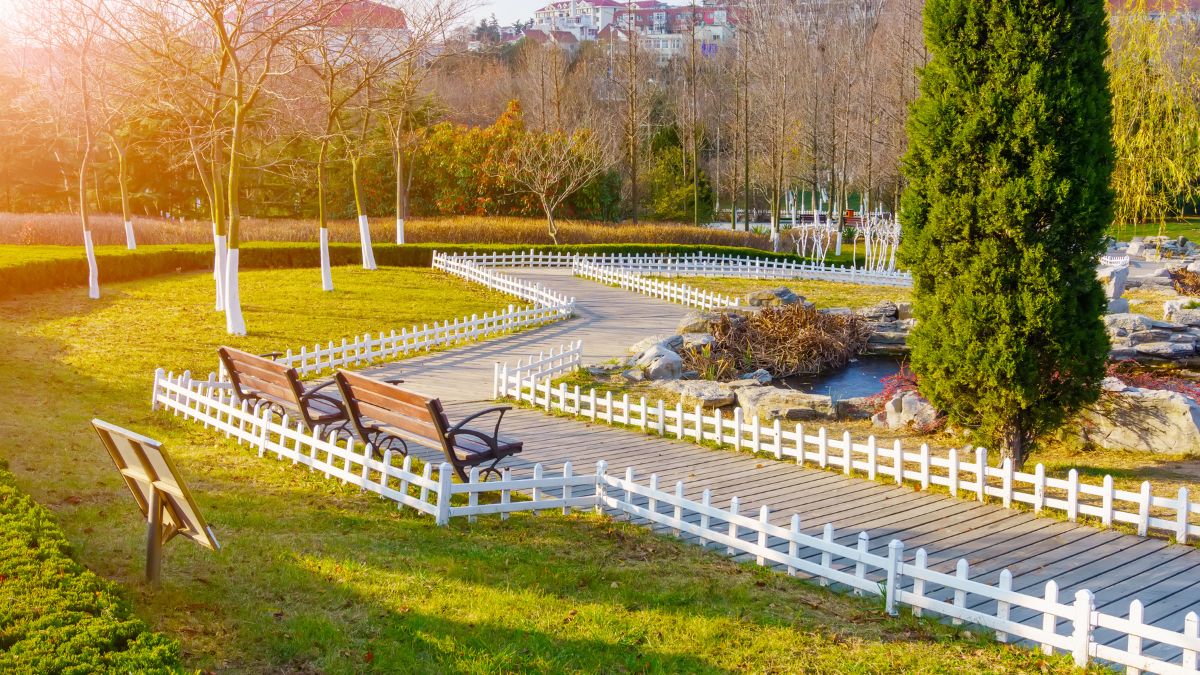
Landscaping in Victoria is shaped by a mild coastal climate, rocky terrain, wet winters and surprisingly dry summers. A yard here needs to handle heavy seasonal rain, sloping lots and Capital Regional District watering rules, while still feeling like a calm place to spend time. This guide covers practical design ideas for patios, walkways, flagstone features and retaining walls, how common materials compare, and how to plan a garden that stays attractive without constant upkeep.
Why Landscaping in Victoria Needs a Local Approach
Greater Victoria sits in a rain shadow, so summers are long and dry while winters bring steady rain. Many properties also sit on bedrock, glacial till or clay-heavy fill. That mix creates two common problems: water that pools in winter and soil that dries out hard in August.
Good landscape homeowners can rely on starting with the ground itself. Before choosing stone or plants, a quality contractor looks at grading, drainage paths, soil type, sun exposure and access for equipment. Decisions made at this stage, such as base depth, slope direction and where runoff will go, usually matter more to the long-term result than the surface material.
Backyard Landscaping Victoria: Layout Ideas That Suit the West Coast
The best backyard landscaping Victoria properties show is usually simple and zoned. Instead of filling every corner, a layout separates the yard into a few clear areas that connect naturally.
- A main entertaining zone: a paver patio or flagstone terrace sized for a table, seating and room to move around it.
- A planted border: layered shrubs, ornamental grasses and perennials that soften hard edges and frame the lawn.
- A quiet corner: a gravel sitting area, a small bench or a raised garden bed tucked under a tree.
- A defined path: a stepping-stone or paver route linking the house, garden and any side access.
- Level changes: low retaining walls or steps that make sloped yards usable instead of awkward.
West Coast homes also benefit from outdoor spaces that work in the rain. Covered seating, well-drained surfaces and evergreen structure keep a yard pleasant from October to April, not only in July.
Paver Patio Victoria: A Durable Surface for Outdoor Living
A paver patio homeowners choose is often the centre of the yard. Interlocking concrete pavers handle freeze-thaw cycles well, drain through the joints and can be lifted and reset if a utility line needs access. They also come in many shapes, colours and textures, from tumbled cobble looks to large-format slabs with a clean, modern feel.
What decides how long a patio lasts is mostly hidden. A proper installation includes:
- Excavation to the correct depth for the expected load
- A compacted granular base, built in layers
- A level bedding layer of coarse sand or fine screenings
- Edge restraints that stop the pavers from spreading
- Careful slope, usually around one to two percent, so water runs away from the house
Skipping or thinning any of these steps leads to sinking, shifting and standing water within a few winters. Patio size matters too. A space around 12 by 14 feet suits a dining set and a few chairs, while larger entertaining areas often reach 400 square feet or more. Curves, raised sections and inset borders add character, though they raise cutting time and cost.
Walkways and Driveways: Practical Surfaces With Curb Appeal
Walkways and driveways set the first impression of a property. Interlocking pavers remain popular because they give a finished, durable surface that resists cracking better than a poured slab. If one section settles or a pipe needs repair, only the affected pavers are lifted and replaced, so the surface does not need to be broken out and patched.
For driveways, base preparation is even more important. Vehicle loads call for a thicker compacted base and strong edge restraint. Design details such as driveway ribbons, contrasting borders and soft curves add style while keeping the surface practical. Gravel pathways and driveways are a sensible alternative when budget or a relaxed look is the priority, provided they are built with a compacted base and clean edging so the stone stays in place.
Flagstone Landscaping: Natural Character for Paths, Patios and Steps
Flagstone suits the West Coast well because its irregular shapes and earthy tones sit comfortably beside native plants, rock outcrops and mature trees. It works particularly well for garden paths, stepping stones through planted beds, informal patios and stair treads on gentle slopes.
Flagstone can be set on a compacted base with fine gravel or stone dust joints, or mortared over a concrete footing for a more formal surface. Dry-laid flagstone lets water pass through and is easier to repair, while mortared work gives a firmer, more uniform finish. Because each stone is different, fitting takes patience, and thickness needs to be consistent enough to avoid tripping edges. Pairing flagstone with natural wall stone creates a cohesive look, especially in gardens with raised beds or terraced planting.
Retaining Walls Victoria BC: Managing Slopes, Soil and Water
Retaining walls Victoria BC properties rely on are both structural and decorative. Many lots here have grade changes, and a well-built wall prevents erosion, creates flat usable space and holds back soil that would otherwise slump during heavy winter rain.
Common wall types include:
- Segmental concrete block walls: engineered, consistent and available in many textures. Systems such as Allan Block are popular for their interlocking design and clean lines.
- Natural boulder walls: large stone placed by machine, ideal for rugged lots and naturalized gardens.
- Natural stone walls: stacked or fitted wall stone that suits traditional and garden-focused landscapes.
Whatever the material, a wall is only as good as its foundation and drainage. A buried base course, compacted granular backfill, geogrid reinforcement on taller walls and perforated drain pipe behind the wall all help relieve water pressure. Walls above a certain height may also require engineering or a permit depending on the municipality, so checking local requirements before building is wise. A wall that ignores drainage can lean or fail after a single wet season, however attractive it looks on day one.
Landscape Materials: Pros and Cons
Choosing materials is about balancing appearance, lifespan, upkeep and budget. These are the options most often used in yards.
Interlocking concrete pavers
- Pros: strong, repairable, many styles, good in freeze-thaw conditions
- Cons: need a properly built base; weeds can appear in joints if sand is not maintained
Natural flagstone
- Pros: organic look, excellent with plants, long lifespan
- Cons: higher material cost, uneven surfaces take more installation time
Poured concrete
- Pros: smooth, quick to install, lower upfront cost for plain surfaces
- Cons: prone to cracking, difficult to repair invisibly, can look plain
Gravel
- Pros: economical, quick drainage, flexible for paths and driveways
- Cons: needs edging and occasional topping up; stones can migrate
Concrete retaining wall block
- Pros: engineered strength, uniform finish, practical for taller walls
- Cons: manufactured look unless textured styles are chosen
Boulders and natural wall stone
- Pros: very durable, blend into the landscape, strong West Coast character
- Cons: heavy, need machinery, and the material and labor cost more
One practical note on finishing: jointing sand and edging choices affect how a surface ages. Some installers avoid polymeric sand because it can haze, crack and trap moisture, preferring a well-compacted base and standard joint sand that can be topped up as needed. Landscape fabric under planting beds is another feature that tends to cause trouble over time, since soil builds up on top of it and weeds root straight through.
Drainage and Irrigation: The Hidden Side of a Quality Landscape
In a wet-winter climate, drainage deserves as much planning as the design itself. French drains, channel drains, catch basins and correct grading carry water away from foundations, patios and lawns. A flooded driveway or soggy yard is rarely solved by surface changes alone. It usually needs a plan for where water enters, where it collects and where it can safely leave.
Irrigation matters just as much during dry summers. Drip systems for beds and efficient sprinklers for lawn zones deliver water where it is needed with less waste, and a smart controller helps meet CRD watering schedules. Winterizing the system before the first hard frost protects pipes and valves, which avoids spring repairs.
Drought-Resistant and Low-Maintenance Landscaping Planning
Summer water restrictions in the Capital Regional District make drought-tolerant design both practical and responsible. The aim is not a barren yard but a layered garden of plants that suit the local climate and can manage on little water once established.
- Use native and adapted plants: Oregon grape, snowberry, red-flowering currant, camas, native grasses and Garry oak associates have evolved for dry summers and wet winters.
- Add Mediterranean-style planting: lavender, rosemary, sedum, yarrow, ceanothus and ornamental grasses thrive in sun and lean soil.
- Plant in fall: cooler weather and returning rain help roots establish before the next dry season.
- Mulch generously: a few inches of organic mulch keeps moisture in the soil, suppresses weeds and moderates root temperature.
- Reduce lawn area: shrink turf to the area you actually use, and replace the rest with groundcovers, gravel beds or planted borders.
- Group by water need: keep thirstier plants together so irrigation zones stay efficient.
- Choose hardscape to cut maintenance: patios, paths and gravel areas need far less care than large lawns.
Low-maintenance landscaping in Victoria also means thinking about what you will realistically do each season. Clean edging, deep planting beds, durable surfaces and well-set irrigation reduce weekly chores, and invasive plants such as blackberry or bamboo are far easier to control when removed early with their roots.
Landscaping Costs in Victoria: What Shapes Your Budget
Costs vary widely, and any figure is only a starting point until the site is assessed. As a rough guide, paver patios and walkways often fall somewhere between the high teens and mid-thirties per square foot installed, while retaining walls are priced by face area and rise with height, engineering and access difficulty. Flagstone and natural stone generally cost more than concrete pavers because of material and fitting time.
Factors that move a quote up or down include:
- Site access, especially narrow side yards where machinery cannot reach
- Excavation depth, rock or poor soil that needs removal
- Material choice and pattern complexity
- Drainage requirements and wall height
- Old concrete or structures that need demolition
- Permits, engineering and the time of year
The lowest quote is not always the best value. Cutting corners on base depth, drainage or compaction produces problems that cost far more to correct than they save. A clear written quote that lists base specifications, materials and warranty terms is the best way to compare contractors fairly.
Quality of Service: What to Expect From a Victoria Landscaper
Quality shows up in the process as much as the finished surface. A reliable contractor visits the site, listens to how you use the space, explains options in plain language and gives a written quote. During the job, they protect existing lawns, irrigation lines and trees, communicate clearly about changes and finish with a walk-through that explains maintenance. Look for workmanship warranties, liability insurance, a portfolio of local projects and reviews from verified homeowners. Materials should come from established suppliers, and installation methods should follow manufacturer guidelines for pavers and wall systems.
Local Landscaping Support in Victoria, BC
For homeowners who would like a professional opinion, landscape contractor focused on paver patios, walkways, driveways, retaining walls, flagstone, drainage and irrigation. The team is located at 340-1321 Blanshard St, Victoria, BC V8W 0B6, and can be reached at (250) 880-4300 for a free estimate. You can also read homeowner feedback and see project details on the Triton Landscape Business Profile.


Have you ever wondered how a few simple changes can make driving much safer? Every day, people face different dangers on the road, from bad weather to careless drivers. Vehicle accidents can cause serious injuries and create long-term problems.
Many of these crashes happen because of habits that can be changed. Road safety is something everyone can improve with small steps. Learning about common risks and how to avoid them helps protect everyone.
This blog post shares practical habits to reduce risk and keep you safe on the road. Keep on reading!
Stay Focused on the Road
Distractions are a major cause of road accidents. Using a phone, eating, or talking to passengers can take your mind off driving. Keeping both hands on the wheel helps you stay in control.
Watching the road ahead allows you to react quickly to dangers. By staying focused, drivers can avoid many unexpected hazards and keep themselves and others safe.
Keep a Safe Following Distance
Tailgating is dangerous and can lead to rear-end crashes. Leave enough space between your car and the vehicle in front of you. This space gives you time to stop if the other driver brakes suddenly.
Most experts recommend a three-second gap in good conditions. In rain or fog, you need even more space for safety.
Follow Speed Limits
Speeding is a common reason for accidents. Speed limits are set to protect all road users. Driving at the right speed helps you control your vehicle better.
Slower speeds make it easier to stop for unexpected obstacles. Following speed limits shows care for yourself and for others on the road.
Use Turn Signals and Check Blind Spots
Signaling before turning or changing lanes lets other drivers know your intentions. Always check your mirrors and blind spots before moving your car. This habit can prevent crashes, especially in heavy traffic.
Good communication between drivers makes the road safer for everyone. Simple actions like using turn signals help avoid confusion and accidents.
Adjust Driving for Weather and Road Conditions
Bad weather like rain, snow, or fog can make roads slippery and reduce visibility. Slow down and keep headlights on when visibility is low.
Avoid sudden stops or sharp turns to prevent skidding. Wet or icy roads need extra caution because it takes longer to stop. Adapting your driving style keeps you safer in any weather.
Know What to Do After an Accident
Even with safe habits, accidents can still happen. Stay calm and check for injuries after a crash. Contact emergency services right away if anyone is hurt or there is significant damage.
Gathering information about the road accident is crucial, and knowing how to protect your rights after collisions can help with insurance claims and legal issues. Being prepared makes dealing with accidents much less stressful.
Building Safer Driving Habits for a Lifetime
Driving safely is a decision you should make every day because it can save lives and prevent injuries. Relatively minor changes to your routine can have a significant impact over time.
Building solid routines for each drive can be done by putting these straightforward suggestions into practice. On the road, everyone can take precautions to protect themselves and others.
Did you like this guide? Great! Please browse our website for more!

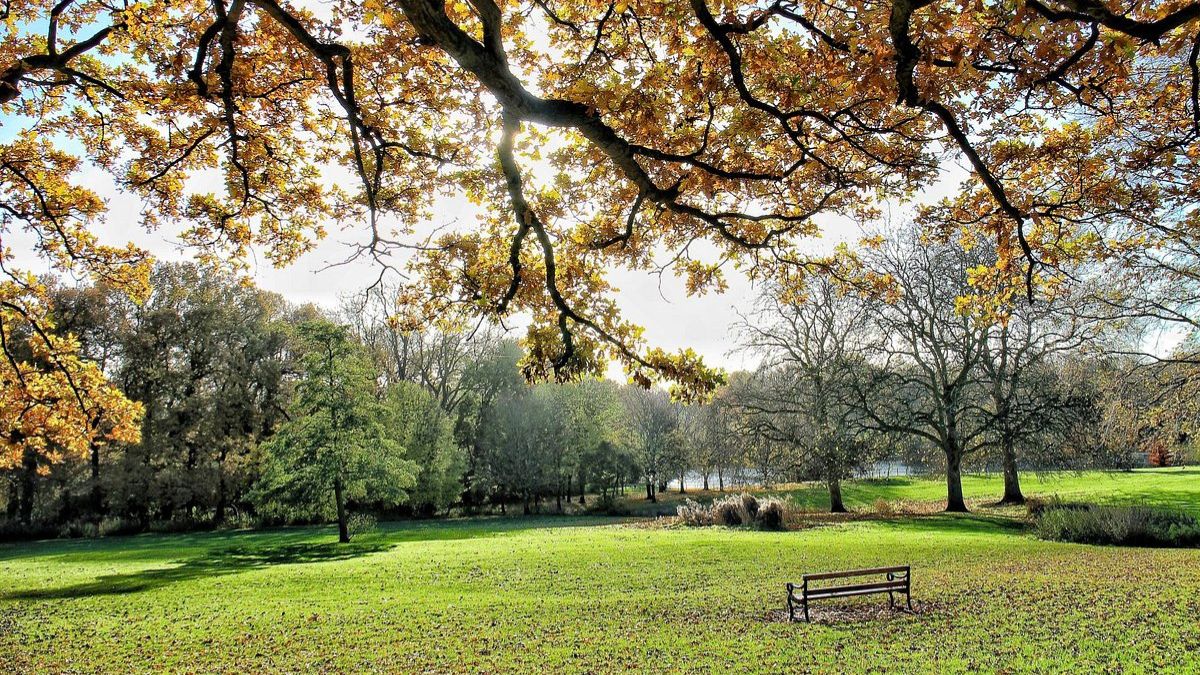
Introduction to Pabington and its location
Nestled in the heart of verdant landscapes lies Pabington, a hidden gem that beckons to nature lovers from all corners. This picturesque locale is situated just a stone’s throw away from bustling cities yet feels worlds apart with its serene atmosphere and breathtaking vistas. Imagine lush forests, crystal-clear lakes, and vibrant wildlife—all waiting to be explored. Whether you’re an avid hiker or someone who simply enjoys a tranquil retreat surrounded by nature’s beauty, Pabington offers an idyllic escape tailored for those seeking solace in the great outdoors. Get ready to discover why this enchanting destination should be at the top of your travel list!
The natural beauty of Pabington
Pabington is a hidden gem, brimming with stunning landscapes. Towering trees and vibrant wildflowers blanket the rolling hills. Each season unveils a new layer of beauty, from lush greens to fiery autumn hues.
The crystal-clear rivers meander through the terrain, inviting visitors to pause and take in their serene charm. Birdsong fills the air as colorful species flit between branches, making it a paradise for birdwatchers.
Majestic mountains loom in the distance, offering breathtaking views for those willing to hike their trails. The fresh mountain air invigorates your spirit while connecting you deeply with nature.
Sunsets here are magical; skies painted in shades of orange and pink create an unforgettable backdrop. It’s not just about seeing these sights—it’s about feeling them resonate within you, creating lasting memories that draw travelers back time after time.
Activities for nature lovers in Pabington
Pabington offers a treasure trove of activities for nature enthusiasts. Hiking trails wind through lush forests, revealing breathtaking views and hidden waterfalls. Each path invites exploration, whether you’re a novice or an experienced trekker.
Birdwatching is another delight here. With diverse species flitting among the trees, wildlife photographers will find endless opportunities to capture stunning shots. Early mornings are particularly magical as dawn breaks over tranquil landscapes.
For those who prefer water-based adventures, kayaking on local rivers is a must-try. Paddle along serene waters while soaking in the beauty around you.
Camping under starlit skies adds to the experience of connecting with nature. Picture roasting marshmallows by the fire after a day full of exploring.
The vibrant flora and fauna provide perfect moments for mindfulness and relaxation as well. Pabington truly embraces every facet of outdoor adventure and discovery.
Local cuisine and dining options
Pabington offers a delightful culinary scene that mirrors its natural surroundings. Local eateries showcase fresh, seasonal ingredients sourced from nearby farms and waters.
You can start your day with a hearty breakfast at one of the charming cafés. Try their homemade pastries paired with freshly brewed coffee while enjoying views of the lush landscapes.
For lunch or dinner, restaurants serve everything from gourmet dishes to rustic comfort food. Dishes featuring locally caught fish are highly recommended, reflecting Pabington’s maritime heritage.
Don’t miss out on trying regional specialties like wild berry jams or artisanal cheeses made by local producers.
As evening falls, cozy pubs offer a warm atmosphere where you can unwind with craft beers brewed right in town—or perhaps a glass of local wine that captures the essence of Pabington’s terroir. Each bite and sip tells a story rooted in this beautiful destination.
Accommodation options in Pabington
Pabington offers a range of accommodation options to suit every traveler’s needs. For those seeking tranquility, cozy cabins nestled in the woods provide a perfect retreat. Imagine waking up to birds chirping and fresh air filling your lungs.
If you prefer something more luxurious, look for charming boutique hotels that blend comfort with local charm. Many feature stunning views of the surrounding landscapes.
For budget-conscious adventurers, hostels and guesthouses are also available, allowing you to connect with fellow nature enthusiasts while enjoying simple amenities.
Camping is another popular option. Several well-maintained campgrounds let you immerse yourself in Pabington’s natural beauty under the stars.
No matter your preference or budget, Pabington has accommodations that cater to all types of nature lovers looking for an unforgettable experience.
Exploring the surrounding areas of Pabington
Just a short drive from Pabington, you’ll find hidden gems waiting to be uncovered. The nearby forest trails offer breathtaking views and unique wildlife encounters. Hikers and birdwatchers alike will revel in the sights that nature has to provide.
Head towards the sparkling rivers that meander through lush landscapes. Kayaking or fishing are popular pastimes here, perfect for those who want a little adventure on the water.
Venture further out to local farms where seasonal produce thrives. You can engage with friendly farmers and savor fresh fruits or homemade jams straight from their orchards.
Don’t miss charming villages dotted around Pabington. Each spot holds its own character, showcasing quaint shops and art galleries filled with local craftsmanship. These picturesque areas invite you to explore leisurely while soaking up the tranquil atmosphere of rural life.
How to plan the perfect nature getaway in Pabington
Planning a nature getaway in Pabington starts with choosing the right season. Spring and autumn offer vibrant colors, while summer provides lush greenery.
Next, outline your itinerary. Include must-visit spots like serene lakes, hiking trails, and scenic viewpoints. Don’t forget to set aside time for relaxation amid nature’s beauty.
Pack wisely. Comfortable clothing for outdoor activities is essential, along with sturdy footwear for hikes. Also consider bringing binoculars for birdwatching or a camera to capture stunning landscapes.
Consider local events that might enhance your experience—farmers’ markets or outdoor festivals can provide unique insights into the area’s culture and community.
Ensure you have transportation arranged ahead of time. Whether it’s renting a car or checking public transport schedules, being prepared will make your adventure smoother and more enjoyable.
Conclusion: Why Pabington is a must-visit for nature lovers
Pabington is a hidden gem that beckons to those who cherish the great outdoors. With its stunning landscapes and rich biodiversity, it offers an escape into nature like no other. Each trail leads to breathtaking views, while local wildlife creates a symphony of sounds that enhances the experience.
Visitors can indulge in various activities tailored for nature enthusiasts, whether it’s hiking through lush forests or birdwatching by crystal-clear lakes. The charming dining options showcase regional flavors, allowing guests to savor delicious meals made with local ingredients after a day of adventure.
Accommodation choices range from cozy cabins nestled among towering trees to inviting lodges offering all the comforts needed for relaxation. Plus, exploring nearby areas adds even more depth to your getaway as you discover scenic vistas and quaint towns brimming with charm.
Planning your visit is easy with countless resources available online. Whether you are coming alone or bringing family and friends along, Pabington promises an unforgettable experience filled with exploration and wonder.
For anyone seeking rejuvenation in nature’s embrace, Pabington stands out as an ideal destination that truly connects visitors with the beauty of the natural world.

An arrest can turn an ordinary day in Susquehanna County into a confusing rush of questions about the jail, the court, transportation, family responsibilities, and money. The first goal is not to solve the entire case immediately. It is to protect basic rights, understand the next step, and avoid choices that may make a difficult situation worse. When a judge sets monetary bail, families may need clear information about the process. Susquehanna County bail bonds information from Liberty Bail Bonds focuses on bail bond assistance for people facing arrests in the county. Liberty Bail Bonds serves Pennsylvania communities through local agents, including the Susquehanna County area, making it a useful point of contact for general questions about bond paperwork, posting procedures, and financial obligations. A bail agency cannot provide legal advice or change a court order, so read every agreement carefully before signing.
What To Do In The First Few Hours
Stay calm, comply with basic safety directions, and do not argue about the arrest at the scene or during transport. Provide required identifying information, but do not volunteer an explanation of what happened. Ask for an attorney as clearly as possible, then focus on learning where you are being held and what will happen next.
Immediate Steps
- Remain respectful and avoid physical resistance.
- State that you want an attorney.
- Choose not to answer questions about the allegations without counsel.
- Ask how family or another support person can be notified.
- Request copies of available paperwork and property receipts.
Know The Basic Rights After An Arrest
Requesting counsel is not an admission of guilt. Simple language is often best: “I want to speak with an attorney,” “I am choosing to remain silent,” or “I do not want to answer questions without counsel.” Booking staff may still request routine identification, address, health, and emergency-contact information. Be careful with conversations that feel informal. Comments to officers, calls from custody, text messages, and social-media posts can create issues later. A person facing charges should speak with a Pennsylvania criminal defense attorney about the facts of the individual case.
What Happens During Booking
Booking is the administrative processing stage following an arrest. It can include photographs, fingerprints, identity checks, property inventory, and health or medication questions. The time required varies with staffing levels, the charge, paperwork requirements, and the circumstances of the arrest. Booking is not a trial and does not decide guilt.
Information Commonly Requested
- Full legal name and date of birth
- Current address and contact details
- Emergency-contact information
- Medical needs and prescription information
- A record of personal property taken for safekeeping
What To Expect At A Preliminary Arraignment
A preliminary arraignment follows an arrest and is different from a later arraignment in the Court of Common Pleas. Under Pennsylvania’s criminal procedure definitions, this early proceeding is conducted before an issuing authority and generally occurs shortly after the arrest. The person may be advised of the charges, the right to counsel, bail, and the next hearing.
Questions To Clarify Before Leaving
- What charges appear on the complaint?
- What bail type and amount, if any, were set?
- Are there no-contact, travel, reporting, or other release conditions?
- What is the date, time, and location of the next court event?
How Bail And Release Conditions Work
Bail is a court-set security or guarantee connected to release and the duty to appear when required. Depending on the case, release may involve recognizance, monetary bail, a bond, or nonfinancial conditions. Conditions can include avoiding contact with certain people, following travel limits, or obeying other directions in the written bail order. Do not assume that posting bail resolves the charge. Keep the bail paperwork, follow every condition exactly, and ask an attorney about any request to change the order. Missing a required appearance can lead to serious consequences, including a warrant and bail-related problems.
How Family Members Can Help
A calm family member or friend can reduce confusion during the first day. In a rural county where travel between Montrose, New Milford, Clifford Township, home, and work can take time, confirm locations before heading out and designate one person to track updates.
- Find out where the person is being held.
- Record the case number, charge information, and next hearing date.
- Contact a private defense lawyer or ask about public-defender eligibility.
- Collect identification, payment information, and transportation plans if release is possible.
- Arrange child care, medication, work communication, and a ride home if needed.
Family members should not contact an alleged victim or witness to discuss the case. They should also avoid posting accusations, evidence, threats, or personal details online.
Documents And Details To Save
Create one paper or digital folder for all arrest-related material. Save the criminal complaint or citation, bail order, release conditions, court notices, bond contract, receipts, property inventory, and the names of agencies involved. Write down dates, times, locations, and attorney contact information while details are still fresh.
Mistakes To Avoid
- Do not explain the case to police without legal advice.
- Do not treat a phone call or online post as private.
- Do not ignore a notice because release has already occurred.
- Do not contact people covered by a no-contact order.
- Do not sign a bond agreement without understanding fees, collateral, and responsibilities.
- Do not rely on secondhand information when official paperwork is available.
When Local Bail Support May Be Useful
Local assistance can be useful when a family needs to identify the correct court location, understand which documents are needed, or arrange the financial side of a bond. It does not replace legal representation. For people who cannot afford private counsel, the Susquehanna County Public Defender explains that applications are available through its office and the Magisterial District Courts. Eligibility is determined after an application is submitted.
Common Questions
Can Someone Be Released Without Paying Cash Bail?
Yes, in some cases. A court may permit release on recognizance or impose nonfinancial conditions instead. The decision depends on the case and the court’s bail determination.
Can Bail Conditions Be Changed?
An attorney may ask the court to modify conditions in an appropriate case. Until the court changes the order, the existing terms must be followed.
Does Posting Bail End The Criminal Case?
No. Bail addresses release while the criminal case continues. The person must still attend hearings and comply with all conditions.
Conclusion
The first 24 hours after an arrest in Susquehanna County can be stressful and confusing, especially when family members are unsure what to do next. Following a steady checklist can help everyone stay organized and avoid unnecessary mistakes. Start by confirming where the person is being held, protecting their right to legal counsel, and avoiding any discussion of the allegations in recorded calls or messages. Keep copies of arrest-related paperwork, bail documents, contact information, and any court notices in one place. It is also important to confirm the next court date, understand the release conditions, and ensure all required appearances and obligations are met. Family members should ask questions before signing any bail bond agreement to understand the fees, financial responsibilities, and potential risks. For concerns involving criminal charges, legal rights, or possible defense strategies, seek advice from an experienced Pennsylvania criminal defense lawyer who can assess the details of the case and offer appropriate legal guidance.
-

 NEWS1 year ago
Historical Churches in Manila
-

 TOPIC4 months ago
Unveiling AvTub: Your Ultimate Guide to the Best AV Content
-

 TOPIC1 year ago
Simbang Gabi and Kakanin
-

 TOPIC1 year ago
Symbols of Hope: The 15th Belenismo sa Tarlac
-

 BUSINESS6 months ago
Exploring the Different Types of Понуде in Business Transactions
-
 TOPIC1 year ago
RIZAL at 160: a Filipino Feat in Britain
-

 NEWS5 months ago
What Caused Delta Flight DL275 to Diverted LAX? A Detailed Breakdown
-

 TOPIC3 months ago
Understanding Fascisterne: Origins and Ideological Roots