
TOPIC
Building Dashboards That Empower Traders and Investors


Traders often feel burdened by scattered data and inefficient tools. Studies show that clear dashboards improve decision-making speed for investors. This blog will help you design dashboards that clarify market insights and monitor performance effortlessly.
Stay tuned, it’s about to get practical!
Key Elements of an Effective Trading Dashboard
A trading dashboard must simplify complex data, making it easy to grasp at a glance. Whether you’re tracking trends or managing risks, every tool should serve a clear purpose.
Real-Time Market Data Integration
Quick access to real-time market data keeps traders informed and prepared. Markets change rapidly, making accurate and timely information critical for decisions. Dashboards that gather streaming data from various stock exchanges, forex platforms, or commodities markets provide this advantage.
Data feeds should include bid-ask prices, volume changes, and live indices updates. Traders can respond promptly to opportunities by having all this readily available. For example, staying updated on emerging sectors like AI companies penny stocks becomes far easier when real-time dashboards consolidate live price feeds, volume movements, and market sentiment into one clear view. Clear visualizations like heatmaps or tickers simplify complex numbers into meaningful insights within seconds.
Intelligent Alerts and Notifications
Real-time market data is only as useful as the trader’s ability to act on it promptly. Intelligent alerts fill this gap by delivering critical updates directly when conditions align with pre-set criteria.
Traders can set specific triggers for price changes, volume spikes, or even unusual trading patterns. These notifications filter the information and deliver key insights without requiring constant monitoring.
Push notifications or email alerts ensure no major event is missed, whether a stock breaks resistance levels or an asset nears stop-loss thresholds. Alerts customized to specific portfolio goals help traders react quickly while staying focused on their strategies.
Timely updates save time and reduce decision fatigue during fast-moving markets, giving traders both beginners and experts a distinct advantage in their investment analysis efforts.
Customizable Charting Tools
Traders need charts that fit their strategies, not the other way around. Customizable charting tools allow users to change time frames, data types, and indicators to match their trading styles.
For example, candlestick patterns or moving averages can be added for technical analysis quickly. These adjustments save time and provide better visibility into key trends.
Interactive features like zooming and layering multiple data sets on one chart simplify comparisons. Adjusting these visuals helps traders spot investment opportunities more effectively.
With well-designed layouts, these tools also reduce cognitive strain during fast-paced decisions. Clear visual tracking supports portfolio management, leading directly into effective performance monitoring next.
Portfolio Performance Tracking
Tracking portfolio performance helps traders identify strengths and weaknesses in their investment strategies. Charts and graphs make complex financial metrics such as ROI, risk levels, or net gains easier to understand.
Daily updates ensure users can quickly track changes.
Tools displaying historical trends enhance decision-making. Investors can compare current data with past highs and lows for better context. “Good decisions come from good information,” clearly emphasizes the significance of these features.
Designing Dashboards for Optimal Decision Making
Smart design can simplify choices, reduce confusion, and help traders act faster—ready to learn the tricks?
Cognitive Load and Decision-Making Efficiency
Reducing cognitive load helps traders make faster, clearer decisions. Overloaded dashboards force users to review unnecessary data. This wastes time and increases frustration. Streamlined designs with clear layouts direct attention toward essential information, like trading insights or market data visualization.
Effective organization reduces mental effort by clustering related elements together. For example, placing portfolio performance tracking next to risk assessment tools maintains context.
Emphasizing key figures with contrasting colors can also enhance focus while preventing overload. Careful design connects directly into color psychology for clarity in the next section.
Color Psychology for Improved Clarity
Colors influence focus and decision-making. For trading dashboards, use blue to promote calm thinking during volatile markets. Green can indicate positive trends or profits, while red alerts users to risks or potential losses.
Avoid overloading the screen with bright or clashing colors. Neutral tones like gray or white provide balance, allowing key data to stand out without causing strain. Thoughtfully chosen contrasts also ensure charts and numbers remain easy to read, even during high-pressure situations.
Layout and Information Flow Strategies
Clear layouts and logical information flow make dashboards effective. Both beginners and advanced traders depend on quick insights to act fast.
- Group related data in clusters. Place real-time data, performance metrics, and charts logically near each other for better readability.
- Use grids to organize content. A structured layout eliminates clutter and helps focus on market data visualization.
- Highlight critical information at the top. Traders prioritize time-sensitive updates like real-time data monitoring or trading insights.
- Apply a Z-pattern layout for scanning ease. Eyes naturally follow this flow, aiding faster interpretation of financial metrics and portfolio management tools.
- Keep navigation intuitive with clear labels. This avoids confusion when accessing custom analytics or risk assessment dashboards during tight trading hours.
- Use whitespace effectively between elements. It reduces cognitive overload, allowing users to absorb trading insights without distraction.
- Choose fonts that balance clarity with professionalism. Bold headers stand out, while clean body text improves understanding across devices.
- Order visuals by importance instead of cramming everything into one screen view. Let users explore further if needed rather than overwhelm them upfront.
- Add interactive interfaces for decision support systems where users can toggle specific data layers like historical trends or global market influences easily through simple clicks or taps.
A solid layout blends smoothly into strategies discussed under “Using Historical and Global Market Data.”
Leveraging Historical and Global Market Data
Explore how past trends can reveal market behaviors. Examine global data to stay ahead in an ever-changing trading environment.
Applying Historical Data for Pattern Recognition
Historical data reveals how markets behave over time. Traders can analyze past price movements to identify recurring patterns like trends, cycles, or reversals. For example, studying a stock’s performance during economic downturns might help anticipate similar behavior in future conditions.
Recognizing these patterns provides traders with useful insights for timing entries or exits.
Trends often repeat themselves because market participants react similarly under certain conditions. A sudden spike in trading volume could signal an upcoming shift. Examining historical charts combined with current analytics tools allows both beginner and advanced investors to make more well-informed decisions without relying on guesswork alone.
Integrating Global Market Intelligence
Global market intelligence adds a competitive advantage to trading strategies. By collecting data from worldwide markets, traders gain insights into trends impacted by global events.
For example, economic changes in Asia can influence commodity prices or currency pairs overnight. Integrating this data into dashboards helps traders predict movements before the market responds.
Custom analytics improve these insights further by identifying correlations that might otherwise remain unnoticed. Interactive interfaces make it simple to compare regional performance data with your portfolio’s condition.
Developing tools that link global and historical data supports more informed decision-making across all facets of trading and investing efforts.
Building a Connected Investment Ecosystem
Bring your tools together to simplify trading workflows. Connect data streams and platforms for smoother investment decisions.
The Role of API Integration in Dashboards
APIs act as bridges between different tools and trading platforms. They gather real-time market data, financial metrics, and portfolio updates directly into dashboards. Traders can view diverse datasets in one place without switching between applications.
With API integration, you can automate repetitive tasks like fetching historical trends or updating watchlists. This reduces manual efforts while improving accuracy. For advanced users, APIs allow custom analytics suited to their strategies or risk assessment preferences.
Creating Seamless Connections Across Tools
Integrating tools effectively is essential for traders to maintain accuracy and speed. Dashboards can serve as connectors, bringing different platforms together into one intuitive hub.
- Link trading platforms directly to the dashboard to access real-time market data without navigating through multiple tabs. This saves time during fast-moving markets.
- Sync portfolio management tools for a unified view of holdings, performance data, and risk assessment charts all in one place.
- Connect financial news feeds or global market intelligence providers to stay informed about events that may affect investments.
- Incorporate data visualization software for creating personalized analytics and tracking critical financial metrics visually.
- Include dependable communication tools to collaborate with analysts or trading communities from within the dashboard environment.
- Establish direct connections with brokers to execute trades immediately based on displayed insights, minimizing delays in decision-making.
- Combine historical data sources with live feeds by integrating archives into dashboards for detailed investment analysis over time.
- Ensure compatibility across devices so users can access their trading insights on desktops, tablets, or smartphones without losing functionality or clarity.
Measuring Success and Continuous Improvement
Track how traders react to the tools provided. Notice patterns in user behavior to identify areas needing refinement.
Tracking Dashboard Impact on Trading Outcomes
A well-organized dashboard helps traders identify patterns and assess financial measures more efficiently. For instance, monitoring portfolio performance daily can show changes in risk or overlooked investment opportunities.
Clear visual indicators reduce uncertainty, ensuring decisions are based on data rather than emotions.
Real-time data tracking enhances response times during market changes. Notifications about abrupt price shifts or volume increases allow quick actions to secure profits or limit risks.
Dashboards that emphasize specific trading insights lead to improved results for both novices and experienced traders alike.
Iterative Enhancements for Long-Term Success
Improving trading dashboards is not a one-time task. Constant updates can enhance their reliability and efficiency over time.
- Test different design changes regularly to see what works best for users. Gather feedback from traders about ease of use and functionality.
- Monitor trends in financial analytics to introduce relevant new tools into the dashboard. Staying updated ensures the platform remains competitive.
- Fix bugs or errors quickly to maintain trust among users. Small glitches can lead to big frustrations over time if left unaddressed.
- Add features based on user behavior or demand, such as advanced portfolio management options or better risk assessment tools. This keeps traders actively using the dashboard.
- Simplify navigation whenever possible without removing critical elements like real-time data monitoring or custom charting tools.
- Update color schemes and layouts periodically to improve readability and reduce cognitive strain for both beginners and experienced investors.
- Track market patterns using historical data to refine predictive insights provided by the dashboard.
- Incorporate security improvements often, especially given sensitive financial data handled by trading platforms today.
- Educate users through resources or tutorials added into the interface itself, enabling better adoption of newer features.
- Measure performance outcomes of dashboard updates after every change using tools that track user satisfaction or faster decision-making in trading results.
Conclusion
Building effective dashboards is both an art and a science. A well-designed dashboard turns complex data into clear insights. It guides traders and investors to make smarter, faster choices.
With the right tools, anyone can stay ahead in the market. Start crafting better decisions today with intuitive design and powerful analytics!

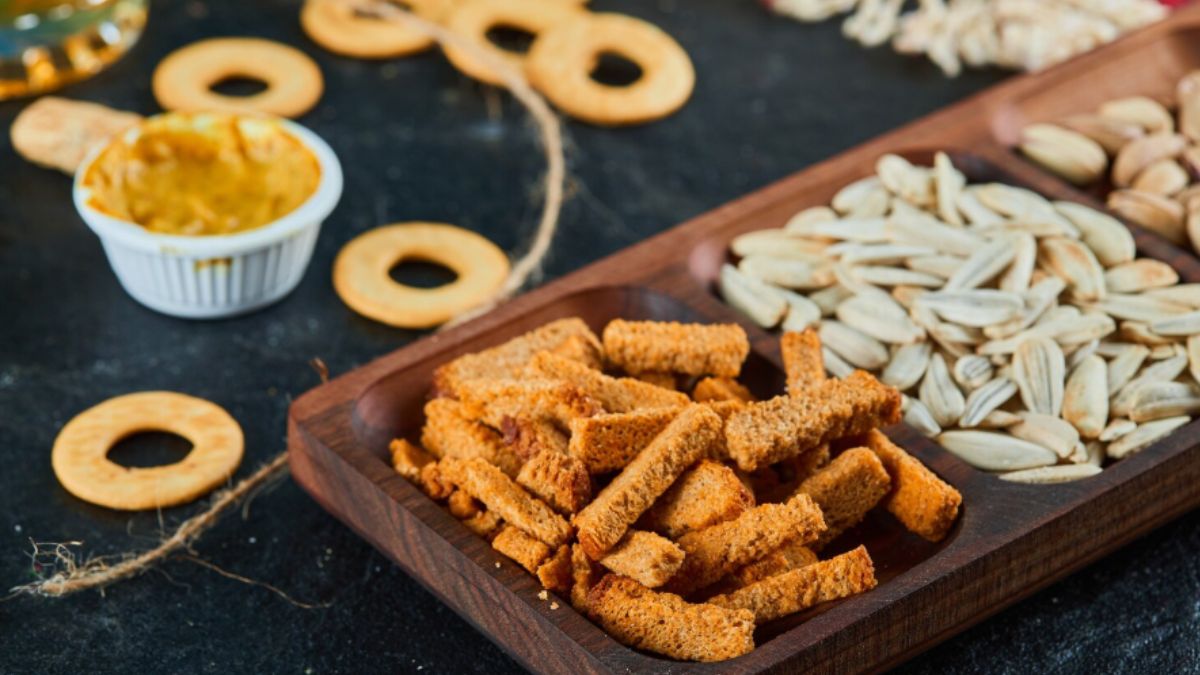
Pork rinds used to be a gas-station afterthought, the crinkly bag nobody reached for unless the chips were sold out. Now they show up in gym bags, keto meal plans, and those curated snack boxes that cost more than lunch. Funny how that happens.
The comeback is real. As low-carb and high-protein eating has gone mainstream, pork rinds have found a new audience among people looking for an alternative to traditional snack foods. Which raises a fair question: are they a decent snack, or just a fad with good marketing? The answer is a bit of both, and it depends a lot on what you’re comparing them to.
So let’s break it down without the hype. What they are, what’s in them, and where the catch is.
What Pork Rinds Are Made Of
A pork rind is pig skin, dried and then fried until it puffs into something light and crunchy. That’s the whole recipe. You’ll see them called chicharrones in Latin American kitchens, and versions of the same idea show up across the Southern US, Spain, the Philippines, and plenty of other places. It’s an old food, not a new invention.
The skin is mostly protein and fat with no starch or sugar, which is the reason the nutrition looks so different from a potato chip. Strip out the carbs and you’re left with a snack that’s mostly protein, fat, and salt.
The Nutrition, Broken Down
Here’s where pork rinds earn their reputation. A one-ounce serving runs about 150 calories, roughly 17 grams of protein, around 9 grams of fat, and zero carbs, according to the USDA’s food database. For a crunchy snack, that protein number is unusually high.
One honest caveat, though. Most of that protein is collagen, the structural stuff in skin and connective tissue. Collagen is real protein, but it’s incomplete, meaning it’s short on some of the amino acids your body can’t make on its own. So pork rinds aren’t a stand-in for eggs or chicken. Think of them as a snack that happens to bring some protein along, not a protein source you’d build a meal around.
They’re also thin on fiber, vitamins, and minerals. You’re eating them for the crunch and the macros, not the micronutrients.
Why Low-Carb Snackers Love Them
Zero carbs is the headline. Most crunchy snacks are built on a base of potato, corn, or flour, which means carbs and a blood-sugar bump. Because pork rinds contain little to no carbohydrate, they generally have a much smaller effect on blood glucose than potato chips or other starch-based snacks. That single fact is why they became a staple for keto, Atkins, and carnivore eaters, and why brands like PorkRinds.com now sell them in flavors that go well past the plain bag.
There’s a practical angle too. Crushed pork rinds make a solid zero-carb swap for breadcrumbs, so people use them to bread chicken or fish, or as a crunchy topping. Same satisfying texture, none of the flour.
And protein is filling. A snack with this much of it tends to hold you over better than the same calories of pure starch, which matters if you’re trying not to raid the fridge an hour later.
Two Things to Portion Sensibly
Pork rinds are salty, sometimes seriously so, and the sodium adds up faster than you’d think. A serving can carry a few hundred milligrams, and almost nobody stops at one serving, so a bag can put a real dent in your daily total.
For context, the American Heart Association suggests capping sodium at 2,300 milligrams a day, and ideally closer to 1,500 for most adults. A flavored bag can eat into that quickly, so if you watch your blood pressure, salt is the number to track here, not carbs.
The fat is worth a quick glance too, since a good chunk of it is saturated, which is one more reason a sensible portion goes a long way.
How to Enjoy Them Without Overdoing It
Pork rinds land in a useful middle ground: better than chips if you’re cutting carbs, worse than a handful of nuts if you’re chasing all-around nutrition. They’re a treat with a few real perks, not a health food, and that’s a perfectly fine thing to be.
Stick to a sensible portion instead of inhaling the bag. Look for lower-sodium or lightly seasoned options if salt is a concern. Pair them with something that brings what they lack, a little fiber, some vegetables, a real protein. Do that, and a crunchy, high-protein, zero-carb snack earns its place in the rotation. Just keep one eye on the salt and you’re set.

The Kingdom of Saudi Arabia offer a plate-pleasing experience like nowhere other. Travellers from around the globe visit the Kingdom either for pilgrimage, education, history or cultural exploration. Qiblatain assist the visitors during their trip with affordable and best USA Umrah Packages from the States. Hospitality sits at the heart of every meal, making the Saudi cuisines one of the most ways to experience your time in the country.
The Saudi cuisines are built of fragrant rice dishes, slow-cooked meat, dates, and Arabic coffee, shaped by the Bedouin culture and centuries of trade in the region. The kingdom is home to many traditional marvels, cultural wonders a spiritual inheritance. Tourists explore the ancient history and savour the mouth-watering dishes in the region. The country is the birth of the Bedouin history, spice culture, and regional varieties spanning over the millennial history.
Let’s dive in!
Kabsa
Kabsa is the National dish in the country. The dish consist of meat (any halal type) fine rice, spices, and high notorious ingredients and value. The dish is cooked with vibrant flavours including cloves, cinnamon, cardamom, and black lime. Meat can be of camel, lamb, beef or chicken. The dish is cooked and served in a large platter to the guests, community gatherings and family unions. The traditional way of enjoying the dish is with hand, not using any modern eating accessories.
Jareesh
Jareesh is a popular traditional dish. It is among must try meal in the Middle East. The dish is served during the month of Ramadan, festivals of Eid, Easter holidays to savour with families and friends. Tourists visiting the Kingdom with Ramadan Umrah packages take advantage of this centuries old dish. The dish is mad with crushed wheat, meat, butter water and cardamom. When it is cooked fully, some other spices and butter is used to garnish it.
ShakshUSAa
The traditional vegetarian dish is originated from Africa. It is a popular dish to devour in breakfast made with tomato sauce, eggs, onions, peppers, and different spics to enrich the taste and flavor of dish. ShakshUSAa is often served with fresh bread. The dish is popular and preferred during morning in Africa and Middle East. The simple and special flavor make is must pick dish among the local and visitors.
Gursan
Another national and traditional dish of Saudi Arabia is Gursan. The dish is originally belongs to the Najad tradition and is popular among the locals and visitors throughout the Kingdom. However, each region cook the dish with their different and specific variations. It is made of meat, vegetables, and spices and is used with dry bread. The dish coonects you with the warm hospitality of the Kingdom.
Mutabbaq
It is a stuffed pancake dish with a savory or sweet flavor. The spicy version include crushed meat, onions, and different spices. While the sweet style come with sugar, nuts and chocolate coating. The dish is a popular street food in the Kingdom with different flavours and variations. Tourists devour the simple dish and experience the street style of the region.
Sharwama
It is a famous Middle East dish and is commonly popular in many Asian countries. It is made with crusted bread filled with marinated meat, vegies, spices, pickles, salad, tomatoes and different sauces. The meat is wrapped in pita bread and sliced in two to fill other ingredients. Sharwama is originated by the Levantine Arab and is popular among the tourists. It is easily available in restaurants, street cafes, and stalls with different variation, flacvours and tastes. The dish show the modern culture of the Kingdom immerse in traditional and cultural flavours.
Saleeg
It is a creamy dish which is basically cooked with rice, milk, olive oil, butter, meat broth (lamb, camel, beef or chicken) and a wide variety of spices. The worldly meaning of Saleeg is “to boil” as the dish is consisting of all boiled ingredients. The kingdom served this dish in a large platter called tabasi with roasted chicken or lamb. Its taste is similar to the Italian dish risotto. Saleeg highlight the cooking diversity and tradition for visitors.
Tips to enjoy local cuisisnes
- Try both local, national and international foods in the Kingdom
- Avoid tourist filled restaurants and be open to try local eateries for a more traditional experience
- Saudi dining is communal, share your food with other and establish new relations
- Respect the local and traditional way of eating (eating with right hand)
- If you are new to spice, balance the spicy dishes with yogurt or salad
- Drink a lot of water and fresh juices while eating spicy or heavy meals to stay hydrated
- Prefer the recommendations from locals
- Discover and explore new dishes and flavours, and hidden gems of the kingdom
- Look for local stalls, street food and local cafes for a more savoury and unforgettable taste and flavours
Wrap Up
The traditional and regional foods of Saudi Arabia reflects the rich heritage, culture and hospitality of the Kingdom. Each dish, every flavor and variation from Kaabsa to Sharwama tells a different story of warm warmth and care. Savouring these dishes during your stay in the country connects you with the rich ancient heritage of the country and offer lasting memories.

Dallas summers routinely push past 100°F, but it’s the wild temperature swings — a 70-degree drop in 48 hours during a winter freeze event — that silently destroy gate hardware faster than anything else. Thermal expansion cracks welds, warps steel frames, and seizes hinges until a gate that worked fine on Monday simply won’t budge on Wednesday. If you want a gate that lasts a decade instead of three years, understanding how the North Texas climate affects your system is the first step toward making a smarter purchase and maintenance decision.
Why Dallas Weather Is Harder on Gates Than You’d Expect
I’ve been working on gates across the Dallas-Fort Worth area for over ten years, and the number one cause of premature failure I see isn’t poor installation — it’s underestimating what the local climate does to metal and electronics year-round.
In summer, raw steel surface temperatures can reach 150°F or hotter in direct sun. At that temperature, grease in gate operators liquefies and runs out of the bearing housing, leaving moving parts dry and grinding by September. In winter, the freeze-thaw cycles we see every January crack concrete footings, shift gate posts out of plumb, and cause gate openers to work at double their rated torque just to break an ice-glazed track free.
The fix isn’t complicated, but it is specific: use a high-temp, lithium-based grease rated for at least 300°F on all pivot points, seal electrical control boards inside weatherproof enclosures rated for NEMA 4 or higher, and inspect concrete footings every spring for heave cracks. These are non-negotiable steps in this market that companies in milder climates sometimes skip entirely.
The Real Cost of Skipping Routine Gate Maintenance
A well-built residential or commercial gate in the Dallas area should last 15 to 20 years with proper maintenance. Without it, I’ve seen operators burn out in under four years and structural welds crack in six.
Here’s what that looks like in dollars: a replacement gate operator runs $800 to $2,500 installed. A new gate panel with welding repair work on the frame can run $1,500 to $4,000 depending on size and material. Compare that to a $150 to $300 annual maintenance visit that catches loose hardware, reapplies lubrication, tests safety sensors, and cleans the track.
The math is straightforward. Maintenance isn’t a luxury — it’s the cheapest repair you’ll ever schedule.
What to Look for When Hiring a Gate Company in Dallas
Not every fencing and gate contractor operates at the same level, and in a city this size, the range in quality is wide. When you’re vetting a provider, here’s what actually matters.
First, ask specifically about experience with automatic gate repairs and commercial-grade systems — not just fence installation. Many fence builders in Dallas offer gates as an add-on service but lack the electrical and welding expertise to service them properly. Second, verify that the company handles fabrication in-house. A shop that welds its own frames can fix problems faster and cheaper than one that outsources metalwork.
Third, look for a contractor who gives you a written scope of work before the job starts. Vague quotes lead to surprise charges. Reputable gate specialists — like a proven gate company Dallas — will itemize parts, labor, and any site-prep requirements before a single tool comes out of the truck.
Finally, ask how they handle emergency calls. Gates fail at inconvenient times, and a company without after-hours support can leave a commercial property exposed for days.
Automatic Gates vs. Manual Gates: Which Holds Up Better Here?
I get this question from homeowners and property managers alike, and my honest answer is: it depends on how well the automation components are specified for the Texas climate.
A quality automatic gate with a commercial-grade operator, properly installed with climate-appropriate components, will outlast a manual gate that gets slammed daily. The key phrase is “properly specified.” Residential-rated operators installed on heavy commercial swing gates — a shortcut I see fencing companies in Dallas take too often — will fail within two to three years under daily use.
If you’re choosing a new system, look for operators rated at least 30% above your gate’s actual weight. For a 600-pound dual-swing gate, that means an operator rated for at least 800 pounds. Build that buffer in from day one and you’ll rarely need to call for automatic gate repairs outside of routine service.
Red Flags That Your Gate Needs Professional Attention Now
Certain symptoms mean your gate is past the “watch and wait” stage. If you recognize any of these, schedule service before the issue compounds.
- Grinding or scraping sounds during operation signal worn rollers or a track that’s shifted out of alignment.
- Slow open/close cycles on an automatic gate usually indicate a struggling motor — often due to low battery backup or dried-out gearing.
- Visible rust at weld seams means moisture has breached the protective coating. Left alone, this becomes a structural problem, not just cosmetic.
- Gate sagging on one side points to a hinge failure or a footing that’s shifted — common after a hard freeze.
For homeowners searching for residential gate repair near me, it’s worth knowing that many of these issues are fast fixes when caught early but can require full component replacement when ignored for a season or two.
Getting the Most from Your Gate Installation Investment
Whether you’re replacing an aging system or installing a gate for the first time, the upfront decisions determine everything that comes after. Choose materials rated for outdoor exposure in hot, high-UV environments — powder-coated steel or aluminum outperforms raw iron in the Dallas heat. Invest in a gate operator with a built-in thermal protection circuit, which shuts the motor down before it overheats rather than burning out a winding.
And build a maintenance relationship with your installer from day one. The best gate specialists in this market offer annual service agreements that cover lubrication, sensor calibration, and hardware tightening — keeping your system running smoothly through every season North Texas throws at it.
For homeowners and businesses across the Dallas area ready to take that step, the team that handles gate repair Dallas residents rely on can walk you through system options, maintenance plans, and upfront pricing so you know exactly what you’re getting before work begins.
A gate is only as good as the knowledge and craftsmanship behind it — choose your contractor with the same care you’d put into any major home or commercial investment.
-

 TOPIC11 months ago
Symbols of Hope: The 15th Belenismo sa Tarlac
-

 NEWS11 months ago
Historical Churches in Manila
-

 TOPIC11 months ago
RIZAL at 160: a Filipino Feat in Britain
-

 TOPIC11 months ago
“The Journey Beyond Fashion” – Ditta Sandico
-

 TOPIC11 months ago
5 Must-Have Products From Adarna House to Nurture Your Roots
-

 TOPIC2 weeks ago
Unveiling AvTub: Your Ultimate Guide to the Best AV Content
-
 TOPIC11 months ago
“Recuerdos de Filipinas – Felix Laureano”
-

 TOPIC11 months ago
Filipino, alternative language course at Moscow State University